Most so-called indestructible cat toys are marketing fluff, and your couch can probably back that up. Ever watched your cat chew a toy like it’s a snack or a trophy? Then you want toys that take real pressure, not cute labels.
Here’s the quick, no-fluff checklist. Pick natural rubber (a tough, bouncy rubber like the kind used in KONG-style toys), puncture-proof fabric (tightly woven cloth that resists holes), and reinforced or double-stitched seams (extra sewing that keeps stuffing in). Look for solid, single-piece cores or chew-resistant inserts (a hard inner layer that keeps teeth from reaching the fluff), and avoid thin fabrics or loose trim that peel off.
Simple home test so you can spot a true heavy-chewer winner fast: squeeze and twist the toy to feel bounce and elasticity, pinch seams and tug gently at attachments to check stitch strength, and fold the fabric to see if stuffing pokes through. If stuffing pops or the seam gives, put it back on the shelf.
Do this and you’ll save money, avoid shredded stuffing all over the floor, and get back to the satisfying thud of a ball across the carpet. Worth every paw-print.
How to Choose Unbreakable Cat Toys for Heavy-Chewers
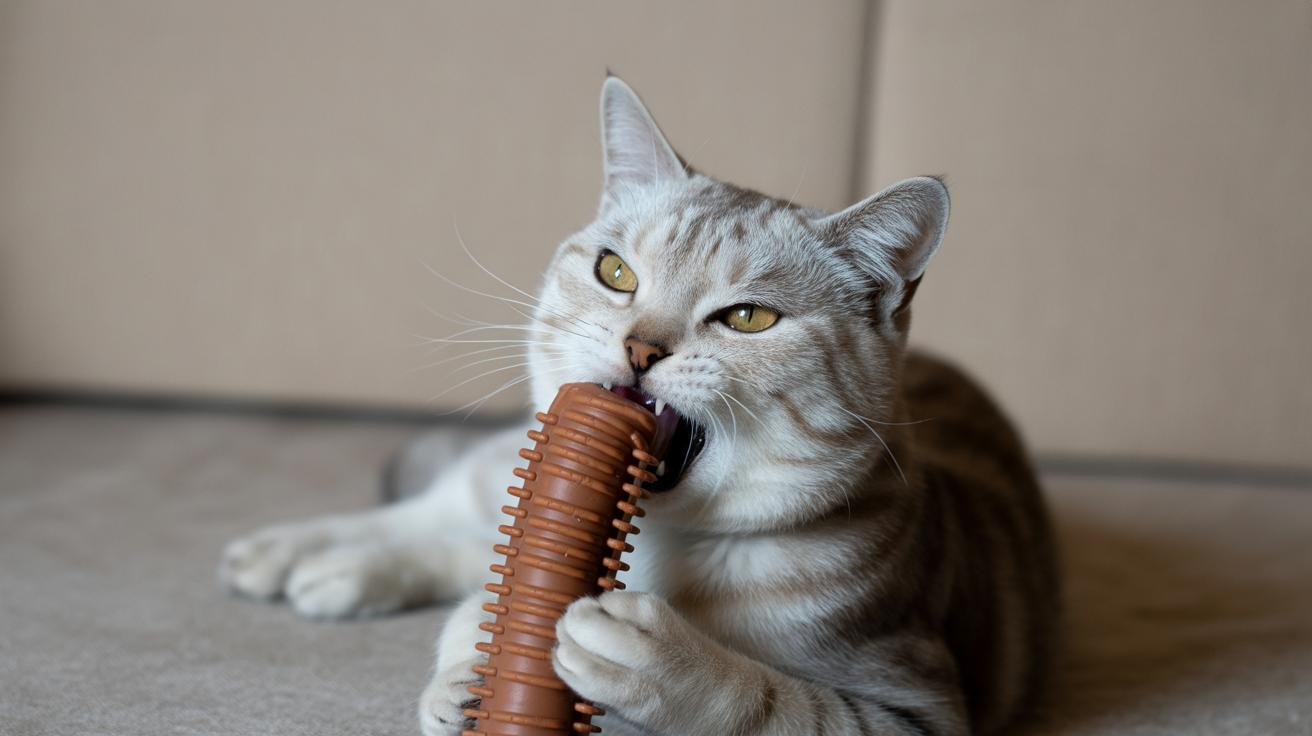
Here’s a short, no-fluff checklist to help you pick toys that actually survive a heavy chewer. Think of it as the quick shopping guide for when your cat treats toys like chew toys and toys like trophies.
- Preferred materials , natural rubber (a tough, bouncy rubber used in KONG-style toys), woven nylon (tightly woven fabric like seatbelt webbing), reinforced polyester (synthetic fabric with extra stitching for tear resistance). These three materials are your best bet for durability and chew resistance.
- Immediate do , supervise the first play session to see how your cat attacks the toy. Ever watched your kitty go from gentle pawing to full-on chomping? That first few minutes tell you a lot.
- Immediate don’t , retire any toy at the first sign of shedding fabric, loose stuffing, or exposed cores. Don’t wait. If bits are coming off, it’s time to swap it out.
- Purchase signals , choose toys with replaceable cores (so you can swap the inside), reinforced stitching (extra rows where seams meet), and dishwasher-safe parts (easy cleaning). Those features usually mean the toy will last longer and stay safer.
- Quick size check , pick a toy bigger than your cat’s mouth or gape so it can’t be swallowed whole. Safety first.
- Fast home trial note , run a short stress test: a timed supervised play session plus a chilled chew if your cat is teething. See the Testing section for the exact protocol on how to test unbreakable cat toys for heavy chewers at home.
This is your quick go-to reference. Other sections will link back here instead of repeating these bullets. Worth every paw-print.
Materials and construction that make unbreakable cat toys for heavy chewers (deep dive)
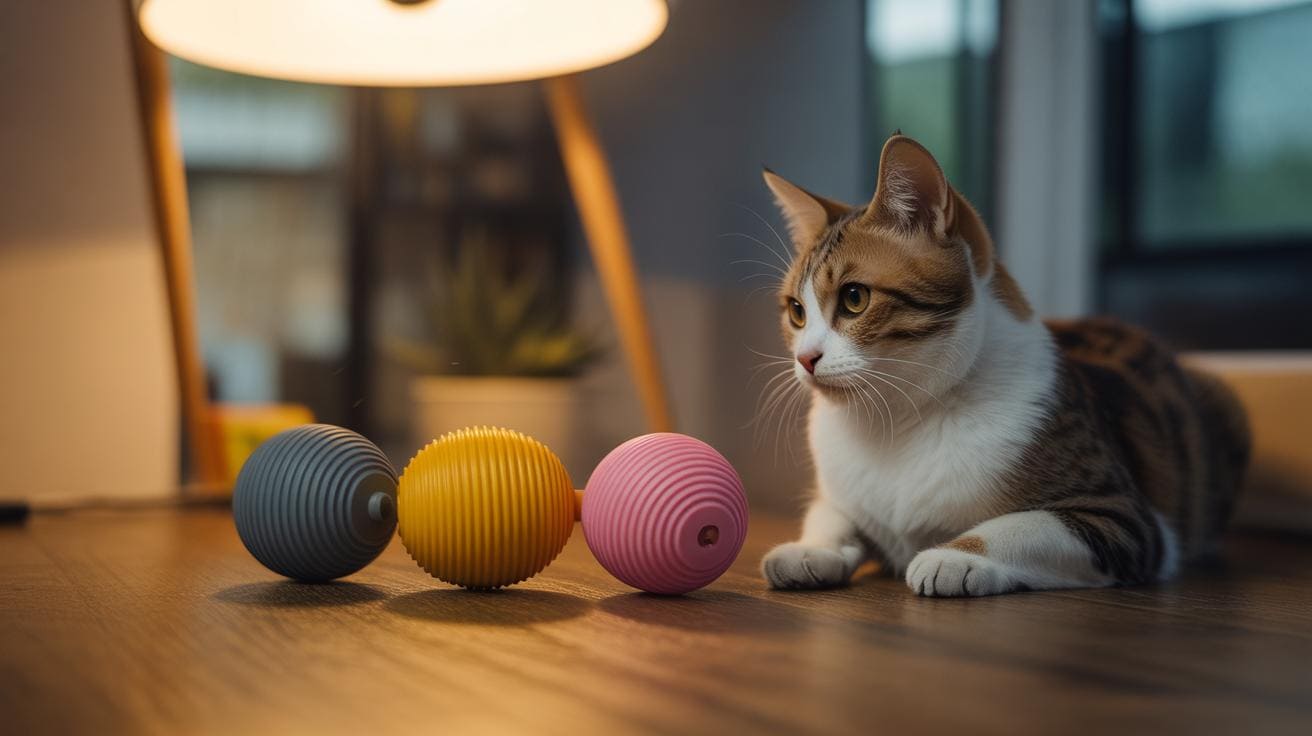
First thing: pick the right material. Natural rubber (a tough, flexible polymer, like the rubber used in KONG-style toys) resists punctures and has a satisfying bounce, perfect for bite-and-toss play. It will show surface gouges over time, though. Woven nylon (a tight synthetic weave, like seatbelt webbing) handles clawing and shredding, feels rough enough to help scrape plaque, and usually wears at the edges. Reinforced polyester (synthetic fabric with an extra backing) balances abrasion resistance with flexibility. Cotton twill (a heavy cotton weave) is softer on gums but will fray faster with constant chewing. Stainless steel parts (a corrosion-resistant metal) add a lot of structural strength for cores or load-bearing pieces, but they need sealed joins to stay safe. Think texture, bite feedback, and how long a toy will actually last when you shop. Ever watch your cat go after a bouncing rubber ball? That mouth feedback matters.
Construction matters as much as material. Reinforced seams (double rows or bar-tack stitching) move stress away from a single stitch line and stop tears from running. Replaceable cores let you swap out worn insides instead of throwing the whole toy away, great when refills use non-toxic materials. Enclosed hardware hides screws, magnets, or rings so teeth can’t get to them. Heat-sealed edges and folded hems reduce raw edges that cats can grab. Look for toys that lock moving parts behind thick fabric or rubber so little teeth can’t pry them open. My cat once found a loose snap, oops, lesson learned.
Know the common failure modes and how fast they show up. Heavy daily chewing can fray seams in weeks to months. Magnets that aren’t fully enclosed can pop out after repeated pinching; those are real hazards. Small glued pieces usually shed within the first few sessions. For sizing, KONG’s Kitty KONG cavity is about 2.25" x 1.5", a handy benchmark when checking fit against your cat’s mouth. Use that and the materials guidance when judging claims about longevity. Rubber toys for power chewers will survive surface wear longer than most fabric options.
| Material | Best for | Typical failure mode | Typical service (sessions/month estimate) |
|---|---|---|---|
| Natural rubber (flexible polymer used in KONG-style toys) | Power gnawers, treat-dispensing | Surface gouges, hairline cracks | 30–90 |
| Woven nylon (tight synthetic weave, like seatbelt webbing) | Shredders, tug/wrestle play | Edge fray, seam pull | 20–60 |
| Reinforced polyester (synthetic fabric with extra backing) | General durable play, outdoor toys | Abrasion wear, delamination at seams | 20–50 |
| Cotton twill (heavy cotton weave) | Gentle chewers, seniors, kittens | Fraying, stuffing exposure | 10–30 |
| Stainless steel / metal-reinforced parts (corrosion-resistant metal) | Structural cores, heavy-duty tugs | Loosening joints, corrosion if poorly sealed | 50–200+ |
- Glued-on eyes or decorations that can peel off
- Exposed magnets or hardware within reach of teeth
- Single-row seams or cheap overlock stitching at stress points
- Single-layer plush with no reinforcement or sewn-in stuffing
Use the quick reference checklist above as your buying anchor when you compare product listings. It’ll help you separate marketing fluff from toys that actually stand up to serious chewing. Worth every paw-print.
Toy types and designs for heavy chewers: mapping styles to chewing profiles and use-cases
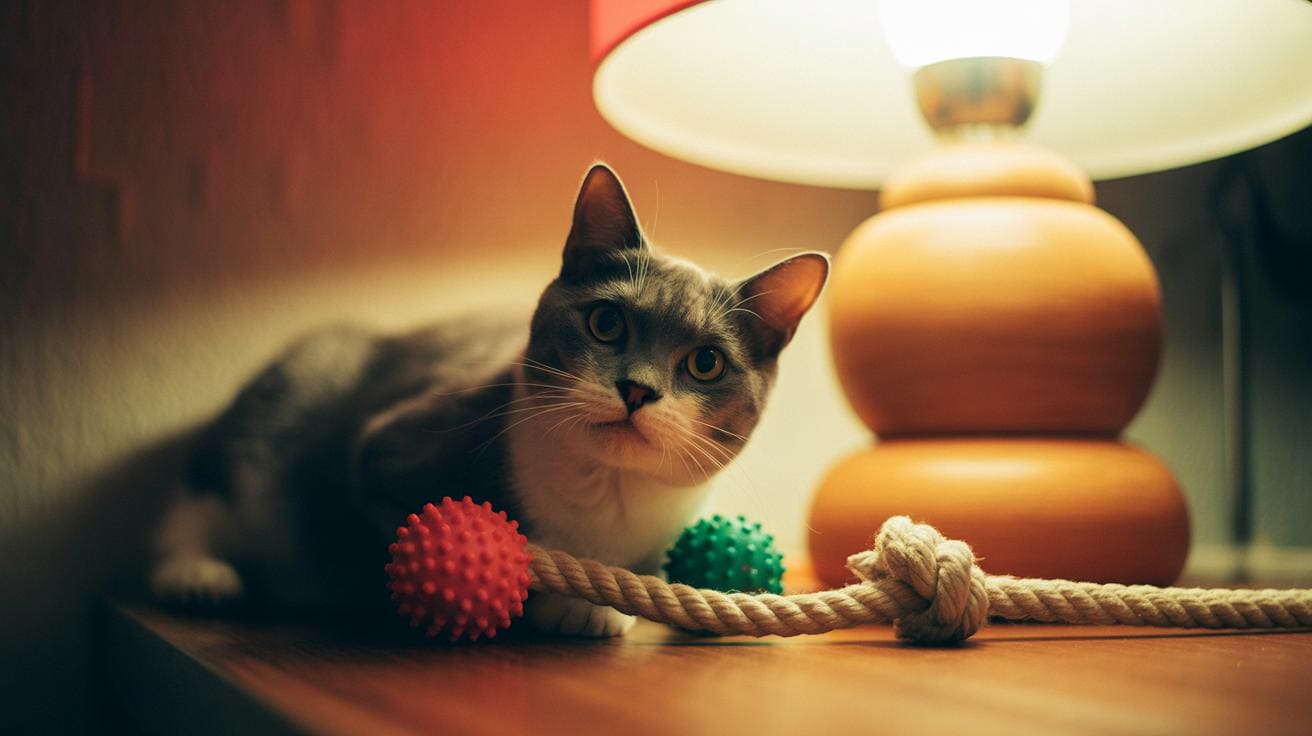
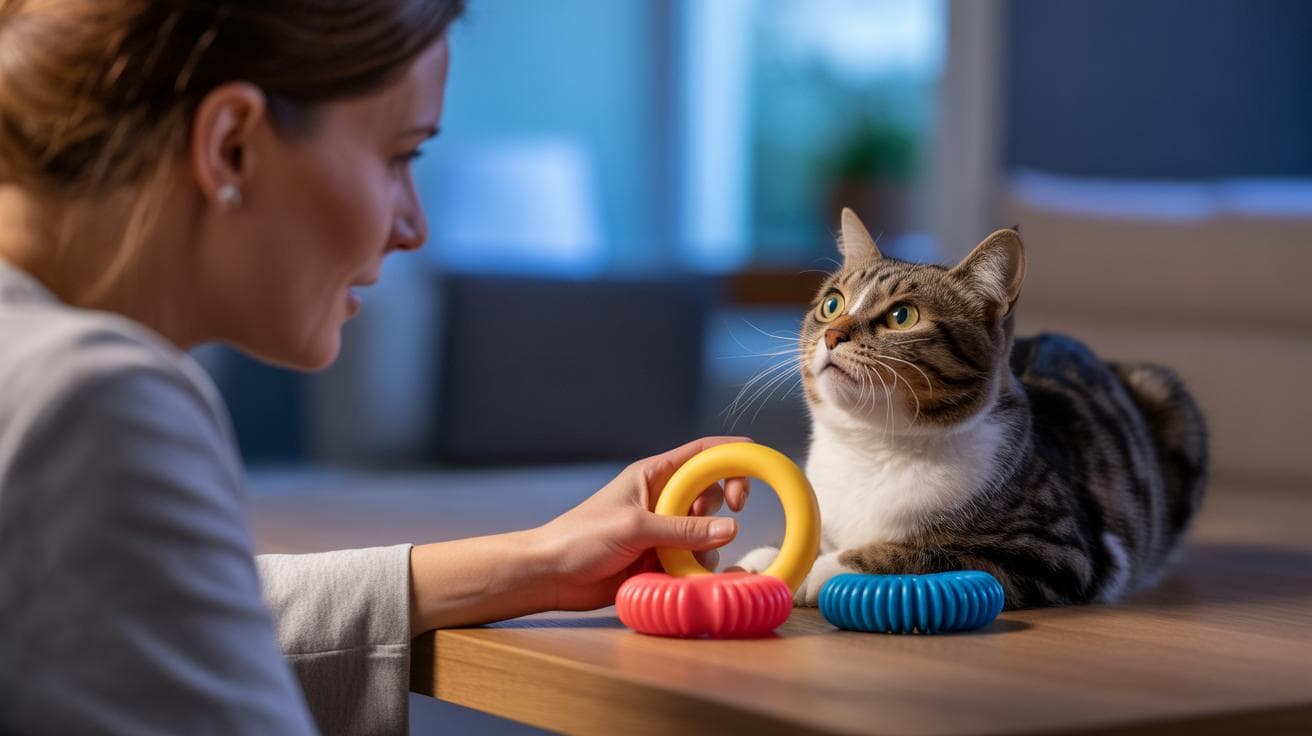
Rubber and dental toys , for gnawers and dental chewers. These are firm natural rubber (a flexible polymer that bends instead of tearing) toys with little bumps that massage gums and help wear away plaque. Chill one in the fridge for teething relief and your kitten might do a slow, content chew. Aim for a nodule-covered chew or a Kitty-style treat toy (KONG cavity about 2.25" x 1.5") for daily 10 to 15 minute gum-massage sessions. Caution: surface gouges and hairline cracks appear over time, so inspect often; even the toughest toys need retiring when they crack.
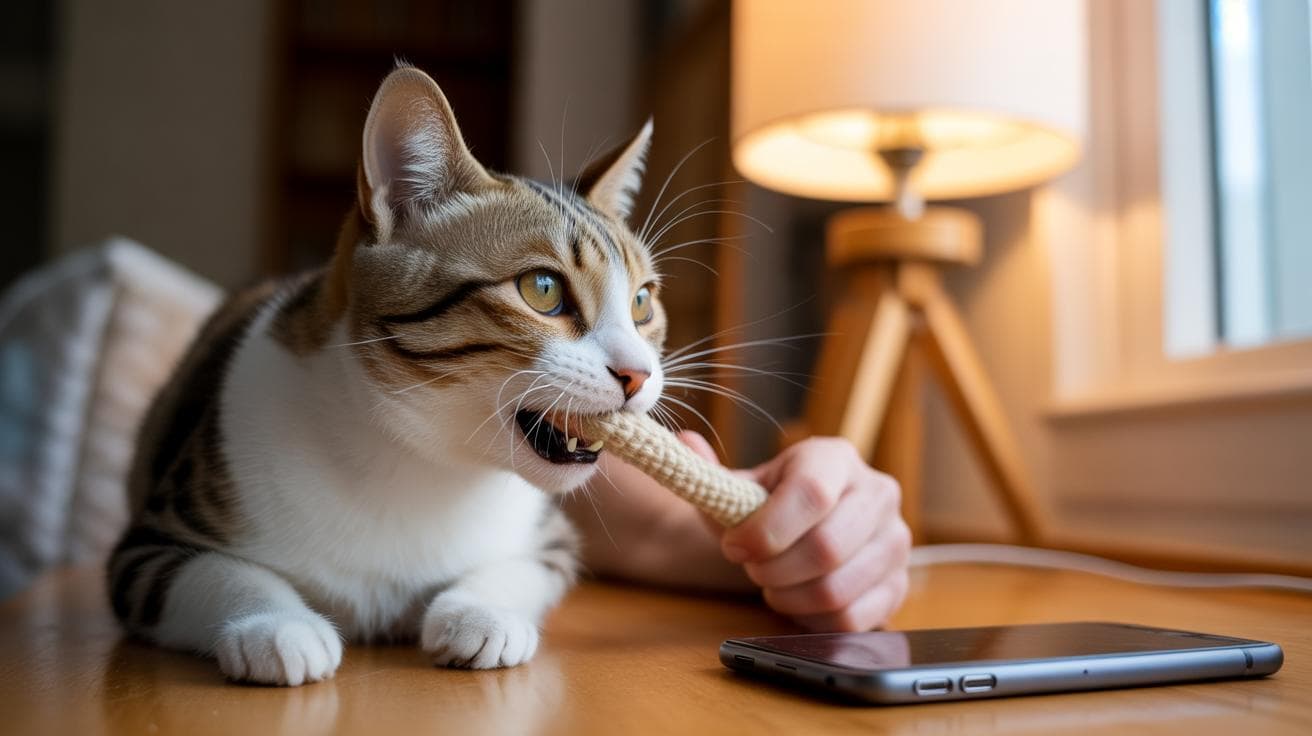
Woven nylon and reinforced fabric pouches and ropes , for shredders and wrestlers. Woven nylon (a tight synthetic weave) and heavy rope exteriors resist tugging and rough play, and the abrasion can help scrape plaque during wrestle sessions. A chew-resistant rope or a woven nylon pouch with a replaceable core is great for 5 to 20 minute tug bursts. Caution: seams and hems take the hit first, so look for doubled stitching; even chew-resistant items can show seam pull after heavy daily roughhousing, so supervise new toys.
Treat-dispensing and puzzle toys , for reward-driven chewers. These turn chewing into a game: slow-feed puzzles, KONG-style cavities (KONG is a common brand of hollow chew toy), or refillable cores keep cats working for treats for 15 to 30 minutes and steer them away from furniture. Pick a sturdy treat ball or puzzle with enclosed hardware and replaceable parts. Caution: cheap models can lose small internal parts or gaskets, so test at home and avoid toys with exposed fittings.
Motion and electronic toys , for high-activity cats that trash static items. Motorized rolling balls with tails or magnetic feather gliders convert chew energy into chase energy, often giving a good 1 to 2 hour active window when supervised. Try a battery-powered rolling ball with a fluffy tail for short supervised play sessions. Caution: motor housings and tail attachments are common failure points, so check enclosures and fastenings before each run.
Quick buying guide and chew-match tips:
- Aggressive gnawers -> Rubber and dental nodules for daily gum massage
- Shredders and wrestlers -> Woven nylon pouches or heavy rope tugs with reinforced stitching
- Reward-driven chewers -> Treat-dispensing puzzles for slow, engaging sessions
- Active hunters -> Motion and electronic toys for supervised chase windows
- Teething kittens or seniors -> Chilled soft nodules or reinforced plush with limited stuffing
| Chewing Profile | Best Toy Type | Typical Session Length |
|---|---|---|
| Aggressive gnawers | Rubber/dental nodules (natural rubber) | 10–15 minutes |
| Shredders and wrestlers | Woven nylon pouches, heavy rope tugs | 5–20 minutes |
| Reward-driven chewers | Treat-dispensing puzzles, KONG-style toys | 15–30 minutes |
| Active hunters | Motorized balls, feather gliders | Supervised 1–2 hours total |
| Teething kittens / seniors | Chilled soft nodules, reinforced plush | Short, gentle sessions |
A few last real-talk tips. Always inspect toys before and after play. Replace anything with cracks, exposed parts, or loose stitching. And hey, ever watched your cat leap six feet for a rolling ball? Worth every paw-print.
How to test unbreakable cat toys for heavy chewers at home (protocol, log template, timelines)
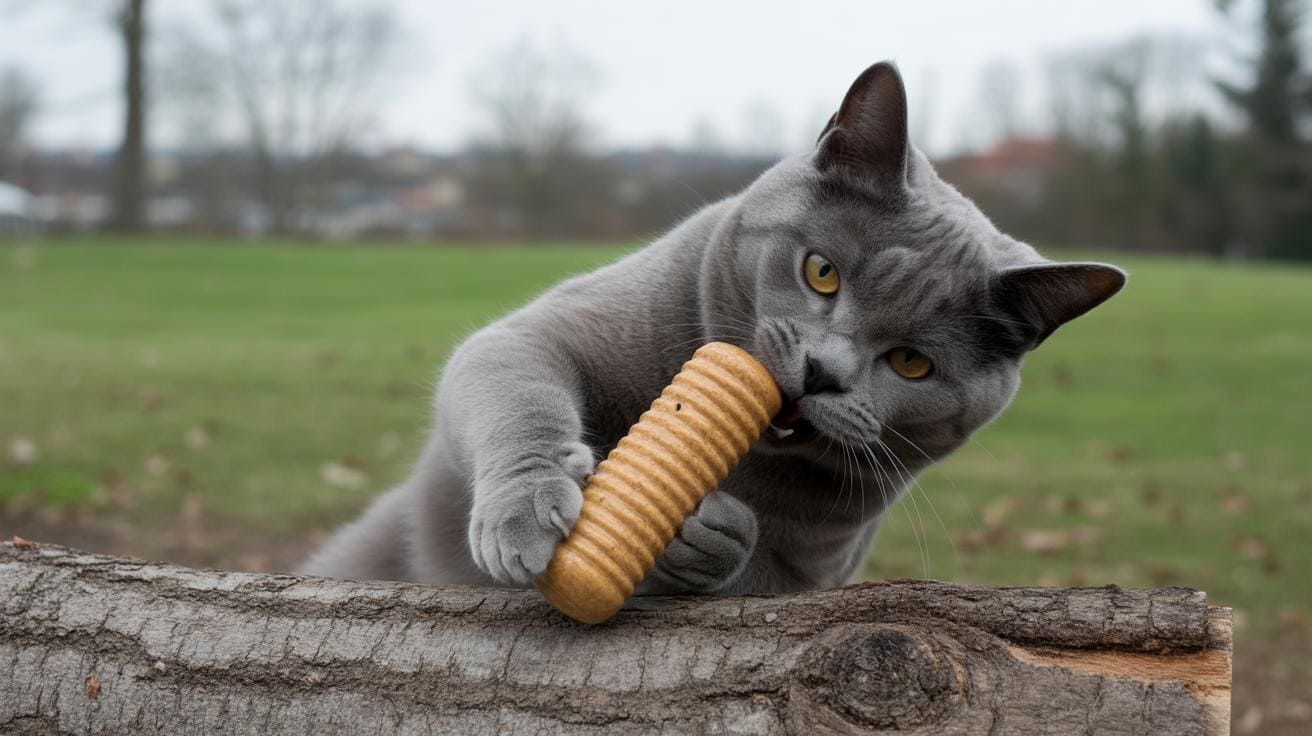
Want to know if a toy is truly chew-proof or just pretending? This simple, repeatable test will give you clear answers fast. Check the checklist for buying signals before you start so you don’t waste time on dud toys.
-
Take baseline photos and label everything.
Snap a few clear shots of the toy, note the model/name and size, and label the photos so you can compare wear later. A picture now saves a guess later. -
Supervised intro session.
Let your cat play for 10 to 15 minutes while you watch how they attack – gnaw, tug, shred, or nibble. Note any immediate failures like loose bits or popped seams. -
Timed stress session.
Do one 30-minute active session, or three 10-minute bursts, to push seams, gaskets (small seal pieces), and attachments. You want to see how parts hold up under real play. -
Record simple metrics.
Log session length, behavior (gnaw/tear/tug), visible wear rating (0 to 5, where 0 is no wear and 5 means near destruction), any loose bits, and odd smells. This is your core data for comparing toys. -
Chilled teething test.
Put rubber or teether items in the fridge for 20 to 30 minutes, then run a short chew session to see if cold changes how your cat chews. Rubber (flexible, bouncy material) can behave differently when chilled. -
Repeat across days.
Do these sessions on nonconsecutive days so you catch gradual wear and not just a one-off reaction. That gives a more honest picture of longevity. -
Final stress push.
After 3 to 5 sessions, do one last 30-minute push to check for delayed failures like seam pulls or exposed cores (the inner structure). Sometimes the problem shows up later. -
Retire criteria.
Remove toys that shed pieces, show exposed or softened cores, or reach a visible wear rating of 3 or higher. Don’t wait until full failure. Safer to swap early.
| Date | Session length (min) | Cat behavior (gnaw/tear/tug) | Visible wear rating (0–5) | Action taken |
|---|---|---|---|---|
Quick timeline: run at least 3 to 5 sessions over 7 to 14 days for an initial read. Revisit at 30 and 90 days to build a durability signal you can trust. Think of this like reviewing toys the way pros do, so you can compare brands and pick winners.
Quick pass/fail checklist:
- No loose threads or shedding pieces after sessions
- No exposed or softened cores that could come out
- Wear rating is 2 or less after 5 sessions
- Seams and hardware stay tight and intact
For inspection steps and cleaning methods, see the Safety/Cleaning section and swing back to the checklist for quick purchase signals before you test. Worth every paw-print.