Most so-called "unbreakable" cat toys are marketing hype. Ever watched your cat shred one in five minutes, stuffing and fuzz flying everywhere?
Real toughness comes down to three things. First, the core material, like TPR (thermoplastic rubber, a grippy, bouncy plastic) that gives the toy shape, bounce, and that satisfying thud when your kitty pounces. Second, a tough outer skin such as ballistic nylon (heavy, puncture-resistant fabric) to stand up to teeth and claws. Third, strong seams and joints, like welded seams or double-stitching, so the stuffing and squeakers stay inside instead of becoming snack time.
Match those bits to how your cat plays and you get a toy that actually lasts. If your cat chews, go for a solid TPR core and welded seams. If your cat bats and pounces, pick a bouncy core wrapped in ballistic nylon. For mixed players, double-stitching is your friend, honestly, it keeps the toy from turning into confetti. Ever seen your cat launch a toy across the room and it survive? That’s the goal.
Worth every paw-print.
unbreakable cat toys: what makes them durable
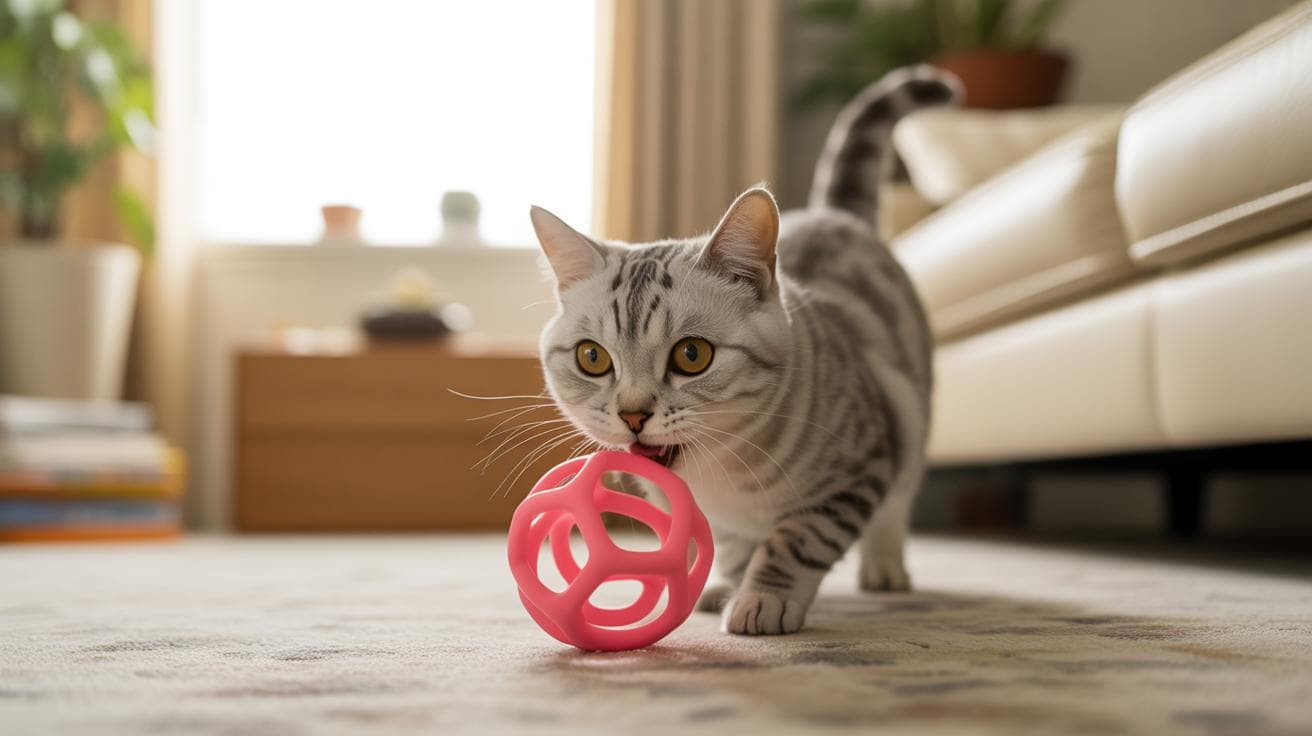
When shoppers say a toy is "unbreakable," they mean it survives chewing, scratching, and wrestling long enough to cut down replacements and avoid exposing small parts that could hurt your cat. Think less fragile plaything, more long-lasting sidekick. Ever watched your kitty rip a toy in two five minutes after you bought it? Yeah, not fun.
Durability really comes down to three things. The right material. Strong construction. And a design that matches how your cat plays. Match those and you’re golden.
- Core material: Look for TPR (thermoplastic rubber, a grippy, bouncey plastic), natural rubber (stretchy and chew-friendly), or hard nylon cores (very tough, like a plastic bone). Check the Materials section for hardness and chew-resistance trade-offs.
- Fabric or skin strength: Prefer ballistic nylon (a heavy, puncture-resistant fabric), reinforced canvas, or tightly woven synthetic skins. These handle claws and rough rolls better. See Construction and Materials for abrasion data.
- Seam and joint integrity: Seek welded seams, double-stitching, or bar-tacks (extra-strong stitches at stress points). Those details stop a toy from unraveling mid-wrestle. Refer to Construction for seam tests and examples.
- One-piece vs replaceable parts: For heavy chewers, sealed one-piece shells keep guts and small parts away from teeth. For multi-cat or high-use homes, modular toys with official replacement parts make sense. The Buying Guide explains when each approach wins.
- Match-to-playstyle and safety: Pick materials and shapes that fit chewers, wrestlers, or chasers and avoid small detachable bits that could come off. See Testing and Maintenance/Repair to learn how to evaluate and keep toys safe.
Pick TPR or natural rubber for aggressive chewers. They take bites and bounce back, so you get longer play sessions and fewer shredded surprises. For wrestlers, go with ballistic nylon plus reinforced stitching, those toys survive the tumble and the satisfying thud of a kitty body hitting the floor. Kittens need softer silicone (a gentle, rubbery material) or soft rubber so their teeth don’t get hurt. Chasers want light, catchable lures that flutter and dart. Multi-cat homes do best with rugged toys that let you swap in replacement parts.
Want side-by-side comparisons, test methods, and repair tips? Check the Materials, Construction, Buying Guide, How durability is tested, and Maintenance/Repair sections below to match puncture-resistant toys and chew-resistant materials to your cat. Worth every paw-print.
Materials comparison for durable unbreakable cat toys
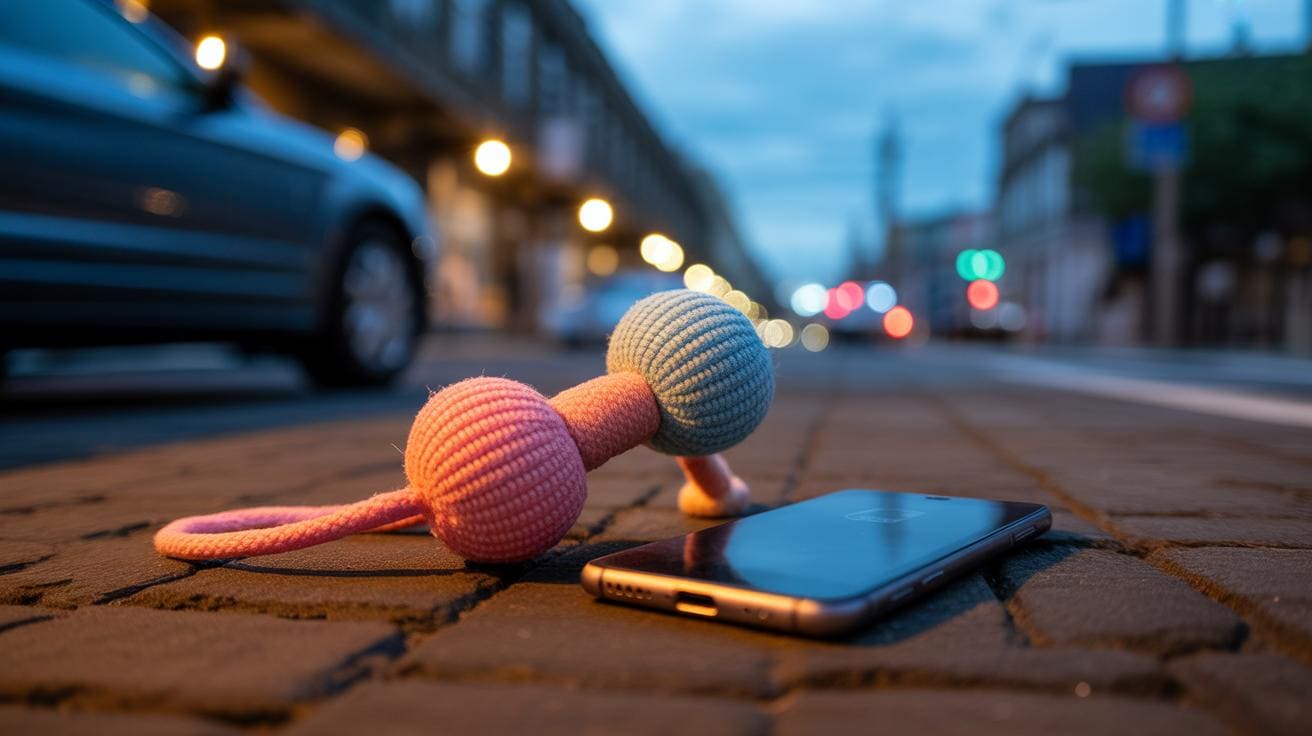
Material choice is the biggest factor in how long a toy survives teeth and claws. When you compare materials for durable cat toys, you’re really weighing puncture resistance, flex-fatigue (how a material bends and bounces back), and how easy it is to clean. Those three things decide if a toy lasts a few months or a few years. Picture your cat’s whiskers twitching as a toy keeps on going after yet another pounce.
| Material | Typical Use | Durability Traits (puncture/abrasion) | Cleaning & Care | Typical Lifespan Notes |
|---|---|---|---|---|
| Thermoplastic Rubber (TPR) (a bouncy, rubber-like polymer) | Chew toys, balls | Tough against bites. Bouncy and returns shape. Handles repeated bending well. | Soap and water. Air dry. | Months to years, depending on how hard your chewer is. |
| Silicone (soft, flexible medical-grade polymer) | Kitten-safe toys, teething rings | Soft and stretchy; low puncture risk for kittens. Sharp chewers can slice it. | Usually dishwasher-safe (top rack). | Months to years. Great for teething and gentle play. |
| Natural Rubber (sap-based stretchy material) | Durable chewables, treat dispensers | Stretchy and tough. Resists puncture better than cheap plastics. | Soap and water. Avoid prolonged sun exposure. | Months to years; holds up well to biting. |
| Ballistic Nylon / Reinforced Canvas (tightly woven tough fabric) | Wrestle toys, tug toys | High abrasion resistance. Stands up to wrestling and claws. | Spot clean or hand wash. Hang dry. | Years for most wrestlers. |
| Reinforced Plush / Cotton Twill (soft fabric with extra stitching) | Cuddly wrestle toys | Soft and snuggly. Reinforced seams reduce tearing and unraveling. | Warm water, mild detergent. Air dry. | Months to years if seams hold. |
| Sisal (natural plant fiber for scratching) | Scratch posts, textured toys | Fantastic for claws. Fibers will fray with heavy use. | Brush or vacuum. Replace when frayed. | Months to years based on how much scratching happens. |
| Nylon Rope (man-made nylon fibers twisted into rope) | Tug lines, reinforced tails | Sturdy and resists fraying. Can be heavy for small kittens. | Hand wash. Air dry. | Months to years; strong chewers shorten life. |
| Hard Plastic (ABS / Polycarbonate) (strong rigid plastics) | Track toys, rigid cores | Very tough and rigid. Can last years but watch for chips that make sharp edges. | Wipe with damp cloth. Keep dry if electronics are involved. | Years, but inspect regularly for cracks or sharp bits. |
Match materials to your cat’s habits. Aggressive chewers usually do best with TPR or hard nylon cores because they resist bite forces and stay intact. Wrestlers need ballistic nylon or reinforced canvas with solid stitching so seams don’t give out mid-tumble. Kittens love silicone, soft on their teeth and easy to clean in the dishwasher. Multi-cat homes benefit from nylon-reinforced construction and abrasion-resistant fabrics so toys survive lots of play and frequent washing.
Keep an eye on cleaning needs and on safety. Replace anything with sharp chips or torn seams. Ever watched your kitty shred a plush in seconds? Oops, yes, that happens. Pick materials that balance puncture resistance with tooth safety for your cat’s profile, and you’ll get more playtime and fewer tossed toys, claw-tastic.
unbreakable cat toys: what makes them durable
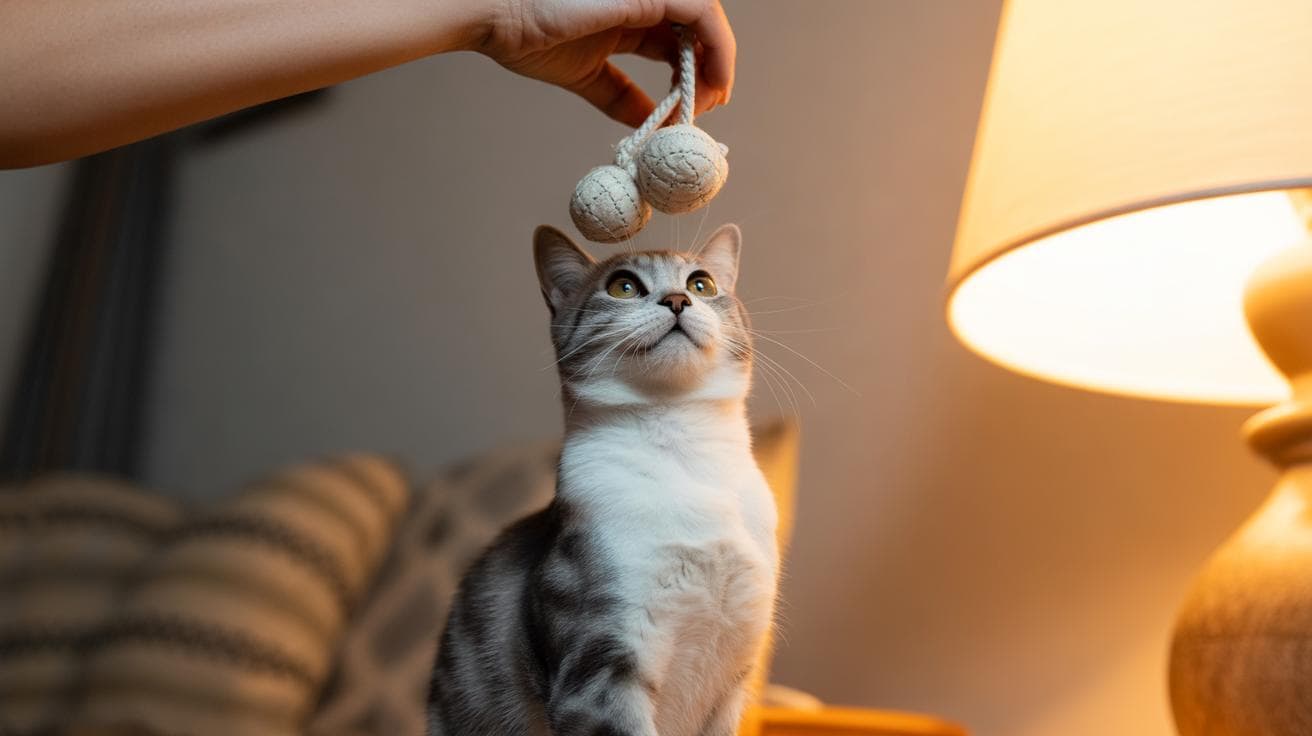
Durability starts at the seams. The best toys use reinforced stitching , double rows, bar-tacks (tiny blocks of dense stitches) at stress points, and folded hems (fabric folded over so threads don’t catch a claw). Those simple fixes keep seams from splitting when a paw or tooth tugs.
For rubber and plastic bits, pick welded seams (edges heat-joined or molded together) not glued lines that peel. Welded or molded joins mean fewer gaps for teeth to pry. So when your cat launches a three-am leap, the toy is more likely to survive the satisfying thunk of impact.
What’s inside matters as much as the outside. Solid-core designs (one single molded core) remove weak join points chewers love, while modular toys (parts you can swap) let you replace lures or batteries without tossing the whole thing. Brands also add weighted or low-slip bases (rubbery bottoms that stop sliding) and multi-track layouts so impact spreads across parts instead of beating up one corner.
Seamless chew toys (one-piece shells) are great for serious biters. But modular systems win for long-term value , keep the tough outer shell and just swap the worn bits. Oops, I mean, that’s saved me a few toys when Luna decided a mouse needed remodeling.
Know the usual failure spots and how smart design fixes them. Embedded squeakers and battery packs die fast if exposed, so look for sealed cavities (sealed pockets keeping innards dry) or user-replaceable modules. Tails and feathers shred quickly; reinforced tails and appendages with extra stitching or nylon-reinforced cores (nylon is a tough synthetic fiber) slow the damage. And choose no-small-parts safety designs , lobster-style clasps (spring-loaded metal hooks) or sewn-on lures instead of pins , so there’s nothing easy for a mouth to pry off.
Worth every paw-print.
How durability is tested for unbreakable cat toys
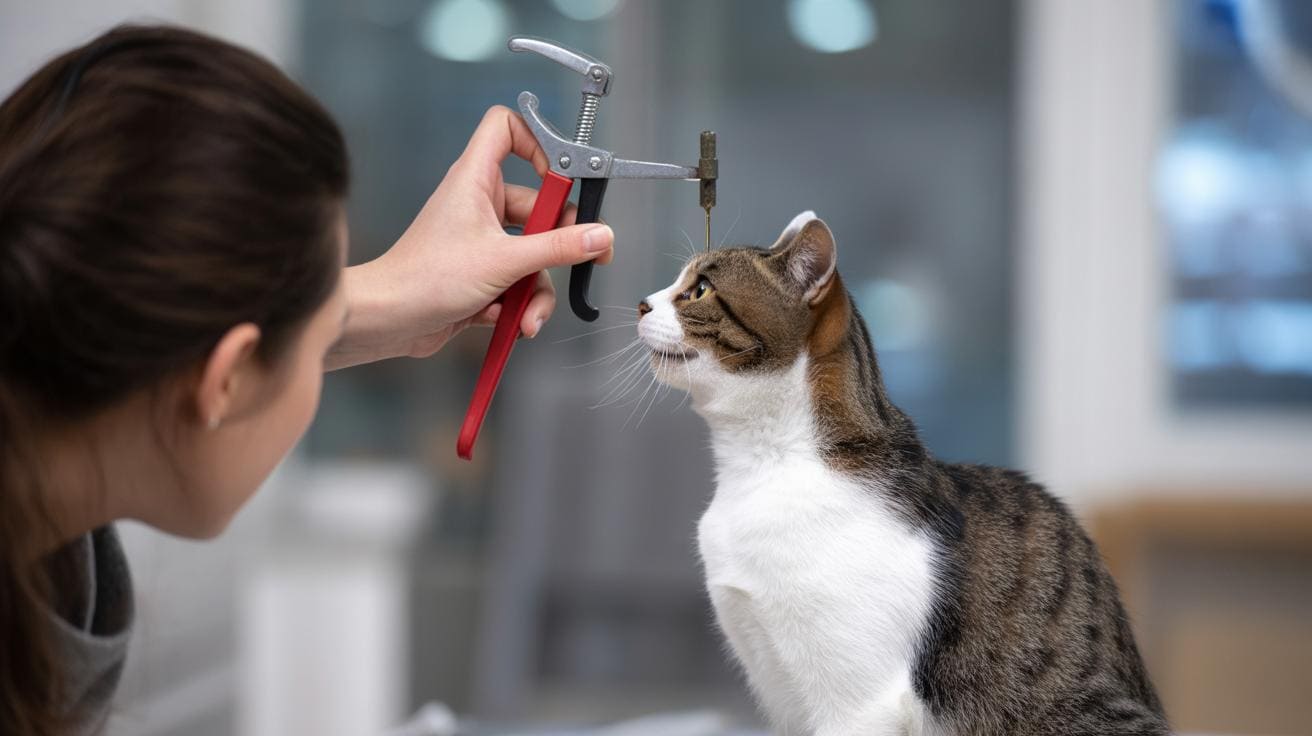
Labs like hard numbers. They run a bunch of standard tests to tell you how tough a toy really is. Puncture tests (measuring the force to pierce a material) check whether claws or teeth will poke through. Flex-fatigue testing (repeated bending cycles to see when cracks form) looks for parts that get brittle after lots of play. Abrasion tests for fabrics (simulating claws rubbing) show how the surface holds up. Cyclic loading or pull tests for seams and attachments test repeated tugs on the same spot. Rubber pieces get a Shore A rating (a scale that tells how soft or hard a rubber is), which helps predict chew and puncture resistance. Impact and tensile tests (drops and how much pulling force before something breaks) check plastics and welded joins.
Real-world protocols try to copy actual cat chaos. Reviewers do timed play sessions , think 50 to 200 hours, or hundreds to thousands of repeated strikes and pulls. They run multi-cat stress tests and aggressive-chewer simulations that bite and tug the same spot over and over. Shelters or dedicated testers may log cycles (how many tugs until a seam fails) or hours of continuous motion for electronic toys. Ever watched your kitty chase a wand until its whiskers twitch? The Pet Fit for Life wand, for example, was put through many hours of play to see if the wand joint would wear out or separate under stress. It’s very hands-on.
When you read product claims, look for specifics, not fluff. Good signs: named test types, numeric results (cycles, pounds of force, Shore A value), and independent lab or third-party durability certifications. Vague phrases like built to last without numbers mean little. If a page lists test methods, compare those methods to real-world metrics , hours, pulls, or the kinds of tugs your cat actually does , and check whether the company describes likely failure modes and replaceable parts so you know what fails and how easy it is to repair or swap out.
Worth every paw-print.