Is your cat’s litter box suddenly full of watery puddles and soggy clumps? Yuck. Ever watched your kitty hop out like they just stepped in a puddle?
Diarrhea is a symptom, not a disease. Think of it like your cat’s stomach flushing itself after something upset the balance, sometimes it’s short-lived and harmless, sometimes it isn’t.
Short bouts usually follow a diet change or a tummy bug. Longer runs, frequent episodes, or bloody stool can mean parasites (tiny worms or single-celled germs), infections, medication side effects, IBD (inflammatory bowel disease , long-term gut inflammation), or pancreatitis (pancreas inflammation , painful swelling of the pancreas).
Call your vet or go to emergency care if the diarrhea is bloody, lasts more than a day for kittens or more than two days for adults, or comes with vomiting, fever, weakness, or not drinking , dehydration happens fast. When in doubt, call the vet. Keep your cat feeling feline fine.
Quick triage: Is my cat’s diarrhea an emergency?
Diarrhea is a symptom, not a disease , loose or watery stool that happens more often or in larger amounts. Acute diarrhea (short-term, under two weeks) and chronic diarrhea (longer-term, three weeks or more) mean different things and need different approaches. Causes often include diet change, parasites, infection, toxins, IBD (inflammatory bowel disease, chronic gut inflammation), pancreatitis (pancreas inflammation), or medications. Below are easy-to-follow signs and what to do next.
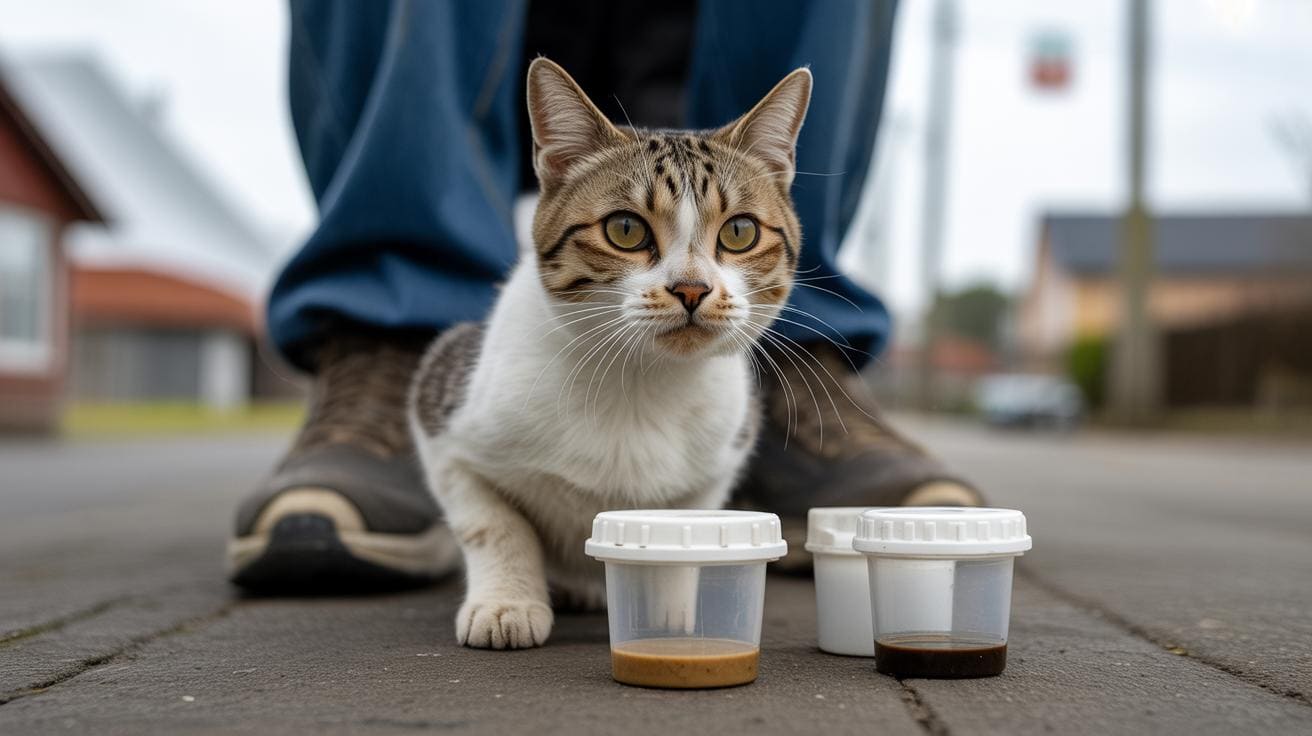
- Duration tip: one loose stool or a mild change often clears in a day or two. Action: watch your cat, offer fresh water, and save a stool sample if you can. Call your vet if diarrhea lasts more than 48 hours or keeps coming back.
- Vomiting with diarrhea, especially if it’s happening over and over , action: go to an emergency vet right away. Cats can dehydrate fast.
- Very sleepy, weak, or collapsed , action: emergency veterinary care now.
- Blood in the stool (bright red) or black, tarry stool , action: save a sample and contact your vet immediately.
- Signs of dehydration (sunken eyes, dry sticky gums, less skin bounce when you gently pinch the scruff) , action: offer small sips of water and get prompt vet care for fluids if signs are moderate or worse.
- Straining with only tiny watery stools or a swollen, painful belly , action: possible partial blockage; head to an emergency clinic.
- Kitten or senior cat with diarrhea , action: higher risk of quick decline. Contact your vet sooner. Kittens with diarrhea lasting more than 48 hours need prompt care.
- Suspected poison or chemical ingestion , action: call ASPCA Animal Poison Control at 888-426-4435 right away, and gather any packaging. Don’t give human anti-diarrheal meds or try to make your cat throw up unless a professional tells you to.
Call your regular veterinarian if diarrhea keeps going past 48 hours without other severe signs, or if episodes repeat , that’s the time to get testing and targeted treatment. If any red-flag item above shows up, go to an emergency clinic, especially if diarrhea and vomiting won’t stop. If you suspect toxin exposure, call poison control at 888-426-4435 immediately and bring the stool sample and any packaging with you to the visit.
Dietary causes of diarrhea in cats: sudden changes, food intolerance, and toxic foods
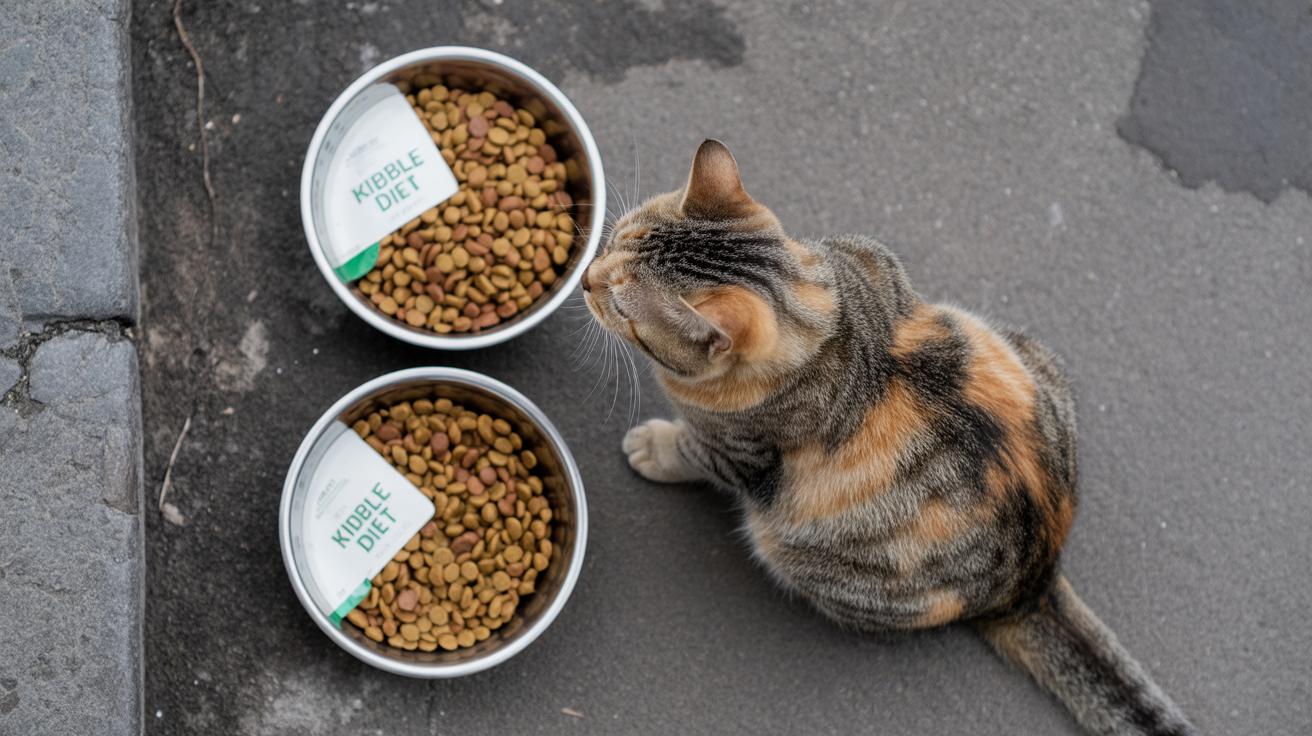
A surprise switch in food, a new treat, or one big meal can upset a cat’s short gut (a short digestive tract built for a meat-first diet). Quick swaps often cause loose stool and a gurgling tummy. Change food slowly over 7 to 10 days and most kitties settle down. Kittens are extra sensitive , their tiny tummies can go from fine to sloppy fast. Ever watched a kitten turn a dinner bowl into a tidal wave of crumbs? Yeah, been there.
Food intolerance (a digestive upset) and food allergy (an immune system overreaction) can look the same but need different fixes. The usual first step is a strict diet trial: feed a novel protein (a protein your cat has not eaten before) or a hydrolyzed prescription diet (protein broken into tiny pieces so the immune system won’t recognize it) and nothing else for several weeks. Many cats start to improve in a few weeks, but true food-allergy testing from a vet or a veterinary dermatologist can take time and may take 6 to 12 weeks to show clear results. Patience helps. Really.
Some human foods and household items cause diarrhea or worse. Keep these well out of paw’s reach:
- Chocolate
- Grapes and raisins
- Onions and garlic
- Avocado
- Alcohol
- Xylitol (a sweetener found in gum, some peanut butters, and toothpaste)
- Dairy , most adult cats are lactose intolerant
Don’t withhold food for more than 24 hours. Cats risk hepatic lipidosis (a dangerous liver disease caused by prolonged fasting) if they stop eating. Cut back on table scraps, offer treats sparingly, and watch the stools while you switch foods. A tiny change and a little patience can save a lot of clean-up. Worth every paw-print.
Food intolerance vs food allergy in cats
Diagnosis usually starts with a strict diet trial using a novel protein or a hydrolyzed diet for several weeks. If stools don’t firm up, a veterinarian or veterinary dermatologist may recommend blood or skin testing and more advanced steps. Prescription hypoallergenic diets often help, and many cats show improvement within a few weeks to a couple months.
Safe diet transition steps
- Days 1–3: 25% new food, 75% old food. Watch stools.
- Days 4–6: 50% new, 50% old. Note any softness or vomiting.
- Days 7–9: 75% new, 25% old. Keep portion sizes steady.
- Day 10: 100% new food if stools are normal. If not, pause and call your vet.
Quick tip: for busy days toss an unbreakable ball or leave a treat puzzle and then switch meals slowly when you have time. It’s claw-tastic to see them thrive.
Infectious and parasitic causes of diarrhea in cats
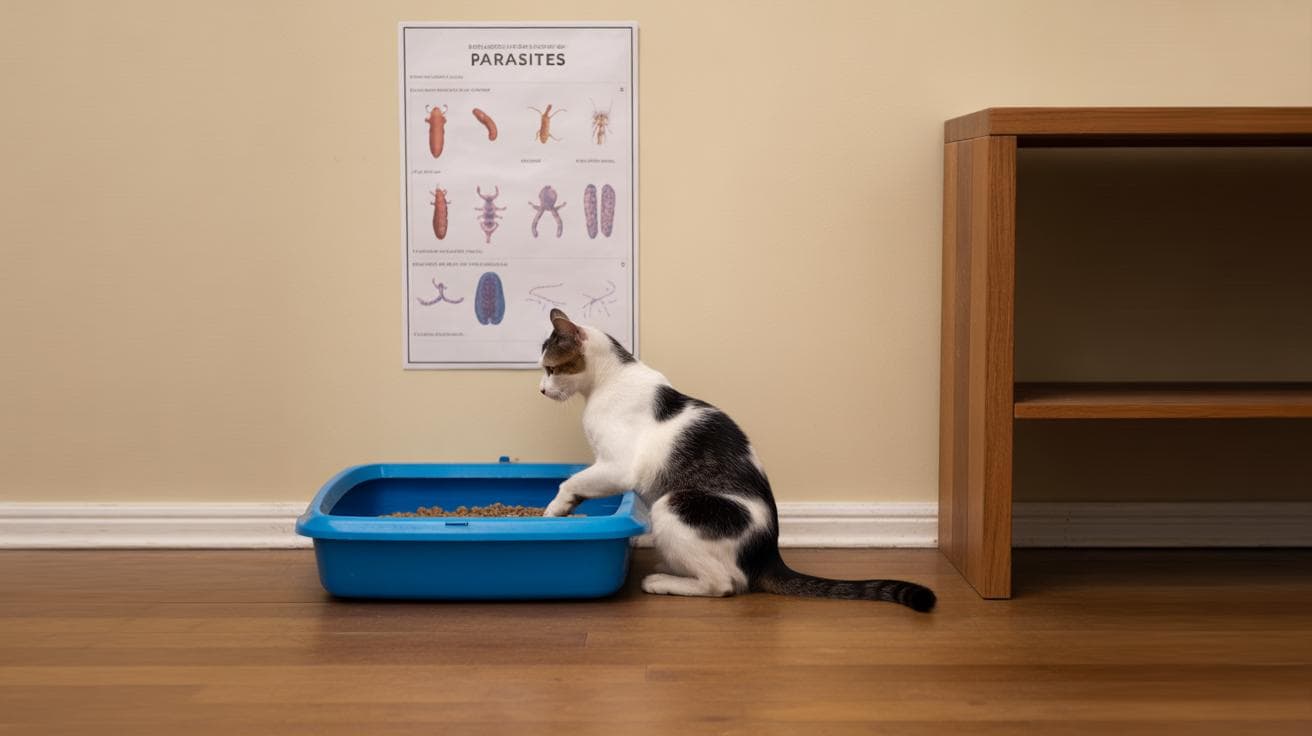
Tiny unwelcome guests, like intestinal parasites, plus a few bacterial or viral infections, are common reasons your cat might have loose stool, vomit, get dehydrated, or seem a little dull in the coat. You’ll see things like roundworms (long, spaghetti-like intestinal worms), Giardia (a tiny single-celled parasite that makes stool greasy and smelly), coccidia (single-celled parasites common in kittens), and Tritrichomonas (a single-celled protozoan, meaning one-celled organism, that often causes long-lasting large-bowel diarrhea). Bacterial gastroenteritis can come from Clostridium perfringens (a bacteria that can overgrow and irritate the gut), and viral problems like FPV (feline panleukopenia virus) or FeLV-related GI disease (FeLV is feline leukemia virus) can be serious. Some parasites can jump to people, so use gloves when scooping litter and wash your hands. Fecal testing is usually the very first thing your vet will ask for to figure out what’s going on.
A fresh stool sample helps your vet decide the next steps. Fecal flotation (a test that looks for parasite eggs under a microscope), antigen testing (checks for parasite proteins), and PCR (a DNA test that finds parasite genetic material) each catch different bugs. Treating all cats that share a home often stops the cycle of re-infection. Ever watched your kitty chase shadows and thought, hmm, maybe something else is up? This is where testing helps.
| Cause type | Typical clinical signs | Age or risk group |
|---|---|---|
| Roundworms | Soft to watery stool, vomiting, pot-bellied look | Kittens, outdoor or hunting cats |
| Giardia | Greasy, foul-smelling diarrhea, occasional vomiting | Any age; common in kennels and shelters (see giardia in cats symptoms) |
| Coccidia | Watery diarrhea, weight loss, dehydration | Kittens and stressed cats |
| Tritrichomonas | Chronic large-bowel diarrhea, mucus, urgency | Multi-cat homes, young cats |
| Bacterial gastroenteritis (Clostridium) | Sudden watery diarrhea, sometimes bloody, fever | Any age, often after diet change or antibiotics |
| Viral (FPV / FeLV) | Severe diarrhea, vomiting, depression, low white blood cells | FPV hits kittens hardest; FeLV affects immunocompromised or FeLV-positive cats |
Prevention is simpler than it sounds. Keep up with routine deworming your vet recommends, vaccinate when appropriate, and separate sick kittens until you know the cause. Sanitation matters , scoop litter daily, wash food bowls and bedding, and clean litter boxes with hot water and a pet-safe disinfectant. If you think a parasite is the problem, bring a fresh stool sample for fecal flotation, antigen testing, or PCR so the vet can choose the right medicine. Treating every cat in the house often stops a repeat infection. Worth every paw-print.
When parasites are most likely
Parasite-driven diarrhea shows up more when cats go outside, live in multi-cat homes or shelters, are young kittens, missed deworming, or hunt rodents. So if your cat fits any of those, keep an extra eye on their litter box and call your vet if things look off.
Chronic and systemic causes of diarrhea in cats: IBD, pancreas, liver, thyroid, and cancer
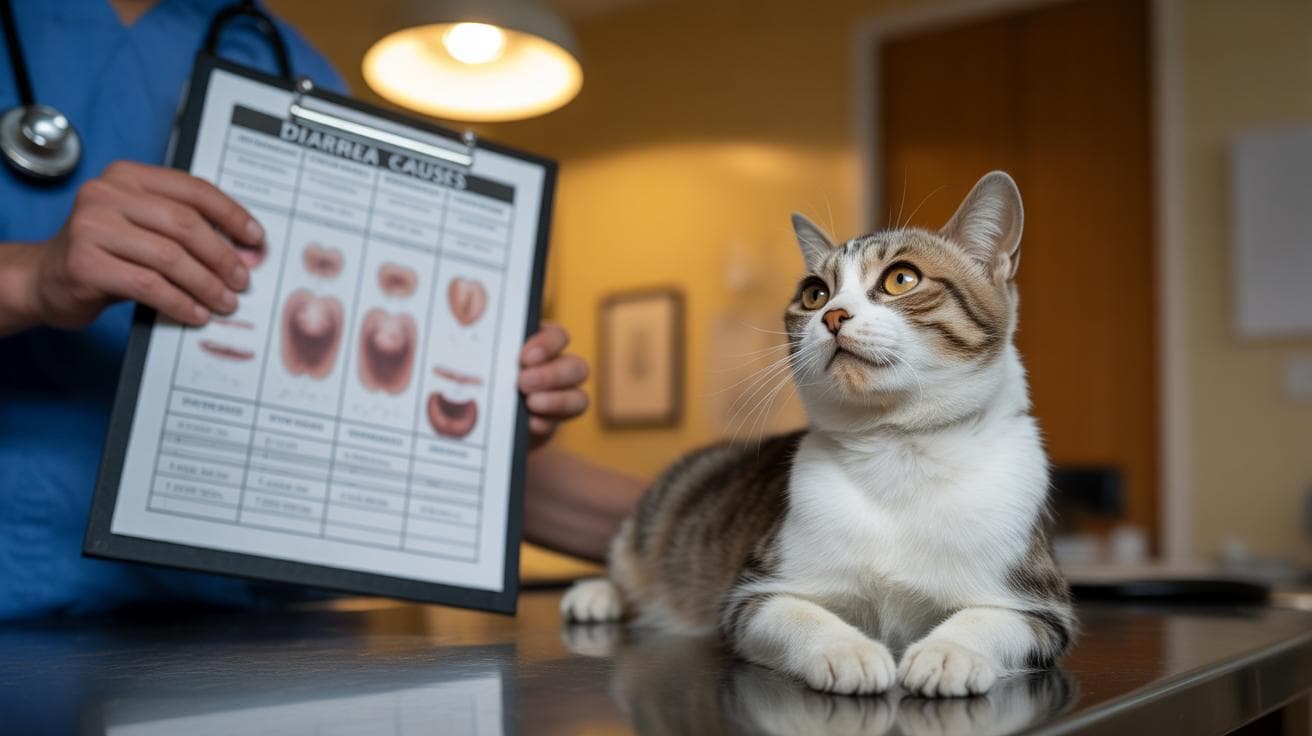
When your cat has loose stools that stick around or keep coming back, it often means something more than a one-night tummy ache. Chronic diarrhea usually points to a longer-term or body-wide problem, not just a bug. Think of it as your cat’s way of saying, um, "something’s off," and yes, your vet will want to take it seriously.
Common long-term causes include:
- IBD (inflammatory bowel disease – long-term gut inflammation that irritates the intestines).
- Exocrine pancreatic insufficiency (pancreas not making enough digestive enzymes – enzymes are the little helpers that break food down).
- Pancreatitis (pancreas inflammation that makes digestion painful and messy).
- Hyperthyroidism (too much thyroid hormone that speeds up metabolism).
- Liver disease (liver not processing nutrients and toxins well).
- Kidney disease (kidneys not filtering wastes properly).
- Intestinal lymphoma (cancer of the intestinal lining).
Small-bowel versus large-bowel signs can steer your vet in the right direction. Small-bowel problems usually give loose, larger-volume stools, weight loss, and a dull coat from not absorbing nutrients. Large-bowel problems cause more frequent trips to the litter box, urgency, straining, mucus, and small-volume stool with accidents. One makes your cat thinner over time. The other makes life messy and urgent. You’ll notice the difference at the litter box.
Finding the exact cause often takes more than trying a new food. Vets typically do bloodwork, abdominal ultrasound (a picture of the organs), endoscopy (a camera to look inside the gut), and biopsy (tiny tissue samples) to see what’s really going on. Some problems get better with diet changes or medicines. Others need long-term care or a specialist’s help.
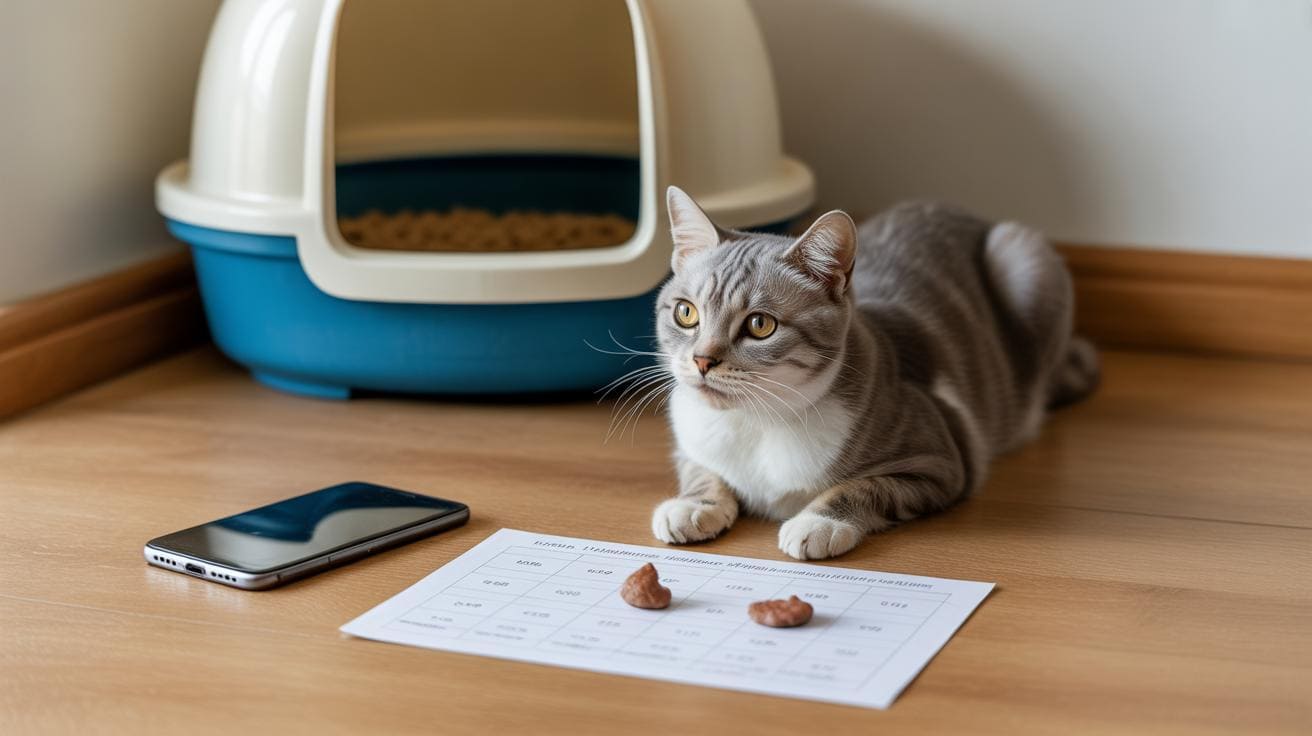
Prognosis depends on the diagnosis and how fast you start treatment, so keep a little log of weight, appetite, and stool, bring it to the appointment. Ever watch your kitty chase a phantom dot of light? Little clues like that can help too.
Worth every paw-print.