Think a harmless cat scratch is nothing to worry about? Not always. A tiny nick from a playful paw can let Bartonella henselae (a tiny bacteria that lives in blood cells) sneak in, and you might not notice right away.
About a week or two later the lymph nodes (small glands that help fight infection) near the scratch can swell, feel warm, and ache. Your skin might feel tender where the paw hit. If your immune system (your body's infection-fighting team) is weak, these problems can be worse, you know.
I’ll walk you through the common signs, when to call a doctor, and the usual treatment options that clear it up, usually antibiotics (drugs that kill bacteria). Oops, let me rephrase that… I’ll also cover what to do if your immune system is weak.
Worth watching every paw-print.
Cat scratch disease (bartonellosis): Symptoms, Treatment

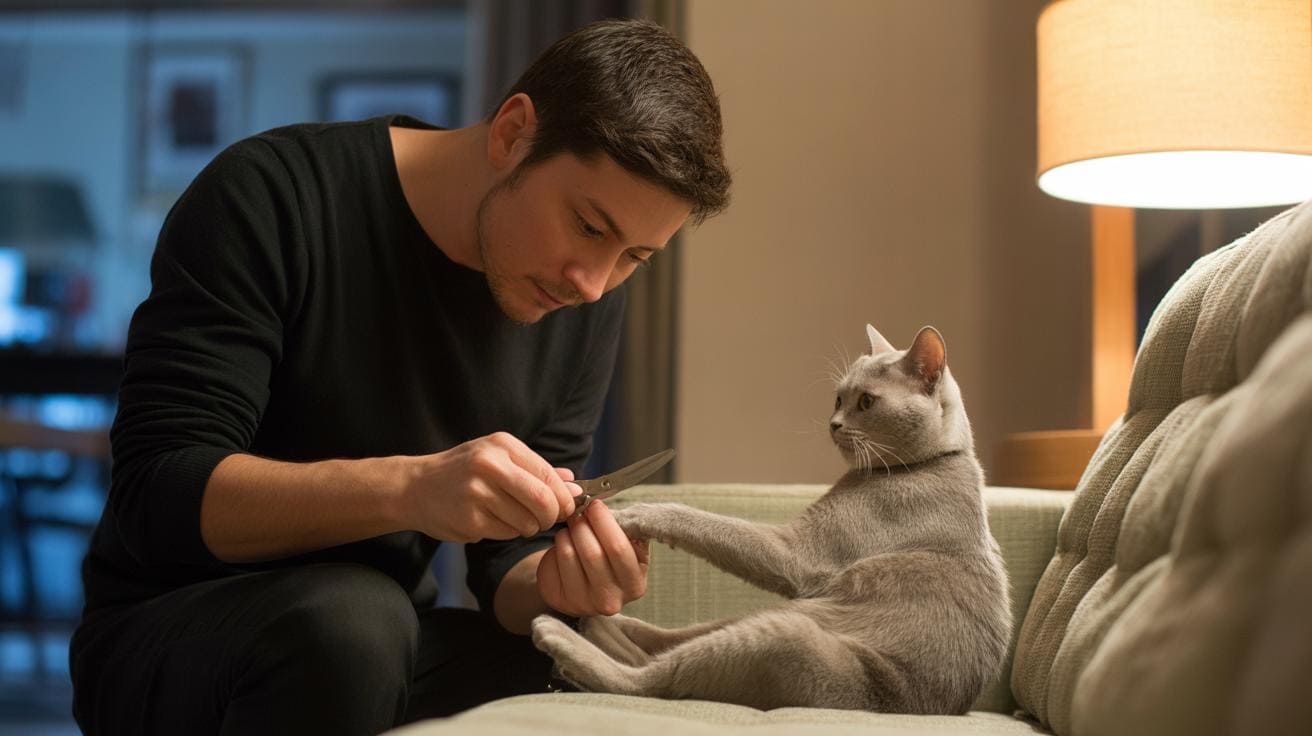
Cat scratch disease, also called bartonellosis, comes from Bartonella henselae (a type of bacteria). Cats are the main reservoir (they can carry the germ without looking sick). Ever watched your cat bat at a toy and come away with a tiny nick? That’s when this can start.
Symptoms usually show up about 2 to 3 weeks after a scratch or bite. At first you might see a small red papule (a tiny bump) at the spot. Then nearby lymph nodes (glands that help fight infection) often swell and feel tender or warm. You might have a low-grade fever or just feel a bit off. Most cases are self-limited , they get better on their own , but some need antibiotics or a doctor to drain a big, painful node.
Watch closely and get medical care if a lymph node keeps growing or becomes more painful, if redness spreads, or if you develop worse symptoms like high fever or neurologic signs (confusion, severe headache, or seizures). If you’re immunocompromised (your immune system is weak) seek help sooner , even a small scratch can be riskier for you.
For testing and step-by-step care, see "Diagnosis" and "Treatment" for testing and management details. Worth every paw-print of attention.
Causes and transmission: detailed transmission biology, flea ecology, and numbers
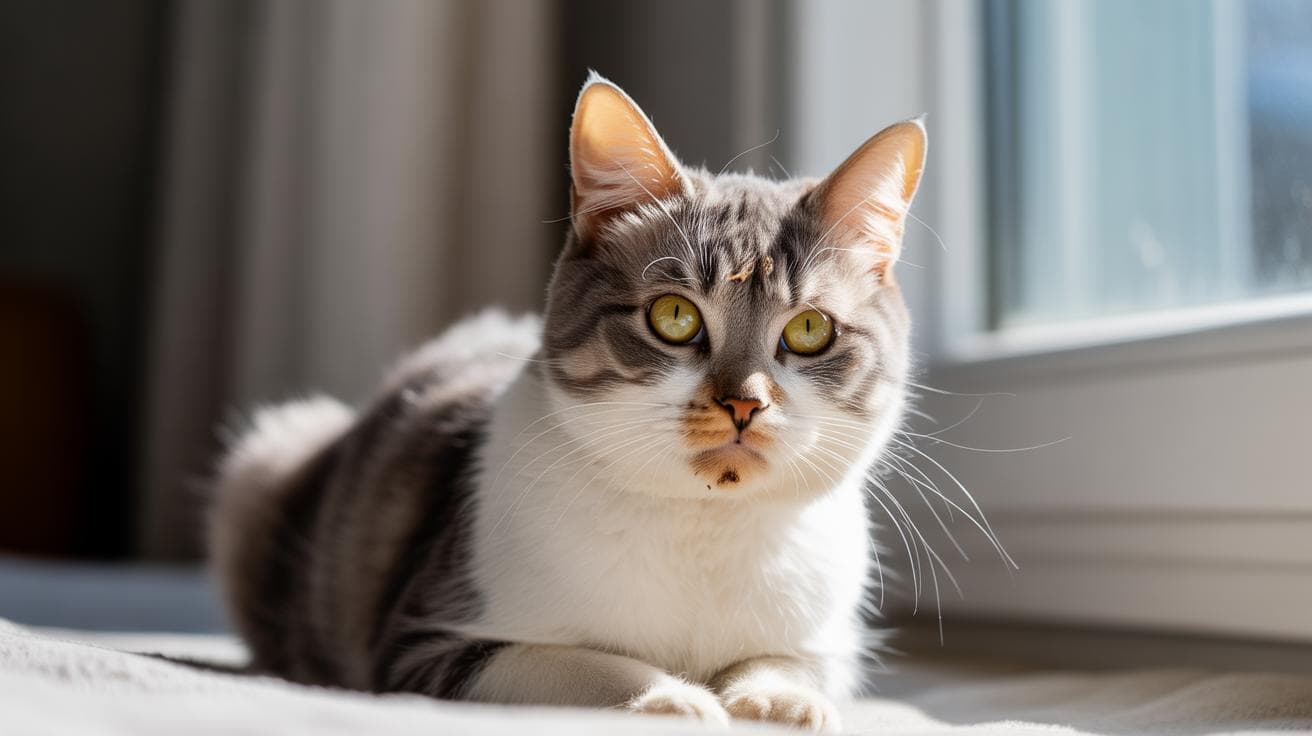
Bartonella henselae is the main bug behind cat scratch disease. It’s part of a group called Bartonella spp. (small, slow-growing bacteria that can live inside blood cells). Cats are the usual home for these bacteria (a reservoir, meaning they carry it without getting sick). Lots of cats show no signs. About 30% of cats pick it up at some point. In warm, humid places that can climb to about 40%. Scientists have found Bartonella in roughly 27 other animal species, but most human cases still start with cats.
Fleas are the key players in how this spreads among cats. When a flea feeds on an infected cat, it picks up the bacteria and then sheds it in flea dirt (dried flea poop that holds live bacteria). A scratch can drag that flea dirt into the skin and plant the bacteria there. Fleas are needed for cat-to-cat spread. There’s little proof that cats spread it just by sniffing or touching each other without fleas involved. Ever watch a cat groom and you wonder where that stuff ends up? Yep.
People usually get exposed when a scratch or bite pushes contaminated flea dirt into broken skin. Kittens are extra risky because they’re more likely to be bacteremic (have bacteria in their bloodstream) and to shed the bug. If contaminated material hits the eye it can cause conjunctival inoculation (the bacteria getting into the eye’s surface). That’s why shelter workers and veterinarians face higher occupational risk. The good news is that strict flea control cuts the chance of spread. Highest-risk situations are kittens, strays, or clearly flea-infested animals. Worth keeping those fleas away.
Symptoms and clinical signs: detailed checklist and pediatric nuance
Cat scratch symptoms usually start at the skin as a small red bump. That little bump, called a papule (a small raised spot), can turn into a pustule (a pus-filled spot) or a vesicle (a tiny fluid blister). The spot may crust over, leak, or stay almost invisible, depending on how the scratch or bite introduces bacteria or flea-contaminated material (stuff that can carry germs) into the skin.
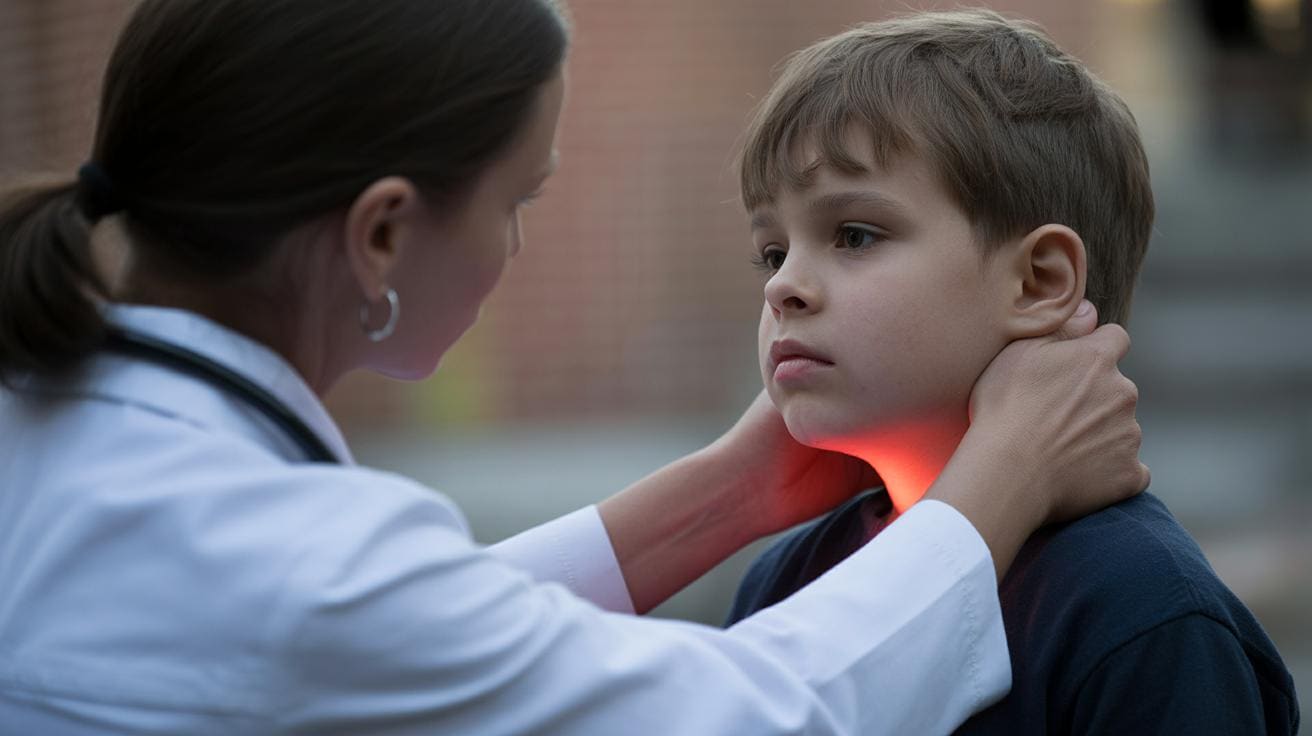
In kids, nearby lymph nodes (the small glands that swell when your body fights infection) often get tender and bigger. Sometimes those nodes feel soft or squishy – that’s called fluctuance (soft and possibly full of pus) – and children more often need aspiration (drawing fluid with a needle) or imaging like an ultrasound when a node looks like an abscess.
Systemic signs tend to be mild. Expect low-grade fever, chills, and tiredness. The swollen nodes can hang around for weeks to months even after other symptoms improve. Serious widespread illness is uncommon and usually happens in people with weakened immunity (a less able immune system).
- inoculation papule at scratch/bite site (small red bump)
- pustule or vesicle formation at inoculation site (pustule = pus spot; vesicle = tiny blister)
- tender regional lymphadenopathy (swollen lymph nodes – axillary under the arm, cervical in the neck, inguinal in the groin)
- low-grade fever
- malaise / lethargy (feeling unwell or very tired)
- regional erythema or fluctuance / abscess formation (erythema = redness; fluctuance = soft, pus-filled feel)
- prolonged node enlargement (weeks to months)
- ocular signs (conjunctival granuloma = bump on the eye surface, neuroretinitis = inflammation affecting the retina and optic nerve causing vision changes)
- neurologic manifestations (encephalitis = brain inflammation, seizures = seizures – rare)
- hepatosplenomegaly or systemic dissemination (enlarged liver and spleen or spread of infection – rare, more likely if immunocompromised)
High fever, new vision changes, focal neurologic signs, or rapidly enlarging or draining lymph nodes need urgent evaluation. If you’re unsure, trust your gut and get medical attention sooner rather than later – see Complications/FAQs for red-flag thresholds.
Diagnosis of cat scratch disease (serology, PCR, culture, imaging): testing algorithms and thresholds
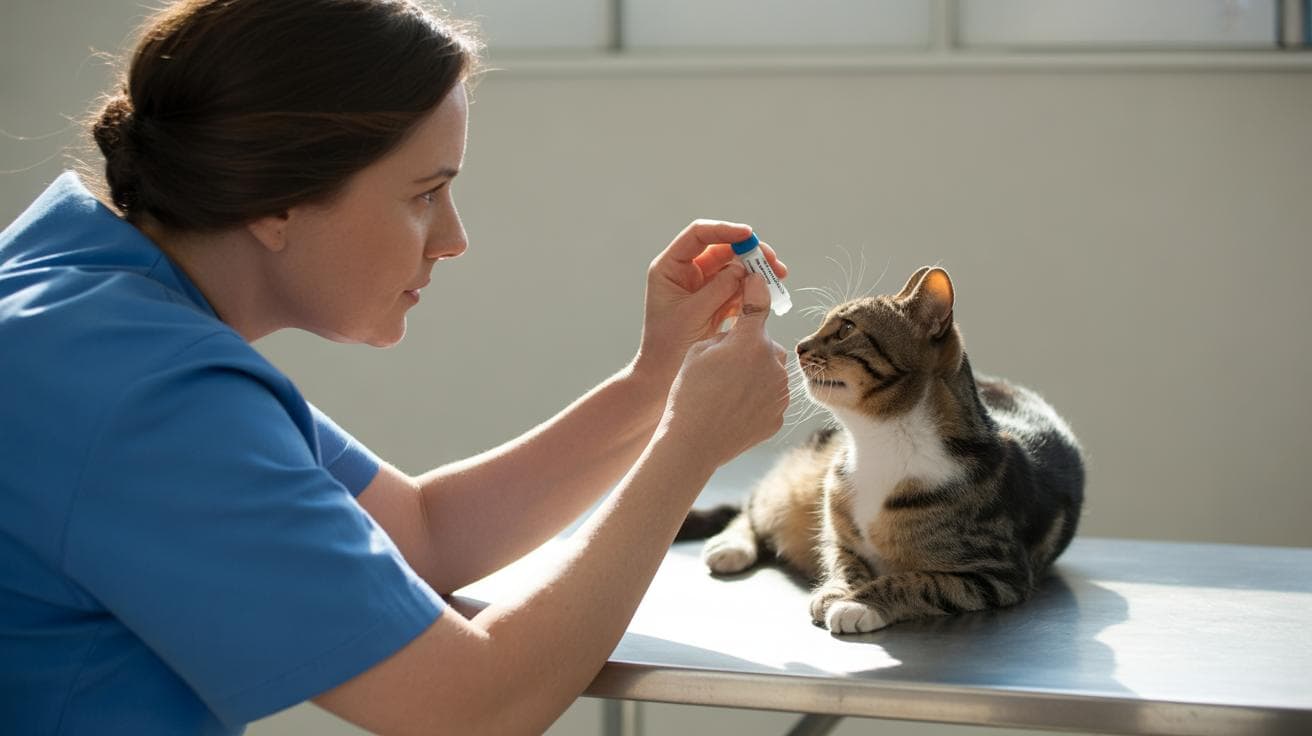
When the aim is diagnosing bartonellosis we want tests that actually change care, like deciding to give antibiotics, drain a node, or protect an immunocompromised person in the home. Order testing when the result will affect those choices: unexplained progressive lymph node swelling, systemic signs, or an unusual presentation. Be ready to act on a positive result. A single negative test does not safely rule out disease when suspicion is high.
Serology and antibody testing
Serology (antibody blood tests) like ELISA (enzyme-linked immunosorbent assay – a lab test that detects antibodies), IFA (indirect fluorescent antibody – a visual antibody test), and Western blot (a protein-based antibody test) measure the immune response, not the bug itself. Higher antibody titers often suggest more recent exposure, but antibodies can take days to weeks to appear. About 11% of cats with bacteria in their blood (bacteremia, bacteria circulating in the bloodstream) may be seronegative, so don’t rely on antibody tests alone if clinical suspicion is strong.
Molecular testing, culture, and tissue sampling
PCR (polymerase chain reaction – a test that finds and amplifies the bug’s DNA) on blood or tissue is specific and fast. But because bacteremia can come and go, a negative PCR doesn’t always mean no infection. Blood culture is the most reliable proof of infection, yet it’s slow and often needs multiple samples over time; serial sampling improves yield. Think of culture like patience and persistence, while PCR is like a quick magnifying glass.
Consider lymph node aspiration (needle sampling of the node) or excisional biopsy when disease is mainly local, when noninvasive tests disagree, or when blood culture and PCR are negative but you still suspect bartonellosis. For swollen nodes, use ultrasound for superficial or fluctuant nodes and CT for deep or complex collections. Image when an abscess is suspected, when nodes are in odd locations, or before surgical drainage. Consult infectious disease or surgery for persistent, enlarging, or atypical cases. Repeat testing after a few days or get paired samples when signs persist or worsen.
| Test | Sample | Notes on sensitivity/limitations |
|---|---|---|
| Serology | Blood | Shows exposure not proof of active infection; may miss about 11% of bacteremic cases. |
| PCR | Blood / Tissue | High specificity; intermittent bacteremia can cause false negatives. |
| Blood culture | Multiple samples | Most reliable confirmation but slow and resource intensive; benefits from serial samples. |
| Lymph node aspirate / culture / histopath | Tissue | Helpful for local disease, abscess evaluation, and when noninvasive tests are inconclusive. |
If clinical suspicion stays high despite negative single tests, do paired testing or get tissue samples. Worth every paw-print.