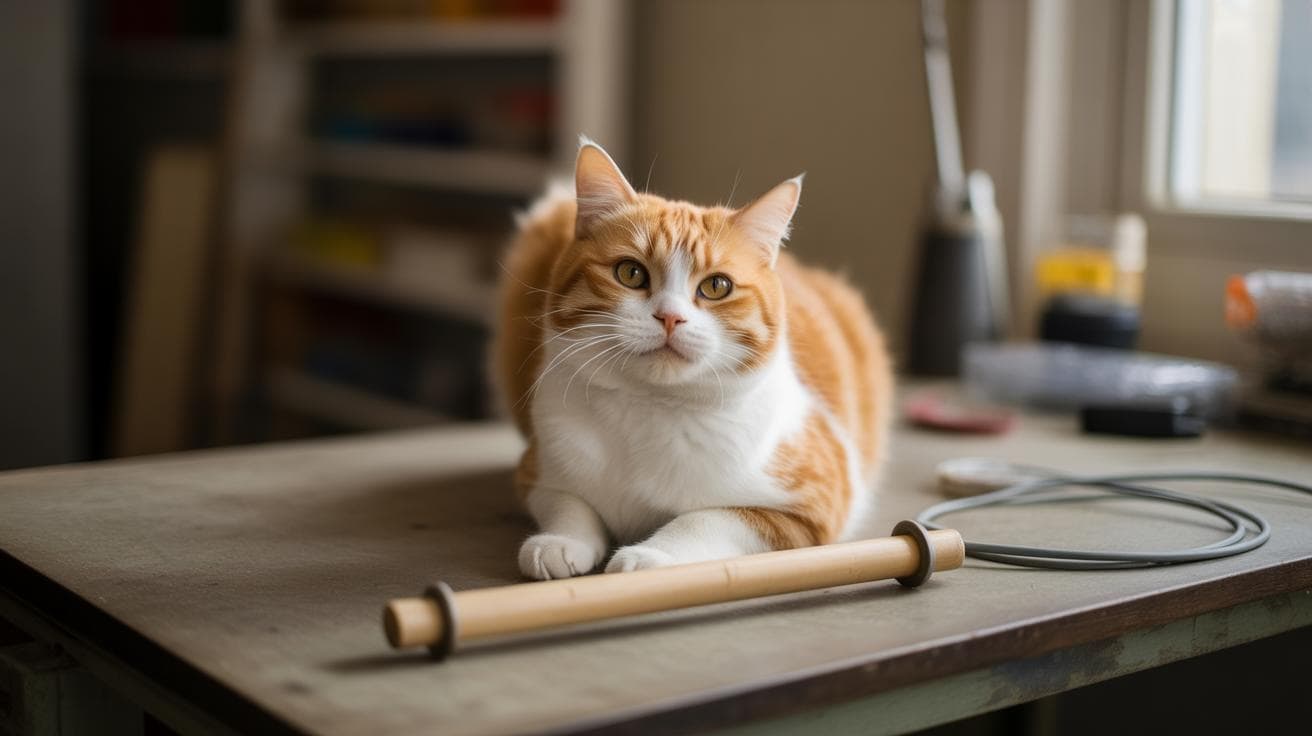
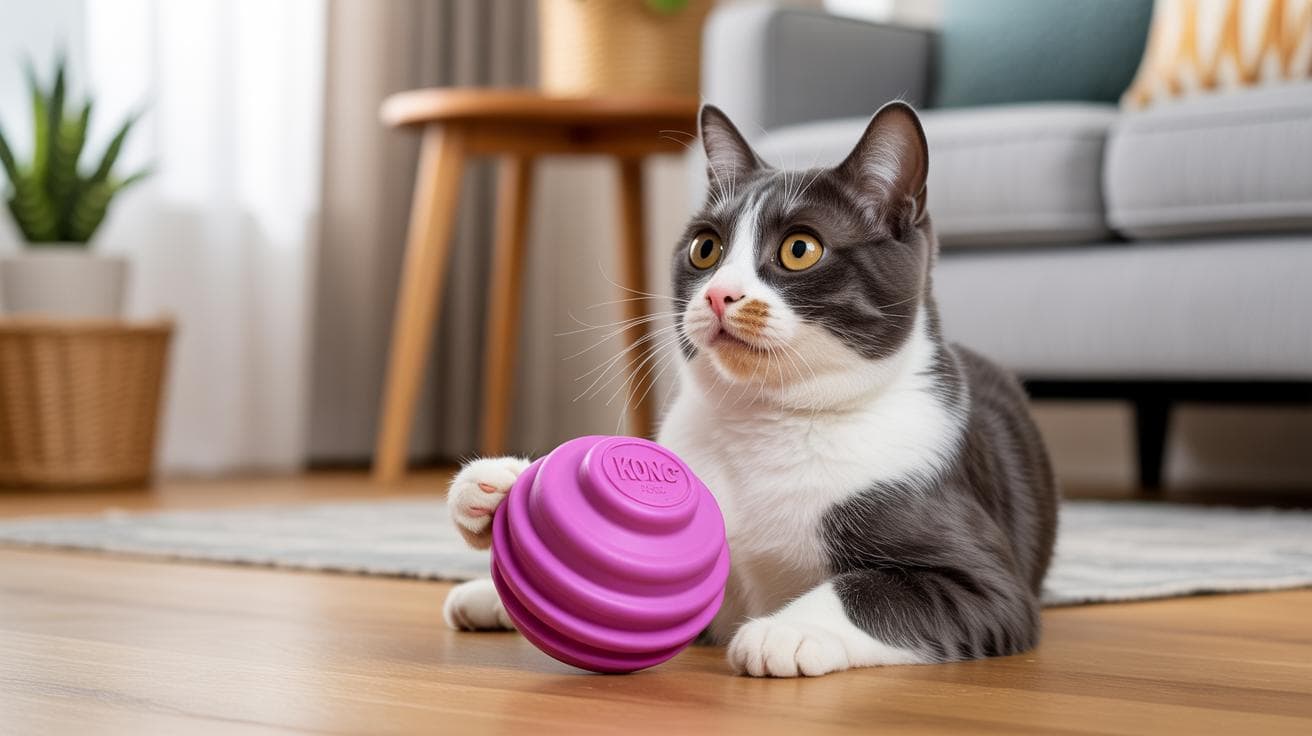
Sick of buying so-called indestructible cat toys that your tabby turns into confetti overnight? Here’s the short, honest version: the right materials really matter. Food-grade silicone (soft, non-toxic rubber-like polymer) and UHMWPE (ultra-tough, cut-resistant plastic) make toys both safe and way harder to shred. I’ll show you which materials actually stand up to teeth and claws, why they work, and what to watch for when you’re shopping or DIYing.
Food-grade silicone feels soft and bouncy, so your cat loves the texture and it won’t splinter. It’s non-toxic (meaning it won’t poison your cat if chewed) and it’s easy to clean, which is perfect for slobbery play. Think of the satisfying thud of a silicone ball rolling across the floor, your cat’s whiskers will twitch.
UHMWPE is the stuff made for real abuse. It’s a dense, slice-resistant plastic often used in cut-proof gloves and gear. Toys built with UHMWPE handles or cores shrug off claws and teeth. They don’t fray or shred like cheap fabric, so fewer fluff explosions on the carpet.
Also look for reinforced fabrics like Cordura or ballistic nylon (heavy-duty nylon fabric) on scratchy toys. Double-stitched seams and hidden reinforcements help keep stuffing inside and tiny parts out. Avoid toys with glued-on eyes or loose ribbons that can come off during a pounce.
When you shop or make your own, check a few things: is the silicone labeled food-grade? Are seams reinforced and not just glued? Any small bits that could be swallowed should be stitched down or skipped. Smell-test plastics, if it smells chemical, leave it. And always supervise new toys until you know they’re safe.
Quick tips: toss an unbreakable ball before you head out for ten minutes of safe solo play. Rotate toys every few days so your cat stays interested. And if you DIY, think like a cat – soft where they bite, tough where they grip.
Worth every paw-print.
what materials make cat toys unbreakable and safe
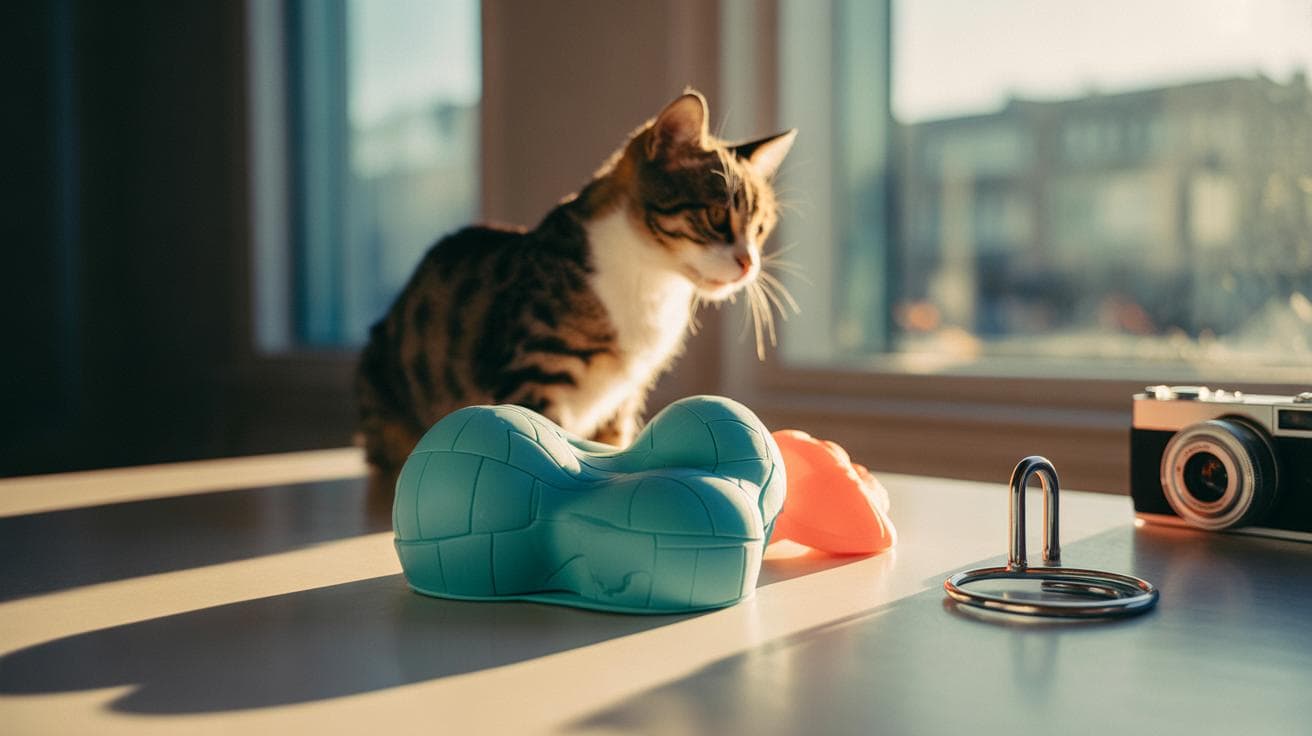
Here’s a friendly rundown of the materials that actually help toys stand up to teeth and claws, written like a cat‑crazy pal telling you what worked in my living room. Short definitions in parentheses so you know what each thing really is.
- Food-grade / medical-grade silicone (flexible, non-toxic rubber-like polymer, think soft rubber spatula). Great balance of chew resistance and safety, and it’s easy to clean.
- UHMWPE (ultra-high-molecular-weight polyethylene, a very tough, cut-resistant plastic) , top pick for resisting teeth and claws, especially as a hidden core.
- Stainless steel hardware (stainless steel, a metal that won’t rust). Best for connectors and split rings that need to hold under a strong pull.
- Natural rubber (plant-based, bouncy, like latex but from natural sources). Good for treat dispensers and chewers who like a soft bite.
- Polycarbonate / ABS (hard impact plastics, strong but can shatter under extreme force). Used for housings and rigid shells.
- Kevlar / Dyneema (high-strength fibers like climbing rope, used in safety gear). Ideal to reinforce seams or make rope cores that won’t snap.
- Ballistic nylon / Cordura (heavy-duty, abrasion-resistant fabric). Resists tearing from claws, great for outer covers.
- Hardwoods (beech, maple; untreated solid wood that wears safely). Works for chew posts that are biodegradable and sturdy.
- Braided polyester / rope exteriors (woven synthetic rope that acts as a sacrificial layer). These take the wear so the inner core lasts longer.
- TPE / TPU (flexible, durable elastomers, rubber-like plastics that bounce back). Good for parts that need to flex and recover from bites.
Safety note: even the toughest materials can shed bits or carry unsafe coatings, so pick labeled non-toxic grades for anything cats will lick or chew. Inspect toys at least once a week and after rough play, and retire anything with holes, sharp edges, or loose bits.
Quick pros and cons, so you can pick what fits your cat’s play style:
- Food-grade silicone , pro: non-toxic and soft; con: can tear if a cat fixes on one spot.
- UHMWPE , pro: superb cut resistance; con: pretty stiff, not for kitties who prefer squishy toys.
- Stainless steel , pro: won’t rust, very strong; con: can be heavy in tiny pieces.
- Natural rubber , pro: stretchy and satisfying to chew; con: some cats still manage to chew through over time.
- Polycarbonate / ABS , pro: handles impact well; con: can crack and form sharp shards if it fails.
- Kevlar / Dyneema , pro: seams and ropes stay strong; con: exposed fiber ends need to be sealed so they don’t fray.
- Ballistic nylon / Cordura , pro: stands up to claws; con: sewn seams are common weak spots.
- Hardwoods , pro: safe, natural chew surface; con: they’ll wear down and need replacement eventually.
- Braided polyester rope , pro: sacrificial, easy to replace; con: may fray into small strands you should monitor.
- TPE / TPU , pro: great rebound and flexible; con: not as cut-resistant as UHMWPE.
Durability is a trade-off: ultra-tough plastics and fibers can become sharp when they fail, while softer elastomers are gentler in the mouth but wear out faster. So aim for smart design: a permanent strong core (metal or UHMWPE) plus replaceable, sacrificial outer layers (rope covers, braided sleeves, feather attachments). That way you keep the toy long-term without raising the risk of swallowed bits.
Tiny tip from my house: my tabby tore through a rope cover in a week, but the inner UHMWPE core stayed fine , replacing the cover made the toy claw-tastic again. Worth checking seams and sealed fiber ends, and if you spot fuzz or loose threads, toss or repair it.
Polymers and rubbers: food‑grade silicone, TPE/TPU, natural rubber, ABS and polycarbonate (with a Plastics & Polyethylenes subsection)
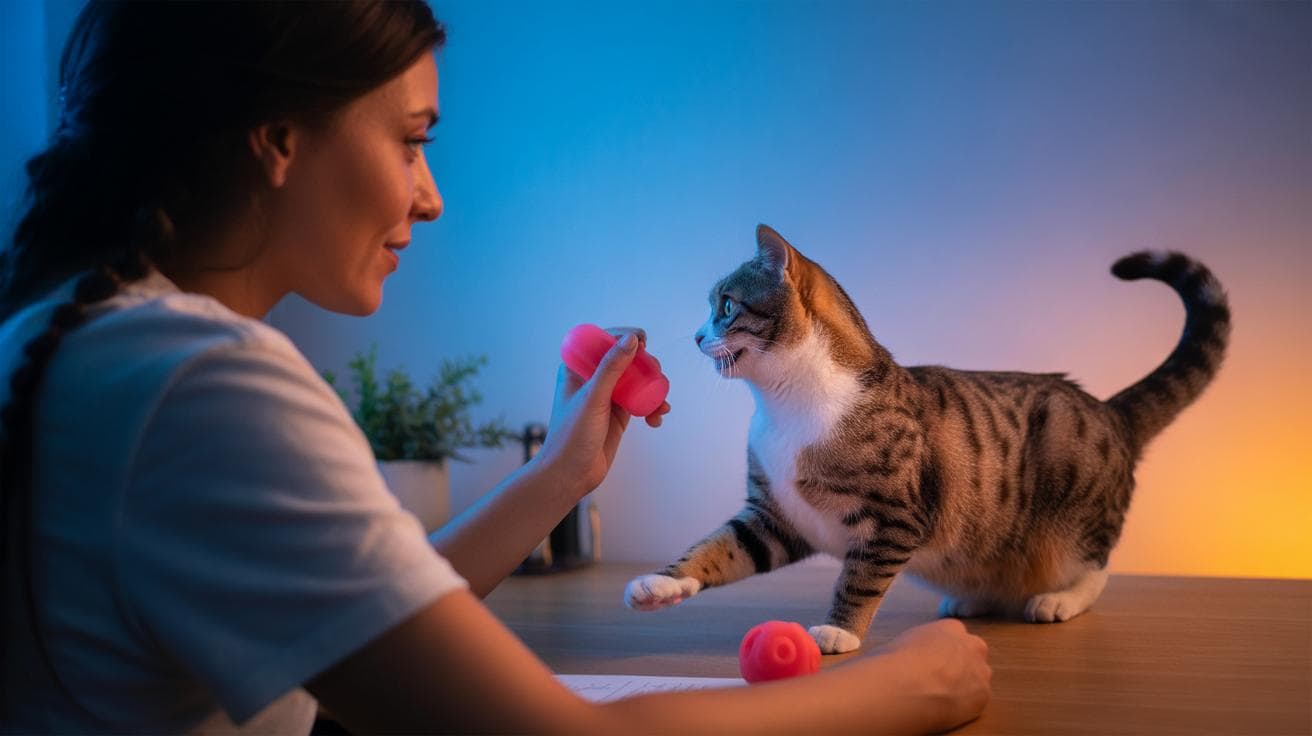
Food-grade silicone (a soft, heat-stable rubber-like polymer, like a kitchen spatula) and TPE/TPU (thermoplastic elastomers, flexible plastics that snap back like a rubber band) are the safest picks when a toy might touch a cat’s mouth. Go for items labeled food or medical grade so you avoid strange additives. Check for tear resistance and Shore hardness (a simple scale for how firm something feels) so the toy is squishy enough to enjoy but strong enough to last. They’re gentle on gums, and if they wear out they tend to fail without spraying sharp shards – nice for nervous owners and playful kitties.
Natural rubber (plant-based elastic, think the bouncy core of a chew toy) works wonders in treat dispensers and dental chewers. It cushions teeth and springs back after gnawing, keeping cats engaged longer. It usually beats cheap latex blends for tear resistance, but heavy chewers will still wear it down over time. Look for molded, seam-free shapes and sealed edges so teeth can’t pry layers apart.
Hard plastics like ABS and polycarbonate give you tough shells and housings that stand up to impacts. The downside is repeated, focused bites can crack them and create sharp pieces. One-piece molding or welded seams reduce failures that start at joins, and thicker walls make brittle breaks less likely. For toys with moving parts or motors, pick structural plastics with good impact ratings and rounded edges so a broken bit is less likely to hurt a paw or mouth.
Selection checkpoints for polymers and rubbers:
- Clear material grade labeling, like food grade or medical grade.
- Tear-resistance or tensile strength info when available (how hard it is to rip).
- Shore hardness listed, so you can match squishiness to your cat.
- One-piece molding or fused seams, not glued layers.
- Explicit polymer ID, for example UHMWPE, polycarbonate, or silicone.
Plastics & Polyethylenes (HDPE, UHMWPE, ABS, polycarbonate)
HDPE (high-density polyethylene, like sturdy milk jugs) is stiff and durable, good for molded parts that need a bit of give without sharp edges. UHMWPE (ultra-high-molecular-weight polyethylene, almost cut-proof, imagine a super-tough rope core) resists abrasion and tooth cuts far better than generic plastics and makes great hidden cores or reinforcement.
Polycarbonate and ABS handle blunt hits well, but they can crack under sharp, repeated bites. For outdoor or high-stress parts, favor thicker walls and single-piece construction so any failure is slow and obvious. UV resistance matters for outdoor toys, and if recycled materials are used you’ll want to know what fraction and whether additives could affect safety.
Hard-plastic evaluation checkpoints:
- Clear polymer ID: UHMWPE versus generic plastic.
- Minimum wall thickness guidance – avoid thin shells under about 3 mm for small parts.
- One-piece construction or welded seams, not glued joins.
- UV resistance rating for outdoor use.
- Disclosure of recycled content and any impact on safety.
A quick, practical tip: toss an unbreakable silicone ball on the floor before you head out and check it after play. If it shows tiny tears, swap it. Your cat will purr, and you’ll sleep easier.
Metals, hardware and connectors: rust‑proof options
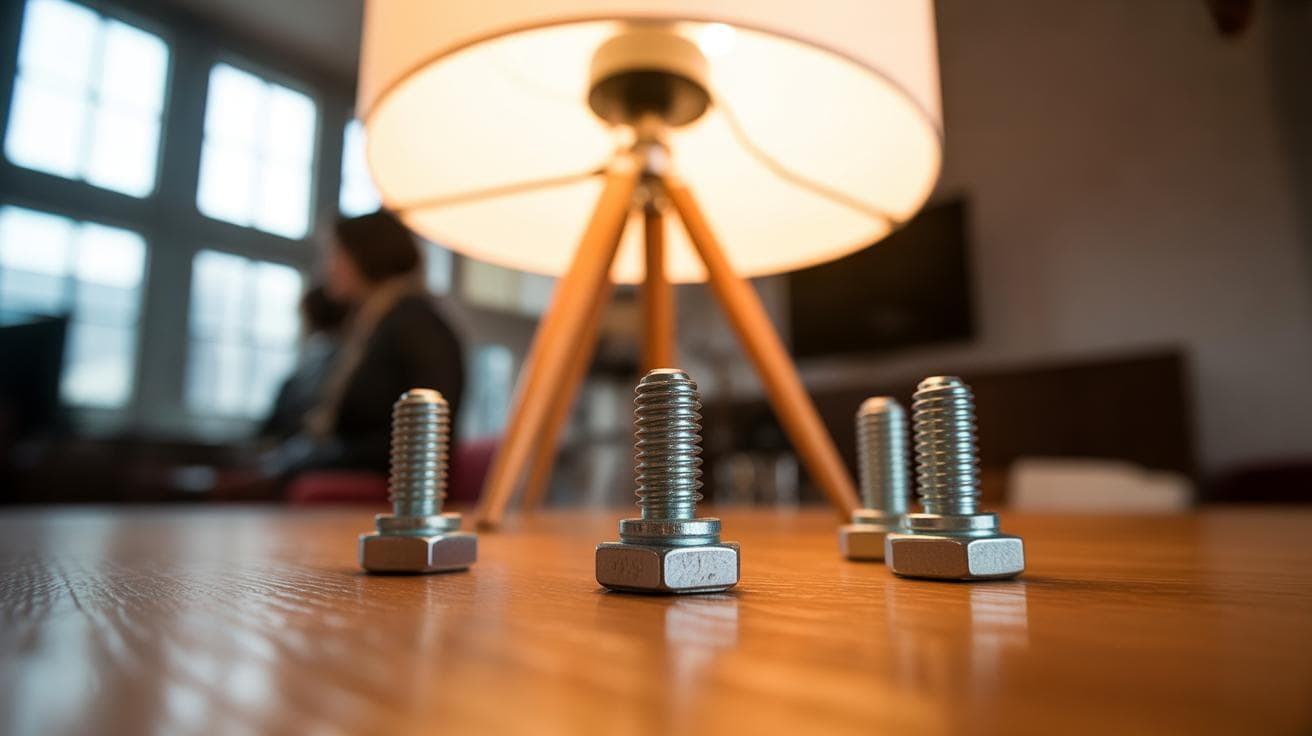
Pick corrosion-resistant alloys for anything your cat will tug, chew, or lick. Marine-grade 316 stainless (stainless steel that handles wet or salty conditions) is a great all-around choice , strong, rust-friendly, and proven in damp spots. Titanium (a light, very strong metal) and anodized aluminum (aluminum treated to be harder and more corrosion-resistant) give similar strength but weigh a lot less, so they’re handy when a heavy ring or clip would flop a small toy down.
Coatings help for sure, but think about wear. Plated finishes can rub off where a cat bites or where parts grind together, and then you’re left with exposed metal. For outdoor or water-prone toys, go for higher-grade metals and closed, mechanically fastened joints instead of relying on paint or thin plating. Welded joins (metals melted together) or riveted joints (metal pins holding pieces) last longer than open split rings or glued parts. Long-lasting. Safe.
- Use 316 stainless or another rated rust-proof alloy for connectors that need to last.
- Consider titanium or anodized aluminum for weight-sensitive parts like clips or small cores.
- Check for solidly closed rings, welded joins, or riveted joints rather than open or split hardware.
Worth every paw-print.
what materials make cat toys unbreakable and safe
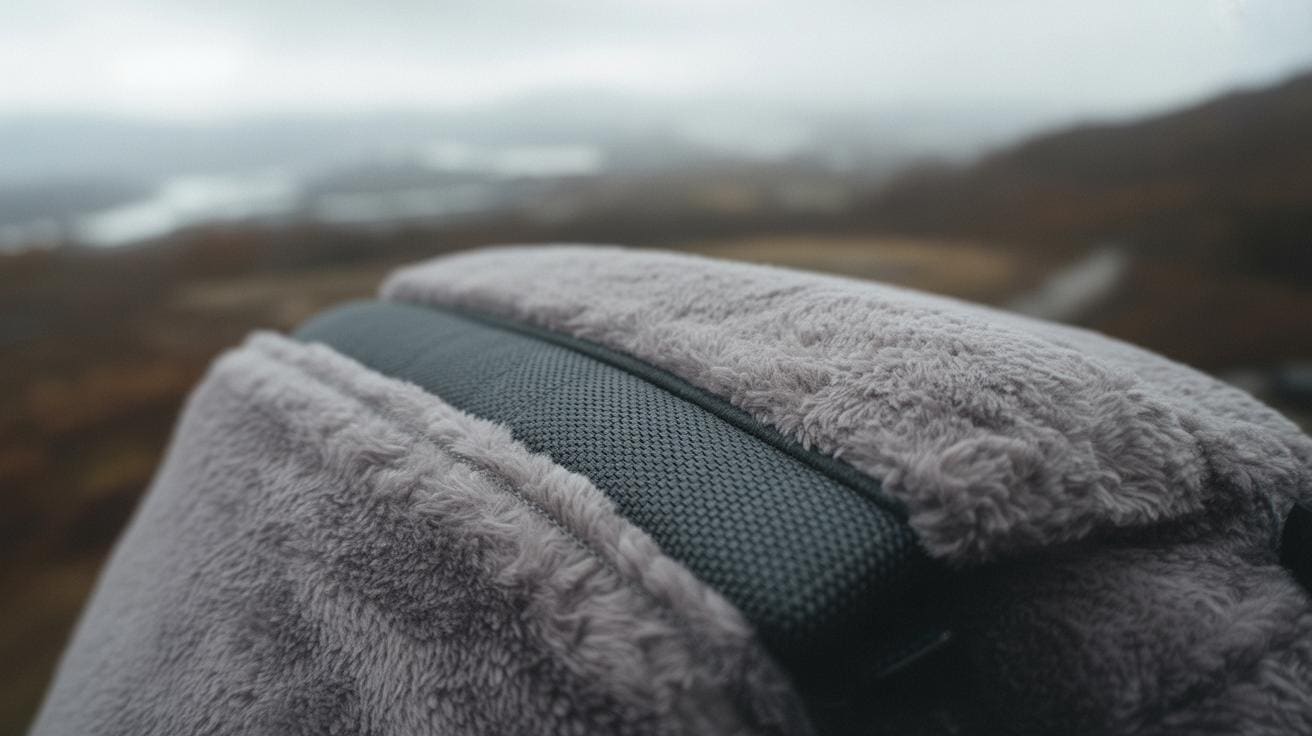
Textiles are the secret sauce for toys that survive claws. Heavy-duty fabrics like ballistic nylon (thick, tightly woven nylon often used in luggage) and Cordura (a tough nylon weave made to resist wear) take the first hits and usually shrug them off. Add laminated layers or glued backing so the fabric won’t split where stitching wears thin. Think of the outer cover like armor protecting a tougher inner core, so you swap covers, not the whole toy. Cute, right?
Reinforcement is where design beats raw strength. Double-stitching and bartacks (short, dense stitches that lock a stress point) stop seams from peeling. Heat-sealing or ultrasonic welding (melting plastic fibers together with high-frequency vibration) closes needle holes that invite rips. For ropes and braids, bury the fiber ends in a sewn channel or melt-and-bind them so strands don’t splay into little bits your cat could swallow. Ever watched your kitty pick at a frayed rope? Yeah, we don’t want that.
Real-world toys mix a tough shell with a replaceable center. A zippered plush can hide a hard UHMWPE core (ultra-high molecular weight polyethylene – a very tough plastic) so you can swap the outer when it’s worn. Some rope toys let the braid peel off and be re-wrapped. Others tuck a thin Kevlar (very strong synthetic fiber) liner inside seams, then fully cover it so no raw fibers are exposed. These choices boost toy life without changing play. Worth every paw-print.
- Ballistic nylon – double-stitch and add bartacks at stress points.
- Cordura – box-stitch load areas and overlock raw edges.
- Kevlar-lined fabric – fully encapsulate the liner and use a zigzag stitch.
- Dyneema braid (super-strong polyethylene fiber) – heat-seal ends and sew into channels.
- Braided polyester rope – secure with metal ferrules and stitched caps.
- Laminated canvas – fusion-bond seams or welded edges.
- Faux fur with reinforced backing – topstitch plus an inner fabric layer.
| Fabric | Strength | Recommended Reinforcement |
|---|---|---|
| Ballistic nylon | High abrasion resistance | Double-stitching and bartacks |
| Cordura | Good tear and wear resistance | Overlocked edges and box stitching |
| Kevlar-lined | Very high cut resistance | Fully encapsulated liner and zigzag stitch |
| Dyneema braid | Exceptional tensile and cut strength | Heat-sealed ends and sewn channels |
When to use fiber-reinforced composites in toys
Only use Kevlar or Dyneema inside when those strong fibers are fully covered so no ends can poke out. Trim and bind cut ends, and place reinforcement away from seams or areas a cat will chew. This works best as inner cores, rope cores, or stitched panels where the outer fabric stays intact; don’t leave raw fiber edges near a chewing spot. Oops, sounds strict, but safety first, right?