Think you can't have a cat because of allergies? Not necessarily. Want a furry roommate who doesn't leave a fur snowstorm on your black sweater every morning? You're closer than you think.
Some breeds shed very little, and lots of allergy sufferers say their sniffles calm down around these cats. Picture your nose relaxing while your cat's whiskers twitch as a toy rolls across the floor. Nice, right?
Here are five practical low-shed picks to consider: Balinese (long-haired but low-shed, like a silky Siamese cousin), Sphynx (hairless, so fur isn't the problem but they need regular baths), Russian Blue (short, dense coat that often causes fewer reactions), Cornish Rex (soft, tight curls that don't shed much) and Devon Rex (curly coat and playful energy). Quick note: Fel d 1 is the main cat allergen protein (a tiny protein made in a cat’s skin and saliva), and different breeds can produce different amounts or spread it differently.
How to choose one that fits your home? Meet the cat first if you can, spend 15–30 minutes and see how your body reacts. Groom regularly and use a HEPA filter (an air filter that traps tiny particles) in common rooms. Keep bedrooms cat-free for allergy-free sleep, and remember Sphynx cats need skin care and baths more often. Little changes can make a big difference, and yes, you might still get to be feline fine.
Top cat breeds that don't shed: quick TL;DR picks, selection criteria, and how to use this list
"Doesn't shed" here means low visible fur transfer and minimal loose-hair upkeep. TL;DR picks: Balinese; Sphynx; Russian Blue; Cornish Rex; Devon Rex , great starting breeds for allergy-prone homes.
I chose these breeds by looking at real-world shedding (how much fur ends up on your clothes and couch), reported allergen tendencies like Fel d 1 (the main cat allergen protein), owner feedback, routine grooming needs, typical temperament and energy, and how easy they are to find from rescues or reputable breeders. I also leaned on breeder notes and shelter reports so this feels practical, not just textbook.
| Breed | Shedding level | Hypoallergenic potential | Grooming needs | Temperament |
|---|---|---|---|---|
| Balinese | Long hair but low visible shed | Often lower allergen reports (Fel d 1 may be less) | Weekly brushing to prevent mats | Affectionate and talkative, loves people |
| Sphynx | Hairless – little to no fur transfer | Can be better for some allergy sufferers | Weekly baths to remove skin oils | Warm, outgoing, very people-oriented |
| Russian Blue | Short dense coat, low shed | Reported lower Fel d 1 levels (varies) | Occasional brushing | Quiet, loyal, a bit shy with strangers |
| Cornish Rex | Very short, curly coat – very low shed | Often low dander (dander = tiny skin flakes) | Light grooming, gentle wipes as needed | Playful, social, loves interaction |
| Devon Rex | Short wavy coat, minimal loose hair | Many owners report low dander | Soft wipes and occasional brushing | Affectionate and mischievous |
| Bengal | Short pelt-like coat, low visible hair | Less noticeable shedding for many people | Weekly brushing | High energy, very playful and smart |
| Oriental Shorthair | Short, sleek coat – low shed | Often lower allergen reports | Minimal brushing | Chatty and bonded to their person |
| Siberian | Long, dense coat – shedding varies | Variable allergen reports (some studies show lower Fel d 1) | Weekly brushing, more in heavy-shed seasons | Friendly family cat, calm and playful |
| Javanese | Semi-long hair, low visible shed | Relatively low dander reports | Regular combing to keep coat tidy | Vocal and affectionate |
| Korat | Short single coat, low shed | Many owners report low shedding | Easy grooming, occasional brushing | Affectionate and talkative |
| Singapura | Very short coat, minimal loose hair | Low shedding, often good for homes with allergies | Minimal grooming | Curious, social, compact and active |
| Peterbald | Nearly hairless to very short coat | Often lower dander, but skin care matters | Skin care and sun protection recommended | Affectionate and intense, loves contact |
Use this table as a quick comparison when shortlisting breeds. If you have allergies, try a supervised visit with the cat and consider an allergist or allergy test. Also see the Adoption section for a full allergy-testing protocol. Ever visited a shelter and just watched a cat curl up on a lap? That moment can tell you more than a spec sheet. Worth trying before you commit.
Shedding versus allergies for cat breeds that don't shed
Fel d 1 (the main cat allergen protein; produced in skin and saliva) is what causes most people’s symptoms. It spreads when dander (tiny skin flakes) or dried saliva latch onto fur, clothes, dust, and pillows, then float back into the air. Low visible shedding means less loose hair floating around, but it doesn’t erase Fel d 1. Think of Fel d 1 as a microscopic hitchhiker that rides on fur and dust, not just on clumps of shed hair.
Visible shedding and allergen levels don’t always match up. Saliva and skin make Fel d 1, so even hairless cats still produce the protein. So yes, a cat that looks like it doesn’t shed can still trigger allergies. It’s a little counterintuitive, I know.
Some breeds tend to show lower measured or reported Fel d 1 levels: Balinese, Bengal, Oriental Shorthair, Russian Blue, and Siberian often come up in studies and owner reports. But results vary by study, and individual cats within a breed can be totally different. So those breed names are useful starting points, not guarantees.
Practical plan if you’re allergic but want a cat: get real-world exposure first, spend supervised time with the cat, or arrange a short in-home trial if you can. Talk with an allergist about testing or treatments, and consider keeping a strict cleaning routine to cut down on dust and allergens. For step-by-step allergy-testing guidance, see the Adoption section for the full protocol.
Hairless and Rex cat breeds that don't shed: focused care, bathing, sun protection, and trade-offs
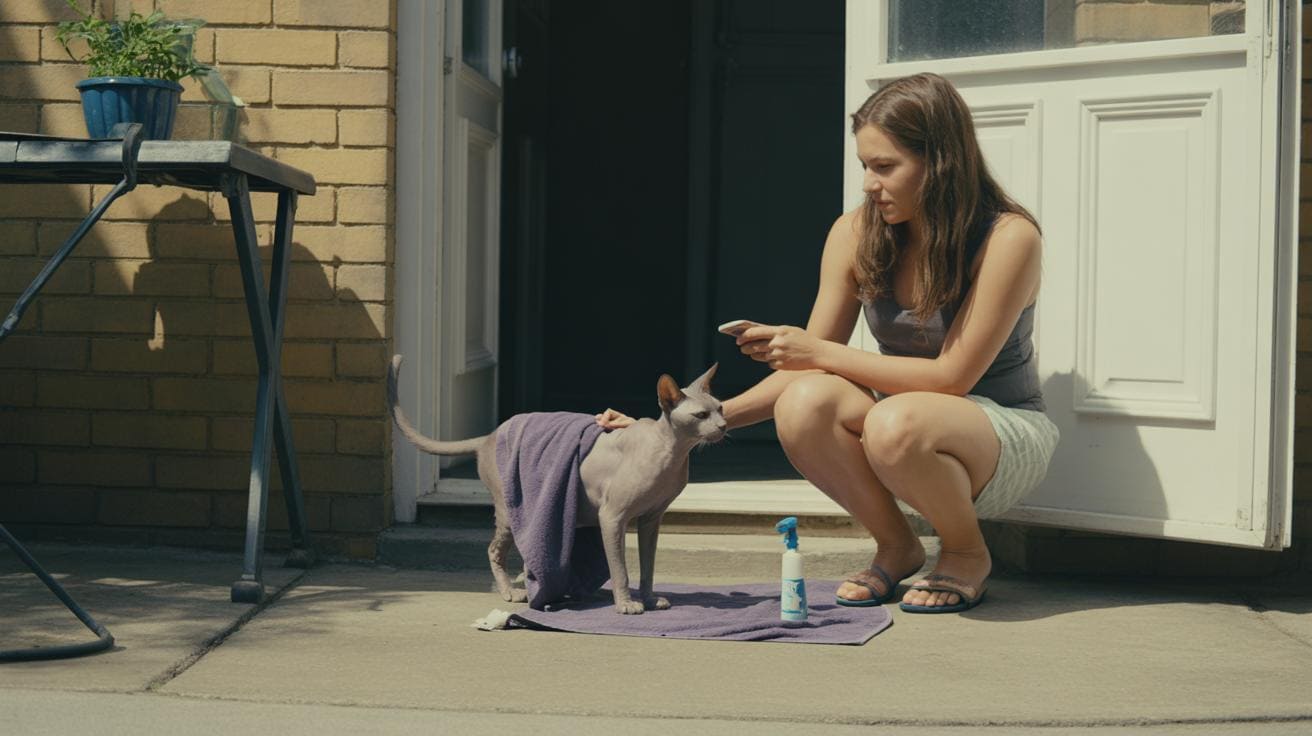
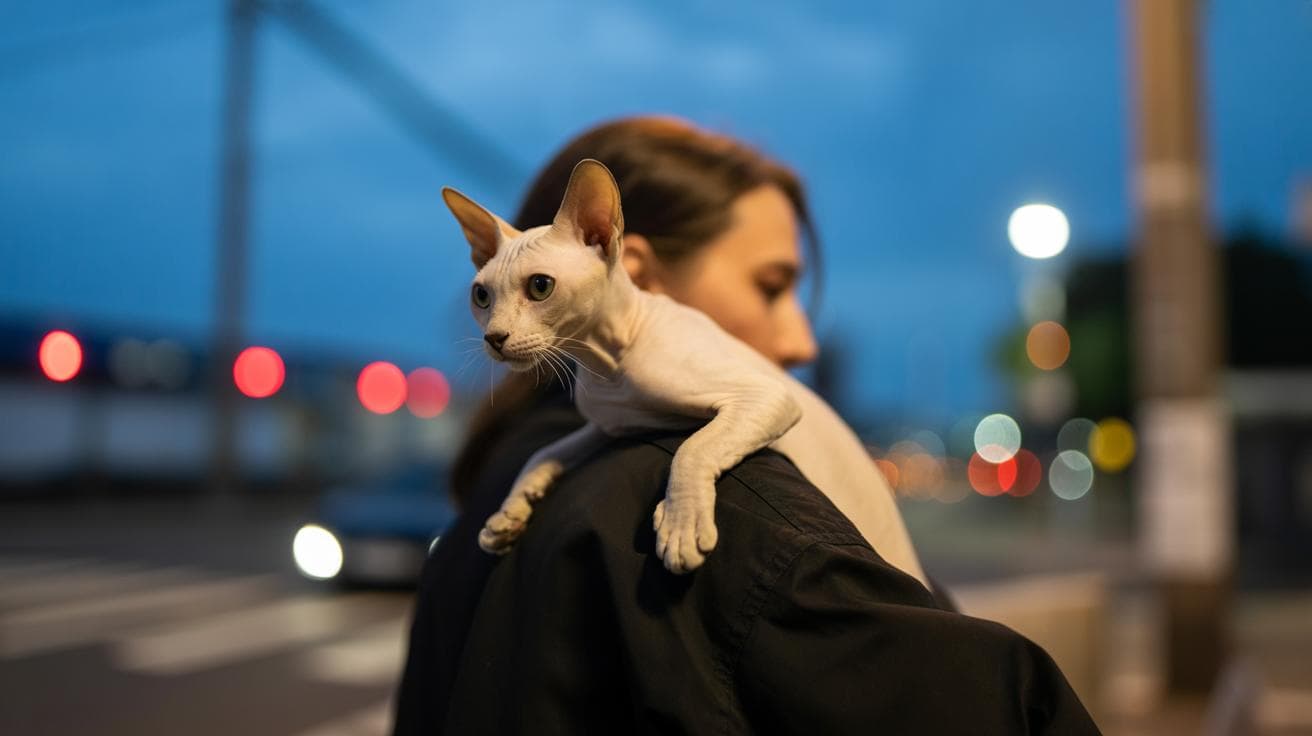
Hairless cats, like the Sphynx, have little or no fur and keep skin oils on the surface. Their skin can feel warm and a little suede-like, and they need skin care more than brushing. Rex breeds, like the Cornish and Devon Rex, have short, curly, or downy coats (downy = a soft under-hair) that hold onto fewer loose hairs. That coat difference changes everyday care: hairless cats need regular baths, while Rex coats do best with gentle wipe-downs and light grooming.
Bathe hairless cats about once a week to lift away oil buildup. Use lukewarm water around 98–100°F (37–38°C) and a very mild, fragrance-free cat shampoo diluted about 1:10 (one part shampoo to ten parts water) , for example, one tablespoon shampoo to ten tablespoons water. Rinse fully, towel dry, and if your cat tolerates it, use a low-heat blow dryer on a gentle setting. Keep an eye on the skin for persistent redness, open sores, flaky patches, or greasy clingy oil; if you see those, stop bathing and check with your vet.
Sun protection and warmth are big deals for hairless kitties. Talk to your vet about a pet-safe sunscreen (avoid human sunscreen with zinc oxide unless your vet says it’s okay) or try lightweight clothes for sunny window naps. Indoors, aim for cozy temps around 68–74°F (20–23°C); hairless cats will hunt for blankets or sweaters in cooler rooms. Sunburn looks like pink, sensitive patches that flake; cold stress shows as shivering or a hunched, tucked posture.
Weekly basics and helpful routines:
- Bath steps: gather supplies, wet gently, apply diluted shampoo, rinse well, towel dry, low-heat blow dry if tolerated.
- Rex coat care: soft microfiber cloth or grooming wipes once a week to remove surface oils.
- Recommended products: fragrance-free cat shampoo, microfiber towels, hypoallergenic grooming wipes (hypoallergenic = less likely to irritate skin).
- Ears: check weekly; wipe the outer ear with a damp cloth, but don’t push cotton swabs into the ear canal.
- Skin checks: look for redness, bumps, flaky patches, sores, odd smells, or too much oil.
- Indoor climate: keep it around 68–74°F (20–23°C) and offer warm beds or sunny spots.
- Call the vet if you see persistent skin lesions, bleeding, sudden hair loss, or big behavior changes.
A quick tip: for busy days, give a hairless cat a gentle wipe or a quick bath before you head out , that quiet play break can buy you safe alone time. I once watched my Luna purr through a towel-dry and then zoom-zoom across the rug, so yeah, cats can forgive bath time.
Don’t routinely shave normally coated fur , fur protects skin and helps temperature control, and shaving can stress your cat. If there’s severe matting, medical need, or tricky trims, book a professional groomer or a vet who knows hairless and Rex coat care. Worth every paw-print.
| Breed | Coat Snapshot |
|---|---|
| Sphynx | Mostly hairless, skin oils sit on the surface; needs weekly baths and sun protection. |
| Cornish Rex | Short, curly coat that sheds very little; loves gentle wipe-downs and light grooming. |
| Devon Rex | Soft, wavy coat with downy under-hair; low shedding, occasional wipes and ear checks keep it comfy. |
Grooming, diet, and home routines to reduce hair and allergens
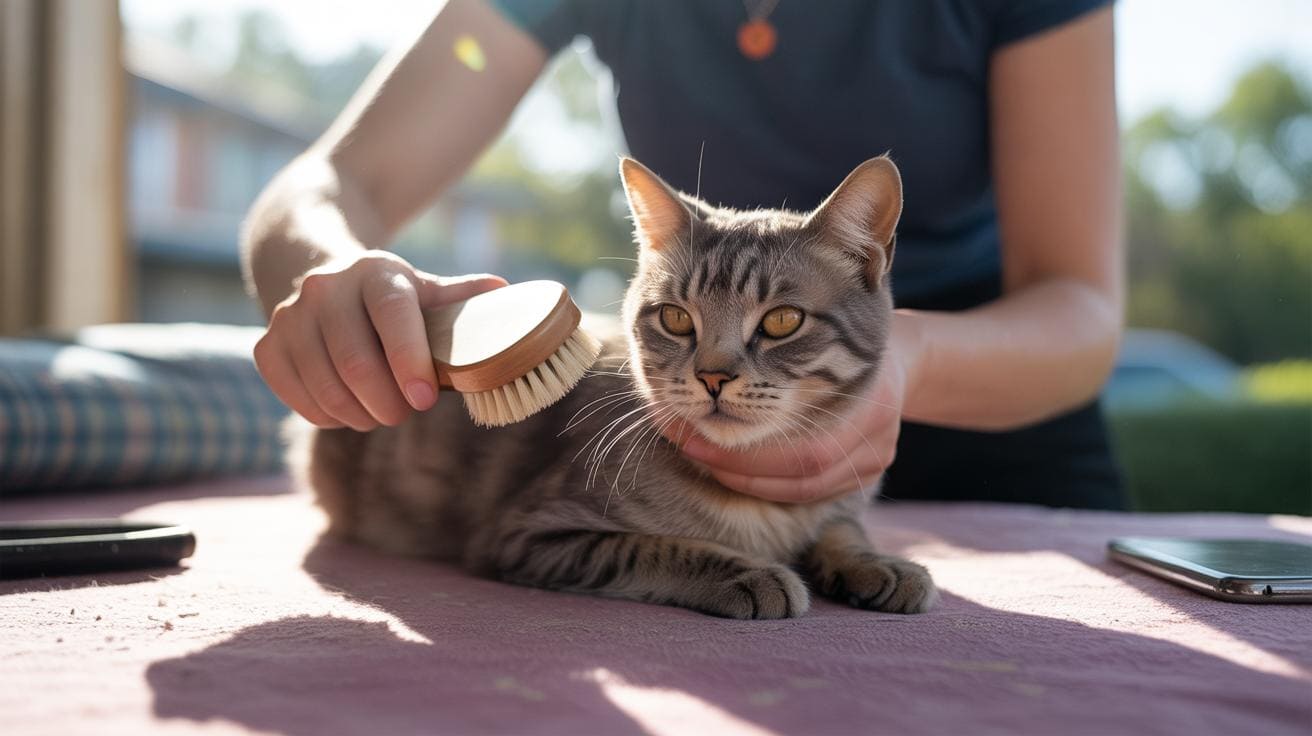
Grooming, a good diet, and a steady cleaning routine are the trifecta for less hair and fewer allergens around the house. Think of it as three simple jobs: remove loose hair, feed healthy skin, and keep air and surfaces tidy. Your nose , and your guests , will thank you.
Brush by coat type and season. Most short coats do fine with weekly brushing to pull away loose hairs and dander; during heavy-shed seasons like spring and fall, bump that to daily for a week or two to catch the worst of it. Long or semi-long coats usually need brushing two to three times a week to stop mats and the tumbleweeds of fur on the floor. Regular brushing lowers hairballs and keeps skin flakes (which carry allergens) off your couch and clothes , and you’ll probably feel your cat purr as the brush strokes their back.
Diet matters for skin and coat health. Aim for a higher-protein food (many adult cat diets list about 30 to 40% protein on the label) and look for omega fatty acids (omega fats like fish oil or flax oil that help skin and coat). Supplements can help, but talk to your vet first , dosage and product quality vary, and your vet can tell you what’s safe for your cat.
Keep the home on a steady cleaning cadence. Run a HEPA air purifier (HEPA = high-efficiency particulate air) near the bedroom and the cat’s favorite hangout, and let it run most of the day. Vacuum high-traffic areas twice weekly with a pet-specific vacuum, and wash bedding and removable furniture covers once a week. Keep one room cat-free, usually a bedroom, so allergy-sensitive people can sleep in cleaner air. Ever watched your kitty chase shadows while you vacuum? Cute, but also a reminder to be steady with the routine.
Handy tools and tiny tricks make this easy. Use a short-coat brush or bristle brush for weekly touch-ups, a rubber grooming mitt for quick rubs, and a de-shedding tool for heavy-shed moments. Microfiber covers (microfiber = a soft, tightly woven fabric) and lint rollers are lifesavers on couches and clothes. For sensitive Rex-style coats or hairless cats, use gentle, fragrance-free grooming wipes and bathe hairless kitties weekly with lukewarm water and a mild shampoo diluted about 1:10, then dry thoroughly. Ten minutes of grooming a few times a week really adds up. I once watched Luna leap six feet for a toy and then flop down contentedly after a good brush , worth every paw-print.