what materials make cat toys unbreakable and safe

Sick of buying so-called indestructible cat toys that your tabby turns into confetti overnight? Here’s the short, honest version: the right materials really matter. Food-grade silicone (soft, non-toxic rubber-like polymer) and UHMWPE (ultra-tough, cut-resistant plastic) make toys both safe and way harder to shred. I’ll show you which materials actually stand up to teeth and claws, why they work, and what to watch for when you’re shopping or DIYing.

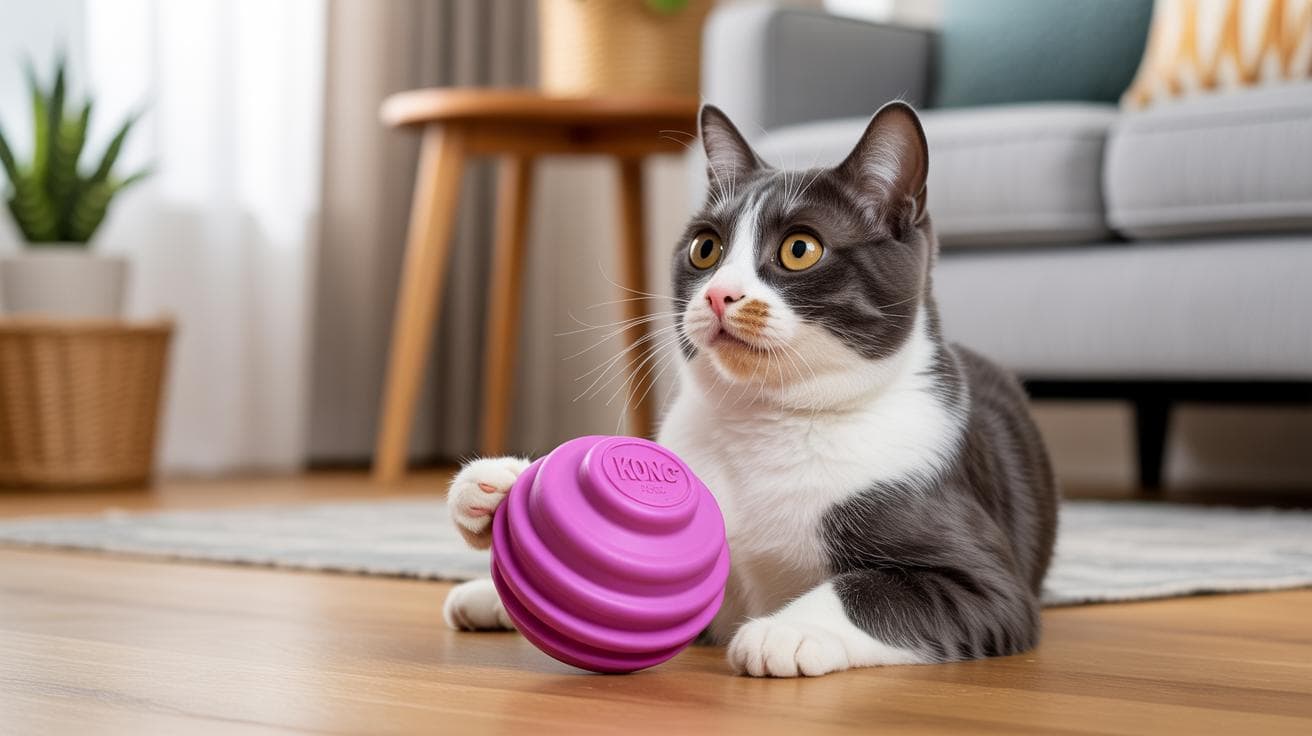
Food-grade silicone feels soft and bouncy, so your cat loves the texture and it won’t splinter. It’s non-toxic (meaning it won’t poison your cat if chewed) and it’s easy to clean, which is perfect for slobbery play. Think of the satisfying thud of a silicone ball rolling across the floor, your cat’s whiskers will twitch.

UHMWPE is the stuff made for real abuse. It’s a dense, slice-resistant plastic often used in cut-proof gloves and gear. Toys built with UHMWPE handles or cores shrug off claws and teeth. They don’t fray or shred like cheap fabric, so fewer fluff explosions on the carpet.

Also look for reinforced fabrics like Cordura or ballistic nylon (heavy-duty nylon fabric) on scratchy toys. Double-stitched seams and hidden reinforcements help keep stuffing inside and tiny parts out. Avoid toys with glued-on eyes or loose ribbons that can come off during a pounce.

When you shop or make your own, check a few things: is the silicone labeled food-grade? Are seams reinforced and not just glued? Any small bits that could be swallowed should be stitched down or skipped. Smell-test plastics, if it smells chemical, leave it. And always supervise new toys until you know they’re safe.

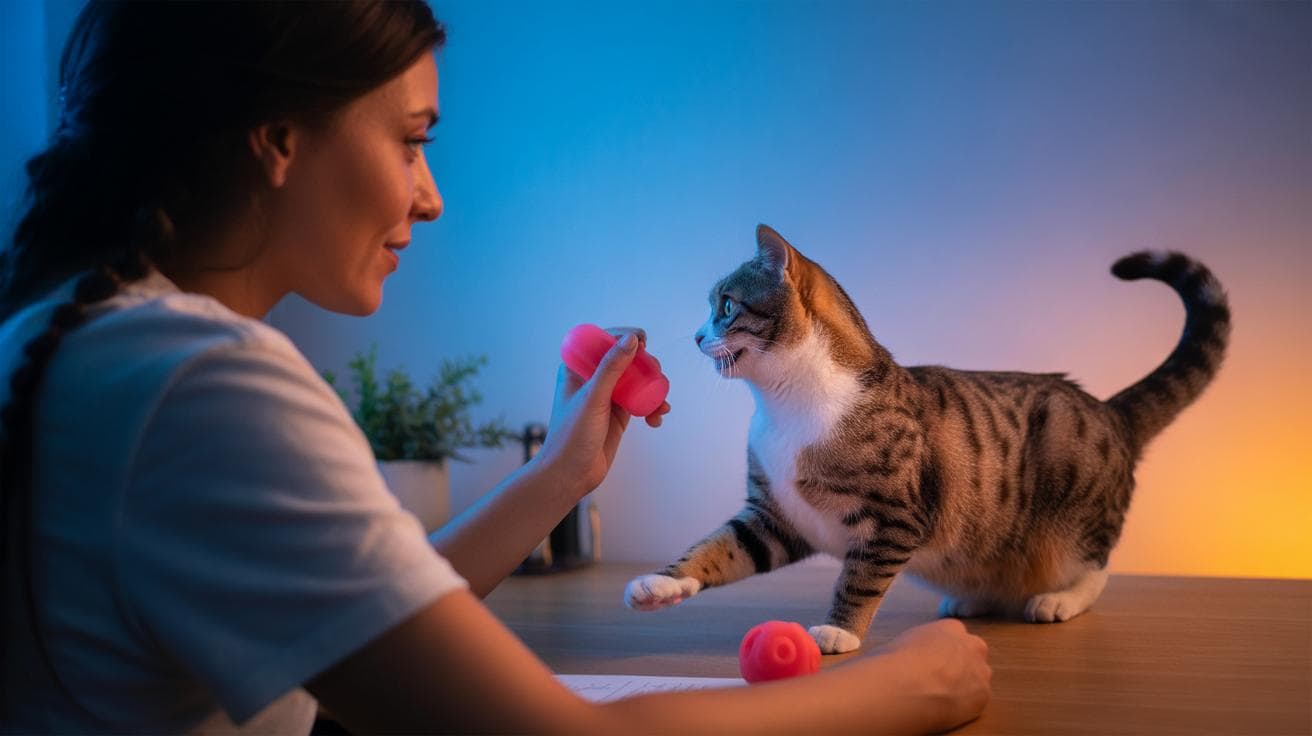
Quick tips: toss an unbreakable ball before you head out for ten minutes of safe solo play. Rotate toys every few days so your cat stays interested. And if you DIY, think like a cat – soft where they bite, tough where they grip.

Worth every paw-print.

what materials make cat toys unbreakable and safe
- Quick answer top chewresistant materials and a clear inspection warning.jpg

Here’s a friendly rundown of the materials that actually help toys stand up to teeth and claws, written like a cat‑crazy pal telling you what worked in my living room. Short definitions in parentheses so you know what each thing really is.

  • Food-grade / medical-grade silicone (flexible, non-toxic rubber-like polymer, think soft rubber spatula). Great balance of chew resistance and safety, and it’s easy to clean.
  • UHMWPE (ultra-high-molecular-weight polyethylene, a very tough, cut-resistant plastic) , top pick for resisting teeth and claws, especially as a hidden core.
  • Stainless steel hardware (stainless steel, a metal that won’t rust). Best for connectors and split rings that need to hold under a strong pull.
  • Natural rubber (plant-based, bouncy, like latex but from natural sources). Good for treat dispensers and chewers who like a soft bite.
  • Polycarbonate / ABS (hard impact plastics, strong but can shatter under extreme force). Used for housings and rigid shells.
  • Kevlar / Dyneema (high-strength fibers like climbing rope, used in safety gear). Ideal to reinforce seams or make rope cores that won’t snap.
  • Ballistic nylon / Cordura (heavy-duty, abrasion-resistant fabric). Resists tearing from claws, great for outer covers.
  • Hardwoods (beech, maple; untreated solid wood that wears safely). Works for chew posts that are biodegradable and sturdy.
  • Braided polyester / rope exteriors (woven synthetic rope that acts as a sacrificial layer). These take the wear so the inner core lasts longer.
  • TPE / TPU (flexible, durable elastomers, rubber-like plastics that bounce back). Good for parts that need to flex and recover from bites.

Safety note: even the toughest materials can shed bits or carry unsafe coatings, so pick labeled non-toxic grades for anything cats will lick or chew. Inspect toys at least once a week and after rough play, and retire anything with holes, sharp edges, or loose bits.

Quick pros and cons, so you can pick what fits your cat’s play style:

  • Food-grade silicone , pro: non-toxic and soft; con: can tear if a cat fixes on one spot.
  • UHMWPE , pro: superb cut resistance; con: pretty stiff, not for kitties who prefer squishy toys.
  • Stainless steel , pro: won’t rust, very strong; con: can be heavy in tiny pieces.
  • Natural rubber , pro: stretchy and satisfying to chew; con: some cats still manage to chew through over time.
  • Polycarbonate / ABS , pro: handles impact well; con: can crack and form sharp shards if it fails.
  • Kevlar / Dyneema , pro: seams and ropes stay strong; con: exposed fiber ends need to be sealed so they don’t fray.
  • Ballistic nylon / Cordura , pro: stands up to claws; con: sewn seams are common weak spots.
  • Hardwoods , pro: safe, natural chew surface; con: they’ll wear down and need replacement eventually.
  • Braided polyester rope , pro: sacrificial, easy to replace; con: may fray into small strands you should monitor.
  • TPE / TPU , pro: great rebound and flexible; con: not as cut-resistant as UHMWPE.

Durability is a trade-off: ultra-tough plastics and fibers can become sharp when they fail, while softer elastomers are gentler in the mouth but wear out faster. So aim for smart design: a permanent strong core (metal or UHMWPE) plus replaceable, sacrificial outer layers (rope covers, braided sleeves, feather attachments). That way you keep the toy long-term without raising the risk of swallowed bits.

Tiny tip from my house: my tabby tore through a rope cover in a week, but the inner UHMWPE core stayed fine , replacing the cover made the toy claw-tastic again. Worth checking seams and sealed fiber ends, and if you spot fuzz or loose threads, toss or repair it.

Polymers and rubbers: food‑grade silicone, TPE/TPU, natural rubber, ABS and polycarbonate (with a Plastics & Polyethylenes subsection)
- Polymers and rubbers foodgrade silicone, TPETPU, natural rubber, ABS and polycarbonate (with a Plastics  Polyethylenes subsection).jpg

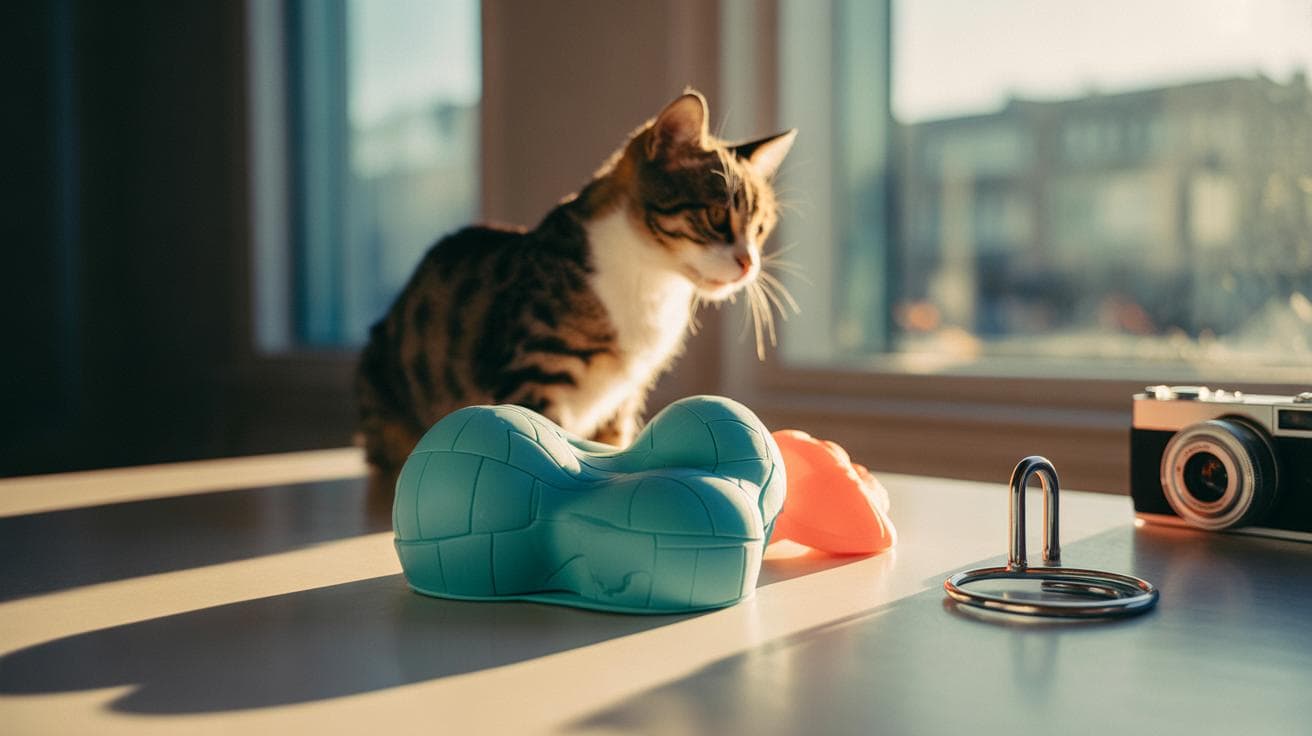
Food-grade silicone (a soft, heat-stable rubber-like polymer, like a kitchen spatula) and TPE/TPU (thermoplastic elastomers, flexible plastics that snap back like a rubber band) are the safest picks when a toy might touch a cat’s mouth. Go for items labeled food or medical grade so you avoid strange additives. Check for tear resistance and Shore hardness (a simple scale for how firm something feels) so the toy is squishy enough to enjoy but strong enough to last. They’re gentle on gums, and if they wear out they tend to fail without spraying sharp shards – nice for nervous owners and playful kitties.

Natural rubber (plant-based elastic, think the bouncy core of a chew toy) works wonders in treat dispensers and dental chewers. It cushions teeth and springs back after gnawing, keeping cats engaged longer. It usually beats cheap latex blends for tear resistance, but heavy chewers will still wear it down over time. Look for molded, seam-free shapes and sealed edges so teeth can’t pry layers apart.

Hard plastics like ABS and polycarbonate give you tough shells and housings that stand up to impacts. The downside is repeated, focused bites can crack them and create sharp pieces. One-piece molding or welded seams reduce failures that start at joins, and thicker walls make brittle breaks less likely. For toys with moving parts or motors, pick structural plastics with good impact ratings and rounded edges so a broken bit is less likely to hurt a paw or mouth.

Selection checkpoints for polymers and rubbers:

  • Clear material grade labeling, like food grade or medical grade.
  • Tear-resistance or tensile strength info when available (how hard it is to rip).
  • Shore hardness listed, so you can match squishiness to your cat.
  • One-piece molding or fused seams, not glued layers.
  • Explicit polymer ID, for example UHMWPE, polycarbonate, or silicone.

Plastics & Polyethylenes (HDPE, UHMWPE, ABS, polycarbonate)

HDPE (high-density polyethylene, like sturdy milk jugs) is stiff and durable, good for molded parts that need a bit of give without sharp edges. UHMWPE (ultra-high-molecular-weight polyethylene, almost cut-proof, imagine a super-tough rope core) resists abrasion and tooth cuts far better than generic plastics and makes great hidden cores or reinforcement.

Polycarbonate and ABS handle blunt hits well, but they can crack under sharp, repeated bites. For outdoor or high-stress parts, favor thicker walls and single-piece construction so any failure is slow and obvious. UV resistance matters for outdoor toys, and if recycled materials are used you’ll want to know what fraction and whether additives could affect safety.

Hard-plastic evaluation checkpoints:

  • Clear polymer ID: UHMWPE versus generic plastic.
  • Minimum wall thickness guidance – avoid thin shells under about 3 mm for small parts.
  • One-piece construction or welded seams, not glued joins.
  • UV resistance rating for outdoor use.
  • Disclosure of recycled content and any impact on safety.

A quick, practical tip: toss an unbreakable silicone ball on the floor before you head out and check it after play. If it shows tiny tears, swap it. Your cat will purr, and you’ll sleep easier.

Metals, hardware and connectors: rust‑proof options
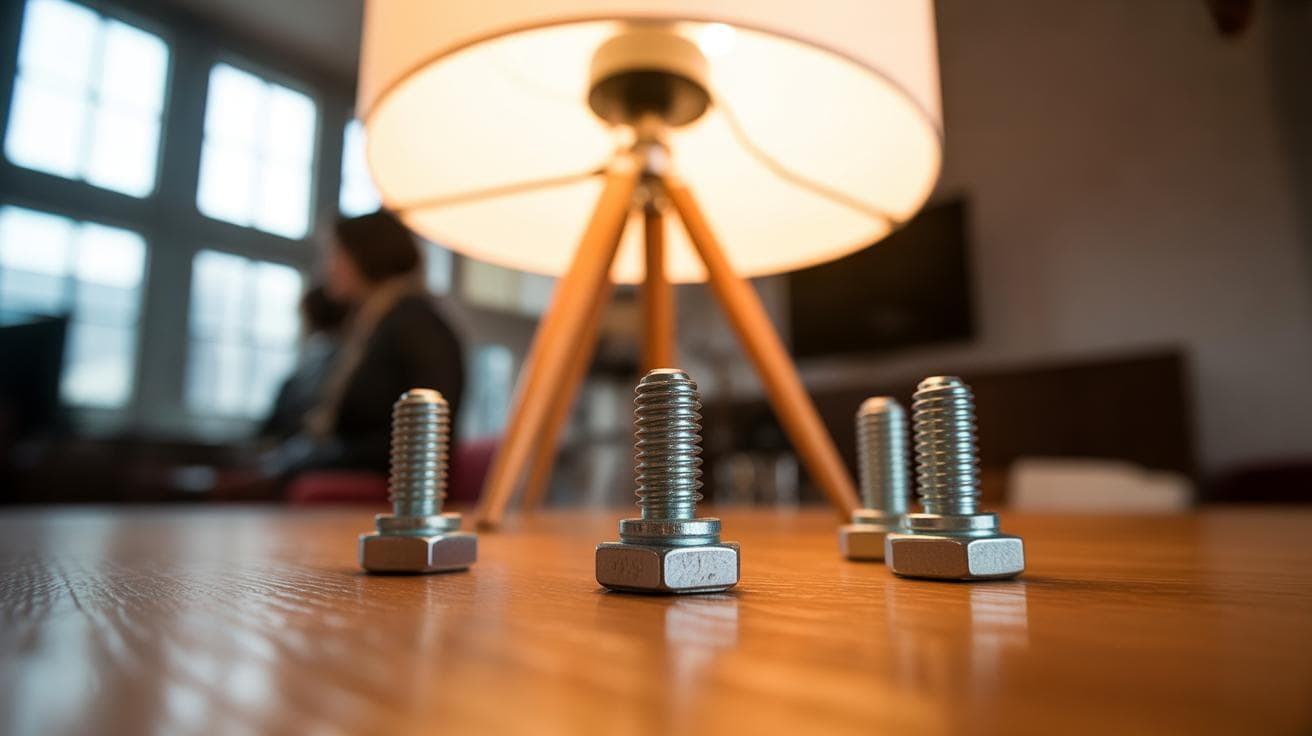
- Metals, hardware and connectors rustproof options (concise callout).jpg

Pick corrosion-resistant alloys for anything your cat will tug, chew, or lick. Marine-grade 316 stainless (stainless steel that handles wet or salty conditions) is a great all-around choice , strong, rust-friendly, and proven in damp spots. Titanium (a light, very strong metal) and anodized aluminum (aluminum treated to be harder and more corrosion-resistant) give similar strength but weigh a lot less, so they’re handy when a heavy ring or clip would flop a small toy down.

Coatings help for sure, but think about wear. Plated finishes can rub off where a cat bites or where parts grind together, and then you’re left with exposed metal. For outdoor or water-prone toys, go for higher-grade metals and closed, mechanically fastened joints instead of relying on paint or thin plating. Welded joins (metals melted together) or riveted joints (metal pins holding pieces) last longer than open split rings or glued parts. Long-lasting. Safe.

  • Use 316 stainless or another rated rust-proof alloy for connectors that need to last.
  • Consider titanium or anodized aluminum for weight-sensitive parts like clips or small cores.
  • Check for solidly closed rings, welded joins, or riveted joints rather than open or split hardware.

Worth every paw-print.

what materials make cat toys unbreakable and safe
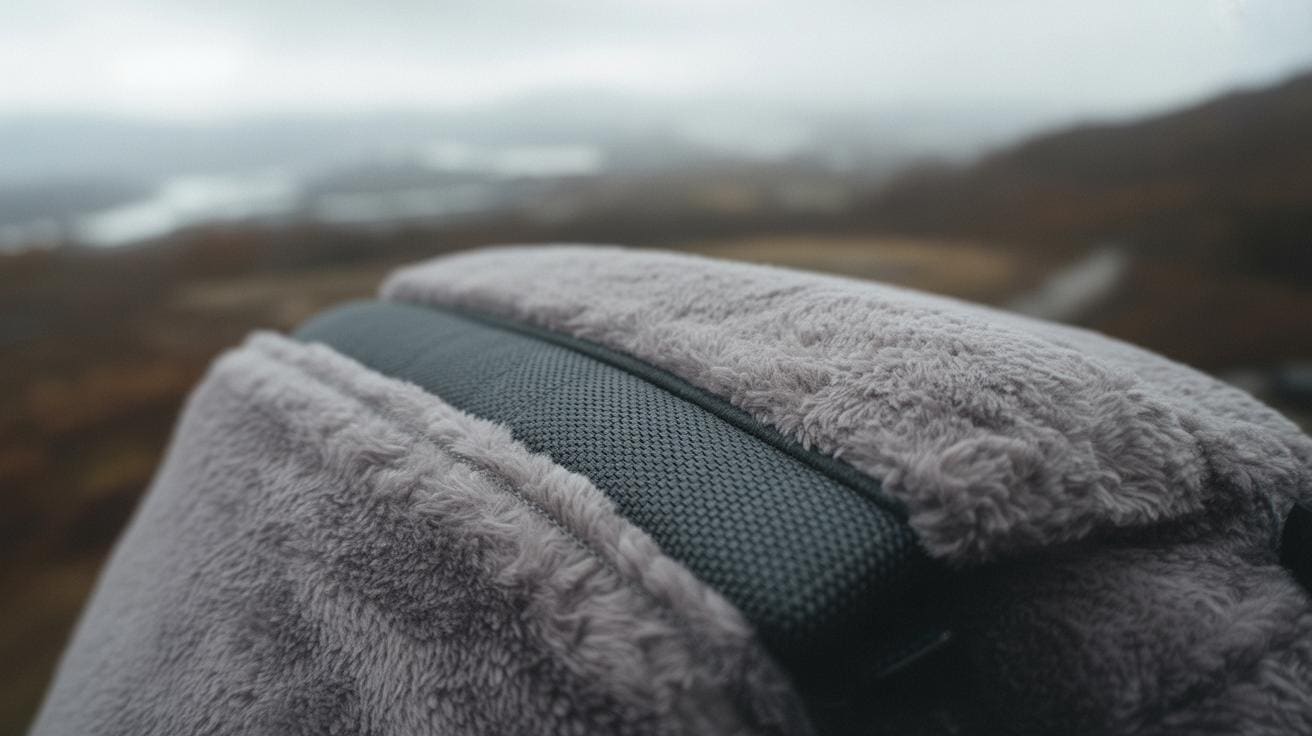
- Fabrics and reinforced textiles ballistic nylon, Cordura, Kevlar, Dyneema and stitch techniques for longlasting plush toys.jpg

Textiles are the secret sauce for toys that survive claws. Heavy-duty fabrics like ballistic nylon (thick, tightly woven nylon often used in luggage) and Cordura (a tough nylon weave made to resist wear) take the first hits and usually shrug them off. Add laminated layers or glued backing so the fabric won’t split where stitching wears thin. Think of the outer cover like armor protecting a tougher inner core, so you swap covers, not the whole toy. Cute, right?

Reinforcement is where design beats raw strength. Double-stitching and bartacks (short, dense stitches that lock a stress point) stop seams from peeling. Heat-sealing or ultrasonic welding (melting plastic fibers together with high-frequency vibration) closes needle holes that invite rips. For ropes and braids, bury the fiber ends in a sewn channel or melt-and-bind them so strands don’t splay into little bits your cat could swallow. Ever watched your kitty pick at a frayed rope? Yeah, we don’t want that.

Real-world toys mix a tough shell with a replaceable center. A zippered plush can hide a hard UHMWPE core (ultra-high molecular weight polyethylene – a very tough plastic) so you can swap the outer when it’s worn. Some rope toys let the braid peel off and be re-wrapped. Others tuck a thin Kevlar (very strong synthetic fiber) liner inside seams, then fully cover it so no raw fibers are exposed. These choices boost toy life without changing play. Worth every paw-print.

  • Ballistic nylon – double-stitch and add bartacks at stress points.
  • Cordura – box-stitch load areas and overlock raw edges.
  • Kevlar-lined fabric – fully encapsulate the liner and use a zigzag stitch.
  • Dyneema braid (super-strong polyethylene fiber) – heat-seal ends and sew into channels.
  • Braided polyester rope – secure with metal ferrules and stitched caps.
  • Laminated canvas – fusion-bond seams or welded edges.
  • Faux fur with reinforced backing – topstitch plus an inner fabric layer.
Fabric Strength Recommended Reinforcement
Ballistic nylon High abrasion resistance Double-stitching and bartacks
Cordura Good tear and wear resistance Overlocked edges and box stitching
Kevlar-lined Very high cut resistance Fully encapsulated liner and zigzag stitch
Dyneema braid Exceptional tensile and cut strength Heat-sealed ends and sewn channels

When to use fiber-reinforced composites in toys

Only use Kevlar or Dyneema inside when those strong fibers are fully covered so no ends can poke out. Trim and bind cut ends, and place reinforcement away from seams or areas a cat will chew. This works best as inner cores, rope cores, or stitched panels where the outer fabric stays intact; don’t leave raw fiber edges near a chewing spot. Oops, sounds strict, but safety first, right?

what materials make cat toys unbreakable and safe

- Natural materials sisal, jute, hardwoods (beech, maple, bamboo), cork  pros, cons and safety.jpg

Natural materials give toys texture, scent, and a comfy chew that many cats go crazy for. Think rough sisal (coarse agave fiber), soft-but-grabby jute (plant fiber with a bit of give), crinkly cardboard (layers of pressed paper), springy cork (bark-like, spongy material), and untreated hardwoods like beech or maple (dense, steady woods). Bamboo is great too, it’s a fast-growing grass with strong fibers and a light feel. Ever watch your kitty tilt their head at a rustling box? That kind of simple joy.

If your toy will be gnawed, pick untreated beech, maple, or bamboo. They wear in a predictable way and are biodegradable. Avoid painted, stained, or pressure-treated wood because coatings can flake and end up in your cat’s mouth. For scratching, sisal and cork mimic tree bark and feel natural on claws, so they’re a smart choice.

Natural stuff looks and smells great, but it wears faster than heavy-duty synthetics, so plan to rotate toys and replace outer layers now and then. Jute and sisal will fray into strands, so check them often. Cardboard and paper are cheap and compostable but tear quickly. Bamboo and hardwood resist splitting if they’re dry and well sanded, but they’ll still wear out over time. Check fraying on jute and sisal and inspect regularly per the inspection schedule in the opening section, and retire anything with loose bits or splinters to keep play safe.

  • Sisal (coarse agave fiber) – durable for scratching, coarse texture, biodegradable; can fray into strands.
  • Jute (soft plant fiber) – gentler on paws, good grip, biodegradable; higher risk of fraying.
  • Cork (bark-like, spongy material) – gentle and grippy, resists moisture, low dust; wears moderately.
  • Cardboard (pressed paper layers) – rustles and cheap to replace, very biodegradable; tears fast.
  • Untreated hardwood (beech, maple) – dense and long-lasting for chewing, safe if unfinished; replace when splintered.
  • Bamboo (fast-growing grass with strong fibers) – strong and light, renewable, smooth when sanded; thin pieces can split.

Rotate toys, watch for loose threads or splinters, and swap anything tired or damaged. Your cat stays entertained and you stay relaxed. Worth every paw-print.

Design & manufacturing techniques that make toys last: one‑piece molding, fasteners, and replaceable modules

- Design  manufacturing techniques that make toys last onepiece molding, fasteners, and replaceable modules.jpg

Good, long‑lasting toys start with smart molding and tidy joins. Injection molding (molten plastic forced into a shaped cavity) and one‑piece molding (a single solid part with no seams) cut out seam failures. Ultrasonic welding (fuses plastics with high‑frequency vibration) makes a neat welded bead that usually beats glued seams. Ever watch a toy fall apart at the seam? Yeah, not fun.

Replaceable modules mean the toy’s heart keeps working even after an outer cover gets chewed up. Swap the worn bits, not the whole thing. See the Polymers and Textiles sections for the deep dive if you want the geeky stuff.

Hardware is where wear shows up fastest. Closed or welded rings handle tugs better than open split rings. Countersunk stainless fasteners (stainless steel screws or bolts set flush with the surface) sit flat so paws and teeth don’t snag. A ferrule or crimp (a tiny metal sleeve crushed around cable) makes a very strong loop when done right; cover that crimp with heat‑shrink (a thin plastic tube that tightens with heat) and a tape wrap so the metal edge can’t rub through an outer sleeve. Quick how‑to: crimp the ferrule, slide heat‑shrink on, shrink it with a heat gun, then wrap tape.

  • Look for closed or welded rings, not open gaps.
  • Prefer countersunk stainless fasteners so nothing sticks up to bite.
  • Choose welded beads over glued seams for plastic joins.
  • Verify ferrules are well‑crimped and covered with heat‑shrink or protective tubing.
  • Joints with an extra tape or sleeve are less likely to abrade an outer cover.
  • Pick toys with replaceable attachment points and clearly visible fastener types.
Technique Why it adds durability What to check as a buyer
Injection molding (molten plastic forced into a shaped cavity) Consistent wall thickness and strong, repeatable parts Even wall thickness; rounded corners; see Polymers section
One‑piece molding (single solid part, no seams) No seams to peel or open under stress Single‑part construction, no glued joins
Ultrasonic welding (fuses plastics with high‑frequency vibration) Seamless welded bead that resists opening Visible welded bead, not a glued seam
Reinforced seams (extra stitching / bartacks) Stops stitches from tearing out at load points Double stitching and bartacks at stress spots; see Textiles section
Rivets / snap‑fits (mechanical joins) Holds under pull without backing out Flush rivets, closed rings, or positive snap clicks; avoid tiny exposed screws
Replaceable components (swap worn parts) Extends life by replacing sacrificial bits Visible fasteners, serviceable parts, and spare‑part availability

When you’re shopping, flip the toy over and hunt down the joins and fasteners. If things are hidden behind glue or thin shells, put it back and try another , your cat will thank you. Worth every paw‑print.

Safety, Cleaning, Testing & Retirement

- Safety, Cleaning, Testing  Retirement.jpg

Make toy checks a habit, like feeding time. Give each toy a quick once-over before and after play: look at seams, feel for soft spots, and try a gentle grab or pull where it makes sense. For big tug toys, use a 15-lb pull as a rough guide so you know what the connectors can handle. Simulate chewing at likely weak points , seams, glued joints, ferrules (small metal sleeves that join parts) , to catch trouble early. Inspect toys at least once a week and after rough play; retire anything with holes, exposed hardware, loose stitching, or a new, sour smell.

Cleaning depends on what the toy is made of. Food/medical-grade silicone (silicone safe for food or medical use) and HDPE (high-density polyethylene – tough plastic like a cutting board) parts with dishwasher-safe labels usually do fine on the top rack. Fabrics do best on a gentle machine wash with mild, fragrance-free detergent. Battery packs, motors, or electronics should never be submerged; wipe the housings and follow the maker’s steps for removing powered modules before washing. Use cleaners that won’t leave residues your cat might lick, and let things dry fully before giving them back to your furball.

When it’s time to retire a toy, be quick about it. Bag any small ripped pieces so they don’t become choking or gut hazards, and try to separate recyclable metal bits from soft waste. Natural bits like untreated wood or plain cardboard can go to compost if they’re free of glue and coatings. Sealed, sharp, or contaminated parts go in the trash inside a closed bag.

Worth every paw-print when done right.

  1. Visual seam check – look for pulled threads, gaps, or holes.
  2. Grab/pull test – use a 15-lb reference for larger toys to test connectors.
  3. Hardware flex test – wiggle rings, clips, and ferrules (metal sleeves) for looseness.
  4. Smell check – any new chemical or sour odor means retire it.
  5. Washability check – confirm manufacturer laundry or dishwasher guidance.
  6. Motor and moving-part integrity – verify housings, battery doors, and covers.
  7. Replaceable-part test – make sure snaps, zippers, or covers swap cleanly.
  8. Retire if any small pieces, sharp edges, or splinters appear; don’t risk it.

DIY unbreakable toy plans, parts list, costs and step sequence (tested wand build)

- DIY unbreakable toy plans, parts list, costs and step sequence (tested wand build).jpg

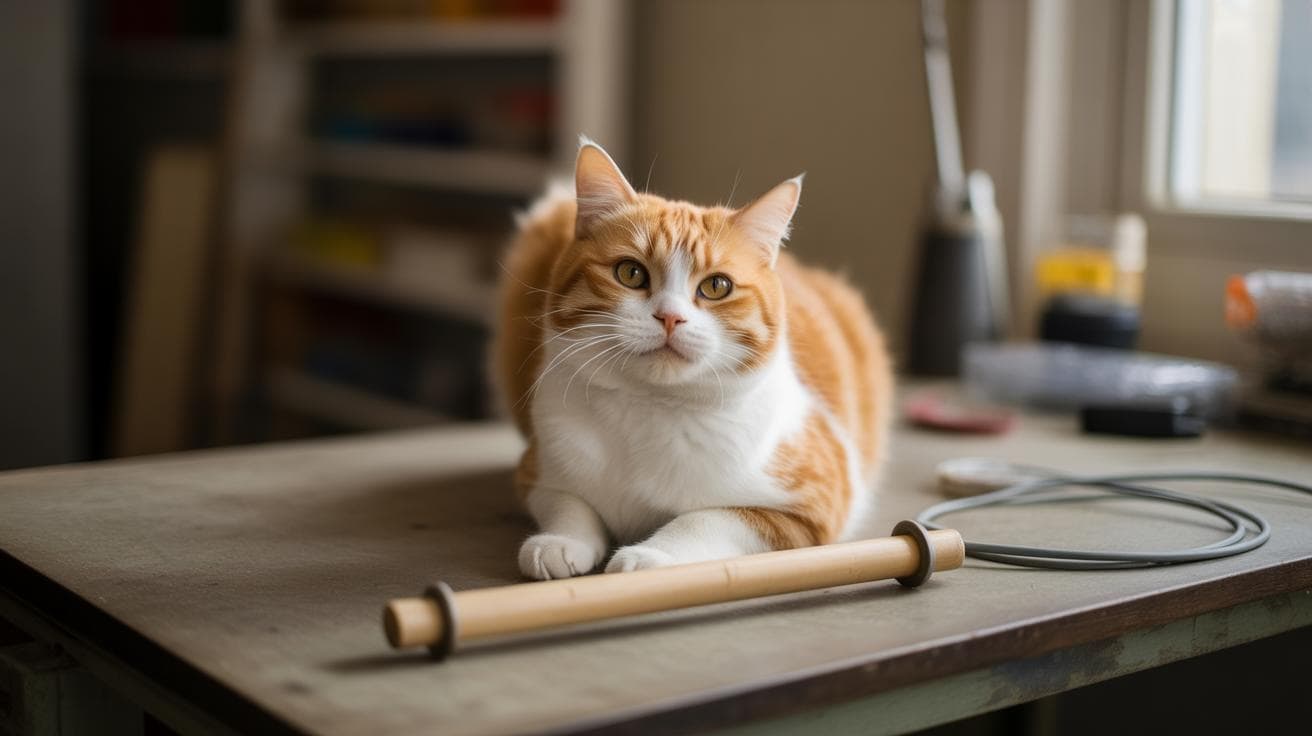
Here’s a simple, low-cost wand that stood up to a 15 lb cat. It uses a 48" fiberglass driveway marker rod (fiberglass, like a strong fishing-rod core) and a short length of vinyl-coated cable for the tension. It’s cheap, easy to make, and way more durable than the flimsy store wands, perfect for cats that love a rough-and-tumble session. Ever watched your kitty leap and clutch a toy like it’s the final boss? This helps with that.

Parts and rough costs:

  • 48" fiberglass rod , about $2.50.
  • 48" of 1/16" vinyl-coated cable (1/16" vinyl-coated steel) , about $1.20. (Vinyl coating keeps the cable smooth.)
  • Two 1/16" ferrules , about $1.24 total. (Ferrules are tiny metal sleeves you crimp to lock cable loops.)
  • 1.5" split key ring , about $0.50.
  • Feather attachments , $2 to $3 each, or swap in other toys.
  • Optional: heat shrink / electrical tape , small extra cost.
    Total for one wand: just a few dollars. You can make two or three for the price of one cheap toy from the pet store.

Tools and time:
You’ll need a drill with a 3/32" bit, wire strippers, something to crimp with (vise, hammer, or swaging tool), and a heat source for shrink tubing (heat gun or lighter). Assembly takes about 15 minutes once you’ve got everything. A hammer crimp works fine if you don’t have a swaging tool. Quick and satisfying.

Safety first:
Drill the hole about 1/4" from the rod end so the loop clears the tip. Make a solid ferrule crimp and cover any exposed metal with tape and heat shrink (heat shrink is a thin plastic sleeve that tightens when heated). Inspect the wand weekly and after rough play; retire it if you see frays, exposed metal, splits, or anything loose. You want playtime to be fun, not risky.

Step-by-step assembly:

  1. Mark a spot about 1/4" from the rod tip.
  2. Drill a hole at that mark using a 3/32" bit. Keep it steady.
  3. Cut a 48" length of 1/16" vinyl-coated cable.
  4. Thread one cable end through a ferrule, then through the drilled hole, and back into the ferrule to form a loop.
  5. Slide the ferrule so the loop sits snug against the rod end.
  6. Add the second ferrule over the two cable runs at the loop base for extra strength , stacked ferrules are fine.
  7. Crimp the ferrule(s) firmly so they compress onto the cable. Use a vise or hammer with even blows.
  8. Attach the 1.5" split key ring to the loop. Check that the split fully wraps around so it won’t slip open.
  9. Wrap the crimped area with electrical tape, then slide on heat shrink and shrink it down with heat to smooth edges.
  10. Give the joint a firm tug (try to match a 15 lb pull if you can), then add a feather toy and test with light play.

Optional upgrades and tweaks:

  • Use a longer heat-shrink sleeve for fuller protection.
  • Add a soft ferrule cover (rubber sleeve) over the crimp for padding.
  • Swap the split ring for a rounded, welded ring to remove gaps.
  • Upgrade to 316 stainless hardware for rust resistance.
  • Use quick-release clips for truly replaceable feather attachments.
  • Wrap extra tape under the shrink for extra abrasion padding.

Worth every paw-print.
Oops, let me rephrase that , it’s worth every paw-print. Really. Watch your cat’s whiskers twitch as the toy skitters across the floor. You’ll get durability, easy repairs, and plenty of claw-tastic fun.

Quick buyer checklist

- Buying guide and checklist selecting durable cat toys, consolidated brand notes, certifications and warranty cues.jpg

Keep this checklist in your pocket when you shop. It’s short, practical, and made for quick checks at the shelf so you skip marketing fluff and spot toys that actually last. Ever watched your cat destroy a flimsy toy in three minutes? Yeah, this helps avoid that.

See the Polymer, Textile, Hardware, and DIY sections below for full details on material grades, seam methods, and where to source raw cores and hardware.

  • Material type and grade label: look for food- or medical-grade silicone (safe for mouth contact), named polymers like UHMWPE (ultra-high-molecular-weight polyethylene, a very tough plastic used in cut-resistant gear) or polycarbonate (shatter-resistant plastic). Those labels matter more than cute photos.
  • One-piece construction or welded seams: one-piece molding (a single molded part) or seams fused by welding (heat or ultrasonic fusing, not glued). If it’s glued, think twice.
  • Reinforced stress points: bartacks (extra stitching at high-stress spots), ultrasonic weld beads, or clearly doubled layers where the toy gets tugged the most. Those reinforcements keep things from falling apart mid-play.
  • Clear cleaning instructions: a washable label that says machine-washable, surface-clean only, or dishwasher-safe. Knowing how to clean a toy makes it last and keeps your cat healthy.
  • Hardware type: 316 stainless (marine-grade stainless steel) or closed/welded rings and rivets (rivets are metal fasteners). Avoid open split rings that can pop off during rough play.
  • Replaceable parts: zipper or snap access to cores or modules so you can swap worn pieces, or a company that sells spare parts. Simple repairs beat throwing a whole toy away.
  • Warranty: a clear time period and exact coverage plus easy claim steps. Read what counts as normal wear versus a defect.
  • Returns and satisfaction guarantee: stated number of days and straightforward return steps so you’re not stuck with a dud.
  • Visible maker label: an obvious manufacturer or brand name so you can contact support if something fails.

Higher-priced toys can last longer, but read the materials and warranty fine print so you’re paying for real durability and not just shiny marketing.

Worth every paw-print.

Final Words

Right in the action: you’ve got the short picks, food/medical‑grade silicone, UHMWPE, stainless steel hardware, natural rubber, polycarbonate/ABS, Kevlar/Dyneema, ballistic nylon and hardwoods, and a clear inspection rule to keep play safe.

Play smart. Inspect at least once weekly and after heavy play; retire if any damage. Soft non‑toxic elastomers feel gentle but wear differently than rigid plastics, and sacrificial outer layers save the core.

If you’re asking what materials make cat toys unbreakable, this list is your quick guide, happy, active cats and fewer replacements. Worth every paw‑print.

FAQ

What materials make cat toys unbreakable or the best for cat toys?

Materials that make cat toys highly chew resistant include food-grade silicone (safe flexible rubber), UHMWPE (super cut-resistant plastic), natural rubber (elastic chew material), polycarbonate/ABS (tough hard plastics), Kevlar/Dyneema (high-strength fibers), ballistic nylon, and hardwoods.

What materials are unsafe for cat toys?

Unsafe toy materials include treated or painted woods, soft PVC with phthalates, thin brittle plastics that can crack, small detachable parts, fabrics that shed tiny fibers, and metal plating that flakes.

What is the cat wand that won’t break?

A wand that won’t break uses a fiberglass rod (like a strong fishing-rod core), vinyl-coated cable, crimped ferrule covered with heat-shrink, and a closed ring or welded loop for secure attachments.

How can I stop my cat from tearing up everything?

You stop a cat from tearing up items by offering durable toys, rotating playthings, supervising rough sessions, using replaceable outer layers, redirecting chewing to safe chews, and retiring damaged toys promptly.

Are KONG and Yeowww cat toys durable, and what do you put in a Kitty KONG?

KONG Kitty products are durable treat dispensers filled with soft treats, wet food, or paste-like fillings; Yeowww toys are dense cotton catnip pouches, sturdy but still needing regular inspection.

What metals and connectors are best for toy hardware?

The best hardware uses 316 stainless steel (rust-proof alloy) or titanium for strength; choose closed rings, rivets or welded joints, and covered ferrules to avoid loosening or sharp edges.

How often should I inspect cat toys and when should I retire them?

Inspect toys at least once weekly and after heavy play; retire any toy with punctures, exposed hardware, loose stitching, fraying that produces small pieces, or a changed smell or texture.

Related Articles

Author

  • Lucas Turner

    Lucas Turner is an urban photographer based in Chicago, Illinois, known for his captivating images that highlight the pulse of city life. With a unique perspective, he captures the vibrant contrasts between architecture, people, and the urban environment, telling stories through his lens.

    Outside of photography, Lucas enjoys coffee shop hopping, exploring the diverse cafes around the city. He finds that each coffee shop has its own vibe, offering a perfect setting for creativity to flow. As he often says, “A good cup of coffee and a new view always inspire my best work.”

    Lucas’s photography is a reflection of his love for the city’s energy and the quiet moments found within it.

    View all posts

Similar Posts