Ever watched your kitty chase a feather (light and wispy)?
It’s hilarious.
Until that fluff drifts across the carpet and lands you in the vet’s office.
Yikes.
Those teaser bits wear out just like your favorite sneakers.
See a little fray? That’s your cue, you know, to swap them before Luna or Mr. Whiskers gets into trouble.
I learned the hard way when mine almost gulped a streamer (a thin strip of fabric).
Really.
So here’s the scoop: change your wand’s attachment every four to six weeks.
It keeps play safe and claw-tastic.
Worth every paw-print.
Optimal Replacement Schedule for Teaser Wand Attachments
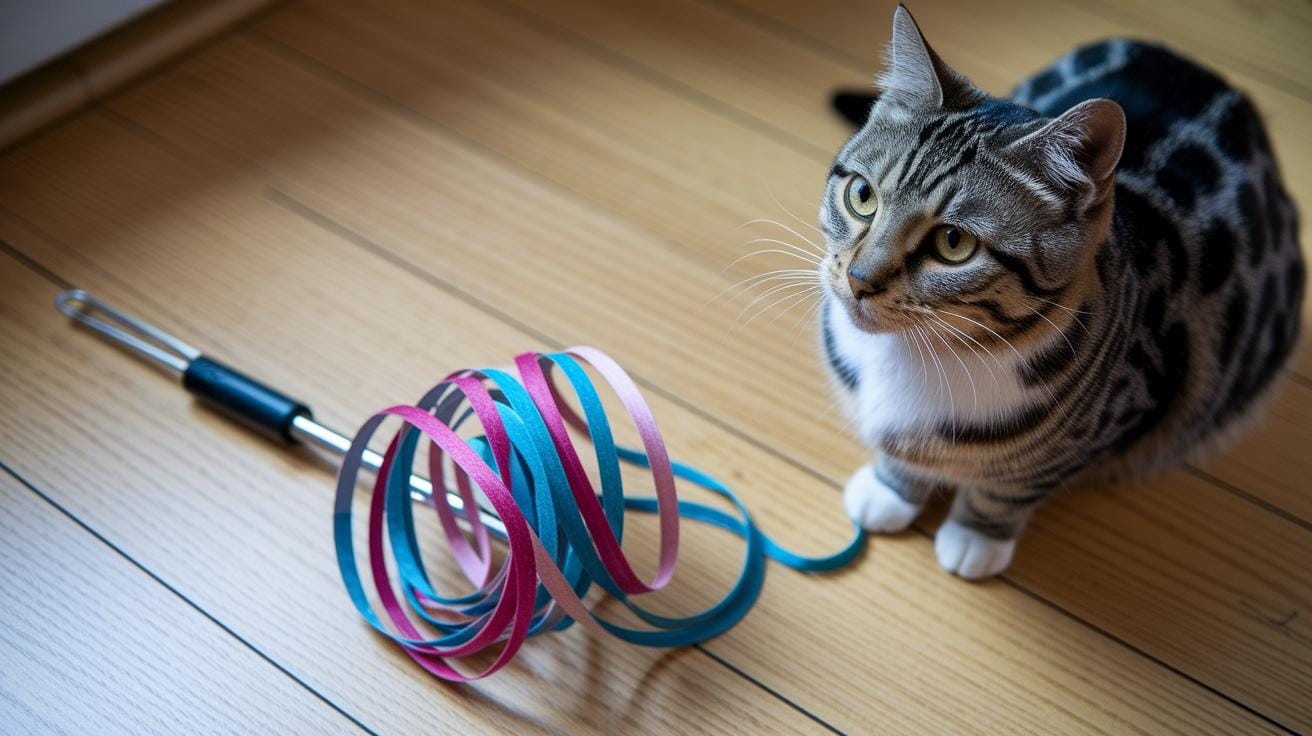
Your kitty loves chasing feathers and beads on a teaser wand. But over time, those fun bits can fray or pop off – a ribbon might shred or a little hook (clasp) could bend and let the lure fly away. Ever watched a loose feather drift across the carpet? Cute, right?
I once saw Luna try to gulp down a streamer, vet visit guaranteed, um, you know? It’s a nibble-time bomb if your cat swallows it. So for safe, claw-tastic play, you need to know when to swap attachments.
Think of it like changing worn-out shoes. Attachments usually last one to three months, depending on your play style. Heavy hitters who pounce every night might need a fresh part after about four weeks. More chill weekend chasers can stretch toward the three-month mark.
Is your cat batting the wand each evening? Aim to replace attachments every four to six weeks. Inspect those streamers and feathers once a week for frays, and check the hook to make sure it closes properly. If anything looks loose, toss it and grab a new one.
Some gentle players can keep an attachment going eight to twelve weeks before it shows wear. Every cat is different, so tweak this schedule for your furball’s style.
Regular swaps keep play sessions safe. And fun.
Key Wear Indicators on Teaser Wand Attachments
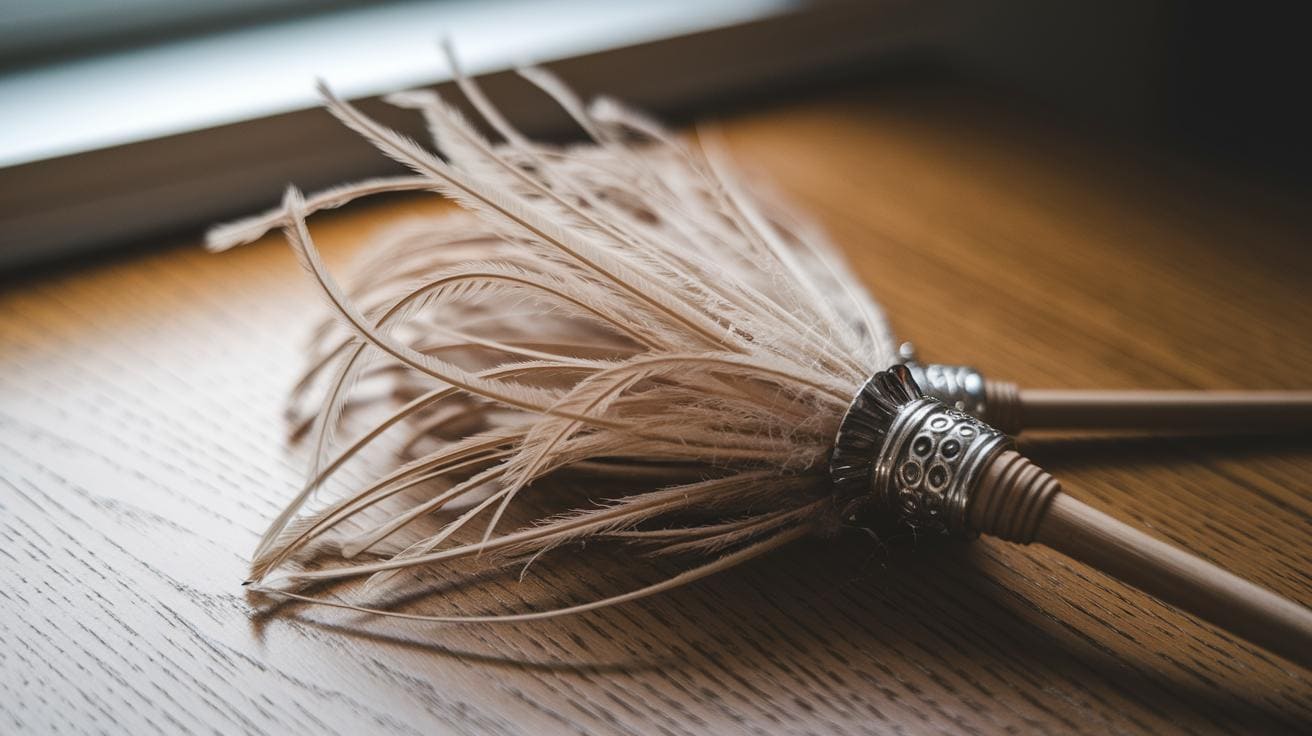
Ever given your teaser wand a once-over before playtime? Think of it like a quick safety sniff test for your cat gear. A tiny tear can turn into a big feather fiasco.
- Broken clasps or lobster-claw connectors that no longer snap closed (joint connector check)
- Feathers (fine bird plumes) splitting into fuzzy strands – a frayed-feather warning
- Streamers looking dull or torn with bits missing – streamer deterioration signs
- Ribbons and lines thinning out or fraying at the ends – basic worn-tip detection
- Missing beads, loose bells or dangling bits wobbling on their own – loose-piece alert
Make this a weekly habit. Your kitty will thank you with extra leaps and twirls!
How Material Choices Affect Attachment Lifespan
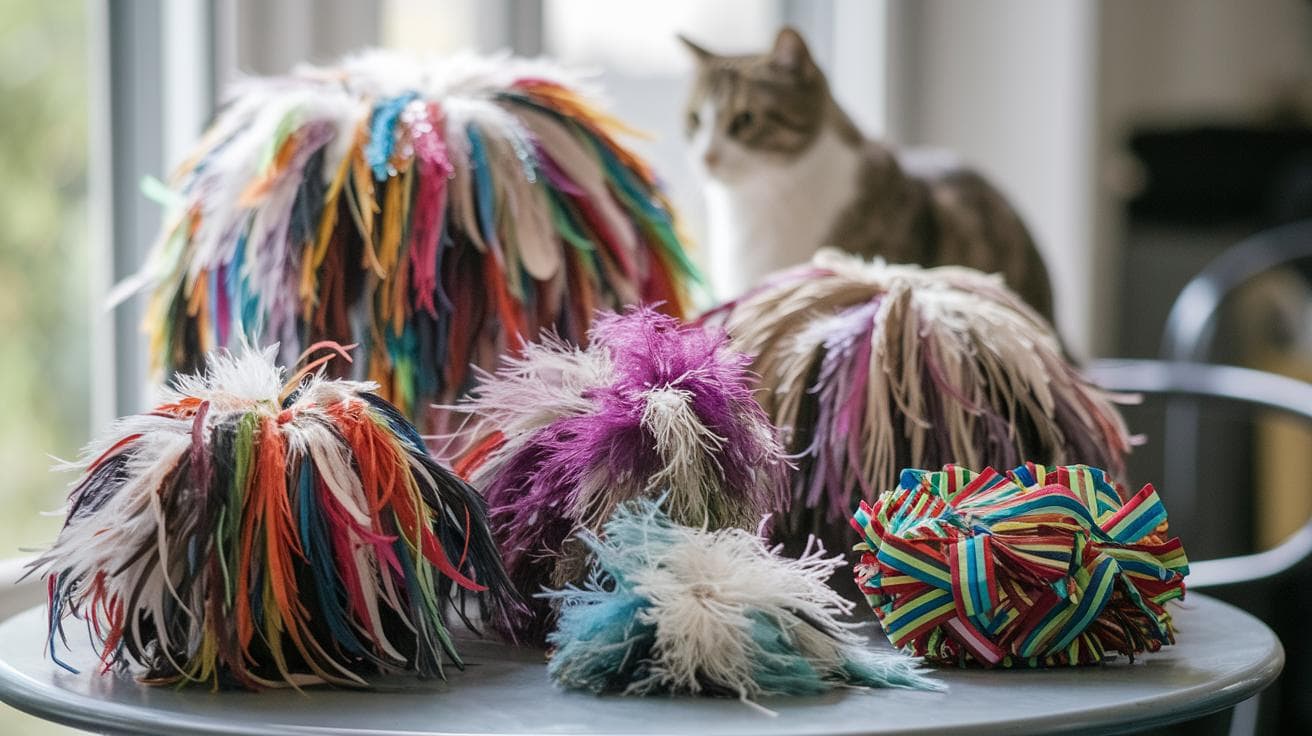
Ever watched your kitty swat at a feather toy? How long it lasts depends on what it’s made of. Natural feathers (bird plumes) have a thrilling flutter cats chase like real prey. But they fray into fluff after a few weeks of heavy batting. Just weeks of fun!
Synthetic streamers (man-made ribbons) handle drool and little nibbles better. They stretch playtime to a few months. They don’t dance like real feathers, though.
Woven nylon line (strong fiber string) is the champion of toughness. It resists tangles and serious tugs. Your cat can bat at it for months.
Polycarbonate ends (hard, clear plastic) shrug off big jerks and chomps. They stay intact even longer. They act stiff, so you get less wobble.
Worth every paw-print.
| Material Type | Durability | Pros | Cons |
|---|---|---|---|
| Natural Feathers (bird plumes) | Short (weeks) | Lifelike flutter, kitty magnet | Frays fast, sheds bits |
| Synthetic Streamers (man-made ribbons) | Medium (months) | Handles drool and chews | Lacks real-feather dance |
| Woven Nylon Line (strong fiber string) | High (months) | Tough and tangle-resistant | Looks plain |
| Polycarbonate Ends (hard, clear plastic) | Very high (months+) | No cracks or warps, lasts long | Stiff action, less wobble |
Pick the material that matches your cat’s style, wild feather chases or long-lasting, chew-proof fun.