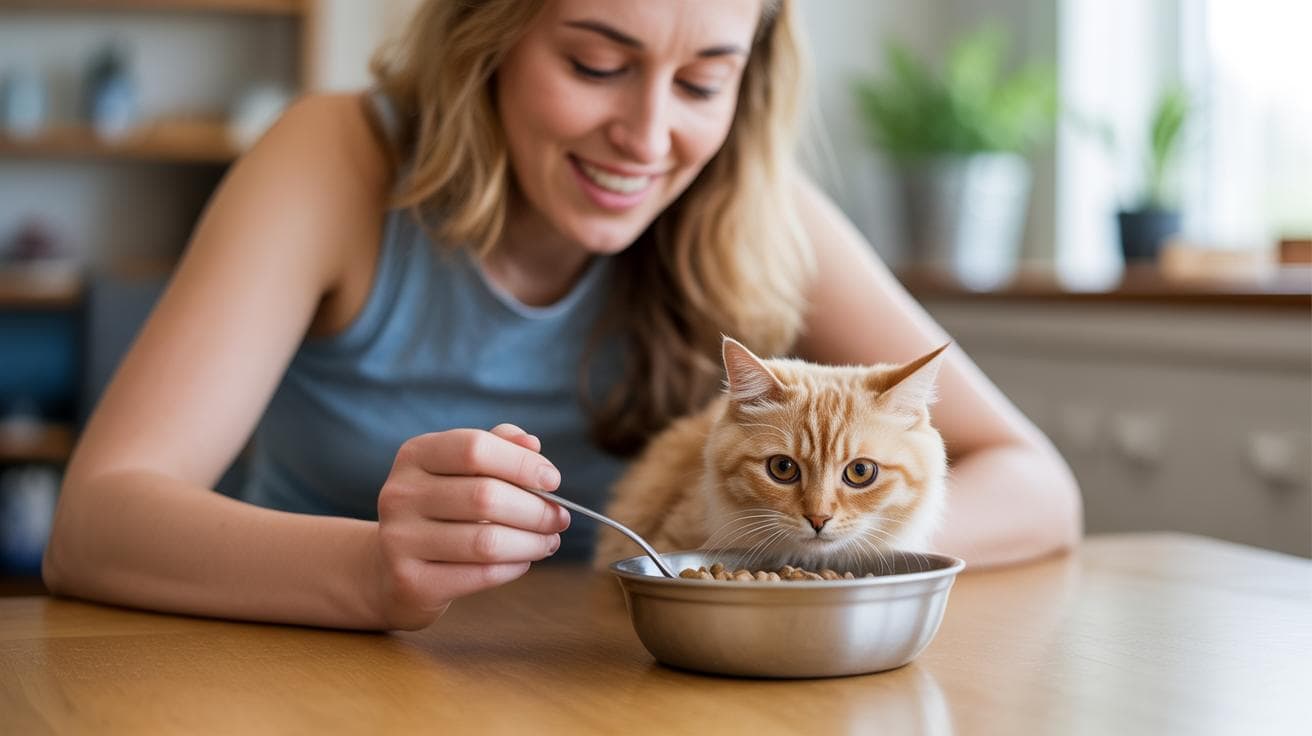
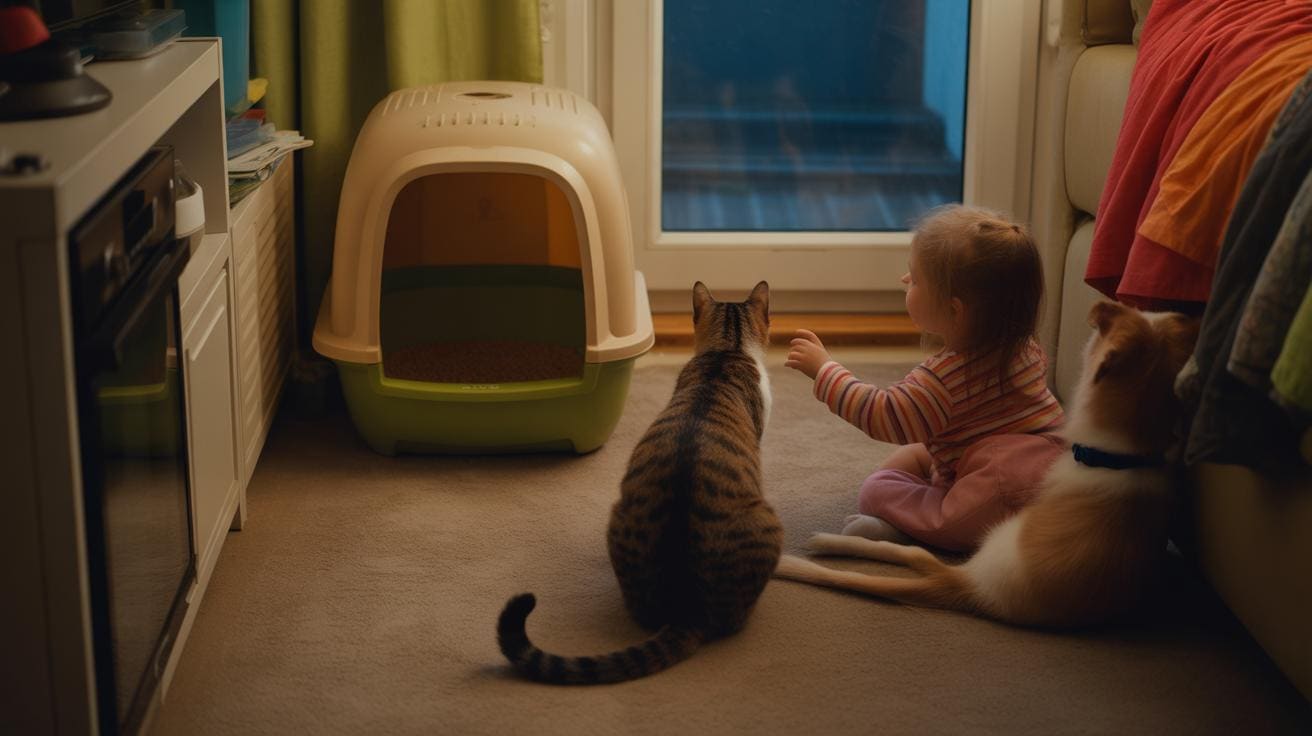
Think small cats are just tiny couch potatoes? Not true. Lots of little kitties are sneaky acrobats, chatty companions, or devoted lap pals, and you’ll catch them pouncing, chirping, or melting into a warm nap on your chest.
Ever seen a Munchkin (short-legged breed) zip across the hardwood like a furry bullet, little paws thumping and whiskers forward? It’s a riot. Your cat’s whiskers twitch as the toy rolls and suddenly the whole room has life again, claw-tastic chaos, in the best way.
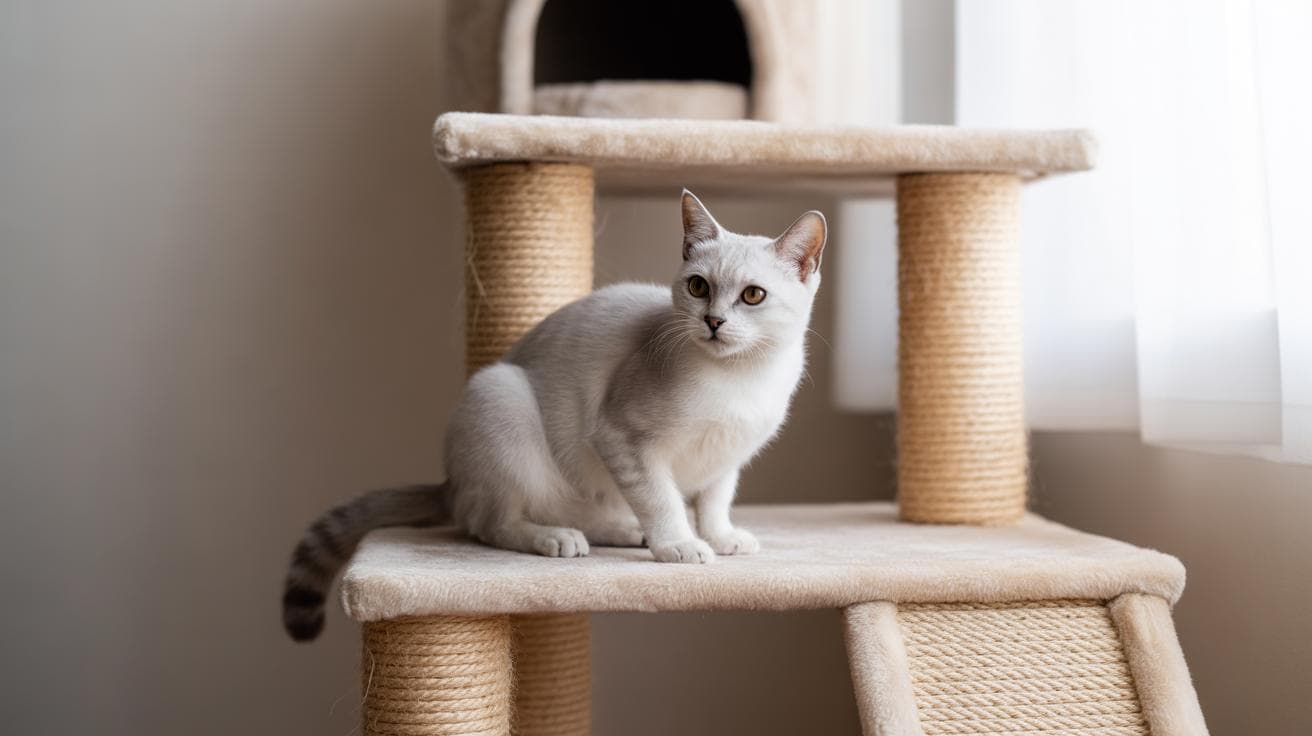
Many compact breeds (cat types) pack huge personalities while taking up very little space. They adapt to apartments, love short bursts of play, and often nap happily in sun patches. Quick care basics: fresh water, vet checkups, and a scratching post (a board or post cats use to file their nails) plus ten minutes of active play a day keeps them happy.
Below you’ll find quick picks, easy care notes, and smart adoption tips to match a small cat to your apartment size, family energy, and how much time you’ve got for play. Ready to find your purrfect roommate? Worth every paw-print.
Quick picks: best compact companions for apartment and family living
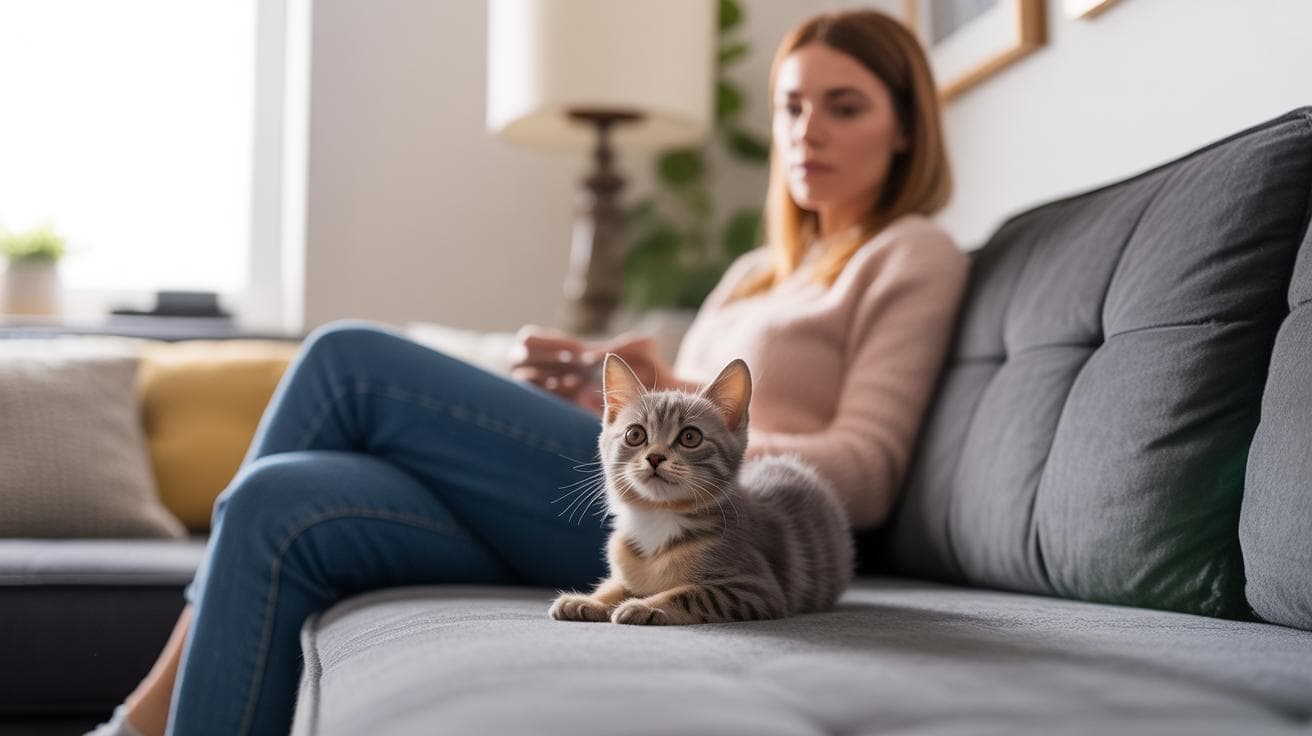
Looking for a small, friendly cat that fits apartment life or a busy family? Here are six compact breeds that tend to do well in smaller spaces , each note says size, personality, and a quick care tip.
-
Singapura – 4 to 8 lbs. Affectionate and curious, this little lap cat loves attention and quiet laps. Short coat (fur), low-maintenance grooming (weekly brush) , Jump to Singapura profile – Section 3; size table – Section 2; buying checklist – Breeding ethics, health screening, and purchasing checklist
-
Munchkin – 4 to 9 lbs. Playful and fast on flat floors, Munchkins zip around like tiny athletes; they’re great for families who like active, goofy cats. Minimal grooming, but watch for orthopedic concerns (bone and joint problems) , Jump to Munchkin profile – Section 3; size table – Section 2; buying checklist – Breeding ethics, health screening, and purchasing checklist
-
Devon Rex – 5 to 9 lbs. People-oriented and mischievous, this one’s a snuggler with goofy energy. Very fine, wavy coat (thin, curly fur) needs gentle weekly care and a bit of skin attention (monitor for dryness or irritation) , Jump to Devon Rex profile – Section 3; size table – Section 2; buying checklist – Breeding ethics, health screening, and purchasing checklist
-
Cornish Rex – 5 to 9 lbs. Athletic and playful, Cornish Rexes love zooming and jumping; they stay lean with regular activity. Soft, short waves (curly fur) need gentle handling and regular play to keep muscles toned , Jump to Cornish Rex profile – Section 3; size table – Section 2; buying checklist – Breeding ethics, health screening, and purchasing checklist
-
Japanese Bobtail – 5 to 10 lbs. Smart, vocal, and lively, these cats are chatty and love interactive play. Moderate grooming and regular dental checks (teeth exams) are recommended for long-term health , Jump to Japanese Bobtail profile – Section 3; size table – Section 2; buying checklist – Breeding ethics, health screening, and purchasing checklist
-
American Curl – 5 to 10 lbs. Friendly and adaptable, often with dog-like loyalty; they’re great with families and newcomers. Routine ear care (cleaning inside the ear) and standard grooming keep them comfy and happy , Jump to American Curl profile – Section 3; size table – Section 2; buying checklist – Breeding ethics, health screening, and purchasing checklist
Worth every paw-print.
Size, growth timeline and lifespan (canonical numbers table)
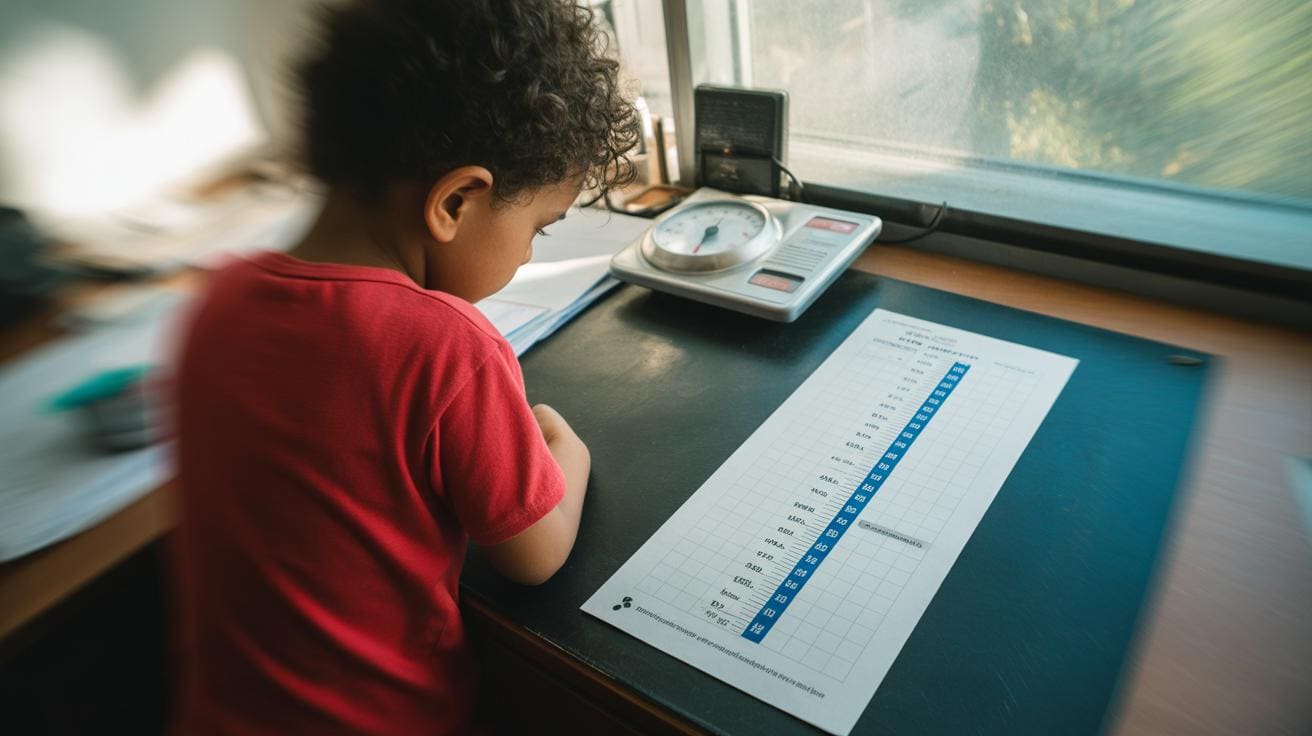
This table is the go-to, canonical source for comparing adult weight, full growth age, and typical lifespan. Writers and editors, please reference this table instead of repeating numeric ranges elsewhere. It keeps everyone on the same page.
Growth depends on a few things: genetics (DNA traits), nutrition (calories, protein, and feeding schedule), and neuter timing (when you spay or neuter your cat). Ever watched a kitten suddenly shoot up overnight? Yeah. Small cats can gain or lose a big share of their body weight with just a few ounces (ounces are a small unit of weight; 16 ounces = 1 pound), so track changes closely.
Weigh kittens every 1 to 2 weeks and weigh stable adults about once a month. Use the same scale (a consistent weighing device) each time and keep a quick log so you spot trends early. Sudden weight shifts can mean a health problem that needs a vet check.
| Breed | Adult weight (lbs) | Full growth age (months) | Typical lifespan (years) |
|---|---|---|---|
| Singapura | 4–8 | 12–18 | 12–18+ |
| Munchkin | 4–9 | 12–18 | ~12–15 |
| Devon Rex | 5–9 | 12–18 | 12–15 |
| Cornish Rex | 5–9 | 12–18 | 11–15 |
| Japanese Bobtail | 5–10 | 12–18 | 12–16 |
| American Curl | 5–10 | 12–18 | 10–16 |
| Burmese | ~6–10 | 12–18 | 12–16 |
| Toybob | 3–7 | 12–18 | 12–15 |
Worth every paw-print.
(Resource: when do cat stop growing)
Natural small-breed profiles: temperament, care and health notes (detailed expansion)
Natural small breeds come from regular gene pools, not from being bred down to extra-tiny sizes. Designer or dwarf-derived cats, like Bambino or Dwelf, can have different health risks and care needs, so treat them as a separate group. Don’t restate weight ranges here – check the size table in Section 2 for numbers, growth age, and lifespan.
Singapura
Singapuras are total lap cats who really want to be near people. They have short, sleek fur that purrs softly under your hand and only needs an occasional brush to stay shiny. Portion-controlled meals help stop them from packing on extra pounds and keep their energy steady; a few minutes of interactive play right after eating is great for bonding and weight control. See size table (Section 2) and buying checklist (Breeding ethics, health screening, and purchasing checklist) for screening and purchase guidance.
Munchkin
Munchkins have those short legs from a dominant gene, but don’t mistake them for slow – they scoot fast on flat floors and zoom around like little rockets. Grooming is simple, but watch for orthopedic signs (limping, stiffness) and ask breeders for health clearances (veterinary checks that confirm joint and spine health). Small home tweaks – ramps, low shelves, and soft landing spots – make life easier and reduce strain on the spine. See size table (Section 2) and buying checklist (Breeding ethics, health screening, and purchasing checklist) for screening and purchase guidance.
Devon Rex
Devon Rexes are playful troublemakers who love people and attention. Their coat is very fine and wavy, so you’ll want gentle weekly care and to keep an eye on the skin – it can feel warm and sensitive under your fingers. Some lines show hereditary myopathy (a genetic muscle weakness) and patellar luxation (knee-cap slipping), so vet screening matters before you buy. Measured meals help keep their weight steady and their zoomies healthy. See size table (Section 2) and buying checklist (Breeding ethics, health screening, and purchasing checklist) for screening and purchase guidance.
Cornish Rex
Cornish Rexes are lively, athletic clowns with soft, rippled fur that’s a joy to stroke. They share some hereditary concerns with Devon Rex, so routine vet checks are a smart idea. Daily play keeps their muscles toned and their curious minds from getting bored – think puzzle feeders or a high perch to leap to. See size table (Section 2) and buying checklist (Breeding ethics, health screening, and purchasing checklist) for screening and purchase guidance.
Japanese Bobtail
Japanese Bobtails are clever, chatty, and playful – expect lots of chirps and conversation. Moderate grooming keeps their coat tidy, and regular dental checks are wise because their jaw shape can affect how teeth line up and wear. Give them varied toys and puzzle play to keep their clever brains busy – they love a challenge. See size table (Section 2) and buying checklist (Breeding ethics, health screening, and purchasing checklist) for screening and purchase guidance.
American Curl
American Curls are friendly and adaptable, often acting a bit dog-like in how they follow you around and greet guests. Their trademark curled ears are adorable, but check them regularly and clean gently to avoid irritation or infection. Consider standard breed testing to catch inherited issues early – it’s simple and gives you peace of mind. They thrive on steady attention and predictable routines, so consistency makes them very happy. See size table (Section 2) and buying checklist (Breeding ethics, health screening, and purchasing checklist) for screening and purchase guidance.
Breeding ethics, health screening, and purchasing checklist
Dwarf-derived breeds include Bambino, Dwelf, Kinkalow, Minuet, Minskin, Lambkin, and Skookum. These are breeds created by mixing dwarfism traits into other cats, not naturally tiny lineages. "Teacup" is a sales label, not a breed standard, and often signals breeders who focus on size instead of health. Ever seen a cute tiny kitten ad and wondered if something was off? Ask early questions about health history and breeder practices because tiny can be adorable and risky.
Genetics of short-legged forms
Many short-legged traits come from a single-gene dominant mutation (one DNA change that shows up even if the cat has only one copy). Breeding two cats that both carry that gene can make homozygous kittens (two copies of the same gene), and that raises the risk of serious problems. Reported issues include lordosis (an exaggerated inward curve of the spine), pectus excavatum (a sunken chest), joint pain and mobility trouble, and in extreme miniaturization cases breathing or heart stress. Responsible breeders avoid pairings that could produce harmful homozygous kittens and they work with veterinarians or genetic counselors to screen mating pairs. Smart move.
Ask sellers and rescues for specific health screenings before you commit. Good checks include orthopedic X-rays (bone images to look for deformities), cardiac exams like auscultation (listening with a stethoscope) or an echocardiogram (a heart ultrasound) when recommended, and any genetic test results that exist. Request pedigree documentation (a family tree) and recent veterinary exam records for both parents and kittens. Also ask for references from past buyers and a clear plan of what the seller will do if a hereditary condition appears after adoption.
Price and ethics vary a lot. Shelter and rescue adoption fees usually run about $50 to $250 and often include initial vaccinations and spay/neuter. Reputable pedigreed kittens from breeders who prioritize health commonly cost $800 to $3,000 or more because breeders invest in testing and veterinary care. Be cautious of sellers who keep promising extremely tiny sizes or pushing "rare" or "teacup" outcomes without paperwork; those are common red flags that size is being prioritized over welfare.
Watch for these clear red flags:
- No health paperwork for parents or kittens.
- Pressure to buy sight unseen or rush the sale.
- Refusal to allow a pre-purchase vet check.
- No written return policy or health guarantee.
If you see any of those, step back. Good alternatives include breed-specific rescue groups, shelters with vetted small-breed listings, or breeders with transparent waiting lists, documented health plans, and follow-up support. I once adopted a mischievous mix, worth every paw-print, so shelter options can be great.
Final checklist before bringing a kitten home:
- Verify orthopedic and cardiac clearances in writing.
- Get genetic test reports and pedigree copies on paper or email.
- Ask for a written health guarantee with clear return or reimbursement terms.
- Confirm kittens had basic socialization and behavior checks.
- Request a short vet-check window after adoption, for example a 72-hour health review.
- Favor shelter or rescue options when possible, and choose breeders who offer ongoing support and clear medical records.
You’ll feel better knowing you did the homework. Your future pouncer will thank you.