Think cats are aloof? Think again! Some breeds will follow you around like a tiny shadow and flop into your lap asking for belly rubs, their purr a soft rumble against your hand.
This list names the top 10 most affectionate cat breeds, from Ragdoll (a floppy, lap-loving breed) to Sphynx (the hairless cat who loves warm skin). We score each one on affection, vocalness (how much they meow or chirp), grooming needs (brushing, occasional baths), and how well they fit families, apartments, or busy schedules. It’s all about helping you match a kitty to your life.
Here’s a quick guide to help you pick a purring cuddle buddy that suits your home, so you can be feline fine together.
Top 10 Most Affectionate Cat Breeds
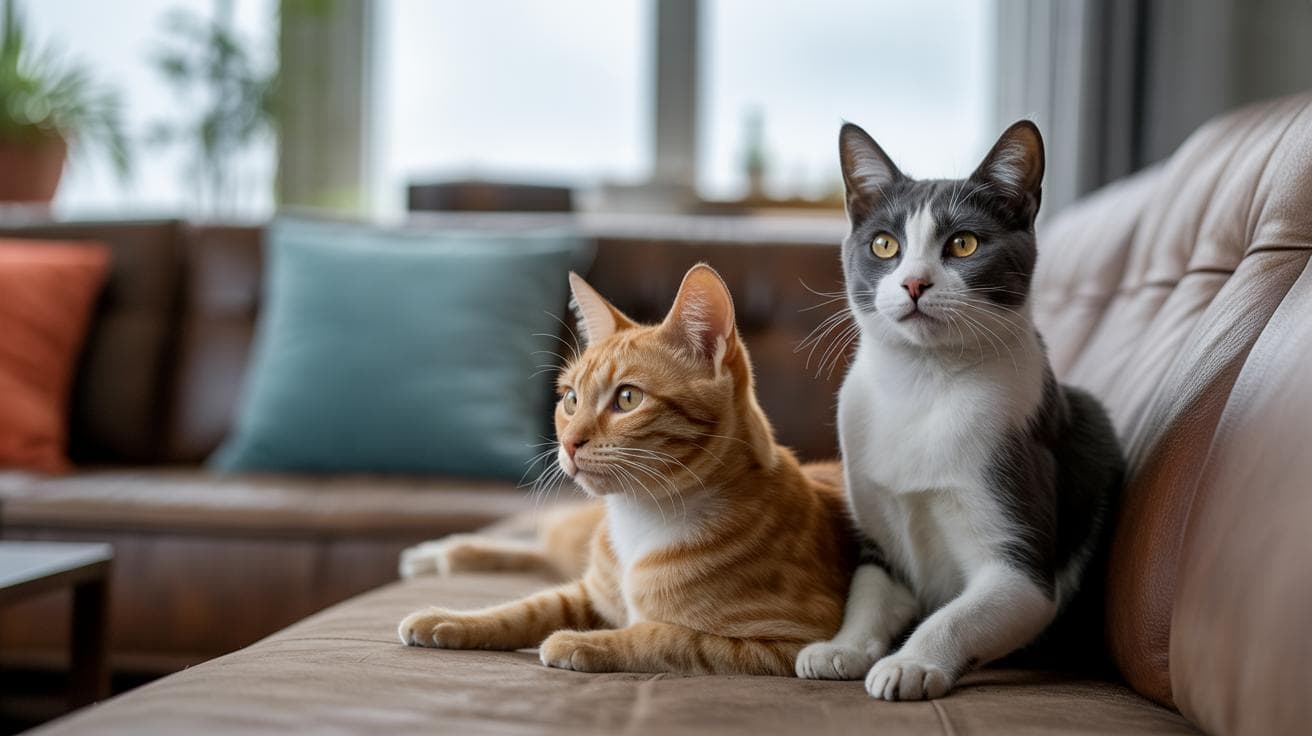
- Ragdoll – very people-loving, calm lap cat. Suitability: family / senior.
- Maine Coon – big, friendly and chatty (think gentle giant, like a small dog). Suitability: family / space-friendly.
- Siamese – super social and vocal, asks for constant interaction. Suitability: apartment / active owners.
- Birman – mellow and forms strong bonds, a steady companion. Suitability: family / senior.
- Scottish Fold – gentle and affectionate, but watch for genetic health issues (ask the breeder about checks). Suitability: family (check breeder health).
- Persian – lap-first, very calm, needs lots of grooming (daily brushing). Suitability: senior / indoor.
- Sphynx – extremely people-focused, loves warmth and skin care; not truly hypoallergenic (that means it can still trigger allergies). Suitability: allergy-aware households.
- Burmese – loyal, playful, and low-maintenance coat care. Suitability: apartment / family.
- Tonkinese – active and cuddly, likes to be part of the action. Suitability: active owners / apartment.
- Devon Rex – playful shoulder-percher with a short, curly coat (feels like velvet), minimal coat maintenance. Suitability: apartment / allergy-aware.
Quick scan first: each line gives the breed, a short temperament note, and a one-line suitability tag so you can pick breeds that match your home and schedule. Handy, right?
How we ranked them: we looked at affection, how vocal or clingy a breed tends to be, whether they do well in families or apartments, how much grooming they need, and how much daily attention they usually want. Simple factors, real-life results.
Breeder vs shelter tradeoff: breeders usually offer more predictability and health testing paperwork. Shelters and rescues often have loving adult cats ready to join you now, usually for a much lower fee. Both great paths. Your call.
Think about these quick questions before choosing:
- Lap preference – do you want a true lap cat or a buddy who checks in now and then?
- Activity level – mellow cuddlers or attention-hungry zippers?
- Grooming tolerance – daily brushing and trims or low-maintenance fur?
Next, dive into the breed profiles for short highlights, plus links to full grooming and training guides. Ever watched your kitty zoom and then flop into your lap? Yeah, you’ll want to read on.
Top 10 Most Affectionate Cat Breeds
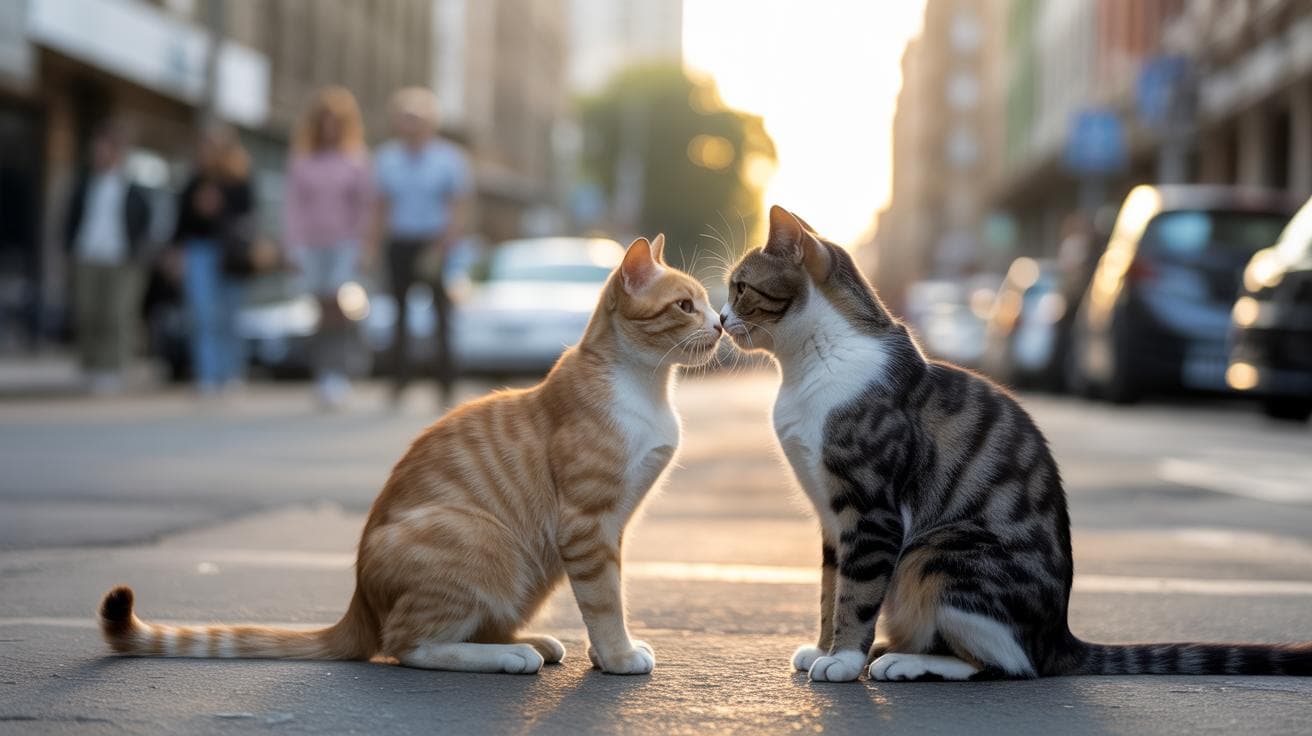
Each breed below has one short paragraph: a quick temperament snapshot, a one-line grooming note, and a best-home tip. See Grooming and daily care for full schedules and see Training, play, and enrichment for bonding techniques. Ever watched your kitty circle your lap like it owns the place? Read on.
Ragdoll
Big, soft-hearted cats that love to follow you around and flop into laps like a living pillow. Grooming: semi-long silky coat (medium-length fur that can tangle) , brush daily to several times a week to stop mats. Best home: families or seniors who want a calm snuggler and lots of lap time.
Maine Coon
Huge, friendly, and almost doglike in how they attach to people; they’re chatty and curious but gentle. Grooming: long, water-resistant coat (long fur that sheds water and needs regular care) , brush often to prevent tangles. Best home: families with space who want an outgoing, playful companion.
Siamese
Extremely social and very vocal , they’ll tell you when they want play or company. Grooming: short coat (short fur, low maintenance) , a weekly brush and basic care keeps them sleek. Best home: active owners or apartments where there’s lots of talking and interactive play.
Birman
Sweet, steady, and people-focused; they bond deeply without being needy. Grooming: silky long coat (long fur that stays smooth with regular brushing) , brush several times a week. Best home: families or seniors looking for a calm, loyal buddy.
Scottish Fold
Playful and affectionate with a soft, loving side; you’ll want to check breed-specific health notes about their ears and joints (folded ear cartilage can mean extra vet checks). Grooming: short-to-medium coat (short to medium fur) , weekly brushing. Best home: attentive families who can watch for health needs.
Persian
Quiet, ultra-lap-friendly cats that enjoy slow, peaceful afternoons and gentle petting. Grooming: high-maintenance long coat (very long fur that needs daily care) , expect daily brushing and periodic trims. Best home: indoor seniors or anyone wanting a serene lap companion.
Sphynx
Hairless, velvety-skinned extroverts who crave warmth and constant contact , they’re real attention addicts. Grooming: weekly bathing and ear cleaning (bathing removes skin oils) and warm bedding for comfort. Best home: people who can offer daily interaction and cozy spots.
Burmese
Loyal, playful, and totally people-oriented without heavy grooming needs. Grooming: short coat (short fur, easy care) , weekly brushing is enough. Best home: apartments or families who want an engaged, affectionate pal.
Tonkinese
Active, affectionate, and curious , they love being included in family life and games. Grooming: short, dense coat (short thick fur) , moderate weekly brushing keeps them neat. Best home: active owners or apartments where playtime happens regularly.
Devon Rex
Quirky shoulder-perchers with a short, wavy coat (soft, curly fur) and a habit of sticking close to people. Grooming: minimal coat maintenance but occasional baths and ear checks are helpful. Best home: apartments or allergy-aware households who want a clingy, playful buddy.
| Breed | Typical Weight (F/M) | Life Expectancy | Grooming Needs | Best Home Type |
|---|---|---|---|---|
| Ragdoll | 8–15 lb / 12–20 lb | 13–15 years | Daily to several-times-weekly brushing (prevent mats) | Family / Senior |
| Maine Coon | 8–12 lb / 13–18 lb | 9–15 years | Regular brushing for long, water-resistant coat | Family / Space-friendly |
| Siamese | 6–10 lb / 8–12 lb | 9–13 years | Weekly brushing (short coat) | Apartment / Active owners |
| Birman | 6–9 lb / 9–13 lb | 14–16 years | Several-times-weekly brushing (silky long coat) | Family / Senior |
| Scottish Fold | 7–12 lb / 9–14 lb | 12–15 years | Weekly grooming for short/medium coat; monitor ear/joint health | Family (check health) |
| Persian | 6–9 lb / 8–12 lb | 15–20 years | Daily brushing and regular trims (high-maintenance long coat) | Senior / Indoor |
| Sphynx | 6–10 lb / 8–12 lb | 10–16 years | Weekly bathing and ear care (skin needs oil removal) | Allergy-aware households / Warm homes |
| Burmese | 6–8 lb / 8–12 lb | 12–16 years | Weekly brushing (short coat) | Apartment / Family |
| Tonkinese | 5–7 lb / 6–9 lb | 9–15 years | Moderate weekly brushing (short, dense coat) | Active owners / Apartment |
| Devon Rex | varies – small to medium | varies | Occasional baths and ear checks (short, wavy coat) | Apartment / Allergy-aware |
Choosing and adopting: checklist, costs & availability, and top resources
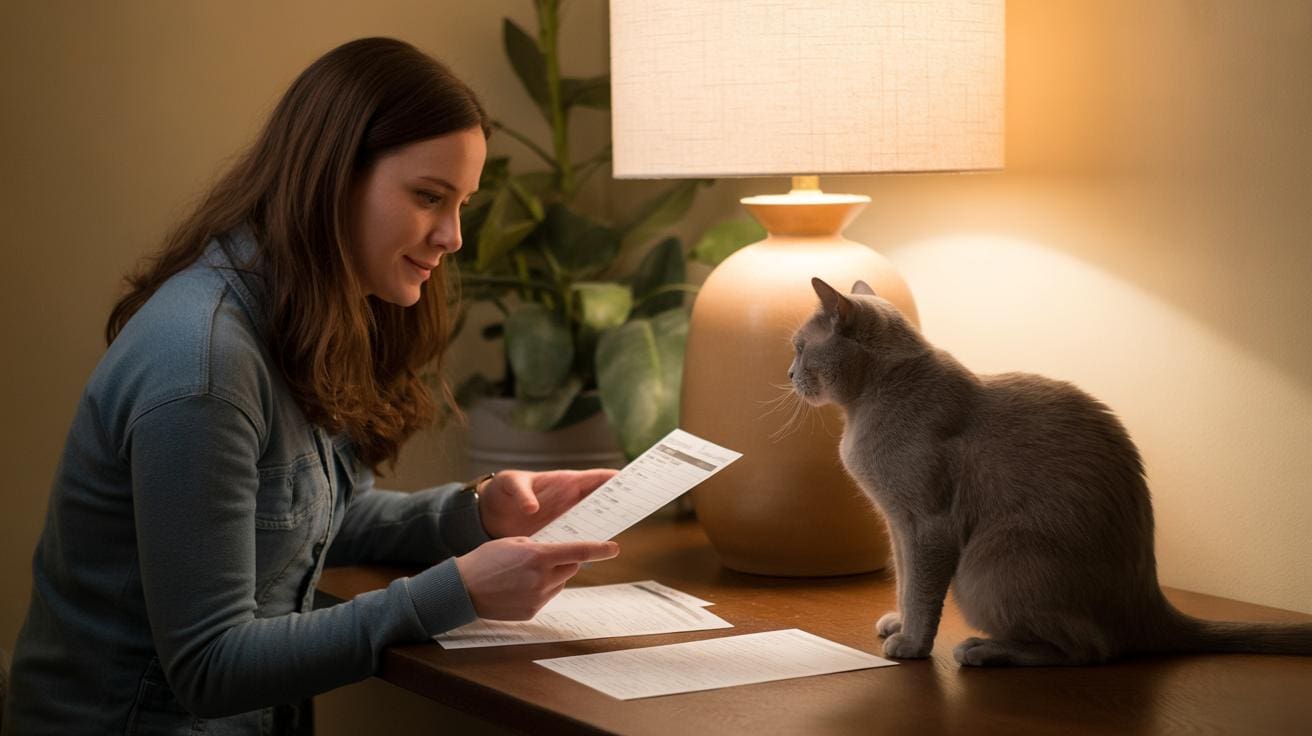
Picking a loving cat means balancing price, timing, and how fast a kitty will fit into your life. Breeder kittens give more predictable looks and health paperwork, while shelters and breed rescues often have friendly adults who are ready to cuddle right away and usually cost less. Putting typical fees in one place helps you avoid sticker shock and makes it easier to ask smart questions when you call or visit.
Costs & availability
Below is a quick table of typical breeder fee ranges and what to expect from shelters and mixed-breed options. Lots of loving adults show up in local rescues and shelters, so check there if you want an instant companion.
| Breed | Typical Breeder Fee Range | Shelter Fee / Availability Note |
|---|---|---|
| Ragdoll | $400 to $2,500 | Some rescues; shelter fees vary by org |
| Maine Coon | Varies – check breed rescues or reputable breeders | Occasional in rescues; availability is regional |
| Siamese | $600 to $2,000 | Found in breed rescues and shelters |
| Birman | $600 to $1,000 | Less common in shelters; check breed rescues |
| Scottish Fold | $800 to $1,500 | Breeder availability varies; rescues sometimes list adults |
| Persian | Varies – check breed rescues or reputable breeders | Sometimes in shelters; many rescues specialize in long-hair breeds |
| Sphynx | $1,500 to $3,000 | High demand; fewer shelter finds |
| Burmese | $600 to $1,200 | Occasional rescues; check breed-specific groups |
| Tonkinese | Varies – check breed rescues or reputable breeders | Moderate availability via rescues |
| Devon Rex | Varies – check breed rescues or reputable breeders | Sometimes in specialty rescues; shelter sightings less common |
| Shelter / Mixed-breed | , | $50 to $200; often includes vaccines and spay/neuter (fixing) |
- Temperament observation: watch how the cat approaches people. Is it calm, curious, clingy, or shy? Try a slow hand and a soft voice to see how it reacts.
- Social history: ask about time around kids, dogs, and other cats and note any fear or aggressive episodes. That helps you plan introductions.
- Medical records: request vaccine history (shots), spay/neuter status (fixing), recent vet checks, and any ongoing meds. Paperwork matters.
- Separation-anxiety signs: ask if the cat vocalizes a lot, gets destructive, or stops eating when left. There are ways to help, see Managing clingy behavior.
- Grooming and time commitment: get an estimate of daily and weekly grooming needs. Long hair needs more brushing.
- Daily interaction baseline: ask how much play and lap time the cat gets now and compare that to your schedule. See Training, play, and enrichment for ideas.
- First-year cost estimate: ask for a sample budget for the first year. Include vaccines, spay/neuter, microchip (ID implant), food, litter, and an emergency fund.
- Paperwork and contracts: ask for health-test paperwork, microchip details, and the adoption or breeder contract or guarantee.
Kittens vs Adults
Kittens are cute and curious. You shape manners and habits from week one, but that takes time and patience. Adults often arrive socialized and show their personalities right away, which is great if you want immediate cuddles.
- Adult benefit: many are litter-trained and vet-checked, ready to fit your routine.
- Adult benefit: calmer for busy households or seniors who want a predictable buddy.
- Adult benefit: rescue cats often already love laps, so you get instant affection.
- Kitten benefit: you can guide early socialization and training (play, litter, handling).
- Kitten benefit: more years together if you want a long-term companion.
- Time-to-bond note: kittens bond over months of care; socialized adults can bond in days to weeks. Read more about how older cats remember and attach at do cat remember you.
Resources and next steps
- Local shelters: visit in person, ask for meet-and-greets, and request a short behavior summary and medical records before adopting. Meet the cat in a quiet room if you can.
- National and breed rescues: great if you want a specific breed or a socialized adult; ask about foster-to-adopt trials so you can test the fit.
- Reputable breeder screening tips: ask for health testing paperwork (hips, heart, PKD where relevant), references from past buyers, multi-generation pedigrees, and written health guarantees.
- Online adoption platforms: good for searching local listings, but always meet the cat in person and ask for vet records before you commit.
- Preparing for the first vet visit: bring any paperwork, a stool sample if available, and a list of behaviors and questions so you start on the right foot.
When you contact breeders or rescues, ask for copies of health tests, vaccination records, and the adoption or return contract. Ask about the microchip (ID implant) number and whether a short trial or foster period is possible so you can confirm the match before finalizing.
Grooming and daily care for most affectionate cat breeds (long-haired vs short-haired needs)
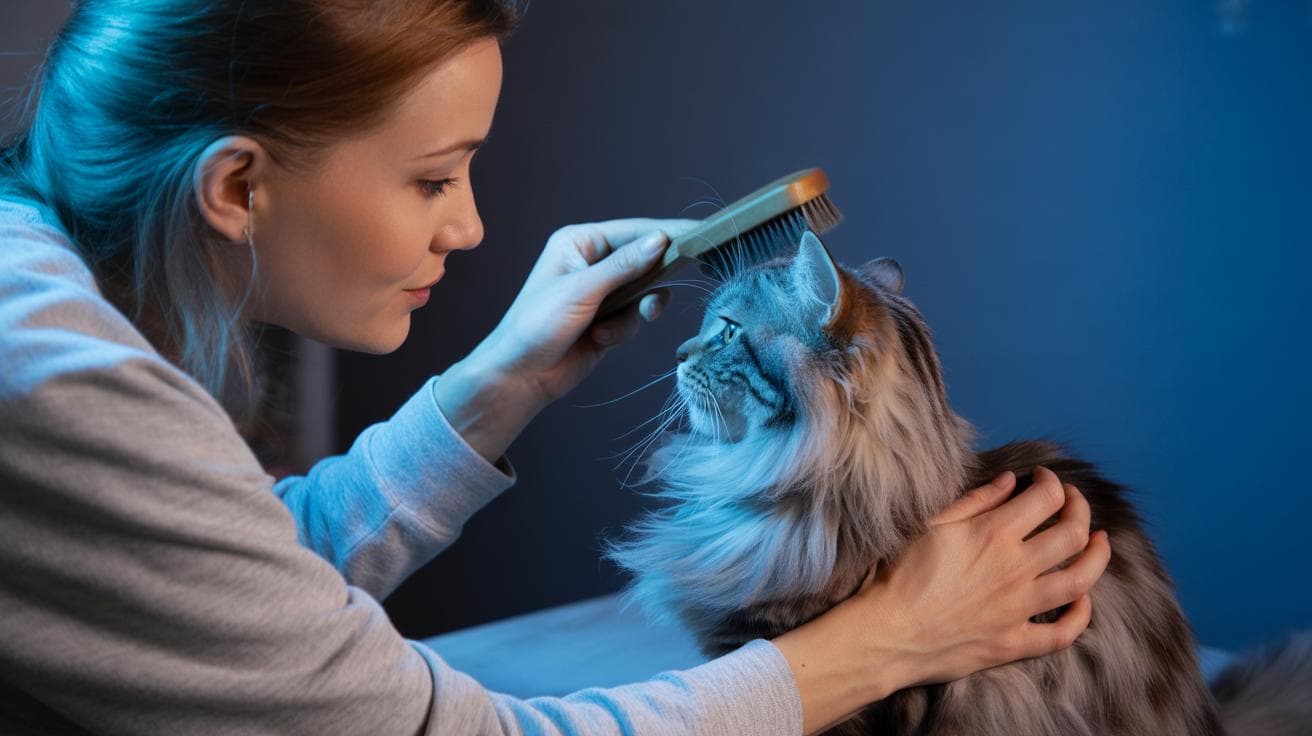
Grooming really falls into three simple rhythms: daily for heavy long coats, weekly for most short coats and hairless skin care, and monthly for trims or deep cleanings. Keep sessions short and calm. Think five to ten minutes of brushing, quick checks, and a little cuddle, not a marathon. Ever watched your kitty's whiskers twitch as you brush them? That little scene is the goal.
- Long-haired heavy-shedder , brush every day or every other day, 5 to 10 minutes. Use a slicker brush (a brush with fine, slightly bent wires that lifts loose fur) to prevent matting, which is fur that tangles and pulls on skin. Trim once a month if needed. Breeds: Persian, Ragdoll, Maine Coon.
- Long silky , brush several times a week, 5 to 10 minutes, and pay extra attention behind the ears and under the armpits where hidden mats hide. Breed: Birman.
- Short-coated , weekly brushing, 5 to 10 minutes, with extra deep-shed sessions in spring and fall using a rubber curry brush (a soft rubber tool that pulls out loose hair), about 10 to 15 minutes. Breeds: Siamese, Burmese.
- Hairless , weekly baths with gentle soap, 5 to 10 minutes, plus ear cleaning every one to two weeks. Moisturize if the skin feels dry and give warm bedding for comfort. Breed: Sphynx.
- Curly or wiry coats , a bath every four to six weeks helps, and check ears weekly to gently remove wax. Breed: Devon Rex.
- Dental and eye-care , brush teeth two to three times a week or use dental wipes, and check for tear stains every day on flat-faced breeds, wiping gently as needed.
Make grooming feel like a tiny ritual. Start predictable, pair it with a favorite treat, and stop while your cat's still enjoying it. Short, regular sessions build trust fast, and you get to enjoy the satisfying thud of a toy or the soft nibbles on a plush ear afterward. In truth, it turns a chore into a win-win.
Try this 4-step micro-routine to build affection and fold grooming into your day:
- Brushing, 5 to 10 minutes , slow, steady strokes, give praise between passes.
- Quick teeth check, 30 to 60 seconds , reward right after.
- Ear wipe, 30 seconds per ear , use a soft, damp cloth.
- Lap cuddle and gentle petting, 3 to 5 minutes , finish with a favorite treat.
Worth every paw-print. See Breed profiles for exact coat notes and see Training, play, and enrichment for ways to fold grooming into daily play.