Ever get a soft head bump from your cat and wonder what just happened?
It’s not a random bop. It’s a scented hug (a tiny scent mark your cat leaves) packed with meaning.
When cats press their temples (sides of their heads) or cheeks against you, they’re sharing pheromones (chemical messages cats make). That soft nudge marks you as their safe spot and deepens your bond.
Next, let’s peek under your cat’s whiskers. We’ll find out why those head bumps mean trust, territory and love.
what do cat head bumps mean Loving Signals
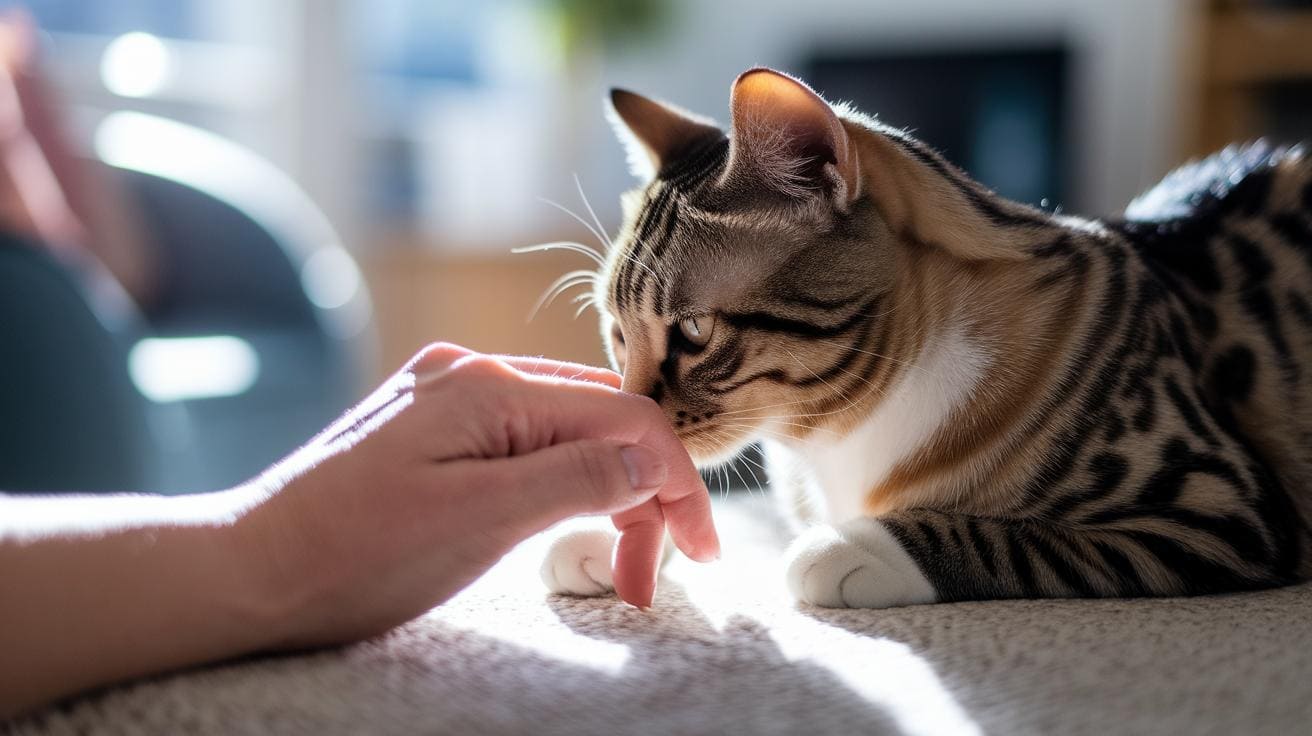
Cats head bump mainly to share scent via their facial glands (tiny scent makers on their head), claim safe spots, say hello, and strengthen bonds. It’s like a scented hug that says, “we belong together.” Ever felt that soft whisker tickle on your leg? That’s your cat’s way of purring through touch.
When your kitty presses its forehead or cheek against you or the sofa corner, it’s depositing pheromones (chemical messages that feel nearly odorless to us but mean everything to cats). These friendly molecules build trust and create a sense of home.
Anatomy and Pheromone Release
Your cat's head hides three secret-agent scent gland spots: temples, cheeks, and the area between the eyes and ears. Each one releases a mix of fatty acids (natural fats) and proteins that acts like your cat’s signature perfume. Here’s a quick map of those glands and what they do:
| Gland Location | Role |
|---|---|
| Temples | Signals trust and marks friendly territory |
| Cheeks | Leaves a familiar scent on people, objects, and other cats |
| Between eyes and ears | Supports group scent marking and defines safe boundaries |
Social and Territorial Functions
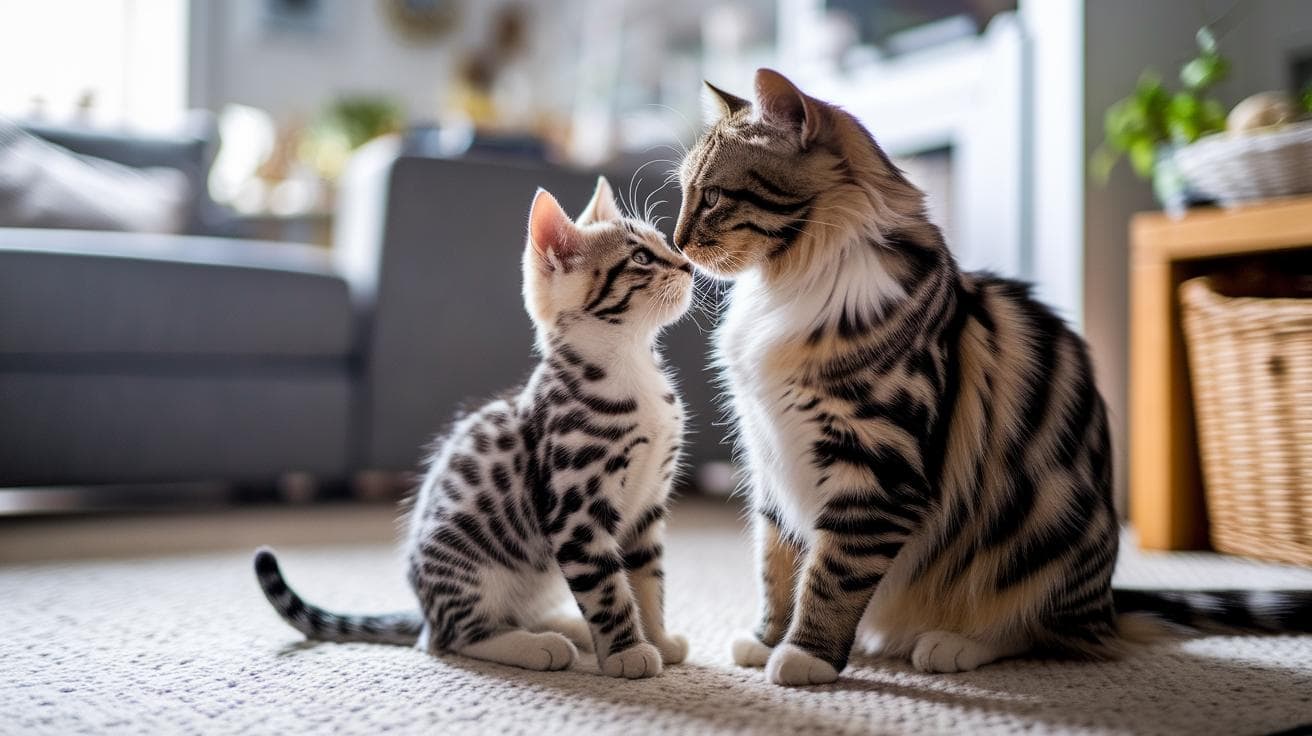
Head bunting isn’t just hello. In multi-cat homes, mutual head bumps weave a shared scent blanket and calm any newcomer jitters. And hey, when your cat bumps your arm, you’re part of the squad too.
This cute move is pure affection: your cat says “you’re one of us” each time it nudges. Oops, make that a scented hug. Ever wondered how do cat say i love you? That’s your answer: these little nudges.
Territory marking also plays a big role. By head bumping favorite spots – doorways, cushions, and scratching posts – cats stamp their domain, feel safe, and let other animals know who’s boss. Communal scent marking keeps the peace by showing who belongs where in your cozy home.
Worth every paw-print.
Head Bumps as Attention-Getting and Comfort-Seeking Gestures
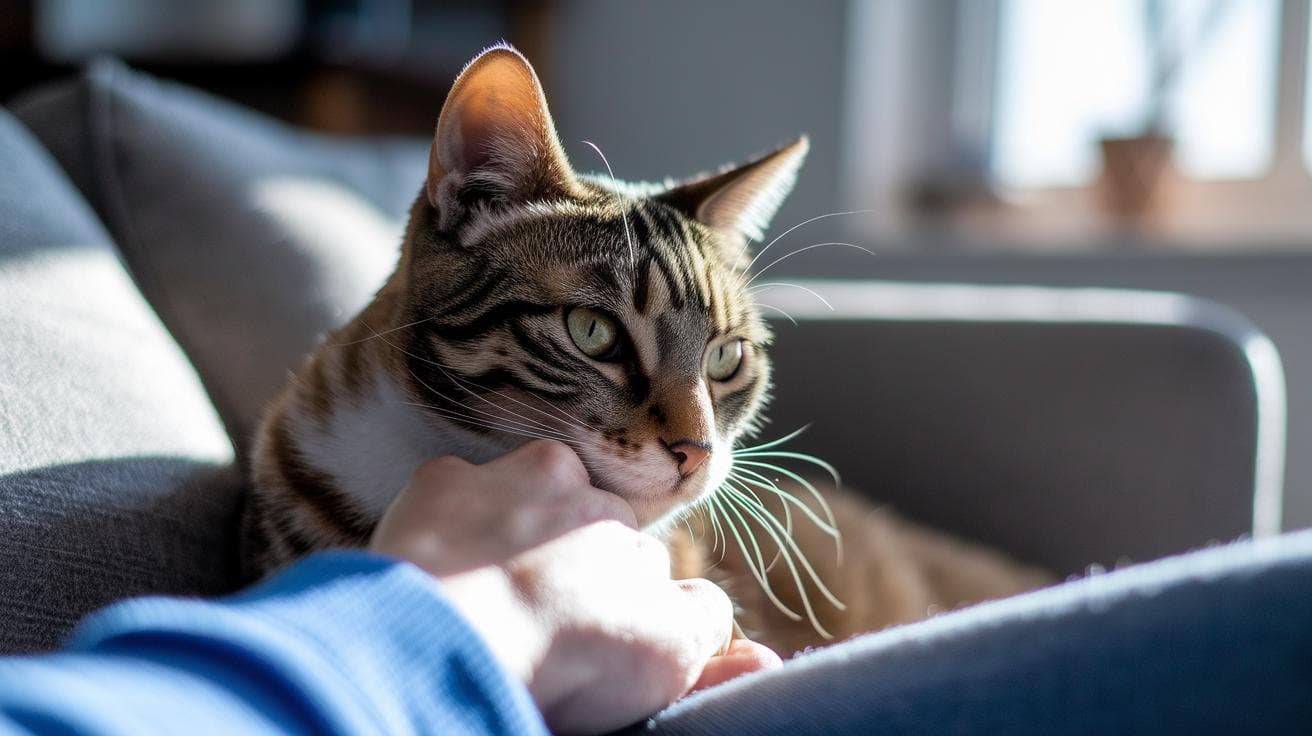
Ever watched your kitty give you a little forehead nudge right before dinner? Or maybe they bump your leg as you walk by the living room. This head bump, or bunting, is your cat’s way of saying “feed me” or “pet me.” You might see a tilted head, soft paw taps, or a gentle push with their head. It’s a friendly poke that means “Hey, I’m here and I want something.”
And like kneading, head bunting wakes up sensory cells around their whiskers (the stiff hairs on their face) and skin follicles (where each fur strand grows). That touch sparks purrs and those warm, fuzzy vibes we all love. It’s also a comfort-seeking move when they want extra love or a little reassurance.
If you reward each bump with a treat or a chin rub, your cat learns fast that head bumps lead to tasty snacks or soothing rubs. Before you know it, head bunting becomes their go-to trick for grabbing your attention.
Worth every paw-print.
Common requests your cat might signal with a head bump:
- A refill of their kibble or a yummy treat before dinner
- Playtime with a toy mouse or feather wand
- A soft ear scratch or chin rub
- A cozy spot on your lap for uninterrupted cuddles
- Opening a door so they can explore the hallway
When to Distinguish Healthy Head Bumping vs Concerning Head Pressing
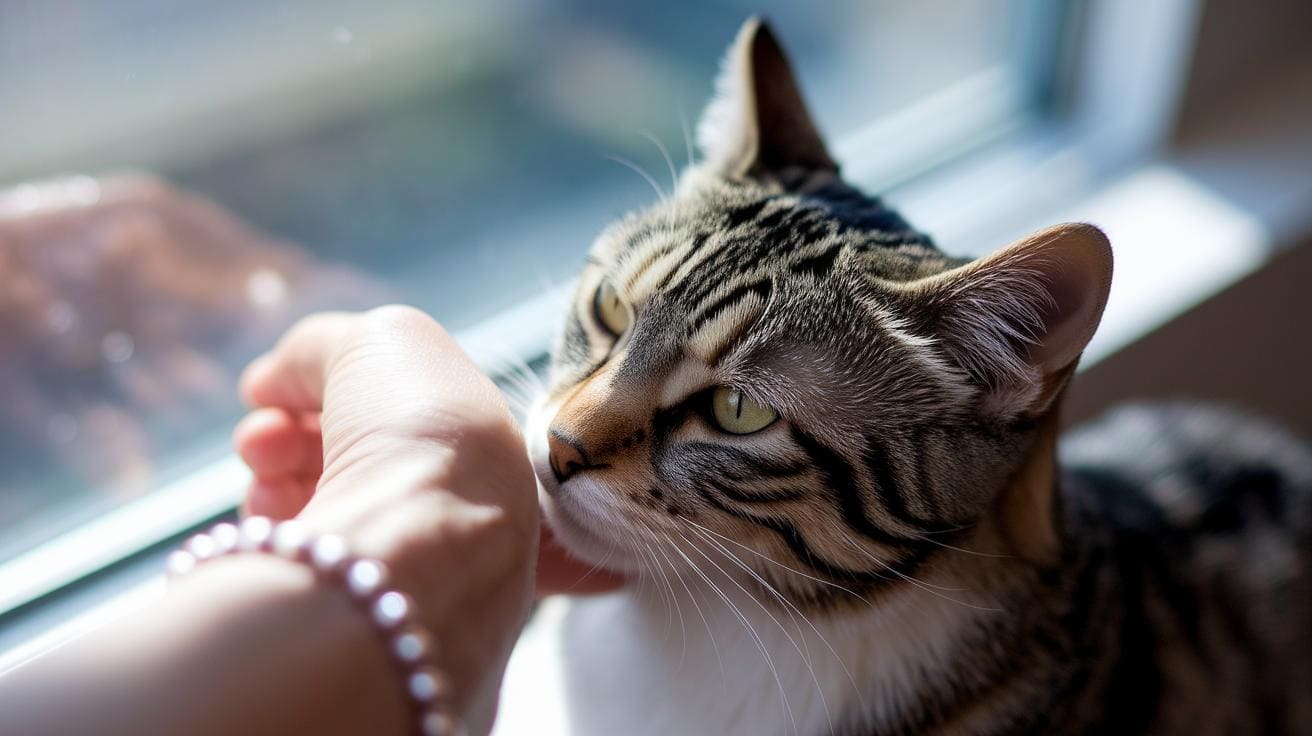
Ever felt that soft boop on your hand or chin? That’s a head bump – your cat’s quick, friendly tap to say “I’m here,” or “I like you.” But head pressing is different. It’s when your kitty leans its skull against a wall or other hard spot and just stays there.
If your cat holds its head there and won’t move, that could hint at neurological (brain and nerve related) issues like a brain tumor (a mass in the brain) or a stroke (when blood flow stops). Unlike playful bunting, head pressing goes on even if you call “Here, kitty!” Um, that’s a clue to take notice.
Watch for little changes – when your cat plants its head, if mealtime gets weird, or playtime feels off. Notice any odd posture or lack of response. Jot down what you see so you can show your vet exactly when and how often it happened.
Worth a vet check.
Signs of Neurological Concern
• Seizure episodes (sudden shaking spells)
• Sudden vision loss (bumping into stuff)
• Constant, compulsive head pressing
• Confusion or looking lost (disoriented)
Responding to Your Cat’s Head Bumps: Encouraging Positive Interactions
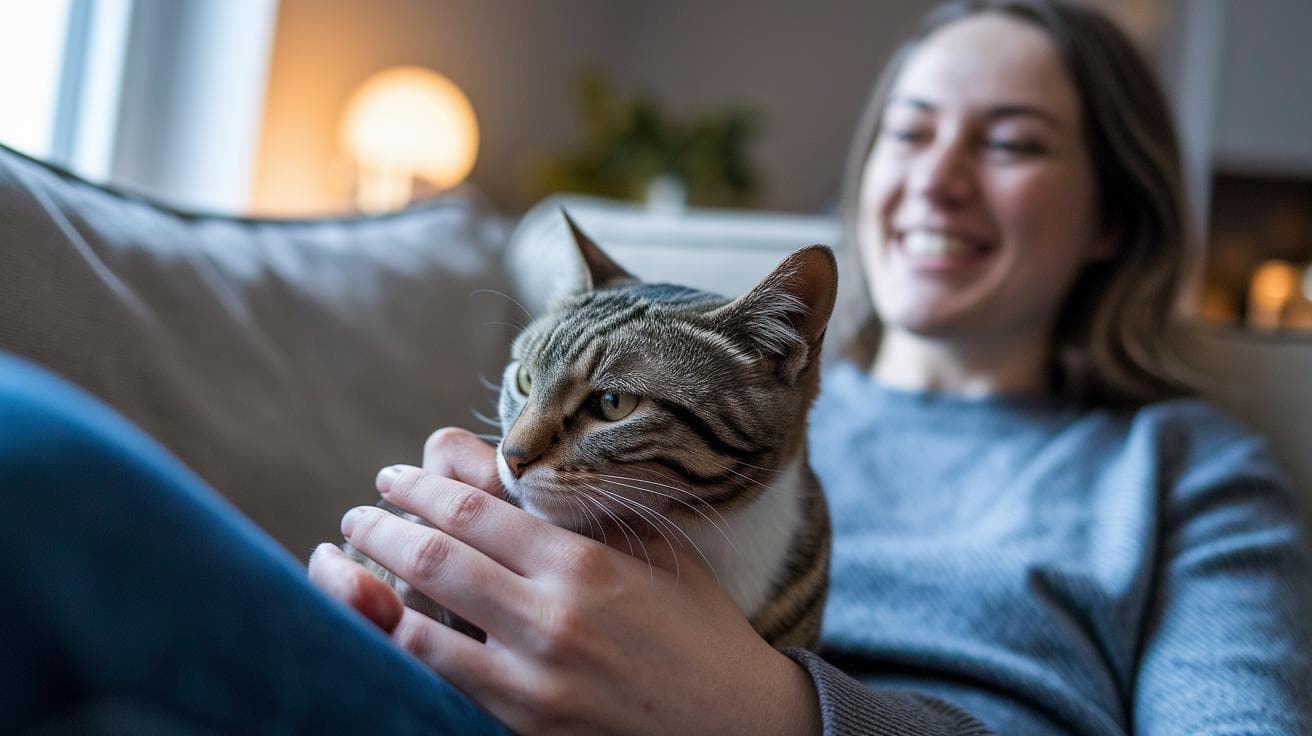
When your cat leans in for a head bump, it’s your cue to return the love. Stroke from the forehead back toward the ears, following the flow of their fur. That gentle glide wakes up tiny scent glands (oil-making spots) and helps your kitty melt into pure purrs. Ever felt their whiskers twitch like little antennas when you nail the spot?
Right after the bump, whisper "Good kitty" in a soft tone and maybe offer a teeny treat. That happy praise tells your cat you loved that gentle nudge. Next time, they’ll know a light bump means smiles and maybe a snack. It’s positive feedback that makes head bumps feel extra special.
But what if your kitty gets a bit too eager and turns bonks into rough headbutts? Swap your hand for a chew-resistant plush cat toys and wiggle it like a fishing lure so they chase that fun toy instead. Then step back and wait until they calm down. You’re setting gentle boundaries without any fuss.
Practical tips for happy head bumps:
- Stroke their forehead and cheeks in the direction their fur lies
- Give a gentle rub, say "Good kitty" softly right after they bump
- Gently slide your hand along their whisker line for extra calm
- Redirect rough bonks to a chew-resistant plush cat toys so they can pounce safely
- Pause your attention until they settle down and learn to keep bumps light