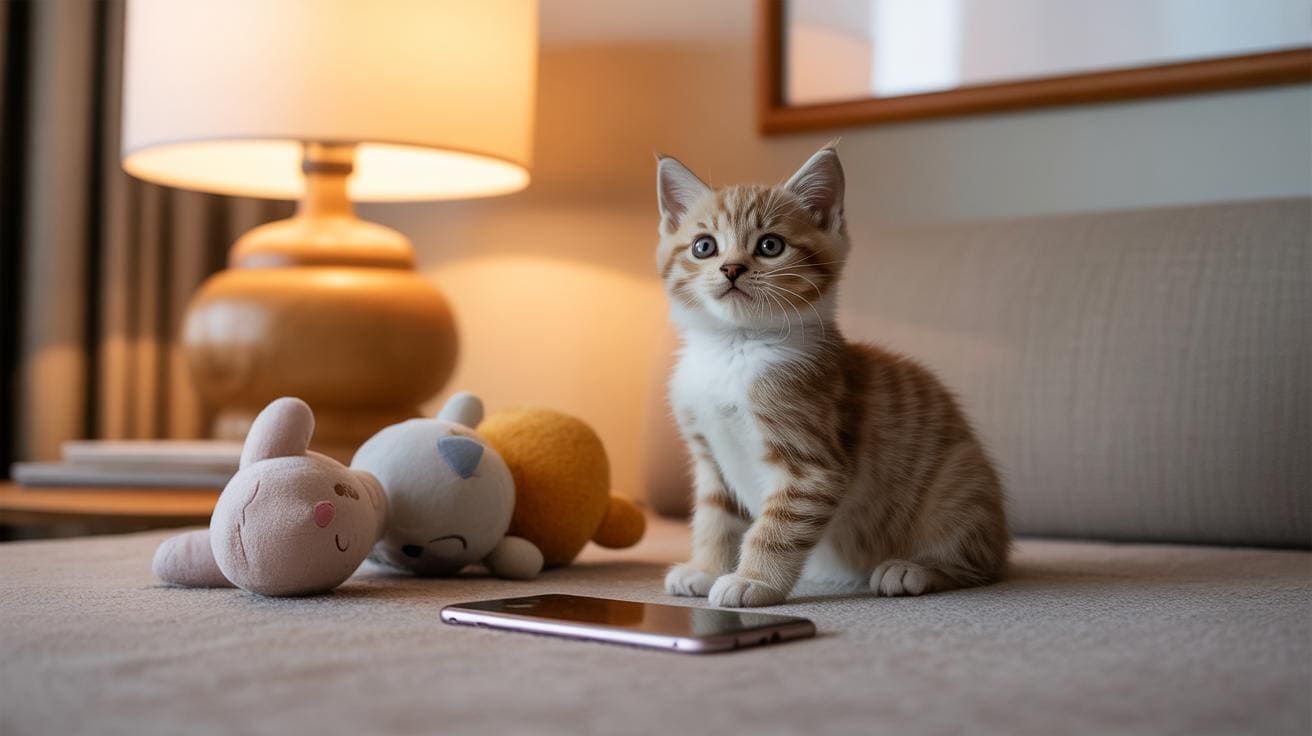
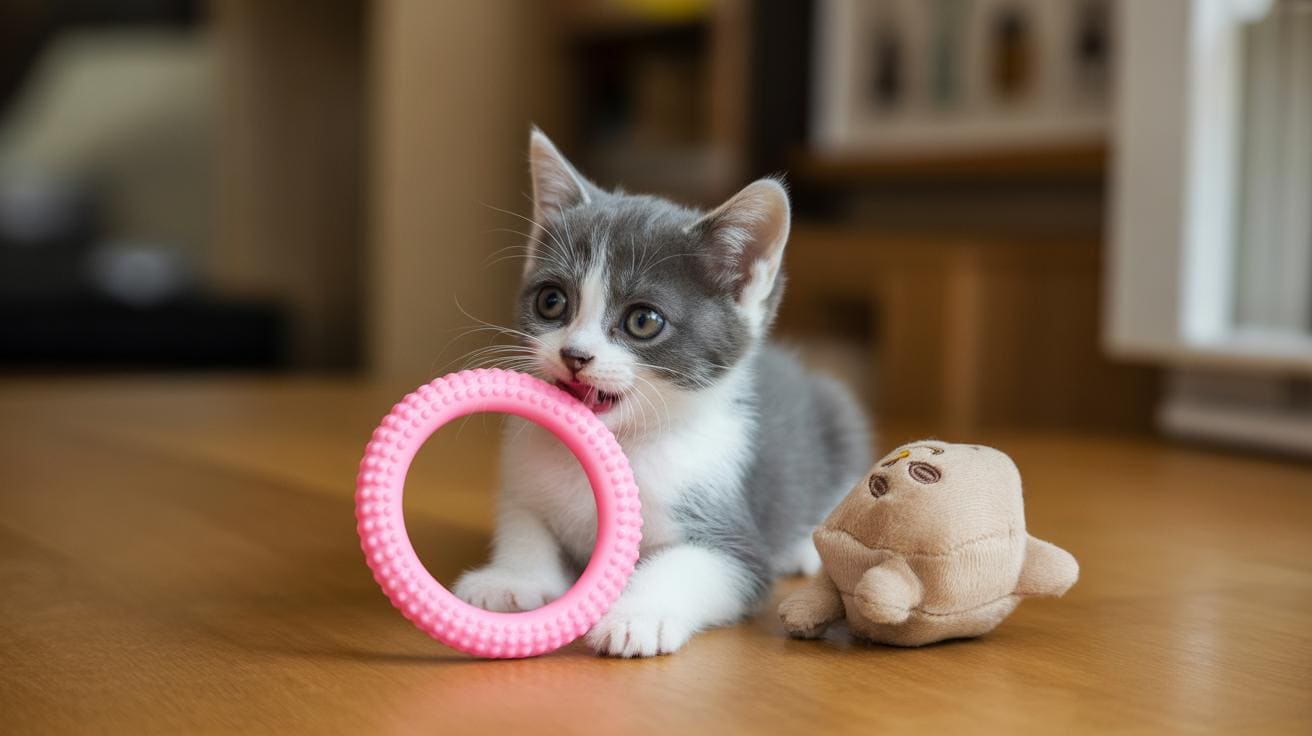
That "unbreakable" label doesn't always mean safe for kittens. Toys can be fine when they're the right size for your kitty, made from non-toxic materials (won't poison if licked or chewed), and used with supervision, especially with kittens who like to mouth everything.
Small parts, loose strings, button batteries (small, coin-shaped batteries), or tiny magnets (small magnetic bits) are the real troublemakers. They can cause choking or fast internal injury. Check seams and attachments for anything that could come off. Ever watched your kitten's whiskers twitch as it pounces, then grab a stray bead? Oops.
Quick checks help a lot. Make sure toys are bigger than your kitten's mouth. Give seams and glued bits a gentle tug to see if anything loosens. Keep toys with batteries or tiny pieces only for supervised play, and swap in solid, single-piece toys when you can't watch. I once left a beaded toy out and learned that lesson the hard way, so yeah, inspect often.
Keep play fun, not risky. With a few simple checks, those "unbreakable" toys can stay claw-tastic and safe.
Are Unbreakable Cat Toys Safe for Kittens
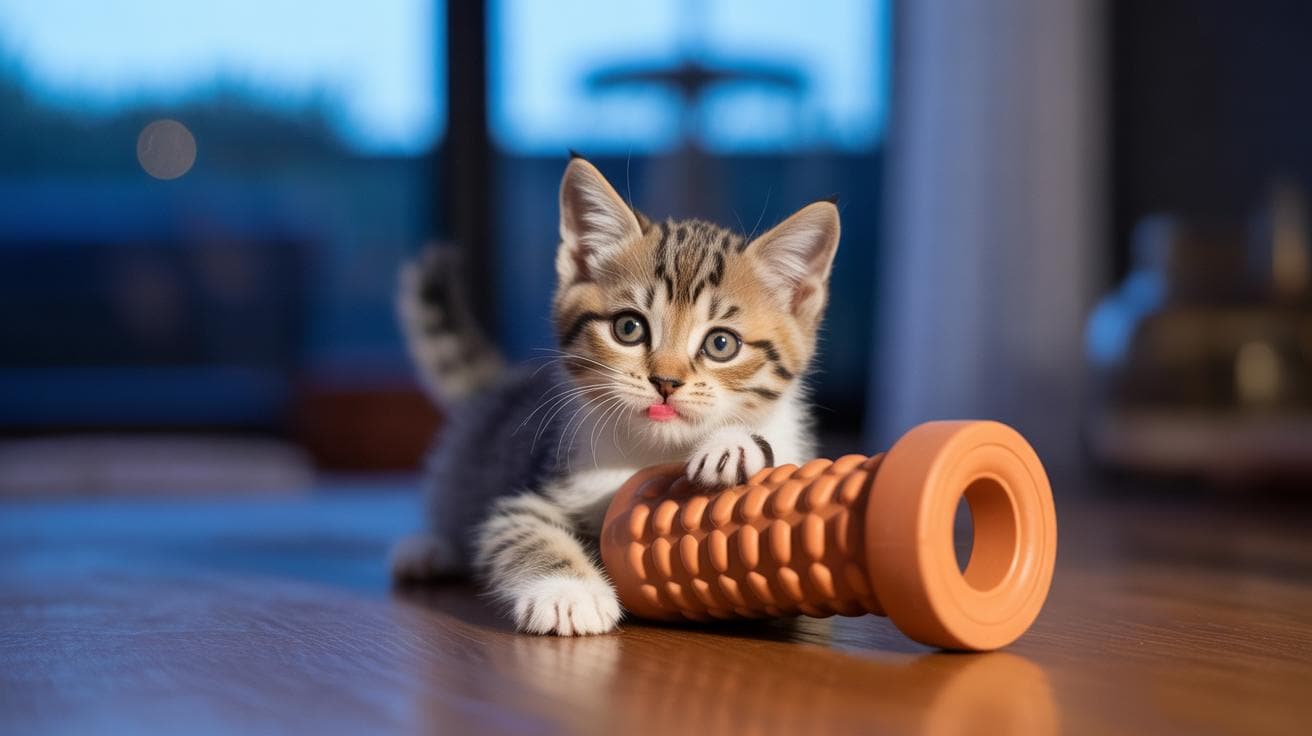
Yes, unbreakable cat toys are safe for kittens when they’re the right size, made from non-toxic materials (safe if licked or chewed), and used with active supervision. For tiny kittens, save catnip until about 3-6 months. For the youngest ones, pick very simple, oversized soft toys so they don’t swallow anything.
Here are the main hazards to watch for:
- Small parts that fit in a kitten’s mouth. They can choke or be swallowed and cause an intestinal blockage (may need surgery).
- Loose strings or feathers. If a kitten swallows string it can bunch up and cut or knot inside the gut. Feathers can also poke or scratch the mouth and throat. Store fishing-pole style toys away after play.
- Button batteries (small, coin-shaped batteries). These cause rapid, severe internal burns if swallowed. Treat as an emergency and get help right away.
- Magnets (especially strong, rare-earth magnets). If a kitten swallows more than one, the magnets can attract inside the intestines, pinch tissue, and cause holes fast. Go to the ER.
- Toy wear and tear. Inspect toys before each session. Do a quick visual check and give seams and attachments a gentle tug.
- Retire damaged toys immediately. Toss anything with exposed stuffing, sharp edges, loose beads, or broken parts.
Supervision tip: play together when you can. If you’re short on time, toss an unbreakable ball or set out a safe puzzle for a few minutes so your kitten gets activity without danger. Ever watch them pounce on a rolling toy? It’s the best.
Worth every paw-print.
Materials used in unbreakable cat toys and kitten safety
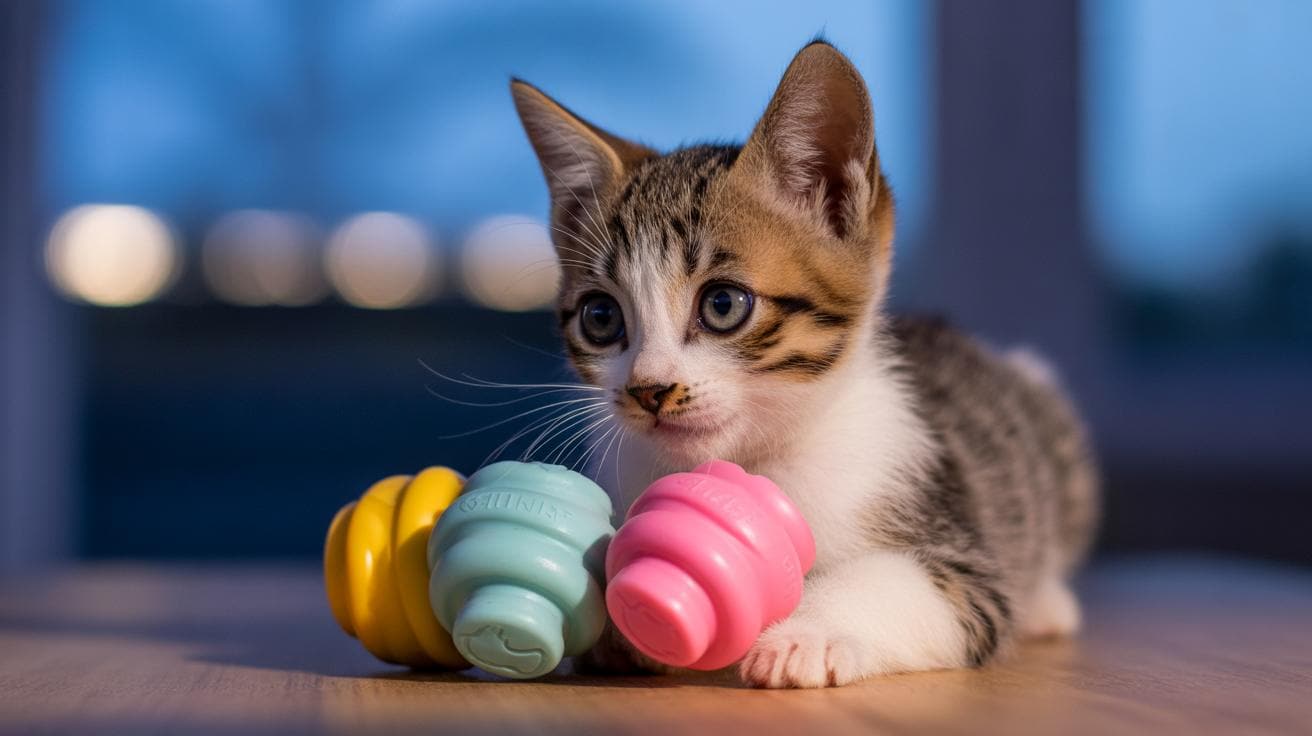
Always check the label. Look for phrases like free of lead, phthalates (chemicals used to soften plastics), and BPA, and watch for food-grade or medical-grade markings when the toy is meant for chewing. Food-grade silicone (a flexible, kitchen-safe rubber-like material) and medical-grade rubber (pure rubber used in medical tools) are the usual safe picks for teething. If a toy only says "non-toxic" with no certification, be wary, cheap plastics or unlabeled polymers can hide PVC (a cheap, rigid plastic) or other additives you don’t want near a curious mouth. Ever seen a toy with no markings? Uh-oh.
Soft materials have their own ways of wearing out, and those changes matter. Silicone, TPE (thermoplastic elastomer – a stretchy plastic that acts like soft rubber), and medical rubbers can get surface cracks, turn sticky, pill into tiny balls, or thin where your cat gnaws most. That creates little bits or strings a kitten can chew off and swallow. If a soft toy starts to fuzz, stick, or lose shape, treat it like a no-mouthing toy and swap it out.
Harder toys fail differently. Nylon and rigid plastics can get brittle after lots of chewing or sun exposure, then chip into sharp slivers or micro-shards. Look for hairline cracks, flaking, or chips around edges and seams , those are the warning signs that a once-solid toy could cut gums or drop fragments that might block the gut. Low-quality rubber or plastic often breaks into jagged pieces instead of wearing down cleanly, which raises the risk of sharp fragments. I once saw a once-sturdy ball turn into a shard party, no fun.
Cleaning and sanitizing silicone/rubber toys
If the toy is labeled dishwasher-safe, toss it in the top rack and call it a day. Food-grade silicone takes boiling or soaking at the manufacturer-recommended temps pretty well (great for teething items). For rubber, stick to mild soap and hot water and a good scrub. Skip harsh solvents or bleach , they can weaken materials or leave residues your kitten might lick. When in doubt, follow the maker’s care notes and replace toys that show wear. Worth every paw-print.
Are Unbreakable Cat Toys Safe for Kittens
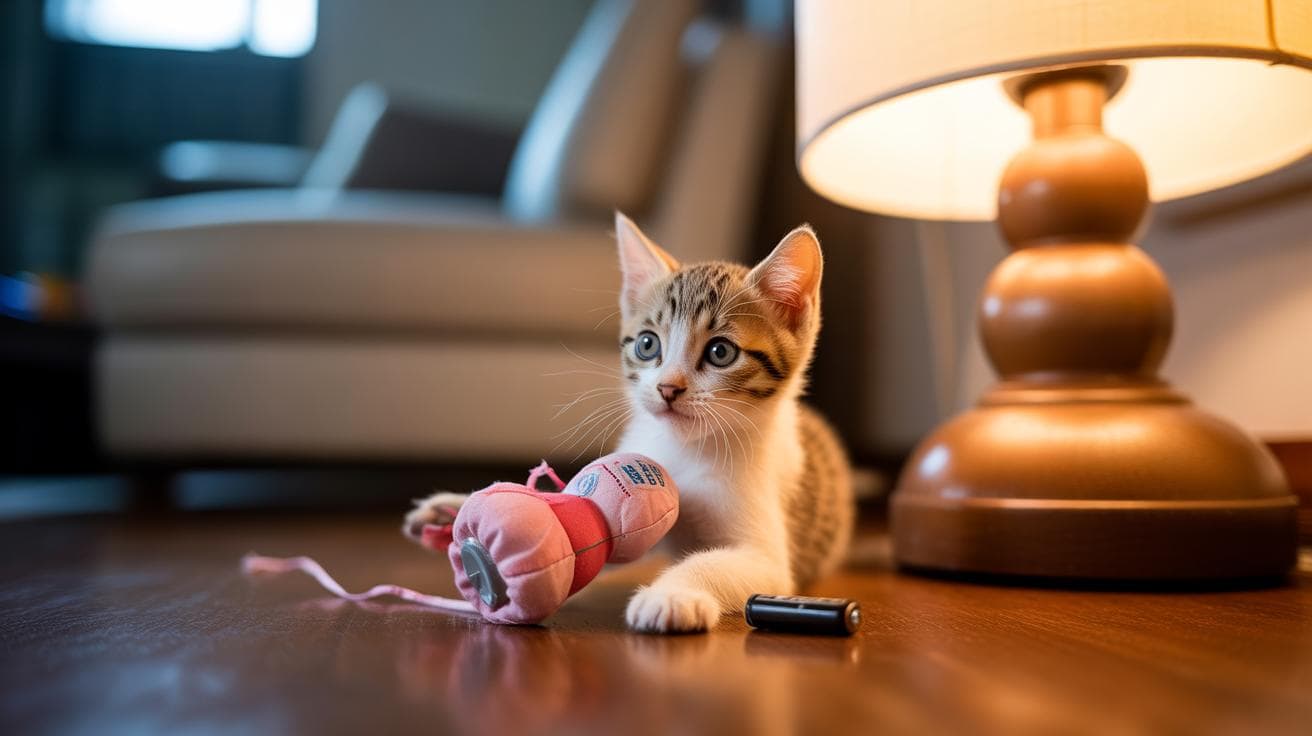
A safe toy should never fit entirely inside a kitten’s mouth; if it can slip behind their teeth and lips, it’s too small. For very young kittens , about 6 to 8 weeks old , go for oversized, soft items roughly the size of an adult fist or bigger so nothing can be swallowed. Those early weeks are all about simple textures and cozy, supervised snuggle-play. Keep sessions short and watched so they learn what’s okay to chew.
Watch for design hazards that invite chewing or parts coming off: detachable bits, exposed batteries (batteries are small power cells), and embedded magnets (tiny metal pieces that can stick together inside the body and cause serious harm). Ever see a kitten try to pull a bell off a plush toy? Yep, that’s why we worry. Household things are sneaky culprits too , like hair ties, rubber bands, and bottle caps , so keep those off the floor.
Inspect toys often and retire anything that looks tired or broken. Check seams and attachments for loose stitching, glue gaps, or glued-on decorations (glued eyes, bells, or buttons can be pried off and swallowed). Remove toys showing these visual red flags right away:
- loose stitching or glue gaps
- exposed hard or sharp edges (chips, hairline cracks, or flaking plastic)
- small parts that wobble or can be pinched off
Shop smart: pick toys with integrated construction, sealed battery compartments, or battery-free designs. Plain shapes with no detachable decorations are a lifesaver. Worth every paw-print.
Testing, supervision, and maintenance for unbreakable kitten toys
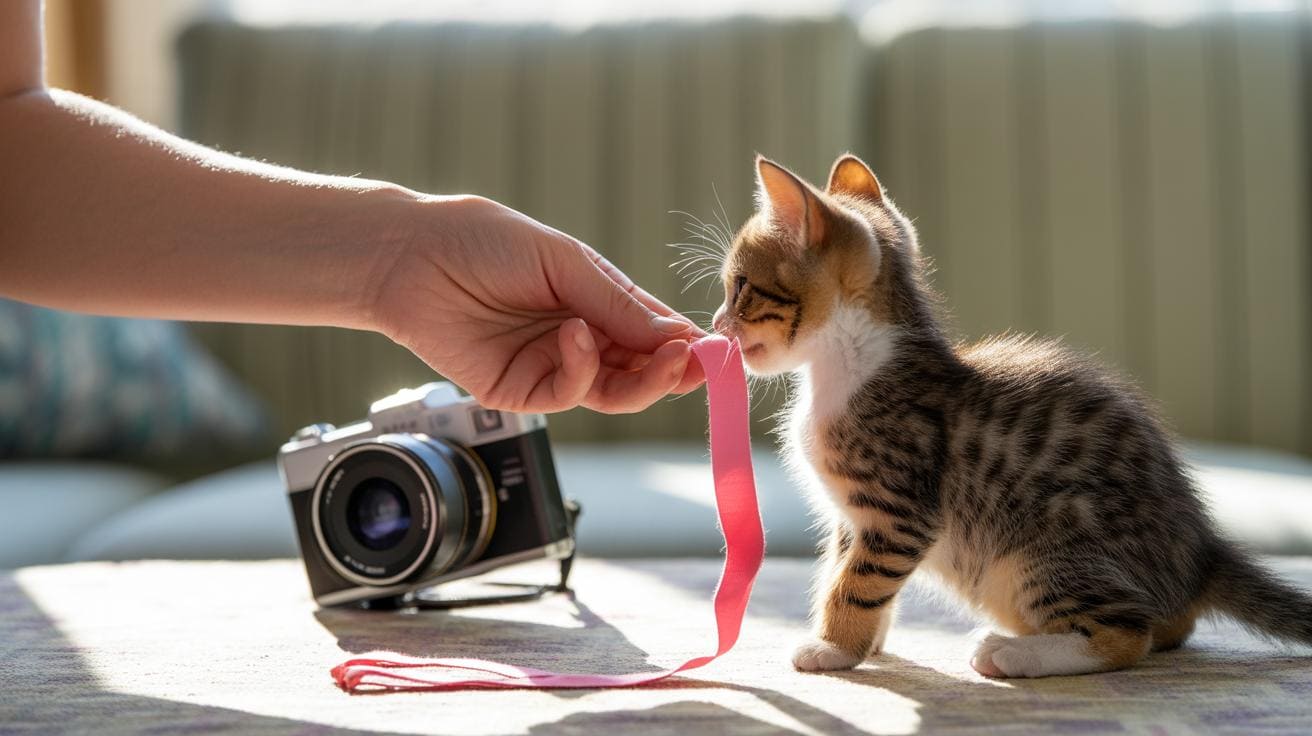
When you test a new toy at home, bring your kitten into a quiet room and introduce one toy at a time for a 5 to 10 minute supervised session. Watch closely for aggressive chewing, tugging that loosens bits, or any head-dipping that looks like swallowing parts – those are big red flags. After play, do a gentle tug-and-pinch check on seams, attachments, and any moving bits to catch hidden weak spots before the toy goes back into rotation.
Keep supervised solo play simple: short, frequent sessions for very young kittens so they don’t get worn out, and always stash wands, feather toys, and stringed items out of reach between uses. Put battery-powered or electronic toys away when you can’t watch them; coin-shaped power cells (button batteries) and stray wires invite trouble. If you must leave one toy for a short unsupervised spell, pick a plain, sturdy ball or a solid silicone teether (soft kitchen-style rubber) that’s clearly larger than their mouth.
Make inspecting toys a habit with a clear rhythm: do a quick visual sweep before every session, run your fingers over seams and fasteners once a week, and do a detailed check after any rough chewing or tumble. Retire toys that show loose stuffing, hairline cracks, missing pieces, exposed batteries (button batteries), or magnets (small but powerful metal pieces) poking through. Practical rule of thumb – if a toy that’s been chewed hard shows fraying or material loss in two separate supervised sessions, take it out of service.
Repairs are fine for purely cosmetic, non-ingestible damage – think reinforcing a seam or replacing a fabric cover that doesn’t hide small parts – but never reattach something in a way that leaves tiny loose bits or a weak seam. If you find batteries, magnets, exposed stuffing, cracked hard plastic, or missing pieces, retire the toy right away. For safe wand repairs and clear examples of when to fix versus toss, check this repair resource: DIY replacement attachments for teaser wands. Keep play safe, and your kitten will reward you with dramatic pounces and happy head-butts – claw-tastic.