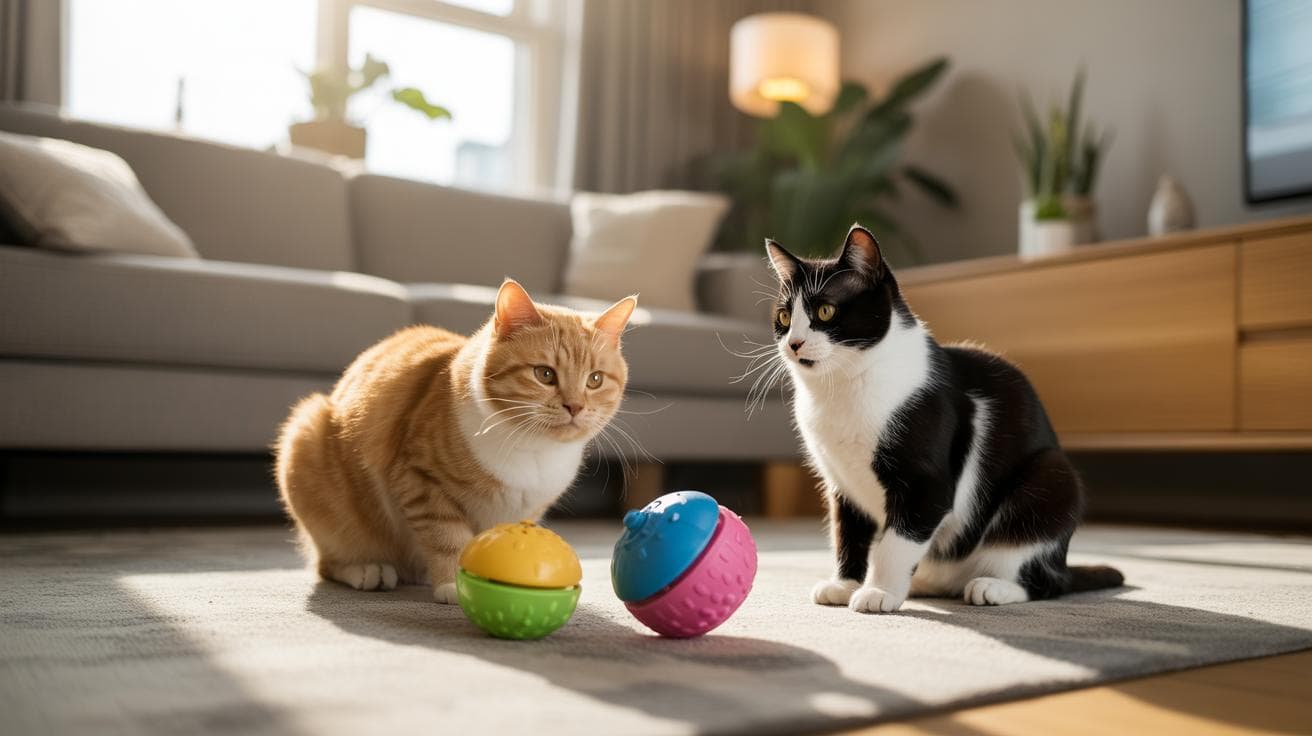
Think unbreakable cat toys will stop every bit of destructive chewing? Not quite. They help a lot, but they’re not magic.
A well-made, tough toy gives your cat a safe place to chomp and fun textures to explore. Picture the satisfying chomp and whiskers twitching as a bouncy ball rolls across the carpet. These toys work by turning hunting and teething urges into play, so your couch gets a break. Pretty claw-tastic, right?
But no toy lasts forever. Some cats are relentless, so test new toys in short, supervised sessions, especially at first. Retire anything with holes, loose threads, or exposed stuffing (the fluffy filling inside toys) to keep your cat safe.
Do Unbreakable Cat Toys Stop Destructive Chewing
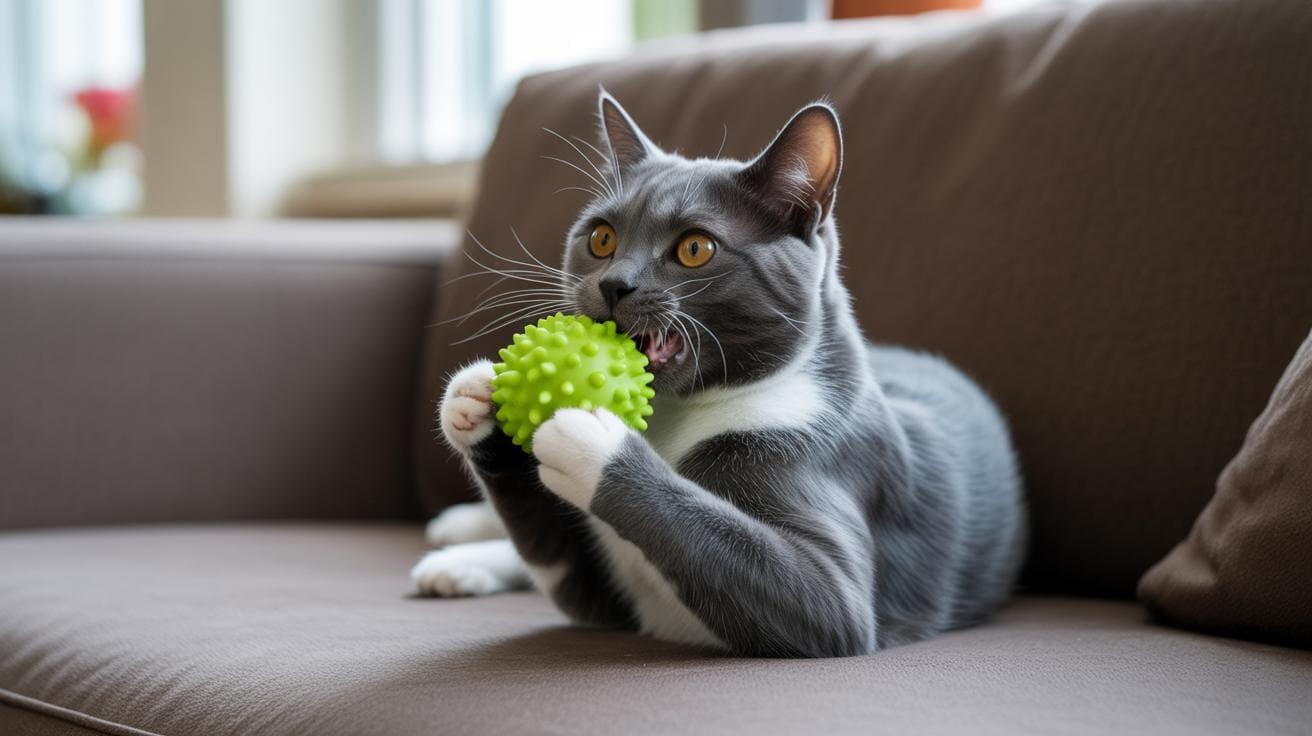
Well-made "unbreakable" toys can cut down destructive chewing by giving your cat a safe place to chomp and fun textures to explore. But no toy is truly indestructible for every cat. You’ll still want to watch how your cat attacks a toy, some cats are relentless.
They work by offering a satisfying chew surface and by encouraging play and focus. See Materials and Safety below for construction and safety details and inspection and cleaning tips. Common materials include polymer (tough plastic), puncture-proof fabric (fabric that resists holes), and reinforced seams (strong stitching).
- When toys help: they redirect chewing that comes from play or teething. Toss a tough ball or a chew tube during a teething spurt and your couch might get a break.
- Limits of durability: nothing lasts forever, so expect progressive wear. You’ll spot frayed edges, soft spots, or tiny tears before a toy fails.
- One-line safety rule: supervise new toys and retire anything with exposed fill (the stuffing inside) or jagged edges.
- Immediate next step: try a short supervised test session to see how your cat treats the toy, or consult the Buying Guide for simple home durability tests.
Worth every paw-print.
How unbreakable cat toys redirect chewing and which features matter
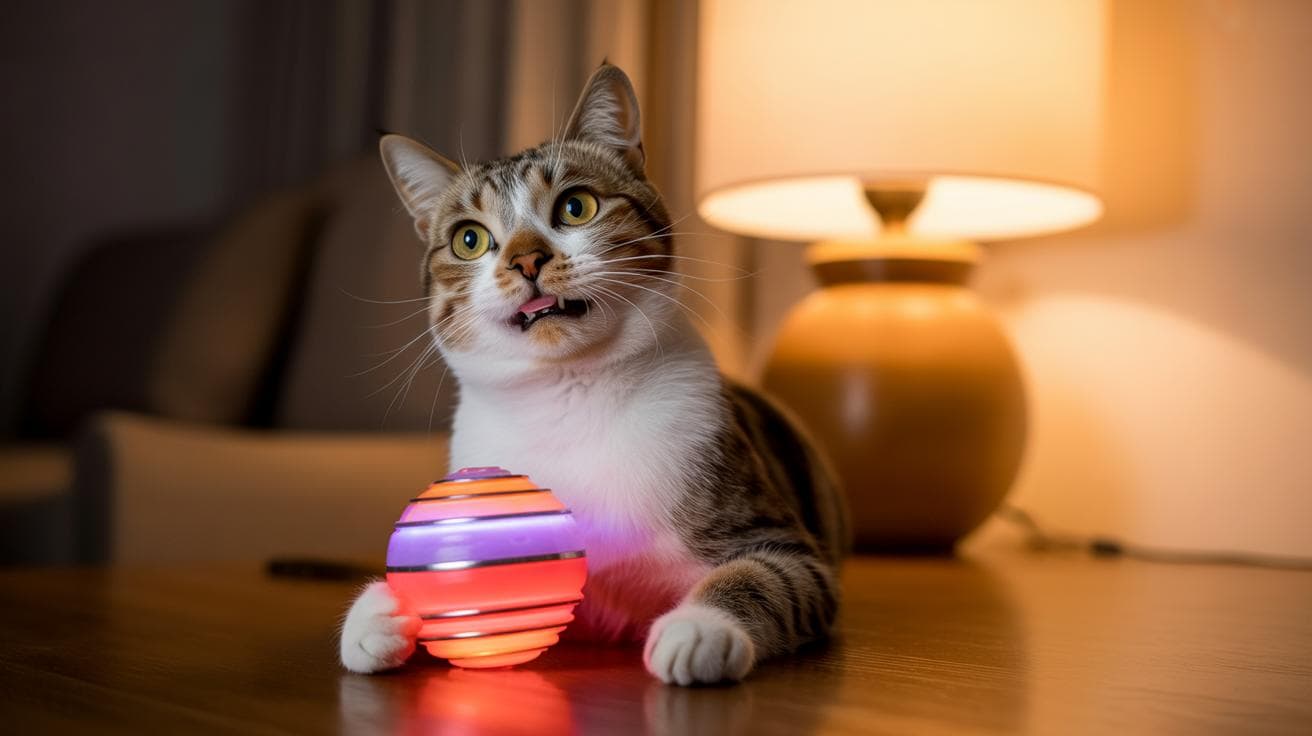
Cats chew and bite as part of hunting, teething, and boredom cycles. So the best unbreakable toys give that urge a safer outlet: new textures to gnaw, sudden movement to chase, and little rewards that teach your cat the toy is the fun spot, not the sofa. Ever watched your kitty chase a bouncing ball until its whiskers twitch? That’s the idea.
When a toy offers an unpredictable bounce, a tasty treat, or a chewy surface that feels good on the gums, the cat switches focus and repeats the play loop instead of shredding household items. In practice, simple plush won’t hold up. Toys that mix toughness with engagement keep attention longer and cut down on destructive chewing.
Real-world testing and product behavior show a pattern. Treat-dispensing designs use narrow slots that reward pawing and problem solving. Motorized balls create erratic rolling that fuels a chase for 30 to 120 minutes. Dental textures like nylon (strong synthetic fiber) meshes or rubber nodules (soft raised bumps) massage gums while resisting teeth. Magnetic-feather actions pop in and out of holes for fast, irresistible swats. Three-track toys spread attention across multiple paths so the toy doesn’t just scoot under the couch. Rechargeable rolling toys, battery-powered and ready to go, can run for hours to cut down on idle chewing. And maintenance-friendly bits, refillable catnip or silvervine (a plant similar to catnip), plus dishwasher-safe parts, help toys stay safe and interesting over time.
Enrichment features to prioritize
- Treat-dispensing toys , A treat slot rewards pawing and brings cats back, again and again.
- Refillable catnip/silvervine , Refillability keeps the scent fresh without tossing the whole toy.
- Motorized movement , Unpredictable rolling or wobble mimics prey and keeps the chase alive.
- Multi-path tracks , Three-track or multi-path designs split attention so one toy can entertain longer.
- Textured chewing surfaces , Nylon (strong synthetic fiber) meshes and rubber nodules (soft raised bumps) offer chew-resistant surfaces that feel good on gums.
- Replaceable-center designs , Swap a worn core, like a cardboard insert, so the outer shell lasts and you save money.
Materials and safety: what qualifies as an "unbreakable" cat toy

Start by choosing toys made from tough, safe materials so they stand up to play and don’t become hazards. Look for natural rubber (a flexible, bouncy material that resists punctures), durable nylon (a strong synthetic fiber), polyester and cotton twill (tighter-woven fabrics that handle scratching), reinforced fabrics (extra layers or stitching for strength), and woven nylon pouches (mesh-like pockets that let teeth grip without shredding). Prefer chew toys labeled food-safe or free of harmful dyes and glues. That way you’re buying for fun and peace of mind.
Know how toys usually fail so you can spot trouble fast. Seams can split and spill out stuffing, which cats can swallow. Fabric can fray and get sharp at the edges. Little bits like beads, bells, or plastic clips can pop off and become choking hazards. Broken plastic or busted motors can leave jagged edges. Pick sizes that can’t be swallowed whole, and skip toys with tiny attached parts if your cat’s a serious chewer.
Cleaning and quick checks are part of safety, not optional extras. Run dishwasher-safe parts as the maker directs. Hand-wash fabric toys with mild soap and let them air-dry. After any rough session, take a close look for loose seams, small tears, or exposed stuffing. Retire anything with jagged bits, detached pieces, or soft spots that keep coming back. Worth every paw-print.
Want a simple home test and clear rules for when to replace a toy? See the Buying Guide. Ever watched your cat go after a toy like it’s the best thing ever? Me too. Keep it safe, keep it fun, and your kitty will thank you with purrs and flying zoomies.
Best unbreakable cat toys by chewer type
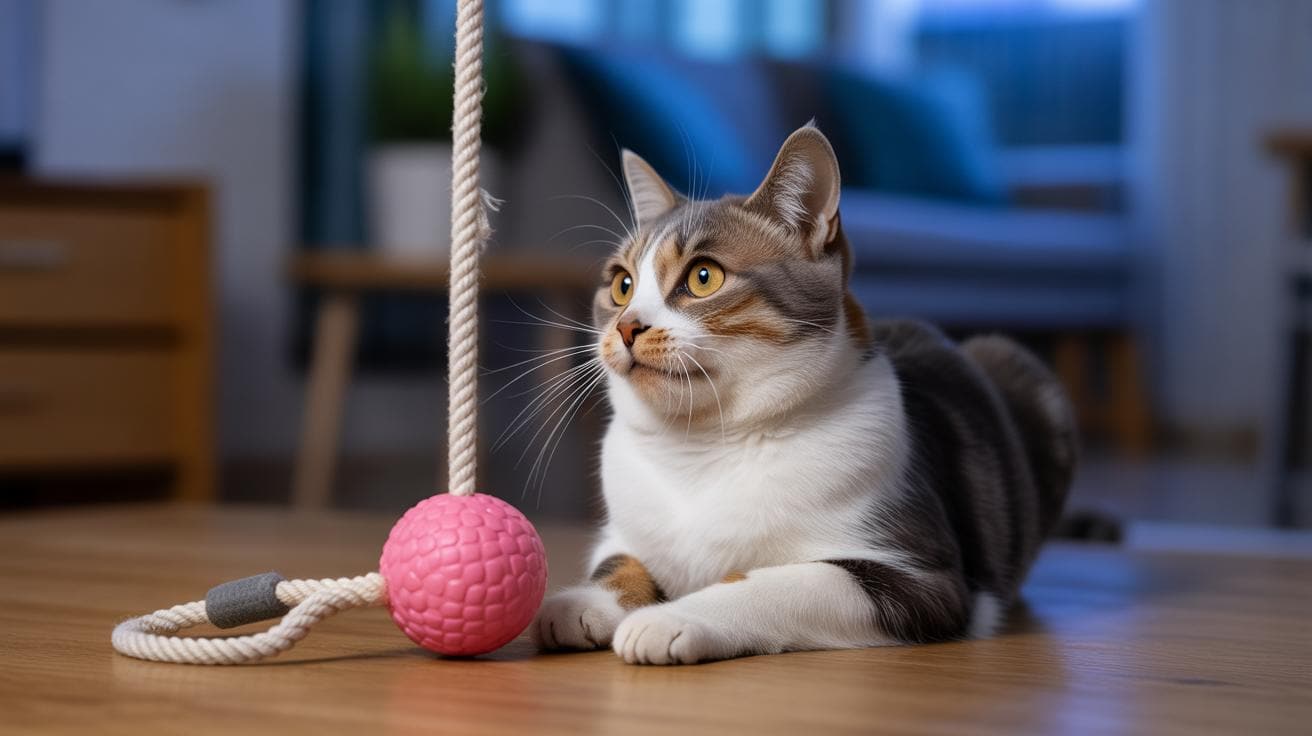
A quick match-up helps you pick a toy that stands up to how your cat plays and chews. Think texture, size, and whether the toy rewards hunting instincts. Those three often decide if a toy saves the couch or becomes chew confetti.
Strong chewers (adult)
Go for dense natural rubber (flexible, bouncy rubber) and woven nylon (tough synthetic fiber). Big rope-covered mice are perfect for wrestling and tugging , they handle gnawing, hard shakes, and claws that love to grip. Look for thick stitching and no loose bits, so you don’t end up sewing a new toy mid-play.
Teething kittens
Pick softer stuff that soothes gums. Chillable rubber rings with nodules (small raised bumps) cool and massage sore spots, and plush chewables made for kittens let them bite without hurting developing teeth. Short, supervised chew sessions and frozen options calm teething flare-ups, try a chilled ring for a minute or two when things get intense.
Senior or low-energy cats
Choose gentle textures and mild dental surfaces that massage gums without asking for big chases. Floss-like toys (thin, stringy dental surfaces) or plush pieces with soft ridges work well. Low-effort treat dispensers reward small, slow interactions so seniors stay curious without getting tired.
Multi-cat or competitive households
Robust motorized toys (battery or rechargeable moving toys) and multi-track designs (multiple lanes for balls) keep several cats busy at once. Rechargeable rotating balls and three-track sets spread attention so one cat can’t hog all the fun. Keep identical toys around to cut down guarding and squabbles.
Size and texture matter more than brand. KONG-style rubber pieces (like classic KONG toys), rechargeable rotating balls, rope mice, and dental, floss-like chew toys are good examples to try. Catnip or silvervine (stimulating plants) can boost interest, but responses vary by age and personality. Try supervised sessions, watch how your cat attacks the toy, and retire anything with exposed fill, loose threads, or sharp edges. Worth every paw-print.