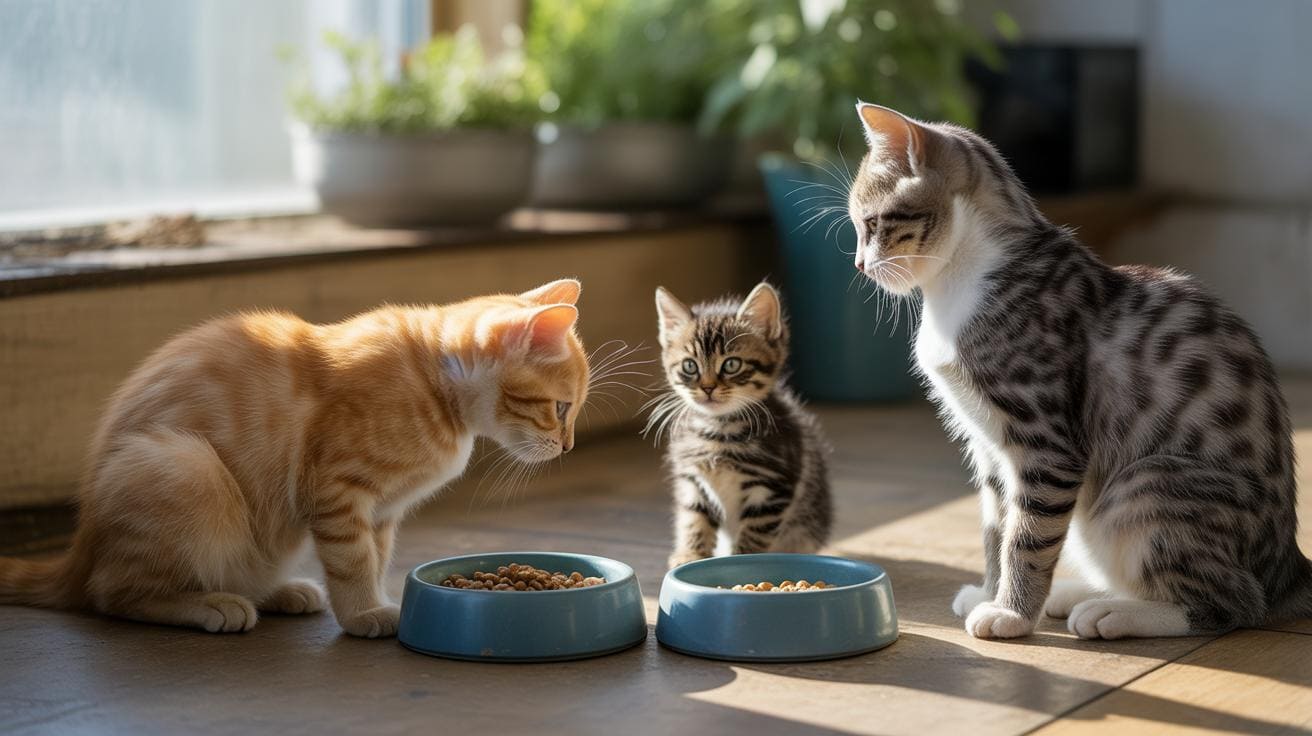
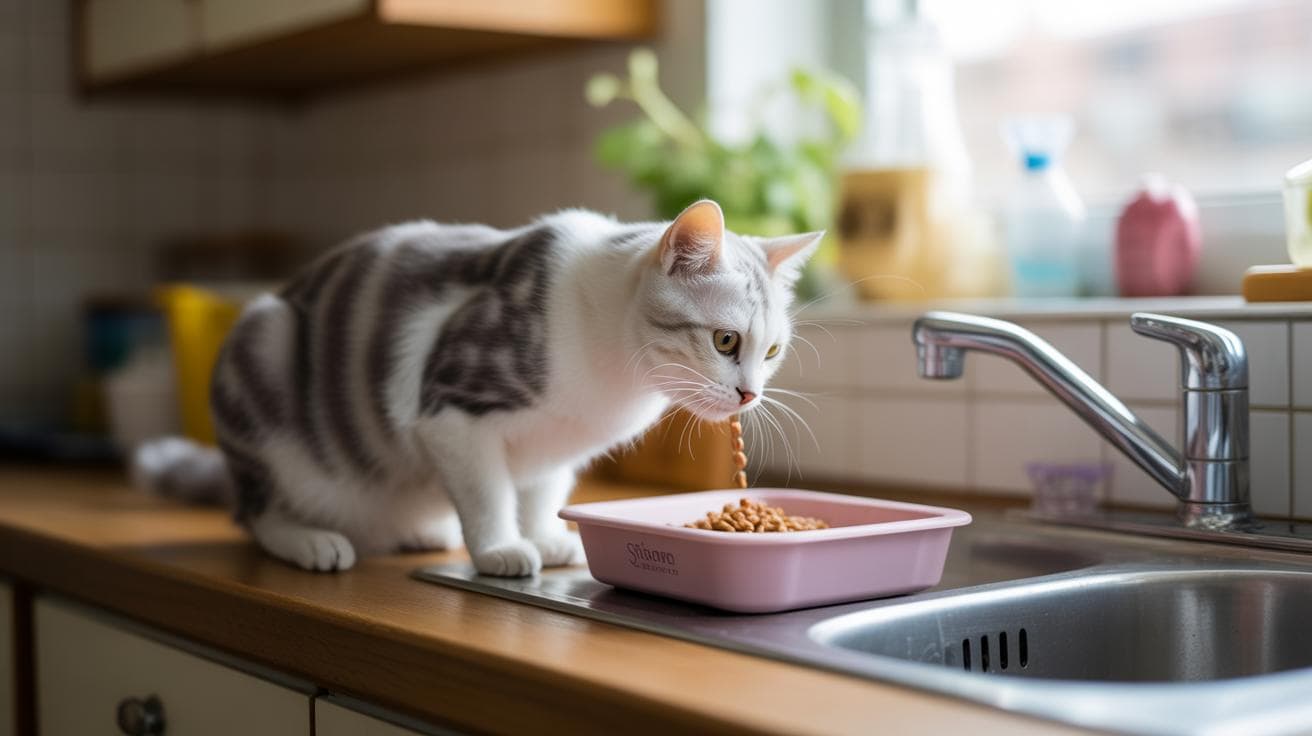
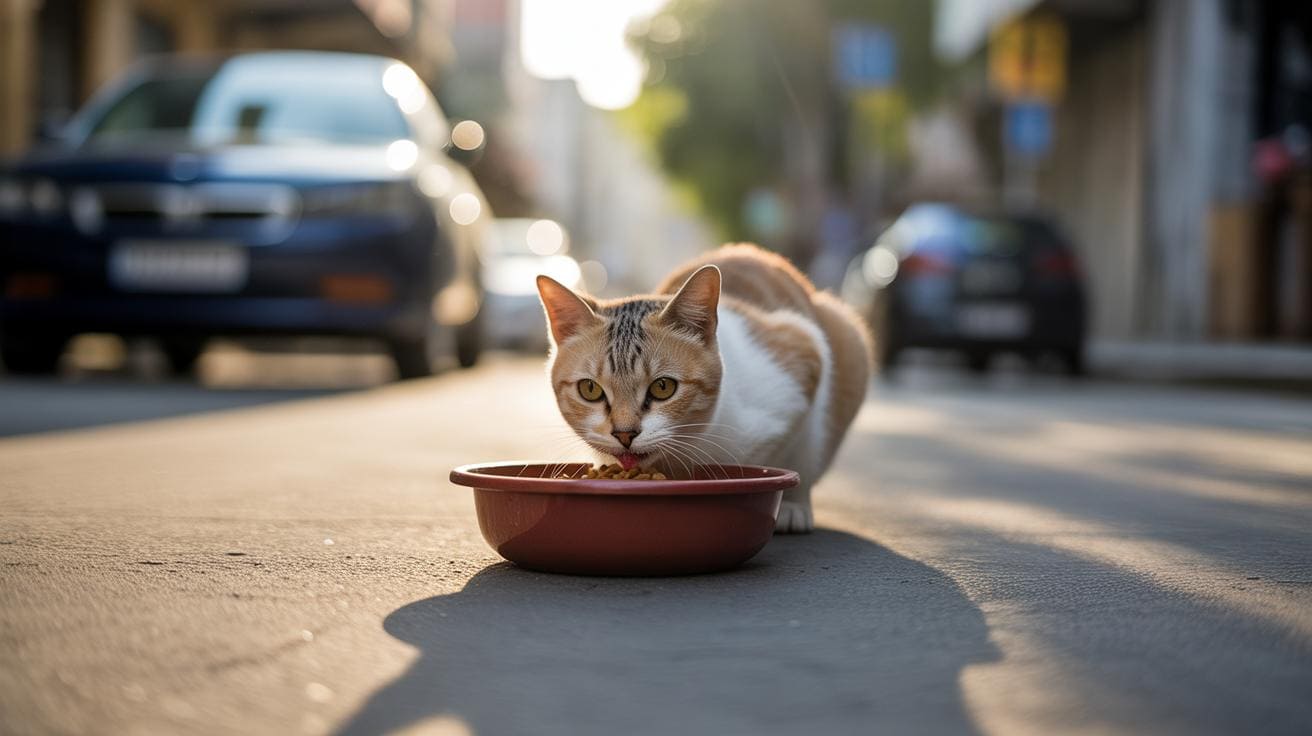
Is your cat a speed-eater? You know the type: loud gulps, whiskers twitching, and the bowl emptied in seconds.
Eating that fast can cause regurgitation (throwing up food soon after eating). It also raises the chance of obesity (too much body fat). And it makes digestion harder, which can mean tummy discomfort, choking, or messy cleanup. Not fun for you or your cat.
Slow feeders change mealtime. A slow feeder (a bowl or toy that makes your cat work for food) slows the bite, adds a bit of play, and eases mealtime stress in homes with multiple cats. Your kitty will paw or nose for bites, eat calmer, and get mental stimulation while you get fewer scattered kibbles.
I’ll walk you through why slow feeders matter, how to introduce one safely, and the top bowls, puzzles, toys, and lick-mats to try. Ever watched your cat figure out a treat puzzle? It’s oddly satisfying.
Cat Slow Feeder: Why Use One
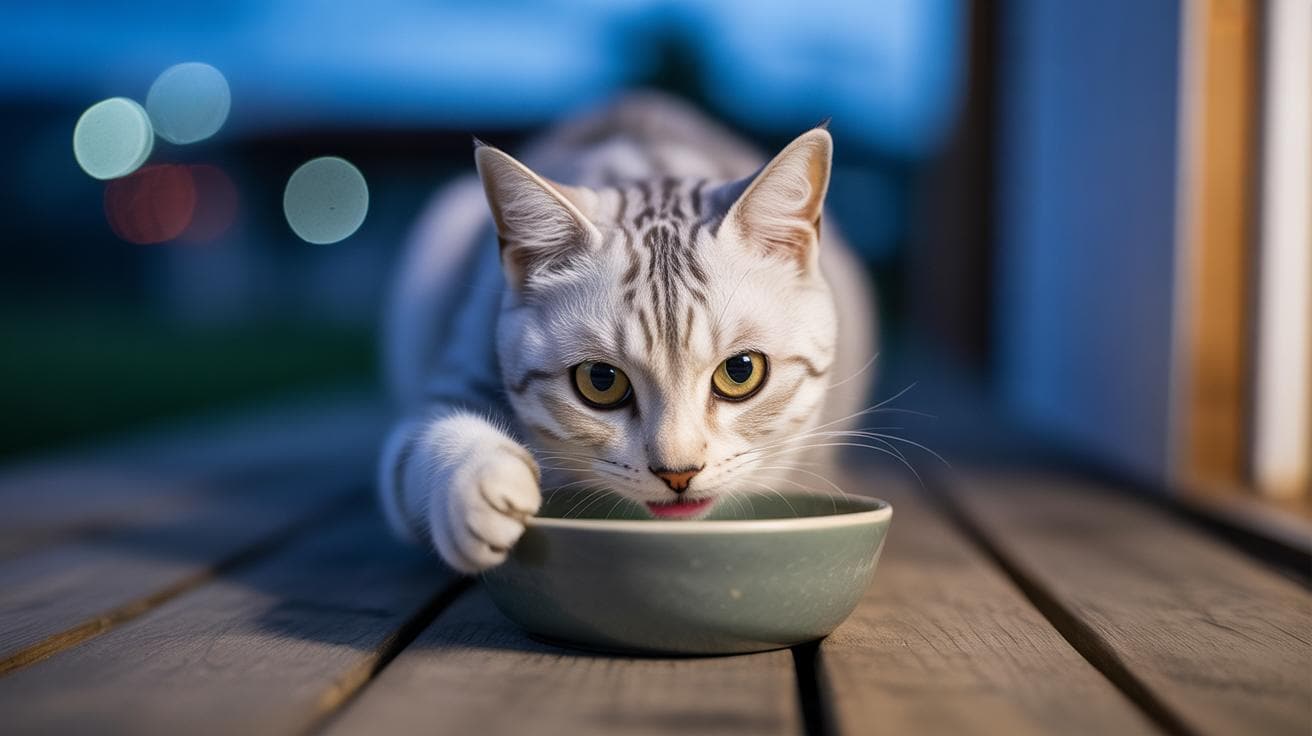
A cat slow feeder does more than make dinner take longer. It helps stop regurgitation (throwing up food soon after gulping), lowers the chance of obesity (too much body fat) and diabetes (blood-sugar problems), and eases digestion. Your kitty will eat calmer, and their tummy will thank you.
There’s more to it than health. Slow-eating bowls add enrichment, your cat gets to work a little for their food, which is mentally stimulating. In multi-cat homes, slow feeders cut down on resource-competition (yelling or rushing at the food bowl), so everyone stays calmer and less stressed. Ever watched whiskers twitch as a kibble slides out? Cute and satisfying.
How to start: try a slow-feed bowl under $10 for three to five days. If your cat takes to it, transition over one to two weeks to puzzle feeders (toys that hide food and make cats forage) or lick mats (flat mats that spread wet food so cats lick slowly). Move slowly and watch for changes in eating or behavior.
If regurgitation keeps happening or you suspect a medical issue, call your vet right away. Don’t wait. Better safe than soggy food on the rug.
Worth every paw-print.
Cat Slow Feeder: Why Use One, Top Options
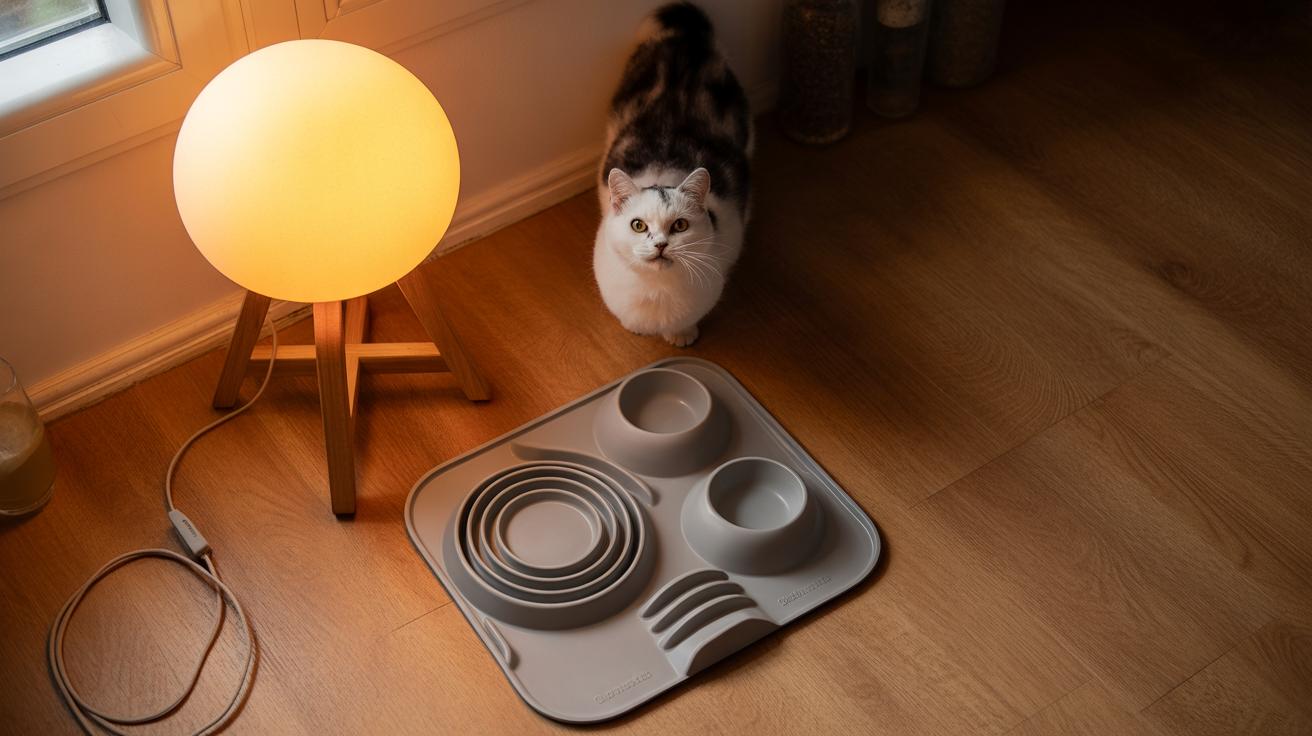
Okay, short version: there are four main types of feeders that cover different goals and personalities. Slow-feed bowls, puzzle feeders, food-dispensing toys, and lick mats. You can also use automatic feeders (timed machines that drop portions) if you want set meals without play. Each option gives you a different mix of ease, brain work, cleanup, and cost.
Pick based on what you want. Want simple anti-gulp help? Go slow-feed bowl. Want a hunt-and-think session? Try a puzzle feeder. Wet-food lickers do best with a lick mat. Need exact timing? Automatic feeders are your friend. Oh, and think about cleaning and clutter before you buy , some toys shed kibble all over the floor, and some pieces need hand-washing.
Your cat’s whiskers will tell you a lot. Fast eaters might love the ridges in a slow bowl. Curious cats usually enjoy puzzle feeders and food-dispensing toys. If your cat gets bored fast, simplicity wins. Ever watched your kitty bat a rolling toy across the room? That’s the kind of engagement you can aim for.
| Type | Best for | Typical price range | Key pros | Key cons |
|---|---|---|---|---|
| Slow-feed bowl (bowl with ridges to slow eating) | Fast eaters; simple anti-gulp | Under $10 | Cheap and easy to swap in; quick wins | Low enrichment; just slows pace a bit |
| Puzzle feeder (toy that hides food and makes your cat work for it) | Longer engagement; indoor cats who like a challenge | $11–$39 | Great mental work; stretches mealtime into a hunt | Can be harder to clean; takes time to learn |
| Food-dispensing toy (rolling or wobbling toy that releases kibble) | Active play; cats who chase and bat things | $8–$20 | Encourages chasing and exercise; fun to watch | Portion control can vary; may scatter food |
| Lick mat / mat feeder (textured pad for wet food or pastes) | Wet meals and calming licking behavior | Under $20 | Soothes anxious cats; great for wet food and slow licks | Usually hand-wash only; not ideal for dry kibble |
Quick cues: for dry kibble, start with a slow-feed bowl or a puzzle feeder to add challenge and slow intake. For wet food, pick a lick mat so your cat has to lick and savor each bite. For busy days, automatic feeders (timed portion machines) give reliable portions and keep things on schedule. Worth every paw-print.
cat slow feeder features to prioritize when choosing a model
Materials and care
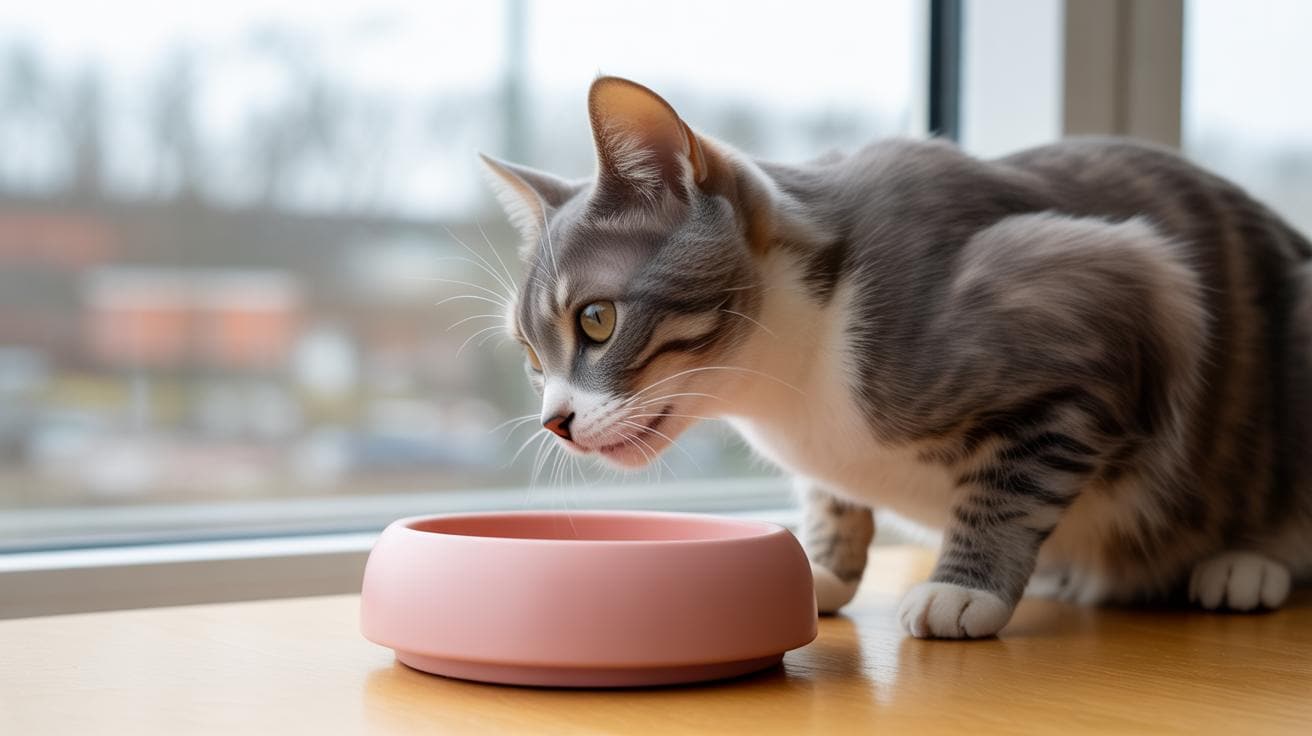
Pick non-toxic materials that match how your cat eats and how often you’ll clean the feeder. Silicone (soft, flexible rubber-like material) is gentle on whiskers and usually dishwasher-safe, plus it packs flat for travel. Ceramic (fired clay with a glazed surface) is smooth and heavy so it won’t slide, but it chips if dropped. Stainless steel (food-grade metal) is tough and low-odor, though it can feel cold and make a clank if your cat is jumpy. Avoid thin plastics (cheap molded material) that scratch, trap gunk, or might leach chemicals.
Think about dishwasher-safe versus hand-wash items when you compare models. Silicone and stainless often go in the dishwasher. Ceramic pieces and most mats usually need gentle hand washing. Keep a long-bristled brush handy to reach grooves and crevices in fancier designs. Match materials to how much washing you’ll tolerate and whether you’re okay with fragile pieces.
Design and ergonomics
Look for anti-gulp features that slow bites without making your cat give up in frustration. Organic ripples and wide, shallow channels let kibbles peek out so whiskers can find them; tight spirals or deep mazes can hide every last piece and annoy your pal. Many budget bowls hold about 1.25 cups , fine for a single average cat , while larger breeds do better with wider, shallower dishes or 2 to 3 cup options to avoid crowding.
Check for a non-slip base and solid stability so the feeder doesn’t skate across the floor. Consider a slight elevation of about 3 inches if your cat likes better posture while eating. And if you have multiple cats, see whether the feeder works with hopper-style dispensers (gravity or timed) or microchip/RFID bowls (RFID, radio-frequency ID) so only the right cat can eat. Worth every paw-print.
Cat Slow Feeder: Top Options
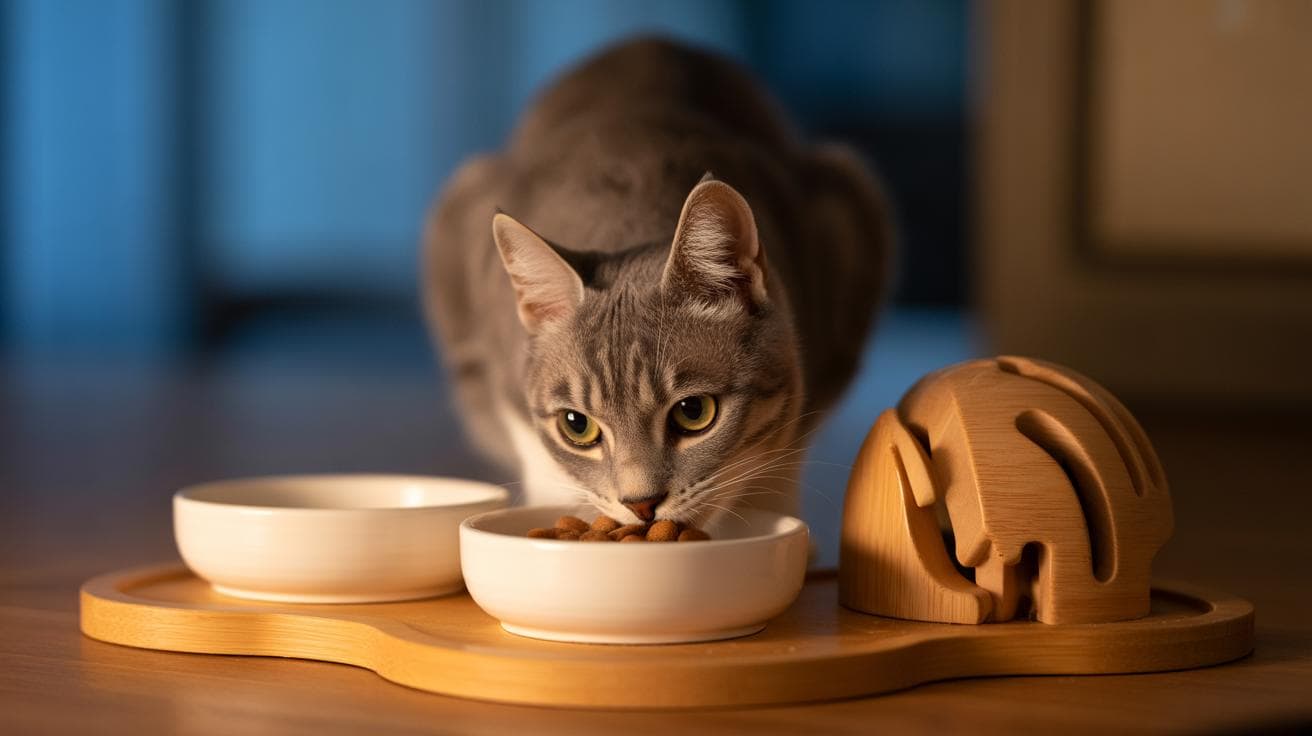
See Lede timeline for when to trial each type. Pick based on how well it slows eating, the price, how your cat tolerates the mechanics, and any size limits in your feeding area. Quick example: "Try a budget bowl for 1-2 weeks, then move to a puzzle feeder if gulping continues."
-
Budget slow-feed bowl – capacity ~1.25 cups; price under $10.
Ridges and shallow channels make cats take smaller bites. Silicone (soft, rubber-like material) versions bend for travel and pack easily, while cheap plastics may scratch and trap gunk. Your cat will have to work a bit more at the bowl – simple, cheap, effective. -
Puzzle feeder – capacity several cups; price $11–$39.
Hidden compartments, sliding cups, or push-open lids create a 10-30 minute food hunt. Great brain work, and most cats catch on after a few tries. More nooks mean more cleaning, and some kitties need a short learning period. -
Food-dispensing toy – capacity ~1/4–2/3 cup; price $8–$20.
Roll it, bat it, and kibble drops out as your cat plays. Mixes snack time with exercise – which is purr-fect for busy days. Watch for scattered food and varying portion control depending on the design. -
Lick mat / mat feeder – capacity ~2–3 oz wet food; price under $20.
Textured silicone holds spreads so your cat licks slowly; great for calm, cozy meals. Best for wet diets and usually hand-wash only. Ever watched whiskers twitch while a cat slooowly licks? Yep, very soothing. -
Elevated ceramic slow feeder – capacity ~10 oz; diameter ~8.5 in; height ~1.5–2 in; price $20–$50+.
Ceramic (fired clay with a glazed surface) is heavy and stays put, so whisker stress goes down. It’s fragile though, so expect to handle with care. Some premium pieces even include a warranty for chips or defects. -
Automatic feeder (hopper / timed) – hopper sizes vary from a day’s worth to several days; price $50–$200+.
Timed dispensing gives precise portions and a steady schedule – great for routine or if you’re out. Watch for motor noise, hopper jams, and be sure the kibble shape matches the dispenser opening. Hopper (bulk food container) sizes change how often you refill.
Worth every paw-print.
| Type | Typical capacity | Typical diameter / height | Price range | Quick notes |
|---|---|---|---|---|
| Budget slow-feed bowl | ~1.25 cups | 6–9 in diameter | <$10 | Ridges and channels slow bites; silicone (soft, rubber-like material) packs for travel; plastics may scratch or trap dirt. |
| Puzzle feeder | several cups | varies by design | $11–$39 | 10–30 minute engagement; good mental work; more crevices to clean; learning curve for some cats. |
| Food-dispensing toy | 1/4–2/3 cup | ball or wobble shape, 2–4 in | $8–$20 | Encourages activity while eating; portion control varies and some designs scatter kibble. |
| Lick mat | 2–3 oz wet | 5–7 in square/round | <$20 | Textured silicone holds wet food spreads; calming; usually hand-wash only. |
| Elevated ceramic slow feeder | ~10 oz | ~8.5 in diameter; 1.5–2 in height | $20–$50+ | Ceramic (fired clay with a glazed surface) is heavy and stable but fragile; premium models may include a warranty for chips or defects. |
| Automatic feeder (hopper) | varies , day’s worth to several days | hopper height varies | $50–$200+ | Timed portions and scheduling; watch motor noise and jam risks; match kibble shape to the opening. |
| Quick specs | See rows above | Silicone bends for packing; ceramic = heavy but fragile | Price bands listed per type | Food-dispensing toys can scatter food; premium ceramics sometimes include warranty. |