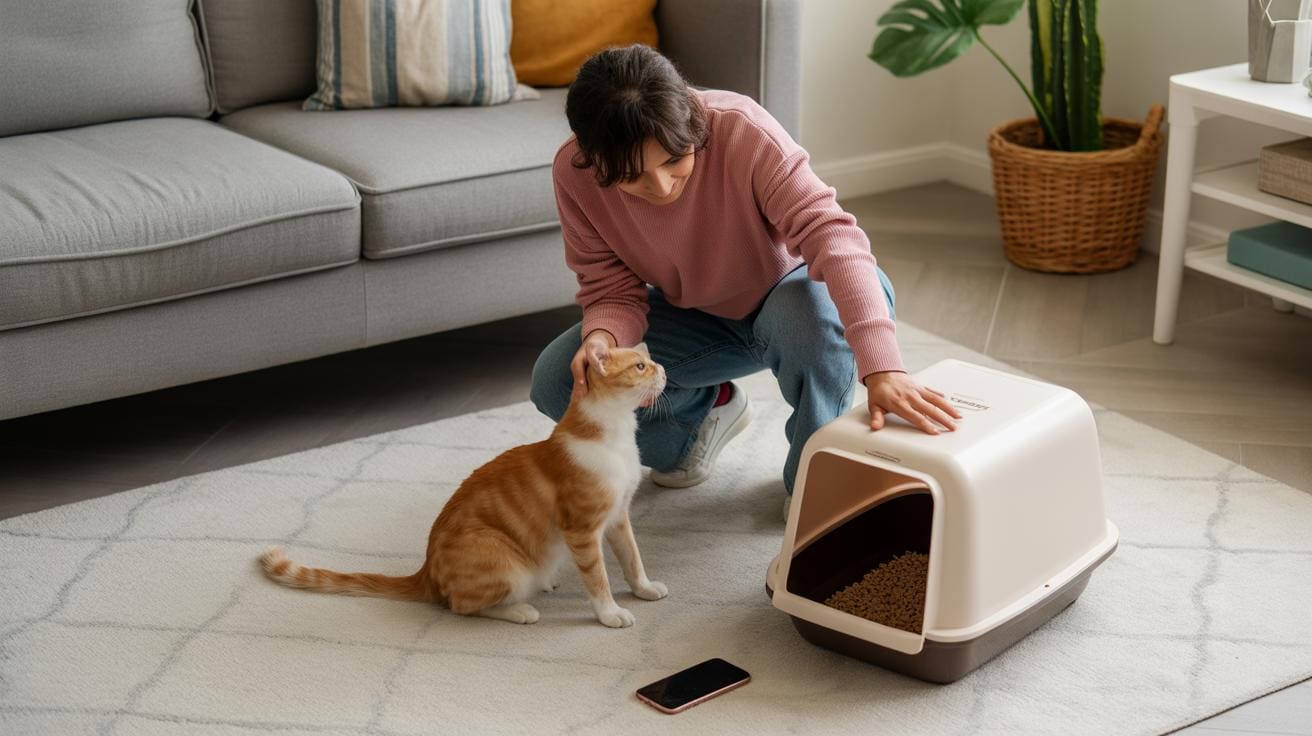
Top-entry litter boxes are the tidy, smell-hiding options , so why do lots of cat parents still use open pans? Let’s break it down so you can pick the box that fits your cat and your life.
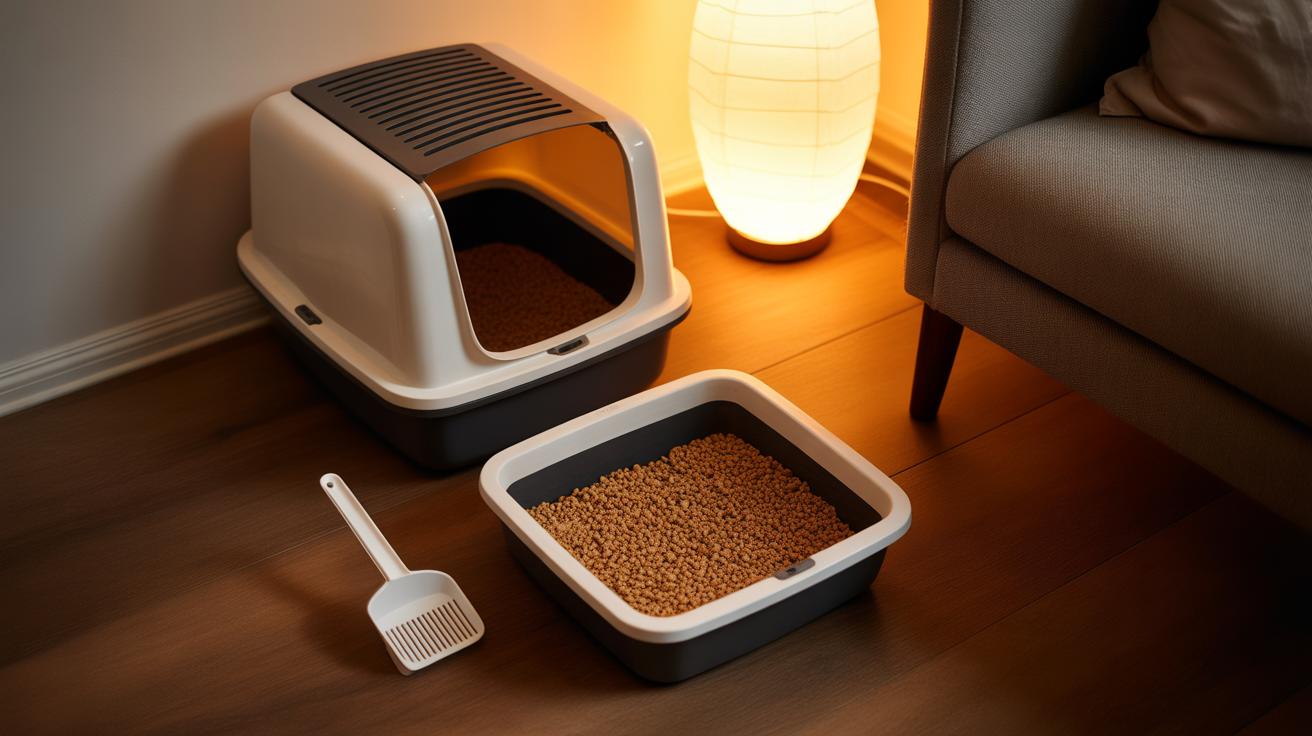
Top-entry boxes (a box with a lid and a hole on top) keep litter and odors tucked inside. They cut down on tracking, hide the mess from guests, and make the room feel cleaner. Your floors stop looking like a sandy beach after playtime. Really.
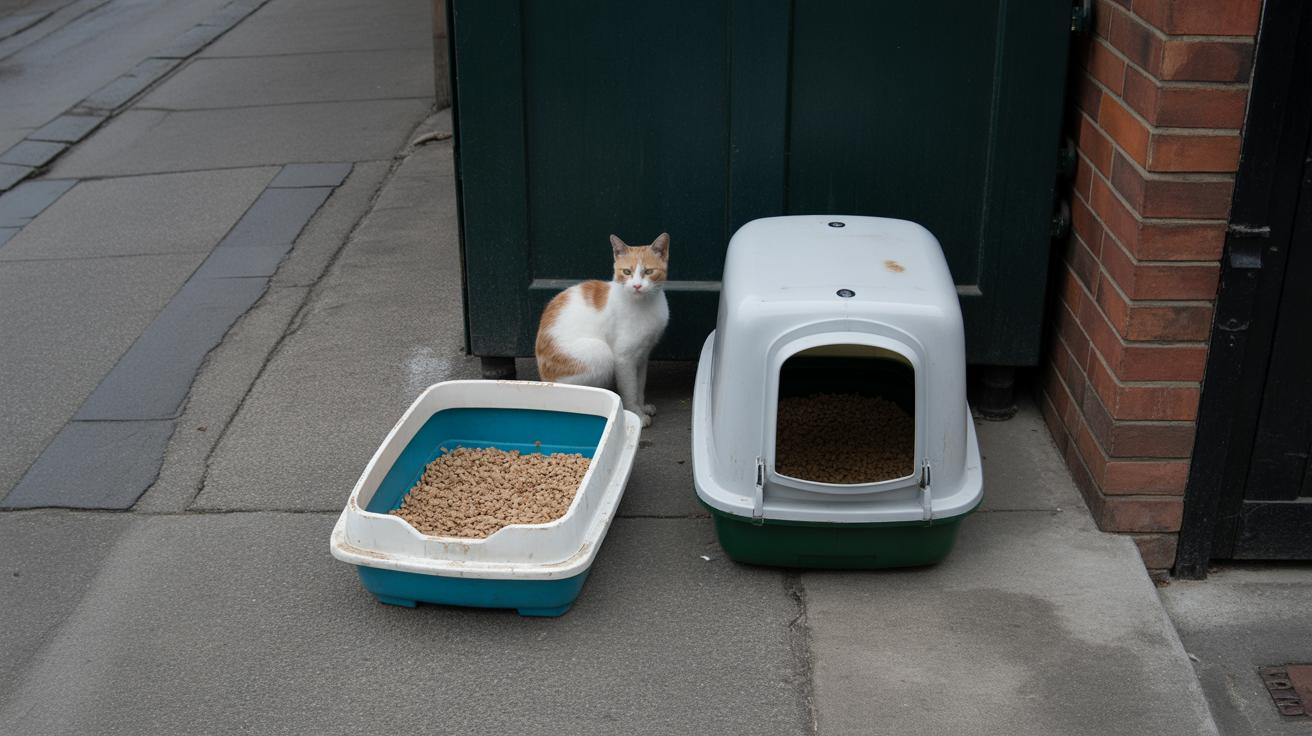
Open pans (low-sided trays) give cats easy access and better ventilation (simple air flow), which helps smells dissipate faster. They’re way easier to scoop, especially for kittens, seniors, or broad-shouldered cats who can’t twist themselves into a lid hole. Ever watched a senior cat try to climb into a top hole? Yep, not great.
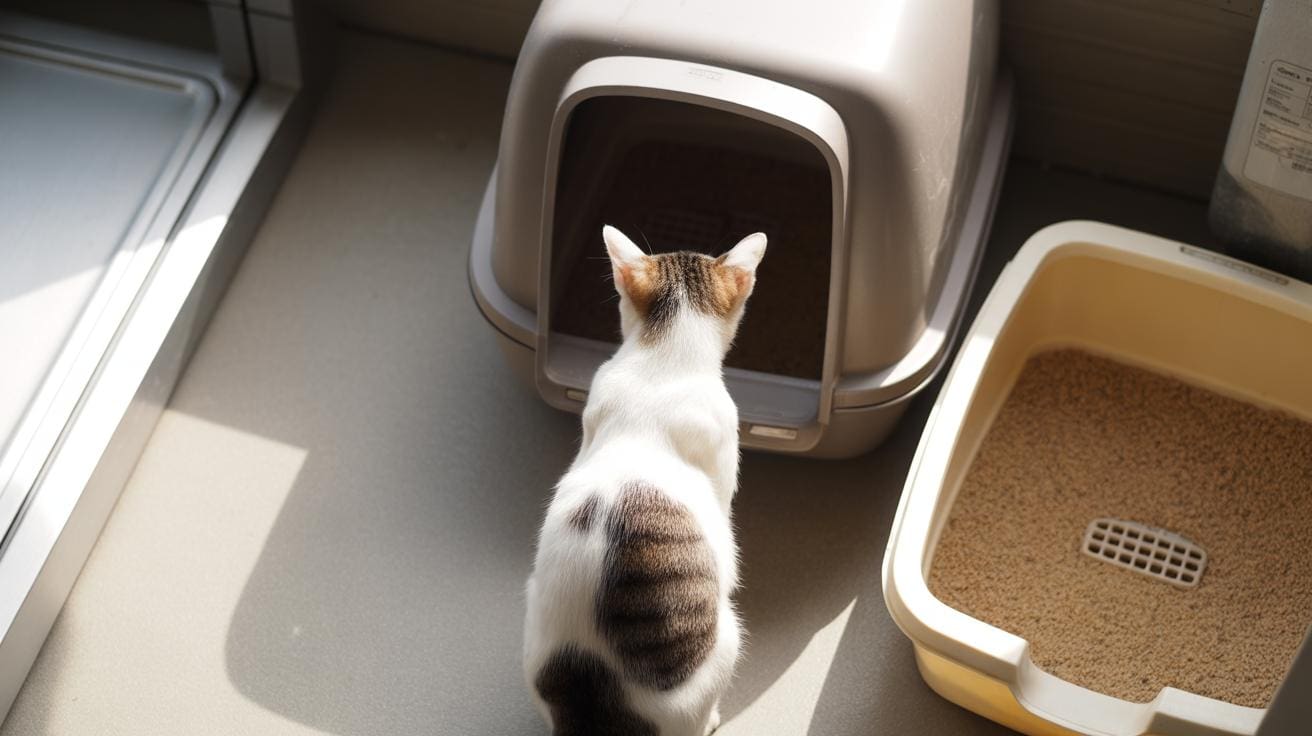
Now the quick compare: scatter control , top-entry wins. Odor management , top-entry keeps smells contained, but good airflow in an open pan can fight smell too. Ventilation , open pans win. Scooping ease , open pans win, hands down. Think about your cat’s size, mobility, and whether you want less sweeping or faster scooping.
For kittens, older cats, or big-chested breeds, pick an open pan so getting in and out is simple. For active diggers, apartment living, or if you hate sandy footprints, a top-entry box is claw-tastic. For multi-cat homes, try a mix or a larger open pan to avoid traffic jams.
Match the box to your cat’s needs and your cleaning style, and both of you will be feline fine. Worth every paw-print.
Quick verdict and decision checklist
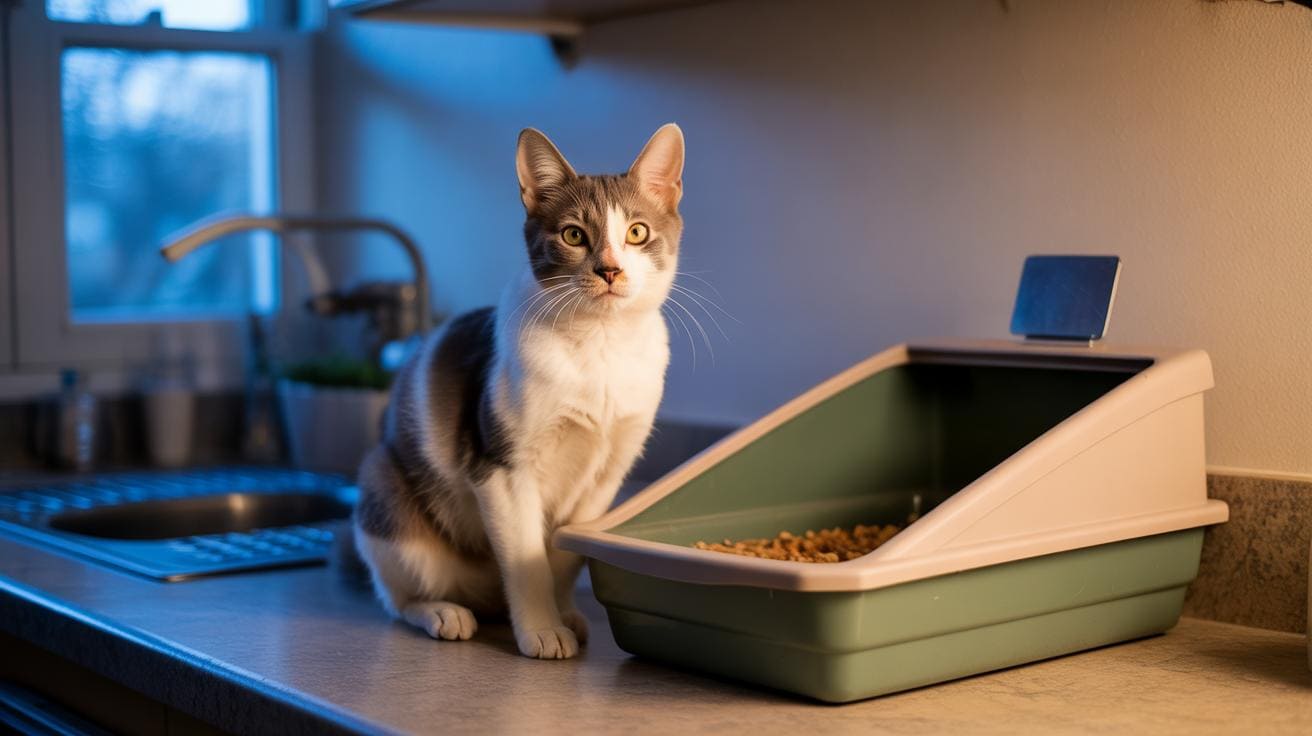
Pick top-entry if you want the best scatter and odor control and your cats are nimble adults. Pick open pans if airflow (ventilation), easy scooping, or pets with mobility issues are more important to you.
Top-entry boxes are great at keeping litter tucked away and hiding waste, so your bathroom looks tidier and tracking drops a lot. They trap smells well, especially with regular filter (charcoal filter or similar) maintenance, but the enclosed sides cut airflow and can hold moisture and odors. The smaller top opening makes scooping a bit fiddly, and big or broad-shouldered cats may feel cramped inside, so when you compare top-entry vs open designs think about your cat's size, how many people and pets use the area, and how you like to scoop.
Open pans give barrier-free access that helps kittens, seniors, and arthritic cats move in and out without trouble. They breathe better (better ventilation reduces humidity and bacterial risk) and make health checks easy, you can see changes fast. Scooping is quicker, and options like high-sided pans or sifting inserts (screens that separate clean litter) can cut down scatter, but odors are more noticeable and litter can spread across the floor. So factor in your space, how much smell you can tolerate, and whether you want high sides or sifting solutions when you build your litter box checklist and daily routine.
See the Odor control, ventilation, and hygiene section for exact cleaning frequencies and tools.
Worth every paw-print.
| Feature | Top-entry | Open pan |
|---|---|---|
| Odor control | Very good at containing smells (best with regular filter maintenance) | Smells spread more; people notice odors sooner |
| Litter tracking | Low: litter stays inside; textured top helps remove litter from paws | Higher: litter can scatter; use mats or high-sided pans to catch it |
| Accessibility (kittens/seniors) | Poor: requires climbing, not ideal for young or arthritic cats | Excellent: low-entry options and high-sided choices available |
| Cleaning effort | Moderate: smaller opening can make scooping slower | Easy: full access; sifting inserts (screens that separate clean litter) speed changes |
| Ventilation | Reduced unless model includes vents; can trap moisture and odors | Strong: open airflow lowers humidity and bacterial risk |
| Privacy | High: enclosed and private | Low: fully visible |
| Suitability for large cats | Variable: some feel cramped for big breeds | Better: larger pans are easier to size up |
| Multi-cat dynamics | May reduce one-cat monopolizing but could create ambush spots | Easier shared access but can increase competition at peak times |
| Quick recommendation | Choose for maximum scatter and odor control if your adults are agile | Choose for ventilation, faster scooping, and mobility-friendly access |
Top-entry litter box design: features, pros, and when it works best
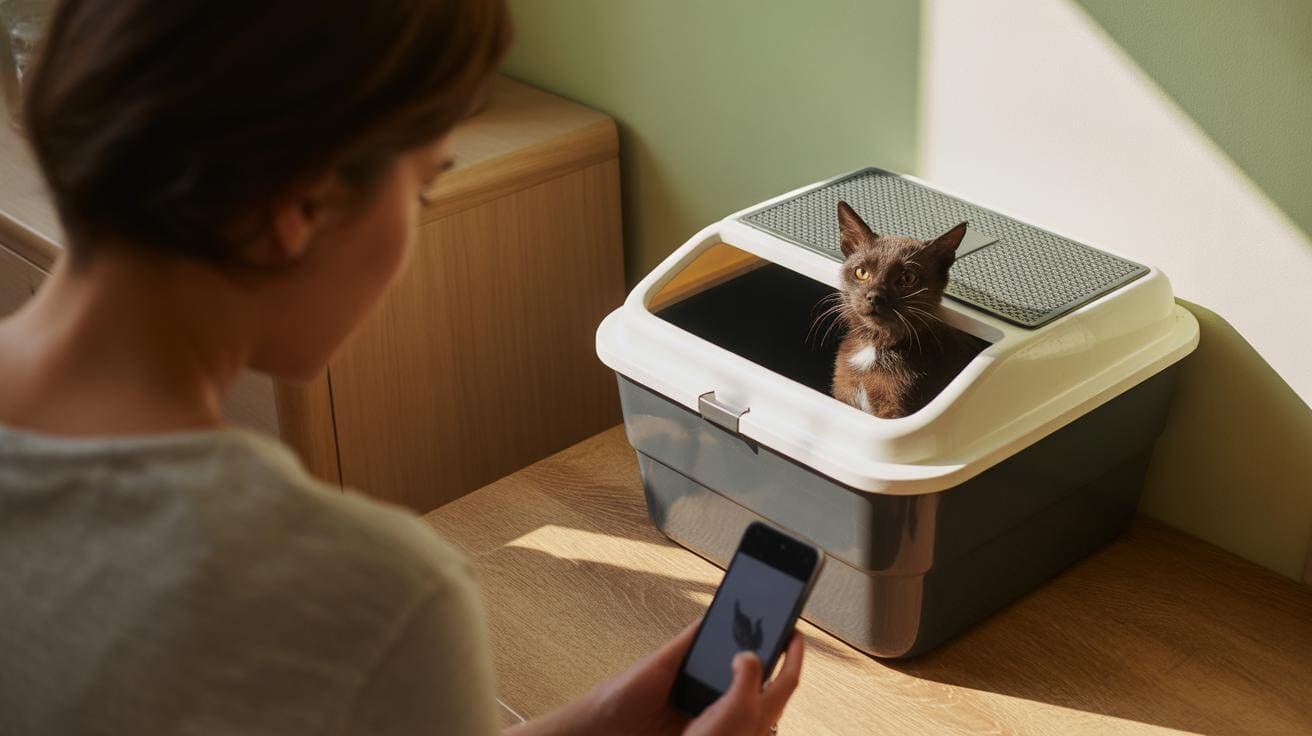
Top-entry boxes are litter boxes with the opening on the top (a top-opening litter box). They have taller walls that really help stop scattered litter. Many models use a textured top plate (a ridged surface that scrapes stray granules off paws, like a tiny doormat) and some are built into furniture-like shells so the whole setup looks tidy and out of the way. Think neat. Think less sweeping.
They’re perfect if you want litter hidden and out of reach from dogs or curious kids. Ever watched a puppy dive headfirst into a litter pan? Yeah, this helps. But they limit airflow, which can let moisture and odors hang around longer. And they can be tricky for kittens, seniors, or big-bodied cats to get into.
Pros: quick glance
- Excellent at stopping tracked litter. Your floors will thank you.
- Keeps the litter area hidden and looks tidy.
- Keeps dogs and kids from nosing around.
- Great for a single cat that prefers privacy.
Cons: quick glance
- Reduced airflow can trap moisture and smell over time.
- Harder entry for kittens, elderly cats, or arthritic kitties.
- Smaller opening makes scooping awkward.
- Filters and liners (disposable bags or cartridges) need regular upkeep, and the hidden design can lead to less-frequent cleaning.
Quick tip: place the box somewhere with some natural airflow and check it more often than you might with an open box. For busy days, a quick scooping session before you go out gives your cat a fresh spot and saves you from odors later. Worth every paw-print.
Sample copy line for product pages:
Textured top plate: "The ridged top scrapes off litter like a tiny doormat, leaving less grit on the floor."
Open litter box design: features, benefits, and common drawbacks
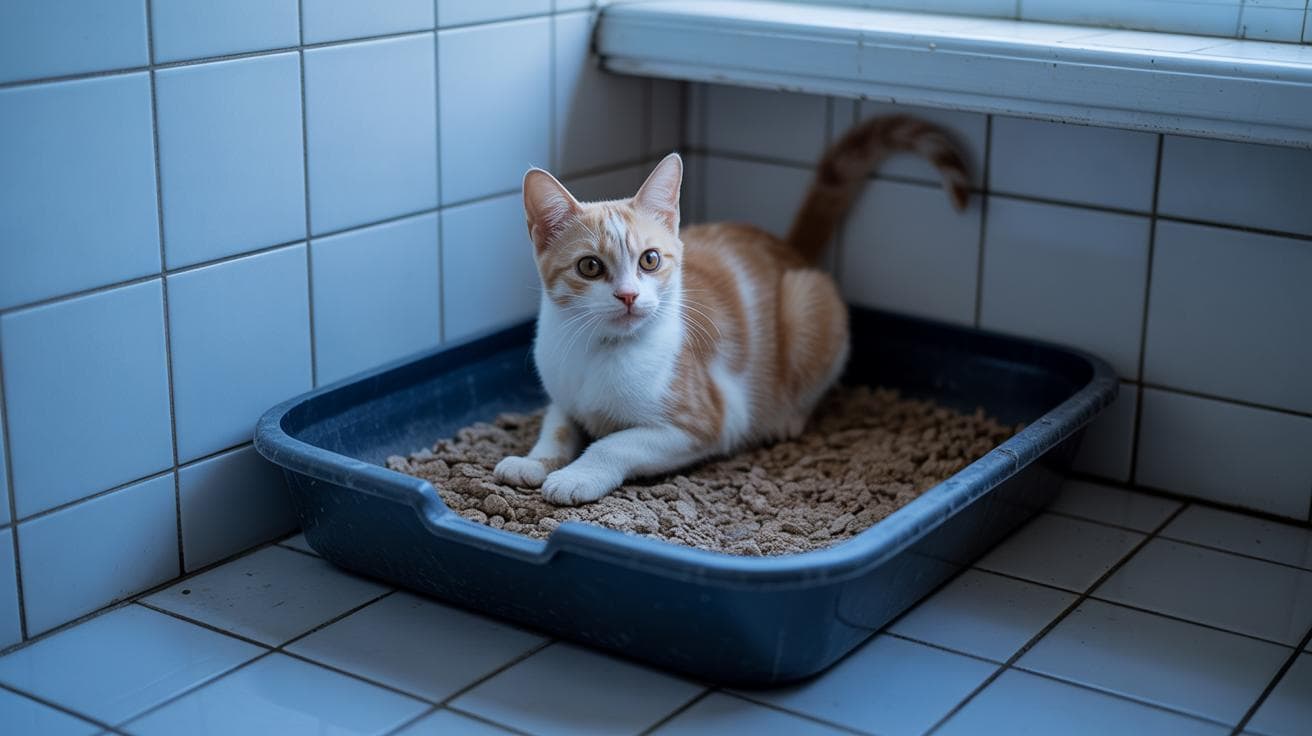
Open-pan litter boxes usually come in three shapes, and each one has a different vibe for your cat. Low-sided pans (shallow lip for easy entry) are great for kittens and older cats who want an easy step in. High-sided pans (taller walls to contain scatter) help keep litter off the floor when your cat digs with gusto. High-sided with low-entry cutouts (tall sides plus a lowered opening for easier access) give the best of both worlds , containment and a friendly doorway.
-
Quick selection tip: measure your cat’s shoulder height and compare it to the pan’s entry height (lip means the entry height). If the lip sits below their shoulder, stepping in will be easier. Example: If Luna's shoulder is about 5 inches, pick a pan with an entry under 5 inches. Easy peasy, and your cat will thank you with fewer balks at the box.
-
For multi-cat homes, keep at least one open pan per cat plus one spare to cut down on competition and make it easier to notice changes in use. Three cats? Try four open pans spaced around the house so no one has to wait in line. It really helps calm the household and makes scooping schedules simpler.
See the Odor control, ventilation, and hygiene section for cleaning schedules and tools.
Odor control, ventilation, and hygiene by box type
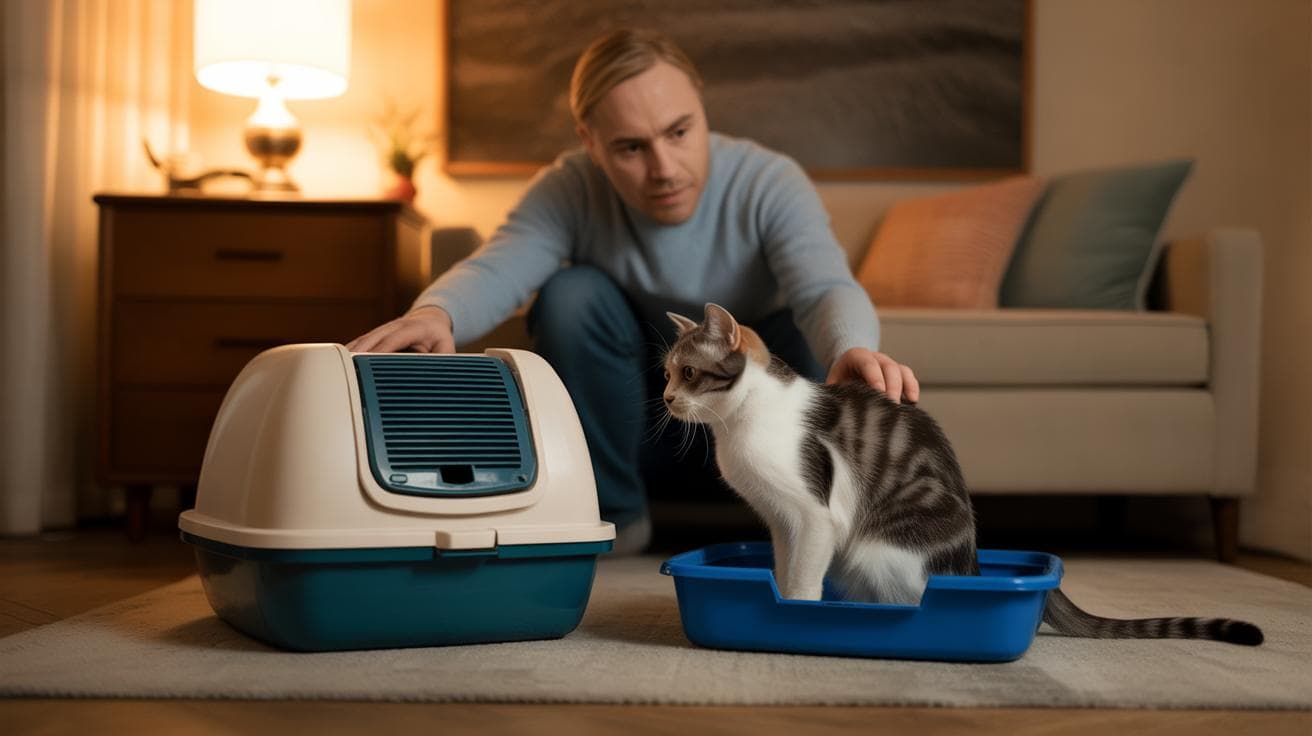
Top-entry boxes tend to trap smells inside their tall walls and small opening, so odors build up instead of drifting away. That tighter space also cuts airflow, so humidity hangs around and gives bacteria (tiny microbes that multiply in damp places) and mold a cozier spot to grow. Your nose pays the price later. Ever watched your cat give you a look like, “Really?” Yeah.
Open pans let odor molecules spread into the room instead of collecting in the box. That means the litter stays drier and less friendly to bacteria, but you’ll usually smell things sooner around the house. Tradeoffs, you know?
Scoop at least twice a day and use a clumping litter (forms firm clumps for easy removal) kept 2–3 inches deep so digging feels natural and waste gets contained. Wash the box weekly with hot water and a mild detergent (soap that cleans without harsh fumes), and fully replace the litter every 2–4 weeks. Useful tools: a long-handled scoop for posture-friendly scooping, a sifting insert for faster full changes, disposable liners for messy days, and a gentle scrub brush. Worth every paw-print.
Odor-neutralizing litters and silica crystals (tiny beads that soak up moisture and smells) can help, but how well they work depends on the box. Enclosed designs hide smells better when paired with good clumping litter or silica; open pans do best with lightning-fast scooping and an odor-control litter to keep room smells down.
Many top-entry models include carbon or charcoal filters (carbon: a porous material that soaks up odor molecules) or disposable liners, but they only do their job if you replace them on schedule. Ventilation fixes are simple. Pick a model with built-in vents, drill a few small holes in non-structural areas of the lid to boost airflow, or add a quiet circulation fan aimed so it moves air without spooking your cat.
Quick practical tips:
- Put the box where cross-ventilation reaches it, like near a window or hallway breeze.
- Keep a weekly scrub routine and change filters per the maker’s schedule.
- Use a mat to catch tracked litter so odors don’t cling to nearby carpet.
- For top-entry boxes, check seals and lids often so air can move freely.
In truth, a little daily scooping and a smart setup go a long way. Your cat gets a cleaner bathroom, and you get fewer surprise “oops” moments when you walk into the room.
Cleaning, maintenance, and owner ergonomics for top-entry and open pans

Scooping ergonomics
Pick a scoop that fits the pan. For open pans (low-sided boxes with a wide top) use a wide, shallow scoop so you can lift clumps fast and cut wrist strain. For top-entry pans (tall-sided boxes with a small top opening) choose a narrower scoop that slips through the hole and reaches down the tall walls.
Use an angled-handle or long-handled scoop to keep your back straighter – less bending, less groan. Like a tiny shovel, a wide shallow scoop lifts clumps in one smooth motion. Your wrist will thank you. Ever tried scooping with a tiny spoon? Not fun.
One-line cross-reference: for tools such as sifting inserts (mesh trays that separate clean litter) or disposable liners (single-use liners for easy cleanup), see the Odor control, ventilation, and hygiene section.
Washing and deep cleaning
If the model has a removable inner pan (a separate insert you can pull out), take it out first so pouring and rinsing are easier. I usually do this outdoors when I can – less mess, more fresh air.
Follow this quick routine:
- Empty litter into trash.
- Rinse with hot water.
- Scrub with a mild detergent (soap that cleans without harsh fumes).
- Dry fully in sun or air. Moisture left behind invites microbes (tiny germs) and odors.
Keep wipes for quick rim-touches between deep cleans. For exact change and scooping schedules, refer to the Odor control, ventilation, and hygiene section. Worth every paw-print.