Best Indoor Cat Breeds for Apartments

Think apartments make cats sad? Think again. Some breeds actually prefer indoor life and can be happier than free-roaming cats. Ever watched a kitty bat at a sunbeam on your couch? It’s pure joy.

Picking the best indoor cat is mostly about matching personality, health, and care to a smaller, lower-risk space. It’s like choosing a roommate who loves naps, couch cuddles, and quiet evenings. Look for breeds that fit how much time and grooming you can give.

Here’s a quick guide to apartment-friendly breeds and who they suit so you can find a purring pal that fits your life.

Ragdoll , Big on laps and soft purrs. These mellow cats love cuddles and are great for calm homes or first-time cat parents.

British Shorthair , Sturdy and even-tempered. They handle alone time well, so they’re perfect for busy people who still want a relaxed companion.

Russian Blue , Quiet, a bit shy, and playful in short bursts. They do best with routine and a peaceful apartment.

Siamese , Talkative and social, they crave attention and will keep you entertained. Great if you want a chatty buddy and lots of play.

Burmese , Affectionate and silly, they follow you like a shadow. Ideal for folks who want an active lap cat that’s always ready for company.

Sphynx , Warm, outgoing, and full of personality. They need regular skin care (baths and sun protection) and cozy clothes in winter, but they make loving, attention-seeking pets.

Persian , Slow-moving and sweet with a plush coat. They’re perfect for quiet apartments but need daily grooming (regular brushing to prevent mats).

Exotic Shorthair , All the Persian vibes with shorter fur, so less brushing but the same mellow charm.

Match a breed to your daily rhythm, space, and grooming willingness. Toss a toy, add a window perch, and watch whiskers twitch as your new friend explores, worth every paw-print.

Quick answer: top indoor cat picks and who they suit
- Quick answer top indoor cat picks and who they suit.jpg

Best indoor means breeds whose temperament, health, and care needs match life inside the house and lower-risk environments. That usually means calm, social, or adaptable cats who do well with less space and more human time. Think of it like picking a roommate who loves naps and couch cuddles.

Breed Personality Ideal owner Lifespan
Ragdoll Gentle and people-focused; loves to flop into your lap. Calm homes that want a big cuddle buddy. 12-17 years
British Shorthair Even-tempered and low-key; easygoing presence. Busy parents or first-time owners who want a steady cat. 12-18 years
Russian Blue Quiet and shy, with sudden playful bursts. Single adults or calm households that give gentle space. 10-15 years
Siamese Vocal and social; needs lots of interaction. Talkative owners who play often and enjoy a chatty cat. 12-20 years
Burmese Clingy and affectionate; classic lap-cat. Someone home often who loves snuggles. 12-16 years
Sphynx Playful, people-pleasing, hairless (skin needs weekly bathing because it gets oily; not allergy-free). Owners ready for weekly baths and extra warmth care. 8-14 years
Persian Mellow and slow-moving; needs daily face care and grooming. Patient owners who can handle regular grooming. 10-15 years
Exotic Shorthair Persian-like calm with a shorter coat for easier brushing. People who want a relaxed cat but less grooming time. 10-15 years
American Shorthair Hardy and adaptable; kid- and pet-friendly. Households with children and other animals. 15-20 years
Bengal Super active and curious; loves climbing and puzzles. Active owners who provide lots of play and vertical space. 12-16 years

A few quick notes. Siamese cats sometimes get mentioned in allergy talks, if you want deeper allergy detail, check this: are siamese cats hypoallergenic (hypoallergenic means less likely to cause allergies). Also, Sphynx cats are hairless but not necessarily allergy-free, so keep that in mind.

Indoor-only cats often live about 2-5 years longer than outdoor cats. That extra time usually comes with fewer fights, less disease, and fewer close calls with cars. Worth it, right?

Ever watched your kitty’s whiskers twitch when a toy rolls by? Small choices, more play, easier grooming, a sunny window perch, make indoor life richer and safer.

How to choose the right indoor cat for your lifestyle
- How to choose the right indoor cat for your lifestyle.jpg

Before you bring a cat home, size up three things: space (floor area, vertical climbing spots, and sunny windows), time (how many minutes of daily play you can actually give), and allergy risk (anyone sensitive to cat dander, the tiny skin flakes that cause sneezes, or to saliva). Also think about who lives with you, kids, other pets, or seniors will change which breeds fit best. Ever watched your kitty chase a sunbeam? That matters.

Use the comparison table as your filter tool. Check Energy to match play needs (low / moderate / high), Grooming minutes per week to match how much brushing or bathing you’ll do, Lifespan for long-term planning, and Apartment Friendly if space is tight. Look for the Hypoallergenic flag if allergies matter (hypoallergenic means less likely to trigger symptoms). Pick two simple numbers, say an Energy ceiling and a Grooming max, then scan the table for breeds that meet both. See comparison table.

Adults usually settle faster and show their steady energy level sooner. Kittens are adorable, irresistible even, but they can take weeks to reveal their true temperament. Worth every paw-print.

Before you choose, ask yourself these three quick questions:

  1. How much daily play time can I honestly provide?
  2. Do I want low-maintenance grooming or am I ready for regular brushing and baths?
  3. Are there allergy concerns that need testing or a trial adoption?

If you answered honestly, you’re already halfway there. Your cat’s whiskers will thank you.

Hypoallergenic cats and Fel d 1: what owners need to know
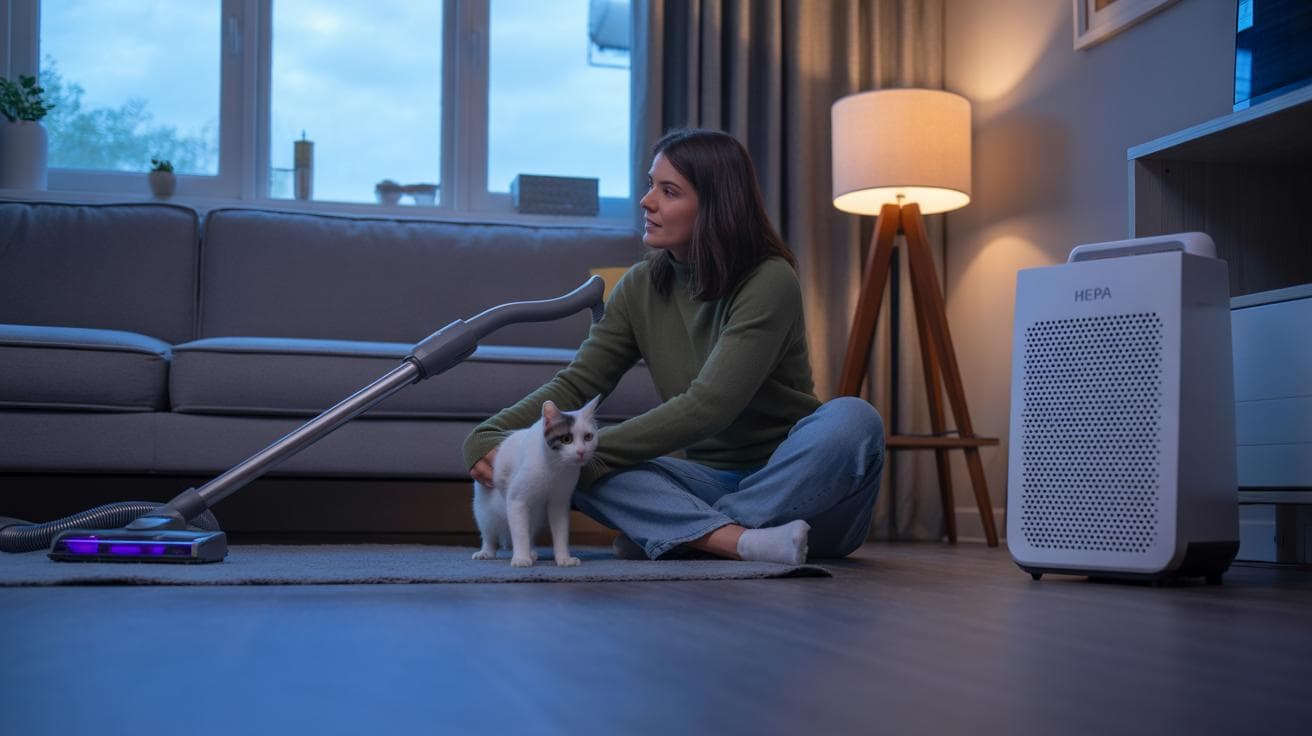
- Hypoallergenic cats and Fel d 1 what owners need to know.jpg

Fel d 1 is the main cat allergen, a tiny protein (a small allergen made in cat saliva and skin oils) that lands on fur, furniture, and floats in the air. So when a cat is called "hypoallergenic," that does not mean no allergies. Hairless Sphynx still have skin oils and dander that carry Fel d 1, and some Siberian lines have been reported to produce less Fel d 1, but there’s no guarantee. Curious about breeds? For a quick recap of breed basics, [See Quick Guide], and for a breed-by-breed look check the Hypoallergenic column in [See comparison table].

Want practical, real-life steps that actually help? Good. A few changes can shrink reactions and make living with a cat way more comfortable.

  1. Use a HEPA air filter (High Efficiency Particulate Air, which traps tiny particles) and vacuum 2 to 3 times a week. Wash bedding and soft surfaces weekly to cut down on settled Fel d 1. Your eyes and nose will thank you.
  2. Bathe or wipe hairless cats weekly. For short- and long-coated cats, brush regularly and wipe fur with a damp cloth to keep dander from flying. Think of brushing like dusting a shelf, only fluffier.
  3. Do allergy testing or try a short trial adoption before you commit, and talk with an allergist about medicines or immunotherapy (allergy shots or treatments that help your immune system get used to allergens) if needed.

Quick tip: if you’re short on time, set up one "cat-free" room with a HEPA filter and soft bedding you can wash easily, that gives you a safe retreat. Ever watched your kitty chase a sunbeam? Little fixes like this make those moments even better.

Worth every paw-print.

Best indoor cat breeds comparison table
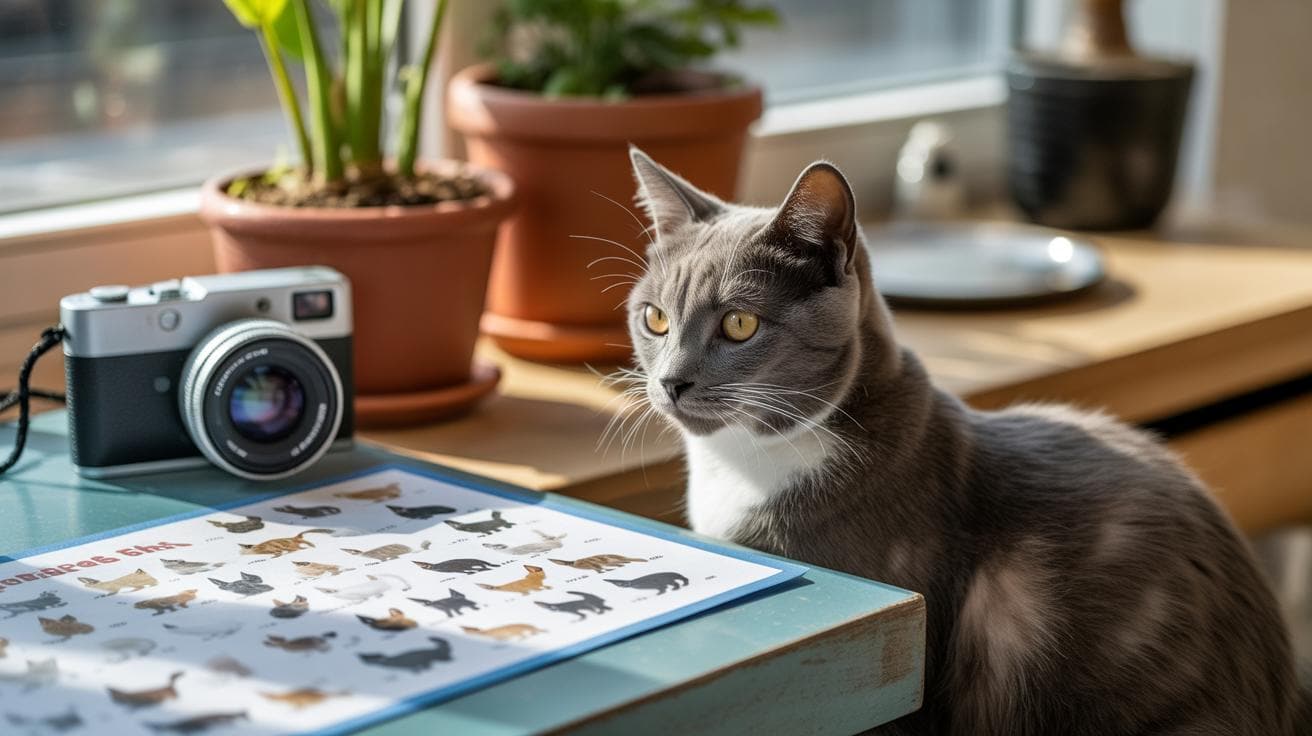
- Best indoor cat breeds comparison table.jpg

Here’s a compact, data-first table of 12 popular indoor cat breeds so you can scan size, energy, grooming time, lifespan, apartment fit, common health notes, and hypoallergenic flags fast. Think of Energy and Grooming as your quickest filters when you want an apartment-friendly match, easy peasy, right? Ever watched your kitty chase a beam of light? Use that zoom-factor to judge the Energy score.

Breed Size Energy (1–5) Grooming (min/wk) Lifespan (yrs) Apartment Friendly Common Health Notes Hypoallergenic?
Ragdoll Large 2 70 12–17 Yes HCM (hypertrophic cardiomyopathy – heart muscle thickening), loose joints No
British Shorthair Medium 2 30 12–18 Yes Prone to obesity, HCM (heart muscle thickening) No
Russian Blue Medium 3 20 10–15 Yes Urinary tract sensitivity (bladder issues), stress-related problems Partial (see hypoallergenic notes)
Siamese Medium 5 20 12–20 Yes Dental disease, some respiratory sensitivity No
Burmese Medium 4 30 12–16 Yes Higher obesity risk, needs dental care No
Sphynx Medium 4 40 8–14 Yes Skin irritation or infections, temperature sensitivity Partial (see hypoallergenic notes)
Persian Medium 1 140 10–15 No PKD (polycystic kidney disease), breathing and eye issues No
Exotic Shorthair Medium 2 80 10–15 Yes Brachycephalic concerns (flat face) with breathing and tear duct issues, dental care No
American Shorthair Medium 3 30 15–20 Yes Prone to obesity, dental disease No
Maine Coon Large 4 80 9–13 Yes HCM (heart muscle thickening), hip concerns No
Scottish Fold Medium 2 40 11–14 Yes Osteochondrodysplasia (cartilage and bone disorder), ear issues No
Bengal Medium 5 40 12–16 Maybe Very high activity (higher injury risk), HCM risk Partial (see hypoallergenic notes)

Read Energy as a simple 1–5 activity score (1 = mostly chill; 5 = zoomies and playtime all day). Grooming shows minutes per week for basic brushing and face care. Pick two columns to prioritize, most apartment owners start with Energy and Apartment Friendly, then scan breeds that match your lifestyle. Want a calm cuddle buddy? Look at low Energy and “Yes” for apartment fit. Need a playful roommate? Aim for Energy 4–5 and plan for daily play sessions.

A quick note about hypoallergenic: “Partial” means some people with allergies do better, but no cat is truly allergy-free. See the hypoallergenic section for tips on reducing allergens and which breeds might suit sensitive noses. Worth every paw-print.
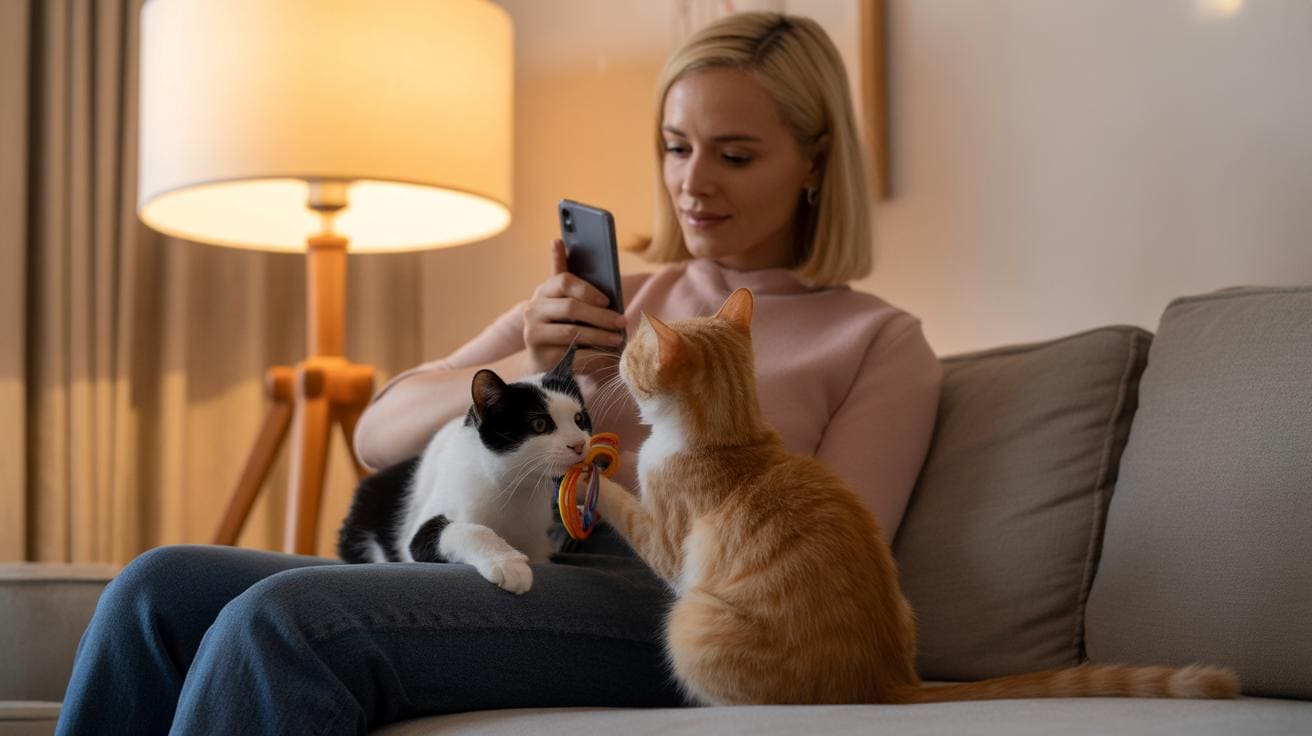
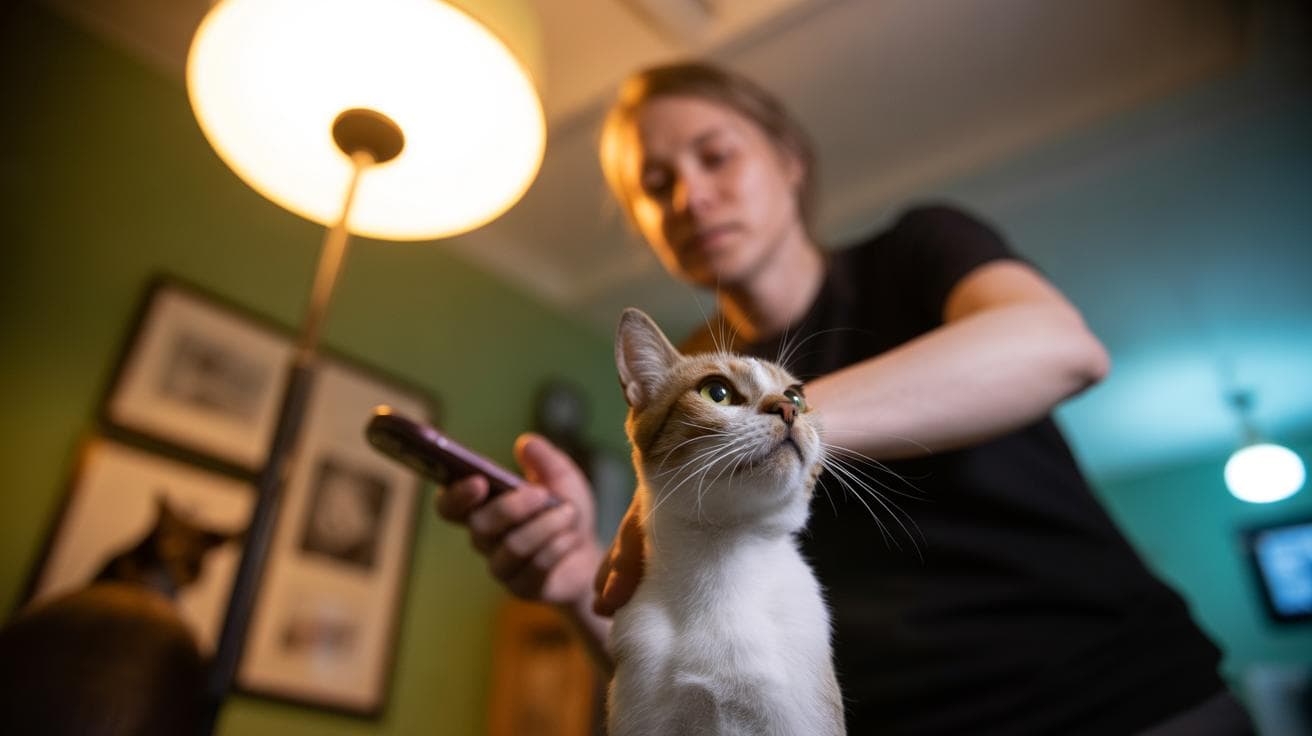
Personality and activity: matching temperament with daily routines

- Personality and activity matching temperament with daily routines.jpg

Pick a cat whose everyday energy fits your schedule, whether calm, social, or a full-on explorer, and your home will feel more peaceful and playful. Think about how loud your life is, how much time you have for games, and whether you want a lap cat or a little shadow following you around.

Laid-back and low-activity breeds

These kitties love long naps, gentle pets, and short bursts of fun. Picture the soft flop, the slow purr, and cozy quiet corners, they like low-effort toys and predictable routines. Try brief 5–10 minute treat puzzles (puzzle feeder (a toy that dispenses treats when solved)) or a single interactive wand session so they stay interested without getting overstimulated. Low shelves, a sunny window perch, and a plush hiding bed give them places to watch the world without zooming around. Daily grooming can be a calm, quick brush-and-chat, more like quality time than a spa day. They’re perfect if you want mellow company and steady lap sessions.

Social and high-interaction breeds

These cats want talk, play, and brain work, vocal Siamese types love to chat, Burmese and Ragdoll often follow you room to room, and Bengal-style breeds crave puzzles, vertical climbing, and hunt-style play. Plan longer, focused play sessions with wand toys, chase-and-retrieve games, and multi-step puzzle feeders (puzzle feeder (a toy that dispenses treats when solved)) that take a few minutes to solve. Add tall climbing routes and a rotating mix of toys to keep boredom at bay. Ever watched your kitty pounce like a tiny tiger? That’s the joy of matching energy with the right routine. For exact energy and grooming cues for each breed, see the comparison table.

Grooming, health monitoring routines, and lifespan checkpoints

- Grooming, health monitoring routines, and lifespan checkpoints.jpg

Start with a simple weekly rhythm. Do a full brush once a week, give quick spot-brushes midweek if the fur looks fluffy, trim nails every 2 to 4 weeks, and check ears once a month for dirt or wax. Little habits like this make big differences over time, and your cat will thank you in purrs.

Brushing frequency by coat type is easy to remember. Short coats: once a week. Medium coats: two to three times a week. Long coats: daily or every other day to stop mats from forming. For a quick at-a-glance guide with estimated grooming minutes and common care steps, see the comparison table below.

Coat Type Brushing Frequency Typical Session Time Nail Trims Other Routine Care
Short Once a week 5–10 minutes Every 2–4 weeks Damp microfiber wipe between brushes (controls dander – tiny skin flakes)
Medium 2–3 times per week 10–20 minutes Every 2–4 weeks Check for small mats behind ears and under legs
Long Daily or every other day 15–30 minutes Every 2–4 weeks Brush thoroughly to prevent tangles and mats
Hairless Weekly baths 10–20 minutes Every 2–4 weeks Weekly mild bath to remove oily buildup; warm bedding

Flat-faced breeds need extra love. Clean faces and eyes daily because tears and skin folds trap gunk and can cause irritation. When I say flat-faced, I mean brachycephalic (short-nosed skull shape). A soft cloth and a gentle, damp wipe usually do the trick. Ever watched a face-cleaning session turn into a tiny snuggle? Cute.

Hairless cats need weekly baths to remove oily skin buildup, and a vet-approved moisturizer if your vet recommends it. They get chilly fast, so plan warm bedding. For short-coated cats, a quick damp microfiber wipe-down between brushes keeps dander under control (dander means tiny skin flakes that trigger sneezes).

Get a screening plan in place early, especially for breeds with known risks. Cardiac checks for at-risk breeds should start around age 1 to 2, especially for HCM (hypertrophic cardiomyopathy, which is heart muscle thickening), and then repeat on your vet’s schedule. Dental exams are usually recommended by age 3 to 5 to spot tartar and prevent tooth loss. Think about genetic testing at or before adoption or breeding for conditions like PKD (polycystic kidney disease) or lines prone to HCM. It’s a little extra step that can save a lot of worry later.

Follow standard vaccine and wellness timing: kitten visits at about 8, 12, and 16 weeks. Adults usually get a wellness check once a year until about age 8, then move to twice-yearly senior checks. Weigh your cat at home once a month and call the vet if body weight shifts by about 5 to 10 percent, because that small change can signal a bigger problem. Keep a simple chart or note on your phone, super helpful when you need to explain trends to the vet.

A few quick safety notes: use cat-safe shampoos, trim nails carefully (or ask a pro), and never ignore chronic sneezing, sudden weight loss, or trouble breathing. Small habits, regular checks, and a little attention go a long way. Worth every paw-print.

Best Indoor Cat Breeds for Apartments

- Apartment-friendly considerations and readiness checklist.jpg

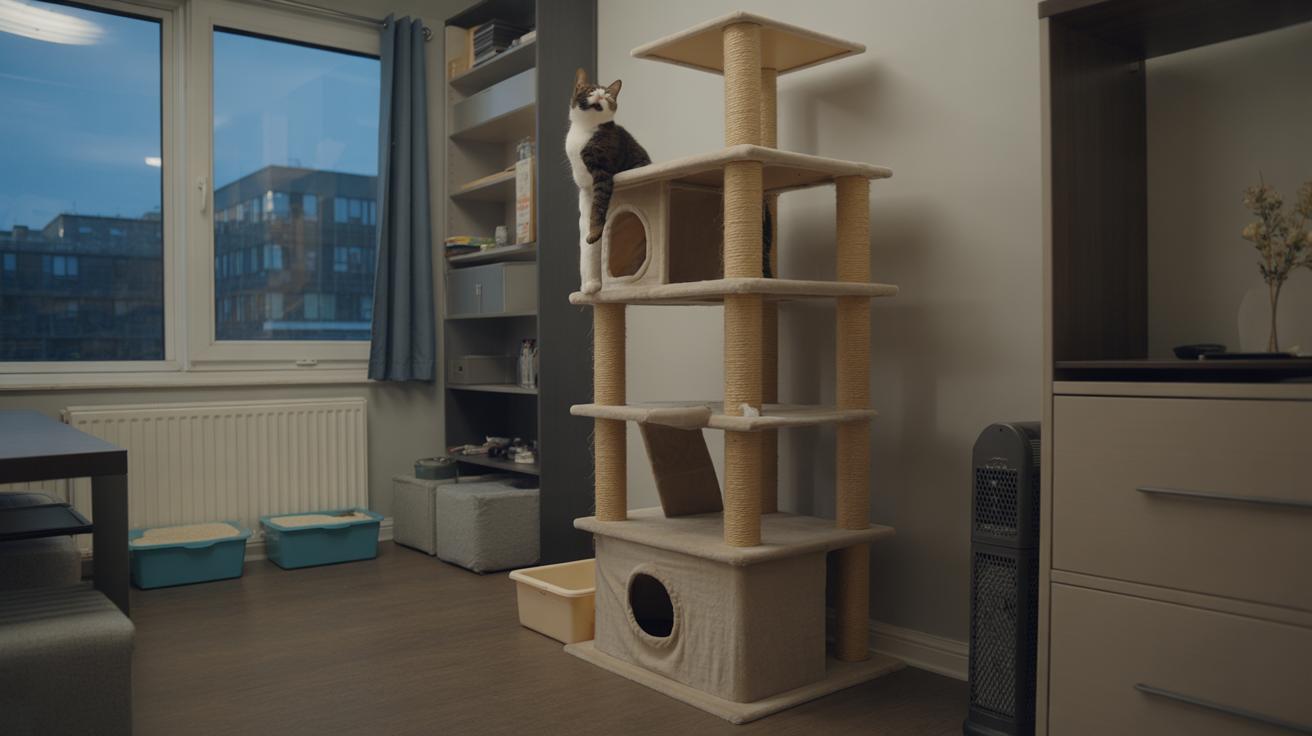
Think small and tall. Aim for about 100 to 200 sq ft of usable space per cat, and don’t forget vertical zones (high shelves, wall perches, or a cat tree). Add a 6 to 8 ft climbing route (a sturdy cat tree or wall shelf setup) so your cat can leap, climb, and claim real vertical territory. Before you pick a breed, skim the comparison table’s Apartment Friendly column and the Energy and Grooming fields, matching a cat’s needs to your home and schedule saves a lot of fuss.

Keep litter and feeding simple. Follow the n+1 litter box rule (one box per cat, plus one extra), and spread boxes across rooms or levels if you can. Scatter small feeding stations to cut down on food guarding. Break play into short bursts (5 to 10 minutes) a few times a day, plus one longer session, cats love variety. Older kitties need gentler play and slower puzzle feeders (toys that make them work a little for kibble); read about the importance of play for senior cats for tweaks that keep them active without wearing them out.

Quick checklist for apartment life:

  1. Space: at least one sunny perch and clear floor paths for short chases.
  2. Vertical enrichment: a 6 to 8 ft climbing route plus scratching posts (tall posts or boards where they can really stretch).
  3. Neighbor/noise: use sound-dampening mats and quiet toys to calm a vocal cat.

Check your lease for pet rules, choose quieter enrichment if your cat chatters a lot, and rotate toys so your kitty stays curious and neighbors stay happy. Worth every paw-print.

Adopting, settling in, and early-care plan for new indoor cats

- Adopting, settling in, and early-care plan for new indoor cats.jpg

First 24 hours: pick one quiet room and set it up like a tiny cat retreat. Put out a litter box, food, fresh water, and a hiding spot with a worn T-shirt or small blanket that smells like you. Keep the lights soft and let your cat sniff and explore on their own schedule. Ever watched a whisker twitch as they find a sun patch? Yeah, give them that time.

First week: start a simple routine. Feed at consistent times and do short play sessions, 5 to 10 minutes, a few times a day, so they burn off energy and learn your rhythm. Introduce other pets slowly: swap bedding for a day or two, then try supervised sniff-meets. Aim for calm, gradual steps over 3 to 10 days. Kittens (2–14 weeks) benefit from gentle handling and quiet, varied sounds to build confidence. Adult cats usually take 2 to 8 weeks to show their full personality, so be patient and predictable.

First month: schedule a vet visit within 7 to 14 days for a wellness check, vaccine plan, and to start parasite prevention (flea/tick meds and deworming). Get that microchip registered right away, microchip (a tiny ID implant placed under the skin) makes life so much easier if they slip out. Keep a simple folder or phone note with vaccine dates, meds, and any behavior notes. Handy when you need to remember that weird hiss at 3 a.m.

Quick safety tips: hide cords and toxic plants, secure window screens, and use breakaway collars if you use one. For busy days, toss an unbreakable ball before you head out, that’s ten minutes of safe play. Worth every paw-print.

Supplies checklist:

  • Litter boxes: n+1 (one per cat, plus one extra). Use a litter (clumping clay or plant-based) your cat prefers.
  • Vertical scratching posts: 1 per cat (tall posts for stretching claws and marking territory).
  • Interactive wand toy: 1–2 (think fishing-rod-for-cats; perfect for pouncing).
  • Puzzle feeder: 1 (a food toy that slows eating and sparks hunting play).
  • Quality brush: 1 (slicker brush or comb for removing loose fur).
  • Hiding beds: 1 per cat (cozy dens that feel safe and warm).

Grooming and health notes: short-haired cats usually need weekly brushing; long-haired breeds may need daily care. Nail trims, ear checks, and dental routines are easier when you start slow and stay calm. I once watched Luna leap six feet for a toy after a week of daily short play, patience pays off.

Breed-specific follow-ups: some breeds need extra checks like early cardiac screening (echocardiogram) or special grooming. See the comparison table below for examples and next steps.

Breed Common follow-up When to schedule
Maine Coon Cardiac screening (HCM risk) Discuss with vet within first month
Sphynx Skin care and frequent bathing Start routine after first vet check
Persian / Long-haired Daily grooming to prevent mats Begin immediately
Ragdoll Optional cardiac screening Within first few months

Final thought: be kind to yourself and your new cat. Some days are two steps forward, one step back. Celebrate the tiny wins, first purr, first brave stretch, the satisfying thud of a toy caught mid-air. You’ve got this.

Final Words

In the action, we defined "best indoor" as breeds whose temperament, health profile, and care needs match indoor-only living and lower-risk environments.

We ran through a Quick Guide and a tidy 10-breed list, then a full comparison table, a Hypoallergenic and Fel d 1 explainer, a decision framework, grooming and health checkpoints, apartment readiness tips, and a paced adoption plan to get everyone settled.

Use the Quick Guide and comparison table to pick the best indoor cat breeds for your busy home, and enjoy more playful purrs, calmer afternoons, and fewer shredded curtains.

FAQ

What defines the “best indoor” cat breeds?

The best indoor cat breeds are those whose temperament, health profile, and care needs fit indoor-only life, offering safe behavior, manageable grooming, and good adaptability to home routines.

Which cat breeds are top picks for indoor living and who do they suit?

Top indoor picks include Ragdoll, Russian Blue, Sphynx, Siamese, Bengal, Burmese, British Shorthair, Persian, Maine Coon, and Scottish Fold, each matching owners by energy, grooming need, and lap-or-play preference.

Are there hypoallergenic indoor cats, and what is Fel d 1?

Hypoallergenic indoor cats are rare. Fel d 1 (the main cat allergen) comes from saliva, skin oils, and dander. Sphynx may shed less but still makes Fel d 1; trial adoption and allergy testing help.

How should I choose the right indoor cat for my lifestyle?

Choose by screening space, daily play time, and allergy risk; use the comparison table to filter Energy, Grooming, Lifespan, and Apartment Friendly fields, and pick adult cats for quicker predictability.

What grooming and health monitoring routines should indoor cat owners follow?

Grooming and monitoring depend on coat type: short coats weekly brush, long coats several times weekly, nail trims every 2–4 weeks, hairless weekly baths, cardiac checks at 1–2 years for at-risk breeds, vaccines per schedule.

What apartment-friendly measures help indoor cats thrive?

Apartment-friendly choices include a 6–8 ft vertical climbing option, n+1 litter box rule (one per cat plus one), quieting plans for vocal breeds, and daily play adjusted for older cats and neighbors.

What is the indoor-only lifespan benefit for cats?

The indoor-only lifespan benefit for cats averages about 2–5 years longer than outdoor cats, thanks to fewer injuries, lower disease exposure, and easier ongoing health checks.

What are the key steps for adopting and settling an indoor cat?

Adopt and settle by starting with a quiet room first 24 hours, set routines and slow pet introductions in the first week, schedule a vet visit within 7–14 days, and stock n+1 litter boxes, vertical posts, wand toy, puzzle feeder, brush, and hiding beds.

Related Articles

Author

  • Isabella Tiu

    Isabella Tiu is a transcriptionist from Calhoun, Florida, known for her sharp attention to detail and her commitment to providing accurate and efficient transcription services. With a passion for language and communication, she thrives on transforming spoken words into clear, readable content for her clients.

    When she's not working, Isabella enjoys hiking and camping, finding peace and inspiration in the beauty of the outdoors. She often says, “The best lessons are often learned in nature,” a philosophy she embraces both in her work and personal life.

    Isabella’s love for both her craft and the natural world reflects her belief in continuous learning and exploration.

    View all posts

Similar Posts