Ever notice your nose go haywire right after you’ve scratched Mr. Whiskers under the chin? It’s like your sinuses threw a confetti party you never signed up for. Oops! Really.
Sneezes, itchy eyes, a scratchy throat – they can hang around long after you’ve waved goodbye to your purring pal. Hours. Even days. Allergens love an encore.
In the next bit, we’ll show you exactly how long those post-cuddle sniffles can stick around. Then you’ll get our cat-approved tricks to zap them fast and breathe easy again.
Ready to send those extra sniffly days packing?
Timeline for Cat Allergy Symptoms After Exposure
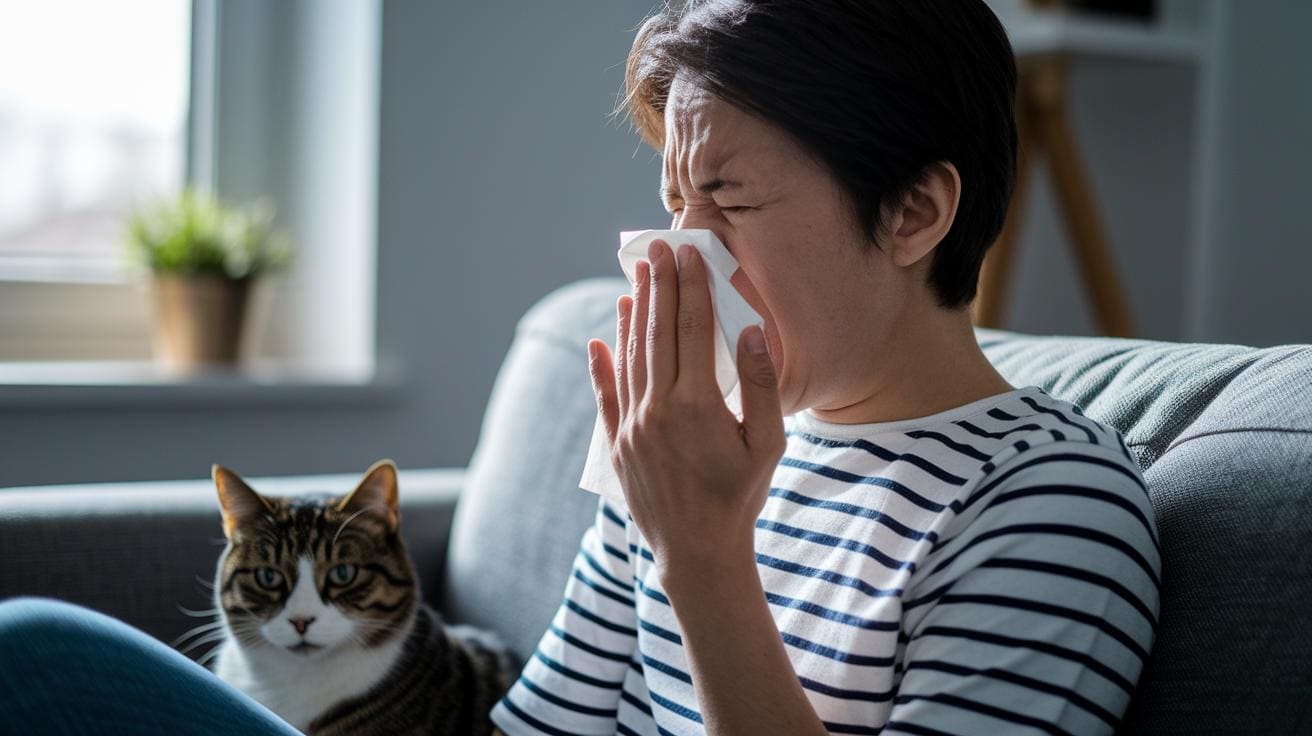
Ever notice that sneezing fit right after you’ve been petting Whiskers? Cat allergy symptoms can pounce fast. In just minutes, or up to a few hours after you scratch or cuddle your kitty, you might feel your nose tickle, eyes itch, or skin start to itch.
That first wave usually peaks around 6 to 12 hours in. Suddenly you’re sneezing every few seconds, your eyes water, and your nose feels like a leaky faucet. It’s like your sinuses throw a surprise party you didn’t RSVP to.
All this hullabaloo comes down to Fel d 1 protein (a tiny allergen in cat dander (little skin flakes) and saliva). Your immune system treats it like an intruder, so it unleashes all the sneezes and sniffles. Everyone’s threshold is different, some folks barely blink, while others become full-on sneeze machines.
Had a marathon lap on the couch or a deep-dive cuddle session? Um, you might be in for an extended run. Mild reactions often calm down within a few hours once you escape to cleaner air. But if your carpet, couch cushions, or bedding are still dusted in dander, you could be dealing with sniffles, light wheezing, or a scratchy throat for 2 to 3 days. Stock up on tissues, maybe grab an antihistamine, and brace yourself.
Eventually, as most of that Fel d 1 protein drifts away or gets washed out, your body settles back to normal. Ahh, sweet relief!
Phases of Cat Allergy Reactions and Symptom Persistence
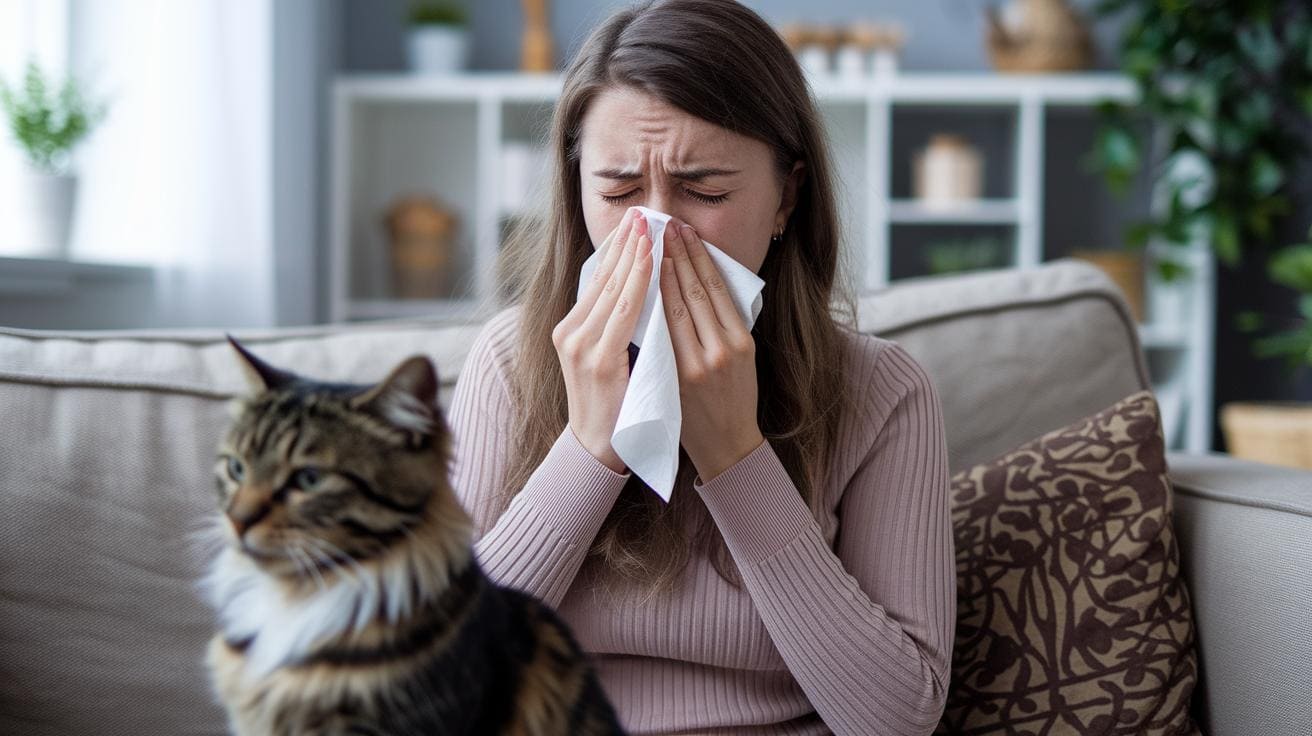
Ever noticed your nose go haywire after your cat gives you a sniff? You can get sniffles and sneezes within minutes to a few hours (allergen particles tickling your nose). Then, about 6-12 hours later – bam – another round of watery eyes or a runny nose. And sometimes, um, a little flare pops up a few days after you’ve been around kitty fur.
If you’re super sensitive (reacting really easily), those mild sniffles or itchy eyes might stick around for up to two weeks – kind of like your body’s new baseline. It’s annoying, but knowing what to expect helps you plan cuddle sessions better.
Factors Influencing Cat Allergy Symptom Duration
Ever wondered why your nose turns into a faucet when you cuddle a cat? It comes down to three things: how much Fel d 1 protein (the main cat allergen) you inhale, your own IgE antibodies (allergy-fighting proteins), and how long dander (tiny skin flakes) lingers. It’s all about exposure and sensitivity, you know?
Here’s the scoop:
- Amount of Fel d 1 exposure: More allergen in the air fuels sneezes and sniffles that last longer.
- Individual sensitivity: People with extra IgE antibodies often deal with tougher, drawn-out reactions.
- Frequency of contact: Visiting cat homes or daily cuddle sessions trains your immune system to react more.
- Environmental persistence: Dander is like tiny cat confetti that clings to carpets, furniture, and clothes for months.
- Early treatment and controls: Jump on meds fast or cut down on dander at home to shave days off your misery.
Ever watched your kitty rub a wool sweater and send dander flying? Yep.
Some folks bounce back in hours. Others face days of congestion and itchy eyes. The trick? Tweak your exposure and treat early , it usually speeds up relief. Not purr-fection, but it helps.
Medical Treatments for Cat Allergy Relief and Symptom Control
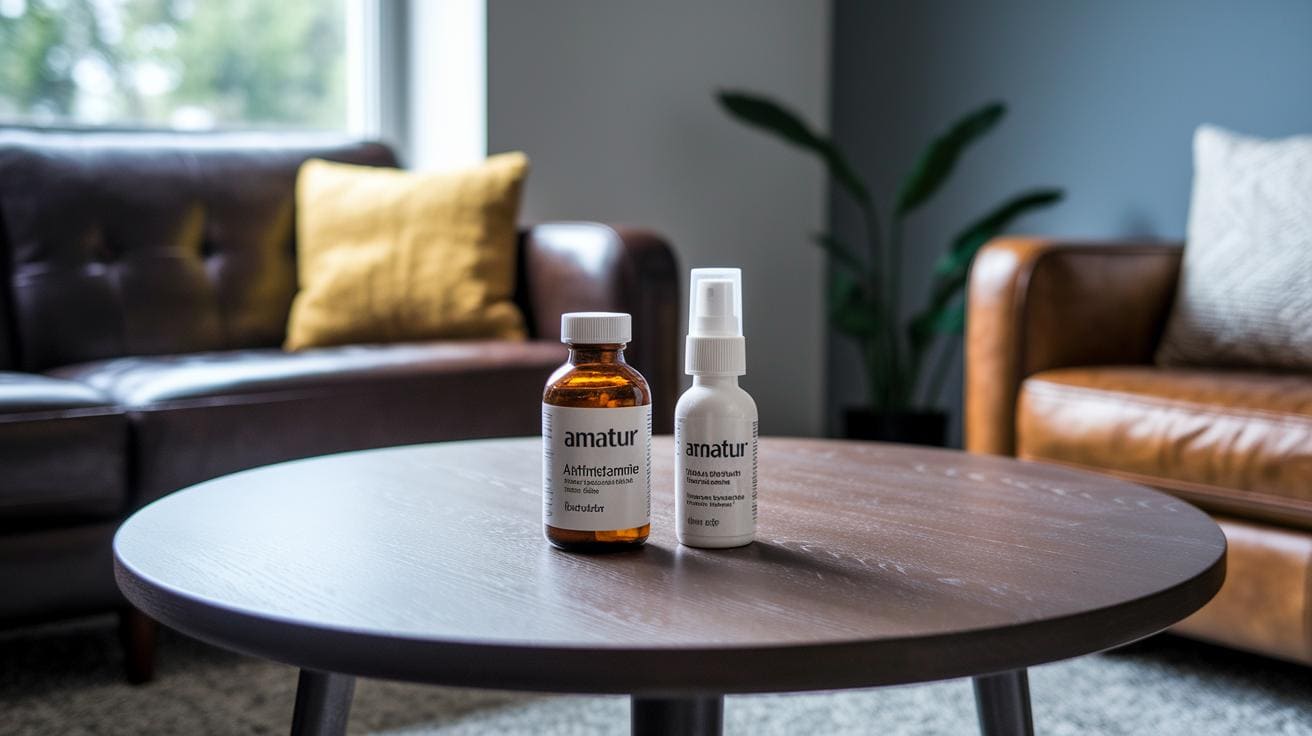
If your nose feels like a dripping faucet whenever Mr. Whiskers is near, oral antihistamines are often the first go-to. You just swallow a pill like Benadryl, Zyrtec, Allegra, or Claritin with a sip of water. They block histamine (the chemical that makes you sneeze and itch) and usually start working in about 30 to 60 minutes. You might feel a little drowsy at first, kind of like a cat after a long catnap.
For longer-lasting relief, corticosteroid nasal sprays like Flonase, Nasonex, or Rhinocort can calm that stubborn swelling. These are medicines that reduce inflammation (swelling in your nose passages), and you squirt a gentle mist each day. It takes a few days to see the full effect. Then breathing feels smooth again, ah, sweet relief.
When you need next-level comfort, your doctor might suggest leukotriene modifiers (drugs that block allergy chemicals) or mast cell stabilizers (medicines that keep cells from releasing histamine). Decongestants can clear a clogged nose, but use them sparingly or you risk rebound congestion. For especially stubborn sniffles, saline nasal rinses (saltwater washes) and prescription sprays can tag-team your symptoms. Follow your doctor’s advice, and soon you’ll be feeling less sneezy and more purry.
Home and Environmental Controls to Reduce Cat Allergy Symptoms
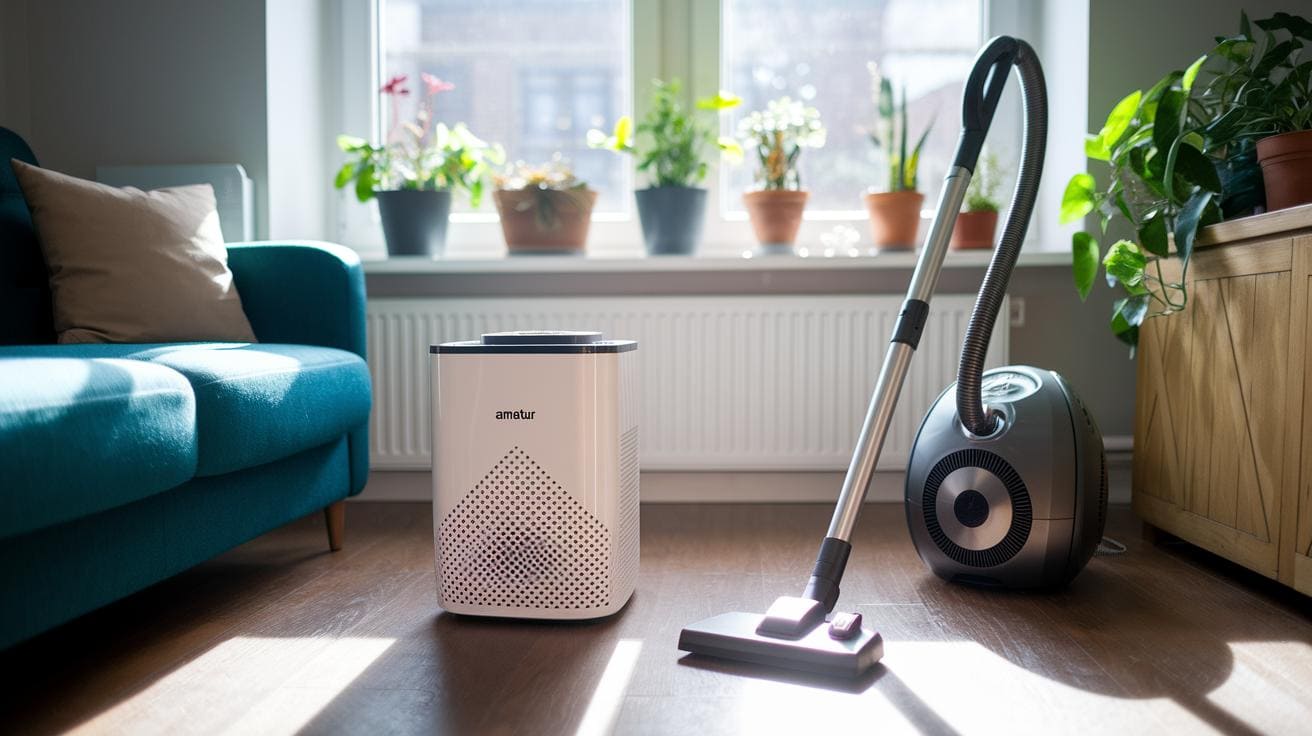
Ever step into a room with Fluffy and feel your nose twitch like it’s about to stage a sneeze protest? Let’s pounce on those allergy triggers. First, bring in an air purifier with a solid HEPA filter (that’s a high-efficiency mesh trapping teeny dander particles). You’ll love the quiet whir as it sucks up stray fur. Next, vacuum carpets, rugs, and upholstery twice a week. The satisfying rumble of clean floors really helps cut airborne allergens.
And don’t forget: carve out a strict no-cat zone in your bedroom. It’s your personal escape for cleaner air and calm dreams.
Now, um, let’s talk laundry. Wash your cat’s bedding and your sheets in hot water every single week, hot enough to melt away clingy dander. Toss washable throw pillows and plush toys in the spin cycle, seal pet hair in a closed hamper, and voilà, fresher linens to dive into.
Have you tried grooming outdoors? Brush your kitty outside or use allergen-reducing wipes (think pet-friendly baby wipes that trap loose fur). Swap out heavy drapes for lightweight curtains you can launder, and give carpets a deep clean or replacement. Wipe down flat surfaces with a damp cloth to keep dust at bay. Really.
One last trick: run a humidifier to soothe dry nasal passages and help dander settle instead of float. With these moves, you’ll spend less time sneezing and more time enjoying those cozy purrs. Worth every paw-print.
Immunotherapy and Allergy Shots for Long-Term Cat Allergy Management

Ever wish you could curl up with your cat without a box of tissues nearby? That’s immunotherapy (allergy shots) at work: tiny pokes teaching your body to chill around Fel d 1 protein (the sneaky cat allergen). You start with a small dose, like dipping your toe in a pool, then slowly ramp up until your immune cells shrug at kitty dander.
Doctors usually suggest these shots when pills and nasal sprays aren’t cutting it. And the proof is in the purr: about six or seven out of ten people say they sneeze and itch way less after one or two years of weekly shots. It’s not a magic trick, um, you’ll need patience. But after that, many folks find themselves ditching tissues and getting back to playtime.
Shots aren’t for everyone, though. They’re best if your sniffles and scratchy nose show up on repeat, no matter what pill you pop or spray you use. If you’re ready for regular visits, weekly or monthly, and want a true chance at long-term relief, immunotherapy is your purr-fect option. Ready to trade those runny noses for smooth breathing? Chat with an allergist about giving allergy shots a try.