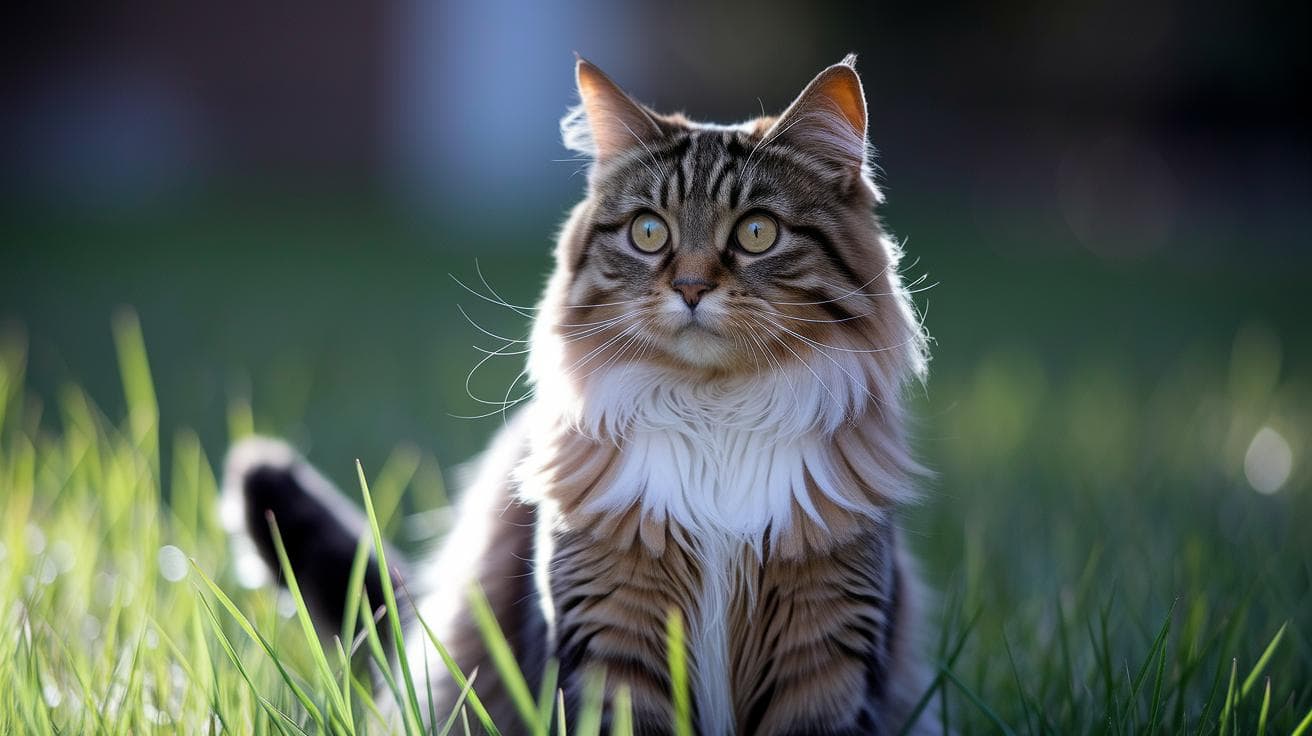
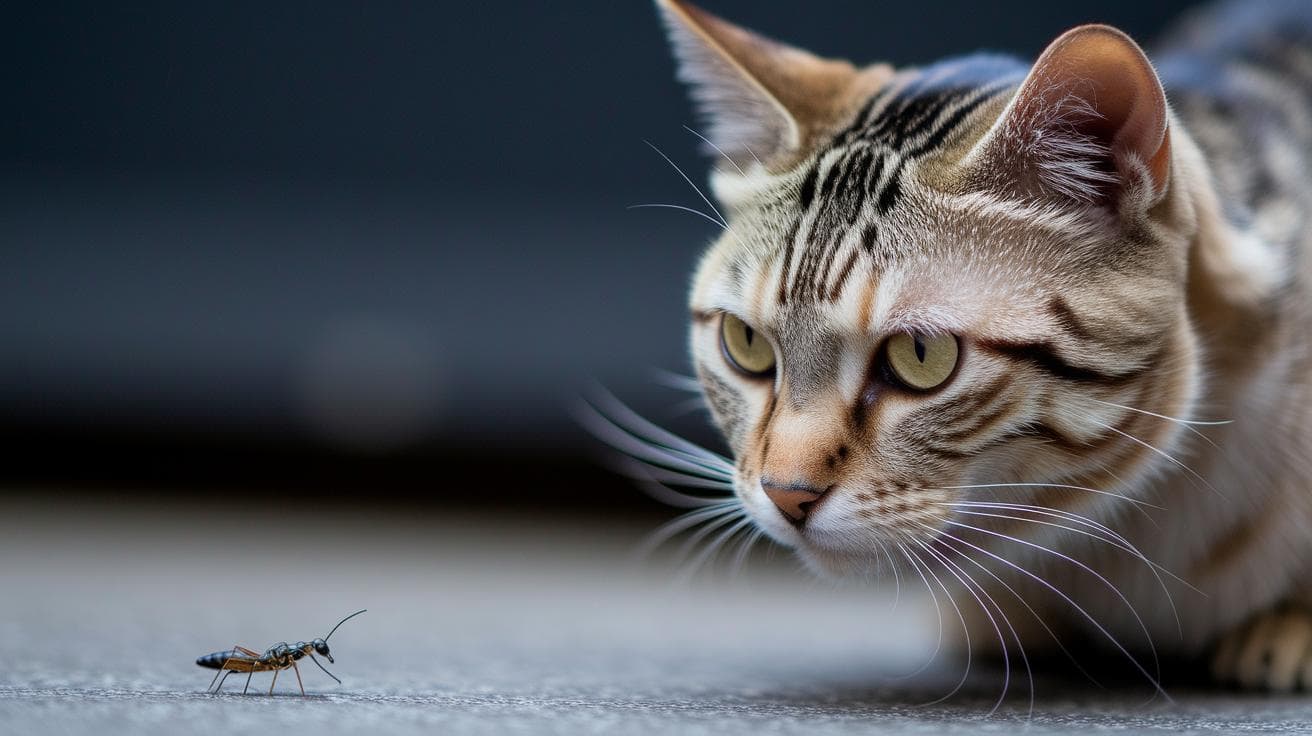
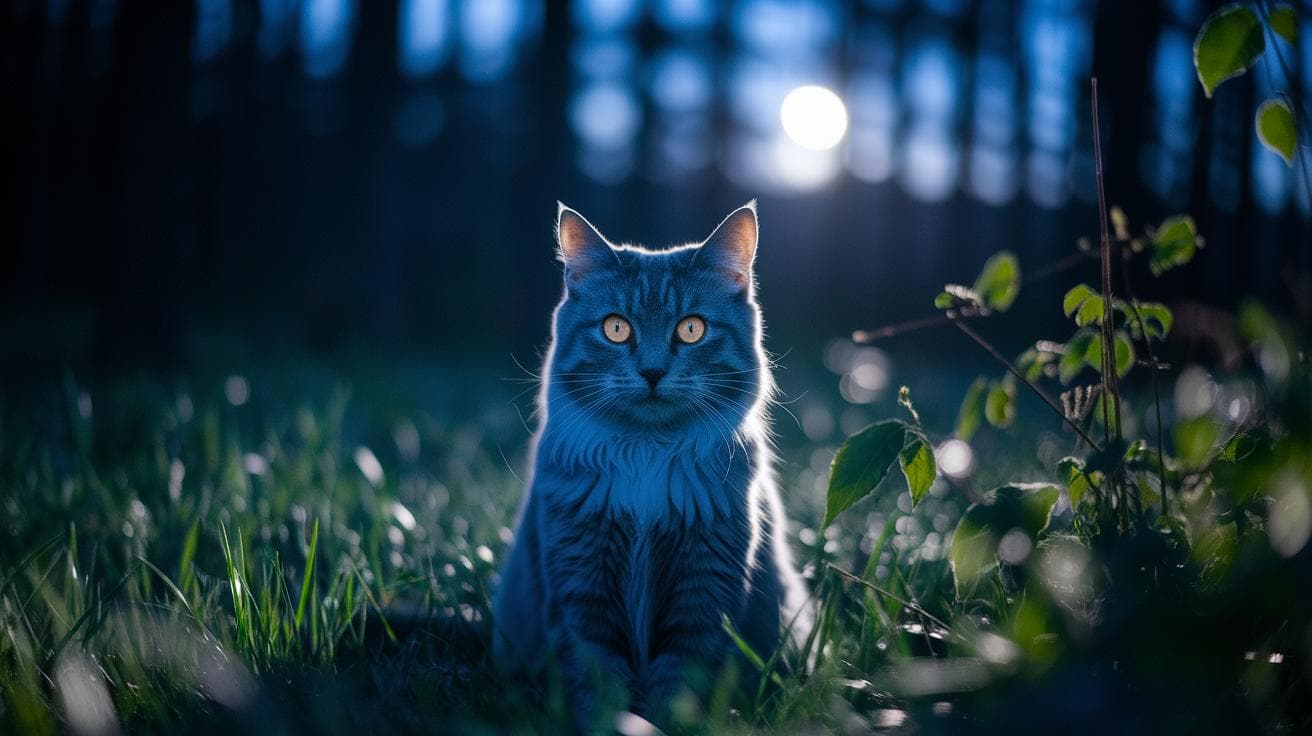
Have you ever wondered if your cat is seeing secret rainbows when the lights go out? At dusk your furball relies on rod cells (light-sensing powerhouses) to spot shapes in just one-sixth the light we need. Trying ping-pong with a glow-in-the-dark paddle in near darkness? That’s your kitty’s nightly advantage.
Oops, let me rephrase that. It’s no magic trick. It’s pure feline superpower. Ever watched your cat’s whiskers twitch as she darts across the carpet? That’s rod cells at work.
Next we’ll look at five brilliant colors cats still catch after sunset. Then we’ll see how those stray blues and yellows can turn a quiet living room into a pounce-ready playground.
What do cat see Brilliant Night Colors
Ever watched your kitty chase dust specks at dusk? Cats need only one sixth the light we do to see shapes in a dim room. Their retinas pack in rod cells (cells that sense light) at a ratio of about 20 to 1 over cones (cells that sense color). So twilight play feels more like high noon for your furry friend.
Um, their view is a bit softer when it comes to small details. A cat can make out clear edges up to about 20 feet (6 meters), while we humans spot fine lines 100 to 200 feet away. But those fuzzy outlines don’t slow down a stalking kitty. They still tell your fur baby how big and fast that toy mouse or bug really is.
Cats see almost 200 degrees side to side – like a mild fish eye lens – while we get about 180 degrees. Roughly 90 degrees overlap in front for depth cues, so pounces land right on target. Peripheral vision beyond that is slightly narrower, but extra light sensing makes up for it. In a dark room your cat will still notice a twitching tail or a sneaky snack anywhere you hide it.
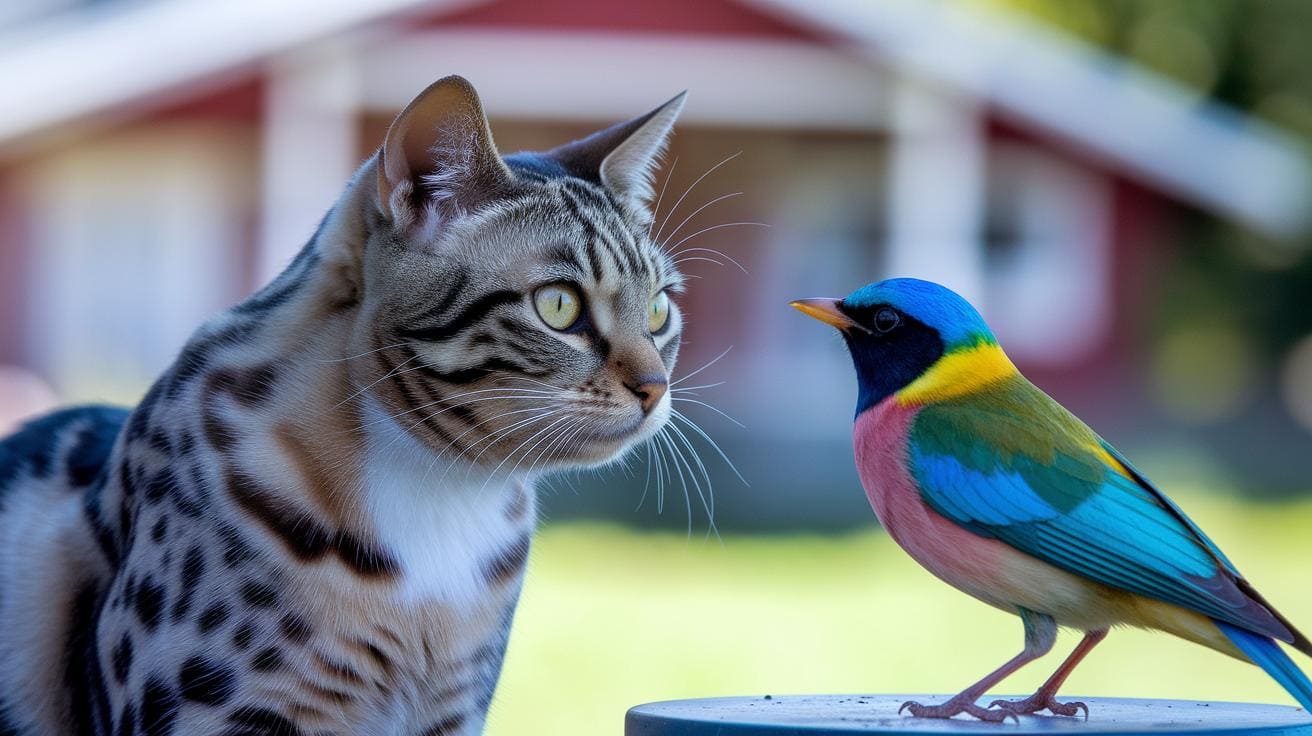
Colors fade into the background at night. With just two cone types, cats best see blues and yellows. Reds and greens slip into gray territory. But in the dark, it’s movement and contrast that rule. Your cat will pounce on that bright, dashing toy before it even wonders what shade it is. Worth every paw print.
Cat Color Vision: How Cats See Hues
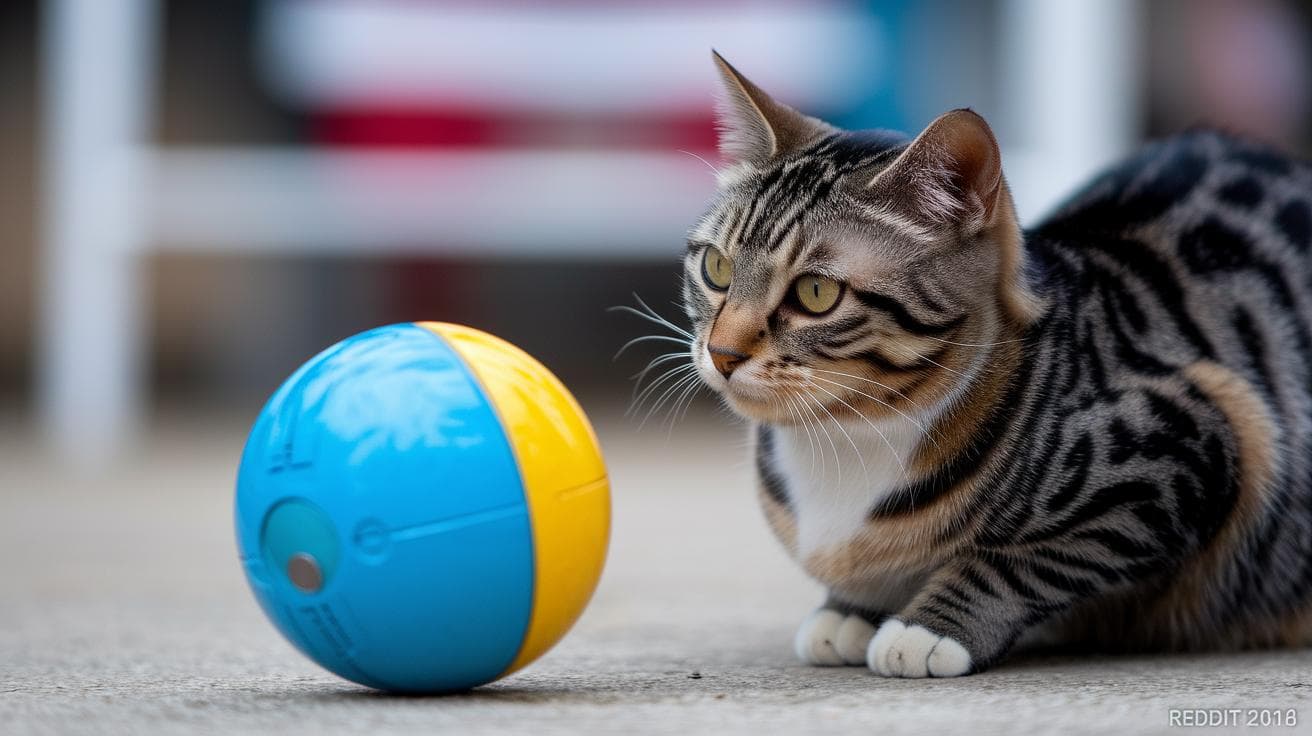
Ever wonder how your kitty spies the tiniest wobble in soft dawn light? Ever watch them chase shadows before your first coffee? Cats have about twenty rods (low-light sensing cells) for every cone (color-spotting cells). So at dawn or dusk they move like a built-in night-vision camera. It’s perfect for sneak hunts in near-dark.
They also have a tapetum lucidum (mirror layer behind the retina). It bounces stray photons back through the eye for a second look. That spooky green shine when you use your phone light? It’s the tapetum making every bit of light count. Cool, right?
Cones handle blues and yellows best. In bright rooms your cat sees sky-blue ribbons and lemon-yellow balls in true color. But when the lights drop low it’s all about those rods. Motion is the real star of twilight play.
Tip: Reach for toys in blue or yellow, like a turquoise feather wand (pretty feather on a stick that wiggles like a fishing rod for cats). Even in dark corners your cat will spot it, leap in the air, and keep the fun going long after sunset. Worth every paw-print.
5 what do cat see Brilliant Night Colors
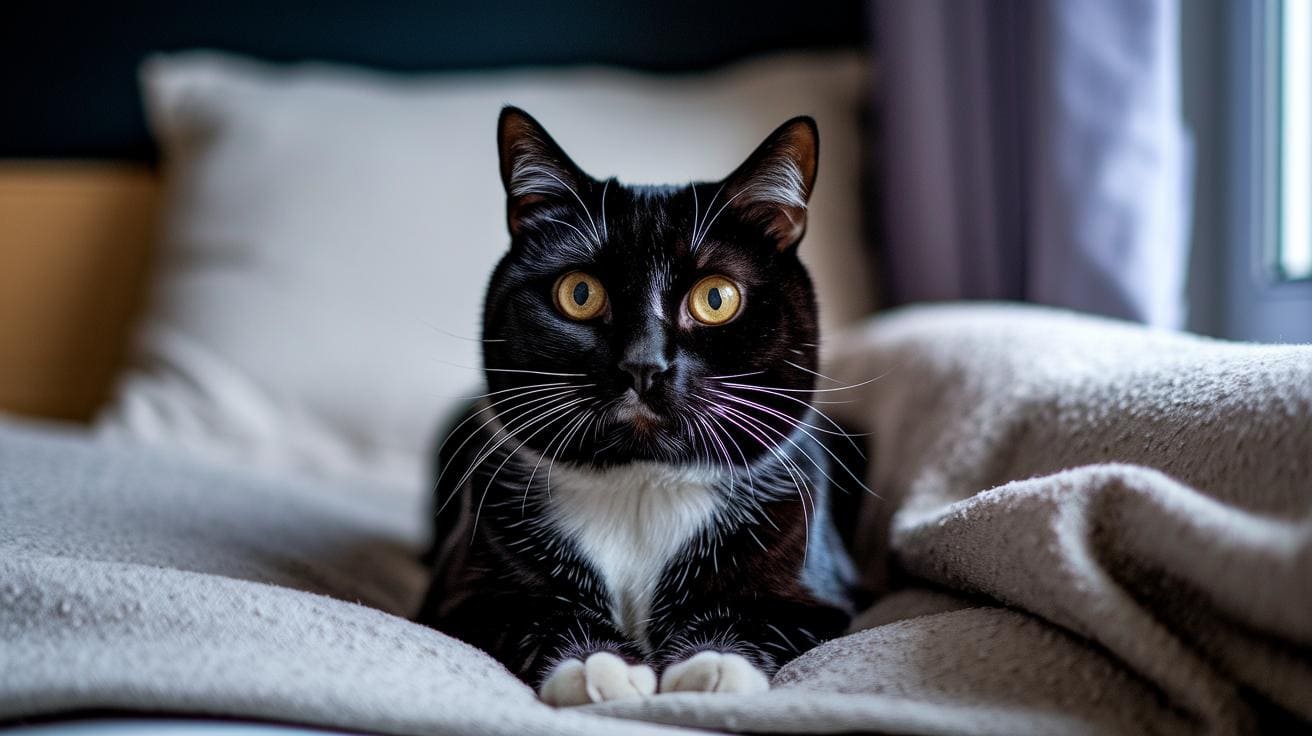
Cats have slit-shaped pupils that work like adjustable telescopes. In low light, they stretch wide open (like a camera lens), gulping in every photon to brighten their world. In bright sunlight, those slits pinch down to tiny lines, sharpening depth of field and guarding their photoreceptors (light-sensing cells) from glare. Think of your kitty’s eye as a built-in zoom lens.
Ever watched your cat spring on a slow-moving moth at twilight? That’s mesopic vision (twilight seeing) in action. Cats pick up motion about six times better than we do at dawn and dusk. They’ll lock onto fluttering wings or the faintest scuttle across the floor, turning dusky corners into a secret play zone.
And there’s more. Your cat’s whiskers twitch as those eyes track every tiny move. They see shapes you might miss and even sense shifts in air currents, like a private light-and-sound show.
Worth every whisker twitch.
Anatomy of the Cat Eye: Structural Features
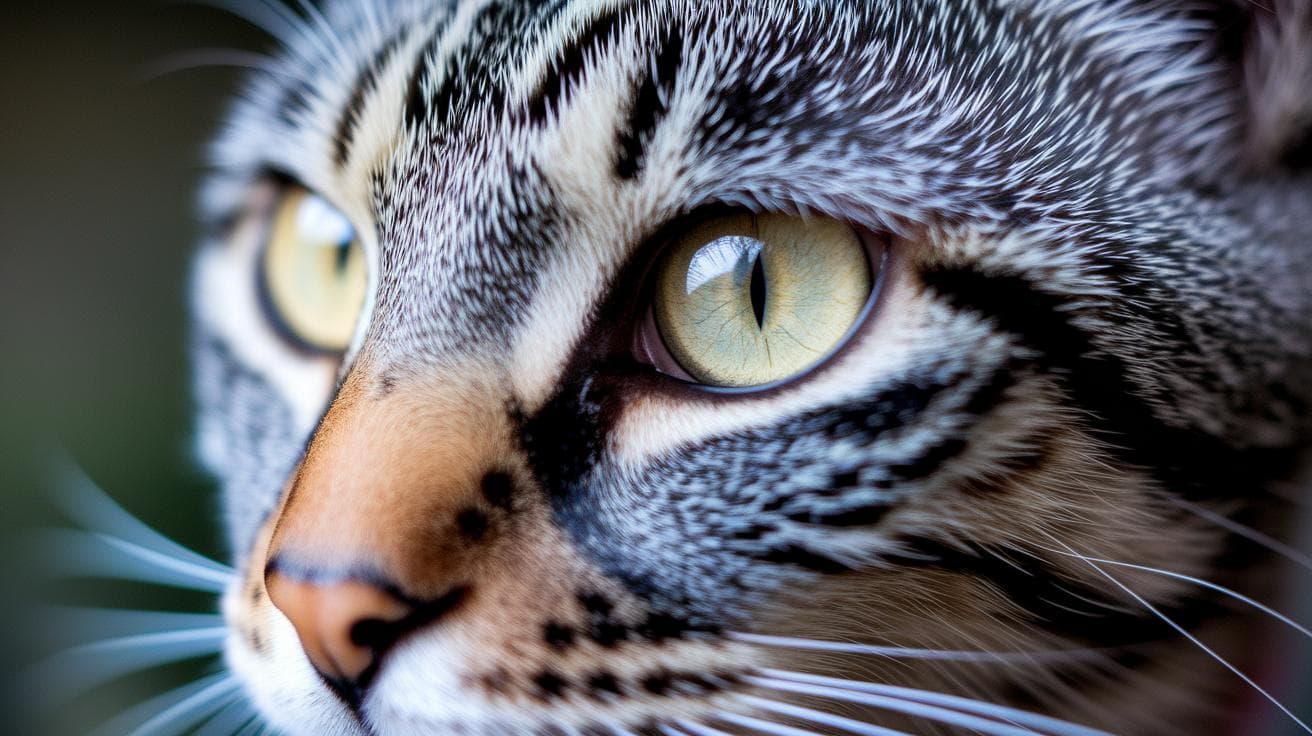
Light first slips into a cat’s eye through the cornea (the clear, shield-like layer over the eyeball) and then the lens (the flexible, focusing part). Think of the cornea as a little window and the lens like a camera’s zoom ring. Together they steer light right where the magic happens.
Beneath that is the retina (the multi-layered sensor net). The top photoreceptor layer holds rods (light-sensing cells) and cones (color-spotting cells). There are about twenty rods for each cone, and the cones cluster along a visual streak for crisp detail straight ahead.
Next come bipolar cells and ganglion cells, each passing messages down the optic nerve to the brain. Ever noticed your cat fixating on a dancing shadow? You can thank these layers for that high-definition view.
Look at a cat’s pupil and you’ll see a vertical slit. In a dim room it opens wide, gulping in light. In bright sun it pinches down to a thin line, protecting those sensitive rods and cones.
And there’s a hidden hero: the nictitating membrane (the third eyelid). It slides across the eye for extra protection and spreads tears to keep the surface moist. You might spot it as a faint whitish film in the corner of a relaxed cat’s eye. Worth every blink.
| Feature | Description |
|---|---|
| Cornea & Lens | Focus and clarity for incoming light |
| Retina Layers | Rods outnumber cones 20:1; visual streak for detail |
| Pupil Shape | Vertical slit allows wide dilation and tight constriction |
| Nictitating Membrane | Third eyelid for protection and tear distribution |