Think your cat is nocturnal? You’re not alone. Lots of owners blame those midnight zoomies on a night-loving nature, but most house cats are actually crepuscular (active at dawn and dusk), not true all-night prowlers.
You’ll notice short, intense bursts of focus in low light: whiskers forward, ears swiveling, that satisfying pounce on a stray shadow. Ever watched your kitty chase a speck of dust like it’s the prey of the century? My cat Luna once launched across the couch and nearly took out a lamp, worth every paw-print.
Their eyes and ears are tuned for twilight hunting, and their vision even has a little help from a reflective layer called the tapetum lucidum (a shiny part of the eye that boosts low-light sight). Indoor routines, late dinners, switching lights, or evening play sessions, can push those dawn-and-dusk bursts into the middle of our night. So yeah, they seem nocturnal. Crepuscular (active at dawn and dusk) is the truer label, and knowing that can make those 3 a.m. concerts a bit easier to handle.
Are cats nocturnal or crepuscular?
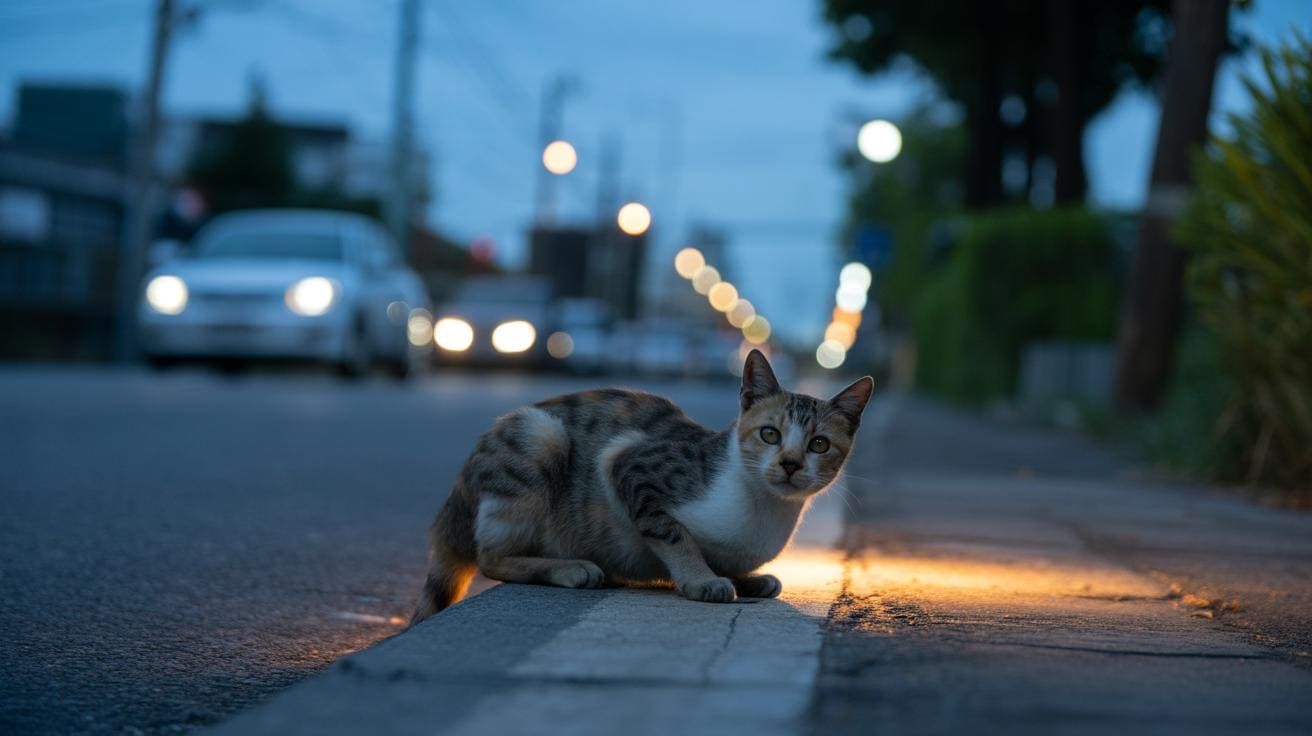
Most domestic cats are crepuscular (most active at dawn and dusk), not strictly nocturnal (active through the night). You’ll see short bursts of energy when the light is low, whiskers forward, tail twitching. Ever watched your kitty chase shadows at sunrise? It’s kind of adorable.
Crepuscular means their activity peaks at twilight, when light is dim but not fully dark. Their eyes pick up that faint light (low-light vision, which helps them see better at dusk) and their ears catch tiny rustles (keen hearing). That combo made life easier for wild ancestors: prey moved at those times and big predators were less likely to spot them.
People often call cats nocturnal because those dawn and dusk sprints can hit during our sleep. Indoor life, bright lights, set feeding times, and human schedules, can nudge a cat’s clock around. Cats also nap in lots of short bursts (polyphasic sleep, many brief sleeps instead of one long one), so they look like they sleep all day until a surprise zoomie wakes you.
If your cat’s night activity feels extreme or new, check with a vet; sometimes restlessness at night can signal health or stress issues. Worth investigating. Worth every paw-print.
- Crepuscular definition and why it matters – see "Why cats seem active at night: senses, evolution, and timing"
- How indoor life shifts timing – see "Are house cats nocturnal? How home life changes activity cycles"
- When night activity means medical concern – see "When night activity signals a health problem: red flags and vet guidance"
Why cats seem active at night: senses, evolution, and species variation
Ever notice your cat suddenly comes alive as the sun dips? A lot of small prey animals move around at dawn and dusk, so the ancestors of modern cats learned to hunt in those low-light windows. This pattern is called crepuscular (most active at dawn and dusk) and it gave felids a big edge , they could catch rodents while avoiding bigger daytime predators.
Cats also come with built-in twilight gear. The tapetum lucidum (a reflective layer behind the retina that boosts low-light vision) makes faint light feel brighter. Their ears swivel to home in on tiny rustles. And whiskers, or vibrissae (touch sensors), read shifts in air and close movement. Put those together and dusk and dawn become prime pouncing times, not nonstop all-night prowling.
Not every cat follows the same schedule. Some wild species, like the black-footed cat, are more truly nocturnal, and pet cats vary by personality and environment. So asking "are cats nocturnal?" gets different answers depending on species and place. Ever watched your tabby go full ninja at 4 a.m.? Yeah, lots of that comes from daily life, not just biology , see "Are house cats nocturnal? How home life changes activity cycles" and "How many hours do cats sleep? Sleep stages, circadian rhythm, and meaning" for non-biological reasons your cat might be up at night.
Sensory advantages for low-light activity
The tapetum lucidum, fine-tuned ears, and whiskers team up to catch faint motion and small sounds at twilight. That combo makes short, precise hunts really efficient when light is low. Your cat’s whiskers even feel the air as prey scurries past, so a pounce can be spot-on.
Evolutionary timing and prey availability
Dawn and dusk pack more small mammals and insects into small time windows, and they also lower the chance of running into big predators. Hunting then was a smart survival move for many feline ancestors , quiet, focused, and usually successful. Worth every paw-print.
Are house cats nocturnal? How home life changes activity cycles
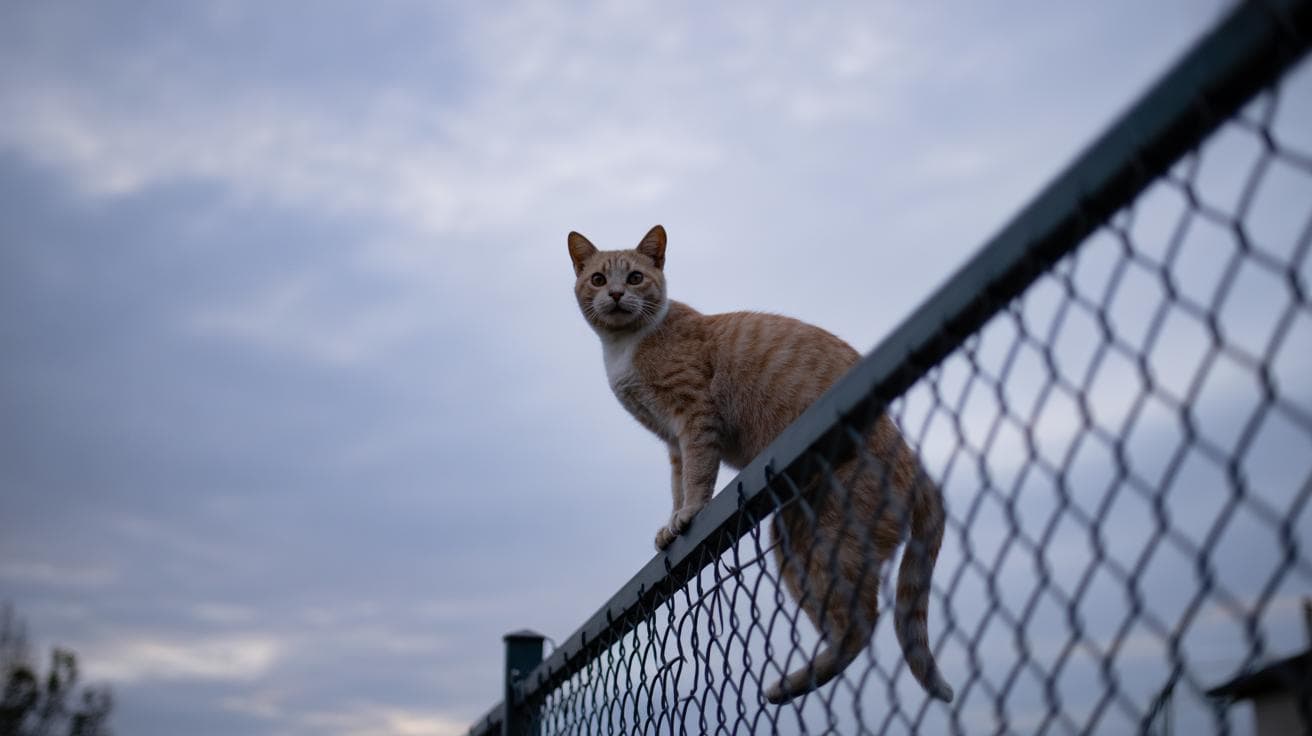
Light inside your home can nudge your cat’s clock. Bright lamps, TV glow, and phone screens can stretch their sense of daytime, and a window with streetlights or a raccoon can trigger a hunt-ready twitch at odd hours. Indoor cats often keep crepuscular peaks (crepuscular = active at dawn and dusk), but the timing can shift because indoor light and outside motion tell their brains when "dawn" and "dusk" happen.
Your comings and goings matter a lot. Meal times, work schedules, and when you flip the lights off give your cat a routine to match, so a domestic cat’s activity cycle (how your cat times sleep and wakes) often lines up with the family rhythm. Ever watched your cat stare at a hallway like it’s a stage? That’s them syncing up.
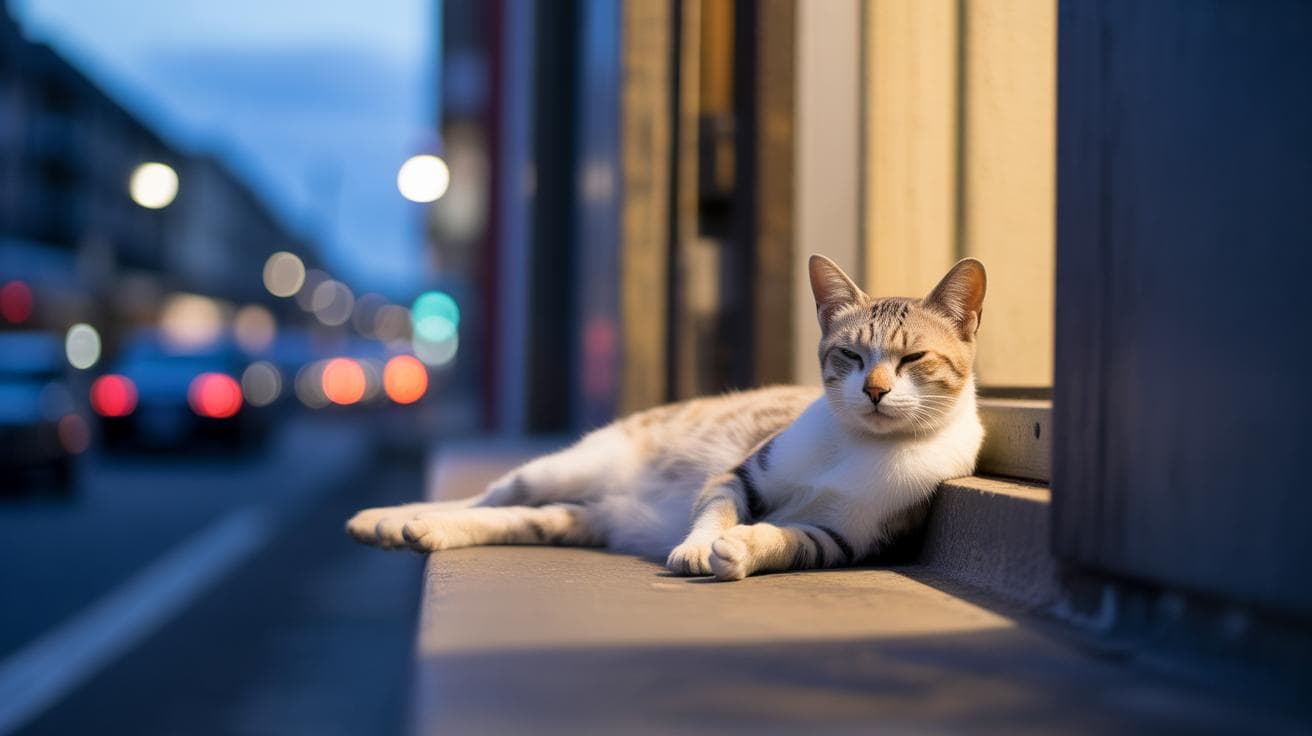
Windows are surprisingly powerful. A balcony, yard view, or a perch facing birds and car traffic can turn a quiet apartment into a midnight movie for your cat , my own Luna watches headlights like tiny moths. It’s entertaining, and a little exhausting at 2 a.m.
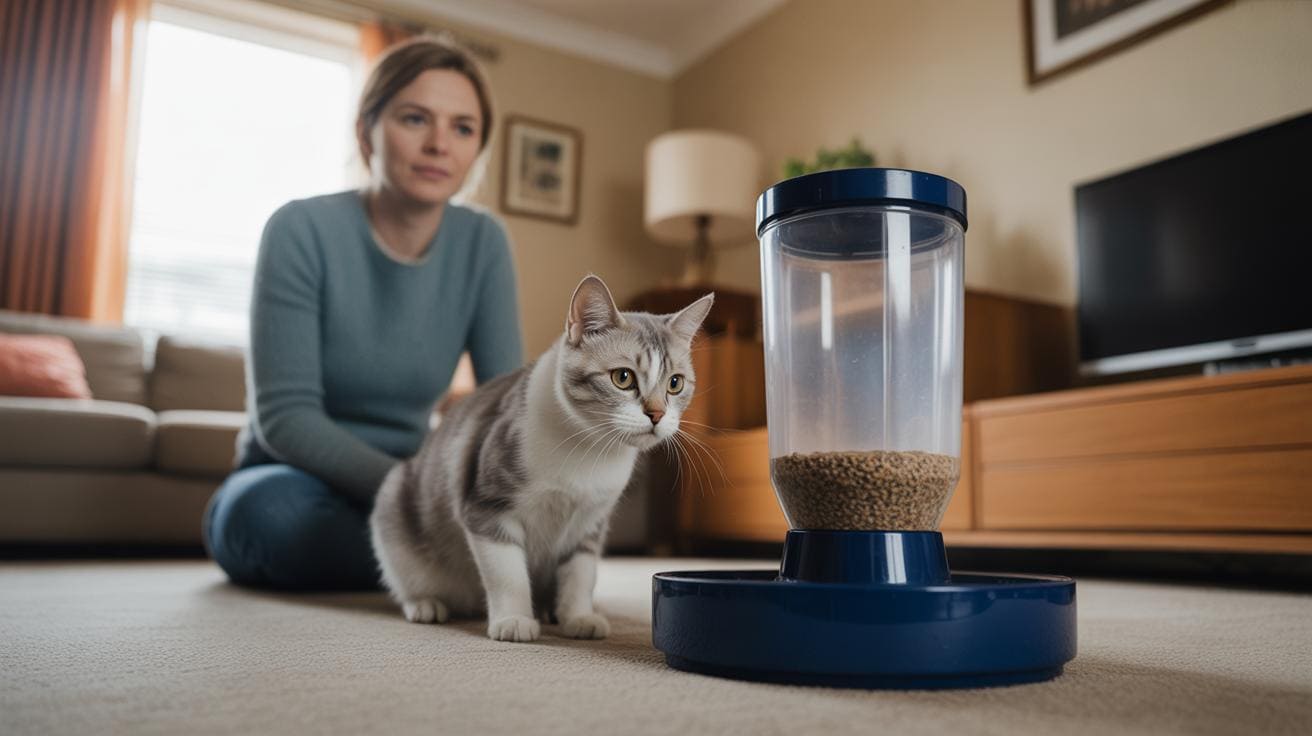
Feeding rhythm matters too. An indoor cat on a few set meals can get peckish between servings and start asking for food at night. That hunger-driven activity is normal, not a character flaw, see "Practical strategies to reduce night activity and stop cats waking you" for step-by-step fixes.
How household routines influence activity
Human wake and sleep schedules, regular meal times, and visible outdoor action all act as daily cues for cats. These behavioral signals help set their internal clock, and they can make a cat’s crepuscular bursts (active at dawn and dusk) overlap with your bedtime.
Kittens, seniors, and exceptions: behavioral differences by age
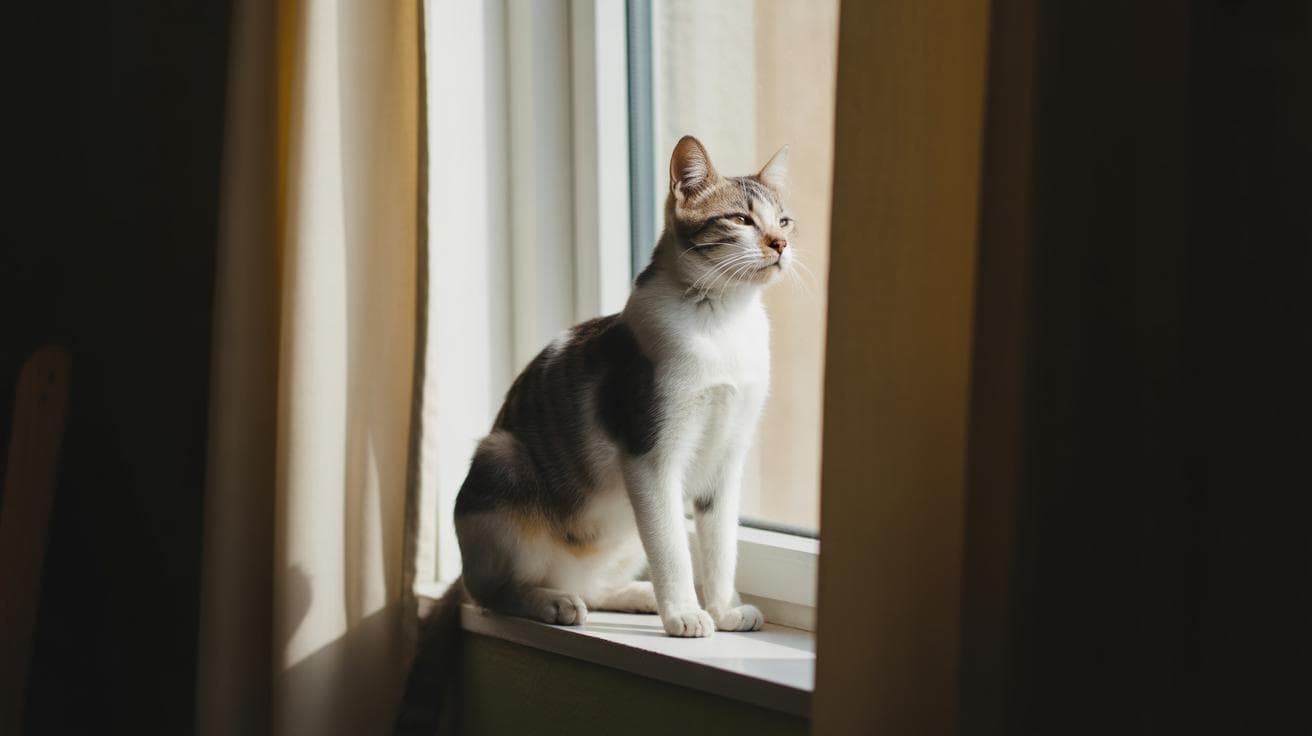
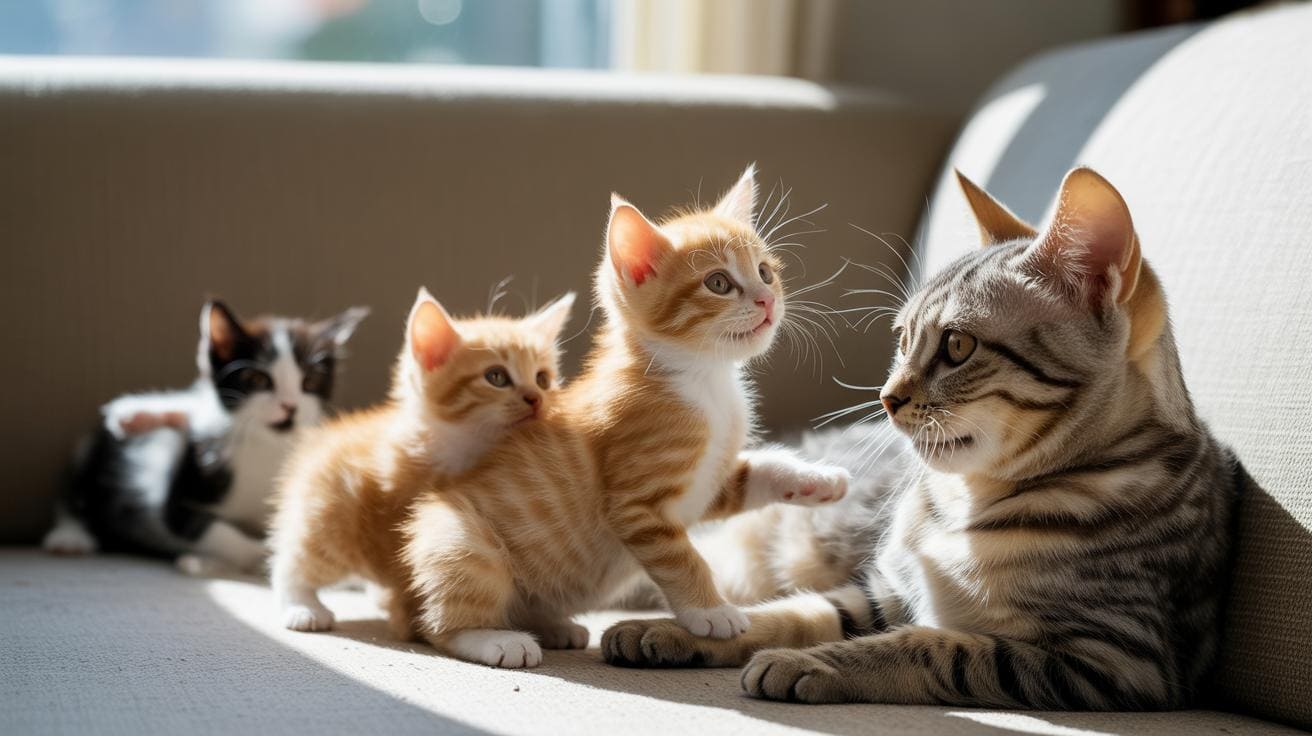
Kittens are tiny energy machines. Their whiskers twitch, little paws patter, and naps are short before another round of zoomies. They’re learning the world, stalking, pouncing, and bite inhibition (learning to control how hard they bite), so playtime is practice, not just fun.
Keep sessions short and supervised. Gentle handling and quick, focused play helps them learn to settle between bursts. Think of social play like practice drills for hunting skills, and yes, it’s adorable.
Senior cats often change their rhythm. They may nap more by day, wake up during the night, or move in softer, shorter bursts. That can be normal – maybe your older cat just prefers quiet, low-key attention, not necessarily a health problem.
Personality and breed matter, too. Some high-energy breeds still have a spring in their step late into the evening, while mellow types snooze with the sun. If you’re worried a change might be medical, check "When night activity signals a health problem: red flags and vet guidance".