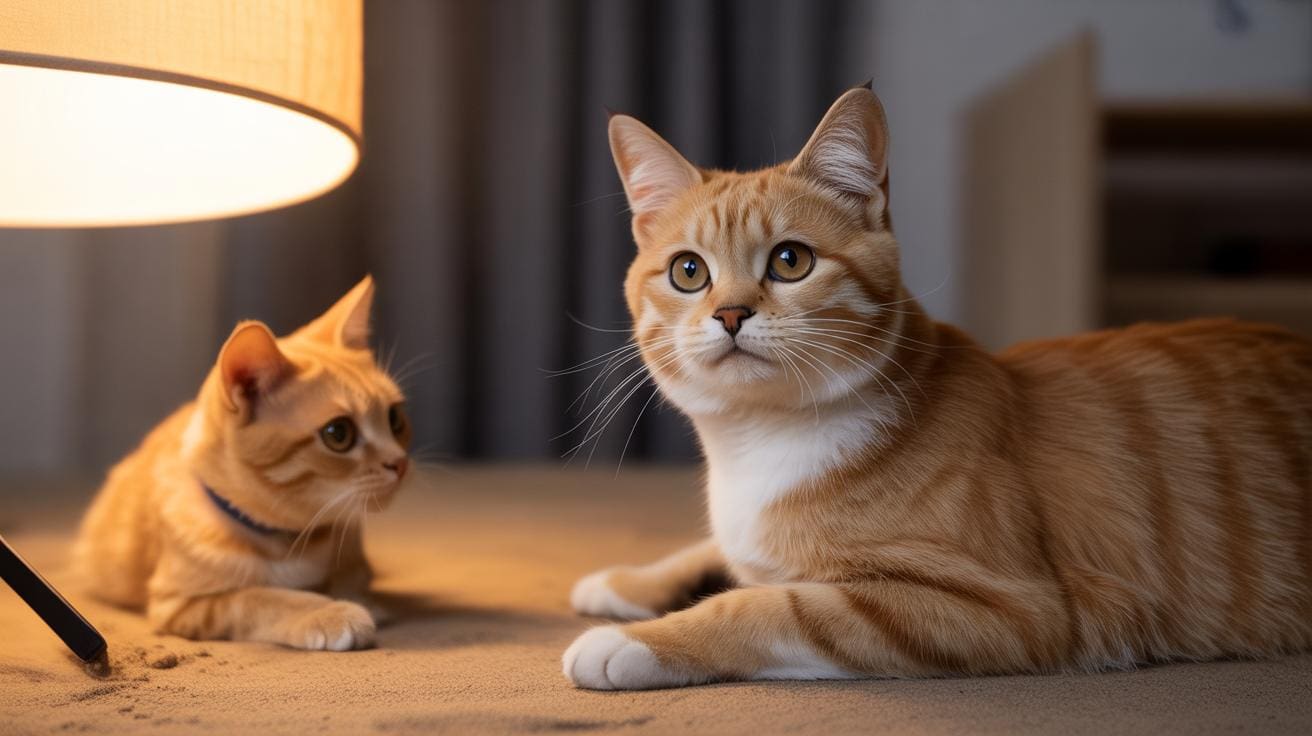
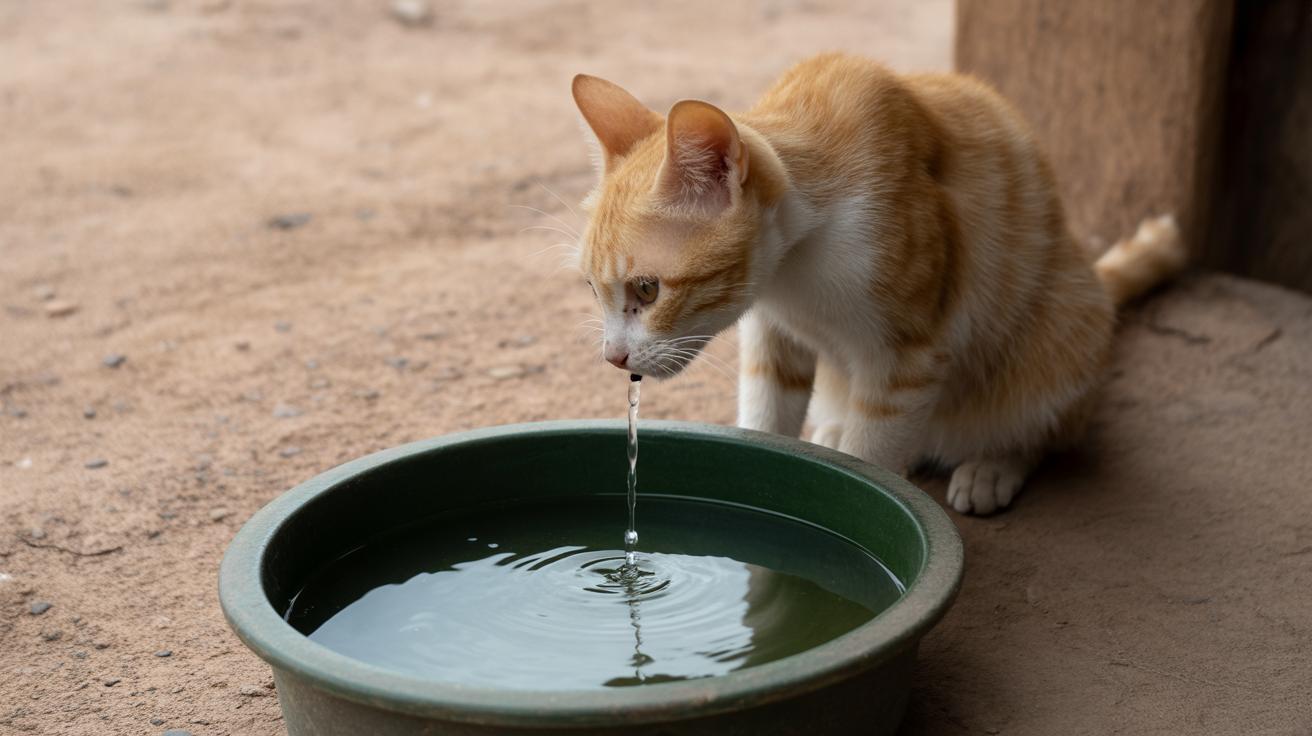
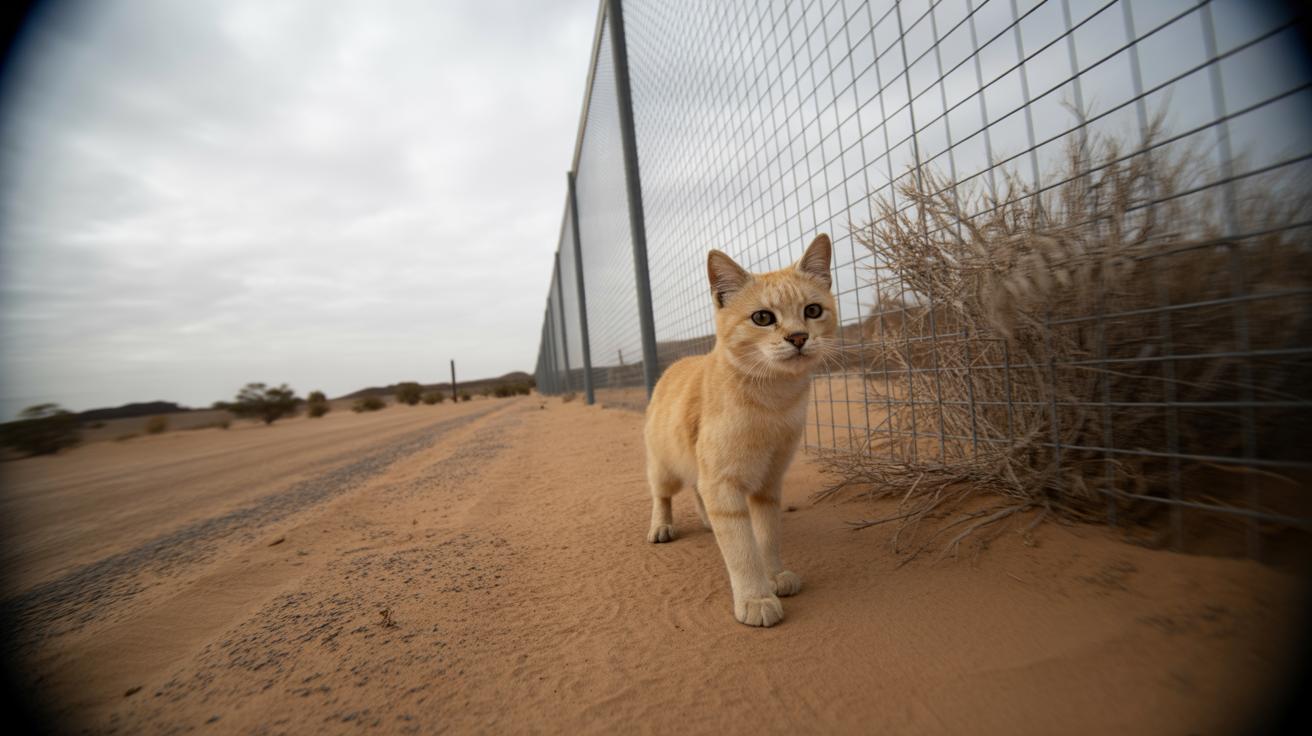
Think your cat is a tiny desert prowler? Well, not really. House cats trace back to Felis silvestris lybica (a wildcat from Africa and the Middle East) that started hanging around farmers about 10,000 to 12,000 years ago. They kept a few desert-ready tricks: highly concentrated urine (helps them save water), crepuscular hunting times (most active at dawn and dusk), and almost no sweating (they barely sweat except on their paw pads).
But modern house cats are flexible generalists (they adapt to lots of diets and living situations). Your couch panther actually does best with steady fresh water, wet food, and a cool, shady spot to nap. Ever watched your kitty chase a sunbeam while their whiskers twitch? Yeah, they’re more into creature comforts than surviving sand and sun, feline fine, not desert-ready.
Are cats desert animals? Not exactly.

Short answer: no. Domestic cats come from the African and Middle Eastern wildcat, Felis silvestris lybica (a wildcat species), which showed up around 10,000 to 12,000 years ago in the Fertile Crescent. So they kept a few desert-ready tricks. But modern house cats are flexible generalists. They do fine in homes, farms, cities, and sometimes in dry places.
Some desert-friendly traits cats still have:
- Highly concentrated urine (kidneys, the organs that filter blood and save water, make small, salty pee).
- Relatively dry feces (poop that wastes less water).
- Very little sweating; they cool mostly by breathing fast or panting (respiratory evaporative cooling, basically losing heat through quick breaths).
- Crepuscular or nocturnal habits (they hunt at dawn, dusk, or night to avoid the heat).
Those traits help a little, but they don’t turn your tabby into a true desert specialist. For everyday care, give constant access to fresh water and wet food. Aim for about 50 ml per kg per day (that’s roughly 200 to 250 ml, or about 3/4 to 1 cup for a typical house cat). Also offer shady, well-ventilated spots to rest and keep outdoor time short during the hottest hours.
Watch for signs of heat stress: heavy panting, unusual sleepiness, less urine, or weird sprawled sleeping positions. Call your vet if things get worse. Feral cats sometimes get moisture from prey, but most indoor cats need reliable water and a cool spot to be comfortable. Worth every paw-print.
Felis silvestris lybica and the desert origins of domestic cats
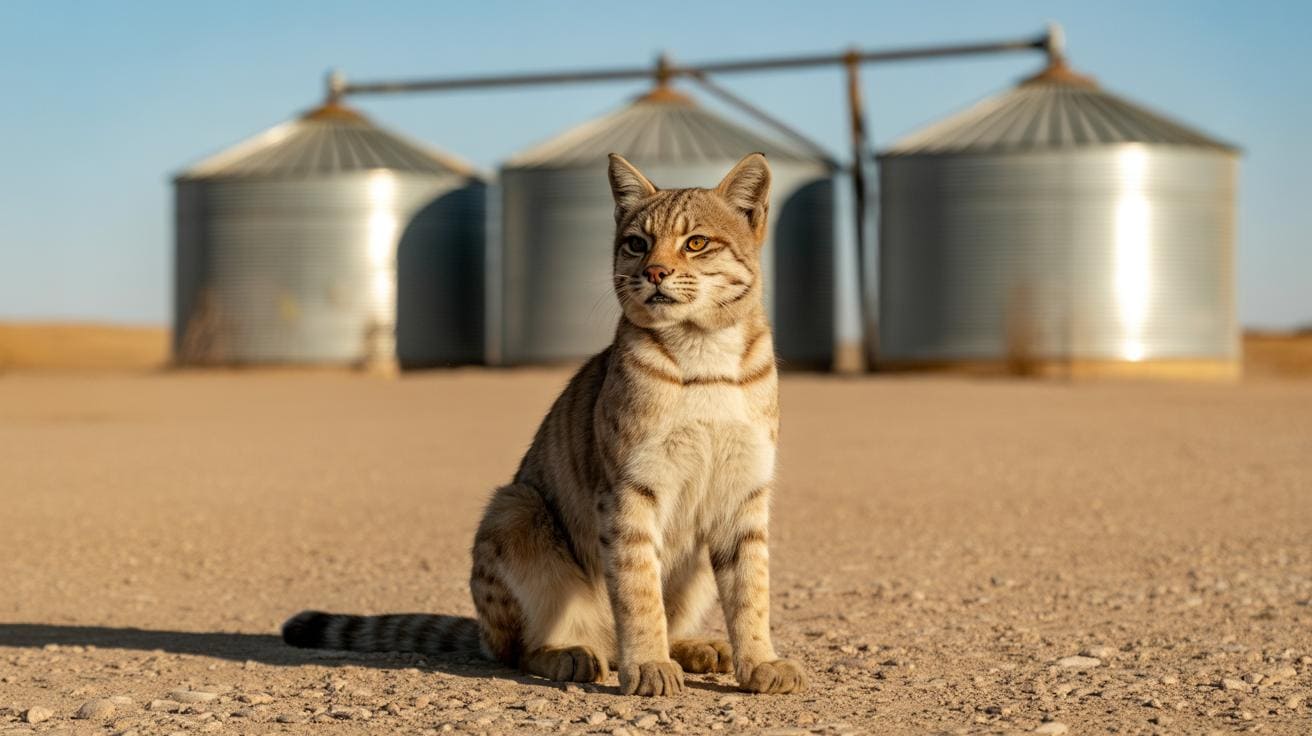
Archaeology (the study of ancient human activity) and DNA (the genetic material that makes each creature unique) point to a Middle Eastern wildcat, Felis silvestris lybica, as the close ancestor of our house cats. They started hanging around people about 10,000 to 12,000 years ago, when Neolithic farming (early farming during human history) and grain stores in the Fertile Crescent (the Middle East region where farming began) drew hordes of rodents. Cats followed the snacks. Smart move, if you ask me.
About 9,500 years ago we get a clear snapshot: a cat buried on Cyprus alongside people. That burial is direct archaeological proof people and cats were sharing space long before collars or cat shows. Picture a small wildcat curled up with its owner – cozy, right?
- Origin: 10,000 to 12,000 years ago – Neolithic farming brought rodents, and wildcats started living near humans.
- Early association: around 9,500 years ago – the Cyprus burial gives concrete proof of people and cats together.
- Spread: Roman-era trade (roughly 1st to 4th centuries AD) moved these commensal cats (animals that live alongside humans, often benefiting from human food) around Europe, and later ships from the 15th century on carried them overseas with explorers and settlers.
Genetic studies show modern Felis catus (the domestic cat species) cluster closely with F. s. lybica lineages, which really ties the family tree back to that desert-linked wildcat. The big change during domestication (the process of adapting animals to live with people) was behavior. Cats learned to hang around farms and homes to eat rodents and leftovers. Their basic body shapes and hunting skills stayed much the same. So, domestication was mostly about attitude, not a complete redesign.
Isn’t it kind of great? Our couch companions are basically wildcats with a fondness for laps. Worth every paw-print.
Physiology and behavior that support arid tolerance
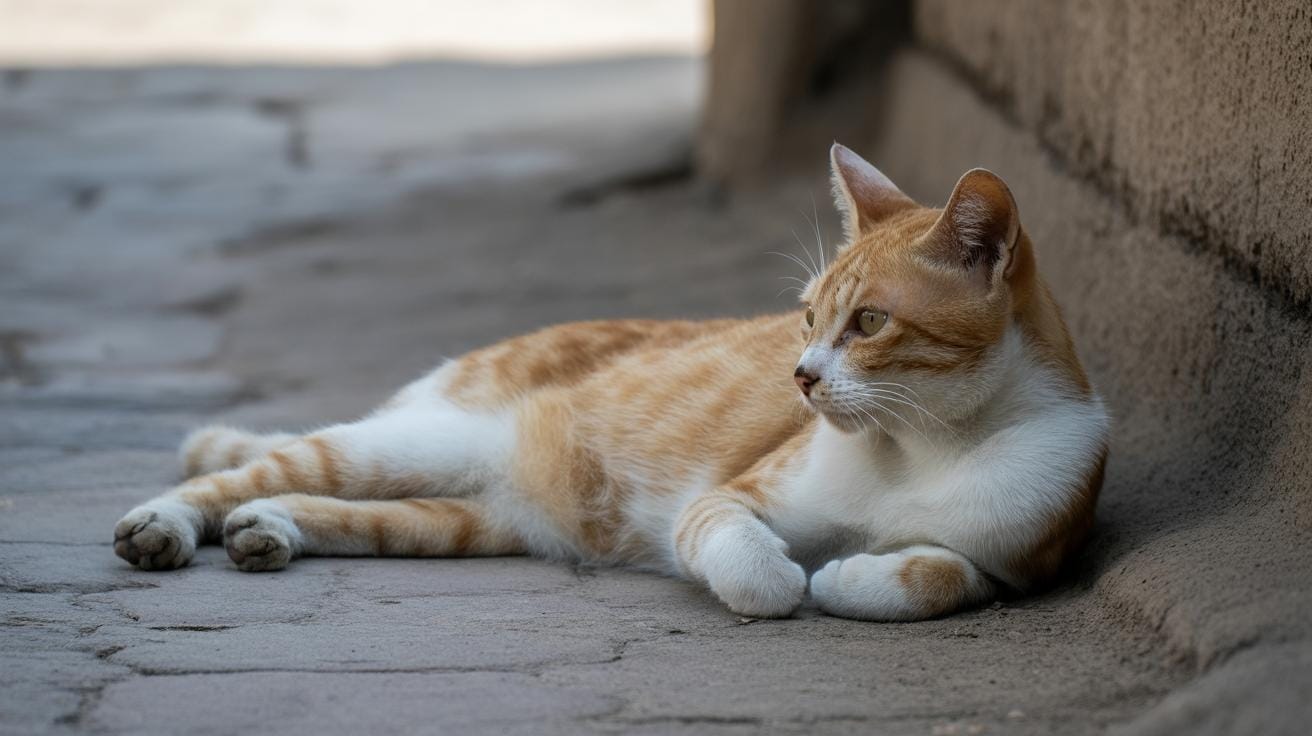
Cats come with a neat little toolbox for saving water. Their kidneys squeeze urine into a small, salty stream so less water is wasted, and their poop is drier than many other mammals', which also helps conserve fluids. That kidney setup gives them a real edge when free water is scarce, but it’s not endless, those tiny filters wear out over time and too many lost filters can cause real problems.
Cooling for cats is mostly about breathing, not sweating. They barely sweat through their skin, so when it gets hot they pant or take quick, shallow breaths to lose heat by evaporating moisture from the airway (respiratory evaporative cooling). Cats also tolerate higher skin temperatures than people: humans start to feel uncomfortable around 44.5°C (about 112°F), while cats still manage close to 52°C (about 126°F). Behavior helps a lot too: shade, moving slowly during the day, and curling up in tight cool spots all keep body heat down without relying on sweat.
Behavior ties the whole strategy together. Many cats hunt at dawn, dusk, or night (nocturnal or crepuscular habits) to avoid the midday oven. They hunker in shaded hollows, rock ledges, or burrows for cooler microclimates, and free-roaming cats often meet much of their water needs from moist prey. Those choices ease the load on kidneys and breathing-cooling systems. So when dehydration or repeated heat shows up, it can speed kidney decline in older cats.
Kidney structure and water conservation
Each kidney has roughly 200,000 nephrons (a nephron is a tiny filtering tube in the kidney). Nephrons don’t regenerate, so the body leans on spare units as some fail. Once about 70% of working nephrons are gone, the kidney’s ability to clear waste drops sharply, raising the risk of chronic kidney disease (CKD, long-term loss of kidney function). Clinical takeaways: keep an eye on water intake, watch for changes in drinking or urination, and start hydration measures early when you notice signs.
Thermoregulation and cooling
Because cats sweat very little through their skin, they rely on breathing and behavior to cool off. Panting and faster breathing kick in when the air gets hot, but that system can be overwhelmed. Give shady, well-ventilated resting spots and keep activity slow during the hottest hours so respiratory cooling doesn’t get taxed.
Behavioral tactics for arid tolerance
Timing activity for cooler hours, using shaded microhabitats or burrows, and getting moisture from prey are core survival moves. These tactics lower heat load and water loss so the cat’s physiology isn’t pushed to the limit. For pet cats, mimicking these strategies helps too, think cool hideaways, wet food, and limiting play in mid-afternoon heat.
| Adaptation | Mechanism | Practical implication |
|---|---|---|
| Concentrated urine | Kidney concentrating ability – nephron/medullary countercurrent (nephron: tiny filtering tube; medullary countercurrent: loop system that concentrates urine); ~200,000 nephrons per kidney | Fewer trips to water. Clinical note: CKD risk if too many nephrons are lost (see ~70% threshold) |
| Minimal sweating | Very limited cutaneous evaporative loss | Provide shade and cool resting sites rather than relying on sweat-based cooling |
| Respiratory evaporative cooling | Panting and faster breathing to evaporate airway moisture | Watch for heatstroke signs when breathing-based cooling is overwhelmed |
| Nocturnality / burrow use / prey-moisture reliance | Timing activity and choosing cool microhabitats; getting moisture from prey | Advise shelter design and activity timing to cut heat and water stress |
Clinical relevance is high: start hydration measures early. Wet diets, drinking stimulants, and subcutaneous fluids when prescribed can slow decline and ease symptoms. Worth every paw-print.