why do cats purr: Science and Meaning

What if your cat’s soothing rumble was part tiny engine and part secret medicine? Ever felt that low buzz under your palm and wondered what’s going on? It’s oddly comforting, and kinda magical.

Purring comes from tiny, fast twitches of the laryngeal muscles (muscles around the voice box that help move air and sound). Those twitches are paced by a neural oscillator (a small brain circuit that keeps a steady beat, like a metronome). The muscles and the little brain timer work together to make that steady vibration you can hear and sometimes feel.

That steady purr does a bunch of jobs. It’s a soft “I’m happy” that helps bonding. It can be a sharper “feed me” or “pet me” plea. And it’s also a self-soothing hum that might help tissues heal through low-frequency vibrations (slow, deep vibrations you can feel). Ever watched your kitty close their eyes and go full content-mode? That’s the purr at work.

In this post I’ll walk you through the science and the everyday meaning of that feel-good rumble, so you’ll know why your cat purrs, and why it makes both of you feel a little better.

why do cats purr: Science and Meaning
- Quick answer What causes purring and the top reasons cats do it.jpg

If you’re asking why do cats purr, the basic cause is rapid, repetitive contractions of the laryngeal muscles (the muscles around the voice box) driven by a neural oscillator (a tiny brain circuit that fires in a steady rhythm). That makes the vocal cords open and close fast, producing the familiar steady rumble , like a little engine under fur. It’s mostly automatic, so cats don’t have to think about it.

That steady purr isn’t just background noise. Cats use it to talk to other cats and to people, to ask for things, and to calm themselves when they’re stressed or hurt. Ever watched your cat purr while kneading your sweater? It’s both social and soothing.

  • Signal contentment and social bonding
    Cats often purr when they’re relaxed and close to others, kind of like a soft “I’m happy” or “I’m comfy.”
  • Solicit attention or food (request help)
    Some purrs include a higher, more urgent tone that says “feed me” or “pet me now” , clever, huh?
  • Self-soothe and possibly support healing through low-frequency vibration (slow vibrations that may help tissues heal)
    Those low vibrations can calm a cat and might even promote recovery after injury.

So next time your cat purrs, you’re hearing something that’s part chat, part request, and part built-in therapy. Worth every paw-print.

Cats purr to communicate: kittens, mothers, solicitation, and affiliative cues
- Cats purr to communicate kittens, mothers, solicitation, and affiliative cues.jpg

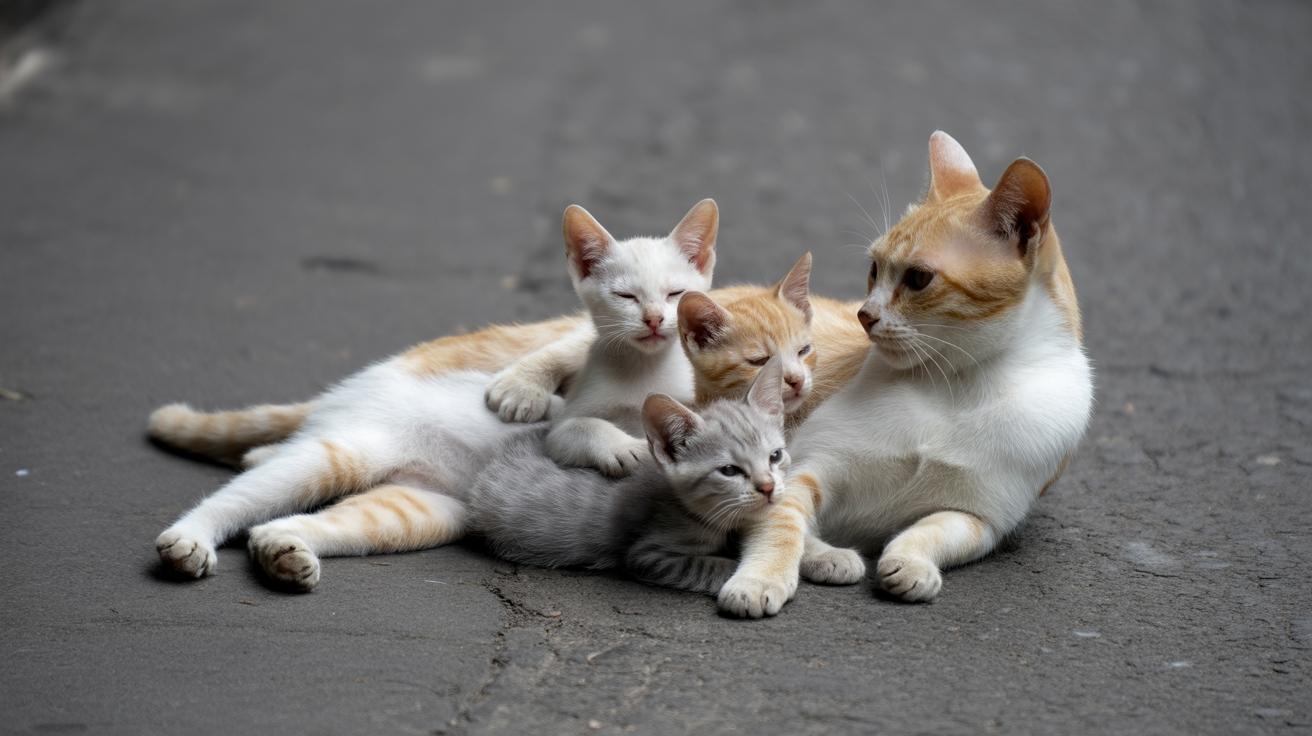
Kittens can start purring just a few days after birth. That tiny rumble comes from their little bellies and tells mom they feel safe or that they want to nurse. It’s a soft signal that soothes her and helps keep the bond strong in those wobbly first weeks. For play-based ways to build on that connection as kittens grow, check tips for socializing kittens through play.

Adults keep purring as a kind of conversation with other cats and with us. You’ll see a classic “feed me” combo: a low purr, a quick meow, and a rub against your ankles. That’s solicitation (asking for something, usually food or attention). If the purr-and-rub stops the moment you put down the bowl, congrats , you just decoded kitty speak.

Why purr during petting? Often it’s pure pleasure and a gentle nudge for more. Petting can kick off a warm, rhythmic motor that basically says “this feels good, stay.” Ever watched your cat knead and purr at the same time? It’s like they’re making a soft pastry of happiness.

Purrs usually come with other friendly signals: head nudges, slow blinking, and kneading (those soft, rhythm paw presses). A relaxed body and soft eyes are good signs you’re hearing contentment or a bid for closeness. But if the purr shows up with tense muscles, wide eyes, or flattened ears, that’s a different message , give them space and respect what they’re saying, um, quietly.

Mechanism of purring
- Mechanism of purring.jpg

Purring comes from rapid, repeated contractions of the laryngeal muscles (muscles around the voice box). Ever felt that gentle rumble under your palm when a cat naps? The vocal folds (thin flaps of tissue that vibrate) open and close at a steady pace, and a neural oscillator (a tiny brain circuit that keeps time, like a metronome) paces those contractions.

For compact technical facts about frequency, breathing mechanics, and throat anatomy, see the concise technical bullets below in "How purring works – technical details."

How purring works – technical details

  • Mechanism: Rapid contractions of the laryngeal muscles (muscles around the voice box), driven by a neural oscillator (tiny brain circuit that fires in a steady rhythm), make the vocal folds (thin vibrating tissue) open and close and create the audible purr.
  • Frequency: Studies commonly report a purr frequency band around 25-150 Hz (Hz means cycles per second). There’s variation across studies and between cats, so treat the range as a helpful guideline rather than a fixed rule.
  • Breathing: Purring occurs on both inhalation and exhalation, which lets cats produce a near-continuous sound without pausing to breathe.
  • Anatomy: The larynx (voice box) and the hyoid (throat bone) shape resonance and the airway layout, and differences in those structures help explain why some large felids can’t purr like domestic cats.

Purring for self-soothing and possible healing: hypotheses and evidence
- Purring for self-soothing and possible healing hypotheses and evidence.jpg

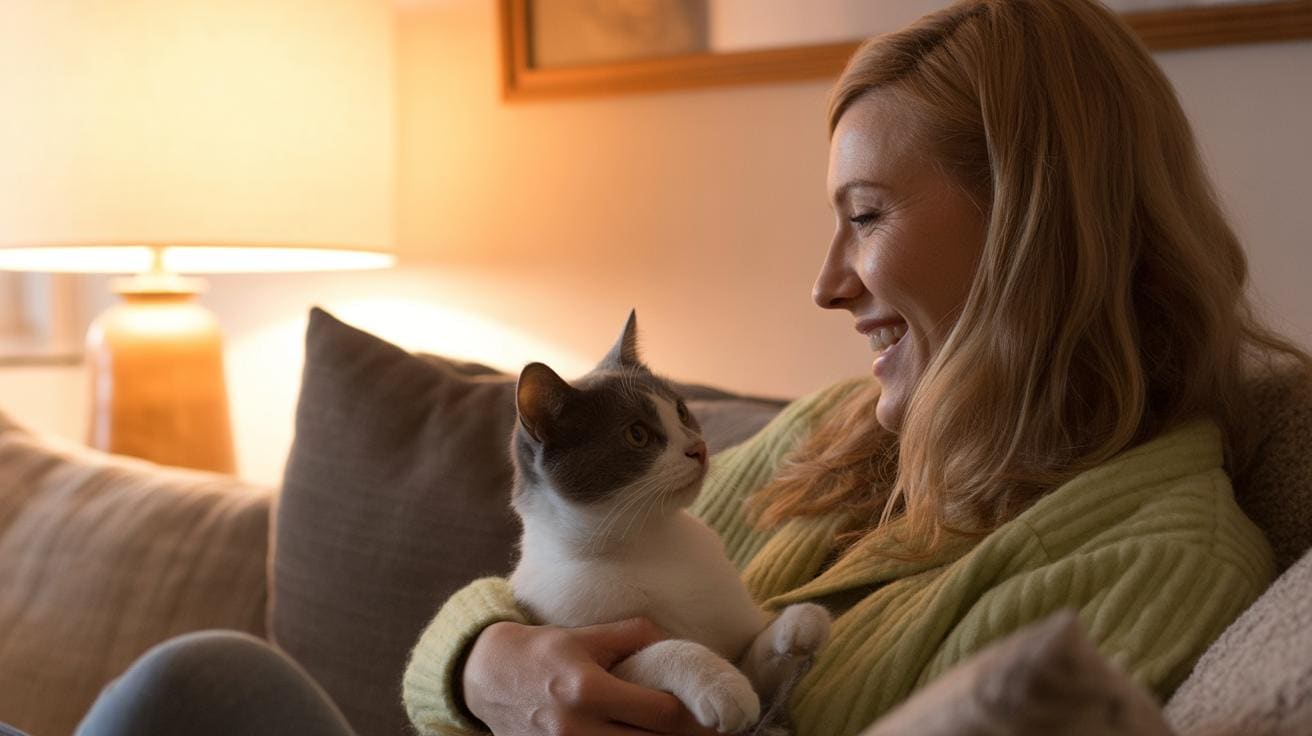
Cats will often purr when they’re nervous, hurt, or just not feeling great. That low, steady throat rumble feels cozy under your hand, and a lot of people think it doesn’t just soothe the mood but might change how a cat’s body responds to injury or stress. Ever watch your kitty curl up and hum herself calmer? It’s a neat idea.

One popular guess is that purring helps release endorphins (natural pain-relief chemicals your body makes), which could make pain feel smaller and help a cat relax. Another idea says the slow vibration of the throat – low-frequency vibration (a slow, low-pitched shake) – might gently stimulate tissues or bones, similar to how tiny vibrations help bone cells (the cells that build and repair bone) in lab studies. Those ideas are plausible, but mostly come from observations and small experiments rather than big clinical trials (large, controlled medical studies).

There’s some real-world support, though. Owners often say their cat seems calmer after a purring session, and small studies found short drops in human blood pressure when people stroked a purring cat. Folks also tell stories of injured cats seeming to recover faster or swell less after lots of purring. Still, these are small samples and messy situations – warmth, rest, gentle handling, and the simple fact of getting attention all help healing, so it’s hard to pin the effect on the purr alone.

Treat the purr story as promising but not proven. If your cat is hurt or acting strange, get veterinary care rather than relying on soothing purrs by themselves. For the specific frequencies and throat anatomy behind some healing claims, see the Mechanism H3 section below for the technical context. I once watched my foster cat Luna leap up and purr herself calm after a scare – comforting, yes, but not a substitute for a vet visit.

Research on purring and healing

Most of the work here is notes from observations, small animal or human studies, and clinicians’ reports. Sample sizes are small and controlled trials are rare, so we need targeted research before making any strong medical claims. Curious? Me too.
Interpreting and responding to your cat's purrs: body language, context, petting tips, and when to seek help

- Interpreting and responding to your cats purrs body language, context, petting tips, and when to seek help.jpg

A purr is only one part of the message. Read the rest of your cat’s body to know what they mean. Content purring usually comes with loose limbs, slow blinking, soft head nudges, and steady kneading, oh, and a relaxed or gently curled tail. By contrast, a purr with a stiff body, flattened or pinned-back ears, wide eyes, a tucked posture, hiding, or changes in eating and activity often points to stress, pain, or fear. Um, important to notice the whole picture.

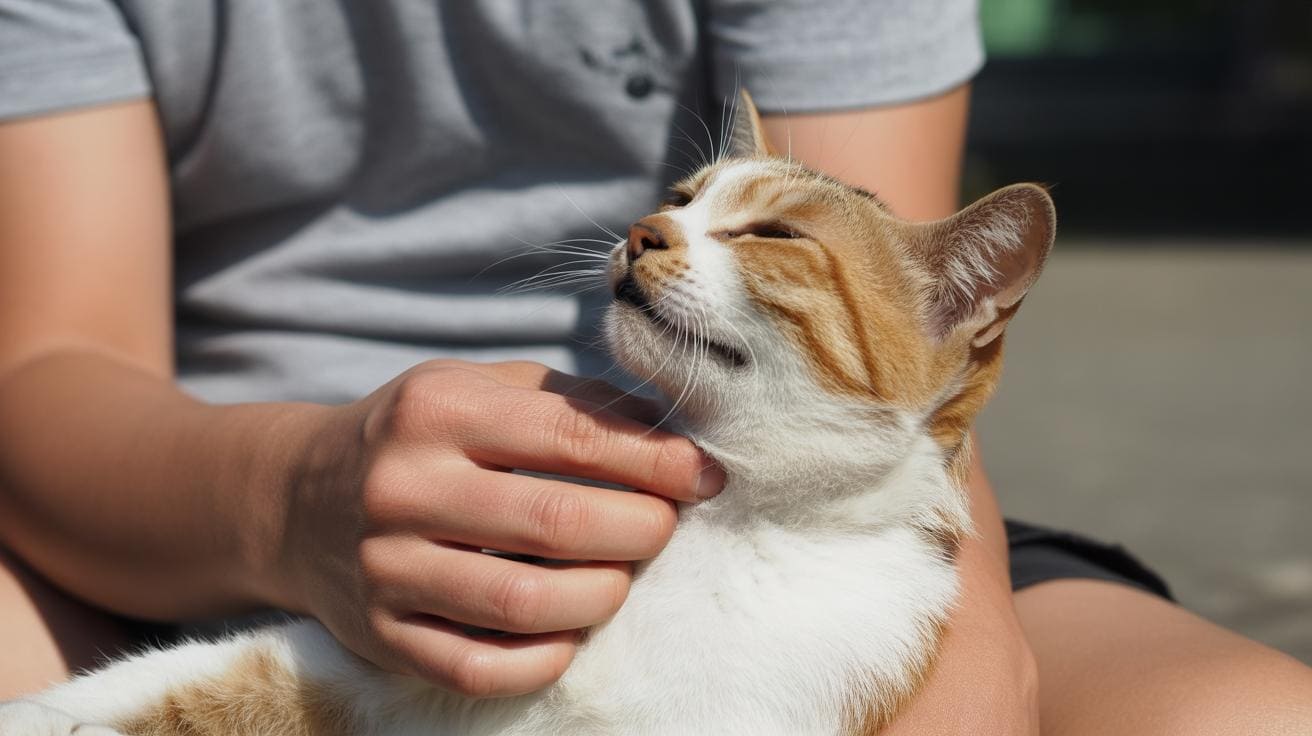
If you want to encourage happy purring, use slow, flat-handed strokes and find the spots your cat loves. Try the cheeks, under the chin, or the base of the tail. Keep sessions short if your cat gets easily wound up. Watch for quick tail flicks, skin ripples, or a sudden turn toward biting , those are clear stop signs. If you need a refresher on handling overstimulation (when your cat goes from bliss to bitey), check recognizing overstimulation signs in cats.

  • Relaxed posture plus half-closed eyes equals contentment; respond with calm, gentle petting.
  • Head rubbing, kneading, and purring usually mean your cat wants affection or food; give attention or check the feeding schedule.
  • Purr plus a meow near meal time is likely a food request; offer a meal and see if the purring stops after eating.
  • Purring while asleep with loose limbs means your cat feels secure; avoid waking or moving them.
  • Purring with ears back and tense muscles suggests anxiety, like at the clinic; try to comfort calmly or remove the stressor if you can.
  • Purring with dilated pupils and withdrawal can mean fear or stress; give space and keep an eye on them.
  • Sudden restless purring during handling is often overstimulation; stop petting before things escalate and review recognizing overstimulation signs in cats.
  • Lots of purring plus eating or activity dropping off could signal illness; consider a veterinary check.
  • Purring that hides other signs, such as limping or extra hiding, means take notes and tell your vet.
  • An abrupt start or stop of purring combined with collapse, trouble breathing, or severe pain needs immediate veterinary help.

Petting technique quick guide: stroke in the direction the fur grows with a flat hand, use light to medium pressure, and avoid sudden moves. For shy or sensitive cats, start with brief 30-60 second sessions, reward calm behavior with a small treat, and build trust over several short meetings instead of one long session. If your cat tends to escalate, keep the recognizing overstimulation signs in cats guide handy.

Keep an eye on mild changes at home for 48 to 72 hours. Contact a veterinarian right away for severe appetite loss, collapse, labored breathing, bleeding, or an acute injury. And if odd signs show up with sudden purring changes, don’t wait, seek help immediately.

Worth every paw-print.

Measuring cat purrs: recording, basic analysis, and limitations

- Measuring cat purrs recording, basic analysis, and limitations.jpg

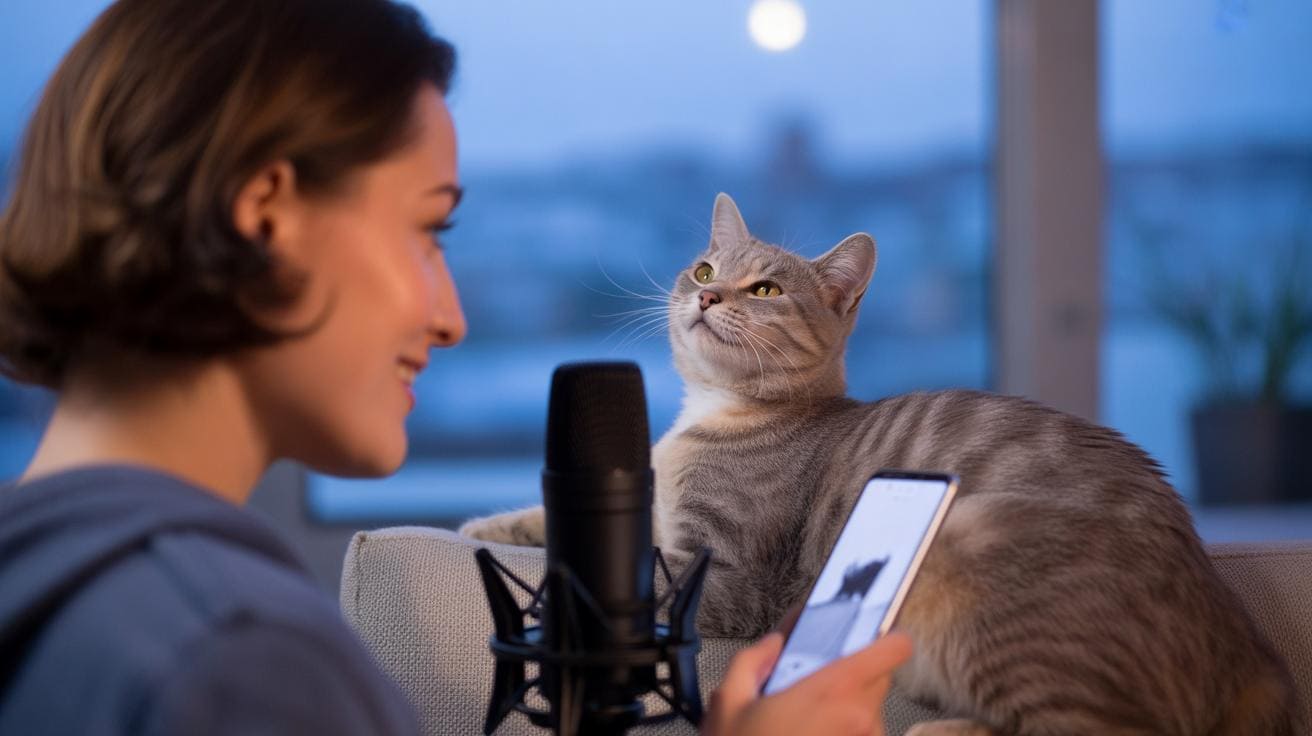
Want to see what your cat’s purr looks like on a graph? Whether it’s for rehab notes or just geeky fun, grab your phone and a comfy spot. Remember, the technical frequency details live in the Mechanism H3 section, so that context makes the numbers meaningful.

Set the recorder where your cat hangs out without changing their behavior , a quiet corner, not right in their face. Aim for 30 to 60 seconds of steady purring while background noise stays low. Ever watched your cat’s whiskers twitch as a soft rumble rolls across the room? That’s the sound you’re capturing.

Use an app with a spectrum or FFT (fast Fourier transform, which turns sound into a frequency picture) view, or export the audio to a simple analysis tool. Look for the fundamental frequency band (the main pitch range) mentioned in Mechanism H3, and note how loud the purr sounds to your ear. Frequency here means how often the sound vibrates per second.

Treat smartphone recordings as clues, not clinical proof. Amplitude (the strength of the sound wave) and perceived loudness change by individual and breed, and distance, bedding, or other noises can skew things. For precise decibel (dB, a unit of loudness) measurements or lab-grade frequency work you need calibrated microphones and controlled conditions.

Still, recording is super helpful , you can track changes over time and share examples with your vet if something seems off. Worth every paw-print.

Variations in purring: breed and age differences, and big cats vs domestic cats

- Variations in purring breed and age differences, and big cats vs domestic cats.jpg

Cats show their personalities in their purrs. Some purr loud and rumbling, others whisper it like a secret. Body size, mood, and health all shape that sound, so it’s normal for purring to change as a cat gets older or feels different. Ever watched your kitty’s whiskers twitch as a low rumble rolls across the room? It’s oddly soothing.

Certain breeds tend to give bigger purrs. Big-boned, fluffy cats like Maine Coons or Ragdolls often make deep, hearty rumbles you can feel through a couch cushion, while slimmer or extra-chatty breeds may purr more quietly. Aging can change things too. Older cats might purr less, softer, or with a different tone if arthritis (joint inflammation), dental issues (tooth pain), or respiratory changes (breathing problems) make their throat muscles sore or uncomfortable. Keep an ear out for sudden shifts in volume or pitch , those can be clues that something’s wrong.

Do big wild cats purr the same way house cats do? Some large felids make purr-like sounds or short chirrups, but the big roaring cats use different vocal anatomy. The shape of the hyoid (throat bone) and the larynx (voice box) changes how sound is made, so domestic and wild cat purring isn’t identical. See the Mechanism H3 for the anatomical details.

Final Words

in the action, purring comes from quick, repeated twitches of the laryngeal muscles (throat muscles that twitch) driven by a neural oscillator (a tiny brain rhythm generator). It’s the little engine behind contentment, attention-seeking, and self-soothing.

We ran through kitten calls, adult solicitation, healing ideas, how to read body language, and simple recording tips so you can spot friendly hums versus worry signs.

So when that soft motor hums, smile. Now you know the main reasons and why do cats purr.

FAQ

Cat purring — Frequently Asked Questions

Why do cats purr biologically?

The biological reason cats purr is rapid, repeated contractions of the laryngeal (voice-box) muscles driven by a neural oscillator (a brain rhythm). Cats can also modulate purring to signal different needs.

What does it mean when a cat purrs to you?

A cat purring to you can signal contentment, bonding, or a request for attention or food. Check the cat’s body language: a relaxed posture and head rubbing usually mean affection, while tense cues may indicate stress.

Why do cats purr and knead?

Cats purr and knead as a carryover from kitten nursing. Kneading mimics pressing a mother’s belly to stimulate milk and signals comfort, security, and affection.

Why do cats purr when they sleep?

Cats often purr when they sleep to show relaxed contentment and self-soothing; this is normal when paired with a loose posture and steady breathing.

Why do cats purr when they are dying?

When cats purr near death, it often serves as self-soothing and may help modulate pain or call for comfort. Monitor other signs and seek veterinary help if symptoms are concerning.

Why do cats purr loudly, and what about Reddit anecdotes?

Loud purrs often indicate stronger solicitation, excitement, or individual/breed traits; loudness varies widely. Reddit anecdotes reflect owners’ observations but are not controlled scientific studies.

Related Articles

Author

  • Isabella Tiu

    Isabella Tiu is a transcriptionist from Calhoun, Florida, known for her sharp attention to detail and her commitment to providing accurate and efficient transcription services. With a passion for language and communication, she thrives on transforming spoken words into clear, readable content for her clients.

    When she's not working, Isabella enjoys hiking and camping, finding peace and inspiration in the beauty of the outdoors. She often says, “The best lessons are often learned in nature,” a philosophy she embraces both in her work and personal life.

    Isabella’s love for both her craft and the natural world reflects her belief in continuous learning and exploration.

    View all posts

Similar Posts