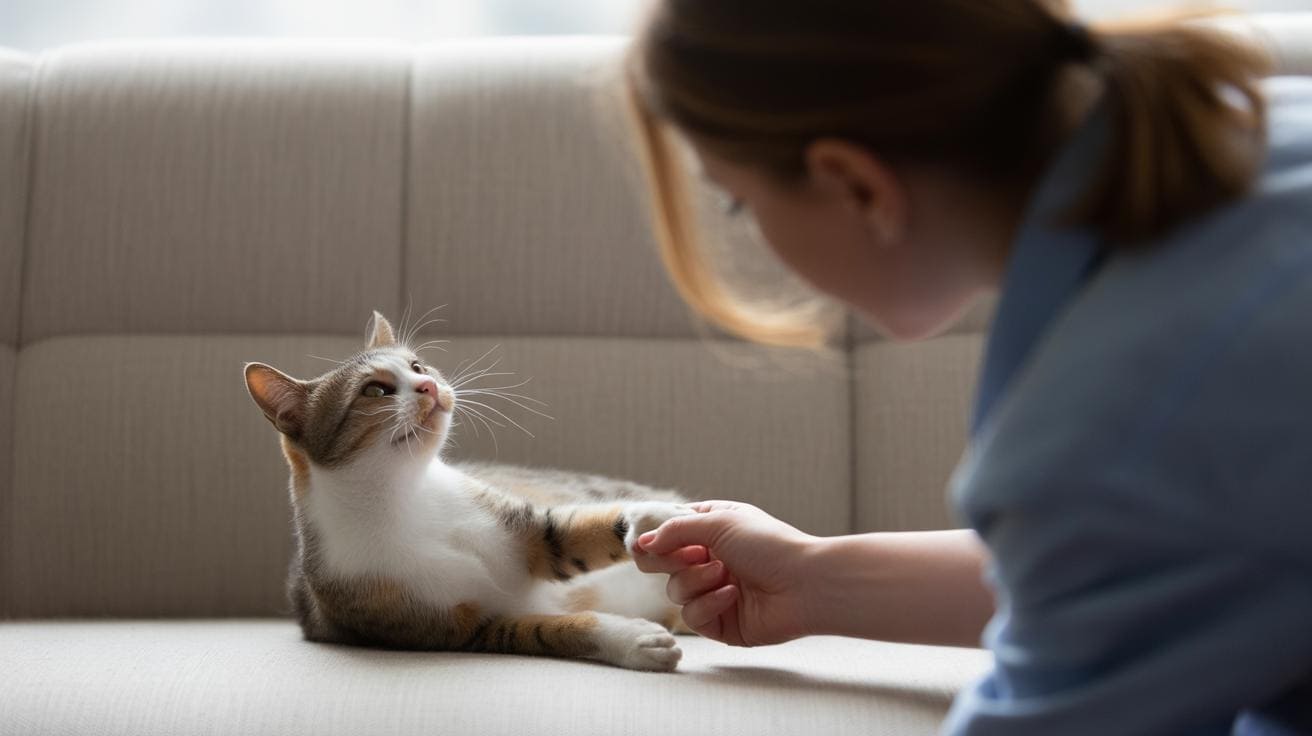
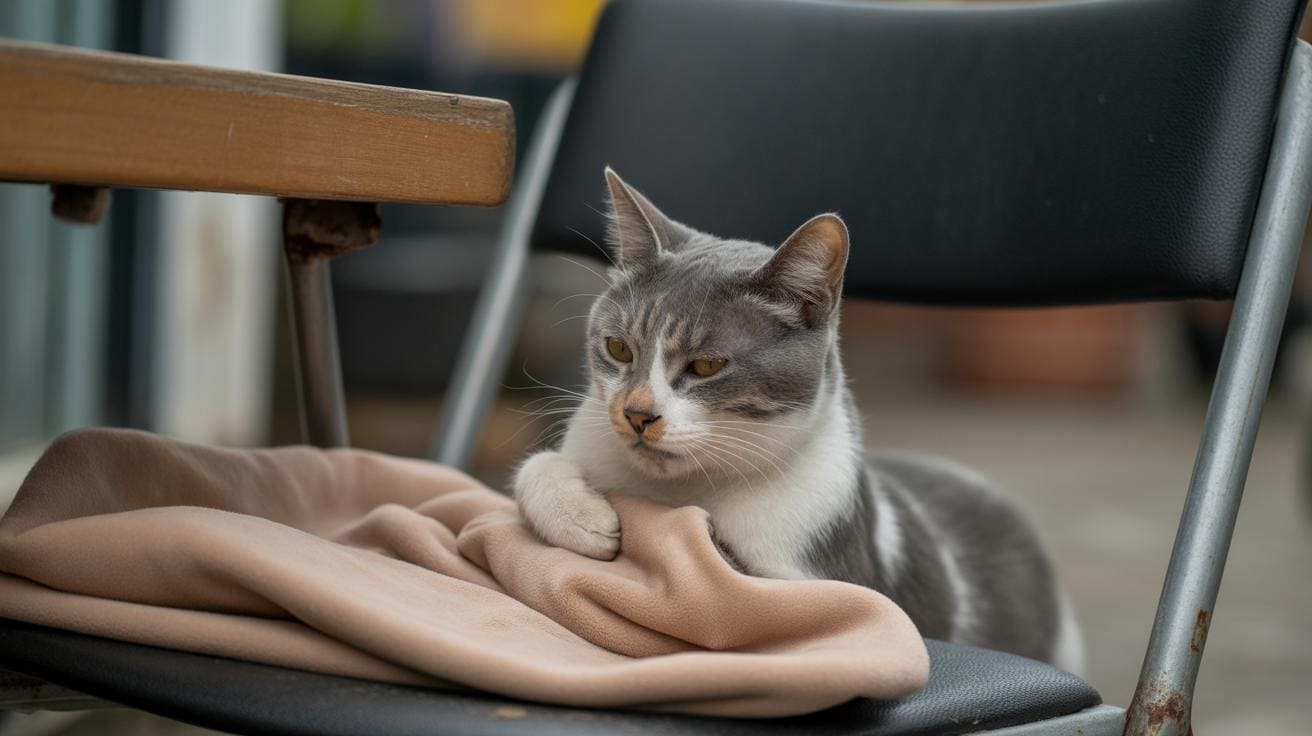
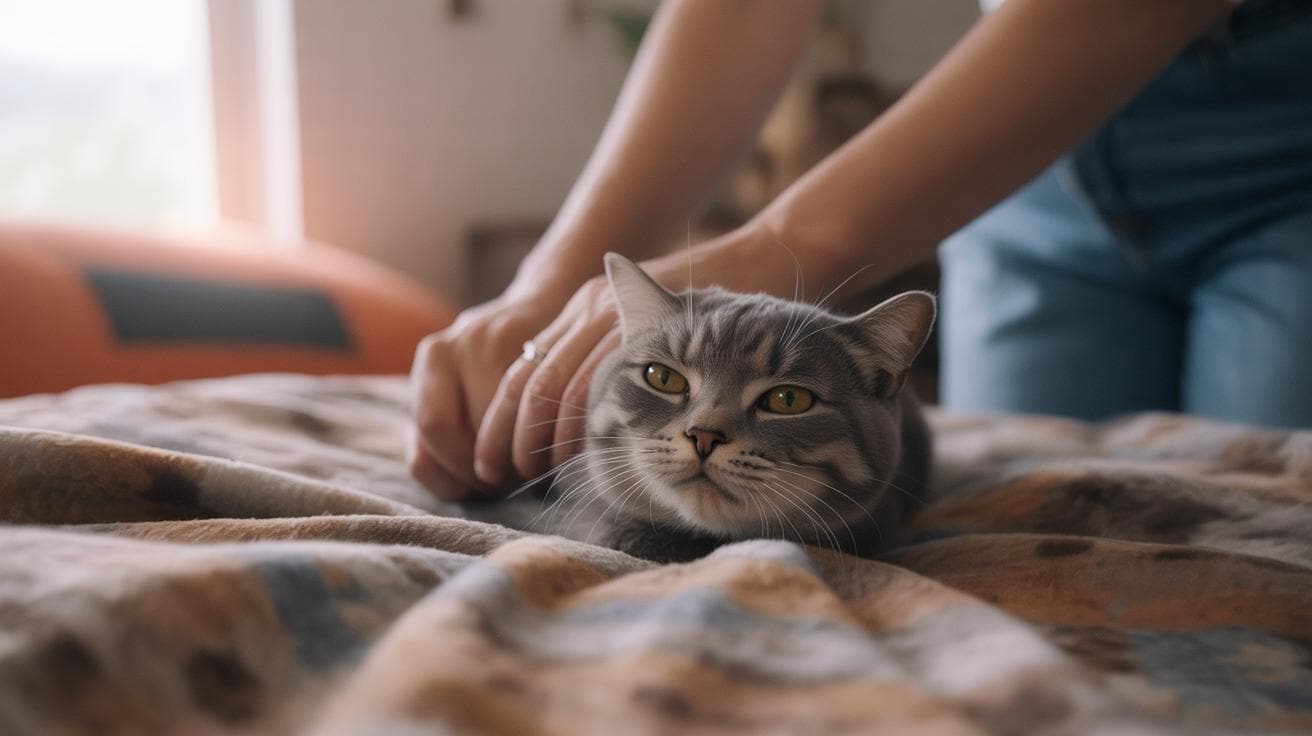
Ever watch your cat press its paws into your lap like a tiny baker working dough? The slow, rhythmic pushes feel warm and oddly soothing. It’s not just a cute quirk. It’s an old nursing reflex from kitten days, plus paw-gland scent-marking (tiny scent glands between the pads that leave a private "this is mine" scent), a satisfying stretch, and a cozy self-soothe that also fluffs up a comfy spot like nest-building.
So here’s what I’ll do: I’ll walk you through the instincts, the scent habit, and the comfort side so you can tell when a knead means love, when it might hint at discomfort, and easy fixes to keep your skin scratch-free. Try a soft blanket or folded towel for their kneading spot, your arms will thank you. Worth every paw-print.
why do cats knead: Instincts, Scent, Comfort
Cats knead for a few simple reasons: an old nursing reflex, scent-marking from paw glands (small scent glands between the pads), comfort and self-soothing, stretching, softening a spot like they would a nest, and showing affection. It’s that mix that makes them push their paws in and out, often with a contented purr and tiny claws at work.
Most kneading is perfectly normal and usually means your cat is happy or settling into a habit. Pay attention if the kneading suddenly gets much stronger, more frequent, or changes in style, since that could be a sign something’s off and worth checking with your vet.
- Kitten nursing / milk stimulation (a reflex that helped kittens get milk): Kittens knead to help trigger milk flow, and adult cats sometimes keep the motion because it feels comforting.
- Comfort / self-soothing: Kneading can calm a cat, like a soft rhythmic massage. Ever watched their whiskers twitch while they do it? Cute.
- Scent marking via paw glands (tiny glands that leave your cat’s smell): When they press their paws, they’re saying “this is mine” in cat language.
- Stretching muscles: It’s a good full-body stretch, from toes to shoulders, and often feels satisfying to them.
- Nest-preparation / softening a surface: Think of it like fluffing a pillow before a nap. It’s practical and cozy.
- Bonding / affection: Kneading you or a blanket often comes with purring and face rubs. It’s a compliment, your lap is basically a five-star bed.
A quick note on people-kneading: If your cat uses claws, keep them trimmed or offer a soft blanket to protect skin. If they knead aggressively and seem stressed, try gentle redirection with play or a comfy toy.
Worth every paw-print.
Read below for development, anatomy, people‑kneading, and when to call a vet.
Kittens and kneading: timelines, atypical outcomes, and stimulation alternatives
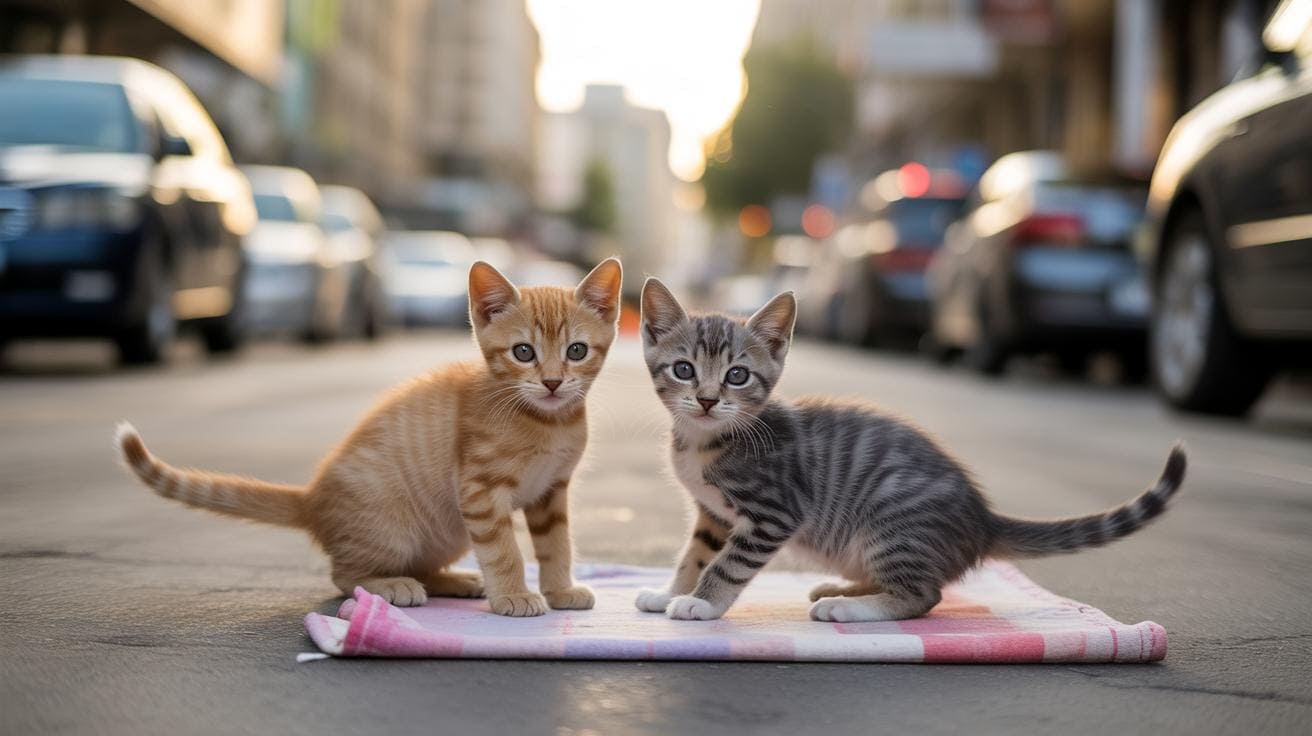
Kneading (that cute, rhythmic pawing kittens do) usually shows up really early. Many kittens start during nursing, slow down as they wean (switch from milk to solid food), and then either keep the habit or let it fade as they grow. Ever watched tiny toes flexing while your kitten purrs? It’s soothing for them, and kind of adorable for us.
Typical kneading timeline
- 0–4 weeks: lots of nursing kneading , it helps stimulate milk flow and feels comforting.
- 4–8 weeks: weaning transition (weaning = switching from milk to solid food); kneading often drops as feedings change.
- 2–12 months: habit consolidation; some juveniles keep kneading into adulthood, others slow down or stop.
Some kittens don’t follow that neat path. Orphaned or early-weaned kittens tend to knead longer and might also suckle, cry for contact, or cling to soft fabrics. That extra intensity can look like constant pawing at blankets, frantic searching for anything nipple-like, or refusing to settle without a soft item. Cute, yes, but it can also mean they need more comfort.
For orphaned or early-weaned kittens, try simple substitutes and routines. Offer a warm plush blanket or faux fur (soft fabric that holds heat), provide a nursing-style stuffed toy for gentle suckling, and hold short, frequent handling or play sessions to build secure attachment. Keep feedings predictable on a schedule, and reward the kitten when it uses the designated blanket instead of your clothing. Little steps like this help them feel safe, and save your shirts, too.
For play-based socialization ideas that build trust and confidence, see Tips for socializing kittens through play.
Worth every paw-print.
Scent marking and anatomy: glands, paw-pad mechanics, and the motion of kneading
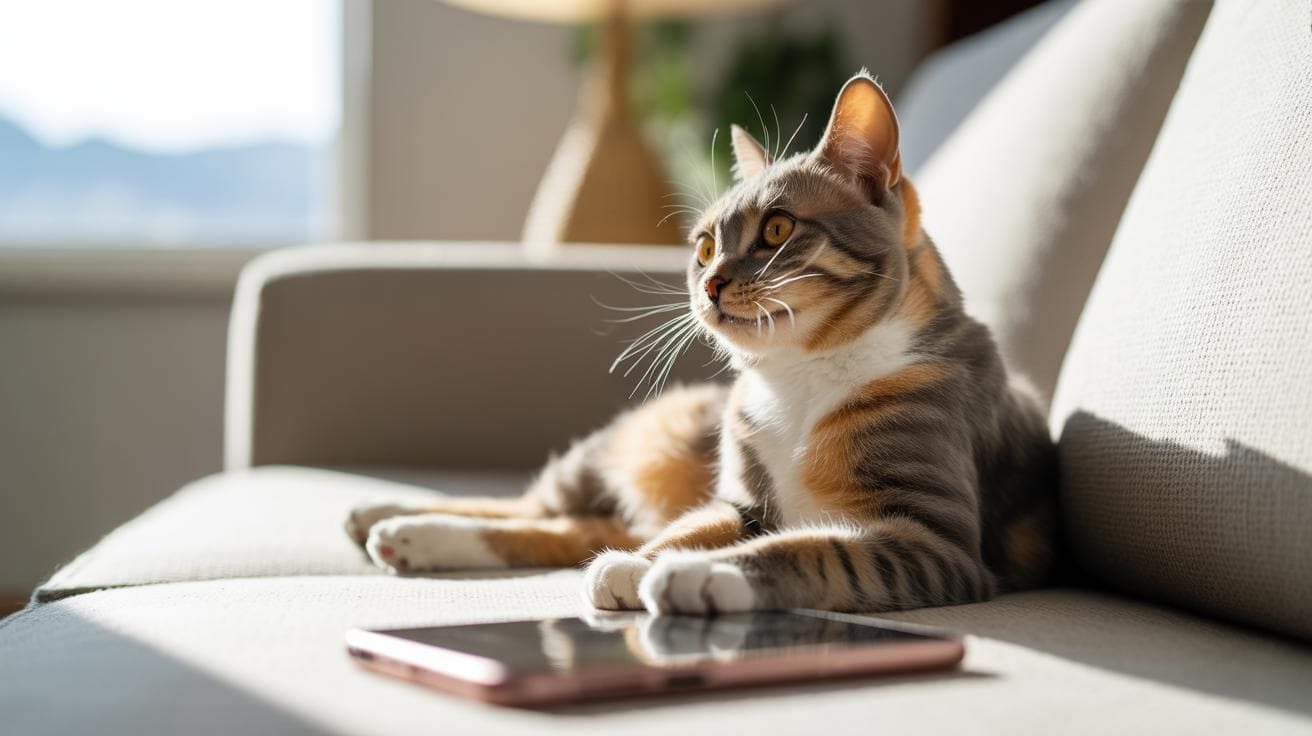
Cats have tiny scent glands tucked between their toe pads and along the paw pads. Those interdigital glands (small scent-producing pores) release pheromones (simple chemicals animals use to communicate). You probably can't smell it, but your cat sure can; that faint scent quietly says, "This spot is mine and it’s comfy."
Kneading uses a neat stack of muscles and joints. The forelimbs and the shoulder area do most of the work, while the toe flexor muscles pull and release the pads in a steady rhythm. Think of it like a gentle stretch for the front half of the body, soft presses, short releases, that helps loosen the shoulders and chest and just feels good.
Paw pads are full of sensitive touch receptors, so every press gives instant feedback. That feeling is rewarding, and it keeps the knead going. Cats will sometimes extend their claws for a deeper grip or keep them tucked for lighter, fluffy presses, depending on their mood. If a cat has joint stiffness or arthritis (joint inflammation that makes movement painful), you’ll often see shallower pushes, a slower tempo, or a preference for softer surfaces.
What scent-marking accomplishes
Scent-marking through kneading tells the cat and other cats that a place is familiar and safe. That tiny chemical note lowers stress, so your cat settles faster and relaxes more easily. Nice, huh?
Paw motion and mechanics
The basic move is a steady press and release that gives both a little stretch and a lot of sensory feedback. Common kneading patterns you might notice:
- Alternating presses with just the front paws
- Front paws pushing while the hind legs give a V-shaped support
- A soft, all-four-limb rhythmic push
- Suckling on fabric while applying light paw pressure (a carryover from nursing)
Ever watched your kitty knead a blanket and purr like it’s the best day ever? It’s equal parts muscle work, memory, and comfort.
When cats knead people: meaning, body language cues, and protecting skin/clothes
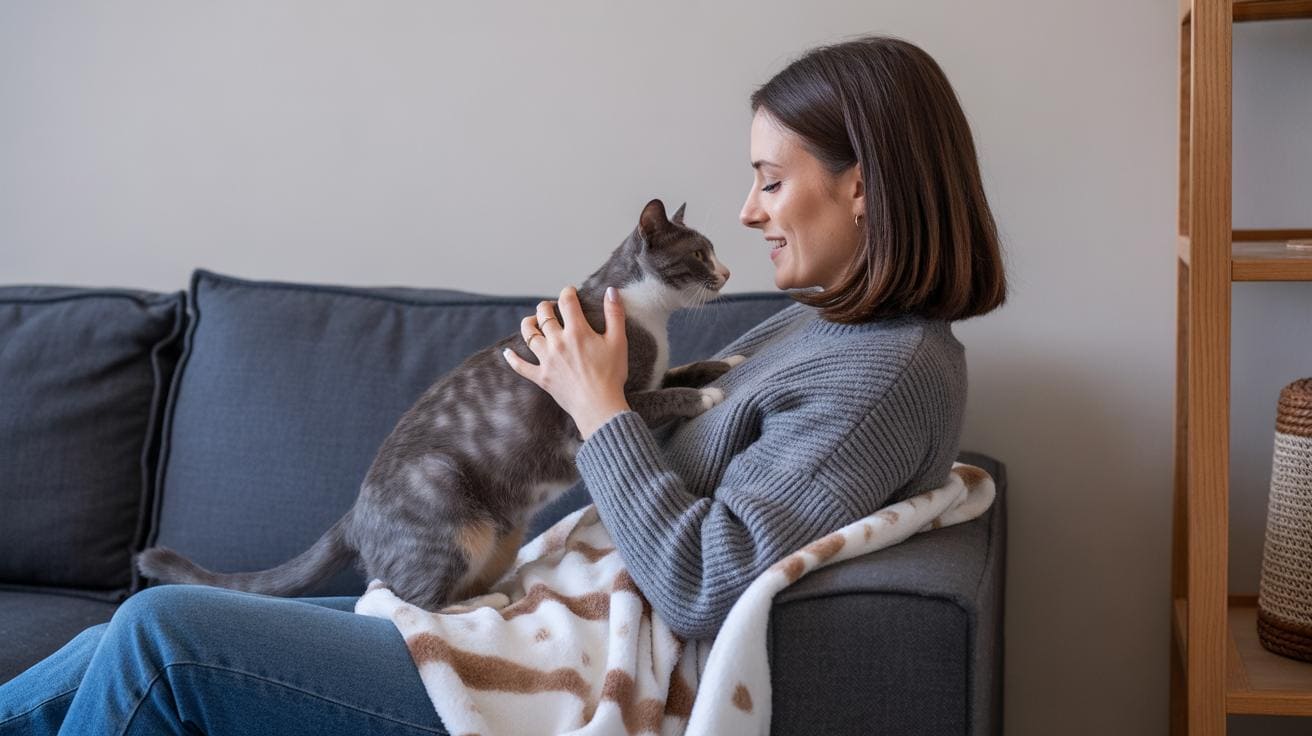
Kneading is a big compliment from your cat. It’s that soft, rhythmic push of paws, like tiny dough-kneading hands, that says they feel safe and cozy. Ever watched your kitty purr and press their paws into your lap? Pure heart-melty stuff.
What kneading means and the cues to watch for
- If your cat is relaxed, eyes half-closed, purring, and pressing gently, they’re showing contentment and trust.
- If the kneads are tense, claws extended, ears back, or their tail flicks, they might be overstimulated or anxious, time to give them a break.
- Kittens knead from nursing instinct; adult cats keep the habit because it feels good and marks you with their scent.
Quick, easy tricks to protect yourself and your clothes
- Use a dedicated fleece or flannel blanket on your lap during cuddle time. Fleece (soft synthetic fabric) and flannel (brushed cotton that’s cozy) soak up kneads and save your shirt.
- Keep a folded towel handy as a fast barrier if a heavy session starts on your stomach. A simple cotton towel works and slips over in two seconds.
- Place a plush pad nearby to redirect insistent kneading. Plush pad (soft cushion) becomes their VIP knead spot when you nudge them over.
- Try positive redirection (rewarding the behavior you want, like treats or petting, instead of scolding) , when they hop to the blanket or pad, give a treat and a happy scratch.
- Trim nails every 2-4 weeks to reduce snagging and accidental scratches. Use cat nail trimmers (scissor-style clippers made for cats) and only clip the sharp tip.
A tiny real-life note: I once watched Luna knead right through my sweater, oops, so now I keep a fluff blanket ready. Works like a charm.
If kneading gets too rough, don’t yank your hand away fast. Gently slide your hand out, put the blanket under them, and offer a toy or a treat. Calm moves, calm cat.
And one rule that’s non-negotiable.
Never declaw. Declawing (surgically removing the claw and part of the toe) causes long-term pain and behavior changes. It’s not an option.
Worth every paw-print.