Why Does My Cat Bite Me: Causes, Fixes

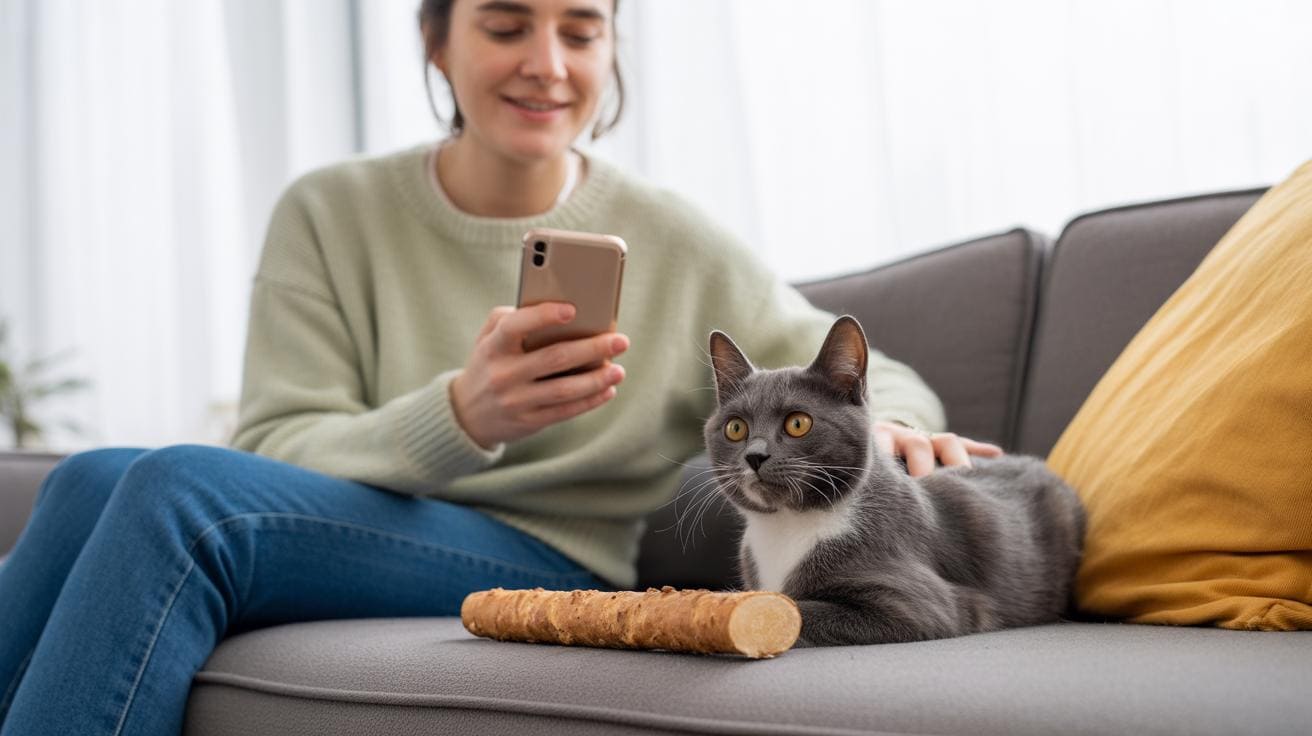
Think your cat bit you out of spite? Think again. Most nips come from simple stuff: play or hunting practice, too much petting that ends in a snap, fear or self-defense, redirected irritation, or hidden pain. Ever had a soft purr turn into a sudden pinch? Yeah, me too. I’ll show you how to spot the kind of bite, what to do right then, and easy fixes so you can get back to cozy cuddles.

Play bites are usually gentle, little teeth, no growl, and they happen when your cat’s batting at your hand or pouncing on a moving sock. Hunting-practice bites feel firmer and come with stalking body language, low crouch, focused eyes, tail twitching. Petting-overload bites tend to come mid-pet: you’ll feel the skin ripple, a quick tail-flick, maybe a hard stare just before the nip. Fear or defense bites are fast and loud, ears flat, pupils wide, and your cat wants distance. Redirected irritation is weird but common: your cat gets mad about something else and bites whoever’s closest. Pain bites are different, your cat may cry, avoid being touched in one spot, or bite suddenly when you touch a painful area.

So what do you do in the moment? Stay calm. Don’t yank your hand away, slowly pull back so teeth don’t catch more skin. Speak softly, then distract with a toy so the bite target moves: a teaser wand (think fishing-rod-for-cats) works great. Check the spot for broken skin; wash gently and keep an eye on it, see a doc if it’s deep, swollen, or red. And don’t punish your cat, that just makes fear and confusion worse.

Want to cut down on nips? Schedule short, intense play sessions daily so they get out hunting energy, five to ten minutes of active chasing can help. Watch body language: stop petting when the tail flicks or the skin ripples. Swap hands for toys during play so your fingers aren’t the target. Use chew-safe toys made of puncture-proof fabric (tough cloth that won’t tear when a cat bites) for rougher play. Train gentle play with treats and praise, reward calm paws, not bouncy teeth. For sudden aggression or pain-related bites, a vet check is smart.

Worth every paw-print.

Quick answers about why cats bite people , TL;DR

Cats bite for a few common reasons: play or predatory mouthing (treating your hand like a toy or prey), petting-induced overstimulation (too much touch makes them snap), fear or defense, redirected aggression (they get mad at something else and bite the nearest thing), or pain and illness. Ever had a sudden sharp nip when your cat was purring one second and tiny-murder-monster the next? Yeah, that.

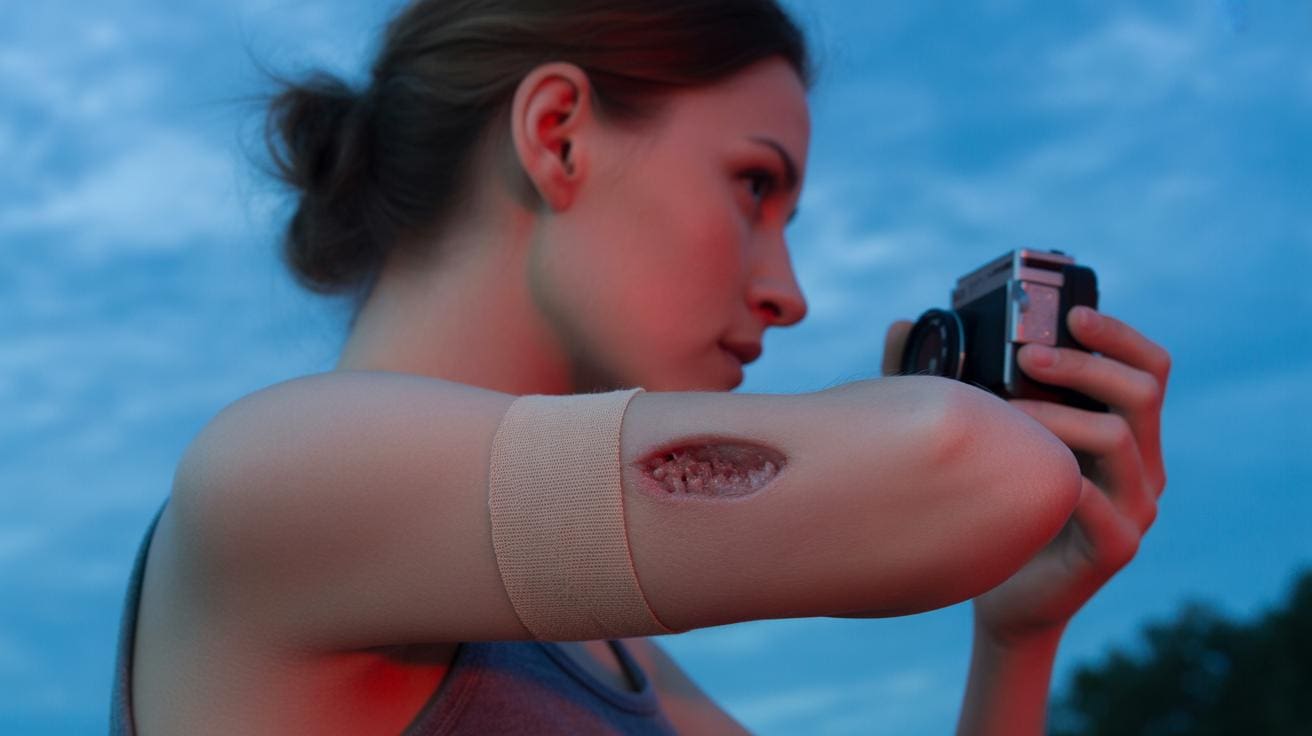
The first thing to do is stop interaction calmly and give the cat space. Move away, or gently put the cat in a quiet room until both of you have cooled down. Don’t yank your hand or shout , that can make things worse. If the skin is broken, wash the area with soap and water and apply a clean bandage.

See a doctor or vet right away if the bite breaks skin, punctures deeply, bleeds a lot, or if you notice swelling, increasing redness, warmth, or fever. Cat mouths can carry bacteria like Pasteurella (a common bacteria from cat mouths that can cause fast infections), so bites that look small can still get serious. Also call a doctor sooner if you have diabetes, a weak immune system, or take blood thinners.

Worth a quick vet or doctor call. Better safe than sorry, and your cat will probably be back to goofy zoomies soon.

why does my cat bite me: telltale differences , love nibbles, play bites, and aggressive bites
- why does my cat bite me telltale differences  love nibbles, play bites, and aggressive bites.jpg

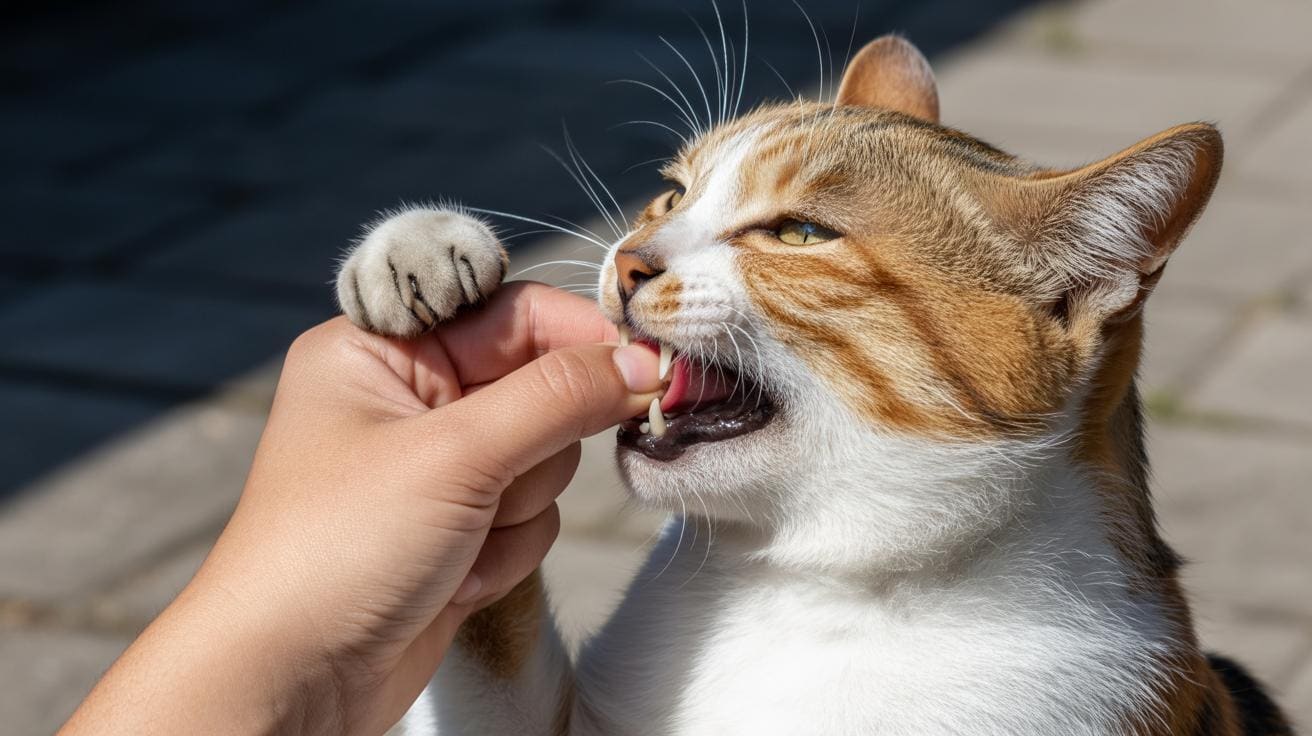
If you've been wondering "why does my cat bite me?" chances are it falls into one of three buckets: a love nibble, a play bite, or an aggressive/fear bite. A love nibble is a tiny, gentle mouth-press you might feel after grooming or a long cuddle. It’s more of a soft kiss than a real bite, and your cat usually looks relaxed and satisfied.

Play bites are part of the predatory sequence (a hunting-style set of behaviors like stalk, pounce, and grab). Kittens practice these on their littermates, so they can be pretty rough during play. You’ll often see pouncing, grabbing with the front paws, and bunny-kicking (kicking back with the hind legs), plus excited, wide pupils.

An aggressive or fear bite is a hard, defensive response meant to stop a threat. That one can break skin and cause injury. When a cat bites like this, they usually look tense, may hiss or growl, and try to make a fast getaway afterward.

Licking then nipping is a useful clue. If your cat licks you and then gives a quick nip, they might have shifted from calm to overstimulated. Pay attention to the lead-up , where you were touching, how long you petted, recent play, and whether the tail was flicking or the ears were turning back. Often the body language gives you a heads-up.

Bite Type Common Context Key Body Language Cues Severity
Love nibble After grooming or cuddling Gentle mouthing, relaxed body, soft or closed eyes Low
Play bite Rough play, chasing, toy sessions Pouncing, grabbing with front paws, bunny-kicking (kicking back with hind legs), dilated pupils Mild–moderate
Aggressive/fear bite Fear, threat, redirected aggression, territory fights Hair standing up (piloerection), very wide pupils, stiff body, flattened ears, loud hisses or growls High

Red flags that mean the bite could be harmful:

  • A hard clamp that breaks skin or leaves a puncture.
  • Repeated or escalating bites aimed at the same spot.
  • Bites that come with extreme body tension, loud vocal threats, or full-on aggression.
  • Bites after being cornered, surprised, or during redirected aggression.

If you see any of those signs, get prompt veterinary care or consult a certified cat behaviorist. Better safe than sorry, right?

Worth every paw-print.

why does my cat bite me after petting , overstimulation and petting-induced aggression
- why does my cat bite me after petting  overstimulation and petting-induced aggression.jpg

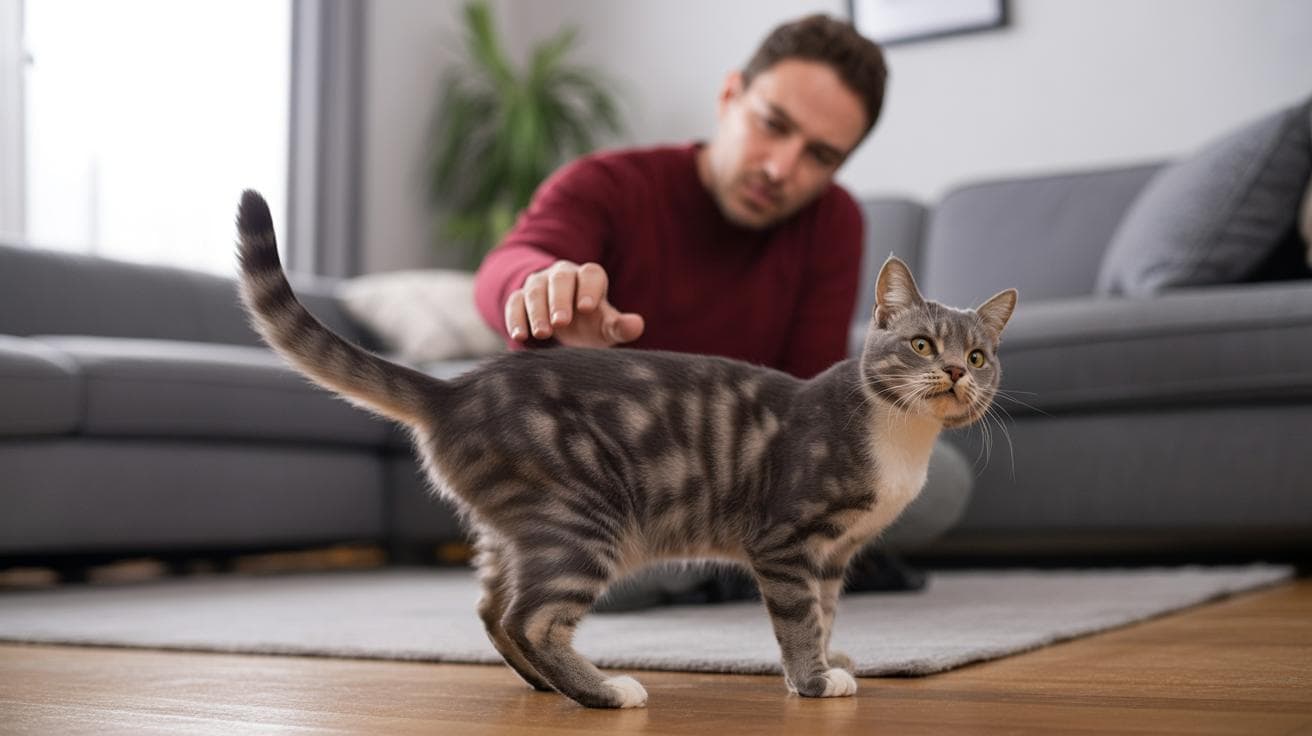
Ever been mid-rub and felt your cat go from purr to a quick bite? That sudden nip is often petting-induced aggression (when touch becomes too much and your cat’s nervous system flips from relaxed to defensive). It can happen in seconds. One moment they’re soft and warm. The next , ouch.

Kittens that miss the socialization window (about weeks 2 to 7, when they learn to enjoy handling) can grow up with lower tolerance for touch. So early gentle handling matters. But even well-socialized adults have limits.

Watch for the little warning signs. Tail twitching or a sharp tail lash, skin rippling, ears turning back, a sudden freeze, or visible skin tension usually mean “that’s enough.” Ever noticed whiskers go rigid right before a nip? Yeah, that’s a clue.

When you see a cue, stop. Give space. Let the cat come back to you on their terms. Don’t try to push through a warning, even if they seemed happy a second ago. It just trains the opposite of trust.

Avoid repeated belly pats or fussing at the base of the tail for many cats. Those spots are loaded with sensitive nerves, and what feels playful to us can feel invasive to them. Respect the no-go zones.

Want to build tolerance? Go tiny and predictable. A few seconds of gentle strokes, then a treat or a pause. Repeat this over days or weeks, slowly lengthening the contact while keeping the mood calm and steady. Consistency wins. Think of it like training your cat to love longer cuddles, one short, positive session at a time.

It’s okay to be human about it. Oops, try again. Watch the signals, reward calm behavior, and give your cat control. You’ll get more petting, and fewer surprise nips. Worth every paw-print.

why does my cat bite me during play , kitten teething, learned hand-play, and redirection
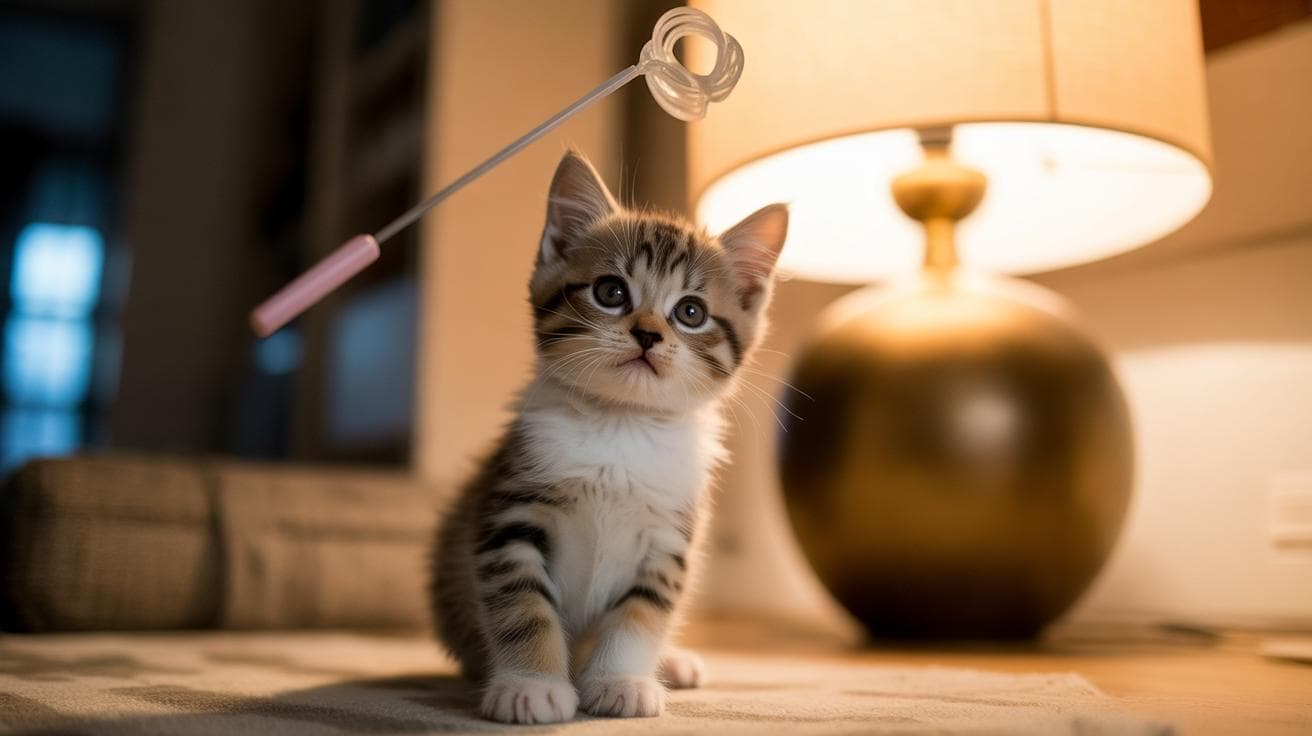
- why does my cat bite me during play  kitten teething, learned hand-play, and redirection.jpg

Play biting is just the hunting sequence in tiny form. Stalk. Pounce. Grab. A quick mouth clamp at the end. It’s normal. Kittens practice that on their littermates, so when your hand looks like something to chase, that’s why.

If your kitten treated human hands like toys during the socialization window (about weeks 2 to 7, when they learn to accept touch and play with people), they’re more likely to see fingers as prey later on. Ever watched your kitty snap at a sleeve? Same instinct, different target.

Teething makes it worse. Teething (baby teeth erupting and being replaced by adult teeth) causes more mouthing (using the mouth to nibble or chew). Young cats chew and nibble more until adult teeth settle in. Good news: it usually eases up as they grow.

How to fix it. Never use your hands as toys. Oops, let me rephrase that. Don’t let playtime turn into hand time. Swap your fingers for a teaser wand (a stick with string and feathers, like a fishing rod for cats), a kicker toy (a long stuffed toy they can grab with front and back paws), or small chase toys they can catch and carry. Keep play short and frequent. Several 2 to 10 minute sessions a day meets that hunting drive and wears them out in a good way.

When biting starts, stop play for a very short, calm pause. Freeze for a beat or make a single soft noise that says, “Hey, no.” Then immediately hand over a toy. Repeat that pattern so your cat learns toys, not skin, finish the hunt. If you’re busy, toss an unbreakable ball before you leave for ten minutes of safe solo play.

Praise gentle play and give attention when they use toys. Don’t yell or swat. If biting is hard or aggressive, check with your vet or a cat behaviorist. Worth every paw print.
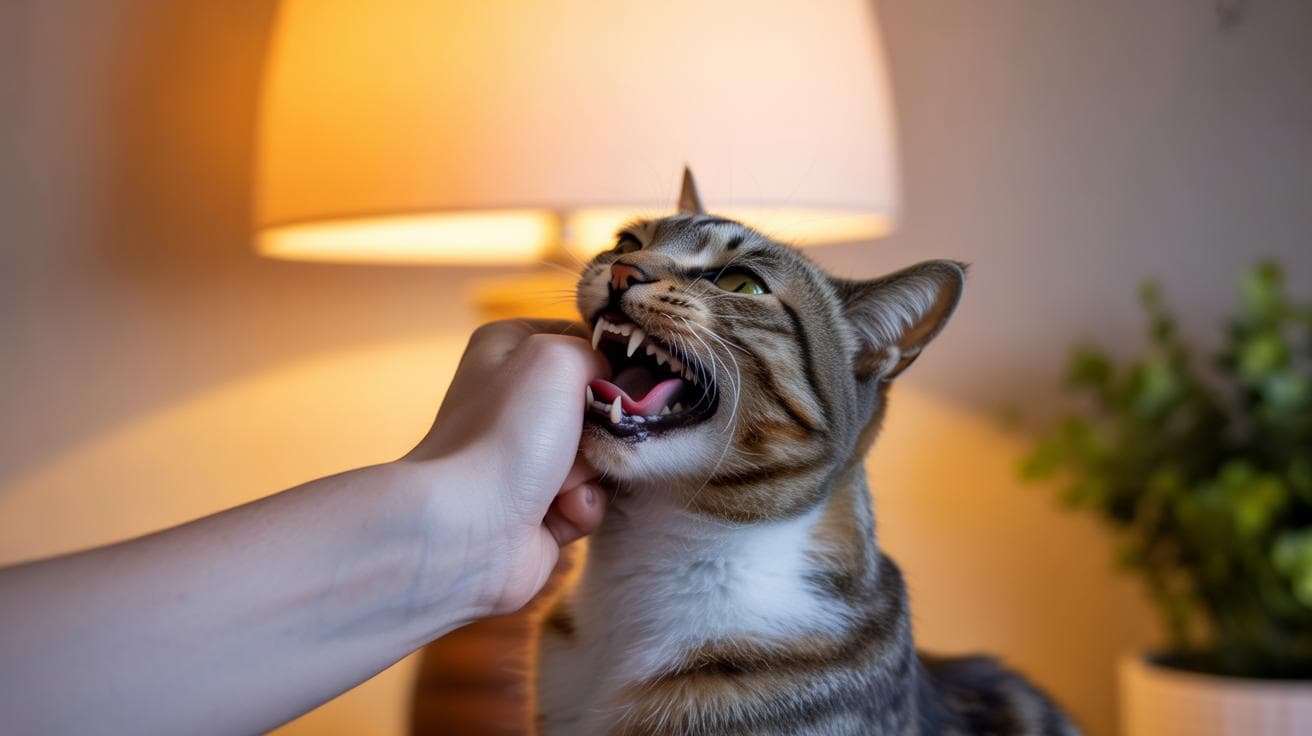
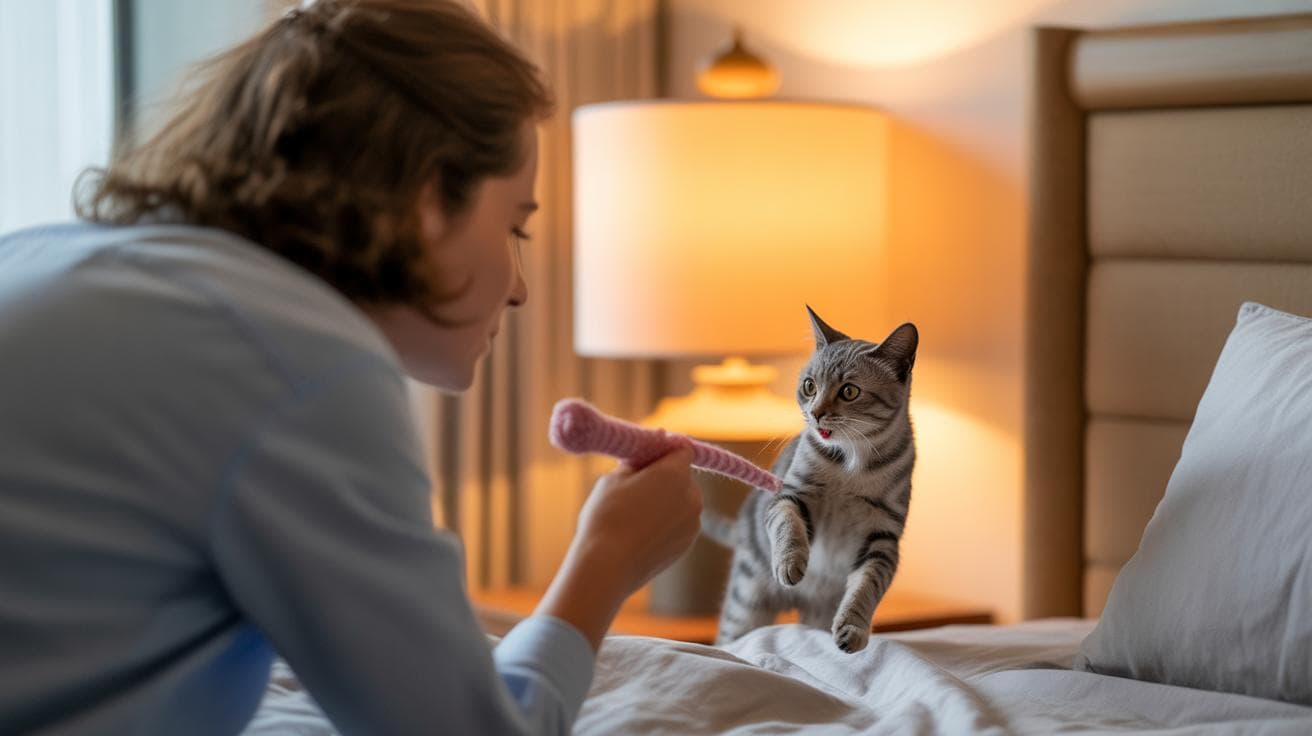
why does my cat bite me suddenly: pain, medical issues, and neurological causes

- why does my cat bite me suddenly pain, medical issues, and neurological causes.jpg

If your cat starts biting out of the blue, especially in one spot, think medical first. Sudden, focused bites usually mean your cat is hurting or a nerve is bothering them, not that they’re being naughty. It can happen in a heartbeat after a tiny touch that suddenly feels awful to them.

Common medical triggers include:

  • Dental disease , tooth or gum pain that makes jaw pressure unbearable (like a sore spot in your mouth).
  • Degenerative joint disease , arthritis, painful joints that flare when handled.
  • Intervertebral disk disease , spinal disc problems that make being picked up or petted painful.
  • Feline idiopathic cystitis , bladder pain and discomfort, which can make a cat snap if you touch their belly.
  • Wounds, abscesses, or oral ulcers , tender spots that react when touched.
  • Fleas or severe skin irritation , annoying, itchy skin that makes any touch too much.
  • Hyperesthesia , a skin-sensitivity syndrome where touch can feel like a jolt or electric shock.
  • Neurological disease , nerve pain or focal seizures that change how much a cat tolerates handling.

Bring a few quick notes to the vet: when the bites started, the time of day, exactly what you did or touched, and the exact body spot involved. A short video or photo can help a lot, too.

Treating pain or the underlying illness often stops the biting. Once the medical issue is under control, a gentle behavior plan or slow desensitization can help rebuild tolerance , think tiny, calm touch sessions paired with treats, gradually increasing time. I once watched a cat go from full-on snappy to nudging for pets after a few careful sessions. Worth every paw-print.

why does my cat bite me at night or bite my feet , redirected hunting and environmental fixes

- why does my cat bite me at night or bite my feet  redirected hunting and environmental fixes.jpg

Nighttime nips and ankle ambushes usually come from a hunting instinct that didn’t get used up during the day. Cats are crepuscular (most active at dawn and dusk), so when toes peek out from under the covers or feet twitch in sleep, your cat sees moving "prey" and the whole stalk-pounce-capture routine kicks in. Ever wonder, “Why does my cat bite me?” Yup, often it’s an unmet hunt drive.

Try a short, lively play session right before bed, five to fifteen minutes with a teaser wand (think fishing rod for cats) that mimics a real hunt. Then give a small meal to simulate a successful catch. It helps if play ends with a tangible reward. Also, be careful with laser-only play; some kitties get frustrated because there’s nothing to actually grab.

Add daytime enrichment so your cat uses energy during the day: puzzle feeders (toys that make your cat work for food), safe solo toys to bat around, high perches for snooping, and hiding spots for ambush practice. Rotate toys every few days so they stay exciting. Your cat’s whiskers will twitch when a new toy rolls across the carpet.

Make your bedroom less tempting. Tuck your feet fully under blankets, shut the door if you can, or offer a cozy cat bed with a warm blanket set away from your bed. A timed feeder or overnight puzzle toy can give them something to do while you sleep. Keep a simple bedtime routine, play, meal, lights low, and stick with it.

Don’t give attention when your cat bites you at night. Even a shove or a shout can be a reward. Ignore the behavior and redirect to play the next evening instead. Worth every paw-print.

why does my cat bite me and what to do after a bite , safe response, wound care, and infection risk

- why does my cat bite me and what to do after a bite  safe response, wound care, and infection risk.jpg

Stop the interaction calmly. Freeze and stay still until the cat lets go. Then step back slowly, give the cat some space or close a door. Don’t shout or yank your hand, keeping the moment quiet helps it not escalate and protects both of you.

Immediate care after a bite. Rinse the wound under running water with mild soap for at least five minutes to wash out germs. You’ll feel the cool stream and it really helps. Gently press with a clean cloth to slow bleeding, then cover with a clean bandage. Deeper puncture wounds (a small, deep hole made by teeth) can drive bacteria into the tissue and often need a clinician’s look and maybe antibiotics (medicines that kill bacteria). A common mouth germ is Pasteurella (a common mouth bacterium). Your provider may also suggest a tetanus shot (a vaccine that prevents the serious infection tetanus) depending on your shots history.

Head to urgent care or the ER if you notice any of these:

  • a puncture wound or a cut that won’t stop bleeding
  • redness that spreads, warmth, swelling, red streaks, or pain that gets worse
  • fever, chills, or just feeling generally unwell
  • a bite near the face, on the hands, or over a joint (these areas are trickier)
  • if you have diabetes, a weakened immune system, or take blood thinners (your risk is higher)

Also ask about a rabies evaluation (a check to see if rabies is a possible risk) if the cat’s vaccination status is unknown, or if the animal was acting strange or showing nervous-system signs.

Quick documentation helps. Take a photo of the wound, note the date and time, what happened, and any symptoms you get, keep that with your records. If your cat bites more than once, log every incident; the full incident-logging checklist for repeat biters is in the repeated-biting section.

why does my cat bite me repeatedly , behavior modification plans, record keeping, and when to consult a specialist

- why does my cat bite me repeatedly  behavior modification plans, record keeping, and when to consult a specialist.jpg

Start with the vet. If your cat suddenly starts biting more, or keeps biting in the same spot, pain or illness is the most likely cause. Tell your vet when the change began, where the cat was touched, and whether the bite is predictable. Have them check teeth, joints (where two bones meet), skin, and nerves (nerve pain) first, because fixing a medical problem often makes the biting stop.

Once the vet rules out medical causes, use a step-by-step training plan for a chronic biter. Expect slow, steady progress over weeks to months, not an overnight fix. Keep a simple incident log while you work , the record usually reveals patterns and often answers the question, why does my cat bite me? Little wins add up.

For body-touch work, do very short, low-intensity sessions that pair a tiny touch with a super-high-value treat. This is desensitization and counter-conditioning (retraining your cat to like or tolerate touch by pairing it with treats). One-second touches, immediate treat, short break, repeat. Start at a distance your cat tolerates, increase touch time by a hair when they’re calm, and only move forward after lots of calm repeats over several days. Use tiny soft treats your cat loses their mind for, keep sessions under five minutes, and stop the moment you see warning signs.

Watch for those warning signs: tail flicking, ears flattening, skin rippling, a hard stare. If you see them, back up and give the cat space. And hey, ever watched a whisker-studded face go from relaxed to ready-to-pounce in a second? Yeah. That’s why slow is smart.

Lower your cat’s baseline arousal with daily enrichment and clear structure. Give several short interactive hunts each day (teaser wands, kicker toys), add puzzle feeders so meals take longer, rotate toys for novelty, and offer high perches and hiding boxes. Teach gentle boundaries about where and when petting happens. Consider a pheromone diffuser (a plug-in that releases a calming cat scent) or a short medication trial if stress stays high while you train. Oops, make that three mini hunts if your cat still seems restless.

If bites get worse, draw blood, or don’t improve after 6 to 12 weeks of steady, recorded work, ask for professional help. Seek a certified applied animal behaviorist (advanced certification in animal behavior) or a veterinary behaviorist (a veterinarian with extra behavior training). A specialist can tailor a plan, suggest medication when useful, and help with risk management. In rare, persistent cases where safety can’t be managed at home, talk with professionals about rehoming options that protect both people and the cat.

I once watched Luna leap six feet for a toy and then calmly accept a one-second touch with a treat. It felt like a small miracle, and those tiny steps are often what change things.

Keep this log for every bite or near-bite:

  • Date and time of the incident
  • Precise trigger or context (what happened right before)
  • Exact body area touched or approached
  • Sequence of pre-bite behaviors and body language signs
  • Any vocalizations (hiss, growl, yowl)
  • Duration and severity of the bite (soft nip, hard clamp, broken skin)
  • Whether skin was broken and photos of wounds if present
  • Who was present and what interventions were tried (toy redirection, pause, isolation)

Final Words

Jump straight in: play, love-nibbles, overstimulation, redirected hunting, and pain are the usual reasons a cat bites.

If a bite happens, stop calmly and give space, move away or place the cat in a quiet room, wash any skin breaks with soap and water, cover the wound, and seek medical care for punctures, heavy bleeding, swelling, or fever.

With short play sessions, puzzle feeders, and timely vet checks, most biting fades. If you’re still asking why does my cat bite me, try these steps and expect more purrs than teeth.

FAQ

Why does my cat bite me all of a sudden?

Sudden or random biting usually means pain, fear, redirected frustration, overstimulation, or play drive. Stop interaction calmly, put space between you and the cat, and seek a vet if the change persists.

Why does my cat bite me aggressively?

A cat bites aggressively when it feels threatened, cornered, or redirected; watch for hissing, flattened ears, a stiff body, or piloerection (raised fur). Back away calmly and consult a vet or behaviorist if it keeps happening.

What does it mean when cats gently bite you or bite me while purring?

Gentle nibbles or biting while purring usually mean a love bite or grooming mouthing—low-intensity, social behavior. Look for a relaxed posture and soft eyes, and gently redirect if it becomes uncomfortable.

Why does my cat bite me when I pet him?

A cat may bite when you pet him because of overstimulation, sensitivity, or touching a disliked zone. Watch for tail twitching or skin rippling and stop at the first warning sign.

Why does my cat bite me when I walk by, at night, or bite my feet?

Biting when you walk by, at night, or at feet is often redirected hunting or play—moving feet look like prey. Add evening interactive play, a small meal after play, and daytime enrichment like puzzle feeders.

How should I discipline or respond when my cat bites me?

Stop interaction calmly, withdraw attention, and redirect to a toy; never hit or shout. Use short time-outs and reward gentle behavior. Seek professional help for repeated or dangerous bites.

When should I see a vet after a cat bite?

See a vet if the skin is broken, there’s a deep puncture, heavy bleeding, redness, swelling, fever, the cat’s vaccination status is unknown, or the wound worsens.

What is the 3-3-3 rule for cats?

The 3-3-3 rule describes settling in: three days hiding and adjusting, three weeks exploring your home, and three months to feel fully comfortable and settled into routine.

Author

  • Isabella Tiu

    Isabella Tiu is a transcriptionist from Calhoun, Florida, known for her sharp attention to detail and her commitment to providing accurate and efficient transcription services. With a passion for language and communication, she thrives on transforming spoken words into clear, readable content for her clients.

    When she's not working, Isabella enjoys hiking and camping, finding peace and inspiration in the beauty of the outdoors. She often says, “The best lessons are often learned in nature,” a philosophy she embraces both in her work and personal life.

    Isabella’s love for both her craft and the natural world reflects her belief in continuous learning and exploration.

    View all posts

Similar Posts