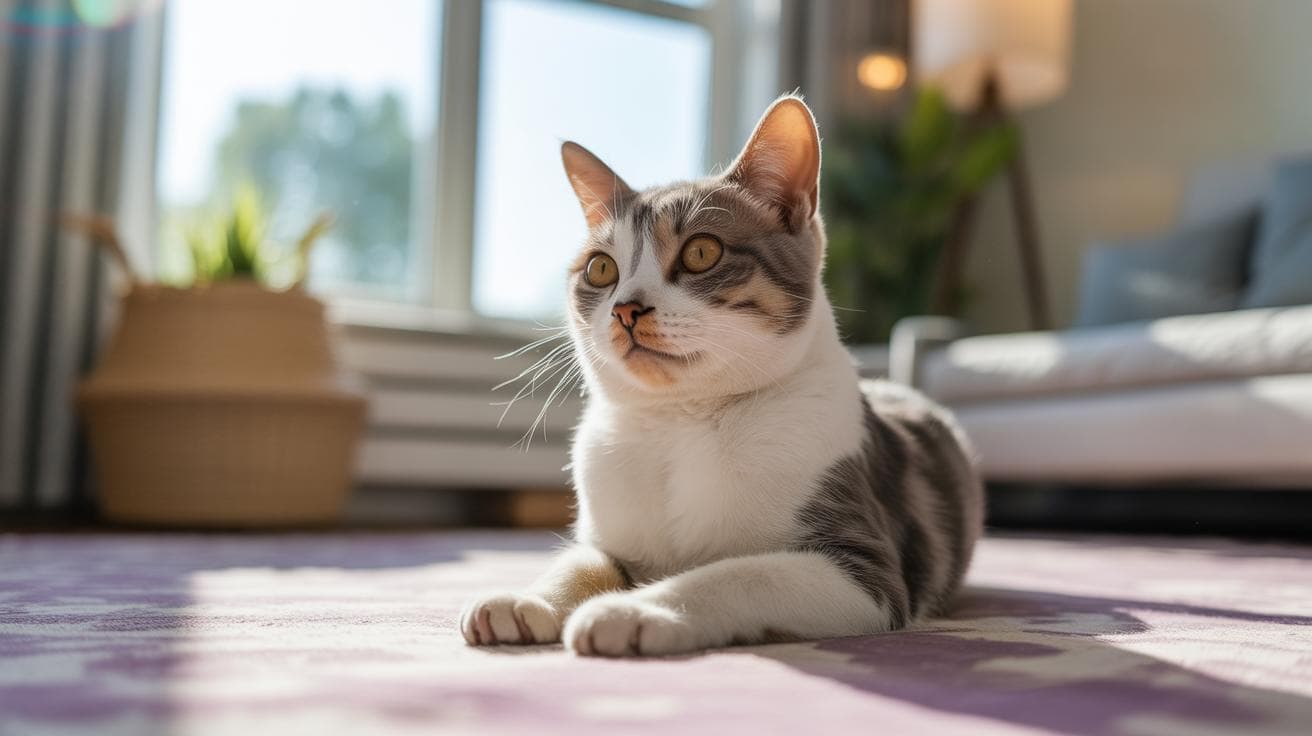
Signs of a Happy Indoor Cat

Worried your indoor cat is bored and lonely? Hold that thought. Lots of indoor kitties are actually pretty content, and they give tiny, telling signs you can spot if you know what to look for.

Here’s a quick yes/no checklist to scan behavior, play, vocal cues, grooming, appetite, and litter habits. The more boxes you tick, the more confident you can be that your cat is happy.

  • Head nudges. When your cat bumps your hand or forehead, that’s a friendly hello and trust. Ever get a gentle head bop out of nowhere? Melt moment.
  • Slow blinks. Those lazy, slow blinks are basically a feline kiss. Try blinking back and see what happens.
  • Dreamy purrs. A low, steady purr while they curl against you or knead feels like a little engine vibrating under your palm.
  • Play bursts. Quick zoomies, stalking a toy, or batting at a feather show curiosity and joy. Think of it like a cat workout session.
  • Neat fur. Regular self-grooming and smooth fur mean they feel safe and comfortable. No mats, no weird bald spots.
  • Steady meals. Eating at regular times and finishing food signals a healthy appetite and less stress.
  • Regular litter use. Using the litter box consistently, with no sudden changes, is a big comfort sign.

Tick several of these, and you probably have a purrfectly happy companion.

Worth every paw-print.

Signs of a Happy Indoor Cat

- Core checklist Quick-scan guide to the key signs of a happy indoor cat.jpg

Quick, friendly checklist to spot a content indoor kitty. Scan it like a yes/no list, more checks across categories means you can be more confident your cat is happy.

Look for matches in behavior, play, and physical signs. One thing alone might mean nothing, but several signs across social, vocal, grooming (coat care), and appetite areas usually tell the full story.

  1. Calmly asks for contact , approaches you, nudges, or gives head butts. Behavioral cues: social signals
  2. Soft, relaxed purring with sleepy-looking eyes. Behavioral cues: vocalizations
  3. Slow blink, the classic "cat kiss" (a relaxed, deliberate blink toward you). Behavioral cues: eyes/ears/whiskers
  4. Tail held up or a gentle tail quiver when greeting you. Behavioral cues: tail signals
  5. Kneading (pressing paws, "making biscuits") with half-closed eyes. Behavioral cues: social signals
  6. Flop or belly show in a loose, relaxed pose , great for photos, but be careful about touching the belly. Behavioral cues: social signals/body posture
  7. Regular, confident play and curiosity, like watching birds from the window or chasing a toy. Play, daily activity, and energy patterns
  8. Normal grooming and a shiny, clean coat (grooming means coat care and keeping fur tidy). Health & Warning signs: grooming
  9. Healthy appetite and eagerness at mealtimes. Health & Warning signs: appetite
  10. Consistent litter box use and a normal posture when going. (Litter box means where your cat pees or poops.) Health & Warning signs: litter habits
  11. Comfortable sleep rhythms , regular naps and a predictable nighttime pattern. Health & Warning signs: sleep
  12. Positive, relaxed interactions with other pets or people. Behavioral cues: social signals

Read clusters, not singles. If your cat purrs, kneads, greets with an upright tail, and eats enthusiastically, you’re seeing social, vocal, play, and physical signs all at once. That’s a happy mix.

Watch for vet-trigger signs and act fast if you spot them. Seek care if you notice:

  • No appetite for 48 hours.
  • Vomiting or diarrhea lasting more than 24 hours or any signs of blood.
  • Not using the litter box for 24 hours, or straining to urinate or having blood in urine.
  • New, loud, or constant vocalizing, or hiding for more than 24 to 48 hours.
  • Sudden weight loss of 5 to 10 percent or more over a few weeks.
  • New bald patches, painful over-grooming, or a big drop in coat quality.
  • Collapse, trouble breathing, or severe bleeding , get emergency care right away.

Each checklist item links to a deeper explanation, quick photo and video examples, and a printable daily log in the Monitoring section so you can track trends and bring clear notes to your vet.

Behavioral cues: body language, vocalizations, and social signals
- Behavioral cues body language, vocalizations, and social signals (detailed expansion of checklist items).jpg

This section expands the quick checklist items 1–6 and 12 so you can read kitty signals with more confidence. Click the checklist anchors to jump from the short list to each detailed bit as you go: Behavioral cues: social signals, Behavioral cues: vocalizations, Behavioral cues: eyes/ears/whiskers, and Behavioral cues: tail signals. Ever watched your cat and wondered what all that wiggling and chirping means? You’re in the right spot.

Tail signals

Tail posture is one of the quickest ways to read a cat’s mood. An upright tail with a curved tip or a tiny quiver when your cat greets you (checklist item 4) usually means “happy to see you” , think of it as a feline wave. A slow, relaxed swish says casual interest. A rapid lash or thrashing tail usually means irritation or alarm, so move slowly and check the rest of the body before you act.

Always read the tail with the whole cat: a high tail on a tense back is different from a high tail on a loose, relaxed body. Short video clip: quick demo showing upright tail greeting vs rapid lash.

Eyes, ears, and whiskers

A slow blink , the mellow “cat kiss” , and half-closed, sleepy eyes are cozy signs (see checklist items 3 and 2). If your cat slow-blinks at you and then nudges, that’s trust in action. Try returning the slow blink; it’s an easy, sweet connection.

Ears tell a lot: ears that sit relaxed and neutral mean calm; ears forward mean focused interest; pinned ears mean stress. Whiskers (sensitive facial hairs) held gently to the sides are relaxed; whiskers flattened back can signal fear or defense. Photo examples: side-by-side shots of slow blink, neutral ears, and whisker positions.

Vocalizations (purrs, chirps, trills, meows)

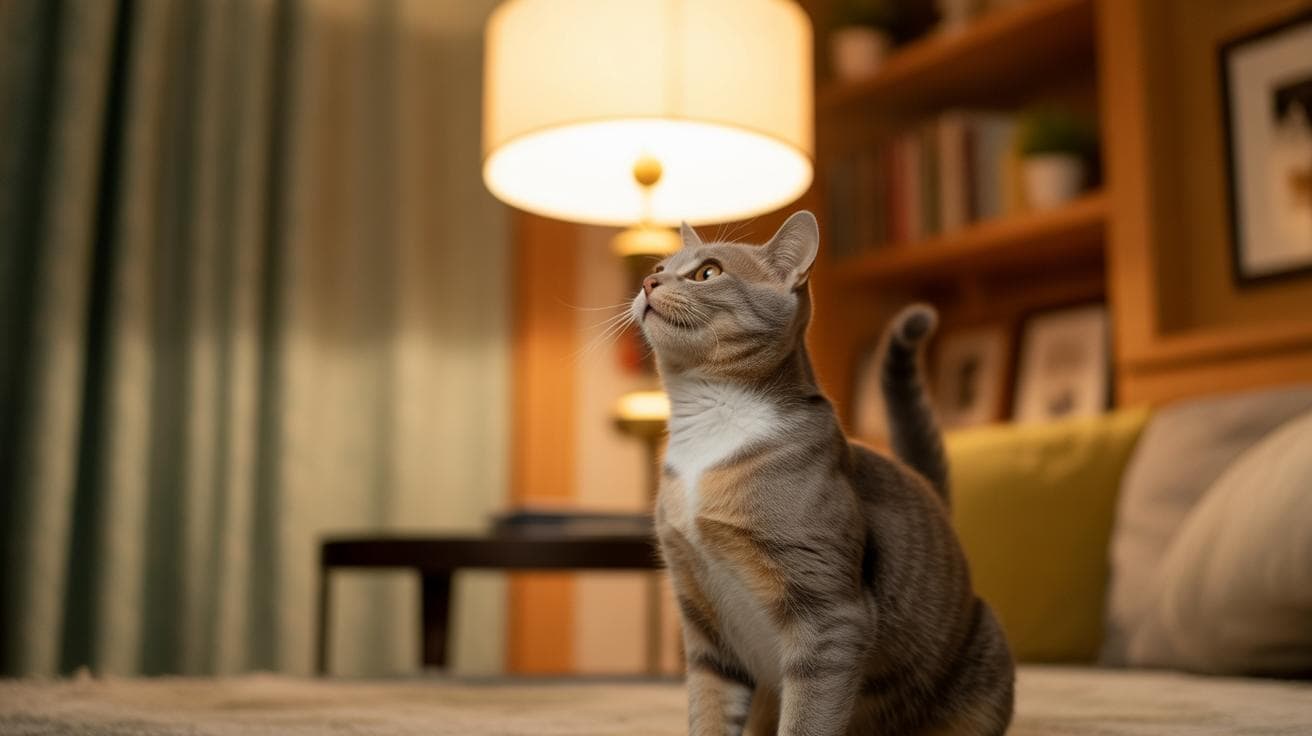
Vocalizations (cat sounds) give important clues. Purring during petting or lounging is usually contentment when the body looks relaxed (checklist item 2). A chirp or trill at the window or when greeting you often means excitement or a “look over here” moment, not distress.

Short, cheerful meows are normal greetings. Long, loud, repeated yowling or sudden changes in how your cat calls may point to stress or pain. Mini-note: any vocal changes that match the vet-trigger thresholds belong in the Health & Warning signs section for quick action. Audio clip: examples of purr vs chirp vs worrying yowl.

Social signals and body posture (head butts, kneading, flopping, belly exposure)

Head butts and rubbing , sometimes called bunting , leave scent and build social bonds; that’s checklist item 1 and item 12 in action. When a cat presses its face to your hand or rubs against your leg, it’s saying you’re part of its circle.

Kneading (making biscuits, pushing paws rhythmically) with half-closed eyes shows comfort and security (checklist item 5). A full-body flop or rolling onto the back can be a sign of trust, though not always an invitation to belly rubs (checklist item 6); many cats prefer head scratches instead. Safe response tips:

  • Return a head butt with a gentle forehead touch or a slow blink.
  • If your cat flops, try a soft stroke to the head or chin instead of reaching for the belly.
  • When kneading, offer a flat hand nearby or a soft blanket so they can keep going.

When you read these behaviors, look for matches across categories , posture, touch, and vocal tone , not just one signal. A slow blink plus a relaxed tail and gentle purring is much stronger evidence of comfort than any of those alone. Keep context in mind: recent changes, a new pet, age, or medical issues can shift meanings quickly, so check the Health & Warning signs section if you see troubling patterns or vet-trigger symptoms. I once watched my cat leap three feet for a toy and then flop for chin scratches , small moments like that tell you a lot.

Play, daily activity, and energy patterns (age-specific expansion of checklist item 7)

- Play, daily activity, and energy patterns (age-specific expansion of checklist item 7).jpg

Play is where cats show their inner hunter and feel really satisfied. For a quick jump back, see checklist item 7. Log session times with the Monitoring daily log so you can spot when your cat is most active.

Aim for interactive sessions that copy a hunt: a slow stalk, a lively pounce, a believable catch, then a calm finish. Some cats get a meal after play and adore that ritual. Use wand toys (a stick with a ribbon or feather), small movable toys (balls or motorized mice), and puzzle feeders (a toy that makes cats work for food) to mix motion with brain work. Picture your cat’s whiskers twitching as a toy skitters across the floor and the satisfying thud when they nab it.

Age Group Typical Play Pattern Session Length & Frequency
Kitten Short, frequent bursts of wild energy; fast learners 5–15 minutes per session; 3–6 short sessions per day
Adult Hunting-style sequences with focused bursts and solo breaks Two 10–15 minute interactive sessions per day plus short solo play
Senior Gentler, slower moves; shorter attention span; joint-aware play 5–10 minute sessions; 1–2 times per day tuned to stamina

Safety and variety matter. Watch breathing, limping, or sudden disinterest – stop the game if your cat pants, hunches, or favors a leg. For seniors, pick low-impact toys and lower perches so they don’t have to make hard jumps. Do a few gentle wand moves first to warm up those muscles before any intense bursts.

Rotate toys weekly so novelty stays high , store a few and swap them like a tiny surprise. Use puzzle feeders to stretch mealtime into hunting practice and to slow eating. Keep session endings predictable; let your cat “catch” a toy so they finish calm and happy.

Track times and reactions in the Monitoring daily log so you can tune play length and type to your cat’s age, health, and personality. I once watched Luna leap six feet for a crinkly ball , worth every paw-print.
Health & Warning signs: grooming, appetite, litter habits, sleep, and when to see a vet

- Health  Warning signs grooming, appetite, litter habits, sleep, and when to see a vet.jpg

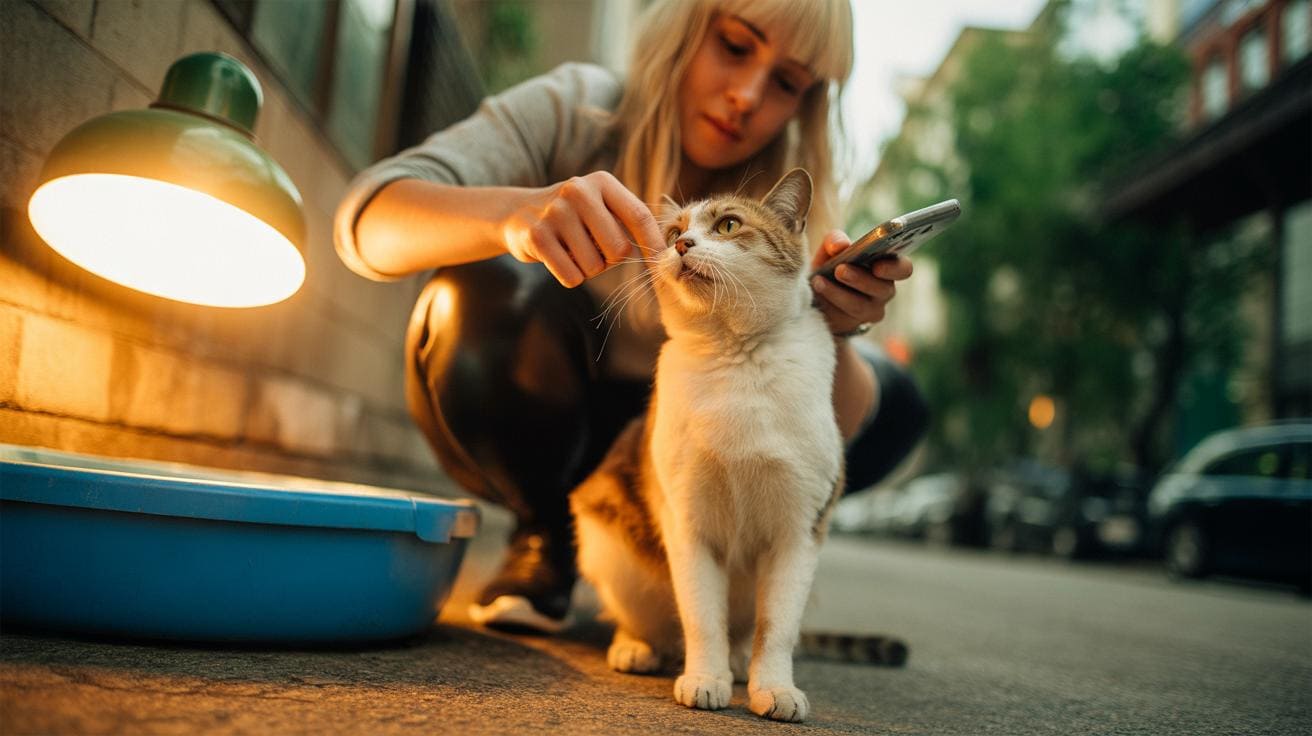
This expands checklist items 8–11 and gives the exact signs to jot down in your printable daily log (see the Monitoring section). Read the quick troubleshoot tips, try the simple home fixes, and mark anything that crosses a vet threshold so you have clear notes for the appointment. Ready? Let’s make this easy and a little bit paw-sitive.

Grooming and coat condition

A healthy coat looks tidy and feels soft. Cats spend a lot of time grooming, often half their waking hours, so sudden changes matter. Watch for over-grooming that makes bald patches, sores, or raw skin, and under-grooming that leaves matted fur (tangled, stuck-down hair), greasy spots, or loose clumps. Those are red flags to record.

Start home checks by peeking in the mouth for dental pain (sore teeth or gums), bad breath, or broken teeth; run a flea check (part the fur and look for tiny dark specks or bugs); and scan the house for new stressors like a new pet or a change in routine. Try extra brushing, a quiet safe spot, and short calm play sessions to reduce stress-linked licking. If you see persistent bald spots, bleeding, or painful grooming for more than a few days, log dates and times. Then call your vet.

I once watched Luna groom so much she left a perfect mitten-shaped bald patch. True story.

Appetite and feeding behavior

If your cat heads to the bowl, rubs your legs, or meows before meals, appetite is probably good. Keep a simple baseline: how much they eat at each meal and how long mealtime takes. No interest in food for 48 hours is a clear stop sign – call your vet.

If appetite dips, try switching to a mildly different formula or warming wet food to boost the smell. Watch for signs of dental pain like dropping food or pawing at the mouth. Weigh your cat weekly if you can; a 5–10 percent weight loss over a few weeks is serious and should be logged and reported. If home fixes don’t help, call the vet with your notes.

Litter habits and toileting changes

Follow the plus-one rule: one litter box per cat, plus one extra. Normal toileting looks relaxed and steady. Warning signs include straining, lots of short trips with little output, crying in the box, or any blood in urine or stool. Sudden avoidance of the box is another clear red flag.

Check the box spot – is it private and low-traffic? Check litter depth and keep boxes clean – scoop daily and deep-clean every 10 to 14 days. If your cat skips the box for 24 hours, shows painful posture while urinating, or you spot blood, log times and contact the vet fast.

Sleep and daily rhythms

Most indoor cats sleep 12 to 20 hours a day. A real change is when sleep or activity shifts consistently for about a week, especially if appetite, grooming, or play also change. Sleep alone rarely tells the whole story, but sleep plus other declines can point to illness or pain. Use the daily log to spot trends.

When to see a vet (immediate action box)

  • Collapse, severe trouble breathing, or heavy bleeding – seek emergency care right away.
  • No appetite for 48 hours – call your vet.
  • Repeated vomiting or diarrhea for more than 24 hours, or any blood present – urgent review.
  • Not using the litter box for 24 hours, or straining/bleeding during elimination – contact the vet.
  • New, loud or constant vocalization, or hiding for 24 to 48 hours – arrange a vet check.
  • Sudden weight loss of 5 to 10 percent over a few weeks, or new bald patches and painful over-grooming – book an exam.

Bring your logged observations and the printable daily log to the appointment so the clinic can see timing, frequency, and any linked behaviors. Worth every paw-print.

Home setup and engagement strategies that support long-term contentment (age-adapted, non-duplicative)

- Home setup and engagement strategies that support long-term contentment (age-adapted, non-duplicative).jpg

Indoor happiness comes down to five simple needs: hunting and stalking, climbing and surveying, scratching and marking, hiding and feeling safe, and social time or peaceful alone time. Match each need with a clear setup and your cat will be content, calm, and a little more claw-tastic.

  • Hunting and stalking: toys and puzzle feeders (a food toy that makes cats work for kibble).
  • Climbing and surveying: multi-level perches and wall shelves (elevated resting spots and platforms).
  • Scratching and marking: multiple scratching posts (upright posts covered in sisal or carpet for clawing).
  • Hiding and security: cozy hide spots like boxes, tunnels, or cat caves.
  • Social or alone time: quiet zones for bonding and separate retreats when your cat wants privacy.

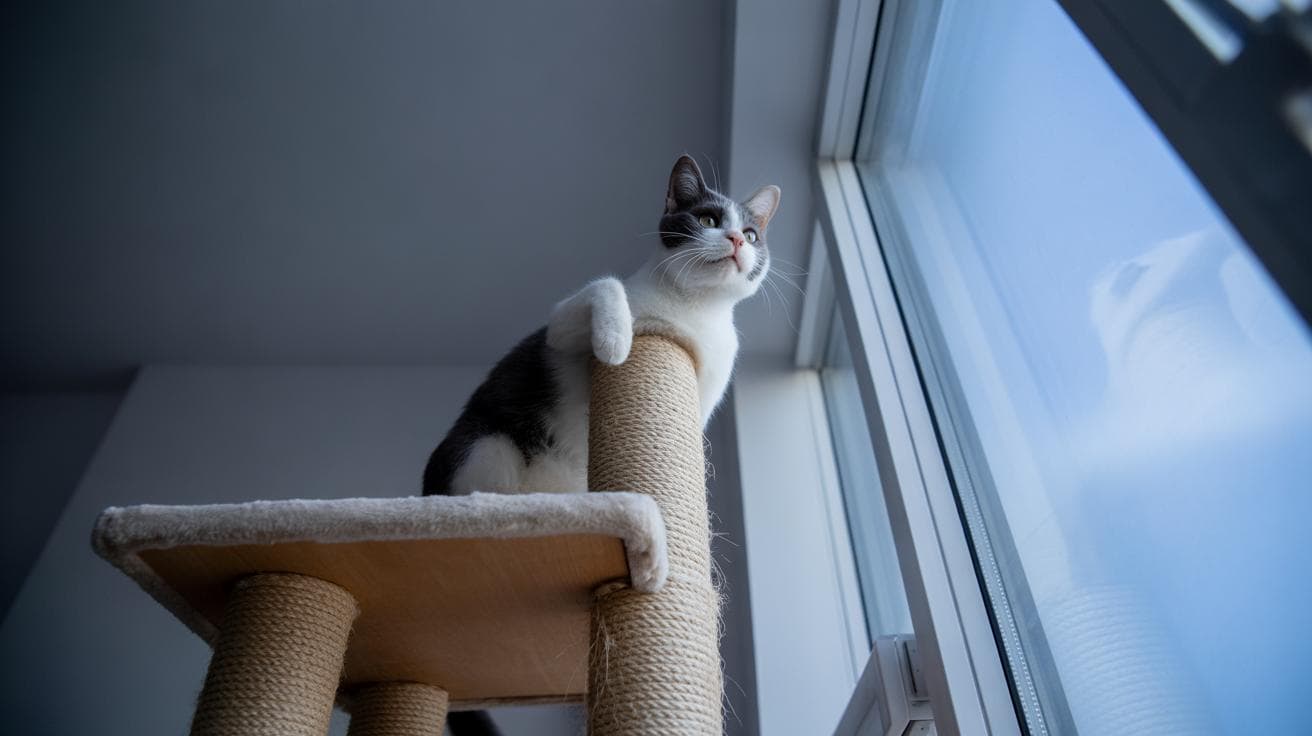
Give them vertical territory. Cats love to climb and watch. Put at least one sturdy perch (an elevated resting spot) at window height and another higher up so your cat can choose the view. Try to position a perch within arm’s reach of the window frame so sunlight and birdwatching are easy. Use multi-tier cat trees (sturdy climbing towers) and floor-to-ceiling shelves (wall-mounted platforms) to make obvious routes up and down.

Respect scratching needs. Aim for one scratching post per cat, plus one extra in another room so marking doesn’t turn into competition. Make sure posts are stable and tall enough to allow a full stretch. Really , your furniture will thank you.

Turn meals into play sometimes. Use puzzle feeders for about 25 to 50 percent of daily calories, or break meals into small puzzle sessions to extend hunting play during mealtime. Watch them stalk kibble like tiny predators. Rotate toys weekly so novelty stays high; tuck a few away and swap them like little surprises. Scatter three to five hiding options around the house so retreat spots are always available. For safe outdoor variety, try a catio (secure outdoor enclosure) or short, supervised harness walks.

Age-adapted tips. Kittens: kitten-proof small parts and keep fragile items out of reach, they’re little explorers. Adults: give higher perches and stable climbing paths for bold jumpers. Seniors: add lower-step perches, ramps, and soft bedding to protect aching joints. Works wonders for their comfort.

Quick starter purchases:

  1. Sturdy multi-level cat tree: gives climbing, scratching, and high resting spots.
  2. Two puzzle feeders: split meals into engaging sessions.
  3. One high-window perch: prime birdwatching real estate and sunshine naps.

Worth every paw-print.

How age and individual personality change the signs of a happy indoor cat

- How age and individual personality change the signs of a happy indoor cat.jpg

Life stage and personality both shape how a happy-cat checklist looks. A single sign , like purring, a sudden play burst, or extra naps , can mean very different things depending on your cat’s age and temperament, so read each item through those two lenses. Ever watched your cat do something and wonder, is that normal? This helps you figure it out.

Check the age-specific norms for context in the detailed anchors: Play, daily activity, and energy patterns, Health & Warning signs: grooming, and Home setup. Those sections list kitten/adult/senior rows (table rows) and the quick-tip callouts have been moved into Play and Health so you won’t lose the actionable items.

Quick rule of thumb: use life stage to expect rhythm , how often and how long behaviors happen , and use personality to read the style , bold versus shy. That combo helps you decide when a change is just normal, or when it’s worth jotting down and watching.

Personality: bold/outgoing vs shy/secure

Bold, outgoing cats make everything big and obvious. Think loud purrs, theatrical leaps, and full-speed chases that shake the rug. A happy roll from a bold cat might be a dramatic, full-body flop with the belly all out. Milo barreled into the room, headbutted my knee, then made a chuffing purr like a little motor. You can almost hear the joy.

Shy or quietly secure cats show the same feelings in small, soft ways. Look for gentle trills, slow blinks, tucked-but-relaxed loafing, or a light knead at the edge of your hand. She slid onto the armrest, blinked twice, and sighed into a soft rumble that said, I like this corner with you. Notice the tiny signals and celebrate them.

Monitoring progress: a printable daily log concept and how to use it (linked from checklist)

- Monitoring progress a printable daily log concept and how to use it (linked from checklist).jpg

Keep a simple, one-page daily log so you catch slow changes before they become big problems. Use an easy layout with these columns: Date, Time, Observed sign(s) (link to the checklist anchors, for example Play, daily activity and energy patterns), Duration or Frequency, Notes/Context, and Weight (if you can weigh your cat , use a kitchen scale or pet scale).

Track things like purring or seeking contact, play session length, grooming quality, how eager they are at mealtimes, litter box visits, and any new sounds or vocal patterns. A tiny note helps later , “short chirp at 10:05 am” or “whiskers twitching during play.” Ever watched your kitty chase shadows? Jot the time.

Review the sheet once a week and add a one-week summary line: more active, same, or less active; eating steady or reduced; grooming normal or changed. Look for clusters across categories. A drop in play plus a dull coat plus less eating is more worrying than any single sign. Follow the Health & Warning signs thresholds right away for red flags: no appetite for 48 hours, vomiting or diarrhea for more than 24 hours, litter box avoidance for 24 hours. Bring the log to the vet if patterns stick around.

Below is a tiny example of one day so you can copy the layout into a printable PDF or notebook and start filling it in. Worth every paw-print.

Date Time Checklist item(s) observed (anchor) Duration/Frequency Notes/Context
2026-03-03 08:15 [Play, daily activity and energy patterns](#play-daily-activity-and-energy-patterns) 12 min Active, chased wand, caught toy
2026-03-03 18:30 [Health & Warning signs: appetite](#health-warning-signs-appetite) Meal eaten Rubs legs before bowl, finished wet food

Final Words

Spot the signs in the action: calm nudges and head-butts, relaxed purrs and slow blinks, upright tails, regular play, clean grooming, eager meals, and steady litter habits.

We covered behavior, age-tailored play, grooming and appetite checks, home setup, and a printable daily log; quick links and photos make ID easy.

Weigh clusters of behavior, play, and physical cues for stronger evidence. Note vet thresholds: no appetite 48 hours; vomiting/diarrhea >24 hours; litter avoidance 24 hours; collapse or breathing trouble, seek care. Those gentle purrs are real signs of a happy indoor cat.

FAQ

How do I know if my indoor cat is happy?

You know your indoor cat is happy when it solicits gentle contact (nudges, head butts), purrs with soft eyes, slow-blinks, holds its tail upright, plays confidently, grooms normally, eats well, and uses the litter consistently.

What are clear signs a cat is unhappy and what annoys them?

Signs a cat is unhappy include hiding, sudden aggression, constant vocalizing, loss of appetite, over- or under-grooming, litter avoidance, and tail-lashing; common annoyances are loud noise, forced cuddles, a dirty box, or abrupt routine changes.

How can I tell if a cat is happy by its tail?

You can tell a cat is happy by its tail when it holds it upright with a curved tip or gives a gentle quiver on greeting; a rapid lash or puffed tail usually signals irritation or fear.

What is the 3-3-3 rule of cats?

The 3-3-3 rule of cats is roughly three days to settle into a new space, three weeks to build routine and confidence, and three months to feel fully comfortable and bonded with their people.

What facial and vocal signs show a happy indoor cat?

Facial and vocal signs of a happy indoor cat are slow blinks, soft half-closed eyes, relaxed whiskers and neutral ears, plus gentle chirps or meows and purring while relaxed or being petted.

Is there a quick checklist or quiz I can use to check my cat’s happiness?

A quick checklist or quiz helps: track contact, purring, play, grooming, appetite, litter use, sleep, and social interactions daily; clusters of positive signs give stronger proof than a single ticked box.

Author

  • Nathaniel Price is a retired construction manager turned LLM writer, where he combines his years of experience managing complex projects with his love for crafting precise, engaging content.

    His work thrives on meticulously researching and writing about all things related to cats, from behavior to care, ensuring that every piece is informative and well-researched.

    When he’s not writing, Nathaniel enjoys fishing, which offers him a peaceful escape. He also has a deep appreciation for nature, often reflecting on his belief that “happiness is found in the quiet moments.”

    View all posts

Similar Posts