Best Litter Boxes for Indoor Cats

Think any litter box will do? Your cat begs to differ. Whether you live in a tiny apartment, manage a busy multi-cat home, or care for an older kitty with stiff joints (look for a low step-in height that’s easy to enter), the right box really helps.

A good box cuts down on tracking (little bits of litter dragged around the house), tames odors, and keeps claws happy while your cat digs and spins. You’ll hear the satisfying scrape and see less mess, which is pretty nice when you’re juggling work and life.

We’ve rounded up budget, midrange, and premium picks, plus quick tips on size, litter capacity (how much litter it holds), and footprint (the floor space it uses), so you can pick one that actually fits your space and schedule. Ever watched a cat try to squeeze into a too-small box? Yeah, don’t.

Worth every paw-print.

Quick buying guide to the best litter boxes for indoor cats (fast answer)
- Quick buying guide to the best litter boxes for indoor cats (fast answer).jpg

For a tight budget, go with the Litter Genie Cat Litter Box. For multi-cat or high-traffic homes choose the Litter-Robot 4. And if your cat is older or has mobility issues pick the KittyGoHere Senior.

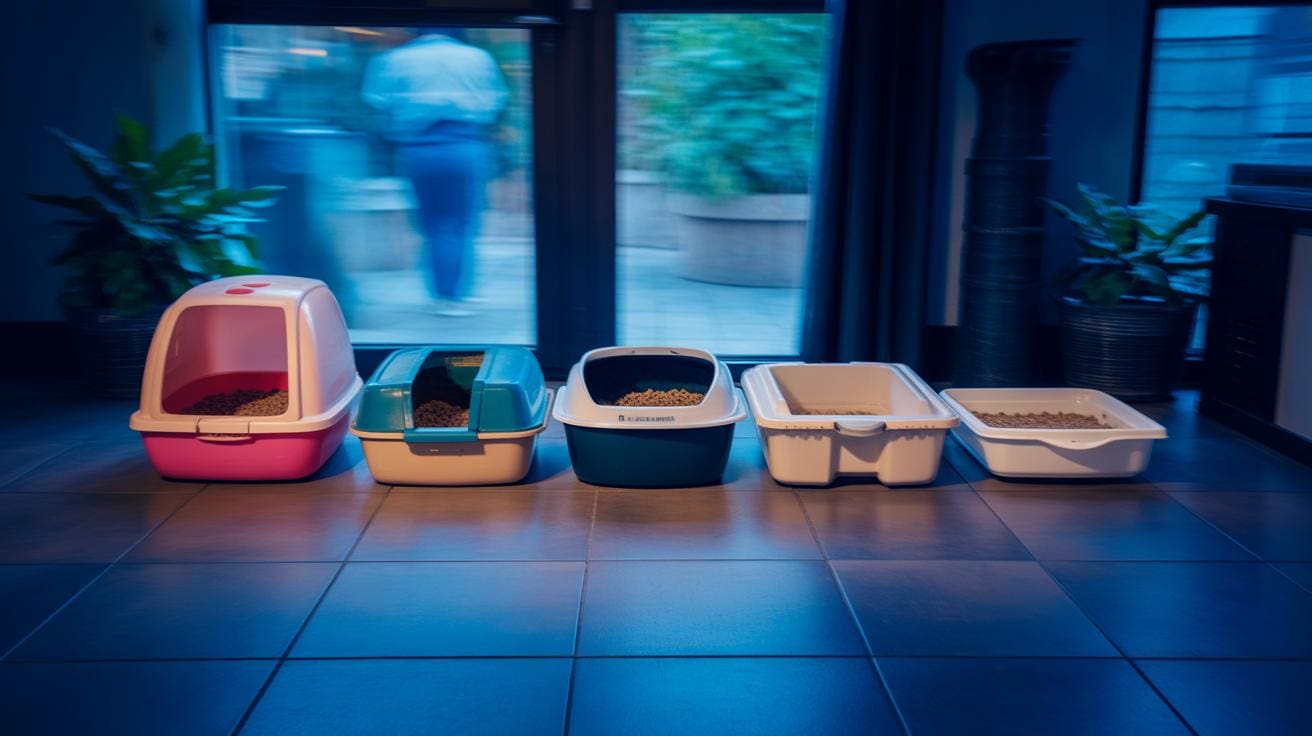
Budget picks like the Litter Genie keep upfront cost low and are lightweight, so you can tuck them away or move them when needed. Midrange options such as the Frisco High Sided and ModKat Flip give you more durability and nicer features without the sticker shock. Premium models like the Litter-Robot 4 bring automation (self-cleaning) and bigger capacity for busy households who want to scoop less. Match the price tier to how much time you want to spend scooping versus how much tech or heavy-duty construction you want.

Tradeoffs come down to floor space, how much litter (the granules cats dig in) the box holds, and the box footprint in your room. Bigger boxes give cats room to turn and dig, but they take up more floor and need more litter. See the detailed comparison table below for full specs and dimensions so you can measure before you buy.

  • Frisco High Sided Cat Litter Box: Best Overall
    A simple, roomy pan that most cats love because it lets them dig and spin. It’s sturdy and practical, great as a daily go-to for one or several cats. Your cat’s whiskers can twitch happily while they bury their business, uh, you know what I mean.

  • Litter Genie Cat Litter Box: Best Budget
    Super affordable and easy to move around, good for tight spaces or temporary setups. It’s not fancy, but it does the job and won’t make you wince at the price. Perfect if you want something practical and portable.

  • IRIS Premium Square Top Entry: Best Top Entry
    The top-entry design helps keep litter and odor contained, and it cuts down on tracking across your floor. It’s best for cats who don’t mind jumping in, some do, some don’t. Think of it like a little private booth for shy cats.

  • Litter-Robot 4: Best Automatic
    Great for busy people who hate daily scooping, this one cleans itself (automatic self-clean function). It’s tech-heavy and takes more floor space, but if you want low-effort cleanliness, it’s a game changer. Be ready for some setup and occasional maintenance, but worth it if you prefer hands-off care.

  • ModKat Flip: Best With Liner
    Works well with reusable liners (thin fabric or plastic covers you can reuse), so scooping feels cleaner and neater. It looks tidy and fits between basic pans and full automation. If you like a neat routine without electronics, this is a sweet spot.

  • KittyGoHere Senior: Best for Seniors
    Made for older or stiff-jointed cats that need a low entry and stable floor access. It’s easy to step into and gives extra room without a high lip that trips up arthritic paws. I once watched an older cat actually relax and nap right next to theirs, worth every paw-print.

Worth every paw-print.

Best litter boxes for indoor cats by category
- Best litter boxes for indoor cats by category (detailed comparison table).jpg

Here’s a friendly, side-by-side table of our tested winners so you can quickly match box style, footprint, and price to your room and your cats. Think of it as a quick map: find the shape and size that fits your floor plan, then see which model suits how many cats you care for.

Read the Dimensions column as the box's basic footprint (floor space) and interior height. Bigger pans take more floor space and hold more litter; smaller boxes save room but limit digging and turning. If your cat loves to dig or spin, give them extra interior space.

Price tiers show upfront cost and how many features you get for the money. Scan the materials and cleanability notes too: BPA-free plastic (sturdy molded plastic without the chemical BPA), stainless steel (corrosion-resistant metal), and painted engineered wood (pressed wood board with a finish). Smooth interiors, removable walls, and simple lids or liners usually mean faster cleaning and fewer grime traps. Less scooping. More snuggles.

If you liked the short tips in the Quick Guide above, hop back there for the quick shopping pointers, then use this table to compare specs against your room and your cat.

Model Category Dimensions (in) Best for Price tier Rationale
Frisco High Sided Cat Litter Box Best Overall Medium: 18 x 8.5 x 15.2; X-Large: 24 x 10 x 18 Most cats; families Mid High sides keep litter in the box while a low entry stays easy to step into. Practical and tidy.
Litter Genie Cat Litter Box Best Budget 22.3 x 17.6 x 16 Budget shoppers; tight spaces Budget Very affordable and lightweight, so it’s easy to move or use as a temporary solution.
IRIS Premium Square Top Entry Best Top Entry 17.5 x 17.5 x 14.5 Homes wanting reduced tracking Mid Top entry helps keep litter off the floor and hides mess from view. Great for nosy guests.
Litter-Robot 4 Best Automatic 29.5 x 27 x 22 Multi-cat homes; hands-off owners Premium Self-cleaning with app controls and built-in odor control. Less scooping, more free time.
ModKat Flip Best With Liner 20 x 16.75 x 15 Liner users; tidy scooping routines Mid Made for reusable liners and includes scoop storage, which keeps the area neat and ready.
Catit Jumbo Hooded Best Hooded 22.4 x 18.3 x 19.7 Large cats; multi-cat homes Mid Locking hood and replaceable carbon filter help cut down odors and hide messes from view.
Less Litter Box L-5 Best Stainless / Buy-for-Life 19.75 in dia (interior) x 17 H (walls) Long-term durability; heavy-duty use Buy-for-life / High-end Stainless-steel build resists corrosion and is made to last for years. Worth it if you want durability.
Creative Plastic Concepts Mixing Tub Best Budget XL Varies (very large open tub) Very large cats; DIY setups Budget Huge interior for space-loving cats at a low price, though low walls mean more spill risk.

Use the Dimensions and Price tier to match a box to your room and wallet: measure the floor area you can spare, compare interior length to your cat's size and habits, and pick a price tier that fits how much time or extras you want to buy. If your cat digs or twirls, choose a bigger interior. Happy hunting, and may your floors stay litter-light.

Entry style, size, and accessibility for large and senior indoor cats
- Entry style, size, and accessibility for large and senior indoor cats.jpg

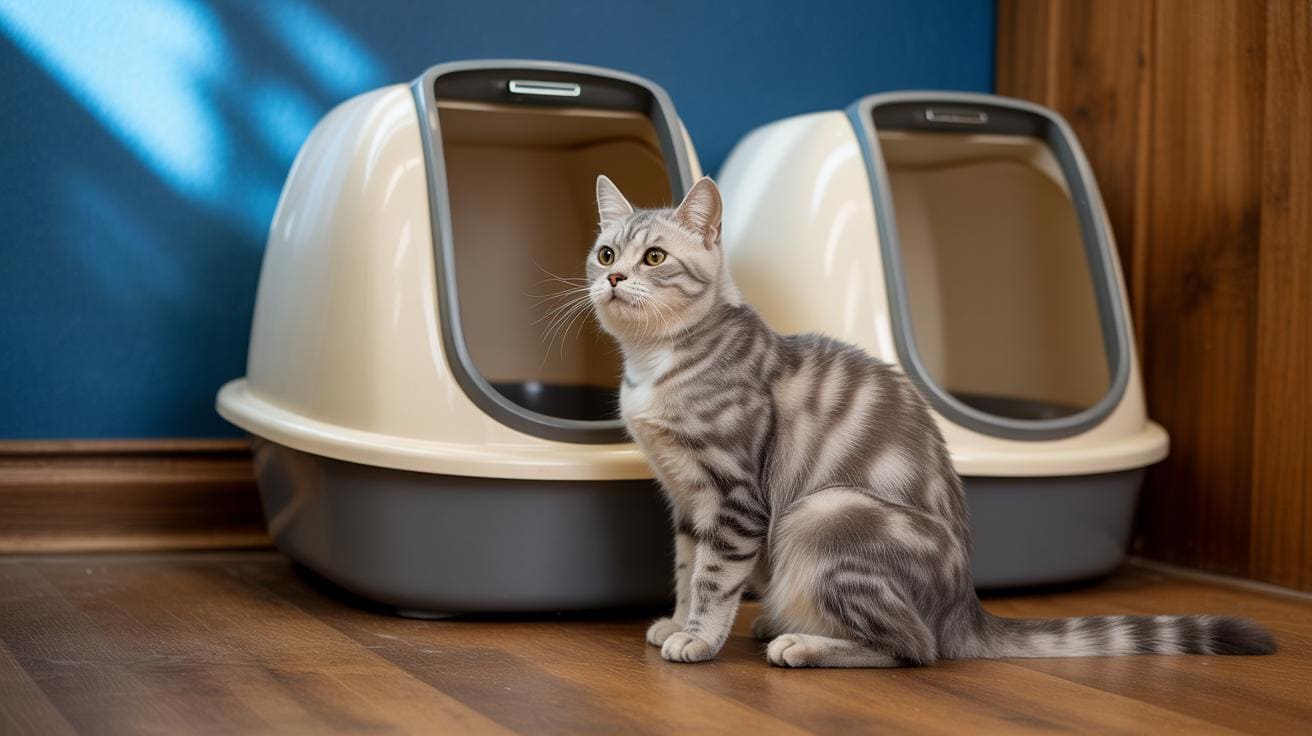
Big or older cats with stiff joints need litter boxes they can actually get into and move around in. Think of this like a quick field guide: pick an entry your cat can use without fuss, then make sure the inside is roomy enough for turning, digging, and some privacy. Your cat’s whiskers and paws will thank you.

Open pan: accessibility and sizing

Open pans are the easiest to get in and out of, so they’re great for seniors, kittens, and multi-cat homes. Use the 1.5x rule: measure from your cat’s nose to the base of the tail and choose a box about one and a half times that length so your cat can turn and dig comfortably. For example, an 18-inch cat needs roughly a 27-inch interior. Open pans usually have low fronts, which is kinder to arthritic paws. The tradeoff? More visible litter and a bit more scatter. A textured mat or a pan with a higher back wall helps keep the mess contained. Worth every paw-print.

Covered/hooded boxes: ventilation and fit for large cats

Hooded boxes hide the mess and cut down on smells, which is handy in small apartments. But they must have enough clearance for larger breeds to stand up and spin without feeling stuck. Look for smooth curves inside so fur and litter don’t gather in corners. A carbon filter (a charcoal-based filter that helps trap smells) can help when ventilation is limited, but vents or a removable top are better for keeping air moving and stopping stale odors. If you have a chunky cat, have them try sitting in one before you buy so they don’t feel cramped or trapped. Ever watched a big cat hesitate at a tiny hole? Not cute.

Top-entry: containment tradeoffs and accessibility solutions

Top-entry boxes are champs at keeping litter off the floor because cats climb in and shake loose debris on the lid. But they can be tough for arthritic or timid cats, since climbing and balancing on a rim takes strength. Simple fixes work well: set the box inside a shallow cabinet to lower the rim, or add a sturdy step platform so your cat climbs less high. Little changes make a big difference for older paws. For more on how entry choices compare, see comparing top-entry vs open litter box designs.

Measure fast checklist:

  • Measure nose-to-tail-base.
  • Multiply that length by 1.5 for the interior floor length.
  • Check front-entry height so seniors can step in easily.

In truth, the right box is the one your cat actually uses. Try one change at a time and watch them pounce with confidence.

Self-cleaning and automatic options among the best litter boxes for indoor cats: maintenance realities
- Self-cleaning and automatic options among the best litter boxes for indoor cats maintenance realities.jpg

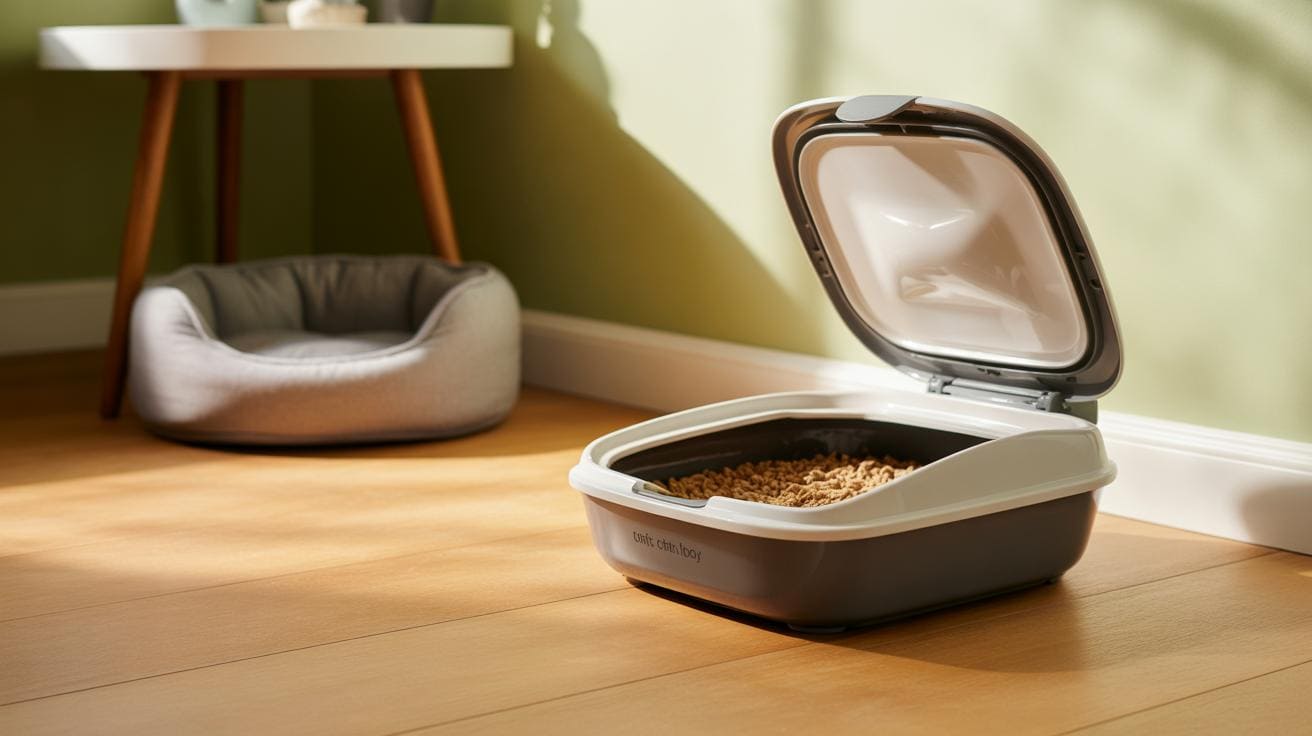
Automatic and self-cleaning litter boxes use a few simple tricks to keep things tidy. A sensor (weight or motion detector) tells the unit when your cat leaves, and then a mechanism moves or sifts waste into a drawer so you don’t have to scoop every day. Designs vary from rotating globes to rakes and sifting trays, and each style changes how much floor space you need and how much noise you’ll tolerate.

If you want a low-touch life, these systems really deliver consistent cleanliness that busy households love. Ever watched your cat sniff a fresh box and do that happy little tail flick? Yep, that’s the goal. And while they’re not magic, most models cut down daily chores a lot.

High-tech picks like the Litter-Robot 4 offer app connectivity (phone controls and notifications) and a built-in carbon filter (charcoal-based odor absorber) but they take up more floor space. PETKIT PuraMax sits at the premium end with big capacity and quiet motors (small electric parts that move the waste) made for multi-cat homes. Remember: most automatic boxes need power and a dedicated spot, so measure the footprint before you buy.

Mechanicals can fail, not dramatically, but enough to annoy you and your cat. Common problems are jams from giant clumps, sensor errors when a tray gets misaligned, and motor noise as parts wear. Signs something’s off include grinding sounds, blinking error lights, frequent resets, or your cat suddenly avoiding the unit.

Quick fixes are often simple: power cycle the unit, clear a clog, or reseat the waste drawer. If the problem keeps coming back, reach out to support or consider swapping the unit. Oops, I guess that’s the less-glam side of convenience, but worth knowing.

Manual sifting boxes look tempting and they’re cheaper, but testers found mesh trays can snag clumps and mean fiddly cleanups. They save some money, not always time. For full cleaning tips, see the "Odor control, litter choice, and a cleaning schedule" section.

Worth every paw-print? If you want less scooping and more time cuddling, an automatic box is a great choice, just plan for power, space, and the occasional maintenance moment.
Odor control, litter choice, and a cleaning schedule for the best litter boxes for indoor cats

- Odor control, litter choice, and a cleaning schedule for the best litter boxes for indoor cats.jpg

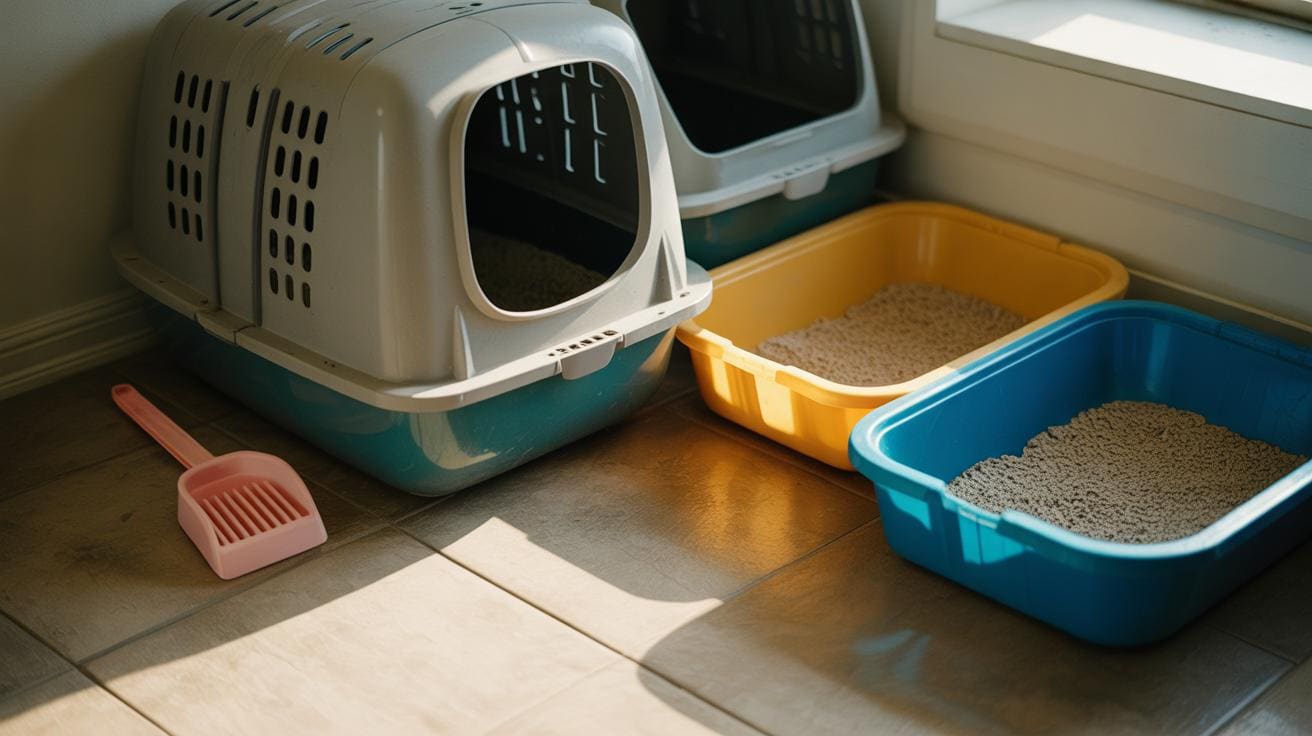
A simple cleaning routine makes life easier for you and your cat. Less stink, fewer avoidance problems, and a calmer home. Stick to a small schedule and the box will stay fresh and inviting.

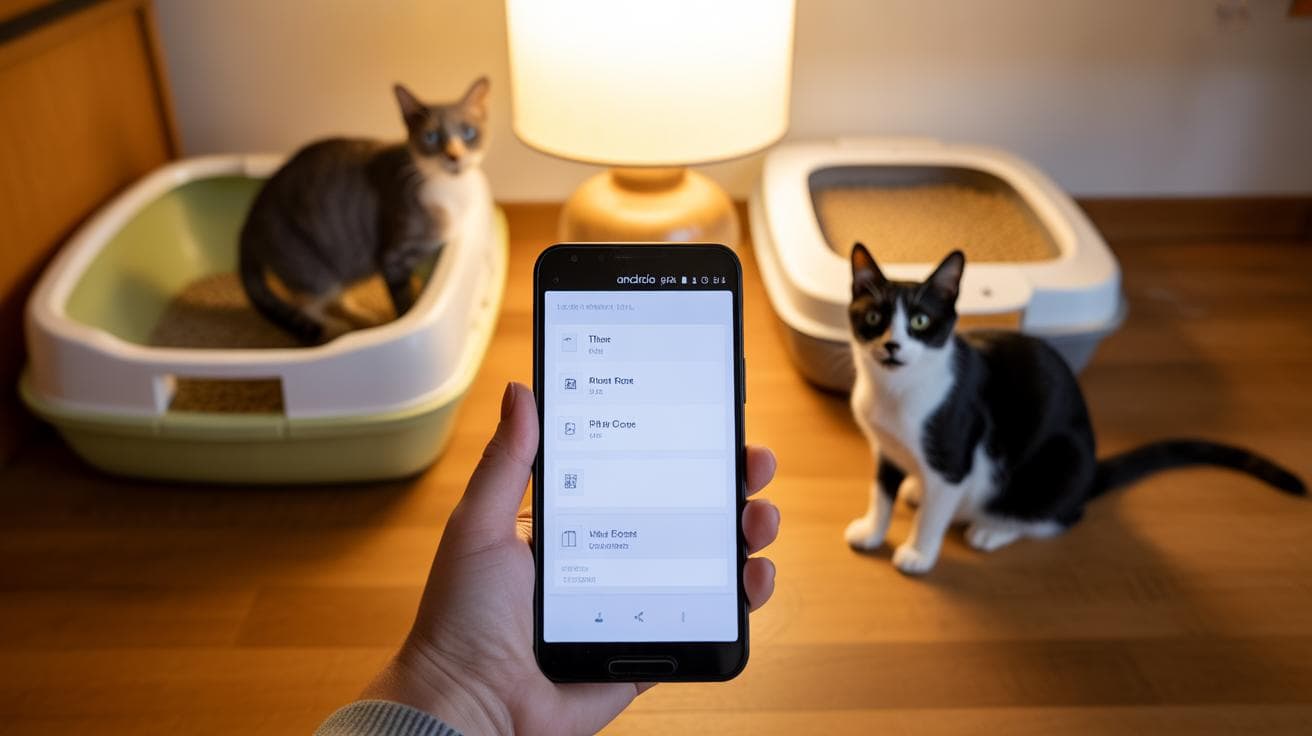
Scoop at least once a day, following Humane Society and ASPCA guidance, to remove solids and clumps. Do a full litter change and wash every week to two weeks depending on how many cats use the box and what kind of pan you have. Single-cat homes with an open pan can often wait two weeks. Busy multi-cat homes should aim for weekly. For automatic units, do a quick visual check every day and a mechanical check once a week – look for stuck clumps, blinking error lights, or a misaligned drawer so you catch problems before your cat avoids the unit. Ever watched a cat walk past a smelly box? Yeah, that.

Filters, liners, and replacement parts add ongoing costs – factor them into the total price. Carbon filters (charcoal-based odor absorbers) usually need swapping every 1-3 months depending on use. Reusable tarp liners like ModKat’s come in three-packs for about $30 and each liner can last several months with normal use. Self-cleaning boxes vary a lot: drawer liners, motor parts, and cartridge filters differ by model and can be cheap or pricey over time, so set aside a small yearly parts fund if you pick an automatic box.

Litter choice changes how you clean. Clay clumping litter (clay that forms firm clumps when wet) is quick to scoop and widely available, but big pans use more product. Pellet systems like Purina Tidy Cats Breeze use pellets (hard, absorbent granules that separate urine from solids) to cut odor and scoop time, though they need specific pans and pads. Silica or crystal litters (silica: tiny gel beads that trap moisture) hold odor well and can stretch the time between full changes. Match the litter to the pan: top-entry and high-sided pans usually work best with clumping clay or crystals, and Breeze-style systems need pellet-compatible trays. Think of a Breeze tray like a tiny urine-separating sandbox for your cat.

Task Frequency Tools / notes
Daily scoop Daily Scoop; check for clumps and odors
Full change and wash Weekly to biweekly Empty litter; wash with mild dish soap and warm water
Filter / liner check or replace Monthly (filters 1-3 months) Swap carbon filters; inspect reusable liners for wear
Deep clean / disinfect As needed Use diluted pet-safe disinfectant (follow label) for stains or persistent odor
  • Sturdy scooper
  • Rubber gloves
  • Mild dish soap and warm water
  • Replacement filters / liners on hand
  • Pet-safe odor neutralizer

Worth every paw-print.

Placement, number, and layout for multiple indoor cats: where to put the best litter boxes for indoor cats

- Placement, number, and layout for multiple indoor cats where to put the best litter boxes for indoor cats.jpg

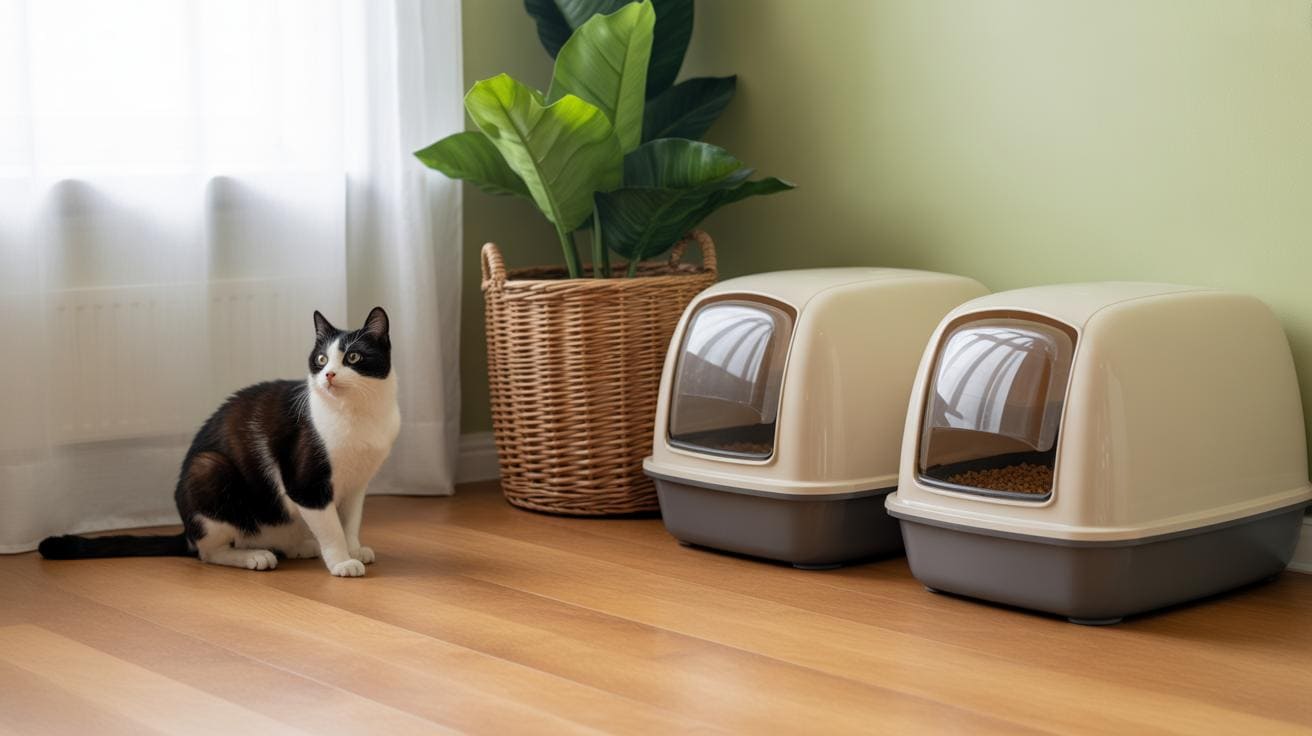
Start with one box per cat plus one extra. This gives shy cats an alternative spot and cuts down on fights over territory. It’s the single easiest move to reduce marking and avoidance. Short and sweet.

Pick quiet, well-ventilated spots away from noisy appliances and favorite sleeping nooks. Ventilation (airflow that moves fresh air in and stale air out) keeps smells from building up and helps timid cats feel safe. Spread boxes across floors so a cat doesn’t have to walk through another cat’s area to get relief. Your cat’s whiskers will thank you when they can step in without side-eye from a roommate.

For multi-cat homes, balance box count and capacity. Example: three cats need four boxes; that could be four medium pans (the low, open litter trays) or two large pans plus two small stations. Bigger pans or automatic systems (self-scooping boxes) mean you’ll scoop less often, but they take more floor space and more litter. Think footprint versus convenience, more digging room usually means happier, cleaner habits.

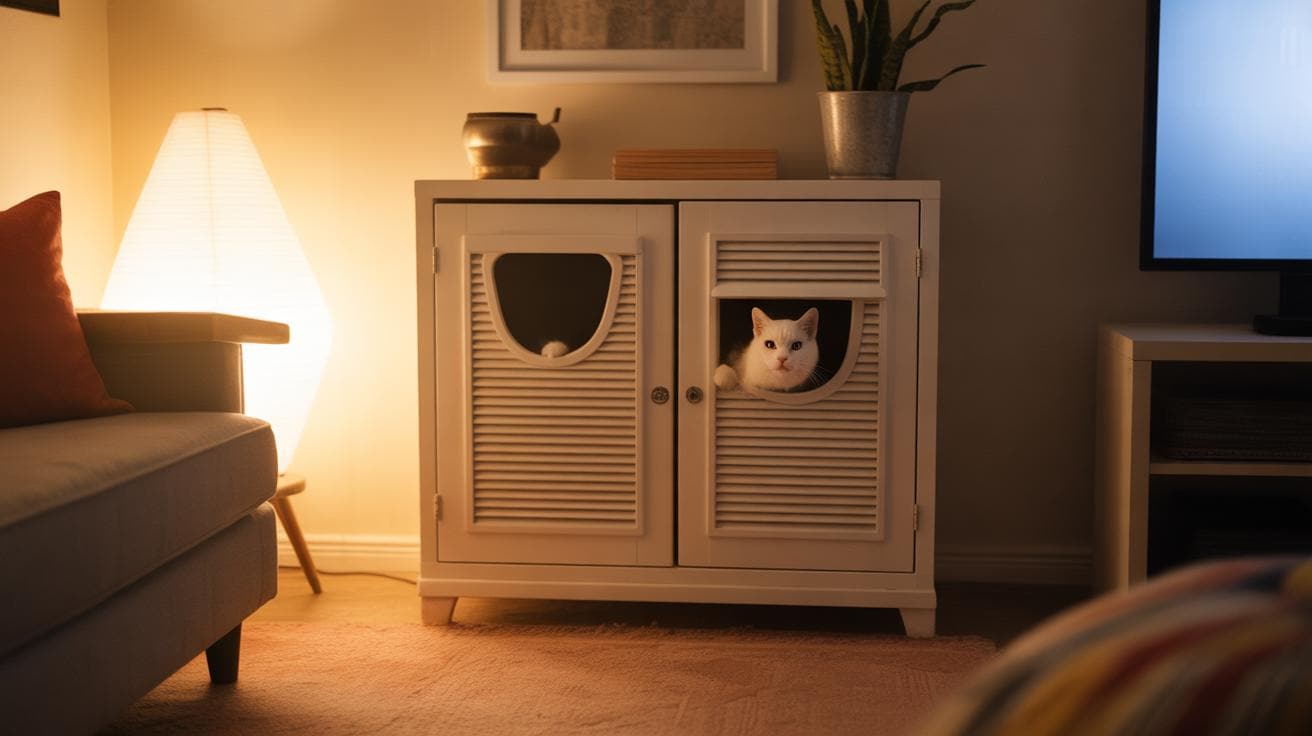
Small homes call for clever compromises. Hidden enclosures, like bench-style cabinets or small furniture hides, tuck a box into living areas without making things obvious. Multi-pit systems (boxes with separate scooping areas) let you offer distinct spots even in tight spaces. Add a mat and a low-profile entry ramp to catch litter and keep hallways tidy. Speaking of hides, my cat once treated a bench box like a fort, um, he loved it.

  1. One-plus rule: one box per cat, plus one spare.
  2. Spread boxes across separate rooms or floors; avoid loud appliances.
  3. Include at least one large or high-capacity pan for multi-cat use.

Hidden solutions, litter box furniture, and accessories that make the best litter boxes for indoor cats fit your home

- Hidden solutions, litter box furniture, and accessories that make the best litter boxes for indoor cats fit your home.jpg

Furniture hides can make a litter station vanish into your living room, but honestly, entry size and availability matter more than how pretty it looks. We loved the Baxton Studio Tamra 2-Door Litter Box Cover for its roomy access and magnetic doors (snap-close panels), but it’s out of stock right now. The Baxton Studio Elie 2-Door Cat Litter Box Cover is a close stand-in , painted engineered wood (pressed wood panels with a finish) and a shelf-style entry that suits bigger cats. The TRIXIE Wooden Litter Box Cover brings a farmhouse vibe without breaking the bank, and the Lark Manor Elborough Armoire worked well as a discreet piece in a staged room when we left the door slightly cracked for access.

If you want something budget-friendly, aim for simple bench or cabinet-style covers with wide openings and light construction so you can move them easily. For a furniture-forward pick, painted wood hides and armoires blend right into a living room and can double as storage or a seat, but they’re heavier and need a cleaning plan. A bench-style box can pass as an entryway piece , your guests might never guess what’s inside.

Assembly and cleaning access are the real deal-makers, removable panels, top-lift lids, or magnetic doors make scooping faster and less messy. Pick units with vents or the option to leave a door ajar for airflow so odors don’t stagnate, and choose surfaces that wipe clean without fuss. Also keep spare filters on hand if the unit uses them.

  • High-tack mat sized to the box footprint (traps tracked litter so it doesn’t spread)
  • Extra carbon filter cartridges (activated charcoal to help control smells) or replacement stock
  • Small scoop with storage hook (so you always know where it is)
  • Low step or ramp for seniors (gentle on older joints)

Worth every paw-print.

Troubleshooting behavior, health monitoring, and signs it's time to replace the best litter boxes for indoor cats

- Troubleshooting behavior, health monitoring, and signs its time to replace the best litter boxes for indoor cats.jpg

When your cat stops using the box, start with a quick checkup in your head. First rule out medical causes like a UTI (urinary tract infection) or pain, and think about mobility problems that make getting in and out hard. Notice if something in the house changed suddenly – new people, new pets, new furniture – stress can do this. And check the box: is it cleaned on your usual schedule? Are there visible cracks or deep grooves that trap waste and smell? Tiny clues, like a cat circling or hesitating at the entrance, mean you should do something sooner rather than later. Ever watched your kitty pace like they are picking a hiding spot? Yeah, that.

Know the clear signs it is time to replace the pan. If you deep-clean it (empty, scrub, dry) and a strong odor still stays, the plastic may have absorbed smells and should be retired. Cracks, chewed edges, or persistent grooves that collect grime mean the box cannot be fully sanitized. If a covered or top-entry box is too tight for your cat to turn and dig, switch to a larger open pan – for example, a cat about 20 inches long will be way more comfortable in a pan with roughly a 30-inch interior. Automatic boxes that keep throwing sensor errors (sensors detect weight or position) or jam after a reboot are candidates for replacement or pro repair.

There are some neat health-monitoring options that help catch issues early. Urine pad systems (a pad that separates urine from solids) like the Breeze line make collecting a clean sample easy. Some automatic units log weight and visit counts, which many vets find useful for spotting changes. For collecting a vet sample, use a clean container, try to catch midstream urine (that means after the cat starts peeing), keep it cool, and get it to the vet fast.

Do these four things right away:

  1. Call the vet if your cat suddenly changes elimination habits.
  2. Record and time each incident; note the behavior and which box was used.
  3. Photograph any cracks, deep grooves, or damaged seals.
  4. Keep a sample-friendly pan or pad ready for urine collection.

Act fast. Phone your vet, grab a fresh sample if you can, snap photos of damage, and retire any pan that meets those replacement triggers so your cat has a clean, safe spot now. Worth every paw-print.

Final Words

In the action, we gave a quick-buy guide with budget, multi-cat, and senior picks to help you choose fast.

We compared top models, explained entry styles and sizing for large or older cats, covered automatics and real maintenance, and mapped placement, hides, and troubleshooting.

Pick the right entry and size, follow the cleaning plan, and keep extra boxes for multi-cat homes so cats stay playful and furniture gets relief.

Happy hunting for the best litter boxes for indoor cats; your busy home will be calmer and your cats will be feline fine.

FAQ

Frequently Asked Questions — Cat Litter Boxes

What are the best litter boxes for indoor cats and where can I find top-rated picks?

The best litter boxes for indoor cats include: Frisco High Sided (best overall), Litter Genie (budget), IRIS Top Entry (top-entry), Litter-Robot 4 (automatic), ModKat Flip (liner), and KittyGoHere Senior (low-entry).

Which litter box controls odor best?

The litter box that controls odor best pairs a hooded (covered) unit with a carbon filter (odor-absorbing charcoal) and low-tracking litter; high-sided or automatic models also reduce smell and scatter.

What litter boxes work best for multiple cats?

Large pans or multiple stations work best; follow the rule of one box per cat plus one extra, spread boxes across rooms, and use high-capacity models to reduce competition and stress.

What are the pros and cons of automatic/self-cleaning litter boxes?

Automatic boxes offer hands-off scooping, app features, and odor reduction but require power, more floor space, periodic mechanical checks, and occasional part replacements (for example, Litter-Robot 4).

What type of litter is best for indoor cats?

It depends on the box type and cat preference. Common options are clay clumping (fine clay that forms clumps), silica (crystal beads that absorb moisture), and pellets (compressed plant bits).

Do cats prefer open or enclosed litter boxes, and do vets recommend enclosed ones?

Cats’ preferences vary: many like open pans for visibility while timid cats enjoy hooded privacy. Vets often recommend open boxes for seniors or cats with medical needs because they offer easier access.

What is the golden rule for litter boxes?

The golden rule is one box per cat plus one extra. Boxes should be about 1.5 times your cat’s length (for example, an 18‑in cat needs roughly a 27‑in box) and placed in quiet spots.

What litter boxes suit large and senior cats?

Large and senior cats do best with low-entry wide pans sized to about 1.5 times body length. Low-front entries (≈3 in) or ramps help mobility; high-sided walls limit scatter but can block access.

Related Articles

Author

  • Lucas Turner

    Lucas Turner is an urban photographer based in Chicago, Illinois, known for his captivating images that highlight the pulse of city life. With a unique perspective, he captures the vibrant contrasts between architecture, people, and the urban environment, telling stories through his lens.

    Outside of photography, Lucas enjoys coffee shop hopping, exploring the diverse cafes around the city. He finds that each coffee shop has its own vibe, offering a perfect setting for creativity to flow. As he often says, “A good cup of coffee and a new view always inspire my best work.”

    Lucas’s photography is a reflection of his love for the city’s energy and the quiet moments found within it.

    View all posts

Similar Posts