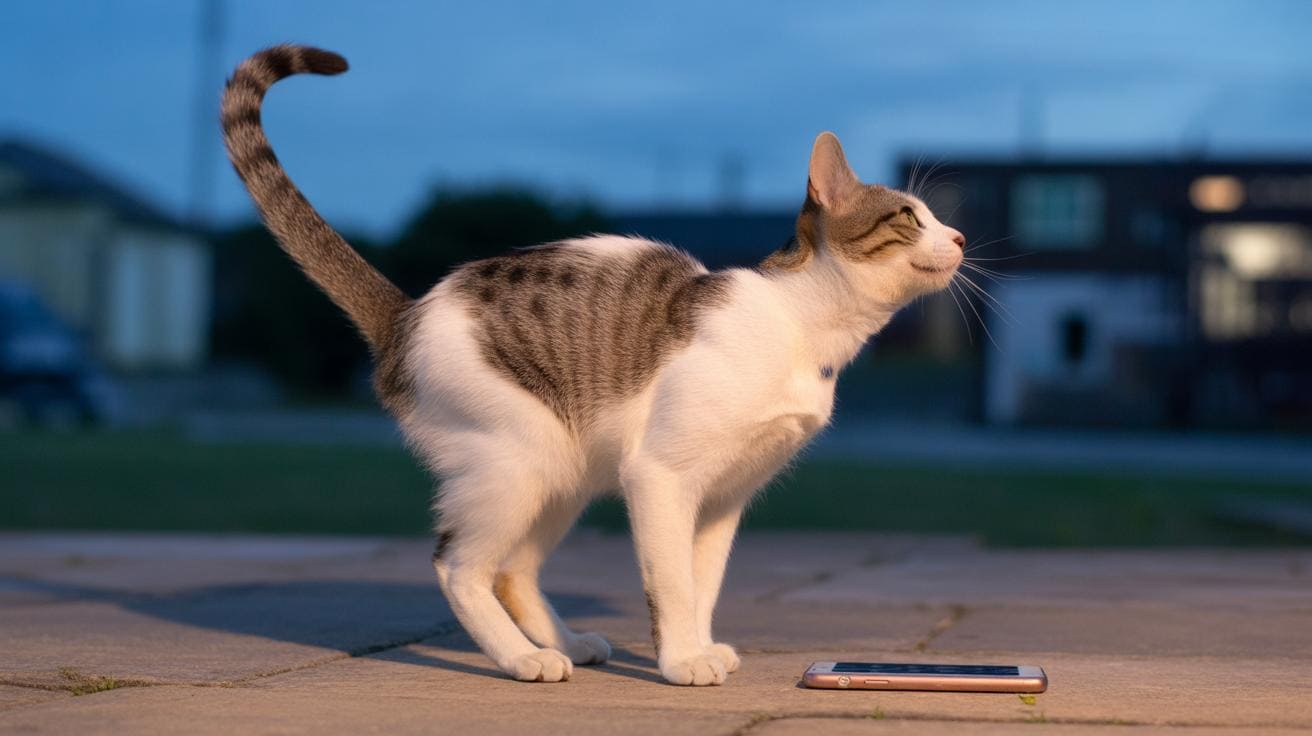
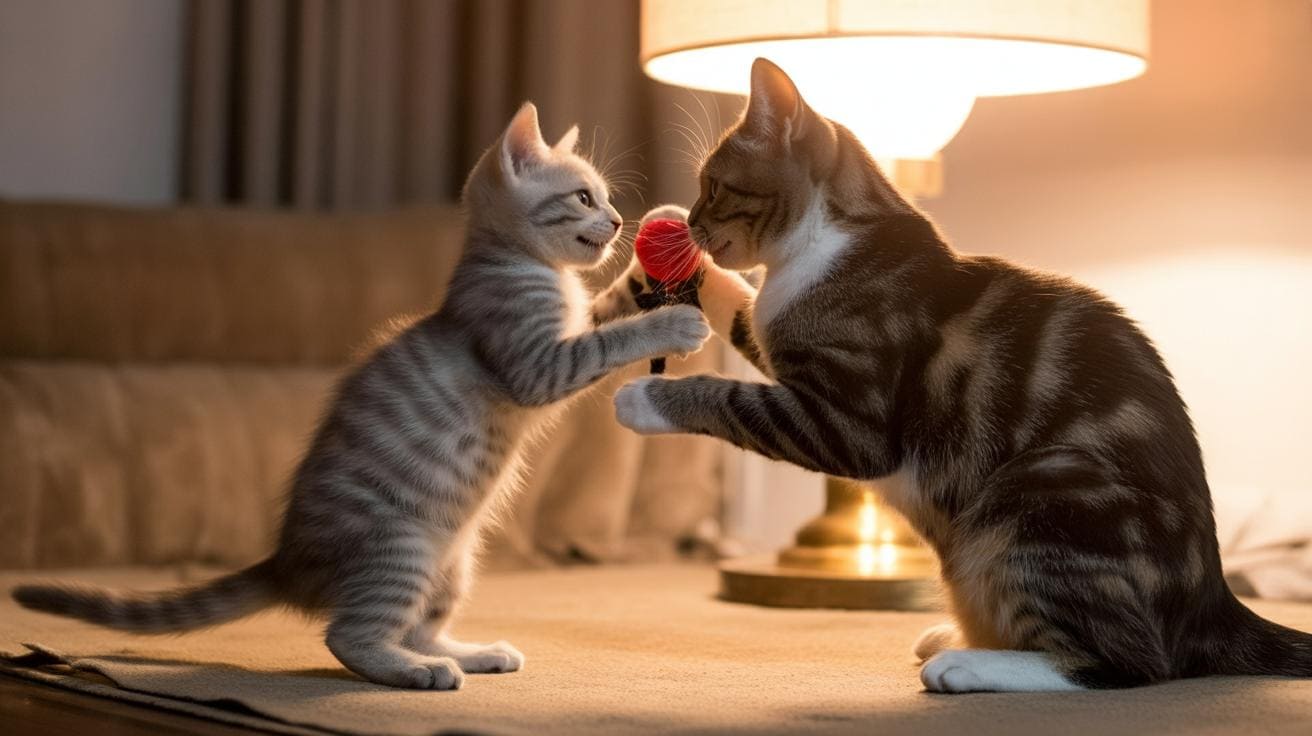
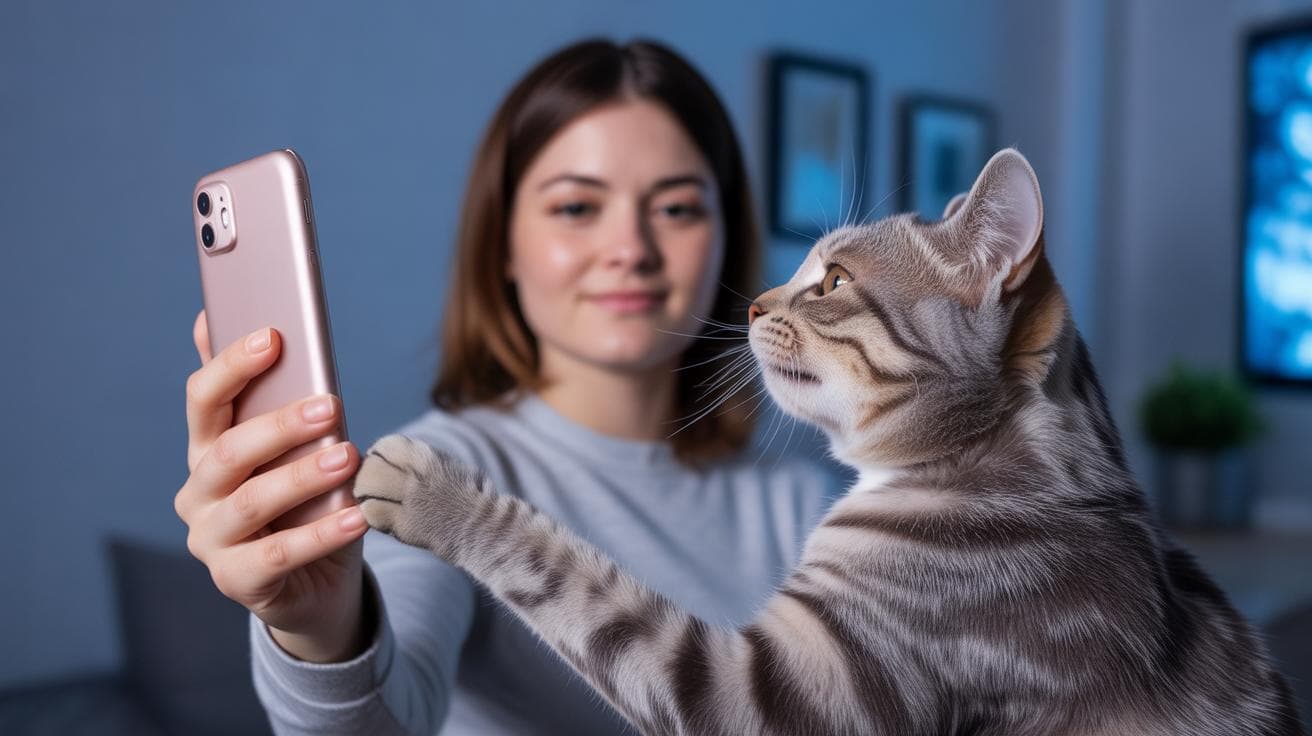
Think your kitten's nips are just bad behavior? Not usually. Play aggression (kitten hunting practice that teaches stalking, pouncing, and gentle biting) is how they learn to be hunters. Those ankle ambushes and surprise little bites are more practice than malice.
Still, it can startle you, sometimes break skin, and get worse if we accidentally reward it by wrestling with our hands. Ever yelp and then play more with your hands? Yeah, that teaches them that biting = attention.
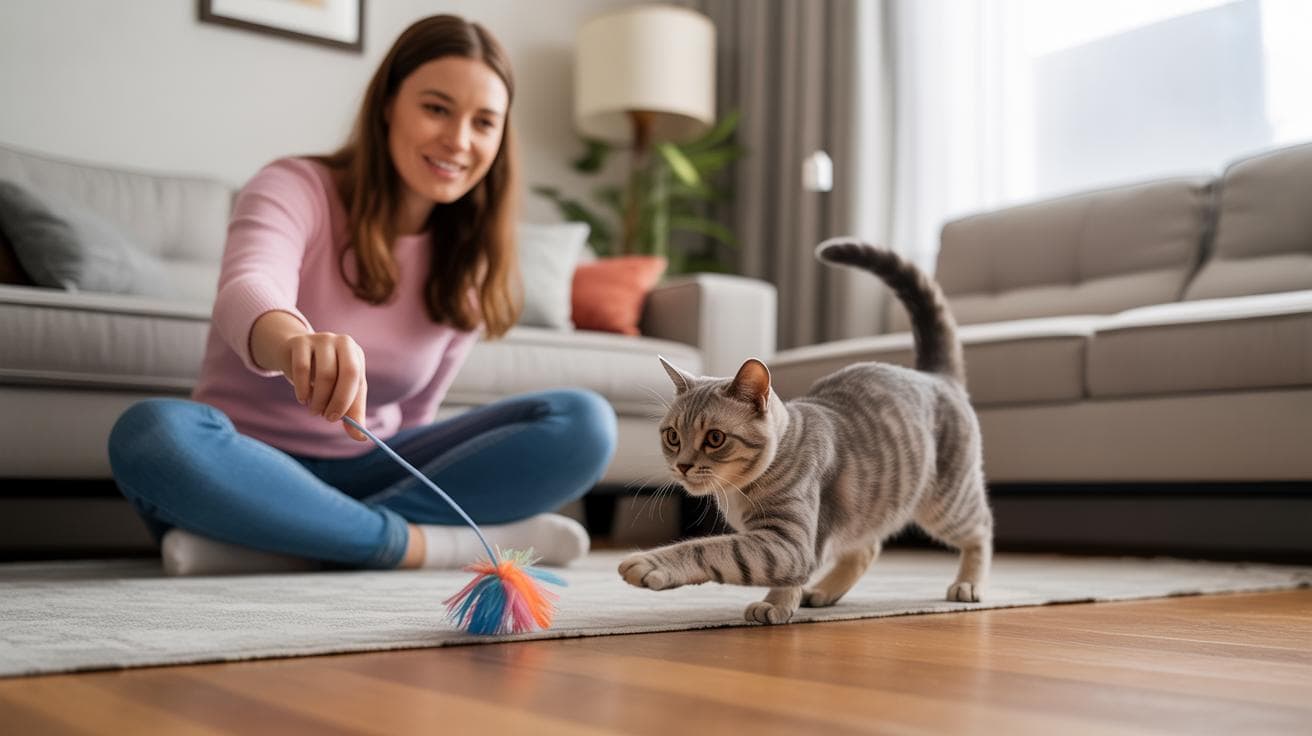
Here’s a paw-ready plan you can try. Stop hand-play. Schedule two short hunt-style sessions a day (5–10 minutes each) , think quick chase games that mimic real hunting. Carry a redirect toy like a teaser wand (a wand with feathers or string, basically a fishing rod for cats) or a small plush/ball to swap in when teeth appear. End each play session with food , a few kibble or a treat so the hunt naturally finishes with a meal.
If a bite breaks the skin, clean it and call your vet. And if the nipping gets fiercer or more frequent, check with your vet or a behaviorist for extra help , sometimes there’s pain or anxiety behind it. I once watched Luna leap six feet for a toy and then calm down when we changed the game, simple tweaks can make a big difference.
Worth every paw-print.
Quick action plan: immediate fixes for play biting
Play bites, ankle ambushes, and quick scratches aimed at people are usually play aggression. This is most common in kittens and young cats learning to stalk and control their bites. If the biting is sudden, much worse than usual, or comes with limping or a change in appetite, check When to consult a vet or behaviorist for medical red flags and how to document what’s happening.
Do these now
- Stop hand-play right away , tuck your hands out of reach and don’t wiggle fingers like a toy.
- Start two 10–15 minute interactive sessions every day with a wand or fishing-pole toy (see Toys). Think of it like a mini hunt: you move, they chase, they pounce, they get tired.
- Carry a small plush or ball to redirect an ambush instantly; toss it away from you so their focus shifts.
- End each play session with a meal or a puzzle feeder so the “capture” leads to food. That helps your cat learn that catching things brings rewards, not hands.
- Add one food-foraging puzzle each day to slow feeding and burn off hunting drive. (Puzzle feeders are bowls or toys that make your cat work a bit to get kibble.)
- If bites break the skin or the aggression is sudden or getting worse, contact your vet and bring video and notes , see When to consult a vet or behaviorist.
A few quick extras: don’t punish with hits or sprays , that just makes things scary and can make biting worse. If your cat gets overstimulated during petting, learn their telltale signs , tail flicks, skin ripples, hardening muscles , and stop before the bite. Ever watched your kitty stalk a feather? Mimic that pace in play sessions for better bite control.
For full routines and background on training, Toys, managing overstimulation, special cases, and the vet/behaviorist checklist, read the linked sections below.
Worth every paw-print.
Cat Play Aggression: Causes and Solutions
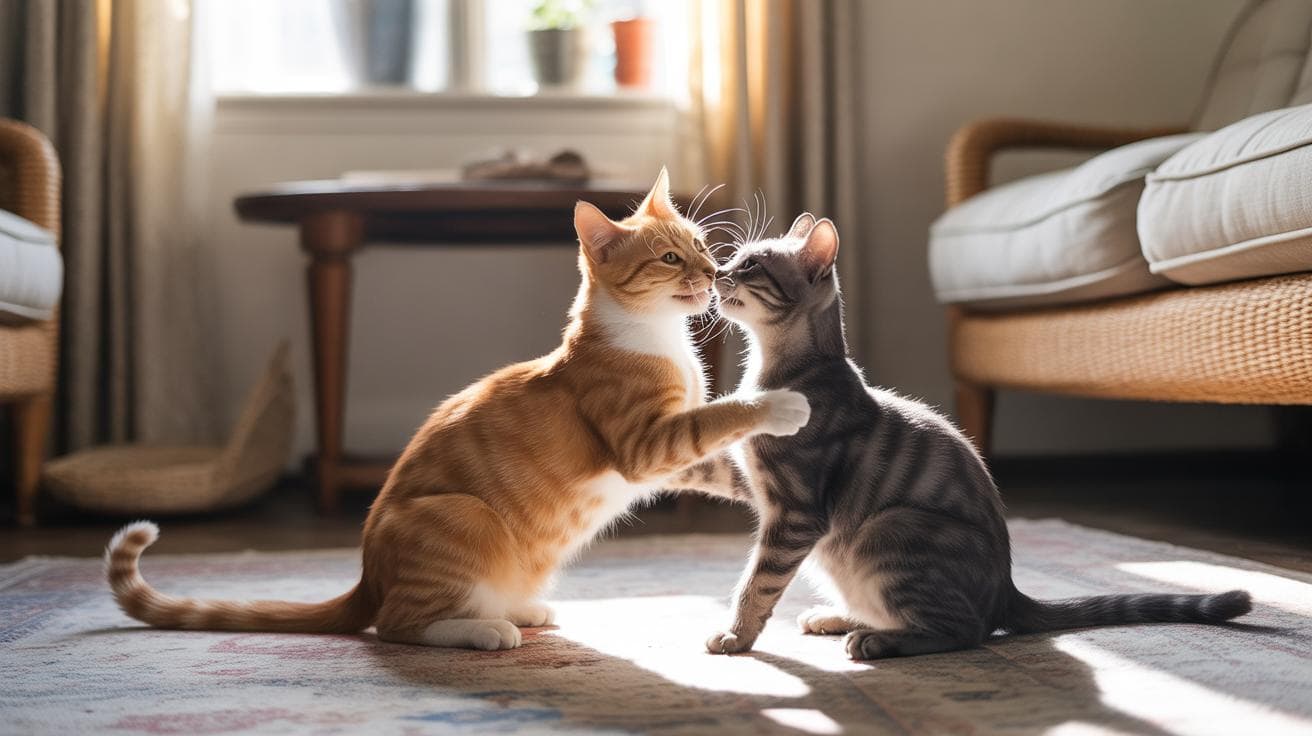
Developmental: Kittens learn how hard to bite by roughhousing with their mom and littermates. If a kitten grows up alone or was taken from the litter too soon, it might not learn that “too hard” rule. So you get those tiny, ferocious pounces that make you flinch. Ever watched a baby cat go full-on hunter and think, whoa, slow down?
Predatory drive: Cats have a built-in hunting urge , predatory drive (their natural hunting instinct). Stalking, pouncing, and biting are practice moves meant for prey, not people. If they don’t get the right practice, they’ll use socks, ankles, or your fingers instead. Try wand toys (like a fishing rod for cats) and short, scheduled chase sessions so they get prey practice and your hands stay human.
Medical and pain: If aggression shows up suddenly or gets worse fast, think medical. Pain, infection, neurologic issues (brain or nerve problems), or skin conditions like hyperesthesia (heightened skin sensitivity) can make a cat snap when they used to be gentle. If you see limping, hiding, or a drop in appetite, call your vet , better safe than sorry.
Environmental and social: Boredom, not enough high spots, messy play schedules, or tension in multi-cat homes can crank up rough play. Overstimulation , when petting flips into a bite , is usually sensory overload, not spite. A predictable routine, more play and places to climb, and fewer surprises will calm that motor drive.
Quick checklist
- Check age and early social history: did they have littermates or were they separated early?
- Inspect the body for injuries, sores, or swollen spots.
- Note any recent household changes: new people, pets, furniture, or schedule shifts.
- Log activity and incident times for a few days to see patterns.
Watch for these red flags:
| Medical warning signs | Behavioral clues |
|---|---|
| Sudden start or escalation; limping, hiding, loss of appetite | Predictable timing; clear play triggers; chase or pounce posture |
If you’re ever unsure, rule out medical causes first, then add structured play, safe toys, and routine. It helps. Your cat will thank you , probably with a purr, or a very focused stare.
Cat Play Aggression: Causes and Solutions
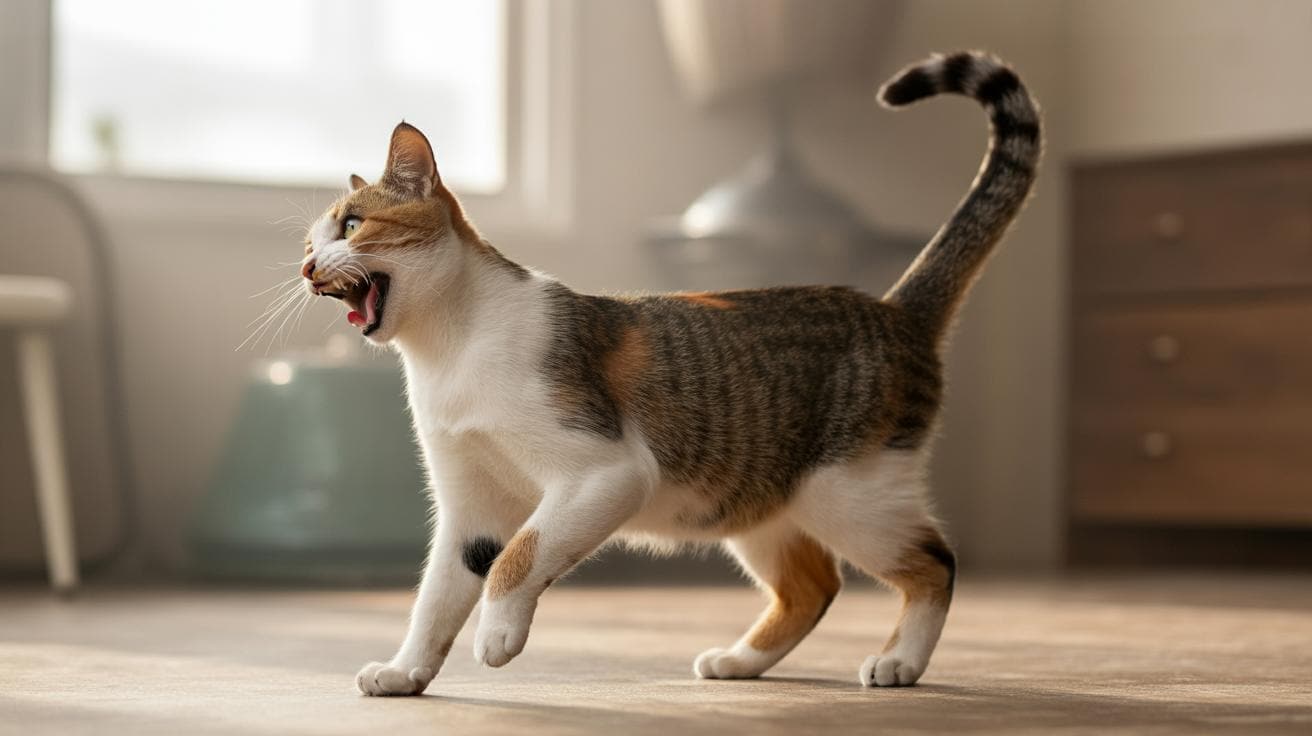
Reading your cat’s signals is the fastest way to tell harmless roughhousing from a real safety risk. Watch their body, not just the bite, then you’ll know whether to reach for a toy or call the vet (veterinarian, a medical doctor for pets). Ever watched your kitty stalk a sock and think, “Yep, that’s hunting”? Same idea.
People often call quick pounces or nips “mean,” when really the cat is practicing hunting moves. But those same nips can come from pain or fear, and those feel and look different once you learn the cues. Misreading them can make you react the wrong way, and that can actually make biting worse. So watch first, act second.
Here are easy signs to compare play versus other aggression:
- Tail: short twitches or held up vs hard side-to-side lashing.
- Ears: neutral or slightly back vs flattened against the head.
- Pupils (the black center of the eye): normal or focused vs wide and dilated when stressed.
- Vocal sounds: soft chirps or quiet chattering vs hissing or growling.
- Skin along the back: small ripples during play vs big ripples with tension.
- Paws: gentle batting vs claws-out swats.
- Body tone: loose and stalking vs stiff and hunched.
- Approach: playful stalk then disengage vs sudden, direct strikes.
| Sign or behavior | Play aggression | Other aggression or pain |
|---|---|---|
| Tail | Up or twitchy, short swishes | Lashing side-to-side, stiff |
| Ears | Neutral or slightly back | Flattened against head |
| Vocalization | Soft chirps or quiet chattering | Hissing, growling, sustained yowls |
| Duration | Brief bursts, then resets | Long, escalating attacks |
| Intent | Stalk, pounce, then disengage | Defensive or targeted aggression |
| Reaction to human withdrawal | Often follows and resumes play later | May continue, escalate, or avoid contact |
If you film incidents, aim for steady, well-lit clips that show the approach, the pounce or bite, and what happens right after. Include audio, note the date and time, and write down what led up to it. Try to collect a few examples, behaviorists and vets (veterinarians) can spot tiny body language cues on video that you might miss live.
Next, if the bites are sudden, seem painful, or are new, get a vet check (veterinarian exam). Pain can make even the nicest cat snap. For regular play nips, swap in toys and short play sessions so hands stay out of the game. Simple changes, big relief.
Worth every paw-print.
Training and interactive play routines to reduce play biting
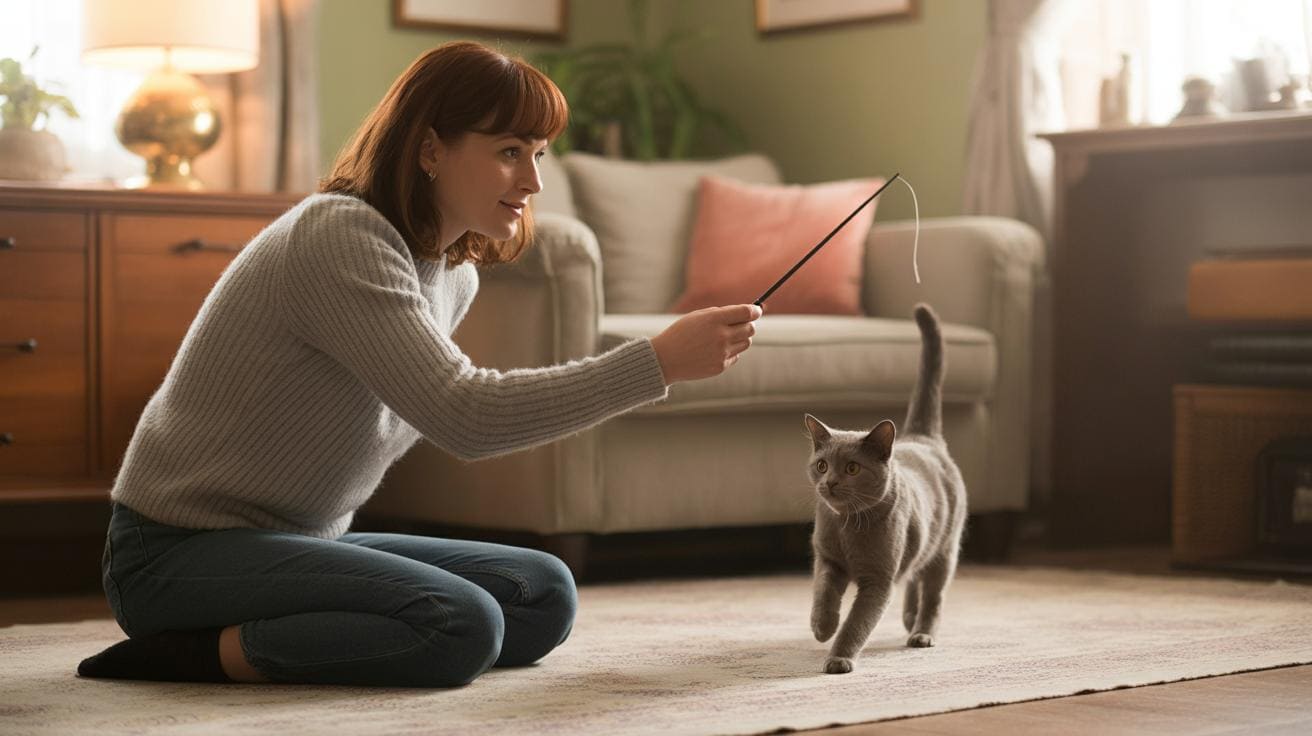
The goal is simple: stop your hands from feeling like prey and channel that hunting energy into toys. Think of training as teaching your cat a safe, repeatable routine that rewards calm behavior and real captures. Use the Toys section for specific picks, but here we focus on the how.
Start with short, prey-like bursts of movement, quick, unpredictable dashes, a pause, then a slow "caught" moment so your cat practices the whole hunt-to-meal loop. Keep sessions short and regular. Two 10 to 15 minute blocks during peak activity (usually dawn and dusk) works well. Make sure each session includes several clear captures and ends with food or a puzzle feeder (a toy that hides food and slows eating). This helps your cat link catching with a calm reward. No punishment needed.
Training technique matters. Don’t wrestle. Don’t use your fingers as toys. Stop the session the instant play gets too rough. Clicker training can help by marking calm choices, clicker (a small handheld device that makes a click sound) plus treats speeds learning, but steady cues and patience beat sudden corrections. If a session goes sideways, pause, let the cat settle, and try a calmer tempo next time.
Structured session plan
Warm up gently to get attention, then follow a clear rhythm of chase and pause so your cat practices stalking and pouncing. Aim for tidy captures and a calm finish.
- Start with 30 to 60 seconds of teasing movement to grab focus.
- Move the toy low and fast for 60 to 90 seconds to prompt chasing.
- Pause briefly and let the cat stalk, this builds anticipation.
- Resume with a short sprint to encourage the pounce.
- Slow the toy so the cat can bite and hold, let them "catch" it.
- Repeat steps 3 through 5 three to five times per session.
- After the last capture, slow the toy and wiggle it like trapped prey.
- Give a meal or place food in a puzzle feeder (a toy that hides food and slows eating) right after the final capture.
- End quietly. Sit nearby or step away so your cat finishes calm.
Worth every paw-print.
Clicker basics for reducing biting
A click marks the exact moment your cat picks calm behavior, so they learn what gets rewarded.
- Click the moment the cat disengages from your hand or a toy.
- Reward within one second with a treat or a piece of kibble.
- Say a short cue like "calm" right after the click.
- Slowly increase the time before you click to shape longer calm stretches.
- Fade treats over time, keeping praise and a calm end-of-play routine.
Troubleshooting quick tips
- If over-arousal happens, stop the session and wait for a relaxed posture before trying again.
- If your cat ignores cues, drop the bar and reward tiny improvements.
- If signals feel messy, pick one clear start cue and use it every time.
- If play escalates, end the session immediately and try a slower tempo later.
- If your cat targets feet or ankles, keep a small plush toy on you to redirect instantly.
- If biting returns, review session length and pace, shorter, slower cycles often work better.
Ever watched your kitty chase shadows? Try this plan for a week and you might be surprised how quickly the teeth move from your hands to the toy.
Toys, gear, and enrichment to prevent play aggression
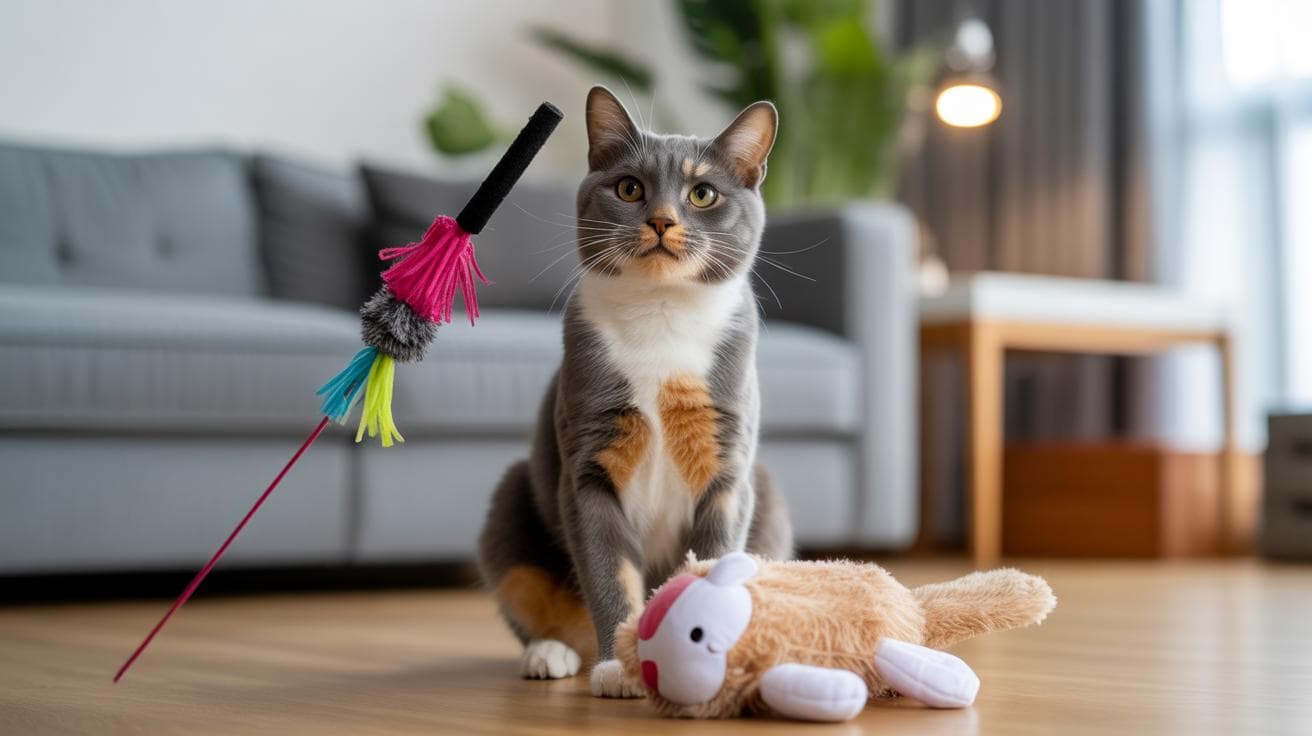
The quickest fix is smart gear plus a plan. Use wand or fishing-pole toys, plush prey, lightweight balls, puzzle feeders (a toy that makes your cat work for food), and interactive electronic chase toys to give teeth and claws a safe target instead of your hands. Wand toys let your cat stalk, pounce, and bite a safe lure while you stay out of reach. Puzzle feeders turn mealtimes into a little hunt, which helps burn energy and calm that predatory buzz.
Set up enrichment with vertical outlets like cat trees and window perches, short regular play sessions, and a rotating toy stash so things stay exciting. The best toys mimic prey movement and reward the capture: wand toys for shared hunts, plush mice for solo shaking, and lightweight balls for quick chases. Supervise electronic chase toys at first and replace worn parts. Small bits can become choking hazards, so keep an eye on them.
| Toy Type | Best use | Safety notes |
|---|---|---|
| Wand toy | Redirect predatory drive during interactive play | Keep hands away from the lure; check attachments regularly; see DIY replacement attachments for teaser wands for fixes |
| Plush prey | Solo practice for biting and shaking | Replace when seams tear; avoid tiny removable parts like beads or bells |
| Ball (lightweight) | High-speed chases and pouncing | Watch for wear; pick a size that won’t be swallowed |
| Puzzle feeder | Food-foraging and slow-feeding | Wash regularly; match difficulty to your cat’s skill |
| Interactive electronic toy | Active chase when you’re busy | Supervise early; remove if it overstimulates or malfunctions |
- Rotate toys every 3 to 5 days to keep novelty fresh.
- Keep a hidden stockpile and swap one or two items at a time.
- Store small bits out of reach when not in use.
- Put toys on vertical spots and near sunny windows for extra appeal.
- Carry a small plush or ball for instant redirection when ambushed.
Nail caps can be a short-term protective tool. They are tiny soft covers glued onto claws (they help blunt scratches). Read practical pros and cons at do cat nail caps work and check with your vet before fitting. Trimming claws during retraining also cuts damage. Have a pro show you where the quick is (the blood vessel inside the nail) and trim just a tiny bit at a time, pairing clips with treats so sessions stay calm and positive. Worth every paw-print.