Think play bites are harmless kitten fun? They teach your cat to treat your hands like toys, which ends in scratches, a sting, and owners who feel tense and frustrated. Ever watched a paw-eye pounce and felt your heart jump? Not exactly relaxing.
Try this quick six-step interruption routine to stop the madness. Notice the tail twitch or the sudden laser-focus. Stop contact – pull your hand away calmly. Oops, let me rephrase that: remove your hand without yelling. Offer a toy, like a wand (a stick with a dangling lure) or a small ball, to redirect the hunt. Reward calm with soft praise or a tiny treat.
Do two short sessions a day, just a few minutes each, and your cat will learn toys earn the prize, not fingers. It beats frantic wrestling and keeps both of you relaxed. Plus, no more bandages.
Worth every paw-print.
How redirecting play aggression in cats provides immediate, practical steps
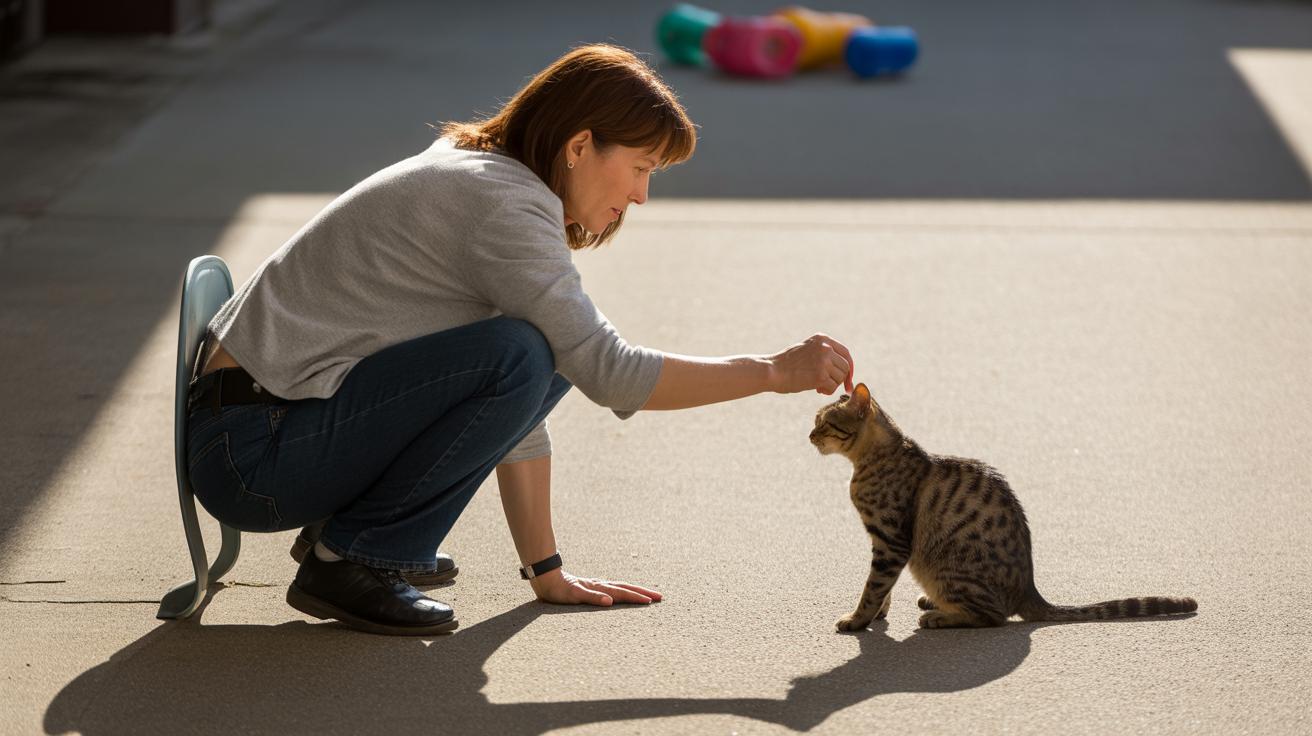
When play gets too rough or frantic, act fast. Here’s a simple interruption routine you can use right away to stop the “hands-as-toys” habit and keep everyone safe.
- Notice the warning signs: tail twitching (a quick flick at the tip), ears flattened against the head, pupils wide (dilated pupils , big, scared-looking eyes).
- Stop contact immediately. Pull your hands away.
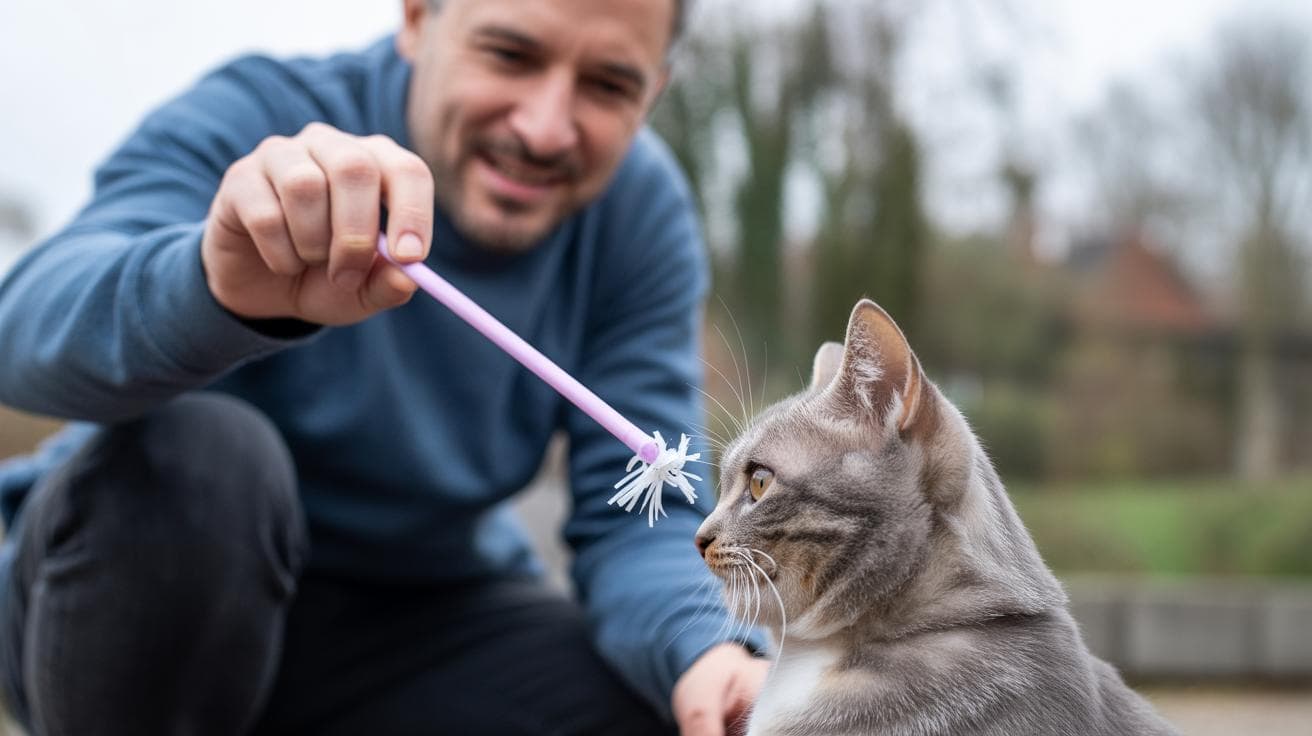
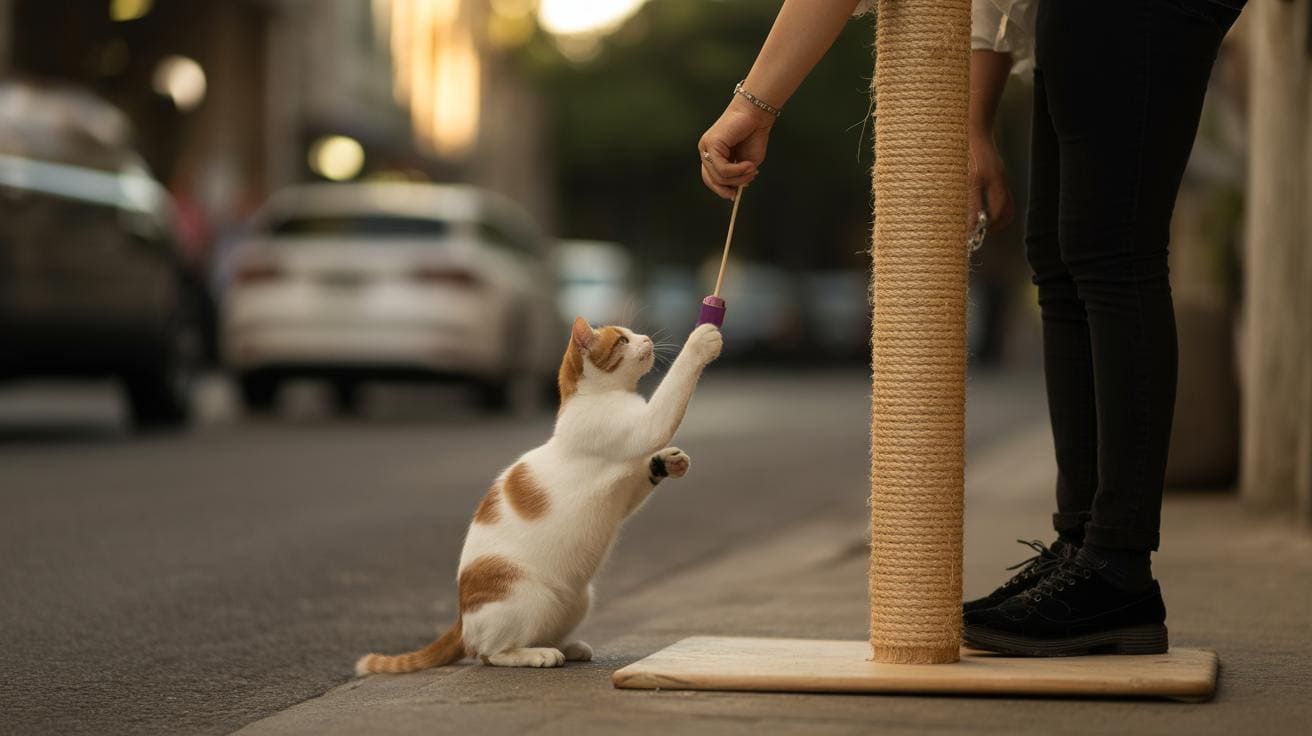
- Offer a toy from a distance. Try a wand (a stick toy with feathers or a lure) or a rolling ball.
- Help the cat shift focus to the toy. Move it like prey so the hunting drive follows the toy, not your skin.
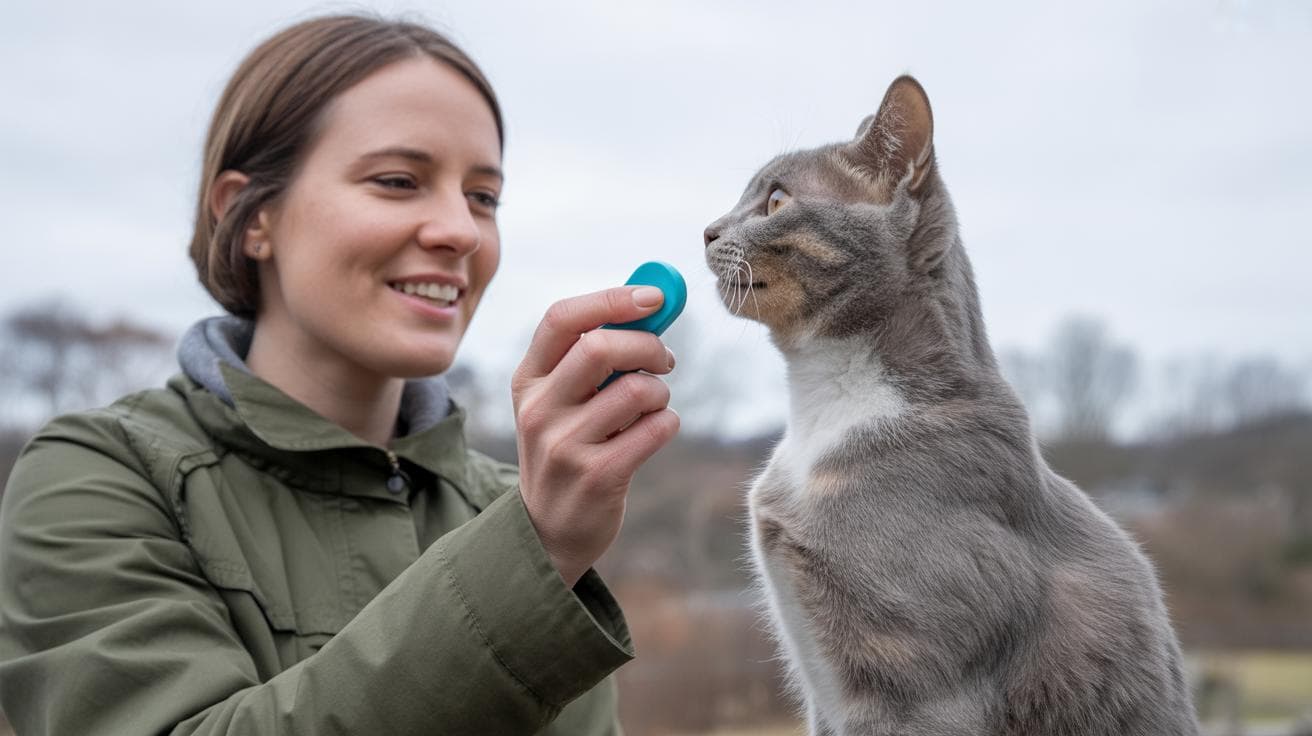
- Reward calm focus with a tiny treat or a short win of play.
- Only go back to supervised interaction once your cat is calm.
Start that six-step sequence the instant you see those signs. For safety, step backward so you’re out of reach, use a soft, calm voice, then present a long-handled wand or a rolling ball to redirect the hunt. Aim for two 10-minute interactive sessions a day to burn energy , that’s a good baseline for most cats. Take short breaks whenever you spot warning signs so play never slides into overstimulation.
Rewarding calm focus (a tiny treat or a quick, successful pounce) helps the cat learn that toys earn attention, not hands or feet. And please, don’t use your fingers as targets , teach toys to be the fun thing. Toys and rewards are part of this plan; full toy lists, rotation schedules, and training exercises live in the toys/enrichment and training sections.
If the aggression is new, getting worse, or shows up with no clear trigger, check the "When to consult…" section for guidance on veterinary and behavior referrals.
Recognizing signs of play aggression in cats: kittens versus adult cats
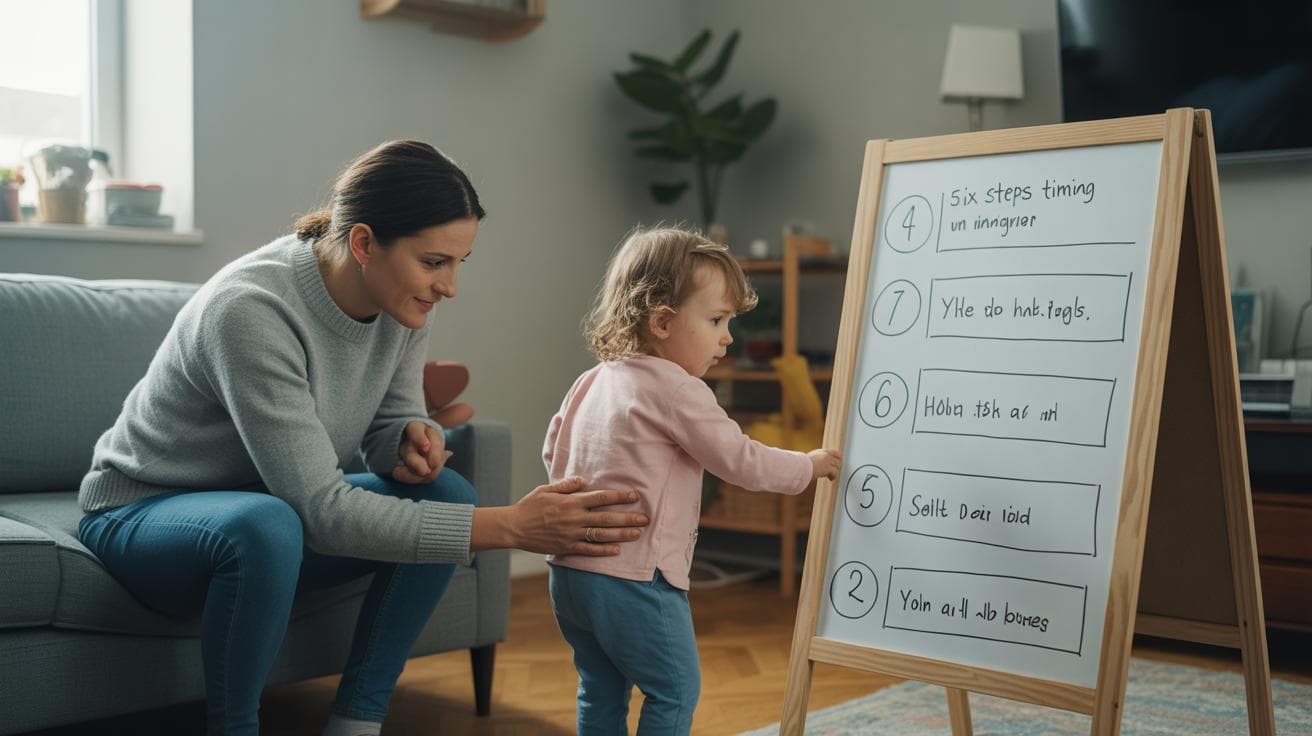
Play aggression looks like chasing, pouncing, batting, wrestling, mouthing, and sometimes biting or scratching, basically hunting practice that got a little too excited. Watch the early signals: a quick tail-tip flick, ears pinned back, or huge, wide pupils , that startled, big-eye look. Those clues mean the cat is nearing overstimulation (when a cat gets too excited or irritated and can’t keep playing safely). Pause play or switch to a long-handled toy (like a teaser wand, a stick with feathers or ribbons) before your hands become the target. Ever catch your cat mid-flinch? That’s your sign to stop.
Kittens usually wrestle and explore with their mouths more, think sloppy, curious mouthing and tumbling play. Adults tend to give harder bites or fast, focused swipes once they hit that overstimulated zone. Fear-related aggression is different: that’s defensive, with hissing, a low crouch, and attempts to get away, not chasing you for fun. If attacks start suddenly, get more frequent, or you see puffed-up fur or long-lasting aggression, check the "When to consult…" section for vet and behavior thresholds and what to bring to an appointment.
Worth every paw-print.
| Sign | Kittens (typical) | Adults (typical) |
|---|---|---|
| Pouncing / wrestling | Playful tumble sessions, rough-and-tumble practice | Short, intense pounces; more focused strikes |
| Mouthing / biting | Exploratory mouthing, softer bites | Harder, sharper bites that can hurt |
| Tail / ear signals | Quick tail flicks, ears may swivel back | Tail lashes, ears pinned flat when overstimulated |
| Vocalizations | Excited chirps, playful squeaks | Growls or short, sharp yowls if annoyed |
| Escalation severity | Often brief and calms with redirection | Can escalate to painful swipes or repeat attacks without intervention |
Causes and triggers behind redirecting play aggression in cats
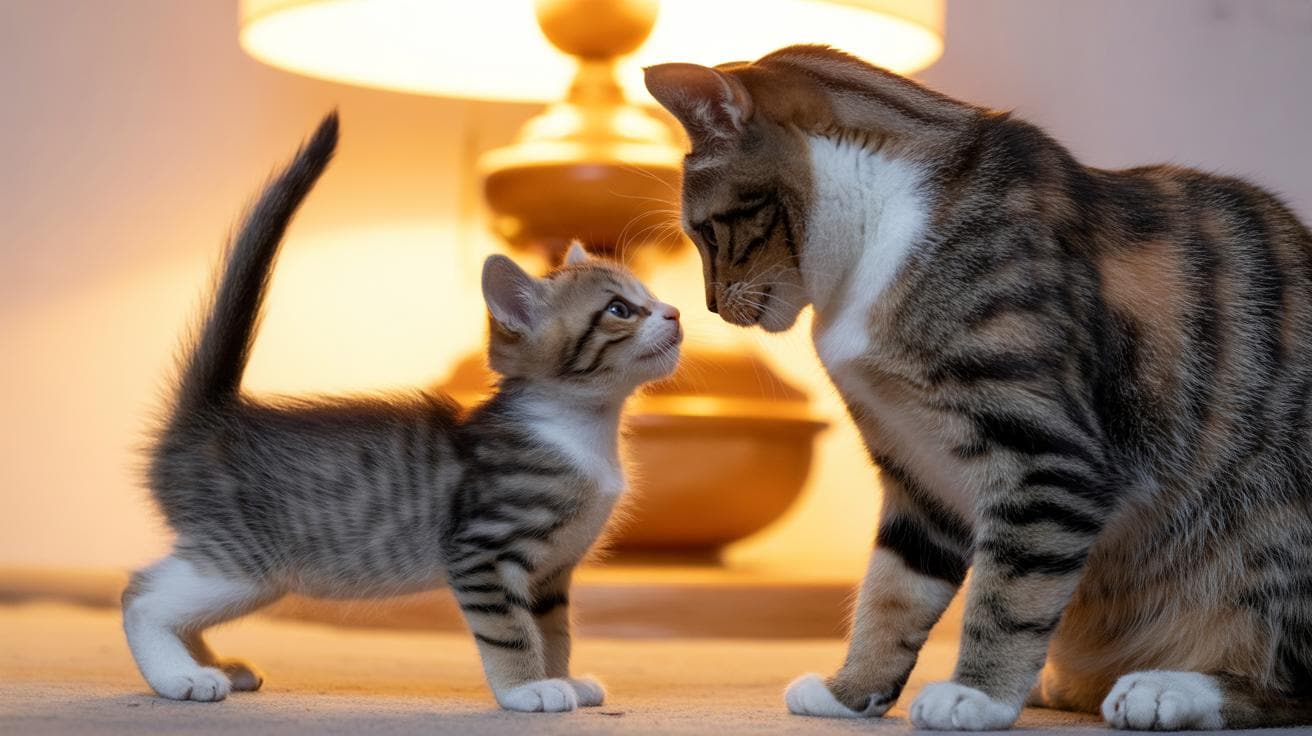
Play aggression shows up when a fun play session turns into biting, scratching, or pouncing on people. It’s usually because your cat gets overstimulated (too much excitement all at once) or frustrated and their arousal (physical-ready-to-hunt feeling) spikes. You’ll see whiskers pushed forward, pupils blown wide, and muscles coiled like a spring. The scene is almost cinematic, your cat’s ready to hunt, but there’s no proper target.
When that build-up has no safe outlet, the closest moving thing becomes the target, often a hand or foot. That’s why a simple incident log helps so much: note the time, what you were doing, and any sounds or sights you noticed. Patterns pop up fast , certain toys, play styles, or times of day might be the problem. Once you see the pattern, you can change the setup.
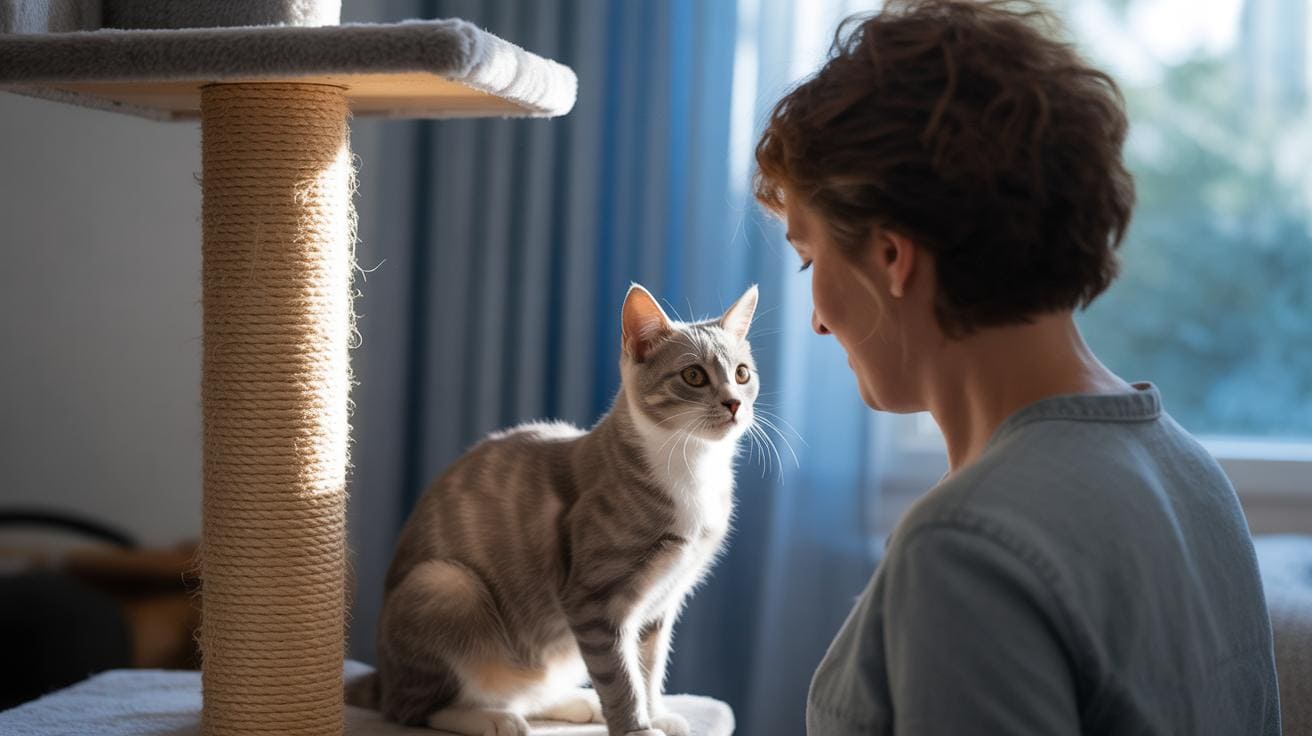
Redirected aggression happens when a cat can’t reach the original trigger (like another cat outside the window) and takes out the frustration on whoever’s nearby. Think of it as misdirected anger (aggression aimed at the wrong target). Visual triggers are a big one, passing outdoor cats, birds, or even reflections. Try closing blinds, using opaque window film, or moving your cat’s favorite perch away from the trouble spot. Give them an alternate lookout with a partially blocked view so they can still watch without fixating.
Some background factors make overstimulation more likely: confinement, sudden loud noises, poor kitten social play (that’s when kittens learn bite strength and self-control), and pain or illness. So take medical causes seriously. Change how you play: short bursts, a long-handled wand toy (like a fishing pole for feathers), and clear pauses the moment warning signals appear, tail flicks, ears flattening, or growls.
If this behavior is new, getting worse, or seems to come from nowhere, check the "When to consult…" section for veterinary and behavior referral. It’s better to rule out pain or health issues early. And hey, small changes often make huge differences, worth every paw-print.
Expanded technique and safety details for handling play-aggressive episodes (references lede)
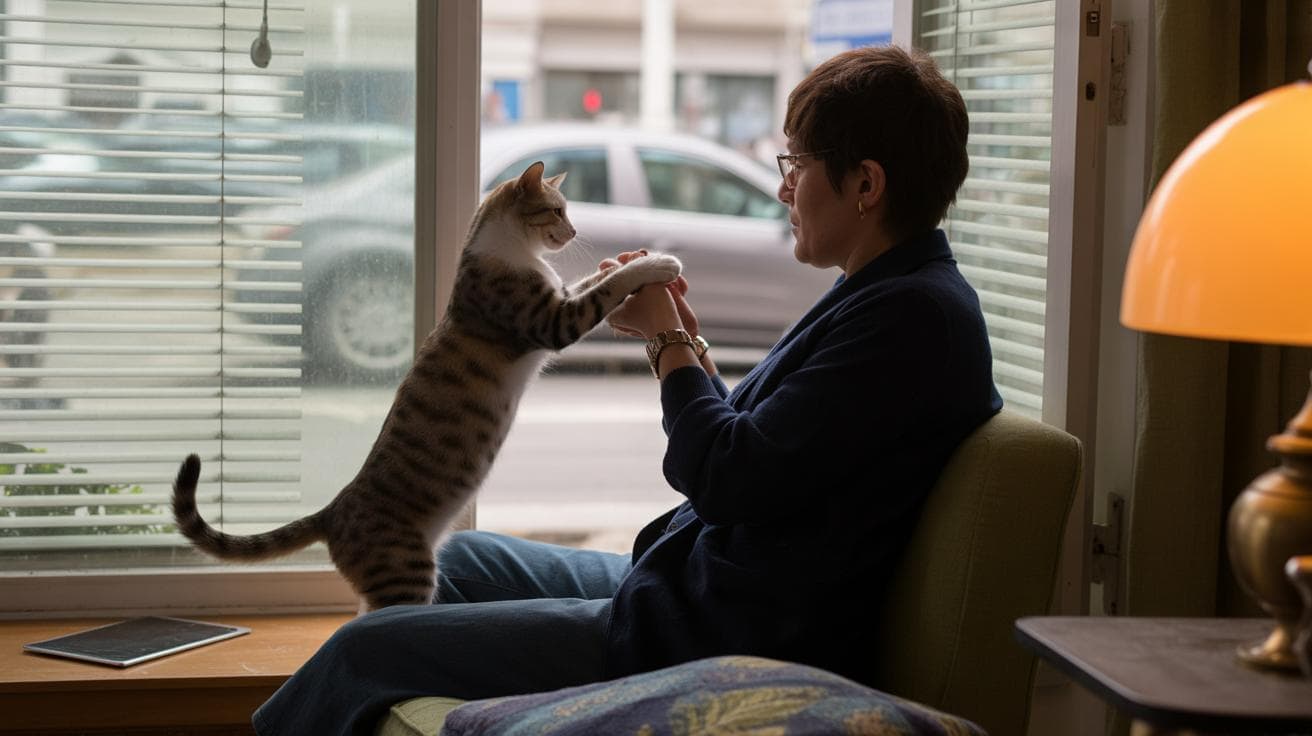
The lede gives a quick six-step interruption sequence you should use first. Think of that as your emergency script, then move on to these extra tips for keeping distance, relocating the cat, and helping them recover.
Keep your body language calm and predictable while you interrupt. Step back slowly so you’re out of reach. Turn your body a little to the side (less confrontational than facing square-on) and don’t loom over the cat. Ever watched your kitty chase shadows? These little changes make a big difference.
Watch the cat’s cues closely:
- Rapid tail-lashing, ears pinned flat, big pupils, or a sudden freeze all mean back off and use a diversion.
- If you can safely offer a toy from where you stand, do it. If not, move people and other pets away so the cat has space to de-escalate.
When the cat calms, use a controlled relocation and a low-stimulation plan for the next 24 to 72 hours before any full reunion. If the cat keeps acting out, has repeated episodes, or the attacks seem stronger than usual, check the "When to consult…" section for vet and behavior-referral thresholds and prep.
Safe diversion tools and methods
Long-handled wand toys (a wand toy is a stick with a lure, like a fishing pole for feathers) are my top pick for interrupting play aggression because they let you stay out of reach. Motion-activated toys (battery-powered toys that start moving when they sense touch or motion) can grab attention across a room without a human nearby. Scent toys like catnip or silvervine (silvervine is a plant that excites many cats, similar to catnip) are nice for gentle redirection when movement-based play is too intense.
Placement and angle tips:
- Hold the wand about 2 to 3 feet away and a little to the side so the cat chases sideways motion, not your hands.
- Present motion toys across the room, not toward people, so the cat runs away from household members.
- Toss a scented toy gently ahead of the cat’s path to encourage a calm chase-and-capture.
- Avoid fast, jerky flicks that mimic a prey ambush when the cat is already fired-up.
Relocation steps for the offending cat
- Close off a quiet room with food, water, litter, and favorite bedding; open the door and lure the cat in with a toy or a trail of treats.
- If you need to pick up the cat, use a towel or blanket as a calm wrap (blanket over shoulders, gentle scoop). Never force the cat by grabbing.
- Leave the cat alone to cool down for a short period , minutes to a few hours depending on how intense things were , and check from outside the room quietly.
- Reintroduce calmly: offer a short play or treat session through the door or with a wand while supervising, then allow brief supervised freedom once the cat has been calm for at least 30 minutes.
Detailed post-incident recovery
Keep the environment low-stimulation for 24 to 72 hours: dim lights, speak softly, and avoid sudden handling. Offer short, supervised interactions only after you’ve seen at least 30 minutes of relaxed behavior. Rebuild positive associations with brief play-plus-treat sequences, and if multiple incidents happen, pause reintroduction for several days. If the problem keeps happening or gets worse, see the "When to consult…" section for next steps , vet checks or a behavior referral can really help.