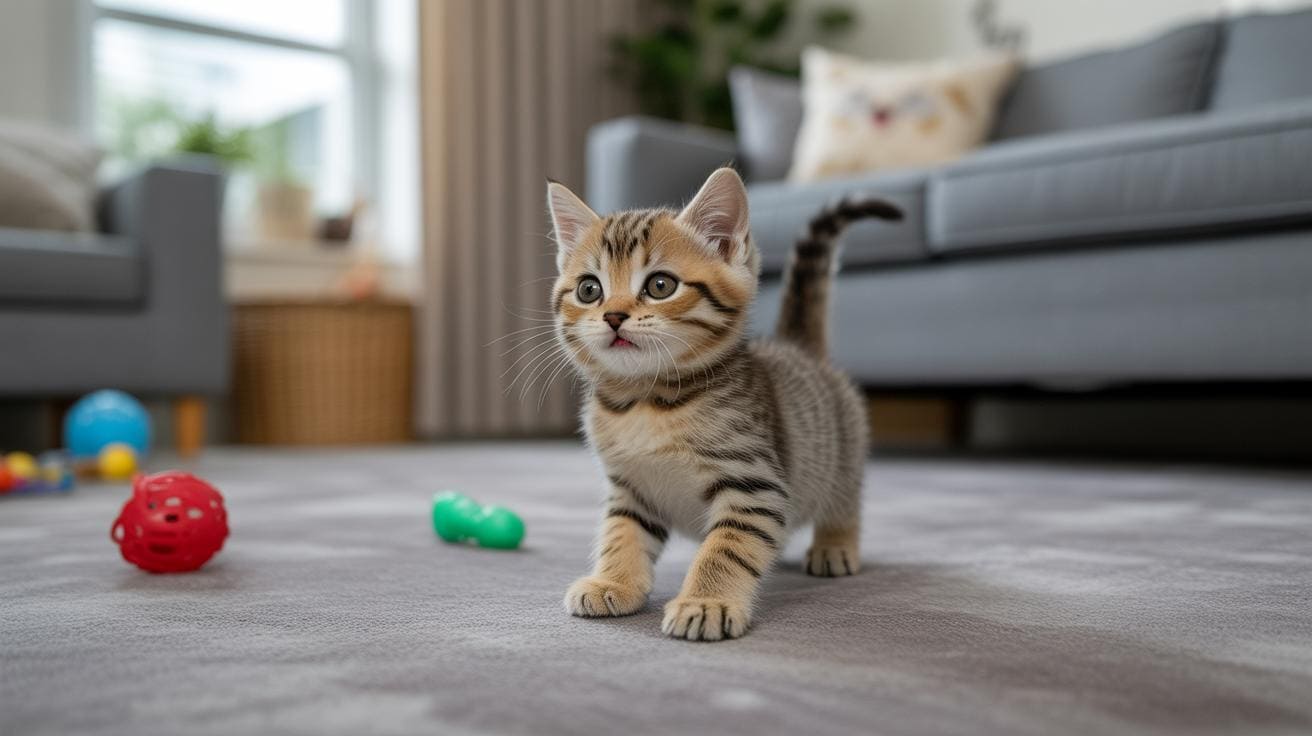
Ever had your cat turn a cuddle into a surprise bite and you just stared like, what happened? That little nip feels sharp, and your hand might sting or bleed. Play aggression (when hunting instincts get aimed at you) is usually the culprit.
You’ll see it in the hunt: your cat sneaks, stalks, pounces, gives soft nips and shows claws. Mostly kittens and young cats do this, especially if they missed the right play lessons with littermates. Ever watched whiskers flare and eyes narrow before a sudden pounce? Yep.
Good news: you can stop a lot of it with a few simple swaps. Give a satisfying catch toy (a small toy they can grab and carry) at the end of play so they feel like they won. Put your hands away and use a wand toy (a stick with a toy on a string, like a fishing rod for cats) for chases. Keep sessions short and timed , five to ten minutes works great , and finish with a calm, rewarded landing, not you as the target.
Try this combo for a week and you’ll notice less surprise biting and fewer zoomies (sudden bursts of energy). I once watched my Luna leap like a tiny tiger for a felt mouse and then flop, totally content. It’s kind of magic. Worth every paw-print.
Immediate Diagnostic Checklist: Is This Play or Something More?
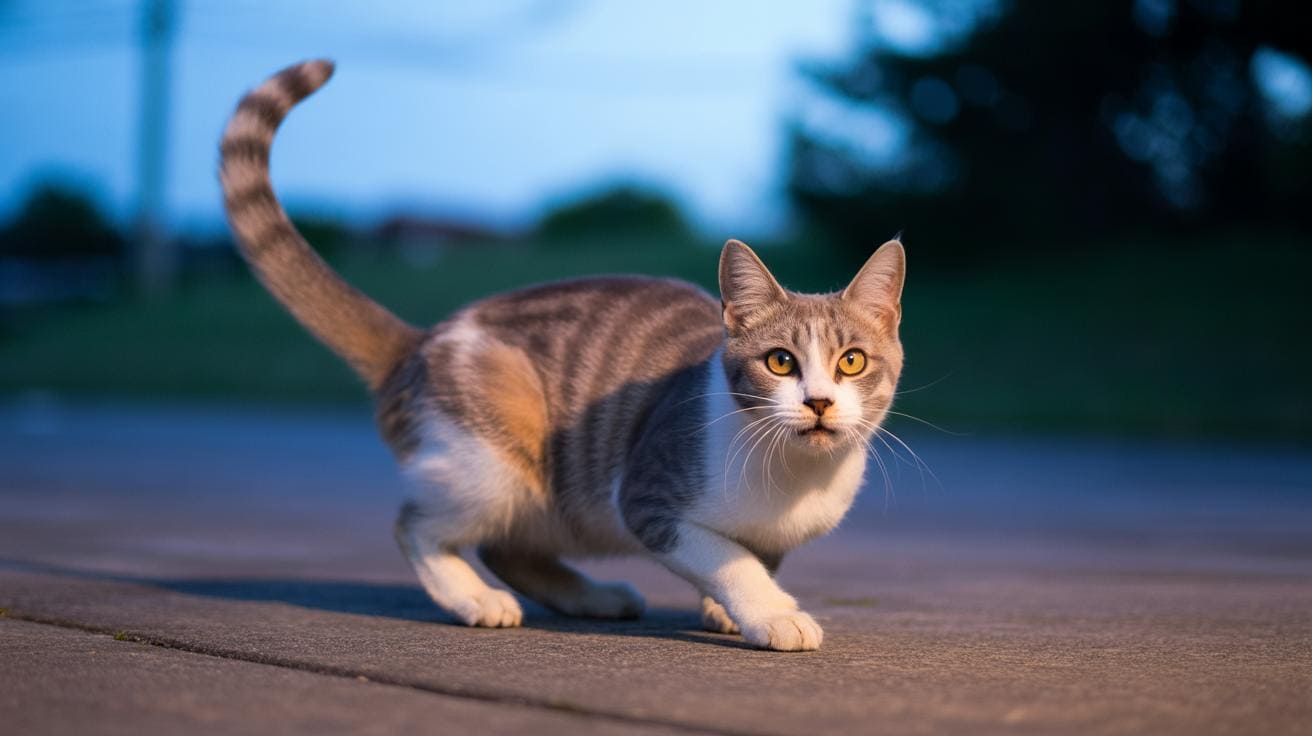
Play aggression looks a lot like hunting. You’ll see predatory-style behaviors (like hunting actions) aimed at people or things, not at getting away or truly hurting anyone. Picture whiskers twitching, a low-body crouch, and that laser focus right before a pounce.
You usually notice it during toy play or when you’re waving a hand or wand and your cat’s hunting instincts kick in. It’s most common in kittens and young cats under about three years, and in early-weaned kittens (separated from mom too soon) or hand-raised kittens (raised by humans, not their mother) that missed the socialization window (3–16 weeks, when kittens learn bite control and how to play with others).
Most bouts stop if you give a toy the cat can “catch,” or if you pause and the cat loses interest. Ever tossed a plush mouse and watched your cat flop over it like it won the lottery? That’s the safe reset. If the play keeps getting rough, step back and try a different strategy.
Common signs to watch for:
- Pouncing
- Stalking
- Chasing
- Biting (soft nips)
- Swatting
- Claws out (claws extended, ready to grip)
- Dilated pupils (big black centers)
- Tail twitching
- Focused stare
- Ears back or flattened
For subtle body cues, see the Body Language section (H2). For step-by-step plans and ways to track progress, see the Behavior Modification section (H2).
Reading Body Language and Distinguishing Fear from Play

That quick checklist covers the basics, but the real difference between playful stalking and scary aggression lives in tiny bits of body language. Watch the tail movement, note the ear angle, and pay attention to the eyes and sounds. These little details tell most of the story, honestly.
Look at the tail: short, eager twitches usually mean hunting-mode play; hard, continuous lashing often means agitation. Check the ears: softly turned or swiveling ears show curiosity, while ears pinned flat or turned back usually signal fear or anger. Eyes matter too: pupil dilation (when the black center of the eye gets larger) can happen in dim light or during excitement, so timing and context are key. Vocal tone helps: quick chirps and trills tend to say I want to play, while long hisses or growls mean back off.
Context and timing make things clearer. A bouncy, loose body that pauses and comes back for more is probably playing. A stiff, frozen cat that hides or snaps when approached is more likely scared or defensive. Try a short pause or a tiny distraction and see what happens; if the cat returns, it was likely play. Uh, these little tests are low-risk and give fast clues.
Quick visual cues
- Tail: light, intermittent twitches during stalking versus sustained hard lashing when the cat is upset.
- Ears: softly turned or swiveling toward sound during play; pinned flat or rotated back when scared or angry.
- Eyes/pupils: quick dilation during bursts of excitement, but sudden wide pupils paired with a frozen stare can signal high stress.
- Vocalizations: short trills, chirps, or quick chatters mean play interest; prolonged hissing, growling, or yowling usually means fear or a warning.
- Observe overall posture and movement to see if the cat looks loose or tense.
- Check vocal cues for playful chirps versus defensive hisses.
- Pause briefly or offer a small distraction to test re-engagement and see if the cat returns or withdraws.
- Offer a toy and watch whether the cat chases and captures it calmly or reacts aggressively.
See the diagnostic checklist (first H2) for the simple sign list, and the Behavior Modification section (H2) for tracking and intervention plans.
Common Triggers and Root Causes

Young cats learn to hunt by playing, so pouncing and biting are usually practice, not nastiness. Kittens and younger cats , roughly under three years old , and cats that missed the socialization window (3–16 weeks, when kittens learn bite control and how to play with others) are more likely to use rough tactics. Your kitten’s wild little energy is normal. Really.
Overstimulation (when your cat’s excitement keeps climbing until they suddenly snap) is a big one. Long, high-energy play sessions or repeated chase games can push arousal up and up, until play turns into grabby behavior. Think of it like a car revving with no finish line , eventually something gives.
The home setup matters a lot. Single-cat houses with few toys or little variety leave some cats bored and hunting for intense outlets. Sudden movements , feet, ankles, swinging socks , teach a cat that human limbs are fair game. Toys that never let your cat win, like a laser pointer without a final plush catch (a toy they can actually grab), can do the same thing. Ever watched your kitty chase a dot for five minutes and then bite your ankle? Yep.
Using your hands as toys, or leaving long unsupervised free-play sessions, can normalize rough play and make escalation more likely. That quick nip can become a full-on grab if it’s rewarded with a squeal, a chase, or even attention. So, tweak the routine and you’ll often curb the behavior.
Common triggers to watch for:
- playing with hands or fingers like they’re toys
- long, unsupervised play sessions
- lack of toy variety or toys that can’t be caught
- late-night zoomies and high-energy bursts
- solitary housing or boredom
- laser pointers without a final, catchable toy
For the observable signs, see the diagnostic checklist (first H2), and check the Body Language H2 for nuance when you’re deciding if it’s play or fear.
Prevention and Redirection: Immediate Tactics and Example Sessions
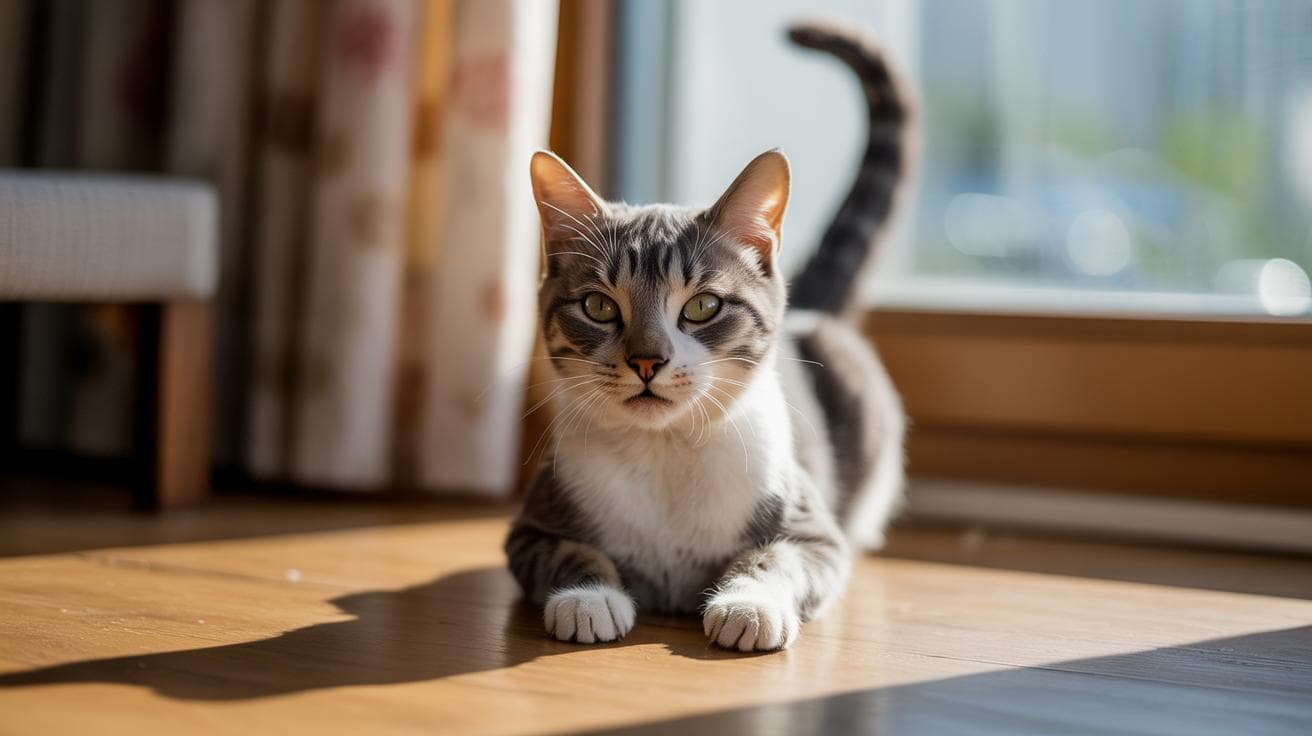
Rule number one: don’t let your hands or feet be the toy. Seriously, never use your fingers or toes as play targets. Swap in an interactive toy instead, like a wand (a stick with a feather or lure) or stuffed prey (a plush mouse or bird). That way your skin stays out of the game and your cat still gets the thrill of the chase and the satisfying pounce.
If play starts to get too rough, freeze for a beat, then calmly step away. That little pause often drops their arousal. Toss a toy away from your body so your cat chases something, not you. Then switch to a wand or plush that lets them actually catch their prey. Rotate toys and treats so the hunt feels real and fresh.
Keep gear in good shape. Broken clips or frayed strings can change how your cat plays and lead to weird, unsafe habits. Check DIY replacement attachments for teaser wands for easy fixes (attachments means the clip or string that holds the lure).
Try short, scheduled sessions that copy a hunting rhythm:
- Morning active chase , 5 to 10 minutes of wand play, quick bursts and big leaps. Wake-up energy, the good kind.
- Midday puzzle , 10 to 15 minutes with a food puzzle or slow feeder (a toy that dispenses kibble slowly). Mental work, lower intensity.
- Evening wind-down chase-and-capture , 10 minutes that ends with a treat or a small meal piece so they get a real catch.
Use the diagnostic checklist in the first H2 to confirm these are play signs. And if you’re unsure about the subtle cues, check the Body Language H2 before trying redirection tactics.