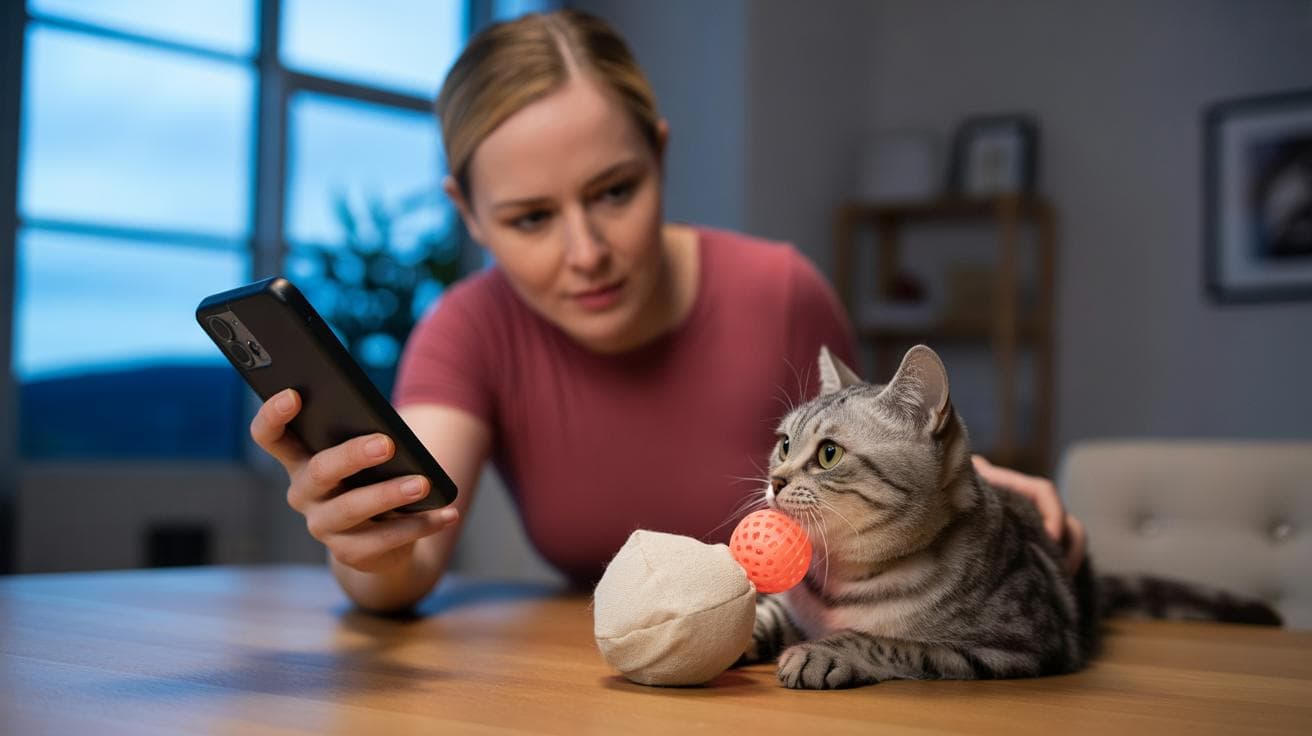
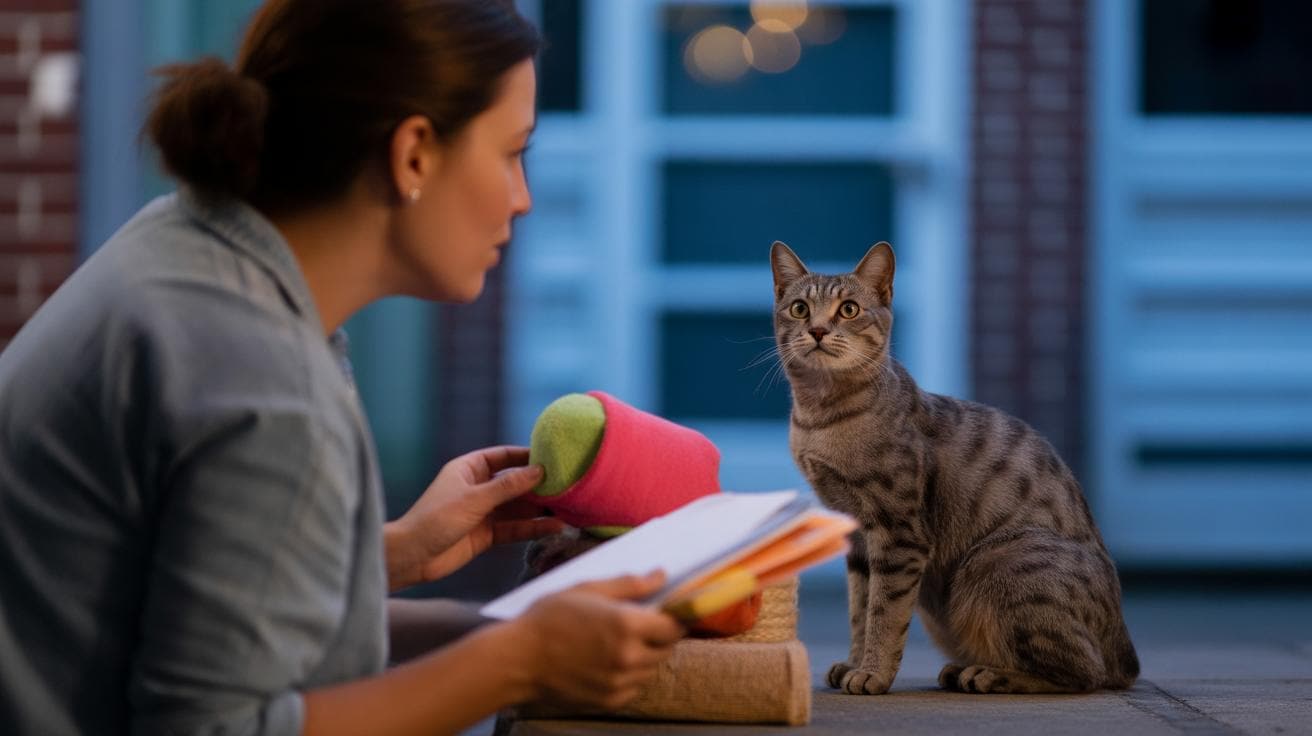
Think your cat's nip is a power move? Nope. She's following an ancient hunting instinct , stalking, pouncing, and testing prey with a quick bite. Toys let that urge land where it belongs: chasing, tumbling, and the satisfying thud of a mouse-like toy instead of your hand. Ever watched your kitty sneak up on a feather? Cute and useful.
Try short, regular play sessions. Start slow, build to a fast burst, then calm things down so she can settle. Use a clear "all done" cue , say the words, give a tiny treat, or put the toy away , so she learns when playtime ends. Teaser wands (think fishing rod for cats) and small balls work great, and ten minutes a few times a day goes a long way.
This cuts bitey behavior, keeps skin intact, and gives you way more purrs. Worth every paw-print.
Rapid-action plan to calm aggressive cats with toys
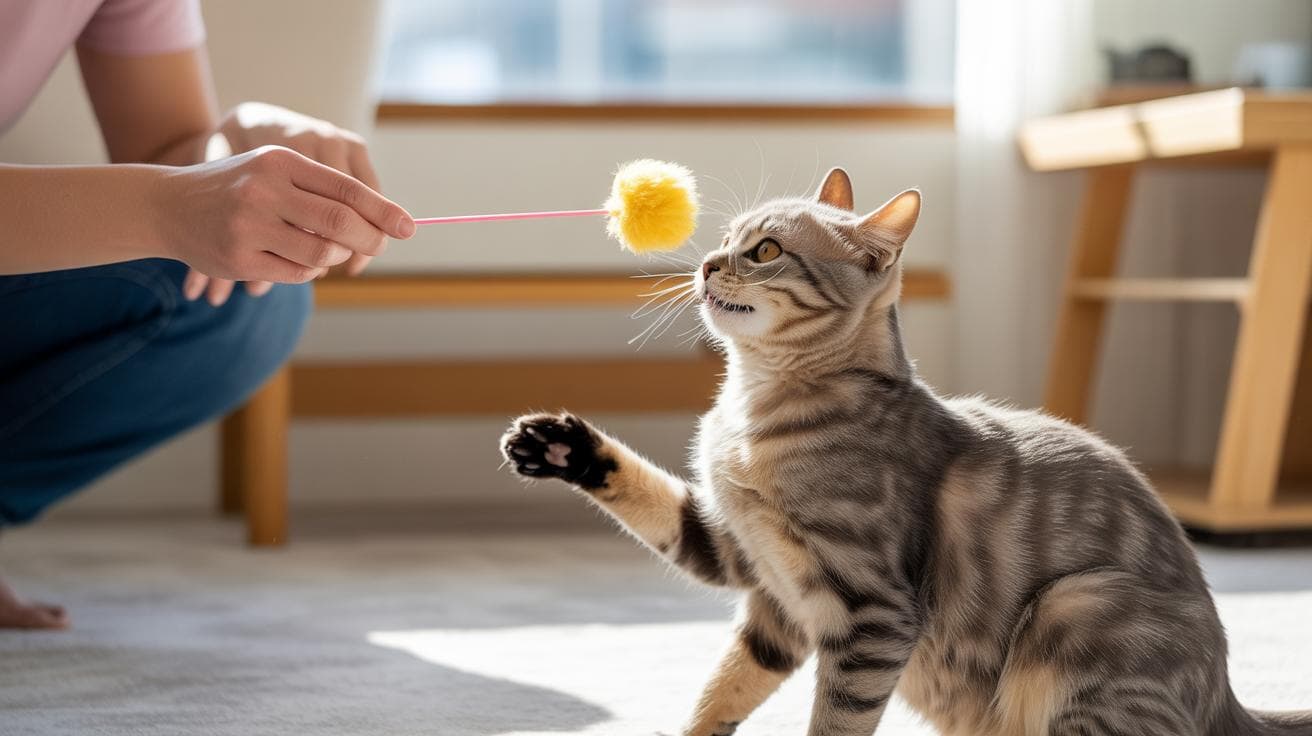
Toys help redirect a cat’s hunting drive into safe targets , chasing, pouncing, and batting go to toys instead of your hands or feet. Think of it as play therapy for a tense kitty. It’s practical, and honestly, kind of satisfying to watch.
Never use your hands as toys. If a hard bite breaks the skin, stop play, separate for a little while, clean and dress the wound, and call your vet if it’s deep or looks infected. Ouch, I know, but safety first.
See the Recognizing play aggression section for the full list of warning signs and root causes. For a detailed step-by-step plan, check Structuring play sessions.
-
Warm-up: 2–3 minutes of low-intensity wand movement to prime the hunting sequence. Move the toy slowly so your cat’s whiskers start to twitch. Ever watched a kitty zoom from zero to full pounce? This sets that mood.
-
Peak: 5–7 minutes of high-intensity chase and pounce with a wand or a motorized toy, this is the core play to burn off biting energy. Play fast and erratic sometimes, then tease a quick snag so they get the satisfaction of a catch. Think of the wand like a fishing rod for cats , fun and focused.
-
Cool-down: 2–3 minutes of slower motions, quieter voice, and gentler toy play. Let the movement calm and let them "catch" the toy more often so arousal drops. Soft pats and a calm tone help them wind down.
-
End cue: teach a release word, for example "done," and say it the same way every session. Consistency helps them learn when play is over. You can follow the cue with a brief pause or a small treat for calm behavior.
-
Log: jot the time, toy type, and a 10–30 word note about behavior and arousal. Track patterns , what toys calm them fastest, what sparks biting , and adjust sessions as you go.
Worth every paw-print.
Recognizing play aggression vs normal play when using toys to reduce cat aggression
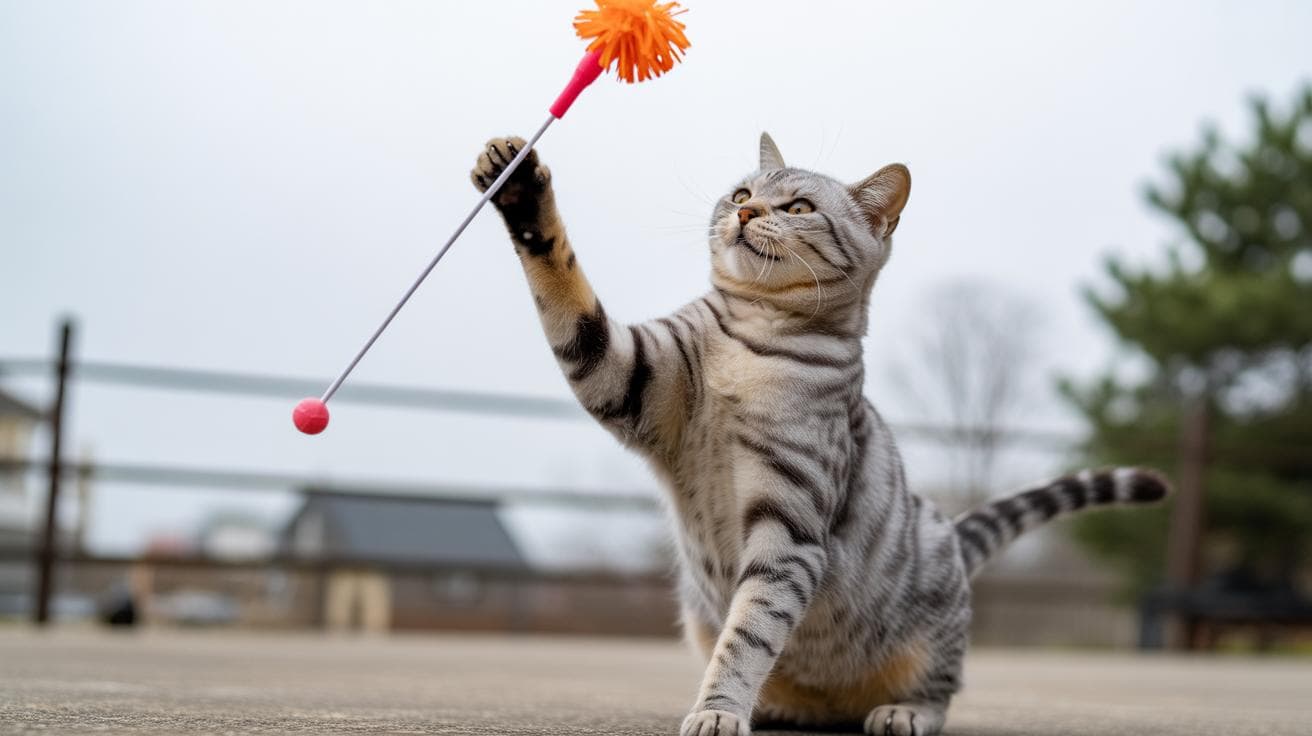
Normal play looks like quick chases, little pounces, batting at a toy, rolling and gentle wrestling with a stuffed mouse or a playmate. Your cat’s whiskers flare, eyes lock, there’s that satisfying thud when they nab the toy, then a calm pause and some relaxed sniffing or grooming. Healthy play often includes soft nibbles on toys, short breaks, and an easy return to chill kitty behavior. Think of it like a mini hunting lesson that leaves them content and tired.
Play aggression is when that same fun flips into frustrated or overstimulated behavior (overstimulation – too much excitement, like sensory overload) and people become the target. Causes are simple: raw hunting drive that hasn’t been burned off, not enough interactive practice as a kitten, or too few regular play sessions to drain energy. Spotting small early cues, tail flicks, pinned ears, sudden tense focus, lets you pause before anything gets painful. Ever watched your kitty suddenly fixate on your hand? That’s your cue to change tactics.
- Rapid tail twitching – quick tail twitches mean rising arousal. Pause play and give a calm moment.
- Flattened or pinned ears – ears pinned back usually mean irritation or fear (not a good mood). Stop the game and offer a hide spot or quiet space.
- Sudden hard biting that breaks skin – withdraw your hand slowly, use a calm cue like “settle,” separate briefly, and treat any wound. If a bite breaks skin, clean it and call your vet if you’re worried.
- Focused stalking of owner’s hands – when hands look like prey, switch to a wand or distance toy (think fishing-rod style play) so you stay out of reach.
- Over-arousal vocalization (yowling, shrill) – loud, frantic sounds mean intensity is too high. Tone it down or end the session.
- Repeated pouncing on people after play – your cat still has excess energy. Add a longer, high-intensity outlet earlier in the day, like a three-minute chase with a motorized ball or a vigorous wand session.
Short, regular interactive play beats one long wild session. Try two or three focused 5–10 minute games a day to burn energy and sharpen hunting skills safely. Worth every paw-print.
Choosing the most effective interactive toys
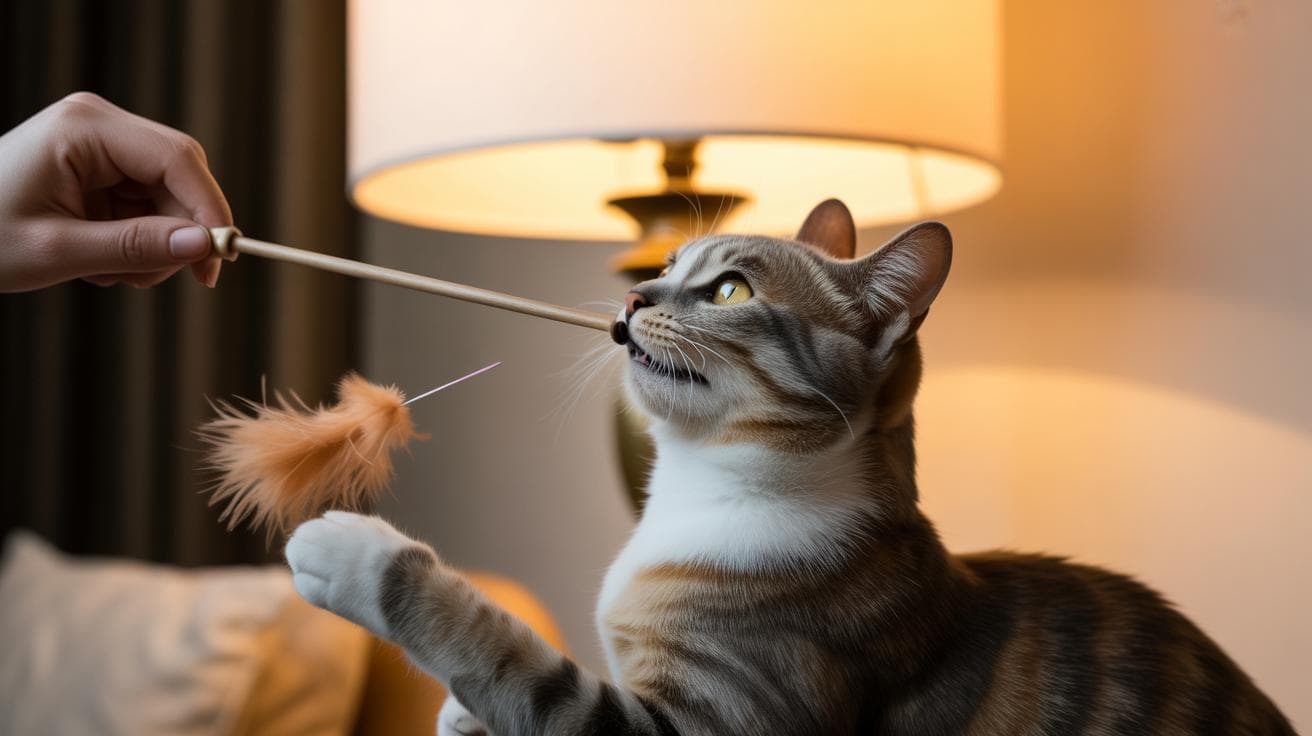
Active chase toys are the go-to when your cat needs to burn off raw hunting drive. Wand toys (a stick with feathers or ribbon on the end), feather teasers, ribbon wands, and tug-style ropes (tiny tug-of-war ropes) get them sprinting, leaping, and earning a prize. Keep your hands out of direct play so fingers don’t get mistaken for prey, and always supervise any string or ribbon, strings can be chewed or swallowed. Retire frayed attachments right away. Feather teasers move in jerky, unpredictable ways that mimic small birds, which really satisfies that pounce-and-catch instinct.
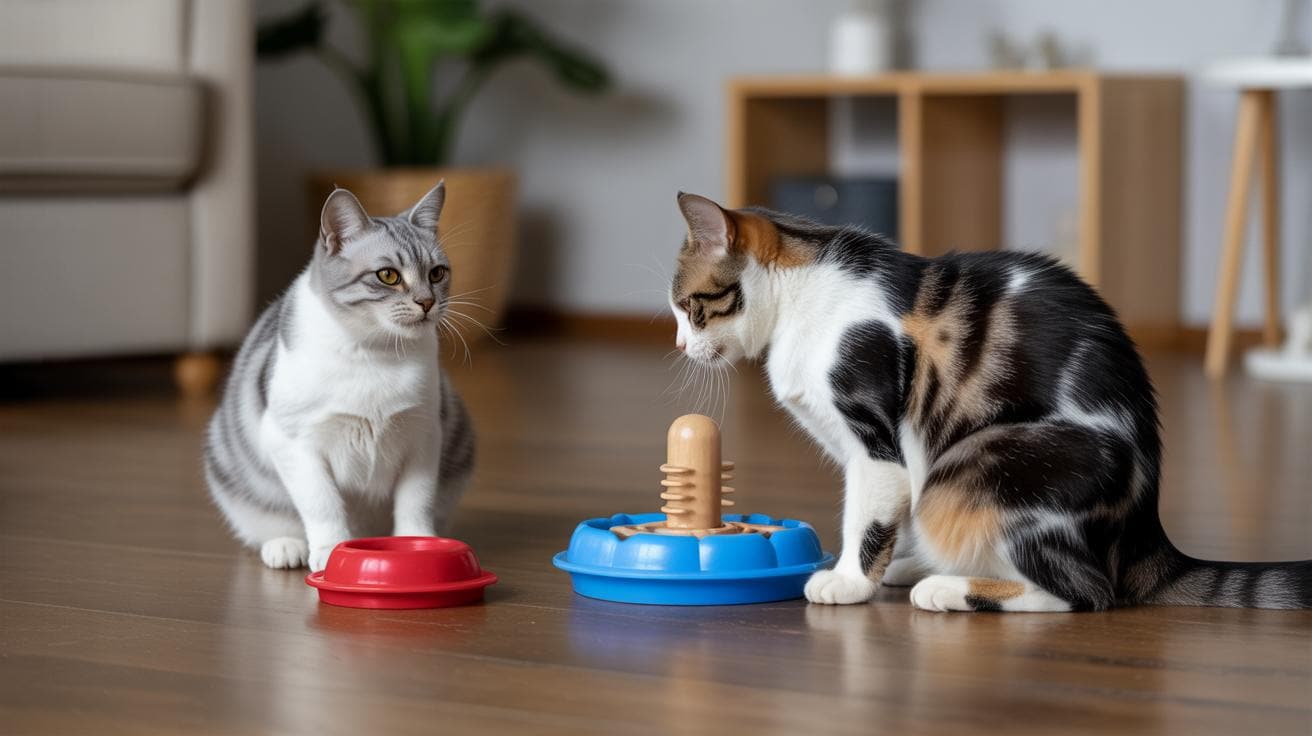
Brain-focused gear helps when boredom is turning into biting. Puzzle feeders (food puzzles that make cats work for kibble), treat-dispensers (toys that drop treats when batted), and foraging mats (flat mats with little hiding spots for food) turn mealtime into a job. Use them at mealtimes or as part of your daily routine so food feels purposeful, not free-standing snack time. Start with an easy puzzle so your cat can win quickly and stay motivated.
Motorized cat toys (battery-powered toys that move on their own) and scented toys add variety when you need independent options. Motorized toys offer unpredictable movement that wears energy down without constant human direction. Catnip or silvervine (a plant similar to catnip that many cats love) can either mellow a cat out or spark wild play, depending on your cat. Rotate toy types every 3-7 days to keep things fresh and cut boredom-driven aggression, swap a wand week for a puzzle week, then bring back the motorized ball. Worth every paw-print.
Structuring play sessions: timing, frequency and the cool-down
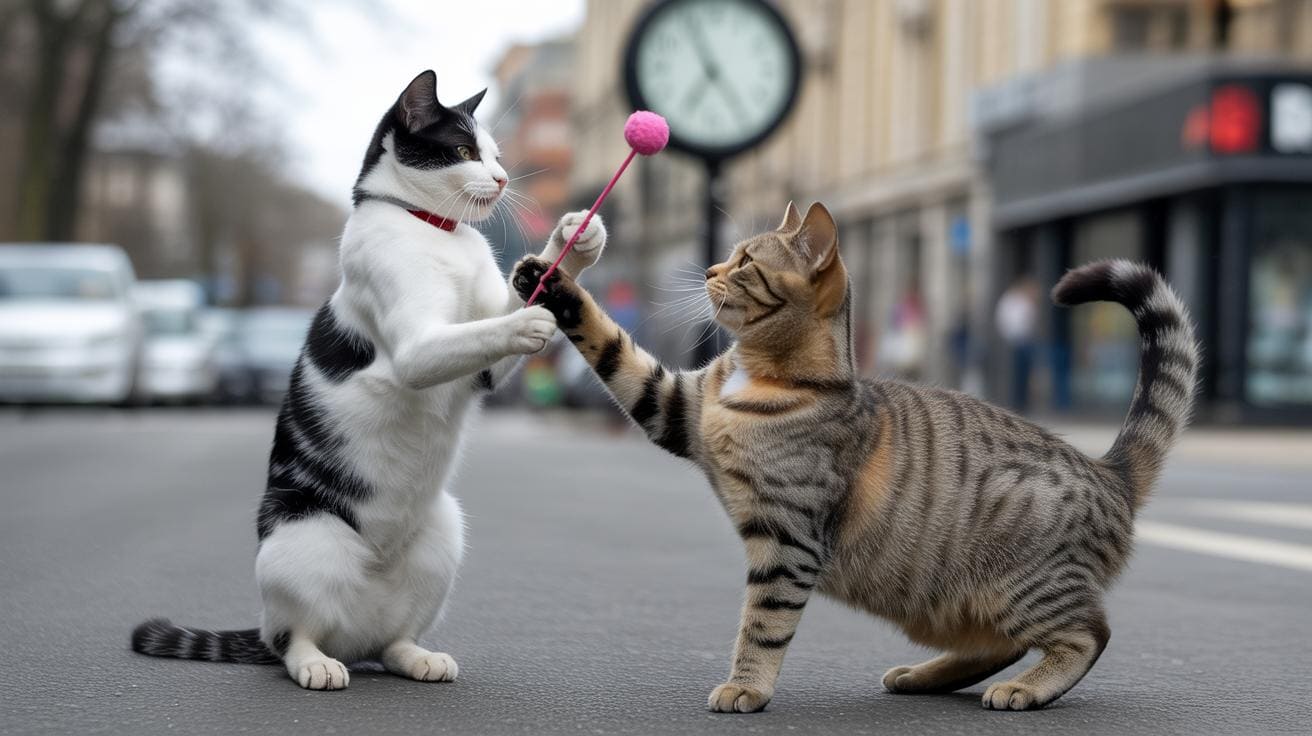
Keep a steady daily rhythm. Aim for two focused play sessions a day, and if you have a kitten or a turbo-charged cat, try 3 to 4 short bursts instead. Kittens need shorter, more frequent peaks; adults can handle slightly longer play and longer cool-downs. Watch your cat’s body language , twitching tail, flattened ears, or slowing down will tell you when to pause.
We skipped repeating the full timing plan here to avoid duplication with the Rapid-action plan. For the step-by-step warm-up, peak, and cool-down timings and examples, check the Rapid-action plan section. If you want a gentle brain game after play, add a puzzle feeder (a slow-eating toy that hides kibble) as a low-exertion finisher.
Train a clear end cue and a calm-down ritual so sessions end calmly and biting drops off. Pick a short release word like "done" and use the same calm tone every time. Remove the toy, lower your voice, offer a tiny treat or a quiet perch break, and follow the cool-down routine below. For very excited cats (high-arousal – very jumpy or hyper), add extra cool-down time; for kittens, keep peaks short and cues extra consistent so they learn fast.
Cool-down scripts and cues
- Say "done" softly, put the toy in its box, give one small treat, then spend 60 to 90 seconds stroking gently while your cat settles on a favorite perch.
- Cover the toy with a cloth, dim a nearby lamp, tuck a favorite blanket on a perch, then step back and let your cat relax quietly for two minutes.
- Use a soft chime as the release, put the toy away, offer a low-calorie treat, and speak in a quiet voice while your cat sniffs the reward.
Notes: add a bit more cool-down time for very high-arousal cats; for kittens, shorten the peak and keep cues ultra-consistent so they learn fast. Worth every paw-print.