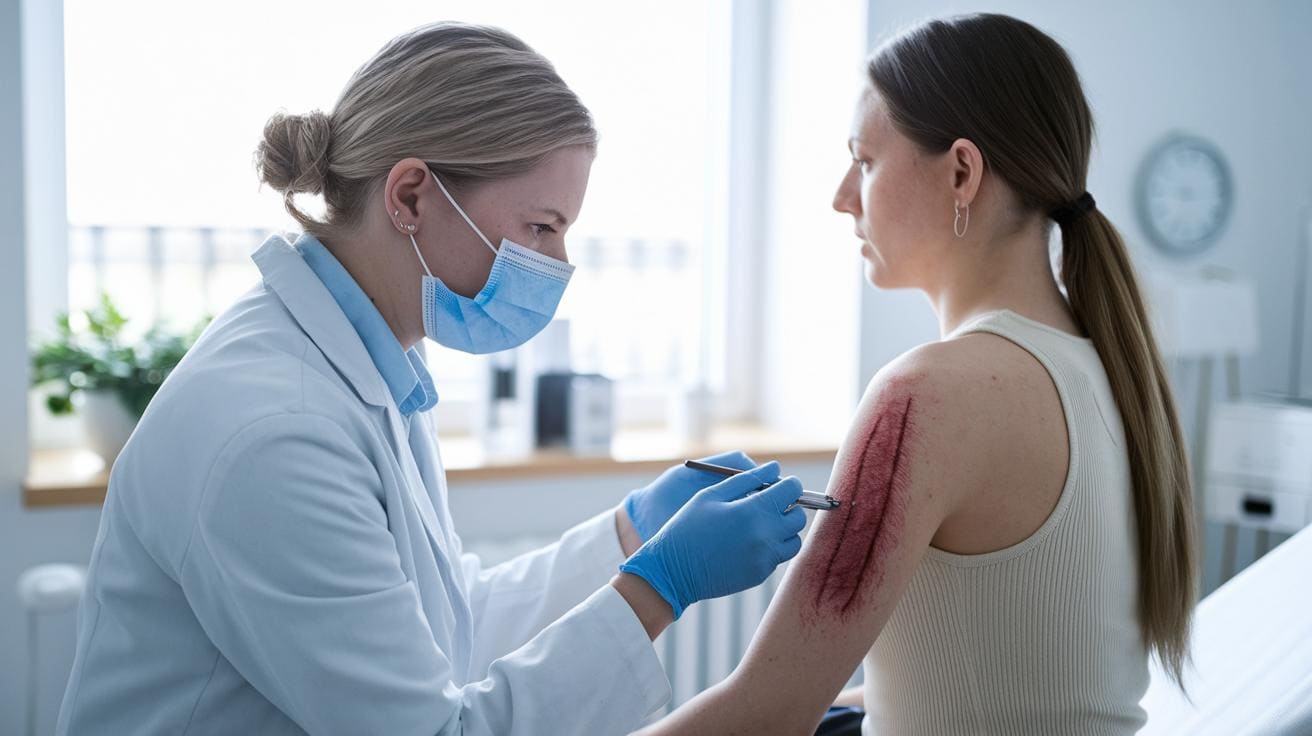
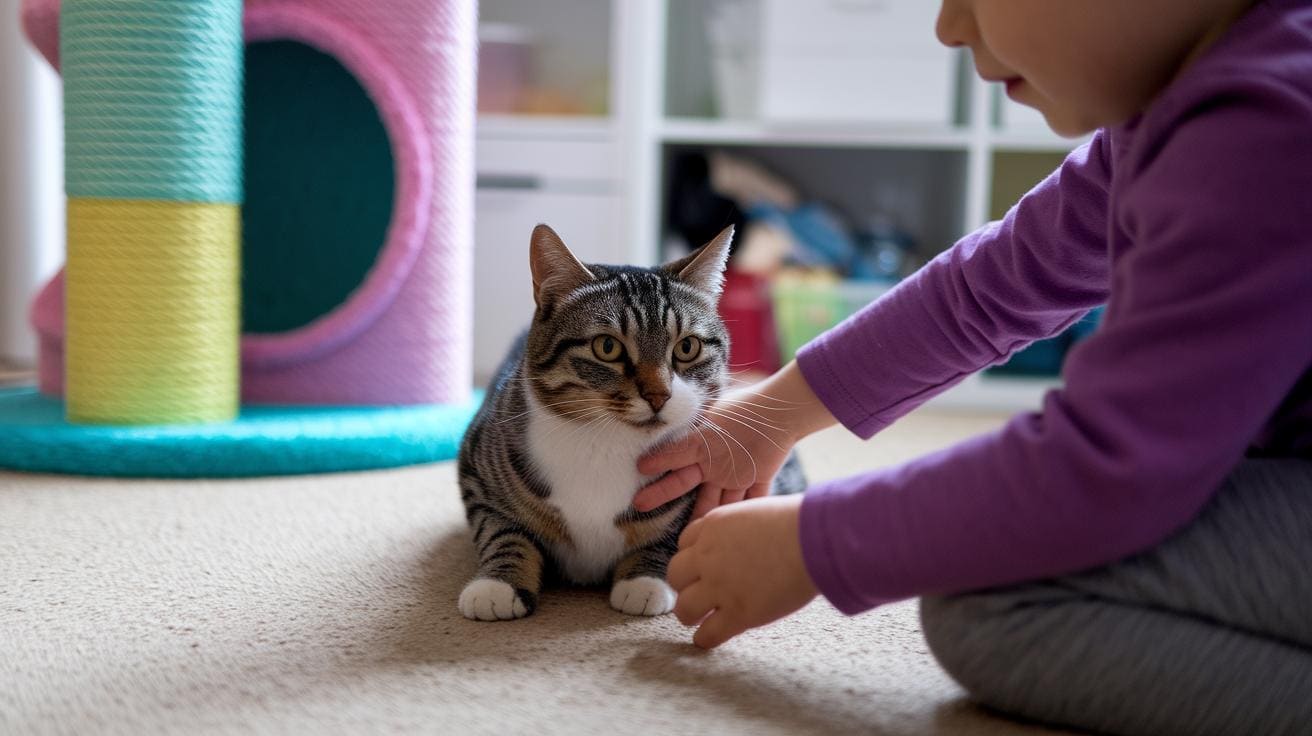
Ever stared at that tiny red line your kitty’s claws left and felt your heart skip a beat? It’s okay, you’re not alone. When you act fast, clean the area, and pop on a bandage, most scratches fade like they were never there. Worth every paw-print.
I’ve seen shallow nicks close up so neatly they look like a gentle brush on soft fur. Really. Your skin just smooths right back, no fuss.
But sometimes a cut is deeper or germs sneak in and cause an infection (when tiny bugs make the spot red and puffy). That can leave a darker mark or stubborn scab (the crust that forms over a cut) that won’t budge. Uh oh.
In this chat, you’ll learn how to help those claw-tastic scratches vanish without a trace and when you should watch out for a scar. Ready for some paw-some tips? Let’s dive in!
Do Cat Scratches Always Leave Scars?
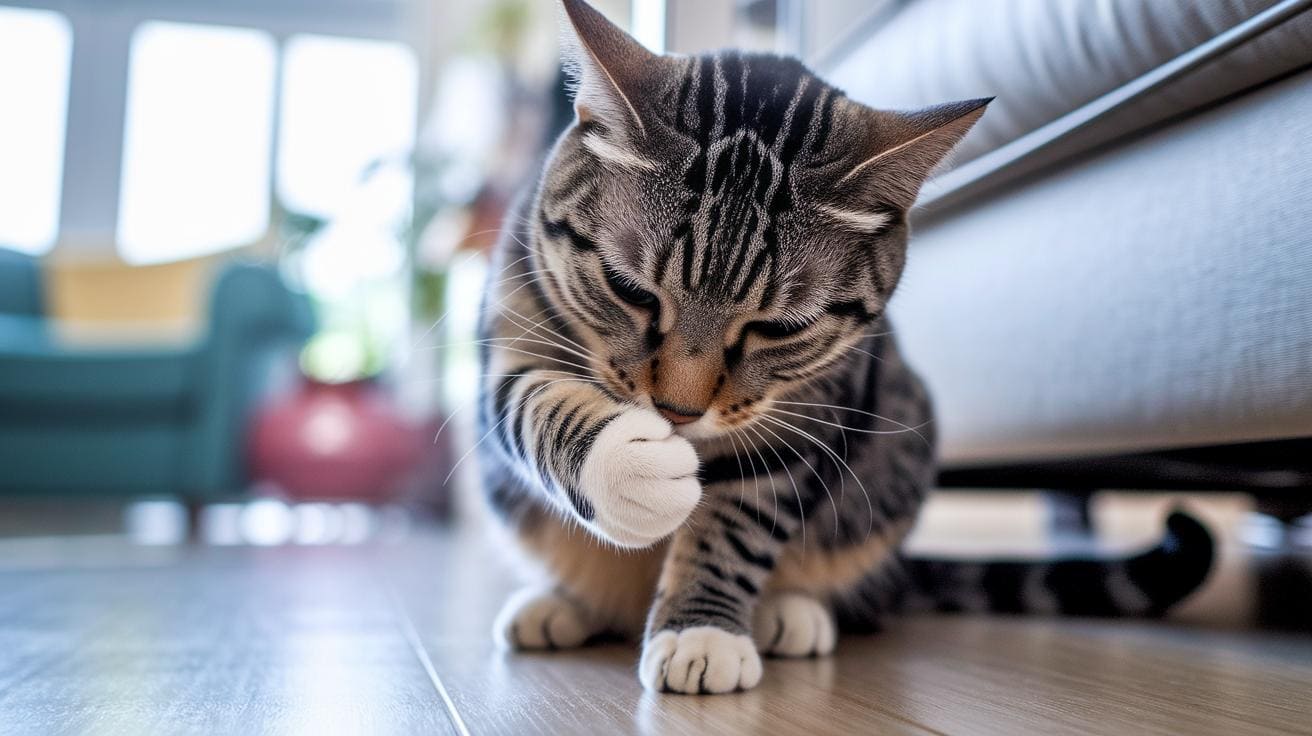
Most of the time, little scratches from your kitty fade away if you clean them fast and keep them covered. A shallow nick from those whisker-tipped paws often closes up neatly, what doctors call first intention healing, so you barely see a mark. Give it about a week or two, and that tiny line usually disappears from your skin (and your cat’s fur). But deeper cuts, or ones that get infected, heal more slowly and can leave a thicker line in their wake.
Healing really kicks off right away. In the first day, blood clots form and epithelial cells (tiny skin cells) start moving over the cut. Ever watched your cat chase a sunbeam while you tend a scratch? By days three to seven, cleanup cells called macrophages (they clear out the mess) arrive, and granulation tissue (new pink tissue with tiny blood vessels) plus collagen (that skin protein) fill the gap. Around day four, most scratches are shut and the redness begins to fade. By day five, you can usually peel off the bandage and let fresh air help the skin toughen up.
But if the scratch is deep or edges stay apart, it follows a slower, second intention path, meaning it fills in from the bottom up and can leave a more noticeable scar. Infections really slow things down too, leading to extra scar tissue. Oops, make that extra care.
Here are the main things that affect how much a scratch will scar:
- How deep the wound is
- Whether it gets infected
- How soon and how well you clean it
- Where on your body it is
- Your age and skin type
- Sun exposure
To keep healing on track, wash scratches right away with mild soap and water, pat them dry, add a thin layer of ointment, and change the dressing every day. If you see spreading redness, swelling, or pus, or if it’s not closing up after about ten days, talk to a doctor. Worth every paw-print of care.
Immediate First Aid for Cat Scratches to Minimize Scarring
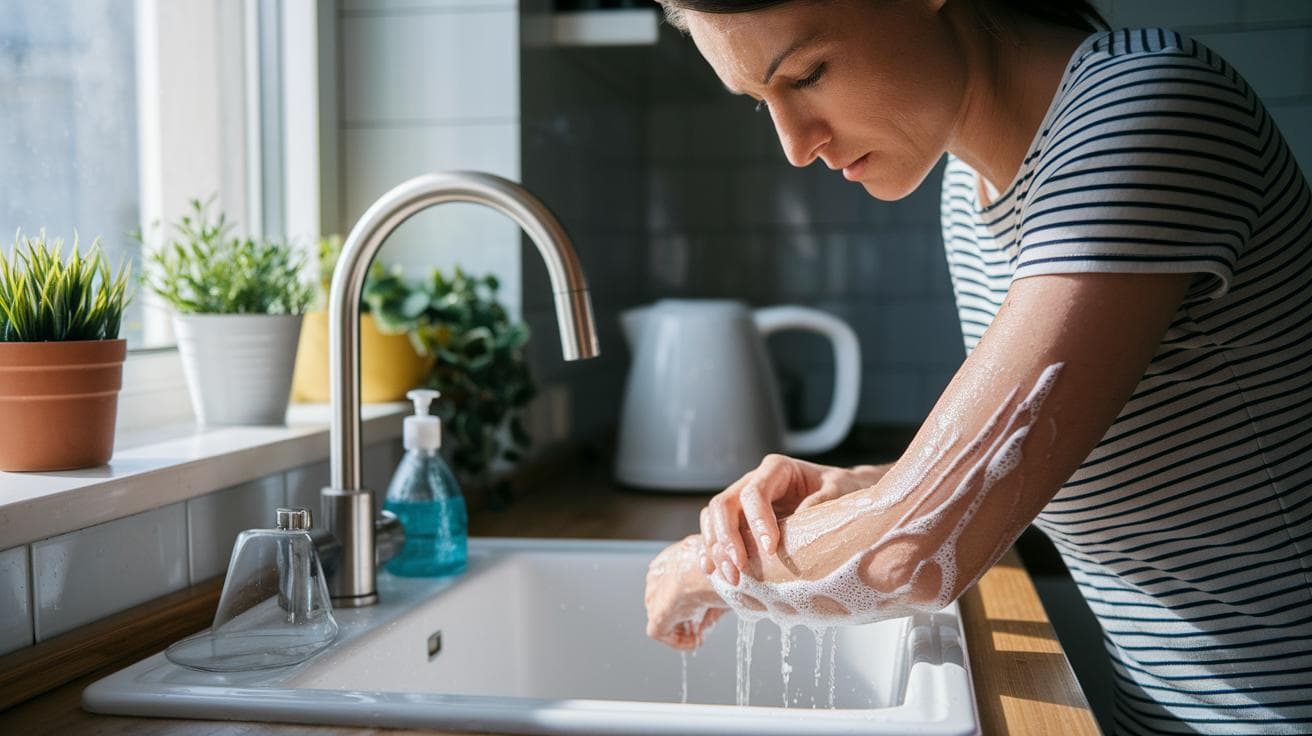
First, rinse the scratch with mild soap (a gentle cleanser) and lukewarm water (warm, not hot). This washes away dirt and loose skin bits. You can also dab on a salt-water rinse (salt mixed with water), but skip hydrogen peroxide or other harsh antiseptics. They sting and slow healing.
Next, press a clean gauze pad (a cotton square) over the scratch. Hold firm pressure until bleeding slows and a thin clot forms. This little shield guards your skin’s fragile new cells. Ever had your cat try to lick it?
Now let’s talk cream. Spread a thin layer of antibiotic ointment (germ-fighting cream). If Neosporin makes your skin itch, swap it for a gentler formula. That keeps the cut moist and helps it heal.
Finally, cover the scratch with a breathable sterile bandage (a clean adhesive wrap). It should be snug but not tight to keep out dirt and curious kitty kisses. Change the dressing every day, washing gently and reapplying cream each time so the cut stays moist for faster, less scarring healing. You’ll be feline fine in no time.
Home and OTC Treatments for Scar Reduction
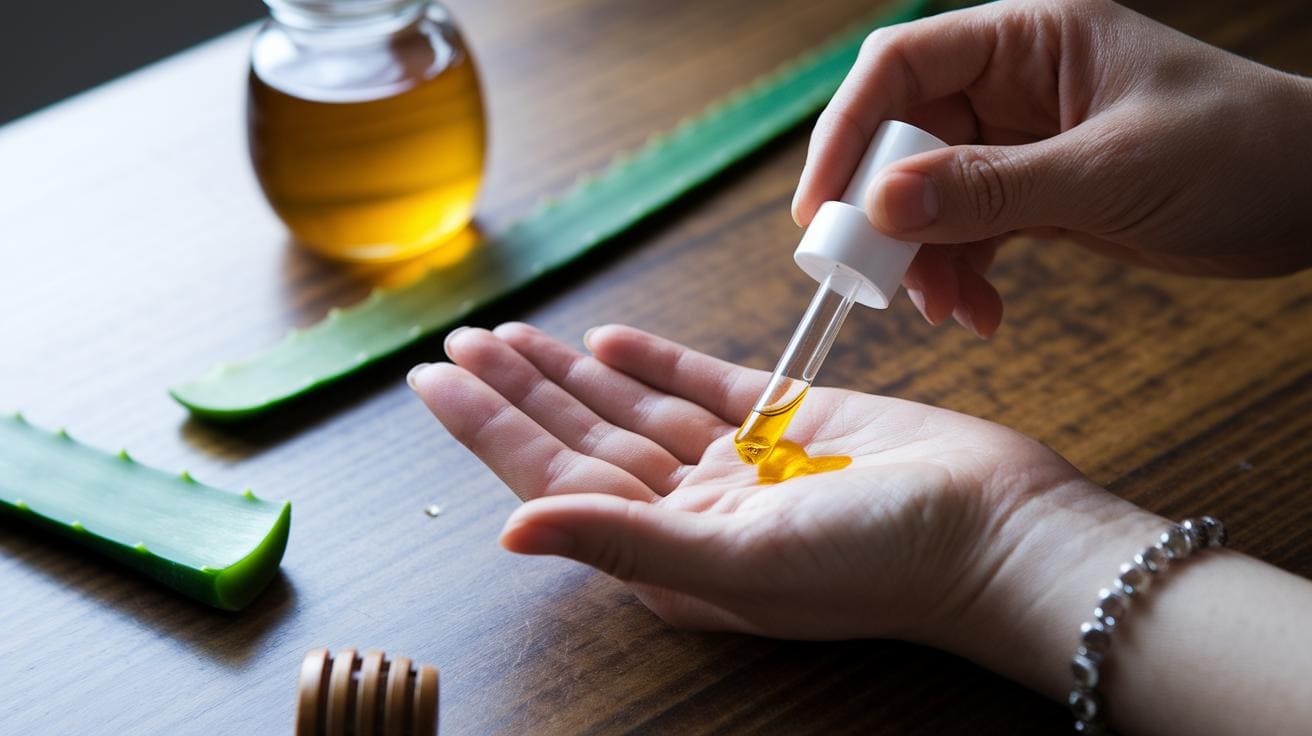
Thinking about fading your cat’s scratch scars? You have some friendly home and OTC options to help those spots look smoother. Ever watched your kitty paw at a rough patch? Let’s fix that.
Some folks use a silicone sheet or dab on silicone gel (a soft plastic film). It keeps that spot supple and slows extra collagen (skin fiber) from building up. Your kitty won’t mind the gentle thud when you press it on.
Then there are scar creams with onion extract or hyaluronic acid (moisture magnet). Massage them in daily for a few weeks and you’ll see the color even out and texture soften.
Lap up nature’s remedies too. Vitamin E (skin helper) and aloe vera (soothing succulent gel) add calm to irritated spots. Arnica (skin calming herb) eases repair, while raw honey (sticky sweet healer) and coconut oil (hydrating oil) lock in moisture.
| Treatment | Type | Application | Efficacy |
|---|---|---|---|
| Silicone Gel | OTC Gel | Twice daily thin layer | High for soft scars |
| Onion Extract Cream | OTC Cream | Daily massage | Moderate for color fade |
| Vitamin E Oil | Natural Oil | Nightly rub-in | Low to moderate |
| Aloe Vera Gel | Natural Gel | Apply twice daily | Moderate hydration |
| Arnica Salve | Natural Salve | Gentle dab 2–3× day | Low to moderate |
| Raw Honey | Natural Paste | Cover and rinse after 30 min | Moderate soothing |
Keep an eye on your kitty’s scratch each week. Write down how it looks and feels. After six to eight weeks you’ll know what really helps. If you hit a plateau, swap creams or try another natural fix. You could swipe on gel in the morning and pop on honey at night for round-the-clock care. Just keep that skin clean, follow the directions, and give it a little time. Steady care helps those marks soften and fade. Worth every paw-print.