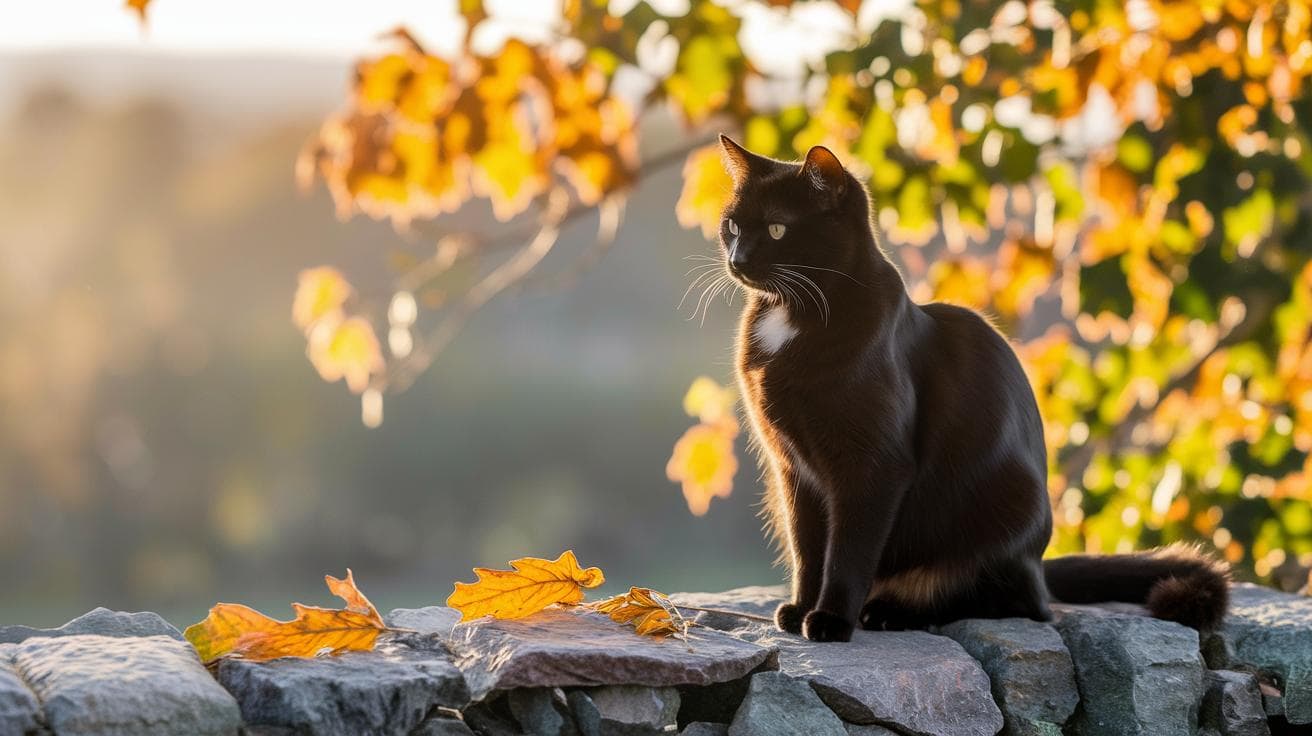
Ever feel that tiny thrill when a black cat with a silken, shadow-soft coat slips into view? It’s like spotting midnight velvet gliding across the floor.
These whiskered wonders once prowled temple halls in ancient Egypt. Then, in medieval times, they picked up a spooky reputation in old folktales, yikes.
All that inky fur starts with a gene called the B allele (the dominant gene for black coats).
And don’t forget the myths about bad luck and magic that still shape how we see them today.
In this post, you’ll dive into their royal origins, uncover why their coats shine so bright, and explore the folklore that makes them utterly purr-fect. Ready to pounce on some cat-tastic tidbits?
Key Facts About Black Cats: Origins, Genetics, and Folklore
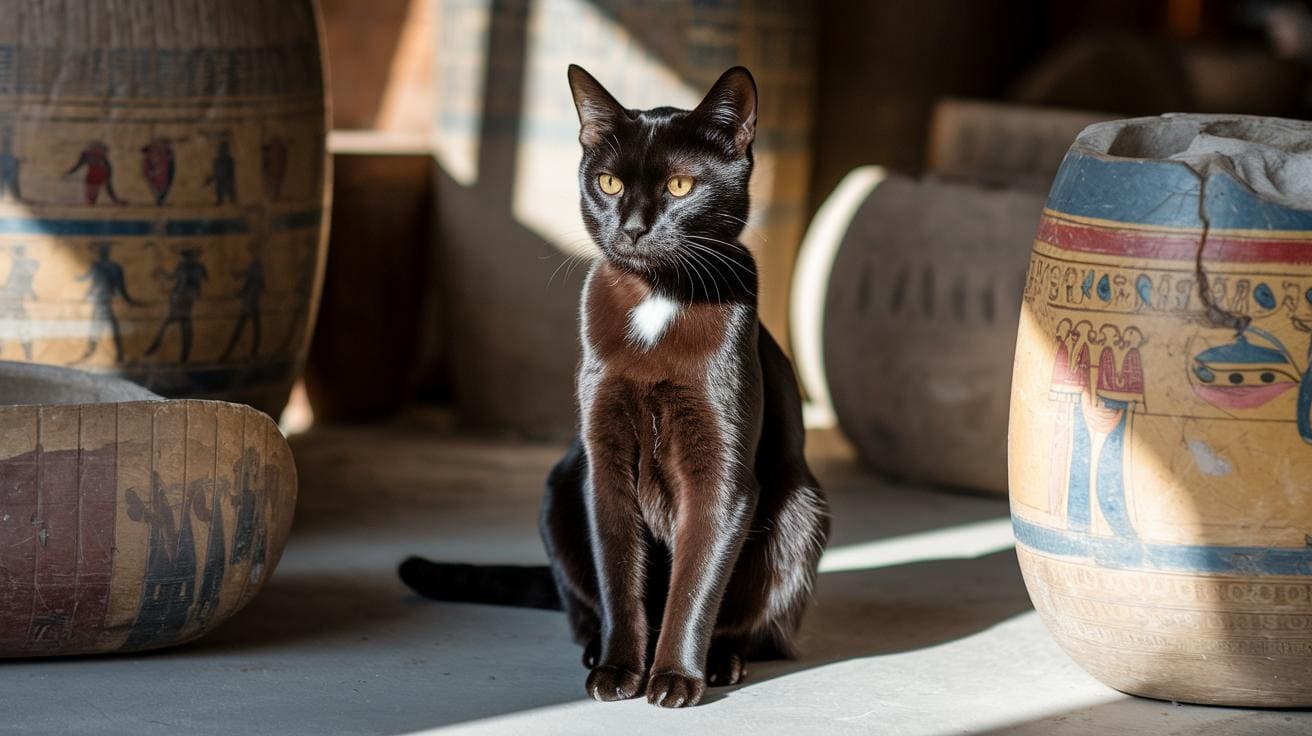
Black cats command attention with their liquid velvet coats and golden eyes that seem to glow in the dark. Have you ever felt a thrill when one saunters by? They’re like little midnight ninjas, soft, mysterious, and utterly mesmerizing.
At the core of that shiny black fur is a dominant B allele (a gene variant that boosts dark pigment). That gene ramps up eumelanin (the natural pigment that makes hair dark), flooding each hair shaft. Under strong sun, you might notice a temporary reddish tint, kind of like a subtle sun-kissed fade.
In ancient Egypt, black cats were treated like furry royalty, guarding temples, kitty security at its finest. But in medieval Europe, they got a raw deal, blamed for witchcraft and shunned. Those superstitions swung from worship to woe in the blink of an eye.
Even today, black cats face a bit of bad luck at shelters. They wait longer for homes, thanks to the so-called Black Cat Bias. It’s time we changed the story and gave these sleek beauties the love they deserve.
- The B allele creates rich eumelanin, giving glossy black coats. UV exposure can sun-fade fur for a little while.
- Ancient Egyptians honored black cats, medieval Europe feared them, talk about cultural extremes.
- Black Cat Bias at shelters means longer stays and slower adoptions for these feline stars.
Next, we’ll dive into coat genetics, myth origins, fun behavior traits, health tips, and how to boost adoption rates for black cats.
Coat Genetics and Unique Traits of Black Cats
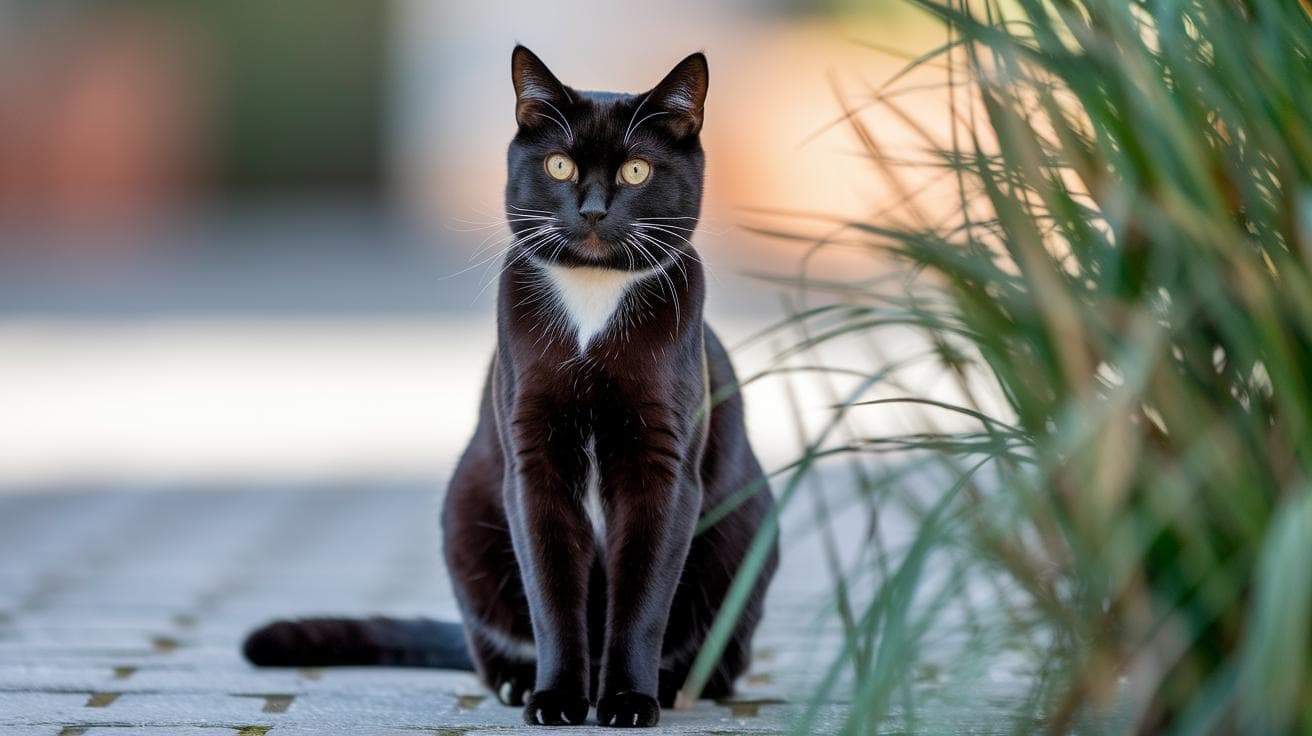
That sleek black coat starts with a dominant B allele (a gene variant that boosts dark pigment). It cranks up eumelanin (natural dark pigment) in every hair. So your Bombay looks like a tiny panther roaming your living room. Really.
Did you know 22 recognized cat breeds can wear this midnight fur? From the American Bobtail to the Persian and Scottish Fold, they all share the same melanin coat genetics. Ever spotted a longhaired black Persian curled on a windowsill? Gorgeous.
All that extra pigment often shows up in the eyes too. Most black cats have glowing gold or yellow eyes that pop against their dark fur. Blue eyes are rare but happen when neither gene fully hides the other (incomplete dominance). Surprise icy stares, huh? Even foot pads and whiskers match the coat, a built-in tuxedo.
Leave your kitty in the sun and you might catch “rusting,” when UV rays break down eumelanin and turn fur a reddish-brown until it sheds. Once I saw Luna glow auburn after a sunny afternoon, so wild. And if you angle them just right, you’ll spot faint stripes or spots hiding under that black coat. Those undercover tabby patterns peek through like a secret code.
Personality and Behavior Traits of Black Felines
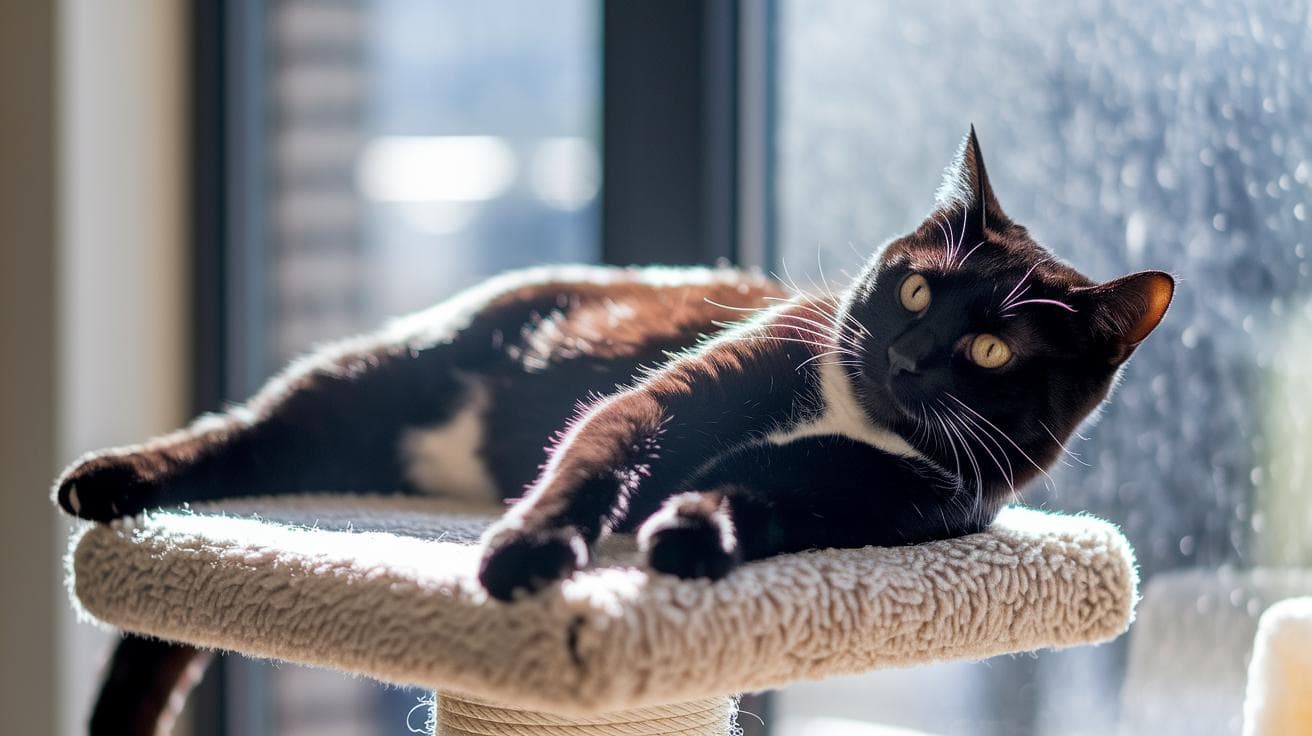
Ever noticed how your midnight furball can be a total lap-warmer one minute and a stealthy shadow-chaser the next? Some black kitties curl up on your lap like a cozy hot pad. Others zoom across the room in a blur of paws and whiskers. And yep, a few might be on the shy side, but honestly, that’s true for any cat.
People love saying black cats are mysterious or aloof. Uh, really? A study found no real link between coat shade and personality (Do Cat Colors Affect Personality). It’s all about upbringing, social time, and your home environment, not fur color. So whether they’re purring in your ear or playing hide-and-seek behind the sofa, it’s just your kitty’s unique charm at work.
All cats need to sharpen their claws. You’ll catch them lounging, leaping, scratching, and exploring. Indoor black cats especially benefit from a tall scratching post (a sturdy post covered in rough cloth), and a climbing tower (like a kitty jungle gym) to protect your furniture and build their confidence. Toss in interactive toys, think rolling balls or puzzle feeders (toys that drop treats when solved), and you’ll love watching them stalk, pounce, and problem-solve. Five-minute feather-wand chases plus treat-time praise help keep stress hiding at bay and have them ready for that next cuddle.
Here are some enrichment ideas to bring out your black feline’s best traits:
- Tall scratching posts wrapped in puncture-proof fabric (tough cloth that won’t rip) to satisfy those claw-sharpening urges
- Multi-level climbing towers for vertical exploring and soft napping perches
- Interactive puzzle feeders that reward effort with kibble or treats
- Wand and teaser toys for quick daily chase sessions
- Positive reinforcement with treats or gentle praise to encourage social behavior
Health, Lifespan, and Care Tips for Black Cats
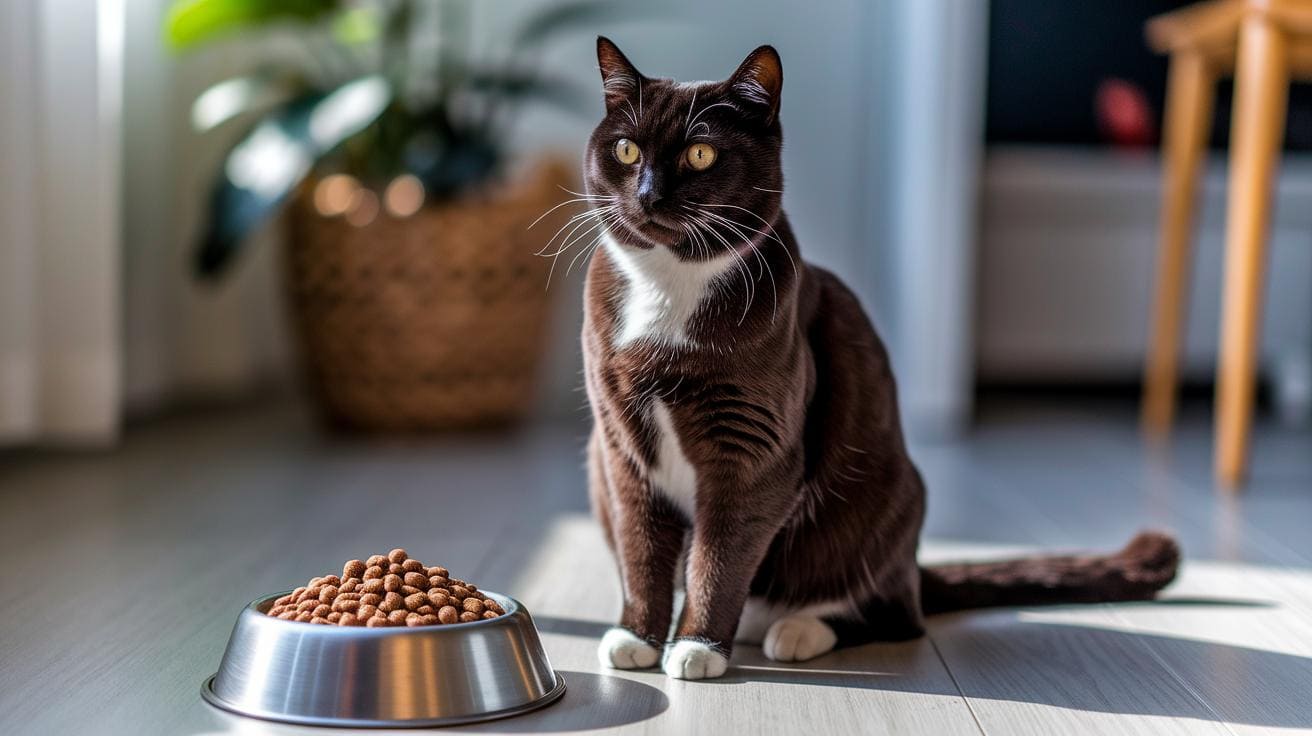
Indoor black cats usually live about 15 years. Let them roam outside and traffic plus wild encounters can shave off a few. That sleek black fur comes from extra eumelanin (natural pigment) that might give them an immune boost. I’ve seen my friend’s midnight panther bounce back from a sniffly cold faster than any tabby.
Worth every purr.
They get dandruff (tiny flakes of dead skin) and hairball build-up just like any cat. A five-minute brush, two or three times a week, busts mats and keeps gooey clumps away – your couch will thank you. Switch between high-protein wet food (canned with gravy) and crunchy dry kibble to boost hydration and keep teeth happy. Measure each meal on a kitchen scale so you dodge sneaky calories.
Parasite check-ups are a must for curious prowlers, so schedule deworming and flea treatments on your calendar, you know? Check common signs at What Do Cat Roundworms Look Like. Then don’t skip dental care: brush weekly with cat-safe toothpaste (minty fresh for felines) and offer dental treats. Healthy gums mean happier purrs and fewer vet trips.
Adoption Trends and Shelter Challenges for Black Cats
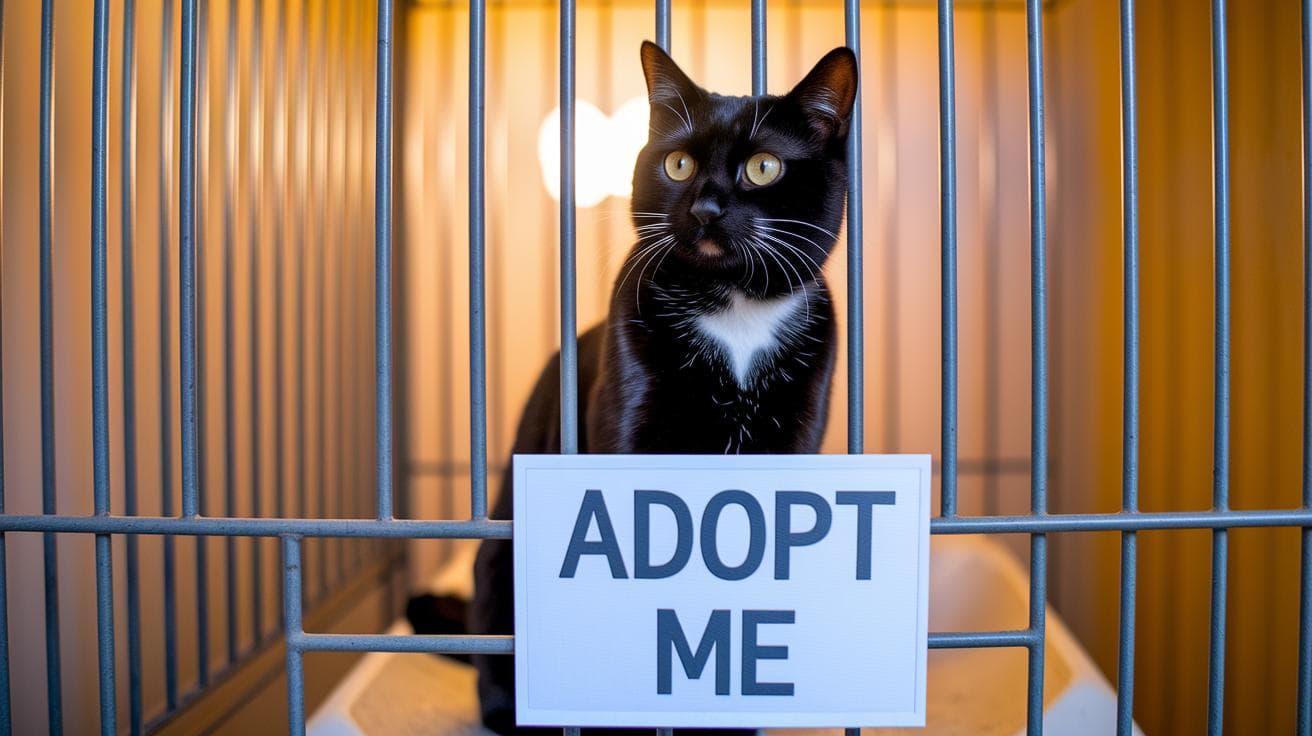
You know how black cats often feel like underdogs in the shelter world? They’re caught in the “Black Cat Bias.” These sleek, midnight furballs hang around longer than their lighter cousins, and adopters just breeze past them. It’s a bummer that leads to more cats at risk.
But here’s a handy trick – microchipping (a tiny electronic chip under your cat’s skin that shelters scan if they find a lost pet). It helps cut down stray numbers and makes it way easier to get your shadowy buddy back if they bolt out the door.
Shelters are flipping the script with special spotlight days. Ever heard of National Black Cat Day on October 27 or Black Cat Appreciation Day on August 17? These fun events showcase coal-colored companions and pair them with loving homes.
If you’re hunting for a new purr pal, swing by a rescue or give a black cat’s profile a social media boost. A quick share can turn a shy shadow-chaser into your next cuddle buddy. Worth every whisker twitch.