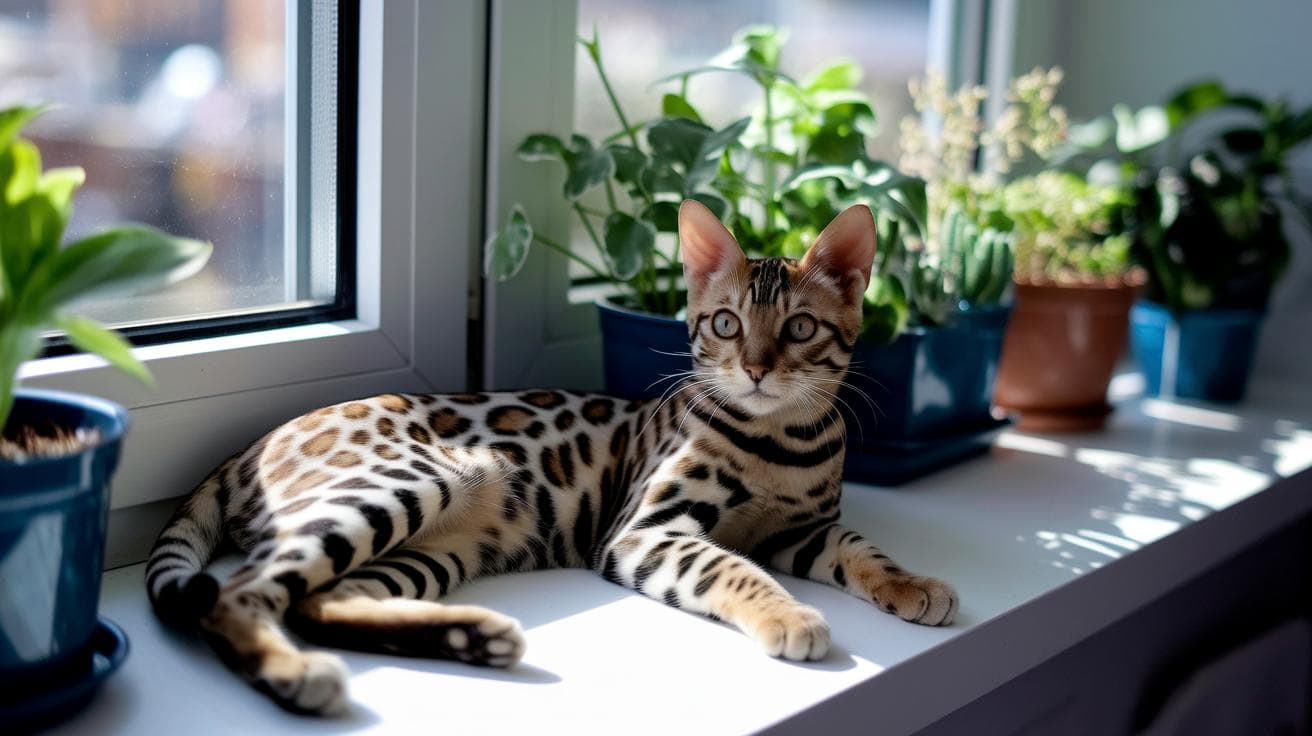
bengal cat lifespan: Enjoy Lively Healthy Years

Ever wondered if your Bengal could outlast your favorite coffee mug?
These sleek, tiger-striped pals usually stick around for 12 to 16 years (their lifespan – how long they live).
That’s loads of fizzy zoomies (crazy running bursts) and soft chin rubs.

But what really shapes your Bengal’s years of fun?
We’re diving into the big factors – like diet, playtime, and vet visits – and dishing out simple, paw-sitive tips to keep your whiskered buddy purring!
Ready to watch every leap and purr count?

Next, we’ll break down how to feed for longevity (hint: high-quality protein helps) and tailor play sessions to fight boredom.
Then we’ll cover vet check-ups and grooming. It’s more fun than it sounds, promise.

Let’s get started.

Average Lifespan and Life Expectancy of Bengal Cats
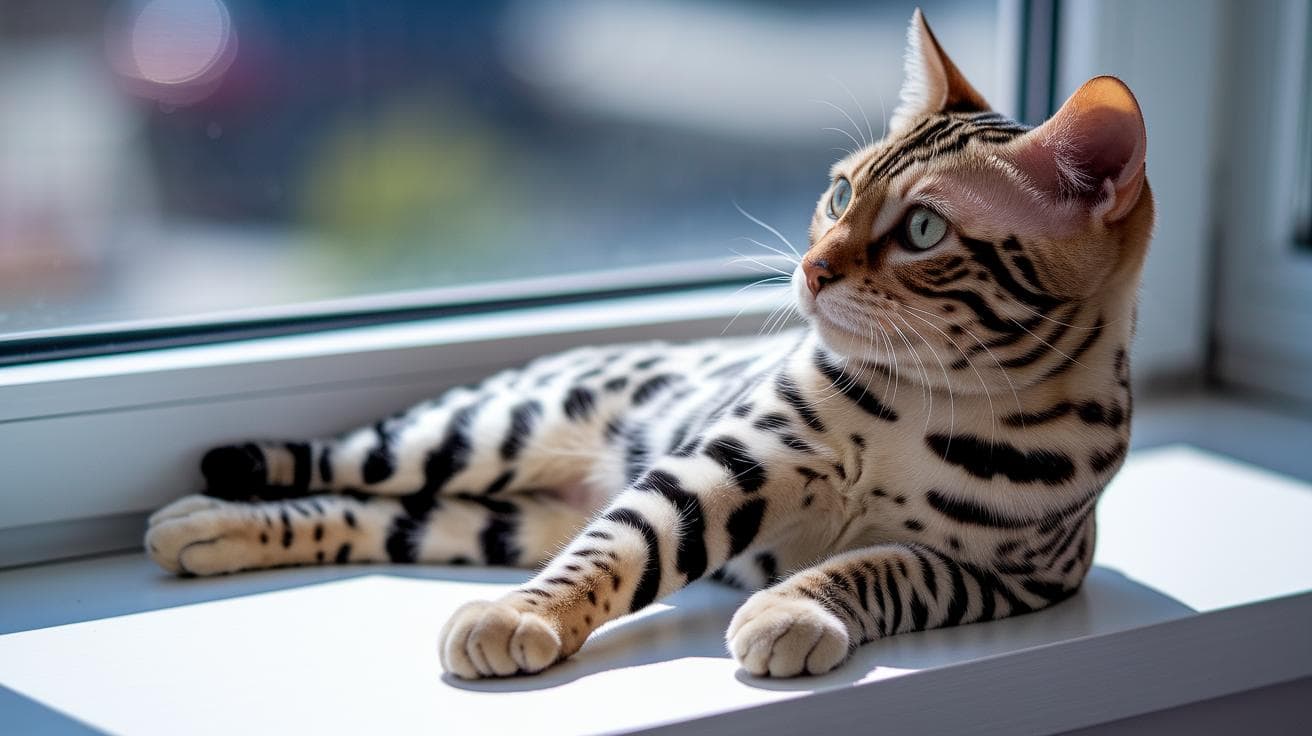
- Average Lifespan and Life Expectancy of Bengal Cats.jpg

Bengal cats usually clock in between 12 and 16 years of life. On average, they hit about 14 years old. That’s extra time for fizzy zoomies across your carpet and soft purrs under your chin. Your Bengal’s got more years of playful swipes ahead than many folks expect.

Some Bengals really outdo themselves. I’ve heard tales (unverified) of one fellow celebrating a 34th birthday, whoa, right? Female Bengals tend to live about two years longer than the boys. And spaying or neutering (removing eggs or sperm-making parts) can cut the risk of certain reproductive cancers (tumors in organs like the uterus), so your kitty stays chirpy and tail-twitchy.

Worth every purr-second.

Compared to a typical house cat, which lives around 10 to 15 years, Bengals often stretch past that whisker-twitching window (see average cat lifespan). Their hybrid genes (mix of domestic cat and wild Asian leopard cat) seem to lend extra pep. Ever watched your Bengal launch off the couch like a rocket? That bound of energy might just be thanks to those leopard-cat roots.

Key Factors Influencing Bengal Cat Longevity
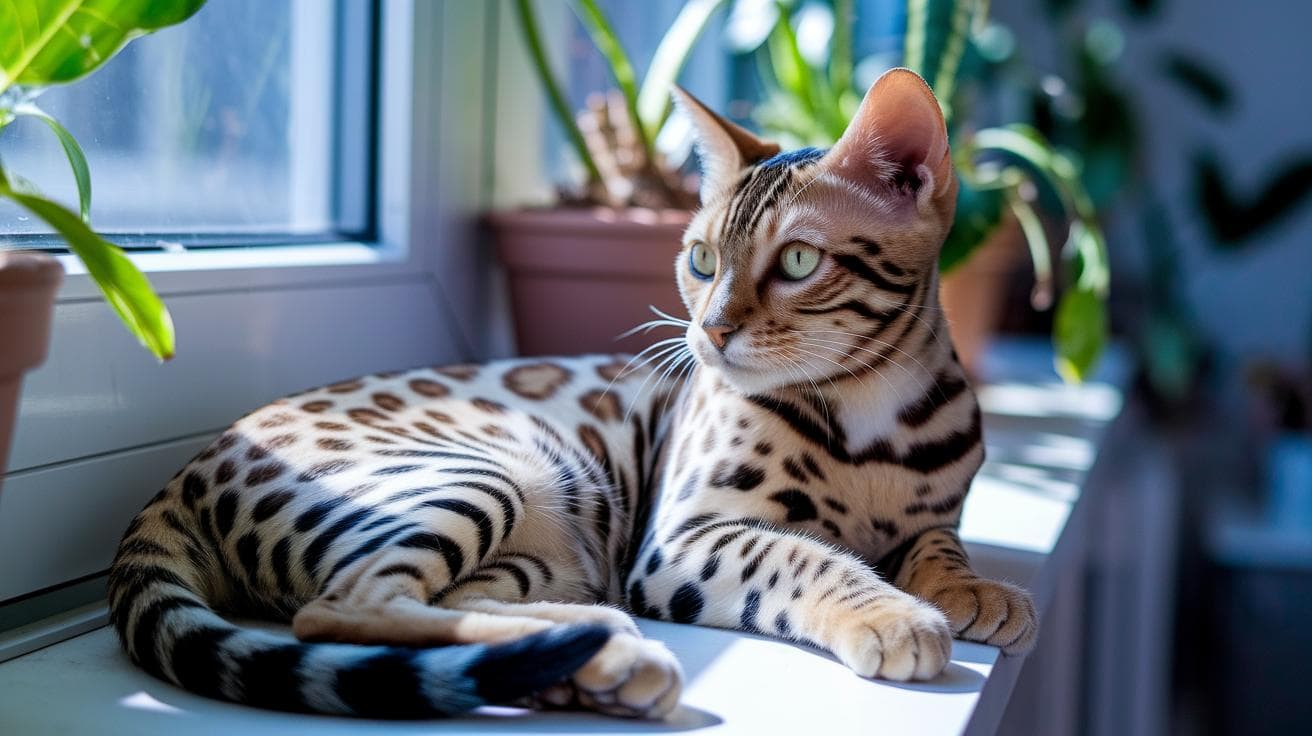
- Key Factors Influencing Bengal Cat Longevity.jpg

Your Bengal’s genes set the stage. Thanks to their Asian leopard cat heritage (that’s the hybrid vigor magic), they’ve got extra pep in every leap. And fun fact: girl Bengals tend to live about two years longer than the boys, you know?

Keeping your Bengal busy indoors is a total game-changer. A tall cat tree gives them a sky-high lookout, and a sisal rope scratching post (woven plant fiber) is perfect for stretching and sharpening claws. Rotate a feather wand toy twice a day – watch those eyes light up when it flicks across the carpet! Oh, and pop empty boxes or paper bags on low shelves for surprise pounce spots.

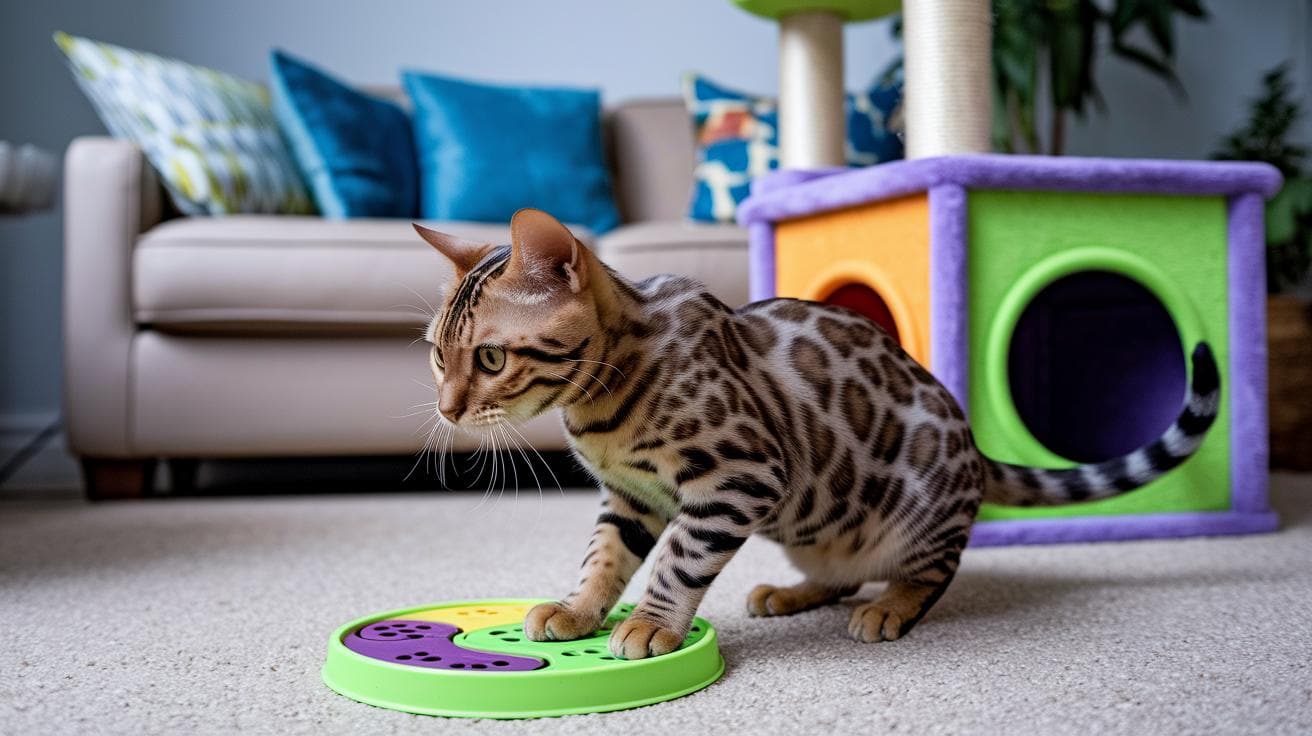
For a mental workout, try a treat-dispensing puzzle toy (think rolling ball that drops kibble). It’s snack time and playtime rolled into one – double win. Ever watched your kitty try to fish a treat out of a puzzle ball? Hilarious.

Feeding them right means longer leaps. Aim for about 4 ounces of high-protein wet food per meal for a 10-pound cat, plus a measured kibble serving twice daily – no free feeding, please. Use a kitchen scale or measuring cup to dodge extra pounds (and diabetes risk, ugh). Swap in a pet fountain (flowing stream vibe) so they sip fresh water all day.

Don’t skip the vet – book checkups and dental cleanings every six months. Catching small issues early can add healthy years, I guess. Worth every paw-print.

Nutrition and Diet
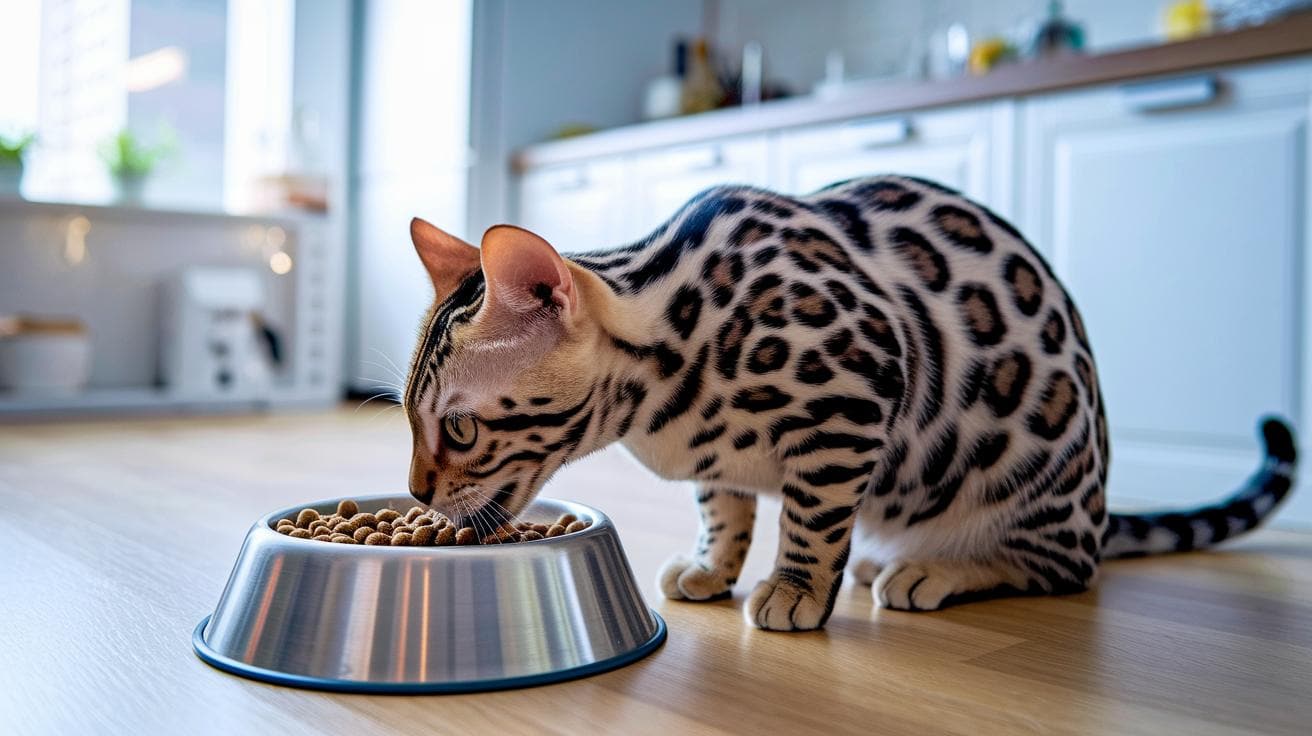
- Nutrition and Diet Strategies for Lifespan Extension.jpg

Feeding your Bengal the right stuff helps them bounce around with kitten-like energy, even into their golden years. A balanced meal plan builds lean muscles, keeps their heart happy, and makes those eyes shine. Think of it like fuel for every zoom and pounce. So let’s chat about the key ingredients to keep your cat feeling feline fine!

  • High-protein meals tailored to your cat’s age (kitten, adult, or senior)
  • Taurine (an amino acid) to keep the heart strong and eyes bright
  • Wet food packed with moisture and a fresh water fountain nearby
  • Measured portions for meals and treats (don’t forget those extra bites)
  • Balanced vitamins and minerals for overall health

Weigh your Bengal once a month. If the scale starts creeping up, tweak their portions so they stay trim. At one year, switch from kitten chow to adult recipes, then around age ten move to a gentle senior blend. And don’t forget that treats add extra calories, so include them in your plan.

Essential Veterinary Care and Health Screenings
- Essential Veterinary Care and Health Screenings.jpg

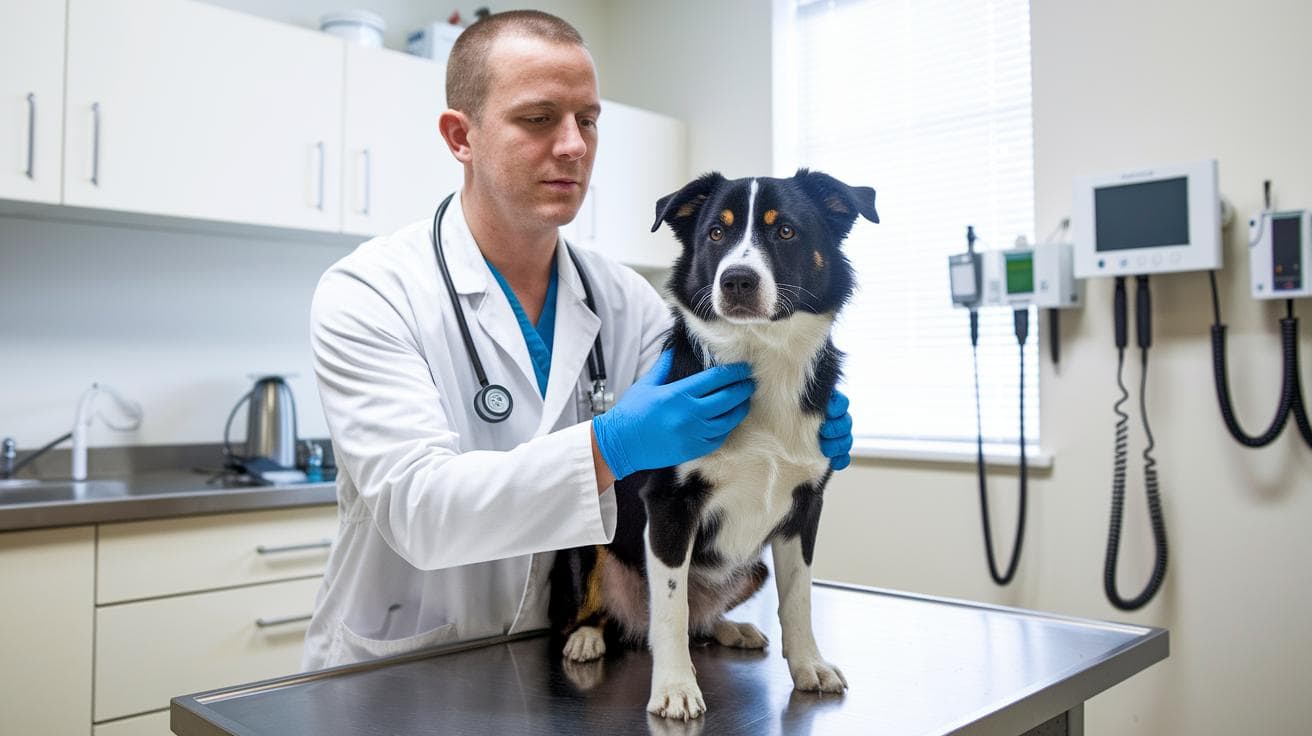
Keeping up with regular vet visits means more purrs and fewer sick days for your Bengal. A yearly wellness check (weigh-in, coat check, and listening to heart and lungs) spots tiny issues before they grow into big problems.

Every six months, schedule a dental cleaning (bye-bye tartar and plaque (that sticky stuff on teeth)). Your kitty will stretch and yawn, showing off those pearly whites, and you’ll love that fresh-cat-breath moment.

Once a year, get a parasite screen (examining fur, skin, and stool for fleas, ticks, or worms). Think of it as a deep-clean for their insides, no more bellyaches or itchy skritches.

Vaccines (shots that protect against rabies, distemper, and more) build up your Bengal’s defenses. Chat with your vet about any extra non-core shots that might be paw-fect for your cat.

And don’t forget the urine check (looking for crystals or early infection signs). It catches blockages before they become painful, and saves you an emergency dash to the clinic.

Check-up / Test How Often
Annual wellness exam (head-to-tail review) Once a year
Biannual dental cleaning (tartar and plaque removal) Every six months
Yearly parasite screening (fur, skin, stool check) Once a year
Core vaccines (rabies, distemper, etc.) Every year
Heart (HCM) screening (heart muscle thickening) Every 1–2 years
Kidney function tests (blood panels for BUN (blood urea nitrogen) & creatinine) Once a year

Catching hypertrophic cardiomyopathy (thickening of the heart muscle) early gives treatment a head start. Blood panels to check kidneys (BUN and creatinine levels) can spot trouble before your cat feels lousy. No more emergency runs to the vet means more zoomies across the living room. And hey, fewer vet bills leave extra cash for claw-tastic toys.
Indoor Environment and Enrichment for Bengal Cat Longevity

- Indoor Environment and Enrichment for Bengal Cat Longevity.jpg

Keeping your Bengal safe indoors is like building a cozy fortress for them. It protects them from cars, stray-animal scuffles, and pesky parasite bites. Their fur stays dry, and their paws steer clear of lawn chemicals. Plus, you won’t lose sleep over rooftop tumbles.

But when you’re ready to share a bit of fresh air, plan it like a mini adventure. Ever watched your kitty’s whiskers twitch at a new smell? That’s the fun part, when everything’s done right.

  • Start inside with a soft harness (a little vest that fits snug behind the front legs). Let your cat wear it for 5 to 10 minutes. Reward them with a treat and a gentle ear scratch.
  • Clip on a lightweight leash (think of it like a short tether) and stroll down hallways or carpeted rooms so they learn that soft pulls aren’t scary.
  • Move to a fenced yard when it’s cool and dry. Stay close. Keep those first outings under ten minutes.
  • Before every walk, scan for toxic plants (like lilies or ivy), loose dogs, or turf treated with pesticide (bug killer spray).
  • Watch your cat’s signals, flattened ears or a low tail mean stress. If they freeze or dash, scoop them up and head back inside. Try again later.
  • Once your Bengal seems relaxed, add two more minutes each day. Soon you’ll see those ears perk up and whiskers twitch as they sniff new scents.

Bengal Cat Life Stages and Care Milestones

- Bengal Cat Life Stages and Care Milestones.jpg

Kitten (0–6 months)

Your little Bengal is a fuzzy dynamo that seems to double in size every few weeks! By seven months, those baby teeth swap out for adult chompers. Feed them kitten formula rich in protein and calcium so their bones grow strong. And plan early vet visits for shots, deworming, and a microchip (tiny ID chip under the skin) for total peace of mind.

Junior (6 months–2 years)

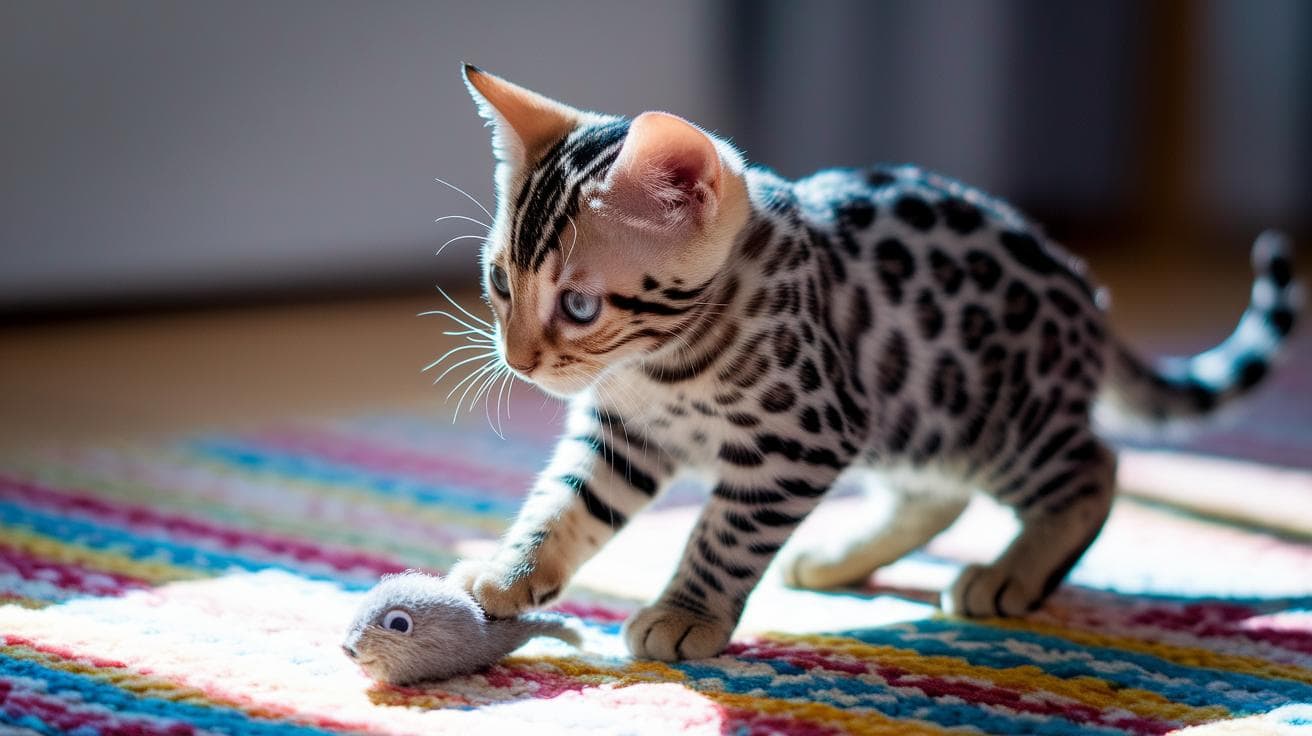
Now your tiger-in-training hits puberty and zooms around the house like a furry rocket! Ever watched your kitty sprint down the hallway or scale the curtains in seconds? Keep play sessions daily with a wand toy or small balls. This stage sets lifelong habits, so stick with a mix of wet and dry food for muscle-building fuel.

Prime (3–6 years)

This is Bengal glory days! Your cat has lean muscles, a sleek, shiny coat, and a purr engine running full throttle. Keep feeding and play times on a steady schedule.

Add a climbing tree or wall shelf (plank mounted on brackets) to give those paws something fun to tackle. Don’t skip that annual vet check to catch any sneaky issues early.

Mature Adult (7–10 years)

Uh, you might notice zoomies get shorter and naps stretch out longer. If you spot any stiffness after play, a glucosamine supplement (joint-support supplement) can help those old joints! Keep an eye on weight with a kitchen or pet scale to avoid extra pounds. Gentle puzzle feeders give their mind a workout without pushing them too hard.

Senior (10–14 years)

By ten years old, your feline hero is a seasoned pro at naps! Shift to a senior diet blend that’s easier to digest and gentler on those kidneys. Book heart and kidney screenings every year to spot arthritis or early renal signs. Soft beds and low ramps make jumps less of a chore, and brushing weekly helps you find any lumps or skin changes early.

Geriatric (15+ years)

Comfort is key! Mobility may falter, so add ramps beside favorite perches and a non-slip mat under food dishes. Short, gentle play, like rolling a soft ball, keeps joints moving and spirits bright. Low-sided litter boxes and cozy blankets offer extra ease, and lots of cuddles make this final chapter as calm and cared-for as possible.

Genetic Health Considerations and Breed-Specific Risks

- Genetic Health Considerations and Breed-Specific Risks.jpg

Your Bengal’s wild roots go way back to domestic cats and Asian leopard cats (wild forest cat). That mix gives them hybrid vigor (an extra health boost). You’ll see it in their non-stop zoomies and their silky, thick coat. Ever watched your little panther dash by?

But watch those kitty hearts. Hypertrophic cardiomyopathy (heart muscle gets too thick) can sneak up on you. And some Bengals carry pyruvate kinase deficiency (red blood cells break down too fast), which can leave them moving in slow-mo. Not fun!

Their knees can be finicky too. With luxating patella (kneecap that slips out of place), your cat might hop or limp. But a simple vet exam and some gentle exercises can help. Then your Bengal can bounce back to those epic leaps.

Some Bengals carry the snow gene (a mutation that makes fur and eyes lighter). Over time, these kitties might show fading pigments or vision quirks. It’s usually mild, but good to keep an eye on. Talk to your vet if you spot something odd.

Genetic testing options (DNA panels looking for key mutations) give you a heads-up on these risks. Reputable breeders share test results so you know what to expect. Working with one who screens every cat means fewer surprises and more tail-twitching fun ahead.

Worth every paw-print.

Final Words

in the action you’ve seen Bengals shine with a 12-16 year life span, averaging around 14.

we dug into how genes and spay/neuter choices shape long days, then broke down high-protein feeds, vet visits, and fun home play.

we glanced at kitten to geriatric milestones and tips to dodge breed health quirks.

All these tools help boost your bengal cat lifespan and fill your home with vibrant purrs for years to come.

FAQ

What is the lifespan of Bengal cats?

The lifespan of Bengal cats ranges from 12 to 16 years on average, with females often living about two years longer than males. Indoor Bengals and color variants like blue Bengals share similar lifespans.

Why are Bengal cats illegal in some areas?

Bengal cats can be illegal because they descend from wild Asian leopard cats, leading some states or cities to restrict hybrids to protect local wildlife and public safety.

How much do Bengal cats cost and why are they expensive?

Bengal cats typically cost $1,000 to $4,000 depending on breeder reputation, coat quality, and show markings. High demand for their wild patterns and careful breeding programs drives their price up.

What size do Bengal cats typically reach?

Bengal cats usually weigh between 8 and 15 pounds and measure about 16 to 19 inches long from nose to tail base. Males tend to be slightly larger than females.

What health problems do Bengal cats have?

Bengal cats can have hypertrophic cardiomyopathy (thick heart walls), pyruvate kinase deficiency (anemia risk), and luxating patella (kneecap issues). Regular exams and genetic testing catch these conditions early.

Are Bengal cats good house pets?

Bengal cats make good house pets because they’re active, social, and bond deeply with owners. They thrive with daily play, puzzle toys, and plenty of vertical space to climb.

What is the oldest recorded age for a Bengal cat?

The oldest recorded Bengal cat lived up to 20 years, though unverified stories mention 34 years. Most Bengals live around 14 years with proper care, diet, and vet checkups.

Related Articles

Author

  • Isabella Tiu

    Isabella Tiu is a transcriptionist from Calhoun, Florida, known for her sharp attention to detail and her commitment to providing accurate and efficient transcription services. With a passion for language and communication, she thrives on transforming spoken words into clear, readable content for her clients.

    When she's not working, Isabella enjoys hiking and camping, finding peace and inspiration in the beauty of the outdoors. She often says, “The best lessons are often learned in nature,” a philosophy she embraces both in her work and personal life.

    Isabella’s love for both her craft and the natural world reflects her belief in continuous learning and exploration.

    View all posts

Similar Posts