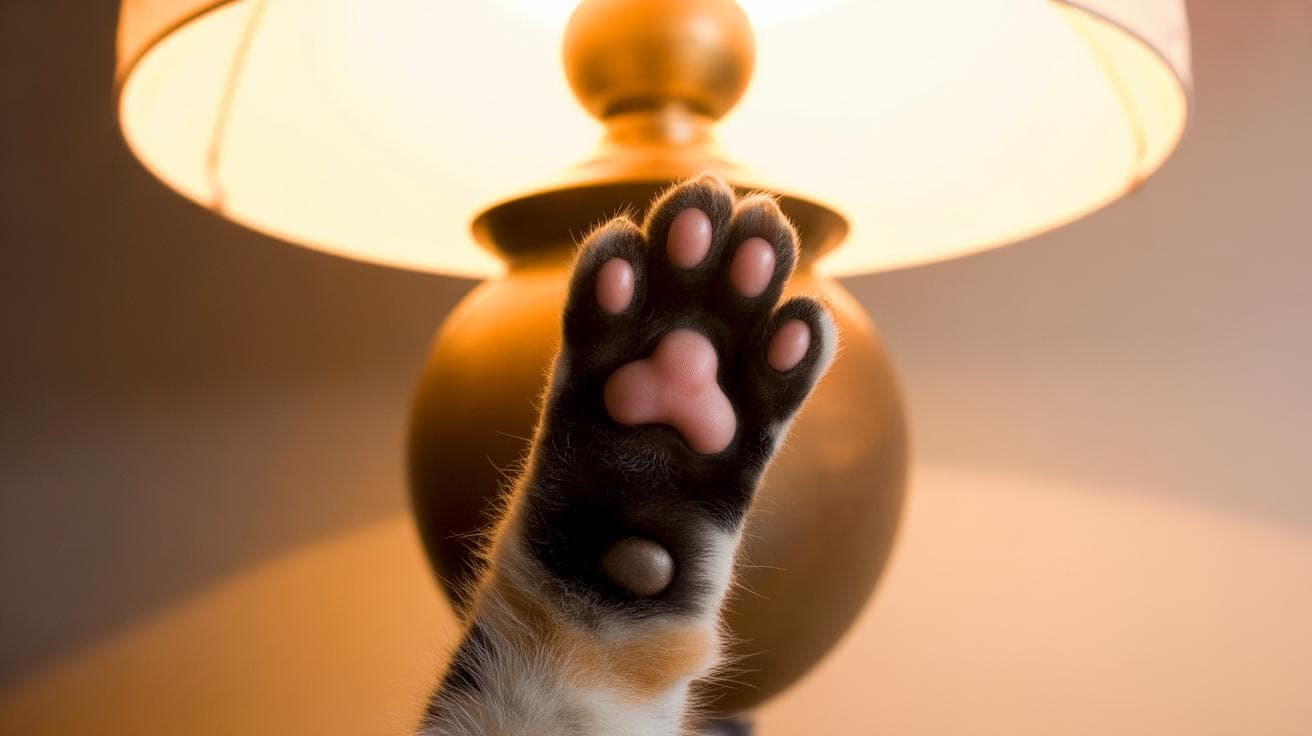
Big mittened paw – adorable bonus or a headache at shows? Maine Coon extra toes usually come from a dominant gene (a gene that shows its trait whenever it’s present). And honestly, a lot of cats use those extra toes like tiny tools, gripping, paddling, and batting their way through playtime.
Ever watched your cat pick up a toy with a little thumb-like toe? Here’s the short, useful version: how the trait passes down, simple grooming to keep nails healthy, and the rule of thumb on whether judges accept polydactyl (extra toes) cats in competition. Spoiler: it depends on the registry and the breed standard – many shows are fine with polydactyl cats in pet or open classes, but strict breed classes may expect the standard toe count.
Grooming is easy. Trim nails regularly, check between the toes for dirt or mats, and look for red spots, swelling, or ingrown nails. Think of it like paw first aid: a quick look-and-touch session once a week keeps problems small and stress low.
When should you see a vet? If the paw is swollen, bleeding, your cat limps, or you spot an infected-looking nail, get it checked. Also see the vet if a kitten can’t use the paw properly or keeps chewing at it.
I’ll answer the common worries, calm the show fears, and point out the few times a vet visit really matters. Worth every paw-print.
Quick answer: extra toes in Maine Coons , the one-line verdict and where to read more
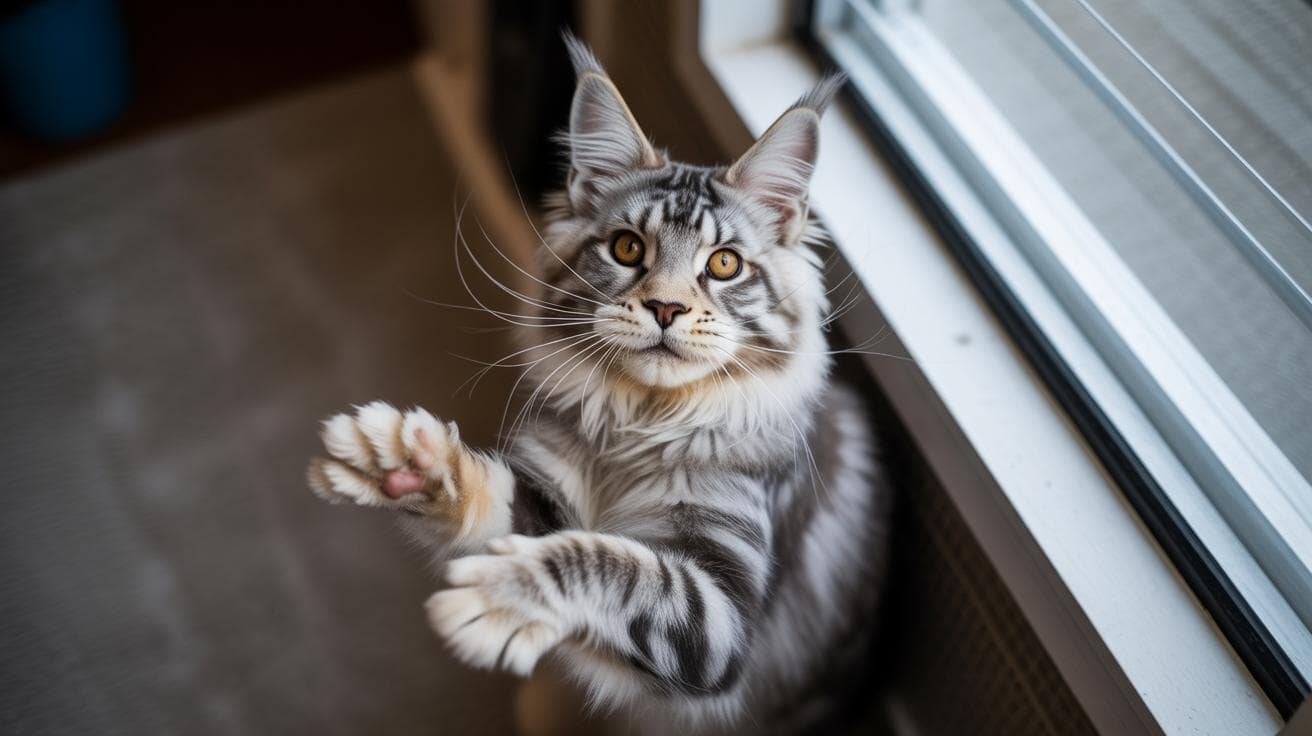
Yes. Polydactyl (extra toes) in Maine Coons comes from a dominant gene (a gene that shows its trait when present). In some historical Maine Coon lines about 40% of cats showed the trait, and if one parent is affected you’ll see roughly a 50% chance a kitten will inherit extra toes. It’s usually harmless. Extra toes are typically fully functional, most cats have 18 toes total (five on each front paw, four on each back paw), and the highest recorded count is 28 toes (seven on each paw). Cute, right?
Quick facts you can skim:
- Inheritance: about 50% transmission when one parent is polydactyl (rough estimate).
- Historical prevalence: around 40% in some Maine Coon populations (how common the trait showed up).
- Normal toe count: 18 toes total , five front, four back.
- Record toes: 28 total (seven per paw recorded).
- Health outlook: usually a harmless genetic variation; most polydactyl cats live normal, healthy lives.
- See a vet if you notice curled or ingrown nails, swelling that won’t go down, worsening limping, heavy bleeding, or signs your cat is in pain.
Want all the details? Head to Anatomy & Identification for the inspection checklist, photos and x-rays (x-ray images); Care, Grooming & Home Setup for the grooming checklist and product sizing; Genetics, Mutations & Breeding for mutation overviews; and Health issues for vet guidance and exact imaging thresholds. Ever watched a cat bat at a toy with an extra-big paw? Totally claw-tastic. Worth every paw-print.
Anatomy & Identification
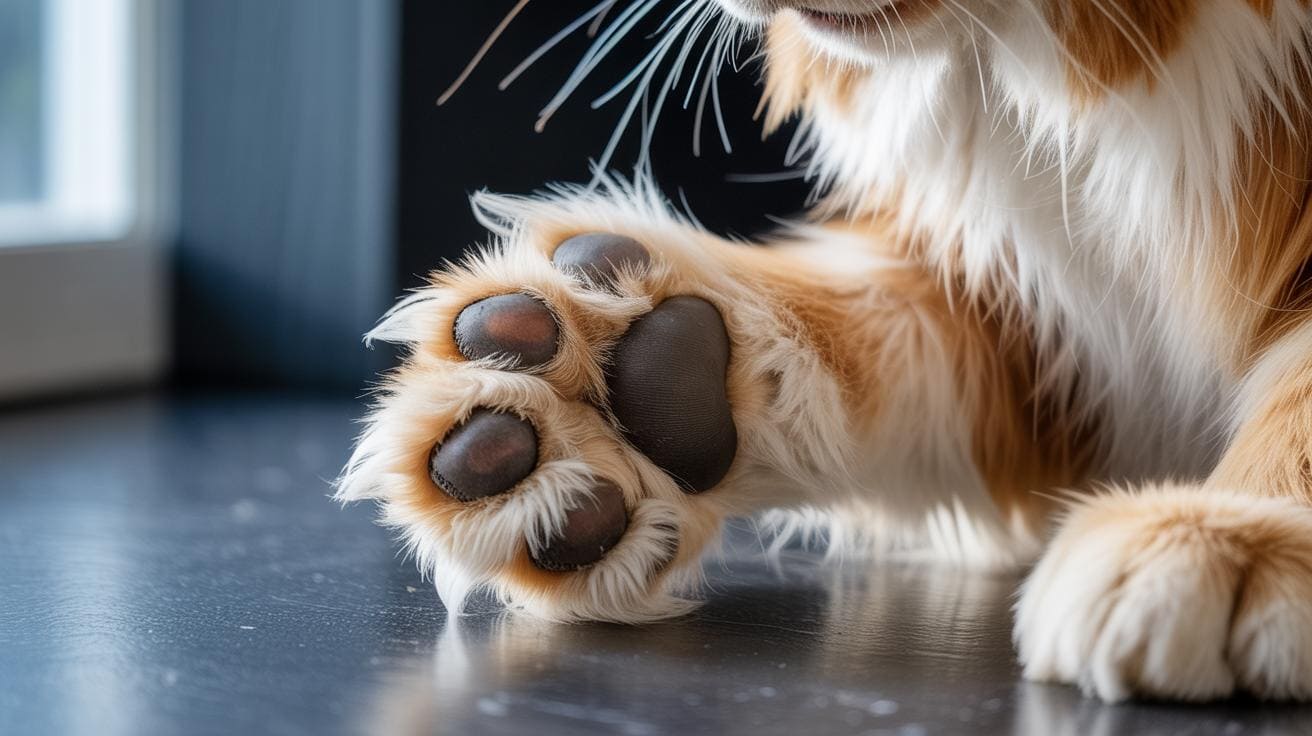
Most cats have 18 toes total: five on each front paw and four on each back paw. Maine Coons, especially polydactyl ones, often show extra toes on the front feet. Some front paws can have six to eight toes. The most extreme recorded case had 28 toes total, which is seven toes on each paw. Below is a quick table to help you spot what to expect when you look closely.
| Paw/location | Normal digits | Polydactyl range | Example notes |
|---|---|---|---|
| Front paw | 5 | 6-8 | extra thumb on inner side |
| Back paw | 4 | 4-6 | less commonly polydactyl |
| Notable example (Jake) | Normally 18 vs recorded 28 | N/A | seven toes per paw recorded |
Many extra toes sit on the inner side of the paw. That placement is called pre-axial (on the inner edge of the paw). You’ll commonly see two looks: mitten paw, with a thumb-like extra toe that sits a bit apart, and patty or snowshoe paw, which is a rounded, compact row of extra toes. Most extra toes are complete , they have bones (the hard parts inside), joints, paw pads, and claws , so they work just like little extra tools when your cat bats a toy or climbs. You can almost hear the soft shuffle of extra pads on carpet. Some cats have extra toes on just one paw, others on all four, so don’t be surprised by asymmetry.
Checking your cat’s paws is simple and calming if you move slowly. Try these steps.
- Calm and secure the cat on a steady surface, like a lap or a table with a towel.
- Gently splay each front paw while supporting the wrist so the cat feels safe.
- Photograph the paw from the palm and side views for a record.
- Count pads and claws, and note any extra pads or extra rows of nails.
- Look for curling or ingrown nails, swelling, or debris between toes.
- Record what you find for all four paws and compare left and right.
If your hands and photos don’t give clear answers, use x-rays. X-rays show the bone and joint layout so you can tell whether an odd bump is soft tissue or a full bony digit that might need attention. Get x-rays if there is pain, obvious deformity, persistent limping, suspected bone issues, or if you’re planning surgery. X-rays often need gentle restraint or brief sedation (short-acting, vet supervised) to get clear images, and they’re the surest way to plan proper veterinary care.
Care, Grooming & Home Setup
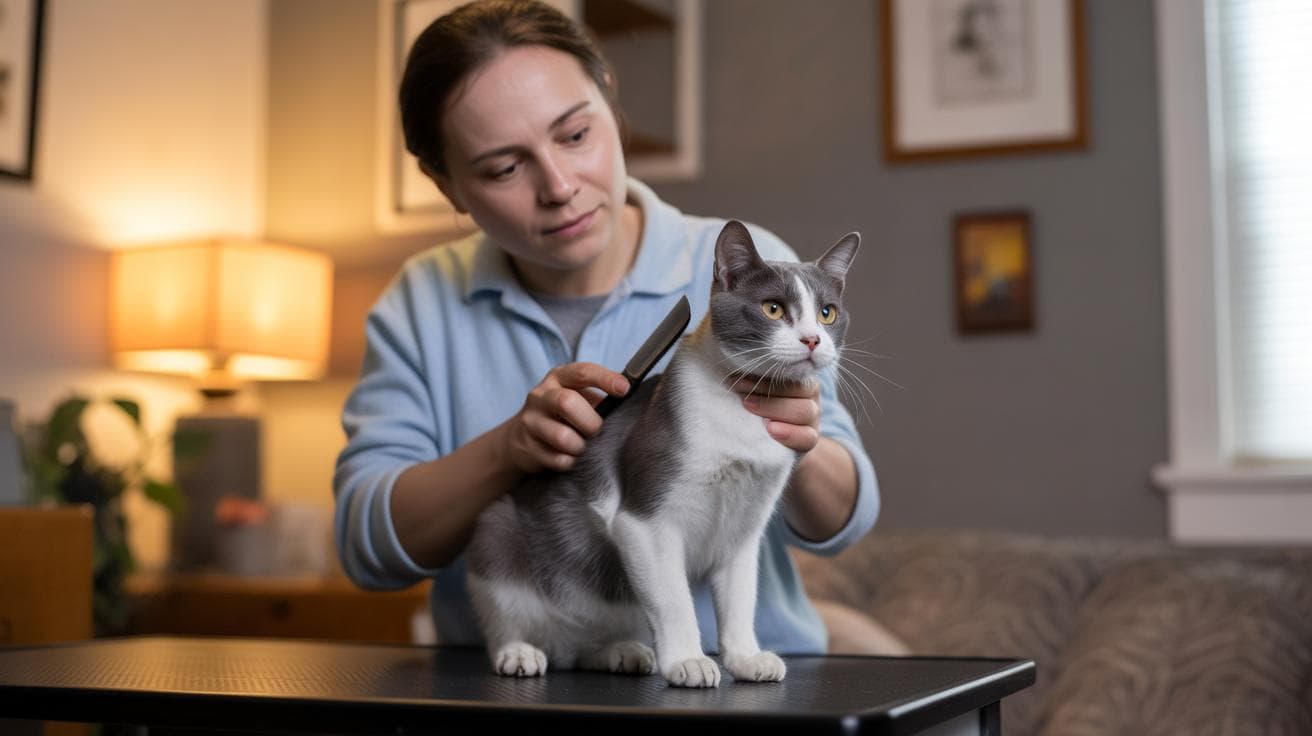
Daily and weekly checks make looking after extra toes easy and low stress. Start with calm petting to relax your cat, then do a quick paw inspection: check for curled tips, bits stuck between toes, redness, or a nail that still has its outer sheath. Move slowly, speak softly, and hand out treats for patience. Ever watched your kitty purr through a paw check? It’s the best.
Basic grooming and safe trimming save headaches later. Use quiet clippers with a sharp guillotine blade (a blade that pulls the nail into a straight slot and slices cleanly) or a scissor-style trimmer. Keep styptic powder handy (a powder that stops small bleeds) for the rare nick. If the nail anatomy looks confusing, stop and ask a professional groomer or your vet to show you once. For guidance on how fast nails grow and when trims are due, see how fast do cat nails grow.
What to have on hand:
- Nail trimmers – guillotine or scissor type (choose what fits your cat best)
- Styptic powder (stops minor bleeding)
- Soft towels for wrapping or calming your cat
- Treats and small rewards for good behavior
- Vet-safe antiseptic wipes for minor cleaning
- Small flashlight to peek between toes and pads
- Phone photos or a simple spreadsheet for a digital log
- Soft file or emery board for smoothing sharp edges
- Optional: claw covers and adhesive remover
- Tweezers to pull out debris if needed
Quick step cues to follow: calm the cat, inspect pads, trim only the visible excess tip of the nail (avoid the quick – the blood vessel inside the nail), file if needed, reward, and log. If you hit sudden heavy bleeding, if the cat resists so much you might get hurt, or if you cannot tell the quick from the tip, stop and call a pro.
| Supply | Use | Replacement interval |
|---|---|---|
| Antiseptic wipe | Clean minor cuts | Replace after opening or per expiration |
| Styptic powder | Stop minor bleeding | Keeps until used |
| Non-stick sterile pads | Wound covering | Replace per use |
| Tweezers | Remove debris | Clean after use |
| Nail trimmers | Trimming | Replace when dull (6-12 months typical) |
| Contact numbers (vet/24h clinic) | Access in emergency | Update annually |
Home setup matters when paws are bigger. Measure your cat’s shoulder height and paw width before buying or building perches. Aim for perch depth at least shoulder width plus 1 inch so your cat can lie down without slipping. Pick platforms at least 1.5 times the paw span (paw span means the width across the paw) so they feel balanced. Choose a scratch post more than 3 inches in diameter so big claws get a steady grip. And get a base that won’t tip when a hefty Maine Coon launches skyward. Thick wood cores or dense compressed board (a strong, compact wood-like board) feel solid and last longer.
Keep an eye on things over time and you’ll catch small problems early. Take yearly paw photos and log trimming trouble or nails that always curl. Track gait changes, weight, and joint notes so your vet can spot large-breed issues sooner. Make a printable paw inspection checklist by copying the six-step Anatomy & Identification check plus 4-6 weekly grooming points to make a 10-12 item sheet for your pet binder. If trimming ever feels risky, a groomer or vet trim is worth it and keeps your polydactyl pal comfortable.