What Do Feral Cats Eat: Food & Risks

Controversial take: feral cats are elite hunters, not just dumpster divers. They survive mostly by hunting tiny animals: mice, voles (a small field rodent), birds, and insects, and by scavenging (eating leftovers or trash) when people leave food around. Ever watched one stalk? Their whiskers twitch and their whole body goes silent before the pounce.

On average, a feral cat makes about nine prey kills a day. Their natural diet is roughly 52% protein (the muscle- and organ-building stuff), 46% fat (concentrated energy), and 2% carbs (sugars and starches). That protein and fat usually come from whole prey: muscle, organs, and a little bone.

Want clear answers about what feral cats eat, the risks to wildlife and cat health, and smart feeding tips for caregivers who want to help without causing problems? Stick around, we’ll break it down simply and practically, no fluff.

What Do Feral Cats Eat: Food & Risks
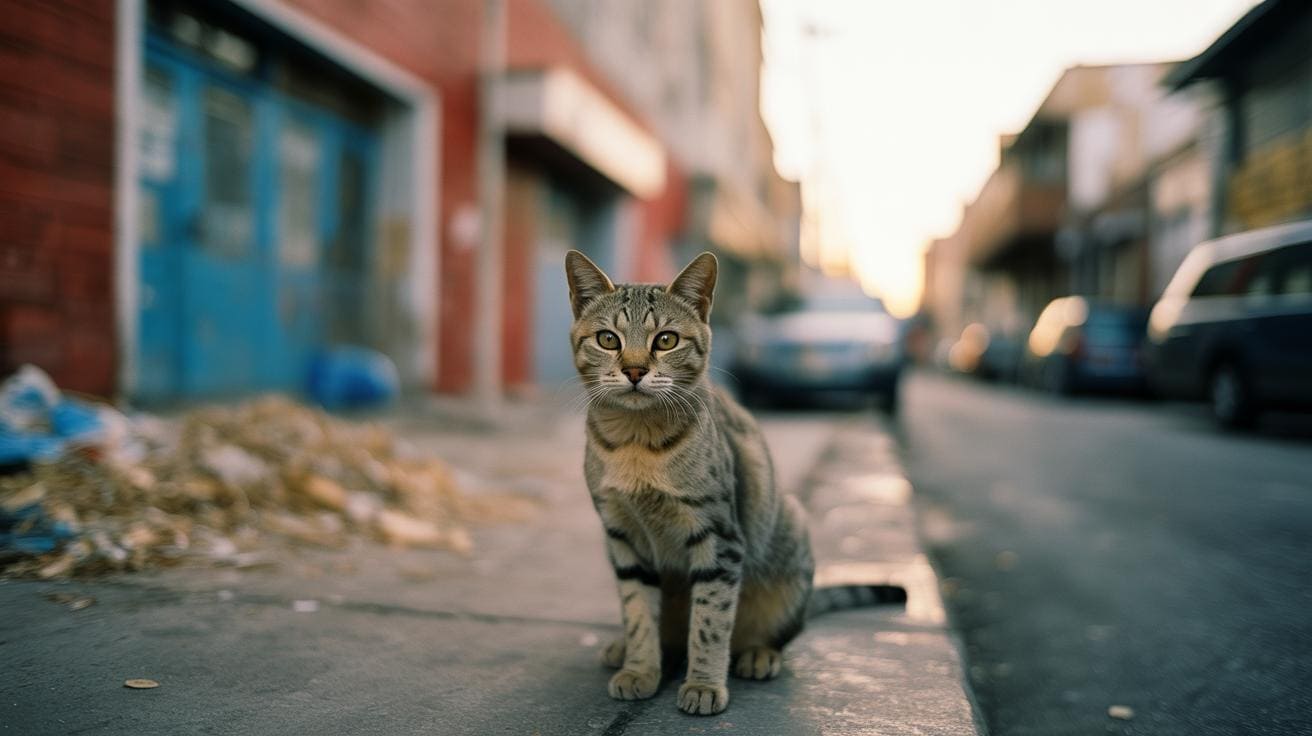
- Quick answer  Executive summary that fulfills the query.jpg

Feral cats mostly survive by hunting small wild prey, like rodents and birds, and by scavenging human food waste when it’s available. Ever watched one slip through grass to nab a mouse? They’re surprisingly efficient. On average, a feral cat makes about nine prey kills a day, and their natural diet is roughly 52% protein, 46% fat, and 2% carbohydrates.

Common food items include:

  • Mice
  • Rats and voles/shrews (voles and shrews are tiny, mouse-like mammals)
  • Birds and eggs (often ground-nesting species)
  • Insects and amphibians (think beetles and small frogs)
  • Small mammals, occasionally
  • Garbage and food waste (human leftovers, compost scraps)

Do: offer high-quality canned cat food (wet food) or use timed feeders (automatic dispensers that release meals on a schedule) so the cat gets many small portions that mimic hunting. For busy days, set a timed feeder to drop measured bites while you’re out. Don’t: feed dog food or leave dry kibble (dry food) out all day, because that promotes obesity and poor nutrition , and, um, nobody wants a pudgy prowler.

Diet composition, caloric needs, and hunting patterns
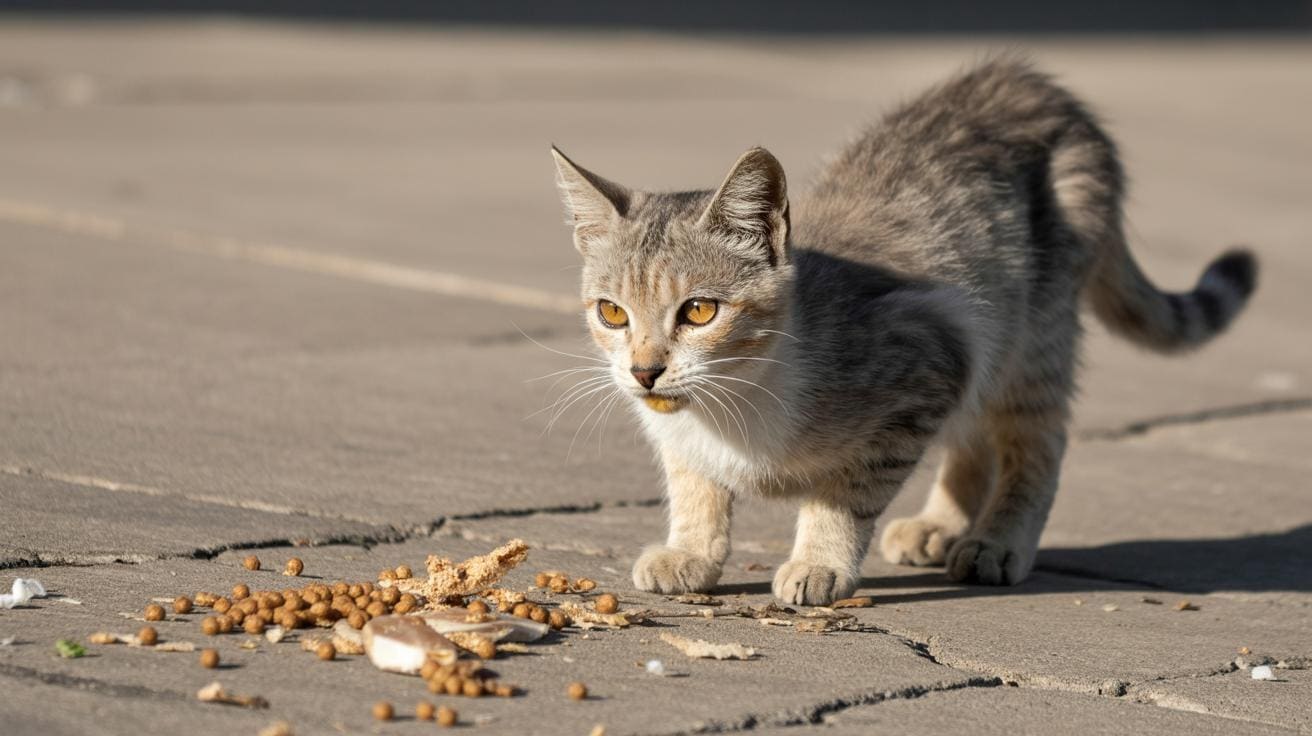
- Diet composition, caloric needs, and hunting patterns.jpg

See Quick Answer for the headline macronutrients (protein and fat) and kill rate (how often they catch prey).

Feral cats meet their daily energy by mixing hunting and scavenging, with long naps peppered by short, furious bursts of activity. Think of them as tiny predators that sleep a lot, then spring to stalk, pounce, and eat several small meals through the day. Your cat’s whiskers will twitch as a vole darts by, and then it’s showtime.

Protein (muscle-building nutrient) and fat (concentrated calorie source) are the fuels for that stop-and-start life. Protein helps repair and power the muscles used in stalking and pouncing. Fat gives a bigger, longer-lasting energy boost and helps with thermoregulation (keeping the cat warm). Small prey means more frequent catches. Big prey pays off more calories, but it takes more effort to catch and handle.

A few things change how many calories a cat needs. Pregnancy and nursing push needs way up. Cold weather raises the burn rate for warmth. Easy access to human food can pad calories but often lacks the right nutrients. Hunting success is hit-or-miss, cats take lots of tries for every catch, so scavenged food or handouts can smooth out intake, though they may not match natural prey in nutrient mix. Seasons, prey numbers, and individual health make food a moving target. Ever watched a skinny tom suddenly bulk up after a good mice season? It’s wild.

Common hunting behaviors:

  1. Stalking , slow, low approach until the target is in pounce range.
  2. Ambush to pounce , lie-in-wait at a runway or nest, then spring.
  3. Short pursuit , quick sprint after a flushed rodent or bird.
  4. Nocturnal or shifted activity , hunting at night or dawn when prey is most active.

For caretakers watching a colony, simple checks go a long way. Do regular body-condition scoring (a hands-on check of ribs, spine, and fat cover to estimate weight) to see who’s losing or gaining. Keep records of feeding success at set feeding times so you can spot lean stretches. Use scheduled feeds to mimic those frequent small meals, and note which cats eat and when so you can target underweight individuals for extra help. Small monitoring steps make interventions smarter and less stressful for the cats.

Worth every paw-print.

Common prey: habitat-specific frequency and nutritional notes
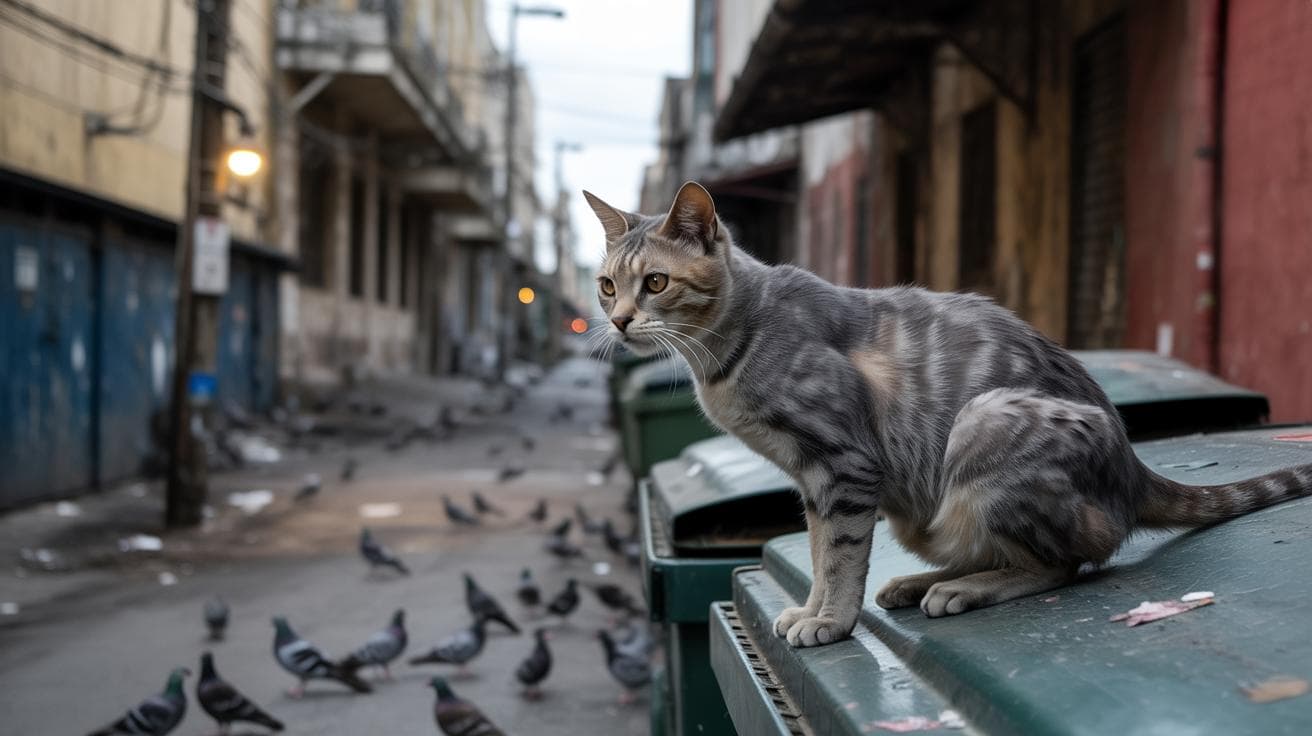
- Common prey habitat-specific frequency and nutritional notes.jpg

Feral cats usually take whatever is easiest to catch or scavenge, and that mix shifts a lot with where they live. In cities you’ll spot more scavenged scraps and tiny urban rodents. On farms and in barns they chase voles, rats, and sometimes poultry. Along coasts they catch more birds and marine treats like fish or crabs. Ever watched one nose through a compost pile? That little investigation says a lot about what’s on the menu.

Knowing the common local prey helps caretakers decide where supplements or mitigation matter most. If garbage is a big part of the diet, cats might be calorie-full but miss key nutrients. If rodents or birds dominate, the food will be higher in animal protein (muscle-building nutrient) and fat (energy cats burn well). Use habitat patterns to pick targeted feeding plans or wildlife-protection steps. See Quick Answer for headline macronutrients and kill-rate.

Prey type Typical frequency (urban / rural / coastal) Nutritional notes
Mice High / High / Moderate Small, protein-rich meals (muscle-building nutrient); easy to catch and digest, like tiny tasty snacks.
Rats / voles Medium / High / Low Bigger rodents give more calories and fat (energy source) per catch; bones add minerals like calcium.
Birds & eggs Low–Medium / Medium / High Top-quality protein and fat; eggs are calorie-dense and pack extra nutrients that growing kittens love.
Insects & amphibians Medium / Medium / Medium Low per item but add variety and micronutrients; great practice prey for young hunters learning the ropes.
Small mammals / rabbits Low / Medium / Low Rare big rewards , a lot of calories when caught, but they take more effort and skill.
Garbage / food waste High / Low / Medium Often calorie-heavy and carb-rich compared with natural prey; may lack key feline nutrients like taurine (an essential amino acid for cats).

Frequency ties straight to nutrition. Neighborhoods where garbage dominates can leave cats full yet nutrient-poor, while rodent- or bird-heavy areas give leaner, species-appropriate meals. Match any supplemental feeding to the common local prey so you fill gaps without encouraging risky scavenging. For example, a small can of high-protein wet food or a taurine supplement (if advised by a vet) can plug obvious holes. And secure trash and use timed feeders when you can , helps wildlife and keeps kitties safer, too.

Worth every paw-print.

Risks from prey and scavenged foods: parasites, poisons, and diseases

- Risks from prey and scavenged foods parasites, poisons, and diseases.jpg

Feral cats pick up a lot of hazards from what they eat. Parasites from prey are common , like tapeworms (parasitic flatworms that live in the gut) and roundworms (intestinal worms). External parasites such as fleas and ticks (tiny blood-sucking insects) also hitch rides. Toxoplasma gondii (a single-celled parasite) can come from raw meat or infected prey, and rotten carcasses can carry bacteria that make cats sick. Raw-feeding and scavenging raise the chance of all of these problems. Ever watched your cat chew on something gross? Yeah.

Watch for these specific risks:

  • Internal parasites (tapeworms, roundworms, hookworms) , can cause weight loss, diarrhea, and a dull coat.
  • External parasites (fleas, ticks, mites) , itching, hair loss, and skin sores.
  • Toxoplasma gondii (toxoplasmosis) , usually mild in adult cats but can cause eye or neurologic signs and can spread to people.
  • Rodenticide poisoning (from anticoagulant baits or neurotoxic baits) , bleeding, weakness, tremors, or seizures.
  • Bacterial infection from carrion (Salmonella, Clostridium) , vomiting, diarrhea, fever.
  • Nutritional gaps from improper feeding (taurine shortfalls, vitamin imbalances) , can lead to heart or eye problems over time.
  • Toxic human foods (onions, garlic, chocolate, xylitol) , anything from upset stomach to organ failure depending on the item.

Rodenticide is a big field hazard because poisoned rodents are easy prey. Anticoagulant rodenticides (they stop blood from clotting) tend to cause slow bleeding, pale gums, bloody stools, or sudden collapse. Neurotoxic baits affect the nervous system and can cause tremors, drooling, or seizures. Other dangers , pesticides, heavy metals in scrap food, or contaminated fish , can cause gut or neurologic signs after a cat eats them.

Practical steps for caretakers: keep feeding areas clean, pick up carcasses right away, and don’t offer uncooked wild-caught meat. Use covered feeding stations and change feeding times so leftovers don’t get picked over by scavengers. If cats are trapped for TNR, ask the vet to deworm and check for common infections while they’re in. If you think a cat ate rodenticide or shows severe signs, call your vet or animal control immediately. Feeding/TNR and Special Cases sections should point readers to this section for full hazard details.

Feeding feral cats: safe foods, feeding stations, schedules, and TNR coordination

- Feeding feral cats safe foods, feeding stations, schedules, and TNR coordination.jpg

Start with complete commercial cat food. Use quality canned food first , it’s closest to the protein-and-fat balance cats need and it helps with hydration. By complete I mean the food has all the nutrients a cat needs (vitamins, amino acids, minerals). Plain cooked boneless chicken or cooked fish can be a small treat now and then, but no cooked fish bones. Skip dog food and human staples like bread or leftovers; they don’t meet feline nutritional needs. For dangers from raw meat, scavenged carrion, or poisoned bait, check the Risks section below. Oh, and ever watch a feral cat lap from a bowl? Their whiskers flutter and it’s oddly calming.

Feeding best practices (short and friendly):

  • Make canned cat food the mainstay , it’s hydrating and complete. Label opened cans with the date, for example: Opened 8/12 – use by 8/15.
  • Use high-protein dry food only sparingly for scheduled feeds; dry kibble is higher in carbs and can be left out too long.
  • Treats: plain cooked chicken or tuna only occasionally. No bones and no added seasonings.
  • Pick a quiet, low-traffic spot and set bowls up off the ground. Raised bowls cut down pests and can be easier on a cat’s neck.
  • Shelter the station from rain and add a nearby wind block or simple tarp for comfort during storms.
  • Clean leftovers within about an hour when you can; rotate and wash bowls with hot, soapy water. It keeps critters and smells down.
  • Pest-proof the station with lids, raised platforms, or timed feeders to limit access by raccoons or rodents.
  • Always offer fresh water. In freezing weather use insulated bowls or heated bowls (a bowl with a small built-in heater to stop ice).
  • Store unopened cans in a cool, dry place and seal dry food in airtight bins to keep pests out.
  • Keep a short feeding log: note dates, who showed up, and any thin or injured cats. Example log entry: Aug 12 – 5 fed; Cat B thin; Cat D limping.

Coordinating feeding with TNR helps everything run smoother. TNR means trap-neuter-return (trap the cat, spay or neuter, then return to the colony). Pick consistent feeding times so the cats become predictable for humane trapping. Record who appears and when, then use those notes to pick trap days and plan helpers. Simple timing and a little patience go a long way.

Winter and storage tips:

  • Add a small extra serving on cold days to help cats burn calories staying warm.
  • Use insulated water dishes or a heated water option so water doesn’t freeze.
  • Toss any open food that smells off; better safe than sorry.
  • Don’t leave large amounts of food out overnight when pests are a big problem. Seal dry food and keep opened cans chilled if you can.

Quick safety note: avoid raw meat unless you’re trained in handling it safely; raw increases risks from parasites and illnesses. If you suspect baiting or poisoned food in the area, move feeding away and contact local animal control or your TNR group for guidance.

Little tip from me: I once left a sheltered station by a porch step and started getting regulars within a week. Worth every paw-print.

Special cases: kittens, lactating queens, and winter or emergency feeding

- Special cases kittens, lactating queens, and winter or emergency feeding.jpg

Kittens, especially orphaned ones, need species-appropriate feeding right away. Use a commercial kitten milk replacer (a formulated milk substitute that mimics a mother’s milk) for neonates (newborn kittens) , never cow’s milk , and feed with a small syringe or a nursing bottle warmed to body temperature (about the warmth of your wrist). Newborns usually need feeding every 2 to 3 hours; older kittens every 4 to 6 hours. Weigh them daily on a kitchen scale and watch for steady gains. Avoid tuna-only or single-food diets since growing bodies need a complete kitten formula packed with calories, protein, and essential nutrients. Ever watched tiny whiskers twitch while they feed? It’s the best.

Lactating queens (mother cats) need a lot more calories and protein. Offer several small meals of nutrient-dense kitten food or high-calorie wet food so she can eat often while nursing , think of it as free refills for milk production. Give mom a quiet, sheltered spot to rest and eat without stress. Keep an eye on her body condition and the kittens’ weight gain; if mom is dropping too much weight or kittens aren’t thriving, contact a local rescue or your veterinarian for help. See Risks for pathogen and poisoning concerns.

Winter and emergency checklist (critical steps for kittens and cold weather feeding):

  • Use appropriate milk replacer (not cow’s milk).
  • Warm feeding supplies and serve food slightly warm (test on your wrist).
  • Provide a sheltered feeding spot out of wind and wet.
  • Add extra calories by offering canned kitten food more often.
  • Monitor weight daily and keep a simple log of gains.
  • Contact a rescue or veterinarian if illness or poor growth appears.

See Risks for pathogen and poisoning concerns.

Monitoring what feral cats eat: research methods, colony monitoring, and wildlife impact measurement

- Monitoring what feral cats eat research methods, colony monitoring, and wildlife impact measurement.jpg

If you want to know what feral cats are actually eating, there are a few straightforward tools that researchers and caretakers use. Stomach-content studies (looking at prey remains inside a stomach), scat analysis (feces checked for hair, bone, or insect parts), camera traps (motion-activated photos or video), and feeding-station observation logs (who shows up and when) each tell part of the story. Put together, they give a clearer picture than guessing. Camera-trap caption example – "11:32 p.m.: tabby returns with a vole."

Here’s a practical, low-fuss checklist for caretakers and small-scale researchers who want reliable data without overcomplicating things. Keep notes each month, aim for simple repeatable steps, and use lab help only when it’s feasible. See the Risks, TNR, and Feeding sections for more detail if you need to dig deeper.

  • Camera traps at feeding stations – set motion-activated units to record who visits and what prey they bring. Place them low and aimed at the feeding area so you catch tails, paws, and any snack deliveries.
  • Collect scat periodically for lab ID – seal samples, label date and location, and send for analysis when you can; lab ID (species or prey identification from hair, bone, or DNA) helps confirm what you saw on camera.
  • Monthly body-condition scoring – a quick hands-on check of ribs, spine, and fat cover (a simple score from thin to fluffy) tells you if cats are getting enough, or too much, to eat. Record the score and a short note each month.
  • Simple feeding/time logs – note dates, times, attendance, and any odd prey items you see or find. These logs make trap-neuter-return planning easier and support conservation decisions later.

Ever watched a cat pad in at dusk, whiskers twitching as it sniffs around? Those little details matter. Small, steady records beat one-off guesses, and they’re doable even if you’re juggling work, kids, or 12 purring supervisors.

Final Words

You’ve got the quick answer, the macronutrient (protein, fat, carb balance) and kill-rate headlines, plus deep dives on diet makeup, habitat prey lists, risks from scavenged foods, feeding stations, and monitoring.

Do feed complete, canned cat food and use scheduled, sheltered stations for TNR and records. Don’t offer raw scraps or exposed food that could carry poisons or pathogens.

Keep it practical and calm. Small steps add up. Knowing what do feral cats eat will make you feline fine and ready to help.

FAQ

Frequently Asked Questions

What do feral cats eat and drink in the wild, and when do they hunt?

Feral cats eat mostly mice, rats, voles, birds, insects, eggs, and scavenged human food, and drink puddles or prey fluids. They hunt mainly at dawn, dusk, and night, with daytime naps.

What do feral cats like to eat the most?

Feral cats most prefer small mammals like mice and voles, followed by birds and eggs; these high-protein, high-fat prey fuel hunting and reproduction.

What do stray cats eat in winter?

Stray cats eat more in winter, relying on rodents, birds, sheltered scavenging, and human handouts; caretakers should offer extra calories and warm water.

What can I feed a stray cat without cat food?

Feed plain cooked boneless chicken or plain cooked fish, canned unsalted tuna sparingly, or kitten formula (nutrient-rich food for growing kittens); avoid raw meat, bones, and cow’s milk.

Why is feeding stray cats sometimes illegal?

Feeding stray cats may be illegal under local ordinances that limit feeding to prevent public health risks, nuisance complaints, and harm to wildlife; check local rules and coordinate with animal services.

Should I feed feral cats, and will they starve if I stop?

Feeding feral cats helps survival and monitoring, but feeding should pair with TNR (trap-neuter-return). Stopping suddenly can cause stress, so work with rescues for gradual plans.

What do feral cats do all day?

Feral cats spend most of the day resting and grooming, with short bursts of hunting, territory patrols, social interactions, and scavenging, especially around feeding sites.

Related Articles

Author

  • Isabella Tiu

    Isabella Tiu is a transcriptionist from Calhoun, Florida, known for her sharp attention to detail and her commitment to providing accurate and efficient transcription services. With a passion for language and communication, she thrives on transforming spoken words into clear, readable content for her clients.

    When she's not working, Isabella enjoys hiking and camping, finding peace and inspiration in the beauty of the outdoors. She often says, “The best lessons are often learned in nature,” a philosophy she embraces both in her work and personal life.

    Isabella’s love for both her craft and the natural world reflects her belief in continuous learning and exploration.

    View all posts

Similar Posts