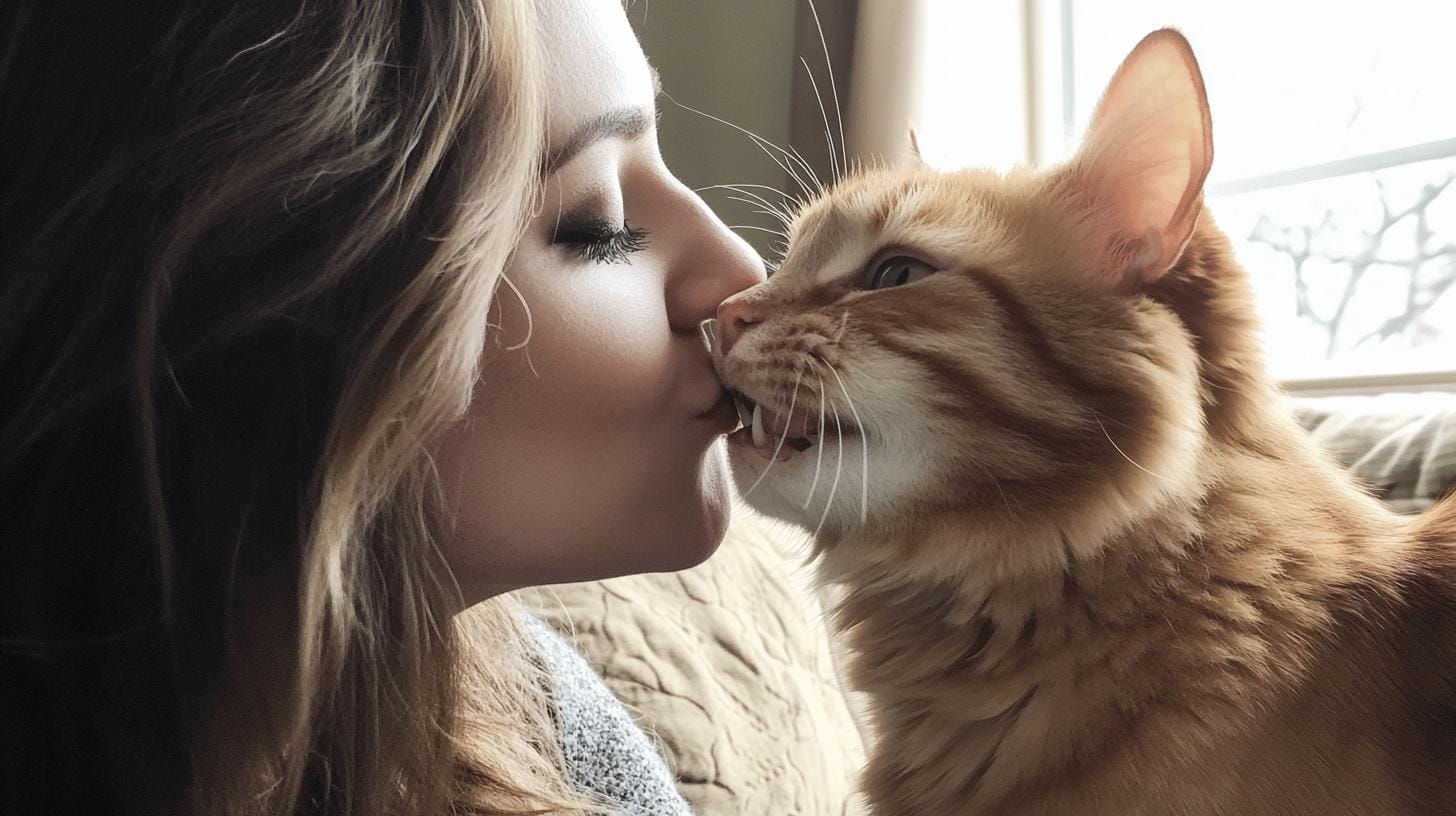
Did you know feeding fish bones to your cat could actually be dangerous? Many cat owners think it's natural, but fish bones, raw or cooked, pose major risks. They can get stuck in a cat's mouth or throat or even cause digestive trouble. In this post, we'll dive into why fish bones are unsafe for your furry friend.
We'll cover the potential dangers and provide safety tips to help you make the best choices for your cat's diet. Your cat's health and safety should always come first. Let's explore safer alternatives together.
Can Cats Safely Eat Fish Bones?
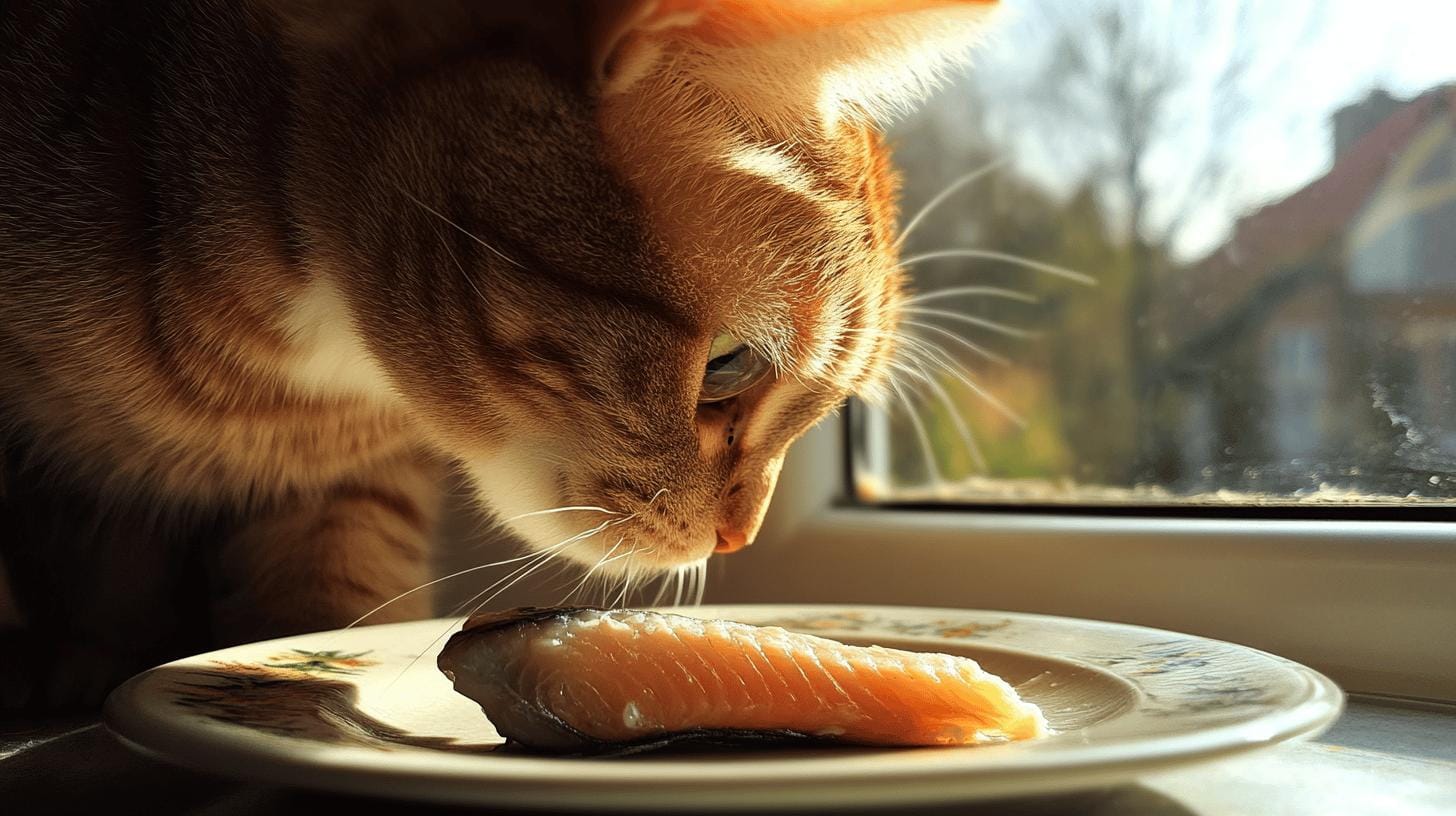
No, cats should not eat fish bones. Both raw and cooked fish bones present significant risks. They can easily become lodged in a cat's mouth, throat, or digestive tract, leading to serious health issues. It's crucial to avoid feeding fish bones to your feline friend to prevent these potential dangers.
Here are some specific dangers fish bones pose to cats:
- Choking hazards
- Digestive tract blockages
- Internal injuries
- Splintering and perforation risks
- Potential need for surgical intervention
Veterinarians strongly advise against feeding cats fish bones due to these risks. The small and brittle nature of fish bones can lead to emergencies that may require immediate medical attention. Instead, consider offering deboned fish or fish-flavored cat food that is formulated for their safety and nutritional needs. Always prioritize your cat's health by choosing safer food options.
Nutritional Benefits and Alternatives to Fish Bones in Cat Diets
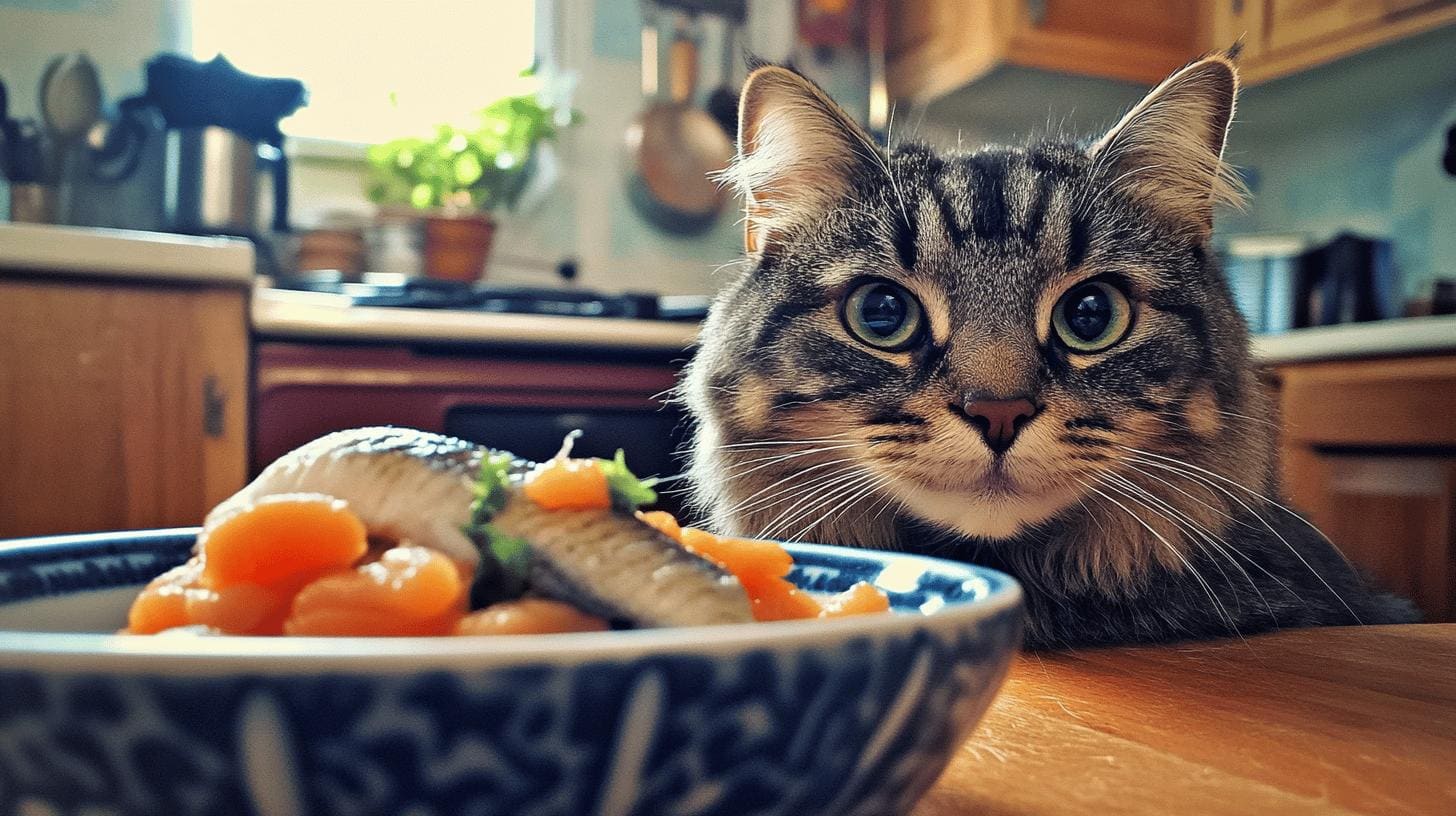
Fish can be a fantastic addition to a cat's diet when prepared properly. It's packed with omega-3 fatty acids, vitamin B12, and protein, which are all beneficial for cats. These nutrients support a healthy coat, boost the immune system, and aid in muscle development.
But it's crucial to avoid raw fish due to the risks of parasites and bacteria. Opt for cooked fish, ensuring it's free of bones to prevent any choking hazards. Fish-flavored cat food is also a safe option, as it's specifically made without bones and balanced for feline nutrition.
| Nutritional Benefit | Fish Type |
|---|---|
| Omega-3 fatty acids | Sardines |
| Vitamin B12 | Salmon |
| Protein | Tuna |
| Iron | Octopus |
| Zinc | Trout |
Here are some safe fish types to consider for your cat:
- Salmon
- Trout
- Sardines
While fish provides essential nutrients, it's important to maintain a balanced diet for your cat. Fish should be a treat rather than a mainstay, with other meats like chicken or lamb forming the basis of their meals. Always moderate the amount of fish to avoid an imbalance in their diet. Boneless and cooked fish are the safest options, ensuring your cat enjoys the benefits without the risks associated with fish bones.
How to Safely Prepare Fish for Your Cat
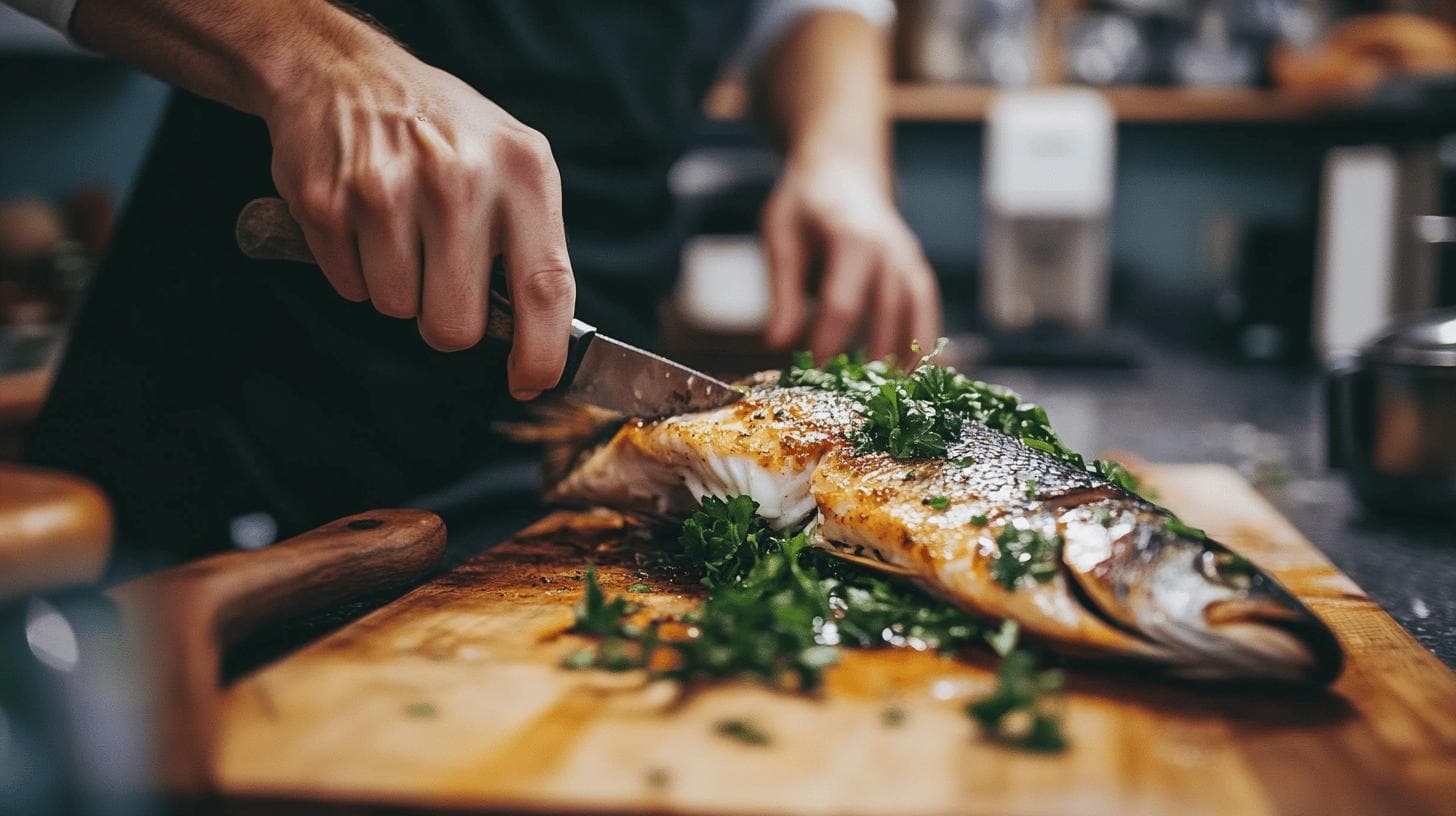
Cooking techniques can make a big difference in how safe and healthy fish is for your cat. Baking, grilling, or boiling are excellent methods to ensure all harmful bacteria and parasites are eliminated. These methods allow you to prepare fish without adding any seasonings that might be harmful to your cat. When it comes to choosing the type of fish, opt for safer options like sardines, salmon, or mackerel. These fish are not only tasty but also packed with beneficial nutrients for your cat.
Here are the steps to properly prepare fish for your cat:
- Choose sardines, salmon, or mackerel, which are rich in omega-3 fatty acids.
- Thoroughly debone any fish you select to prevent choking.
- Bake, grill, or boil fish without adding seasonings or oils.
- Drain any canned fish to remove excess liquid.
- Serve fish in small portions and only occasionally.
Feeding fish in moderation is key. Too much fish can lead to nutritional imbalances, so it's best to serve it as a special treat rather than a regular meal. Pay attention to portion sizes—small portions are sufficient for your feline friend. Monitor your cat when introducing fish to their diet to watch for any adverse reactions. By focusing on safe preparation and portion control, you can ensure your cat enjoys their fishy treat without any health risks.