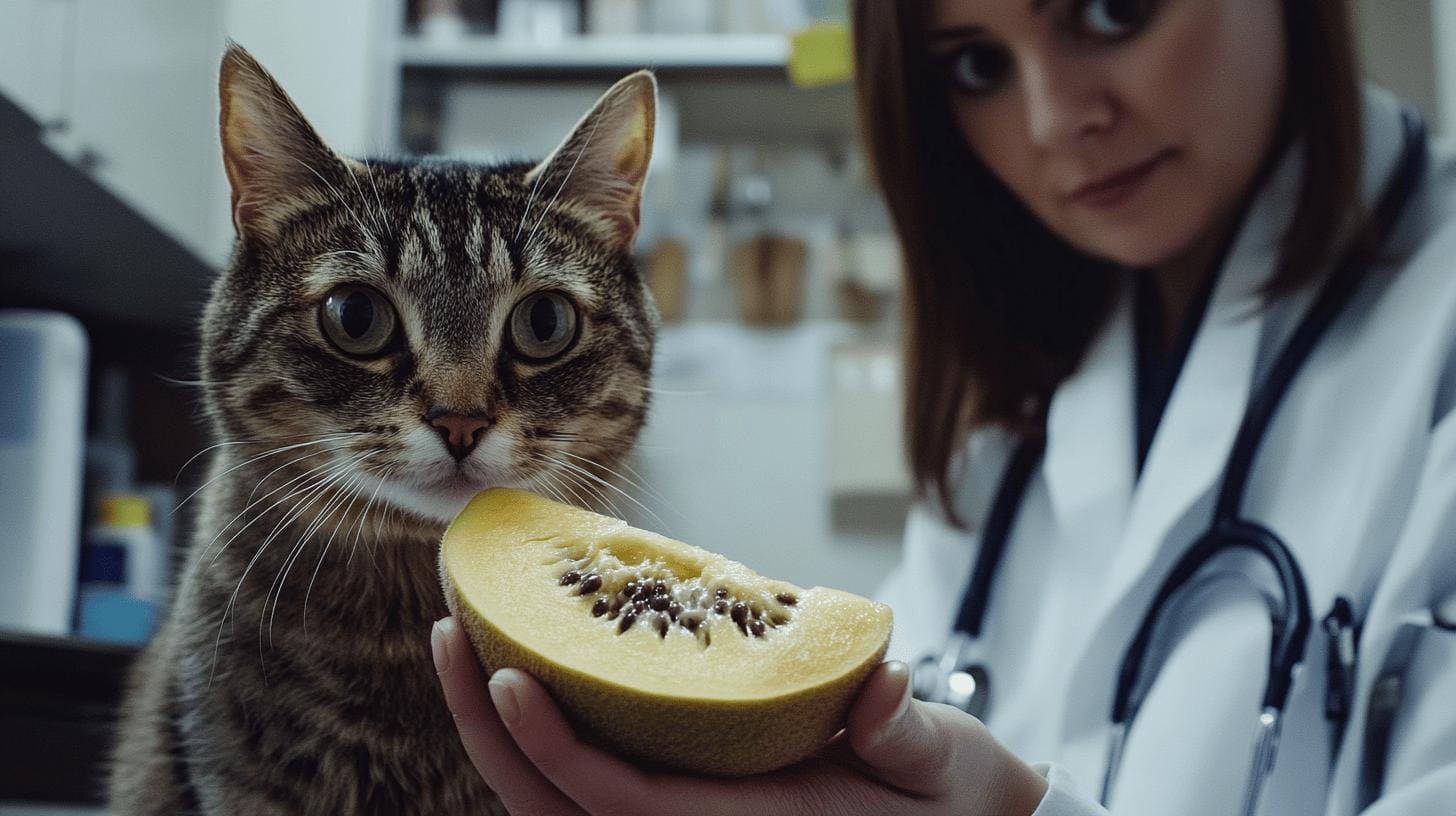
Can your curious feline enjoy a bite of guava, or is it a risky treat? While guava seems like a healthy snack, it's essential to tread carefully. Cats are obligate carnivores, and their diets differ greatly from ours. Though guava isn't toxic, it contains compounds that may upset your cat's stomach if they overindulge.
We'll dive into the risks and benefits of guava for cats, helping you navigate the line between a tasty nibble and potential health concerns. Consulting with a vet can ensure a safe treat for your feline friend.
Can Cats Safely Eat Guava? Understanding Risks and Recommendations
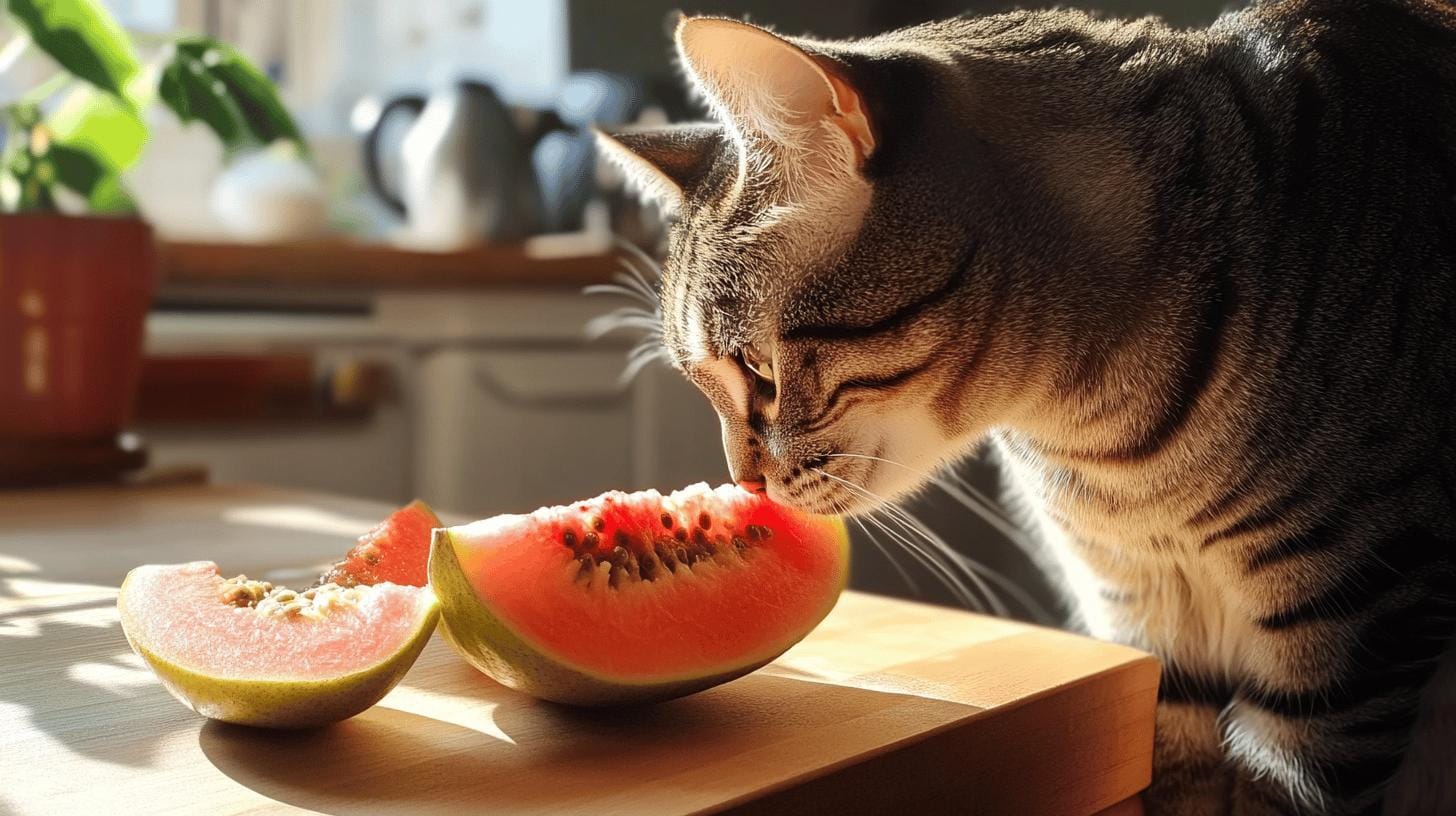
Guava and cats can coexist, but with caution. Guava is generally non-toxic to cats, making it safe for consumption in small quantities. However, moderation is crucial. Guava contains psoralen, a compound that can lead to stomach upset and diarrhea if consumed excessively.
Additionally, the fruit's sugar content poses a risk, as cats are obligate carnivores. Their bodies aren't designed to process large amounts of sugar, which could result in gastrointestinal upset.
Before you introduce guava into your cat's diet, consulting a veterinarian is essential. This is particularly important if your cat has existing medical conditions or is on medication. Certain medications might interact with specific foods, posing potential health risks.
A vet can provide guidance on whether guava is an appropriate treat for your cat, considering its overall health and dietary needs.
Overconsumption of guava can cause significant health issues in cats. The excessive intake of sugar can lead to gastrointestinal problems such as diarrhea and vomiting. Furthermore, cats are not naturally inclined to digest fruits, and large amounts can disrupt their dietary balance. Moderation is the key to safely offering guava as an occasional treat rather than a regular part of your cat's meals.
- Feed guava in moderation to avoid health risks.
- Ensure guavas are fresh and ripe; avoid overripe ones.
- Monitor for symptoms like diarrhea and vomiting.
- Watch for signs of lethargy and appetite loss.
- Be alert to unusual behavior after eating guava.
- Remove seeds and skin before serving to prevent choking.
- Always consult a veterinarian before introducing new foods.
Nutritional Value and Benefits of Guava for Cats
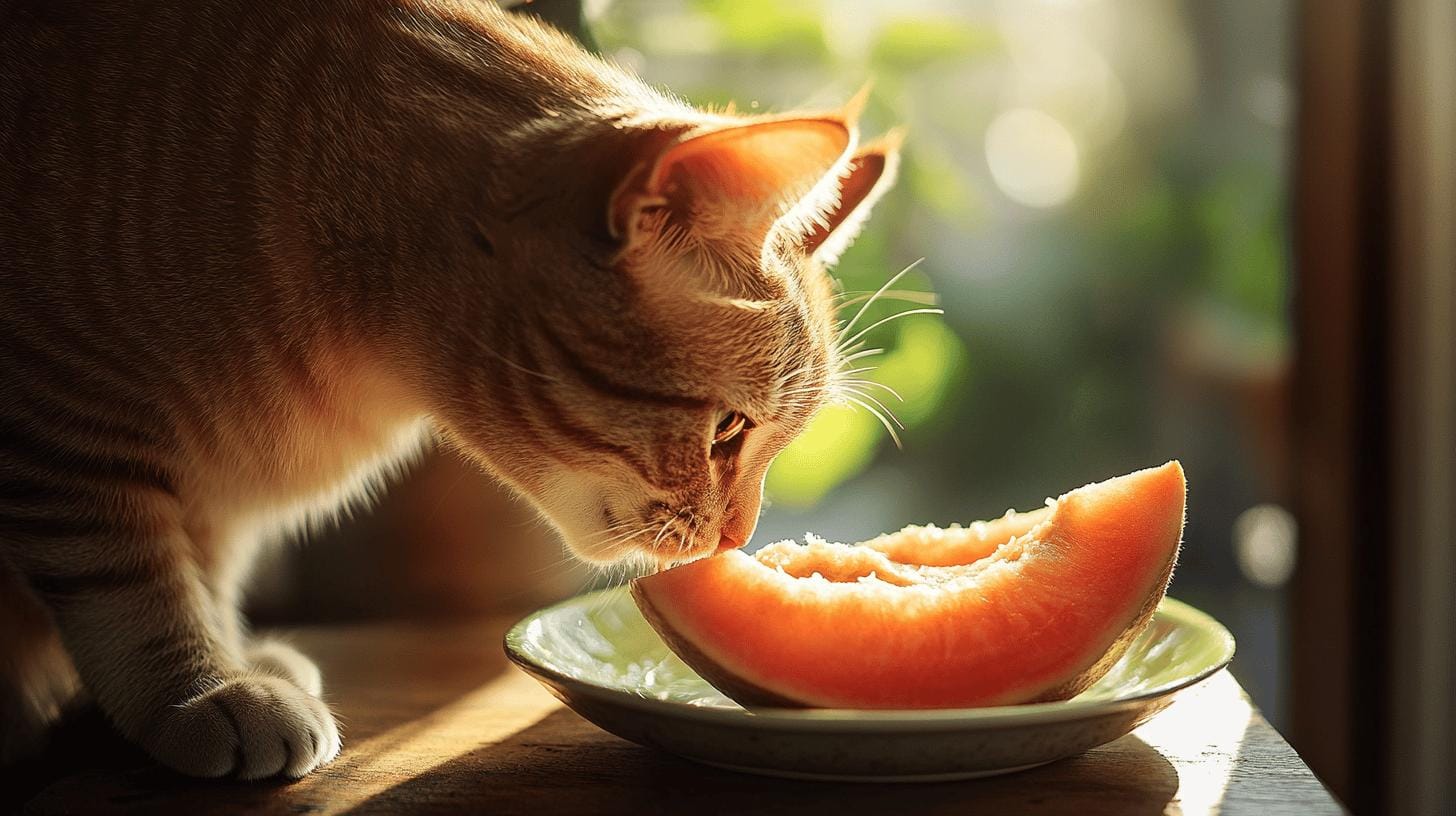
Guava is packed with nutrients that can offer some benefits to cats. This tropical fruit contains a good amount of vitamins A and C, both of which are known for their antioxidant properties. Vitamin A is crucial for maintaining healthy vision and immune function, while vitamin C supports the body's ability to repair tissues and boosts the immune system. Additionally, guava is rich in essential fatty acids, which are beneficial for skin and coat health.
The benefits of guava extend beyond just vitamins. The presence of lycopene, a powerful antioxidant, can help neutralize harmful free radicals in a cat's body. Pectin, a soluble fiber found in guava, may aid in digestive health by alleviating minor cases of diarrhea. Potassium is another beneficial nutrient in guava that helps maintain proper fluid levels within the cells, contributing to overall cellular function.
Despite these advantages, it's important to remember that cats are obligate carnivores. This means their primary dietary needs are met through animal proteins, and they do not require fruits like guava for a balanced diet. While the nutrients in guava can be beneficial, they are not necessary for a cat's health. Offering guava should be considered an occasional treat rather than a dietary staple.
| Nutrient | Potential Benefit |
|---|---|
| Vitamin A | Supports vision and immune function |
| Vitamin C | Enhances immune system and tissue repair |
| Lycopene | Neutralizes free radicals |
| Potassium | Maintains fluid balance in cells |