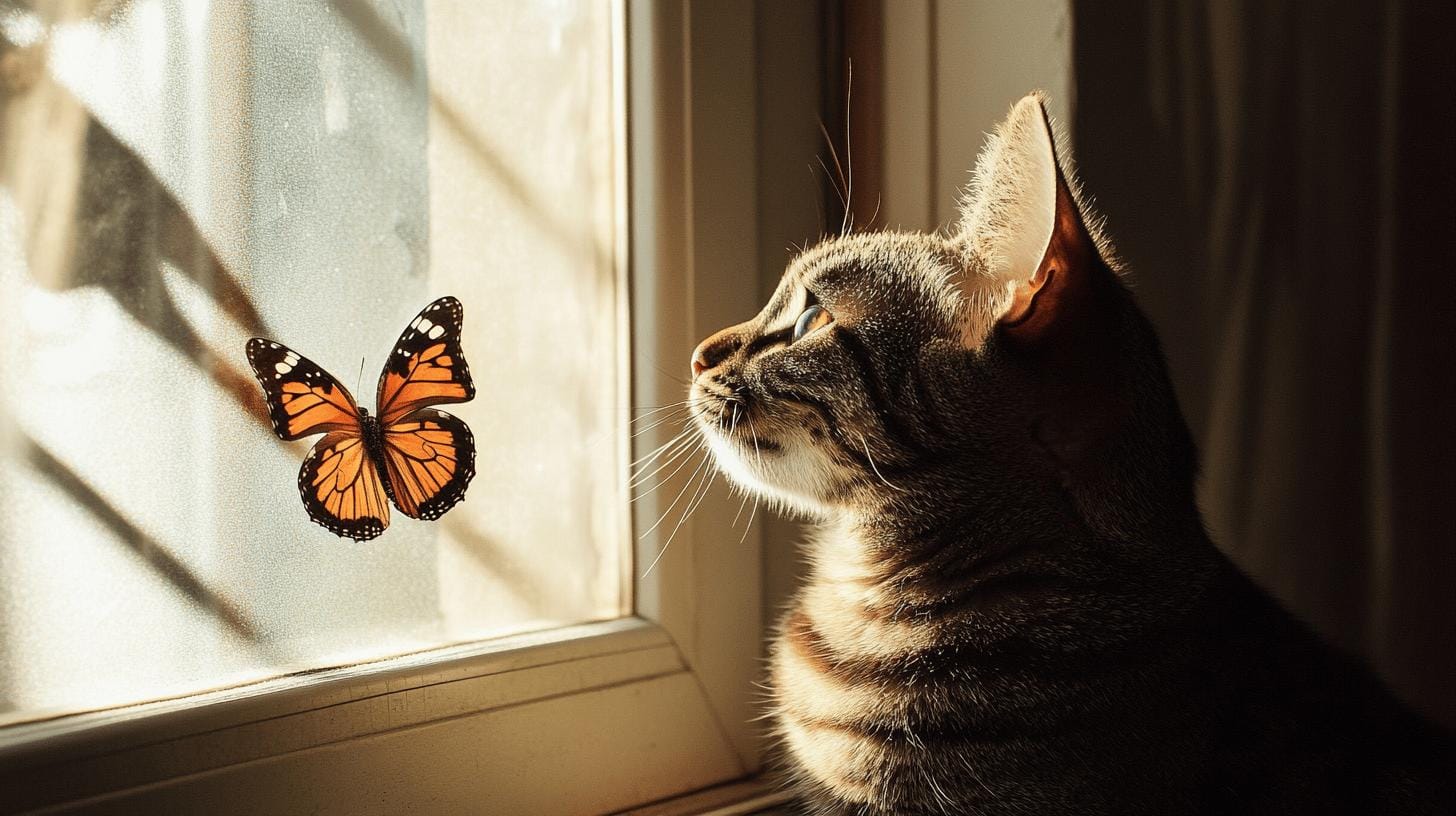
Is your curious cat munching on ants, and should you be worried? Cats often explore their world with their mouths, leading them to sometimes chomp on these tiny critters. While most ants are generally harmless, some types can pose risks.
In this blog post, we'll dive into whether your furry friend is safe from these crawling invaders, explore the nutritional value (or lack thereof) of ants, and highlight the potential dangers. Stick around to ensure you're well-informed about what could be creeping through your cat's diet!
Can Cats Safely Consume Ants?
![Can Cats Safely Consume Ants [Merged and Updated]-1.jpg](https://cdn.shortpixel.ai/client/to_auto,q_glossy,ret_img/https://cms.titanclaws.com/wp-content/uploads/2026/04/Can-Cats-Safely-Consume-Ants-Merged-and-Updated-1.jpg)
Cats can safely eat ants since they are not toxic. Common household ants are generally harmless to cats, posing no significant health risks. Cats often encounter these ants while exploring their environment, and their natural curiosity can lead to the occasional ant snack. While it's normal for cats to eat ants, it's important to understand the different types of ants and any potential risks.
Certain types of ants, like fire ants, pose more of a threat to cats. Fire ants are known for their aggressive behavior and painful stings. If a cat encounters fire ants, multiple stings could cause discomfort and stress. In rare cases, a cat could experience an allergic reaction, which might require immediate veterinary attention. It's essential for cat owners to be vigilant about the type of ants in their environment to prevent any harmful encounters.
Ants do contain small amounts of protein and nutrients, but these are negligible in terms of a cat's diet. Cats are obligate carnivores, meaning they require a diet primarily composed of meat. The nutrients found in ants are not sufficient to provide any real dietary benefits. While the occasional ant snack won't harm your cat, it shouldn't be considered a valuable or necessary part of their nutrition.
One of the primary risks associated with cats eating ants is potential exposure to pesticides or other chemicals. Ants can sometimes carry these substances, which can be harmful if ingested by your cat. To keep your cat safe, ensure that any ants they might come across are not exposed to toxic chemicals. Regularly check areas where ants are present and avoid using harmful substances in those spaces.
Here’s a quick reference to the risk levels of different types of ants:
| Type of Ant | Risk Level to Cats |
|---|---|
| Common Household Ants | Low |
| Fire Ants | High |
| Carpenter Ants | Moderate (due to potential bites) |
| Ants Exposed to Pesticides | High |
Understanding Cats' Attraction to Ants
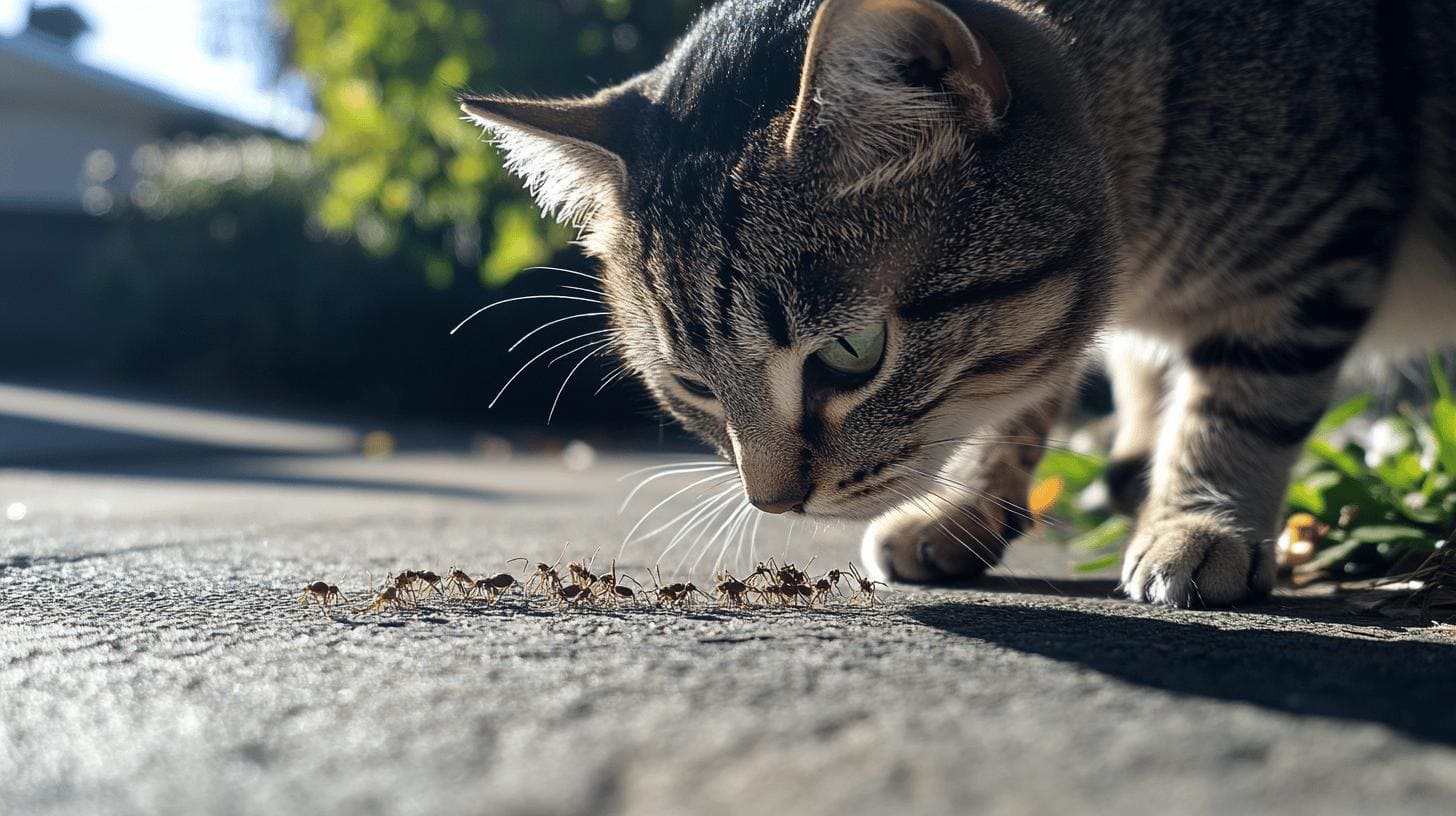
Cats are naturally drawn to movement, which is why ants captivate their attention. The scurrying and unpredictable paths of ants can trigger a cat's innate hunting instincts. This is similar to how cats react to toys or laser pointers; the movement invites them to stalk and pounce. Watching a cat watch an ant can be amusing, as their focus sharpens and they prepare to engage in a little chase.
Beyond the movement, ants might also appeal to cats because of their taste. Ants contain formic acid, which can give them a tangy flavor. Some cats might find this taste intriguing, adding another layer of attraction. While they aren't seeking a meal, the novel taste might encourage a curious cat to sample an ant or two.
Cats often engage in playful behavior with ants, batting at them with their paws or watching intently as the ants move about. This behavior is more about curiosity and entertainment than nutrition. Many cats find the activity of playing with ants as a form of mental stimulation, providing a break from their usual routine. This play is usually harmless, though it might result in a few ants being consumed during the antics.
Here are some reasons why cats might be interested in ants:
- Movement triggers their hunting instincts.
- Ants offer a novel taste due to formic acid.
- Playful curiosity leads to interaction.
- Mental stimulation from observing and engaging with ants.
- Natural instinct to explore and investigate small creatures.
Preventing Ants from Infesting Cat Food
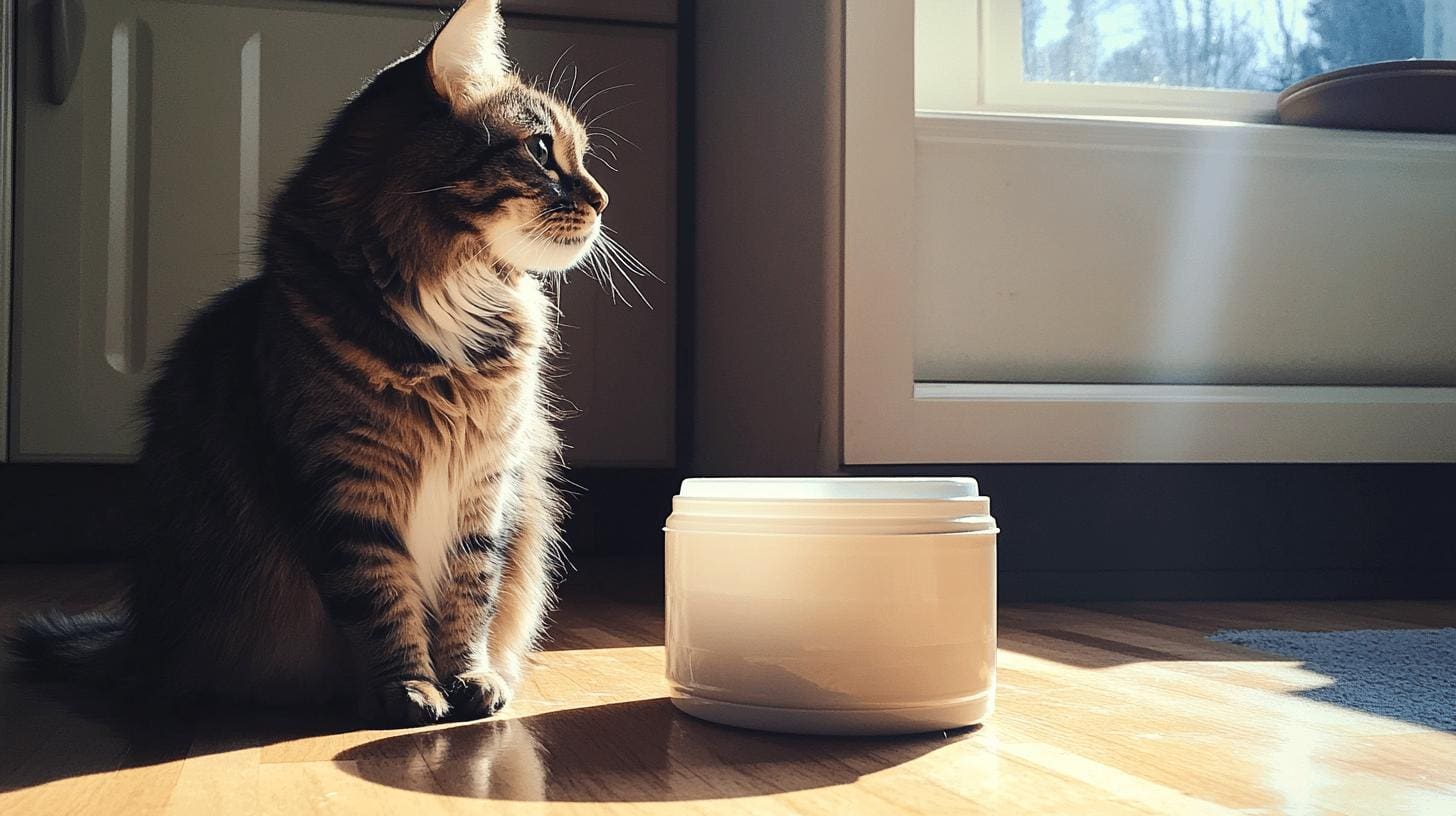
Maintaining a clean feeding area is crucial to prevent ants from getting into your cat's food. Ants are attracted to food crumbs and spills, making it important to clean up promptly after your cat eats. Regularly wash your cat's food and water bowls to remove any food residues that might attract ants.
Keeping the surrounding area clean and dry can also deter ants from making their way to your cat's dining space. A tidy feeding area not only helps in keeping ants at bay but also contributes to your pet's overall health and hygiene.
Ants exposed to insecticides or other chemicals can pose a significant risk if ingested by your cat. These chemicals are often used to control pest populations but can be harmful if transferred to your pet's food. It's important to be cautious about using chemical treatments in areas where your cat eats or plays.
Instead, opt for pet-safe ant deterrents that don't introduce toxins into your cat's environment. Being vigilant about the products you use can prevent accidental ingestion of harmful substances by your furry friend.
Here are some steps to keep ants away from your cat's food:
- Regularly clean the feeding area and remove any food particles.
- Use sealed containers to store cat food.
- Elevate food bowls to make it harder for ants to reach.
- Create a barrier around the feeding area with pet-safe ant deterrents.
- Inspect the area for ant trails and clean them with vinegar or dish soap.
- Avoid using insecticides near your cat's food and play areas.