“Can my cat munch on hamburger meat?” It's a question that might surprise pet owners. With hamburger meat being delicious for humans, it's tempting to share it with our feline friends. But before you do, let's dive into what you need to know about safely feeding your cat hamburger. While beef is a protein-rich treat that can fit into their diet, cats need more than just a tasty snack to stay healthy. In this blog, we'll explore the do's and don'ts, making sure your kitty enjoys hamburgers without a hitch.
Can Cats Eat Hamburger Meat? Comprehensive Safety and Feeding Guide
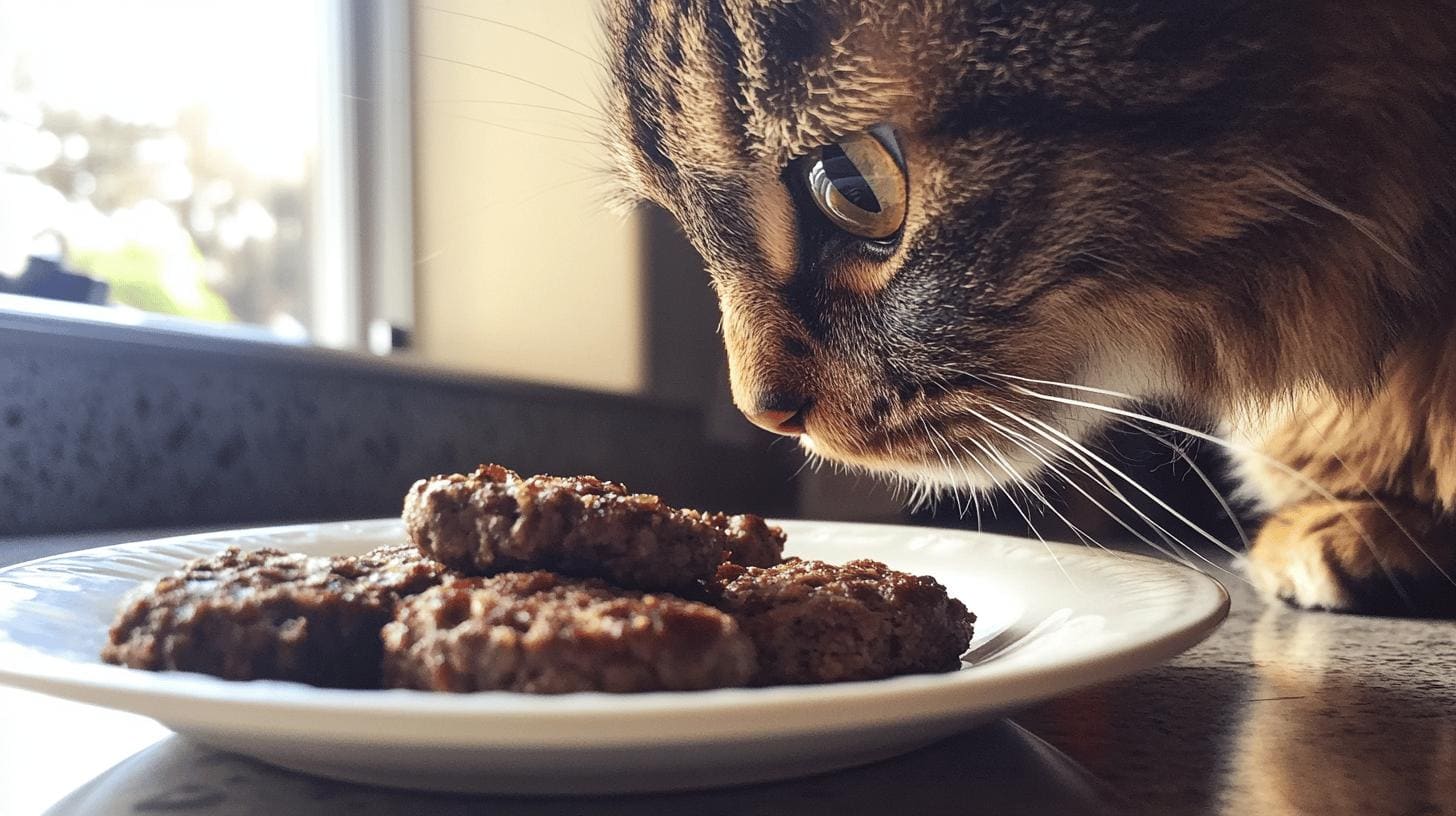
Hamburger meat, when properly prepared, can be a safe treat for cats. Beef, the primary component of hamburger meat, is generally safe for cats to consume in moderation. It's rich in protein and can contribute to a cat's dietary needs. However, it's important to remember that beef should not be a primary component of their diet. Cats are obligate carnivores, requiring a balanced intake of various nutrients. Feeding hamburger meat should be done carefully to avoid potential health issues.
When considering hamburger meat for cats, it's crucial to take necessary precautions. First, always ensure that the meat is cooked thoroughly to eliminate harmful bacteria. Avoid adding any seasonings or ingredients like onion and garlic, which are toxic to cats. Processed and packaged burgers should be avoided due to the potential inclusion of harmful additives and preservatives. Additionally, cheese should be excluded from a cat's burger due to many cats being lactose-intolerant.
Potential risks or harmful ingredients to avoid:
- Onions and garlic: Toxic to cats and can cause serious health issues.
- Processed additives: Found in packaged burgers and can be harmful.
- Excessive fat: High-fat content can lead to obesity and other health problems.
- Salt and seasonings: Can upset a cat's stomach and lead to dehydration.
- Cheese: Most cats are lactose-intolerant, and cheese offers little nutritional benefit.
For safe feeding practices, it's recommended to serve hamburger meat in moderation. Cats can enjoy this treat occasionally, but it should not replace their regular meals. Ensure the meat is plain, without any additional ingredients that could harm your cat. Introduce hamburger meat slowly to observe any adverse reactions or allergies. Monitor portion sizes to prevent overconsumption, which can lead to health issues.
Recommendations for safe feeding practices:
- Cook thoroughly: Ensure meat is well-cooked to kill bacteria.
- Avoid seasonings: Serve meat plain without any added spices.
- Limit frequency: Offer as an occasional treat, not a staple diet component.
- Watch portion sizes: Keep servings small to prevent weight gain.
- Monitor after feeding: Observe for any signs of allergies or digestive issues.
Monitoring your cat's reaction to hamburger meat is key to ensuring its safety. Start with small portions and watch for any signs of stomach upset or allergic reactions, such as vomiting or diarrhea. If any adverse symptoms occur, stop feeding hamburger meat immediately and consult a veterinarian. Maintaining a balanced diet is vital for your cat's health, and while hamburger meat can be part of their treat repertoire, it should be fed thoughtfully and sparingly.
Nutritional Impact and Preparation of Hamburger for Cats
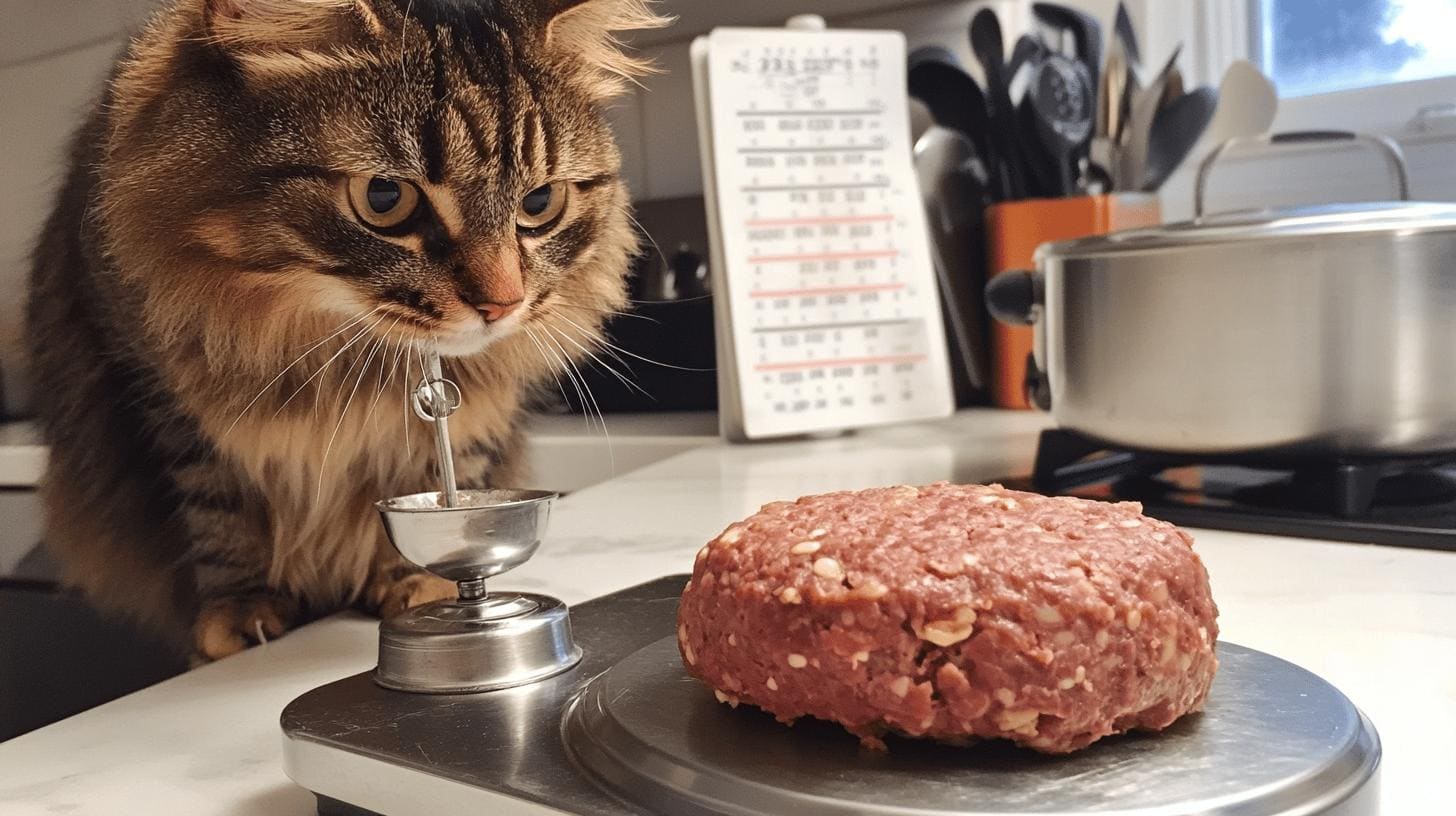
Comparing raw and cooked hamburger meat reveals some unique insights. Raw hamburger offers more moisture, which can be beneficial for a cat's hydration. However, it carries significant risks such as parasites, bacteria, and food poisoning. These risks can be harmful to cats, making raw meat a less safe option. Cooking hamburger meat reduces these dangers by eliminating pathogens, making it a safer choice for our feline friends.
To safely prepare hamburger meat for cats, cook it thoroughly to kill bacteria and parasites. Avoid adding any seasonings or ingredients that could be toxic to cats, like onions or garlic. Serving plain, cooked hamburger meat as an occasional treat can provide a tasty and nutritious option without replacing a balanced diet. Monitoring portion sizes and frequency helps ensure that benefits are enjoyed without the risks of overconsumption.