Can cats savor imitation crab as a treat, or is it a perilous snack you should steer clear of? Many cat lovers wonder if this seafood substitute could be a harmless delight. While imitation crab might look and taste like the real thing, its ingredient list tells a different story. High sodium, artificial additives, and processed starches could spell trouble for your feline friend. Dive into this article to uncover the truth about feeding imitation crab to your cat and whether it poses a risk to their health.
Can Cats Safely Consume Imitation Crab?
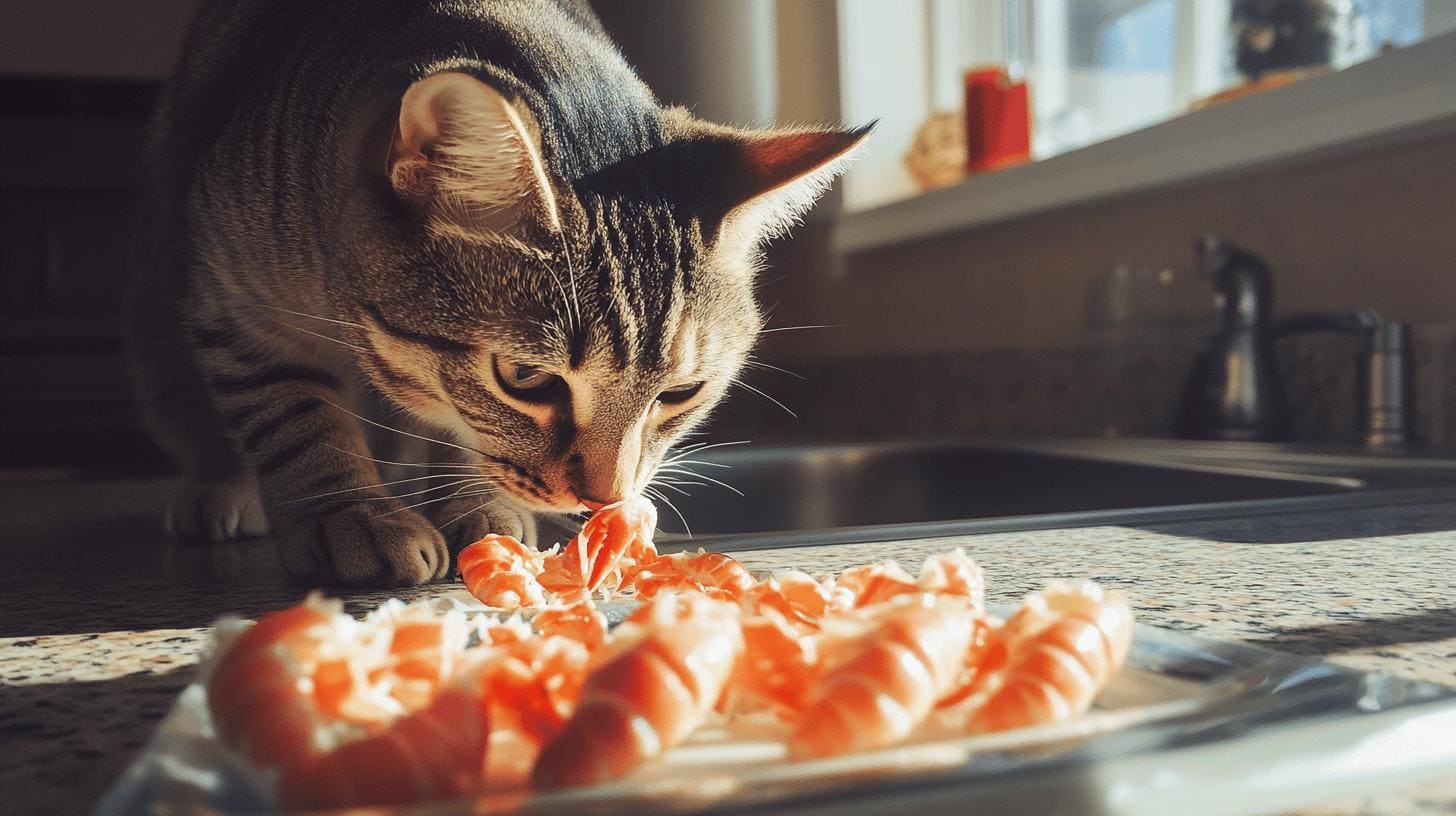
Imitation crab is a seafood product designed to mimic the taste and texture of real crab meat. It's primarily made from surimi, which is processed fish paste often derived from Alaskan pollock. To create the familiar taste, manufacturers add starch, flavorings, and artificial colors. The process also involves preservatives to extend shelf life, resulting in a product that looks like crab but is quite different nutritionally. This creation is notably high in sodium, which can be problematic for cats.
When considering imitation crab safety for cats, the health risks primarily stem from its ingredient profile. High sodium content can lead to dehydration and strain a cat’s kidneys, raising the risk of kidney disease over time. The starch in imitation crab can elevate blood sugar levels, potentially contributing to obesity and diabetes in cats. Carbohydrates are not a natural part of a feline diet, making these ingredients unsuitable for regular consumption.
Key Additives and Their Effects:
- Artificial Colors: May cause allergic reactions, including skin irritations.
- Preservatives: Linked to digestive issues and potential long-term health concerns.
- Flavor Enhancers: Can lead to dependency or dietary preferences that exclude healthier foods.
- High Sodium Levels: Risk of hypertension and kidney damage.
- Thiaminase: Can break down essential nutrients like thiamine, leading to deficiencies.
Cats consuming imitation crab might experience seafood allergies, which manifest as vomiting, diarrhea, or skin issues. Long-term intake of additives and high sodium can lead to more severe health implications, such as chronic kidney disease or heart problems. Allergic reactions might not be immediate but could develop over time with continued exposure to the triggers in imitation crab.
From a nutritional standpoint, imitation crab lacks the essential nutrients cats need, such as omega-3 fatty acids and taurine. These are vital for maintaining a healthy heart, vision, and immune system in felines. Given these deficiencies, imitation crab should not be a regular part of a cat's diet. While a small nibble might not be harmful, it’s crucial to prioritize a diet that meets all the nutritional needs of a cat over indulging them in imitation crab treats.
Safe and Healthy Alternatives to Imitation Crab for Cats
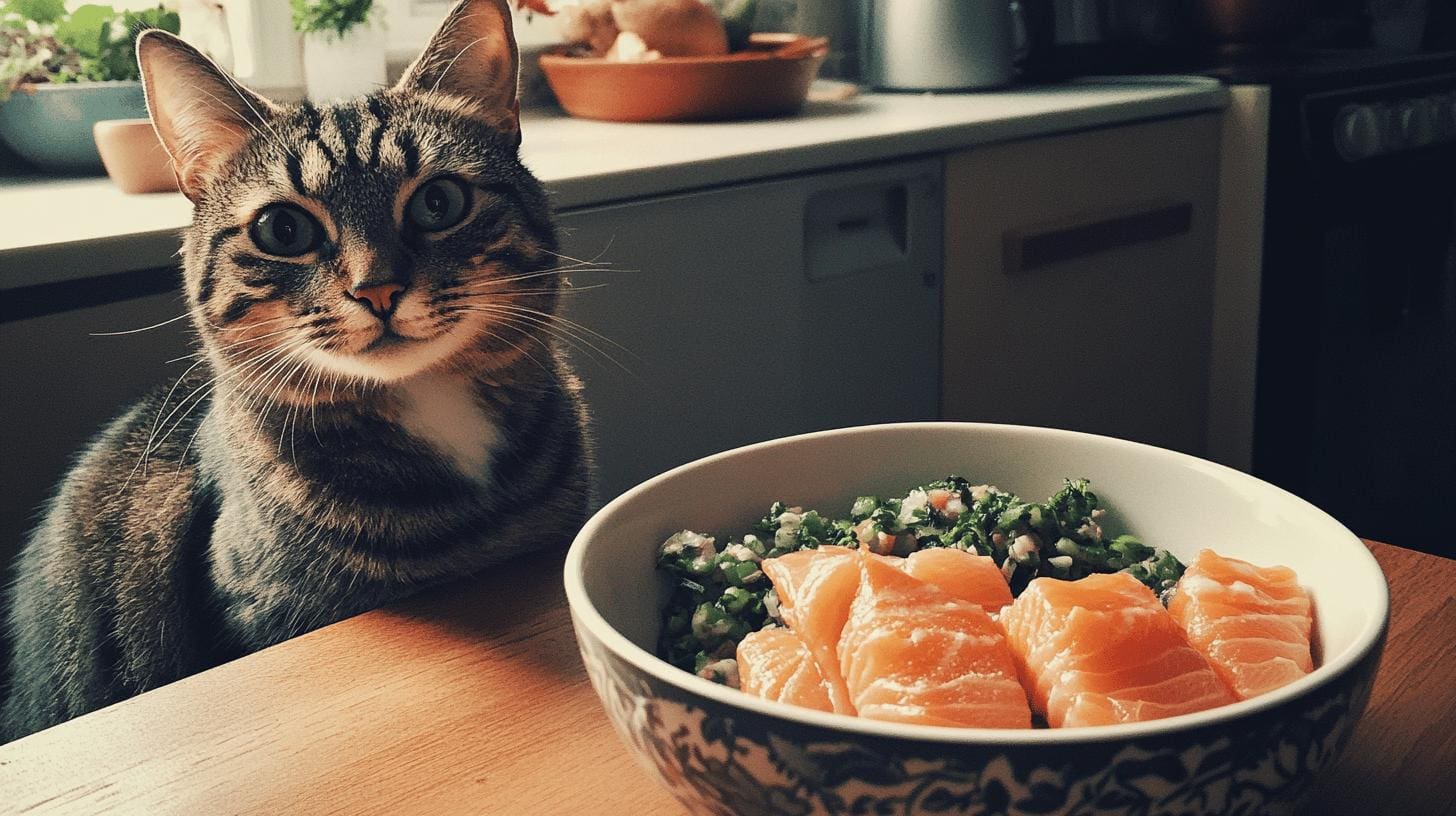
Cats thrive on high-protein diets, as their bodies are designed to process animal protein efficiently. Unlike imitation crab, which lacks essential nutrients, real protein sources provide the necessary building blocks for a cat's health. Proteins like chicken, turkey, and fish offer amino acids such as taurine, which are critical for heart and eye health. These foods also supply omega-3 fatty acids, promoting a shiny coat and supporting brain function. By focusing on high-quality protein, we can maintain our cats' overall well-being and vitality.
Recommended Alternative Foods:
- Cooked Chicken: A lean and easily digestible protein source.
- Cooked Turkey: Similar to chicken, offering a variety of nutrients.
- Cooked Salmon: Rich in omega-3 fatty acids, great for skin and coat health.
- Cooked Shrimp: A tasty treat that provides protein without additives.
- Tuna: Occasionally, in moderation, for its high protein content.
- Freeze-Dried Chicken Treats: Convenient and nutritious snacks.
Introducing these alternatives into a cat's diet should be done gradually. Begin by mixing small amounts of the new food with their regular diet to monitor any reactions. This gradual approach helps prevent digestive issues and allows cats to adjust to the new tastes and textures. Always ensure that any seafood is cooked and free of seasoning to avoid any harmful effects. Consulting with a veterinarian before making significant changes to a cat's diet is advisable to ensure that all nutritional needs are met safely.