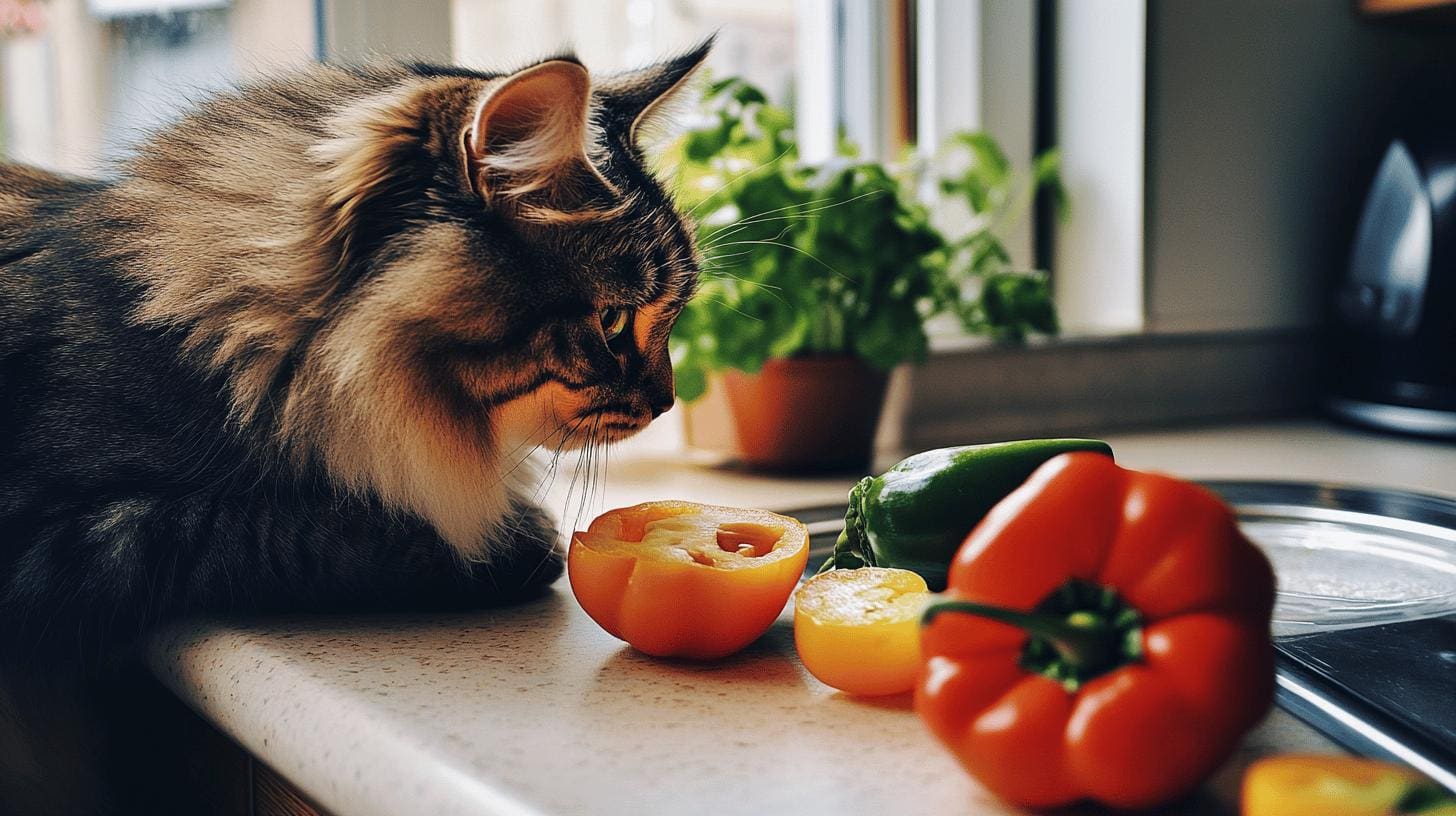
Are you letting your kitty nibble on jalapeños? It might seem harmless, but this spicy treat could lead to more than just a spicy surprise. Cats and jalapeños don't mix well, with ingredients that can irritate their mouth and cause tummy troubles. In this article, we'll explore why cats shouldn't snack on these fiery peppers and delve into the risks involved. Understanding these can help ensure a safe play and snacking environment for your feline friend. Let's dive into the nuts and bolts of jalapeños and your cat's health.
Can Cats Eat Jalapeno: Understanding the Risks
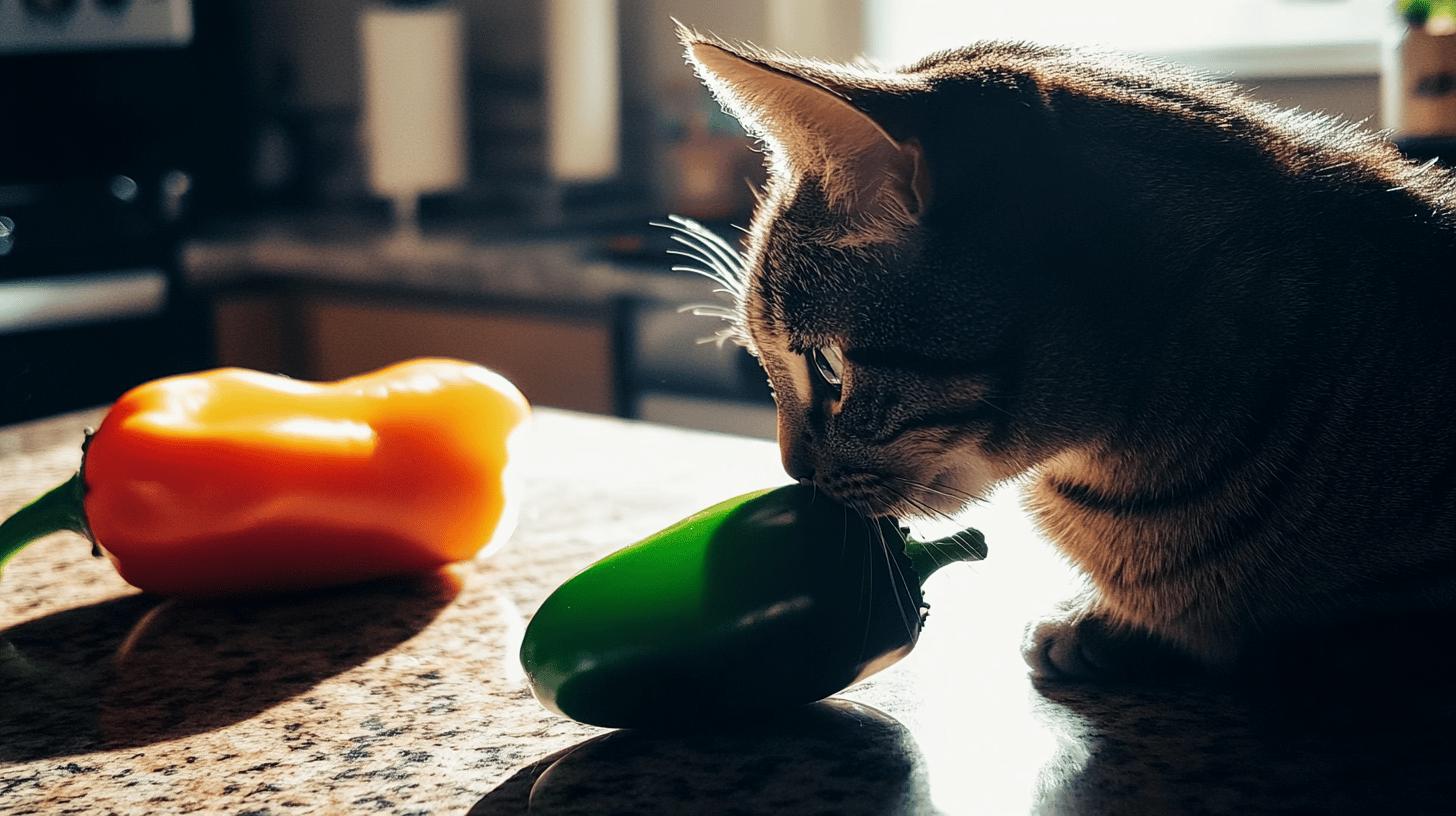
Cats and spicy foods are not a good match. Unlike us, cats don't have receptors to taste spiciness, which means they can't enjoy foods like jalapeños. When a cat encounters a spicy food, they don't taste it the way we do. Instead, the capsaicin in jalapeños interacts with pain receptors, leading to discomfort rather than any flavor enjoyment. While the spicy kick that jalapeños offer might be tempting for humans, our feline friends are indifferent. This lack of taste capability doesn't mean they're immune to the effects. In fact, the presence of capsaicin can lead to unpleasant sensations in a cat's mouth and nose.
Jalapeños are not toxic to cats, but they can be problematic. Even a small amount can cause significant oral and gastrointestinal irritation. The potential dangers of jalapeños for cats include discomfort in the mouth, excessive drooling, and even gastrointestinal issues like vomiting or diarrhea. Cats may also experience nausea and, in more severe cases, might have difficulty breathing or wheezing. Given these potential health risks, jalapeños are not recommended for cats. It's important to keep spicy foods out of reach to avoid any accidental ingestion and ensure your pet's comfort and safety.
Symptoms of Jalapeno Ingestion in Cats

When a cat ingests jalapeños, you might notice immediate physical signs like pawing at the mouth. This is the cat's way of trying to relieve the irritation from capsaicin, the compound that causes the spicy sensation. Excessive drooling is also common as the mouth reacts to the discomfort.
Behavioral changes can follow jalapeño ingestion. Cats might groom excessively, trying to remove capsaicin from their fur or mouth. This isn't just about cleanliness; it's a natural response to the irritation. Watch for persistent or frantic grooming, which can indicate ongoing discomfort.
- Oral irritation
- Gastrointestinal distress
- Nausea and vomiting
- Excessive drooling
- Eye irritation
In severe cases, symptoms may worsen, requiring veterinary attention. Gastrointestinal distress could lead to nausea, vomiting, or diarrhea. Difficulty breathing or wheezing are critical signs needing immediate care. These symptoms suggest that the irritation has spread beyond the mouth, possibly affecting the respiratory system, making veterinary intervention necessary to ensure your cat's safety.
What to Do if Your Cat Eats Jalapeno
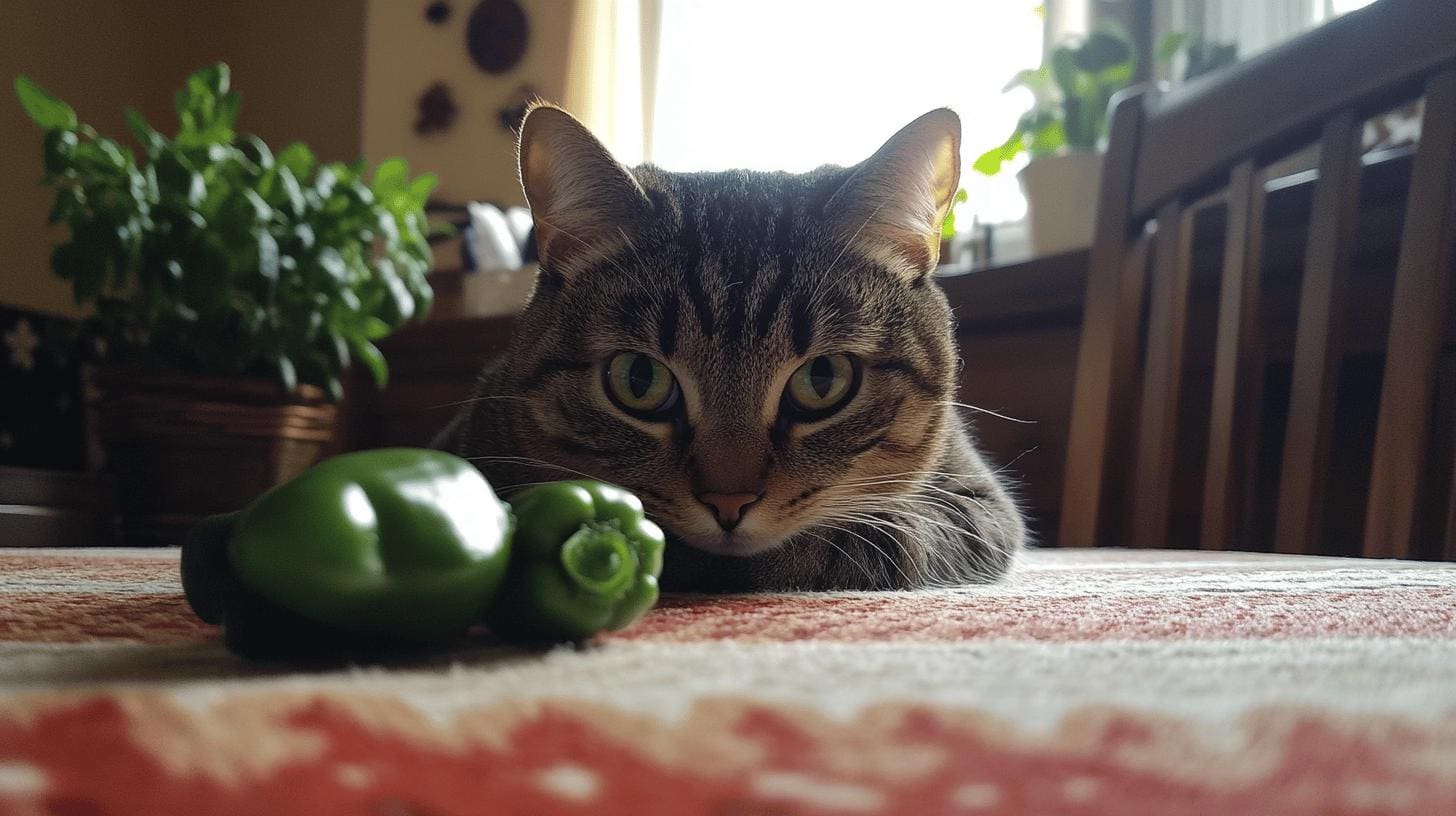
If your cat takes a bite of a jalapeño, start by keeping them calm and comfortable. Offer plenty of fresh water to help reduce any burning sensation. You can also try giving them a small amount of milk or yogurt to help coat their stomach and mitigate discomfort. It's important to remove any remaining jalapeño pieces to prevent further ingestion. Ensure your home is a quiet, stress-free environment to help your cat relax.
- Continuous vomiting
- Difficulty breathing
- Severe lethargy
- Inability to keep down food or fluids
If these symptoms appear, it's time for a vet visit. Expect the vet to assess your cat's condition through a physical exam and possibly run tests. They may provide fluids to prevent dehydration and prescribe medications to ease gastrointestinal issues. The vet will guide you on home care steps for your cat's recovery, focusing on managing symptoms and ensuring a return to normal health.