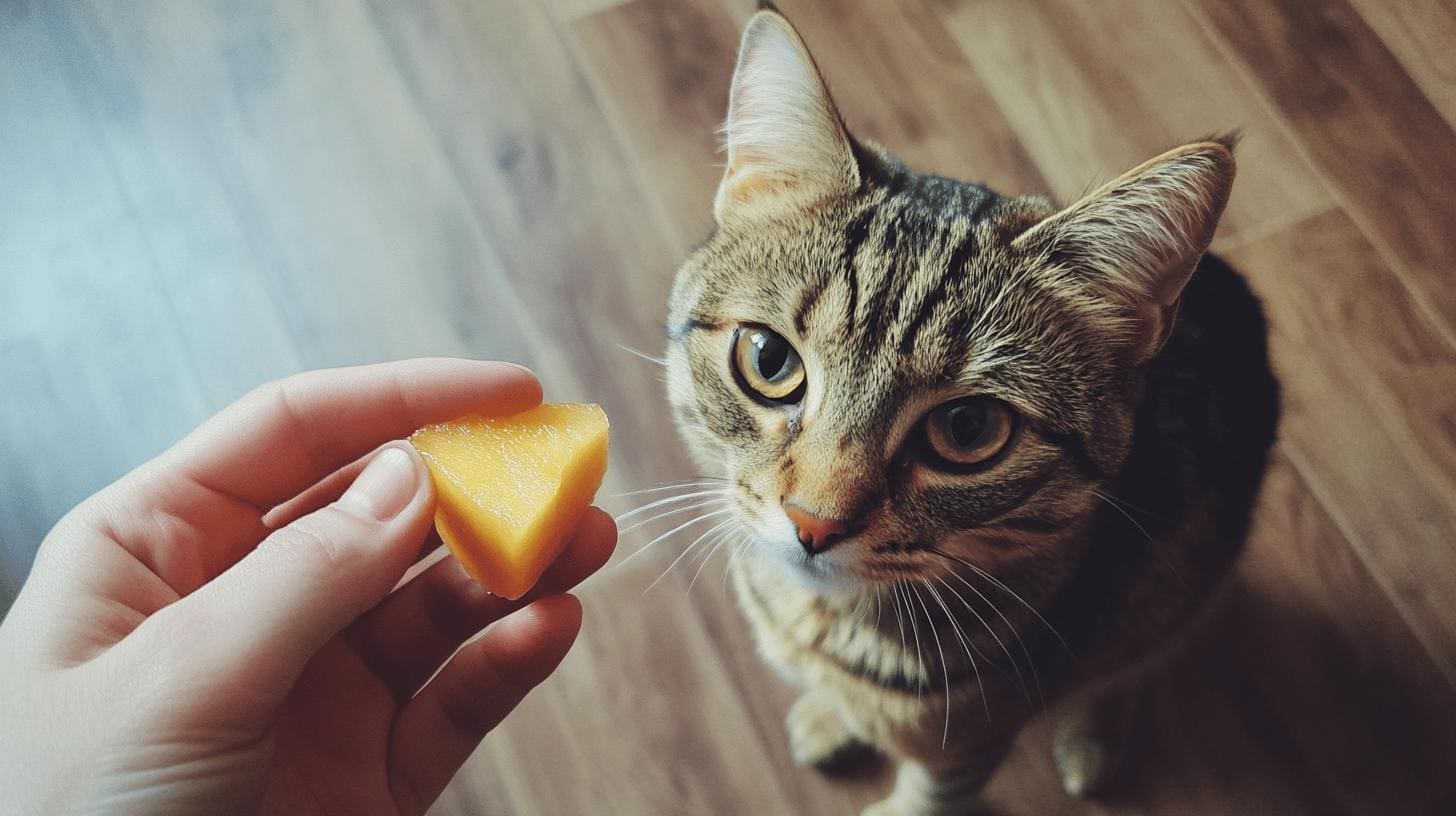
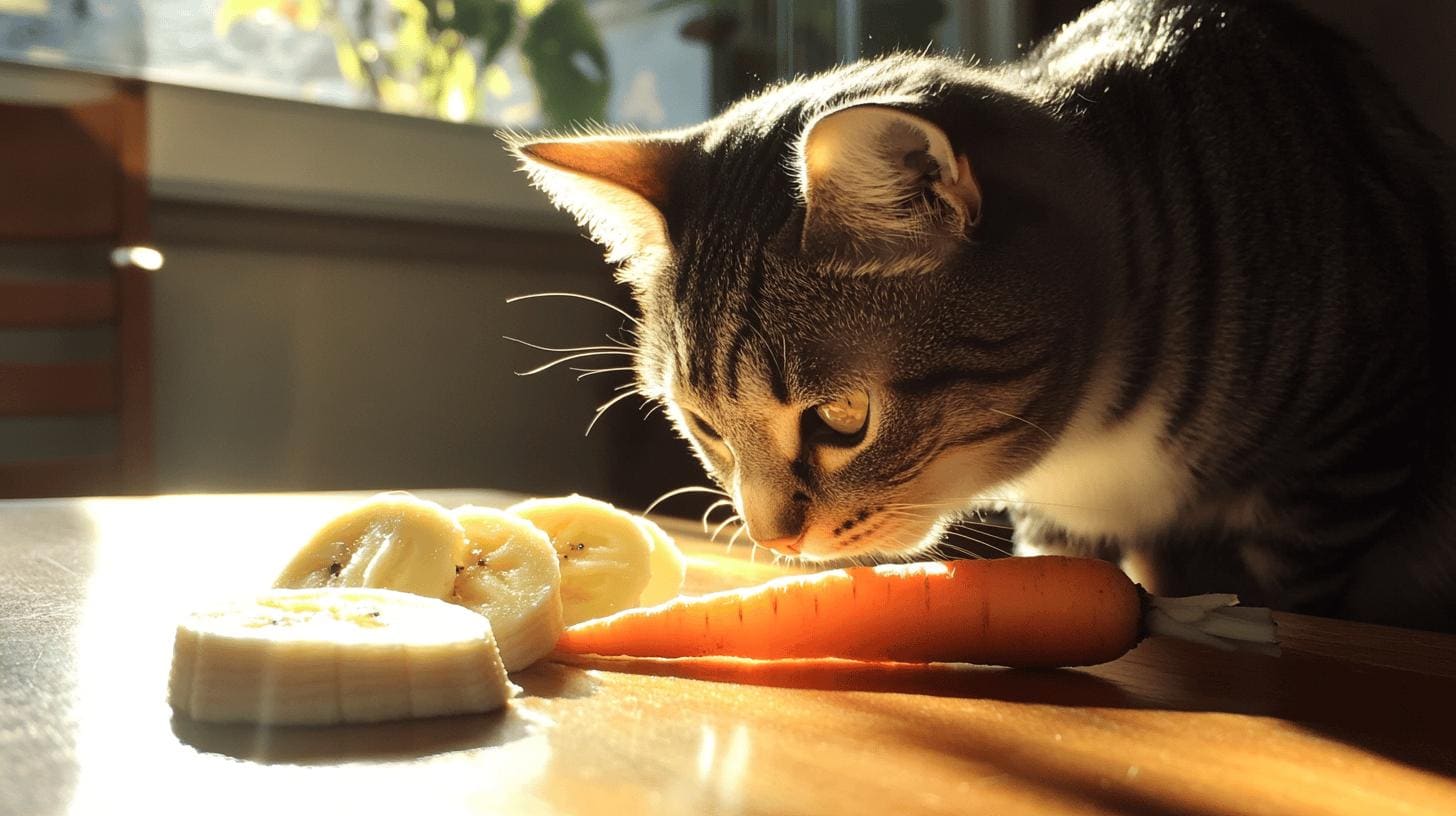
Have you ever wondered if your curious cat can safely munch on honeydew? While honeydew melon is a refreshing treat enjoyed by many, you might be surprised to learn it can be safe and even nutritious for our feline friends. As with any treat, there are a few important guidelines to follow to ensure safety. Let's explore how cats can enjoy honeydew without any harm and uncover the potential benefits that this sweet fruit offers to their diet. Your cat's health and happiness are always worth a little investigation!
Can Cats Eat Honeydew Safely?
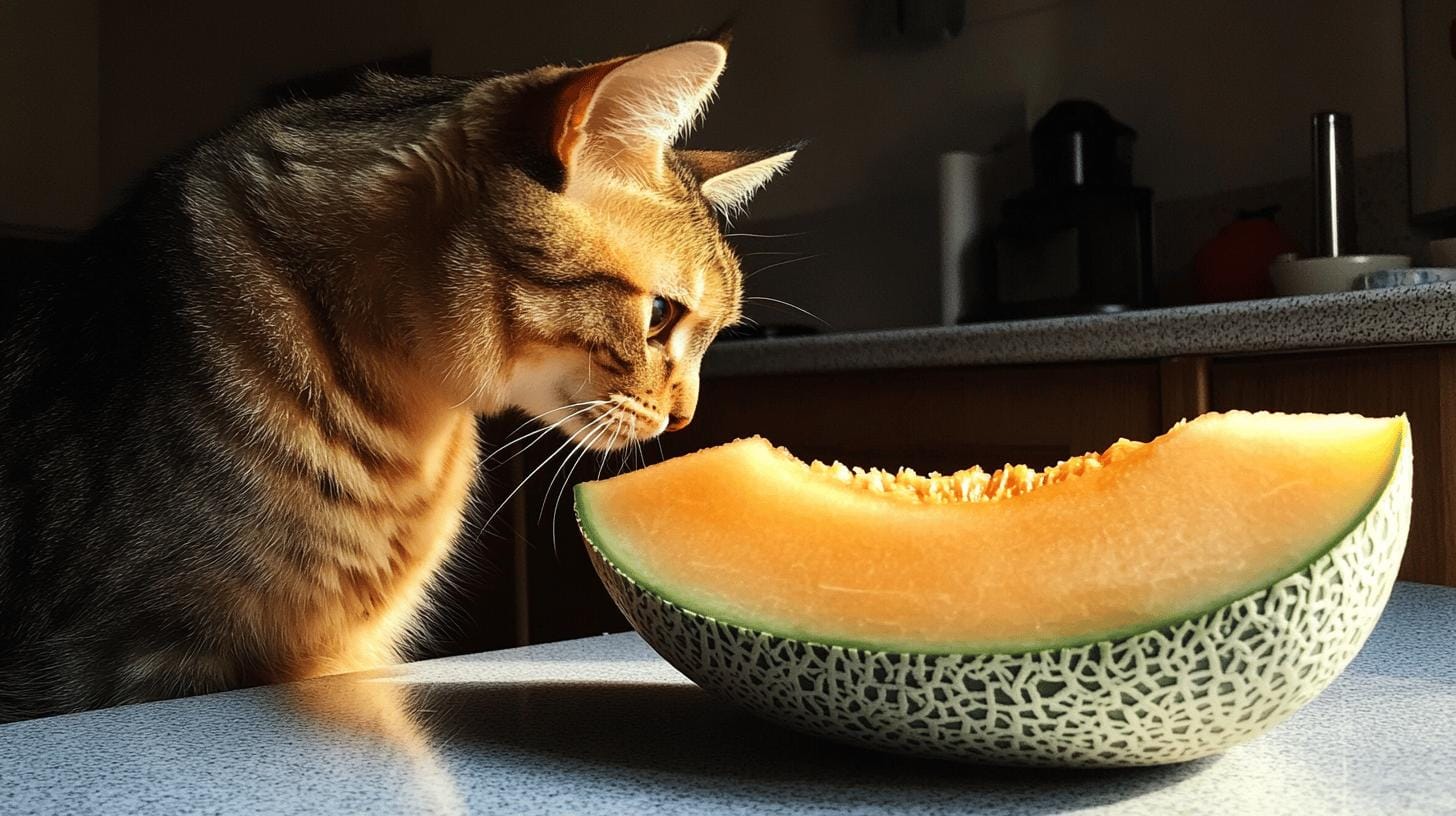
Honeydew melon is considered safe and non-toxic for cats according to the ASPCA. Cats can enjoy melons like honeydew, cantaloupe, and watermelon safely as long as some precautions are taken. While honeydew can be a refreshing treat, it is crucial to prepare it properly to ensure your cat's safety.
When offering honeydew to your feline friend, keep these precautions in mind:
- Remove seeds to avoid choking.
- Cut into small, manageable pieces.
- Avoid the rind due to potential intestinal blockage.
- Serve honeydew in moderation.
Removing the seeds and rind is essential for your cat's safety. Seeds can pose a choking hazard, and the rind can cause intestinal blockage or discomfort if ingested. By cutting the honeydew into small, bite-sized pieces, you reduce the risk of choking and make it easier for your cat to enjoy. Remember, while honeydew is a safe fruit for cats, it should only be an occasional treat and not a regular part of their diet. Serving it in moderation helps prevent any potential digestive upset and ensures your cat's primary nutrition comes from a balanced, meat-based diet.
Nutritional Benefits of Honeydew for Cats
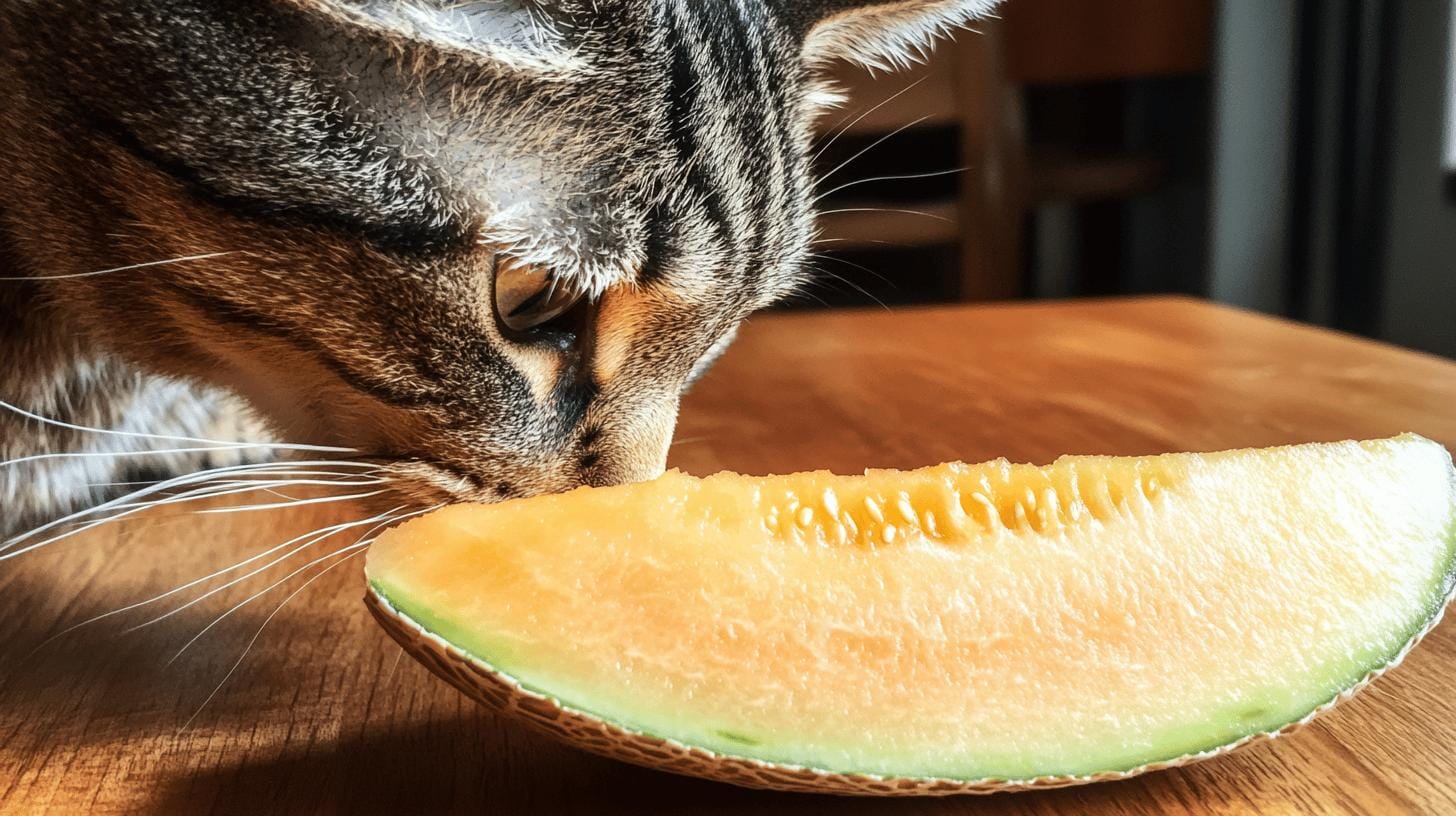
Honeydew melon is a source of several beneficial vitamins and minerals for cats. This fruit contains vitamin C, which can help strengthen the immune system, along with vitamins B6 and K. These vitamins play roles in various bodily functions, including metabolism and blood clotting. Honeydew also has essential minerals like magnesium, potassium, and manganese, which can support overall health by aiding in muscle function and maintaining a healthy heart.
Here are some potential health benefits for cats when consuming honeydew:
- Supports immune system.
- Contributes to bone health.
- Provides hydration.
Despite its nutritional components, honeydew should only be given as an occasional treat. It contains high levels of natural sugars, which can lead to weight gain or digestive issues if consumed in large amounts. To keep your cat healthy, ensure honeydew is merely a supplement to their regular meat-based diet, not a replacement.
Feeding Honeydew to Cats: Safety Precautions and Risks
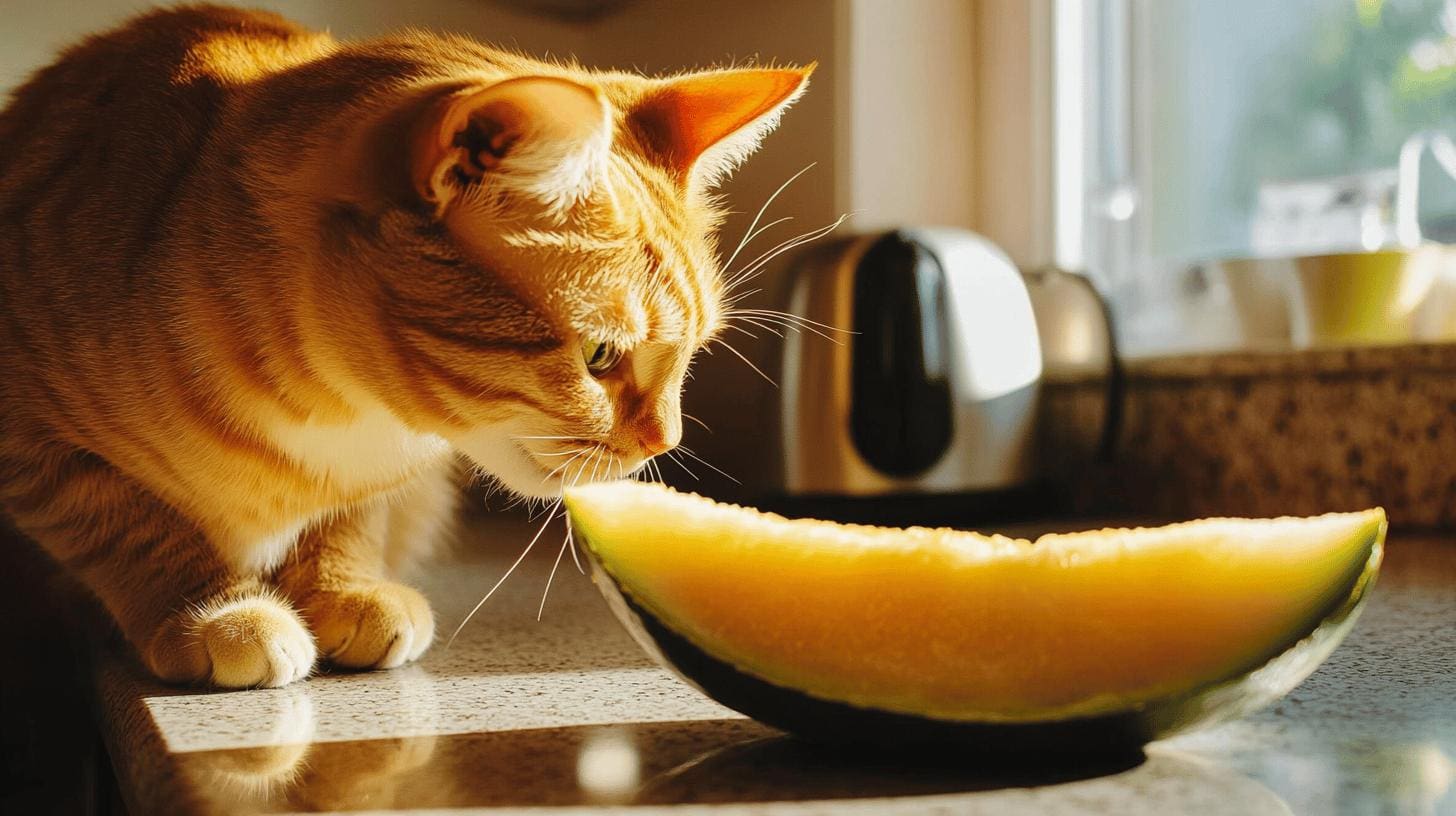
When offering honeydew melon to your cat, certain precautions are essential to ensure their safety. Begin by removing seeds and rind, as they pose choking and intestinal blockage risks. Always serve honeydew in moderation to avoid health issues.
Consuming large amounts of sugar can lead to weight gain and digestive problems like diarrhea. Cats, being obligate carnivores, have dietary needs best met with meat. Therefore, sugary fruits such as honeydew should be occasional treats.
| Risk | Description |
|---|---|
| Weight Gain | High sugar content can lead to obesity. |
| Diarrhea | Excessive consumption may cause loose stools. |
| Choking Hazard | Seeds and rind pose a risk. |
| Nutritional Imbalance | Not a substitute for meat-based meals. |
While honeydew offers some nutrients, it should not replace a meat-based diet. Keep it as a rare treat to prevent nutritional imbalances. Monitor your cat's reaction to honeydew, adjusting their diet as necessary to maintain their health.