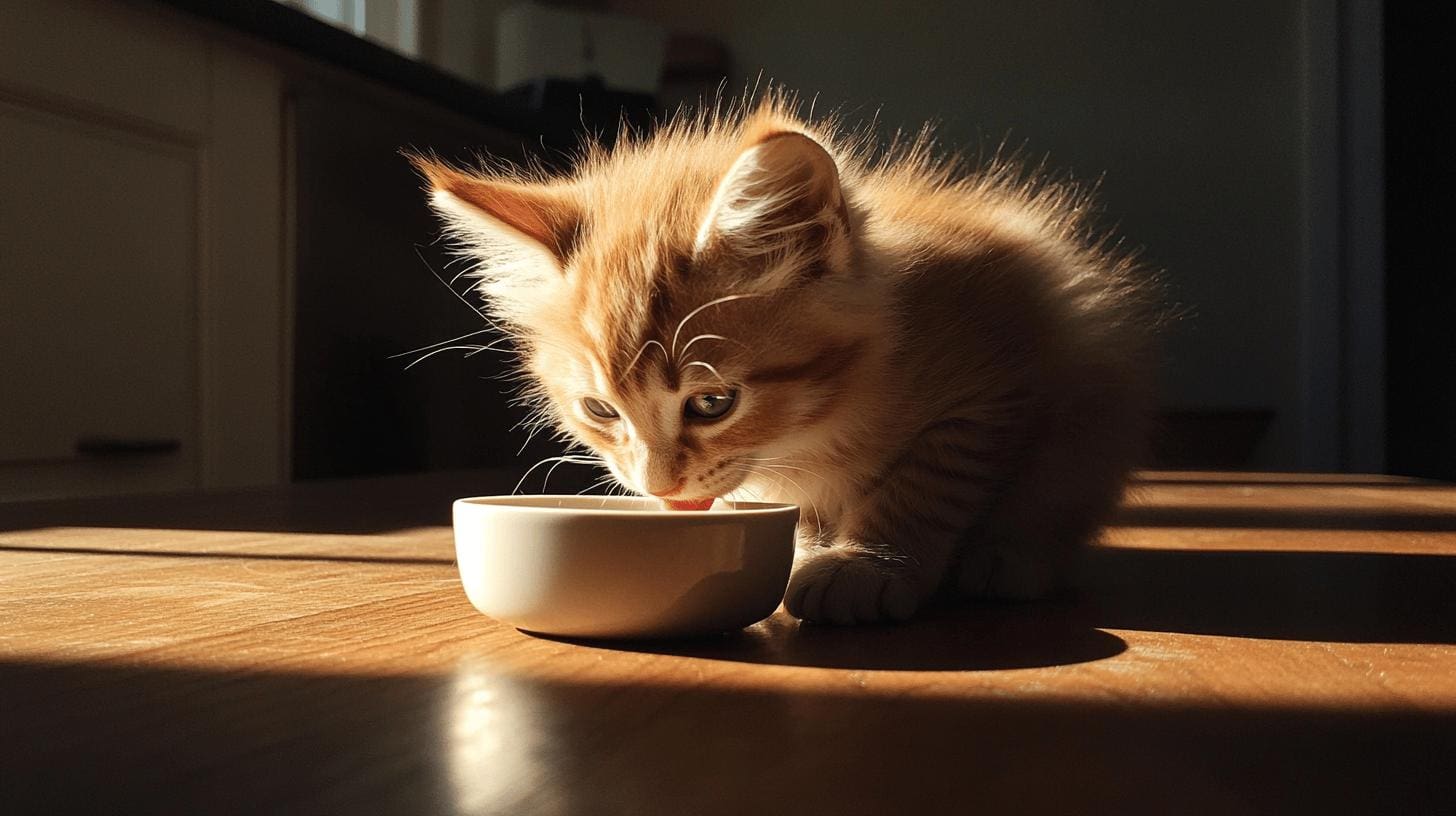
Is feeding your adult cat kitten food a smart choice, or could it be doing more harm than good? Many cat owners grapple with this question, especially when curious cats seem more interested in kitten kibble. Kitten food is bursting with energy-rich nutrients, crafted for the needs of growing felines. While sneaking a bite here and there won't drastically harm an adult cat, consistently serving kitten chow might not be wise. This article will explore why kitten food shouldn’t be your adult cat’s go-to diet and how to keep their mealtime both safe and nutritious.
Can Adult Cats Eat Kitten Food Safely?
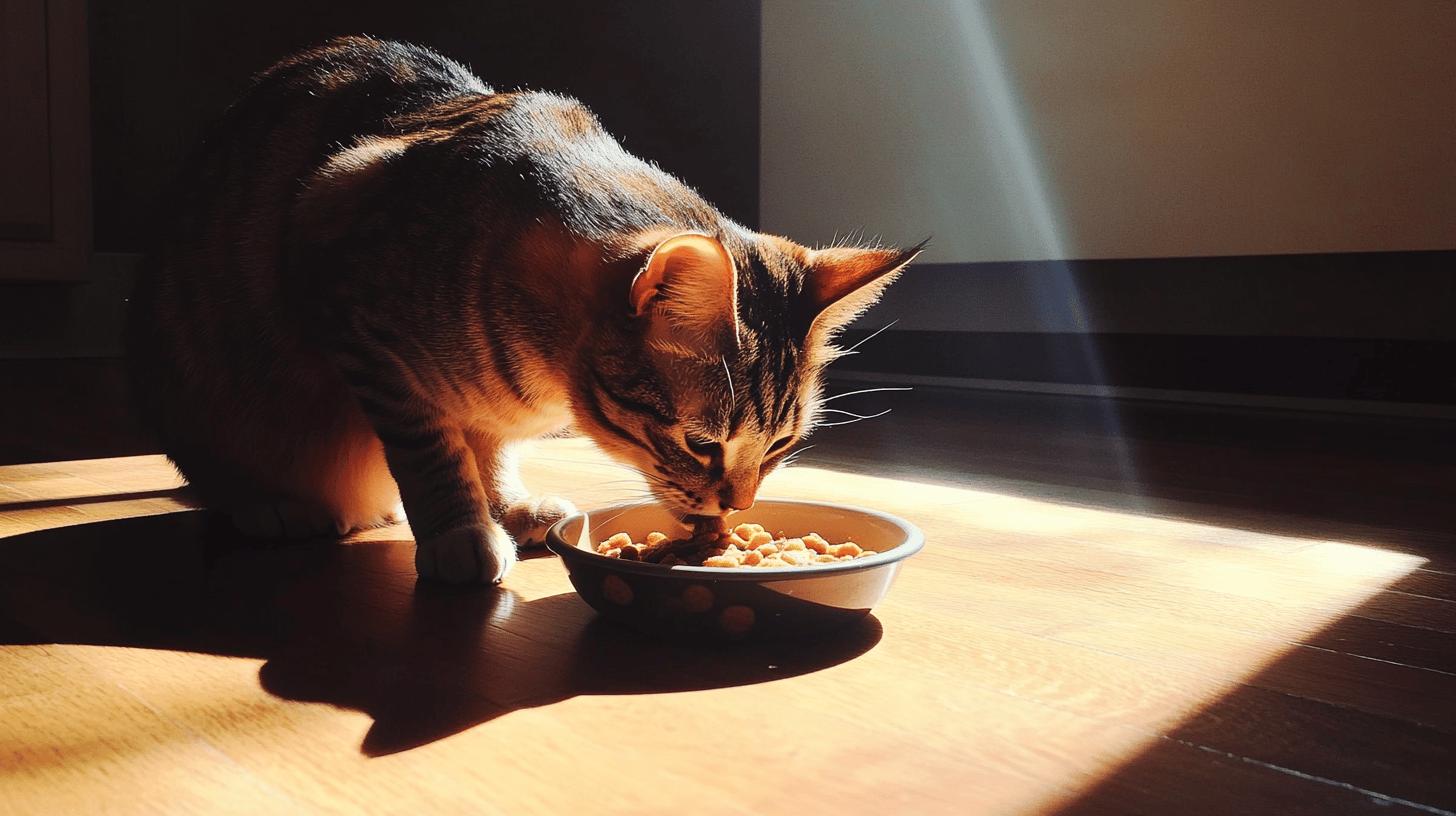
Many cat owners wonder if it's safe for adult cats to eat kitten food. The answer is yes, but only occasionally. Kitten food is specially formulated to meet the high-energy needs of growing kittens. It is packed with protein, fat, and essential vitamins that help them grow strong and healthy. While an adult cat can handle kitten food once in a while without any harm, relying on it as their main diet isn't recommended. The rich nutrient content in kitten food doesn't align with an adult cat's dietary requirements.
Adult cats and kittens have different nutritional needs, which is why their foods are formulated differently. Kitten food is designed to support rapid growth with higher levels of protein, fat, and calories. In contrast, adult cats require a maintenance diet that balances their energy needs without leading to weight gain. Feeding an adult cat kitten food regularly can disrupt this balance. The next section will delve deeper into these nutritional differences and why they matter for your cat's health.
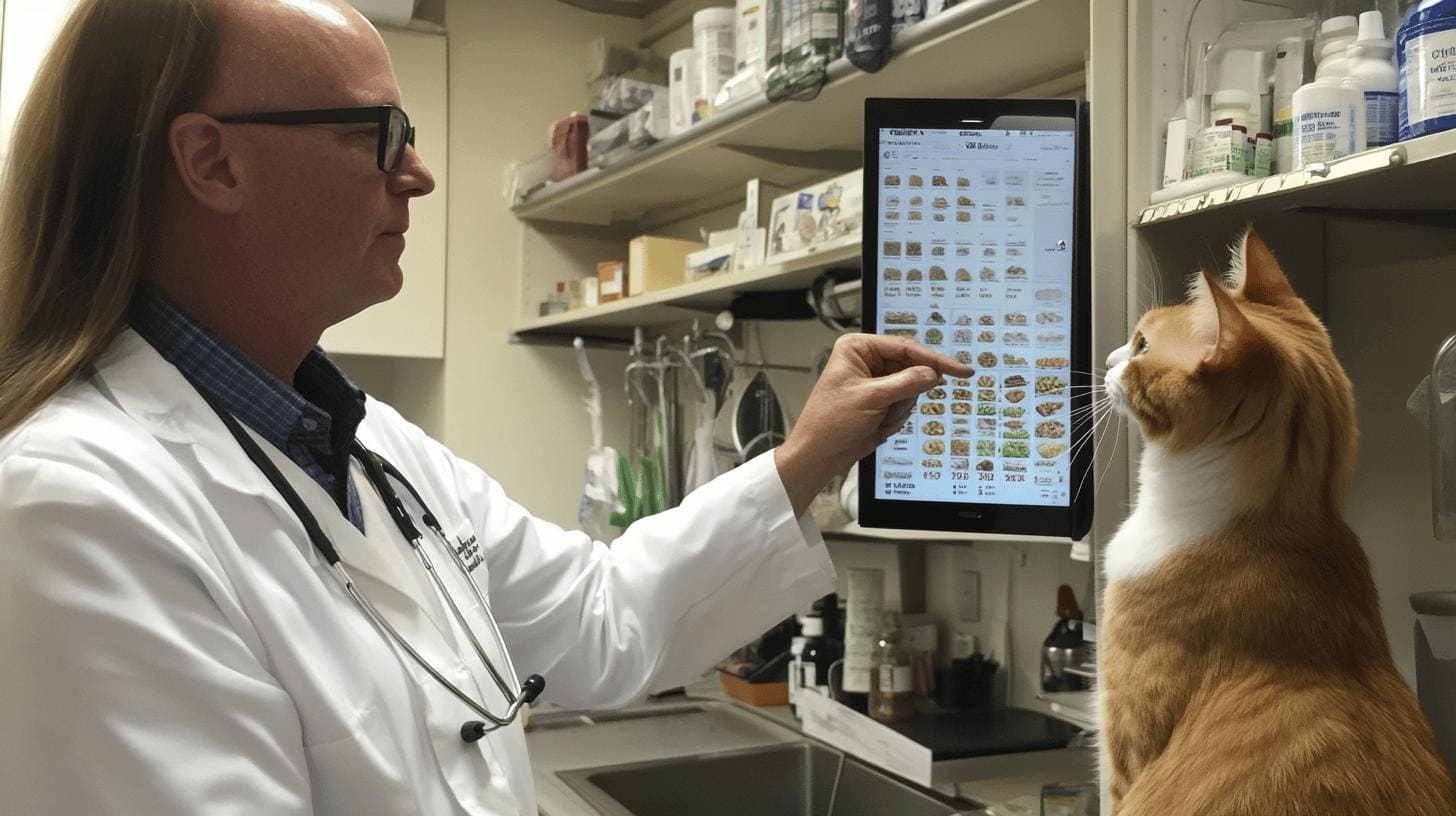
Feeding an adult cat kitten food on a regular basis can lead to several health issues, primarily obesity. The high caloric content of kitten food, when consumed by an adult cat, can cause unnecessary weight gain, which in turn may lead to arthritis and other obesity-related health problems. Maintaining a diet appropriate for their life stage is crucial to keeping them healthy and active. Always consult with a veterinarian before making any significant changes to your cat's diet.
Nutritional Needs for Adult Cats vs. Kittens
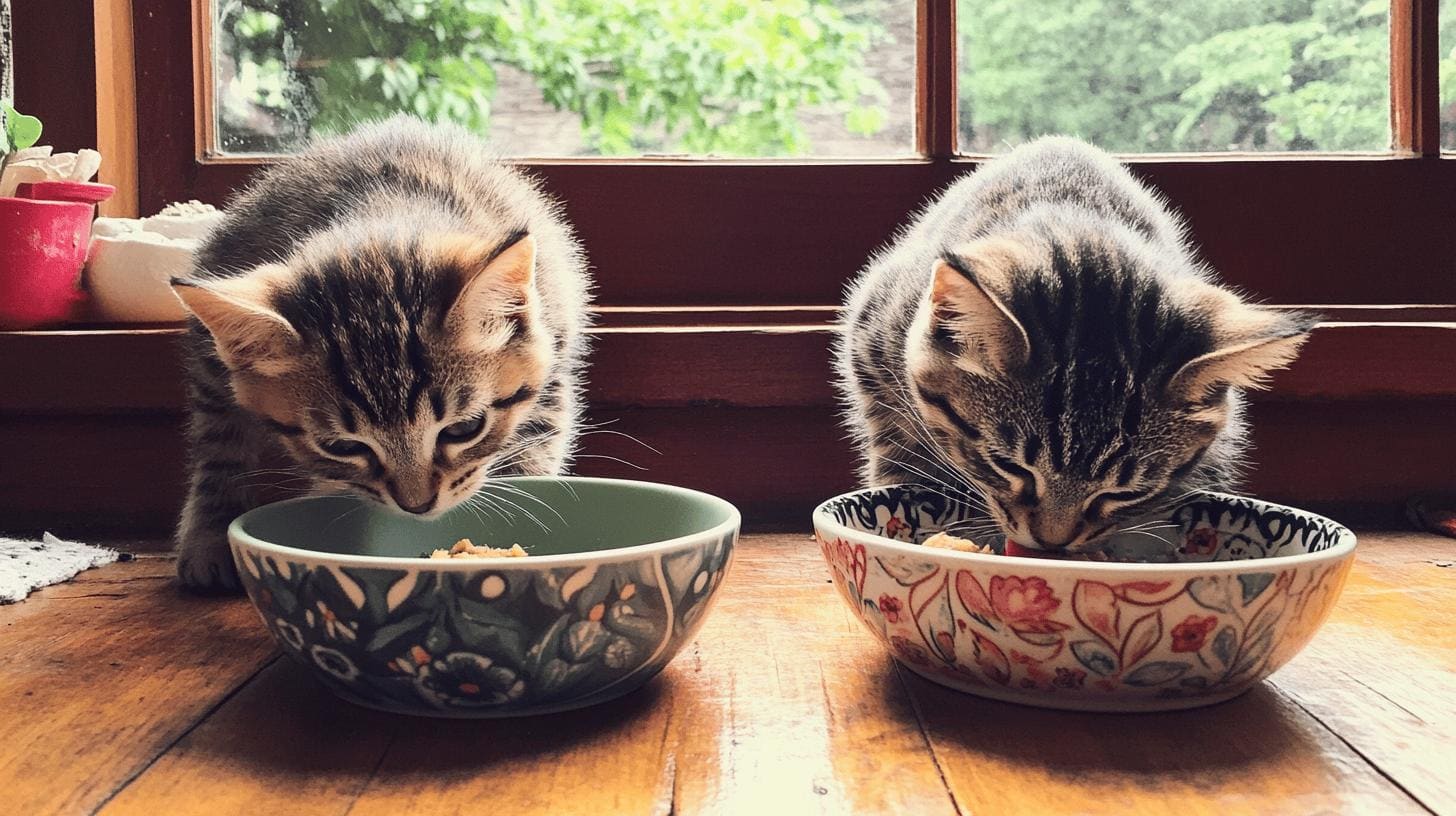
Kitten food is designed to support rapid growth, loaded with high protein, fat, and calories. These nutrients act as a power surge, fueling kittens' development and supporting their energy demands. Kitten food often includes DHA, crucial for their brain and vision development. For adult cats, this dense nutrition isn't necessary. Their dietary needs shift towards maintaining health and preventing weight gain.
| Nutrient | Kittens’ Needs | Adults’ Needs |
|---|---|---|
| Protein | High for growth | Moderate for maintenance |
| Fat | High for energy | Moderate for balance |
| Calories | High for development | Lower to prevent obesity |
| DHA | Included for brain development | Not necessary |
Transitioning cats between life stage diets can be tricky but is essential for their health. Gradually mixing new food with the old over a week helps prevent digestive upset. Selecting appropriate food involves checking labels for lower calorie content in adult cat food to maintain a healthy weight. These adjustments ensure your adult cat thrives without the risk of obesity or related health issues.
Can Adult Cats Eat Kitten Food Safely?
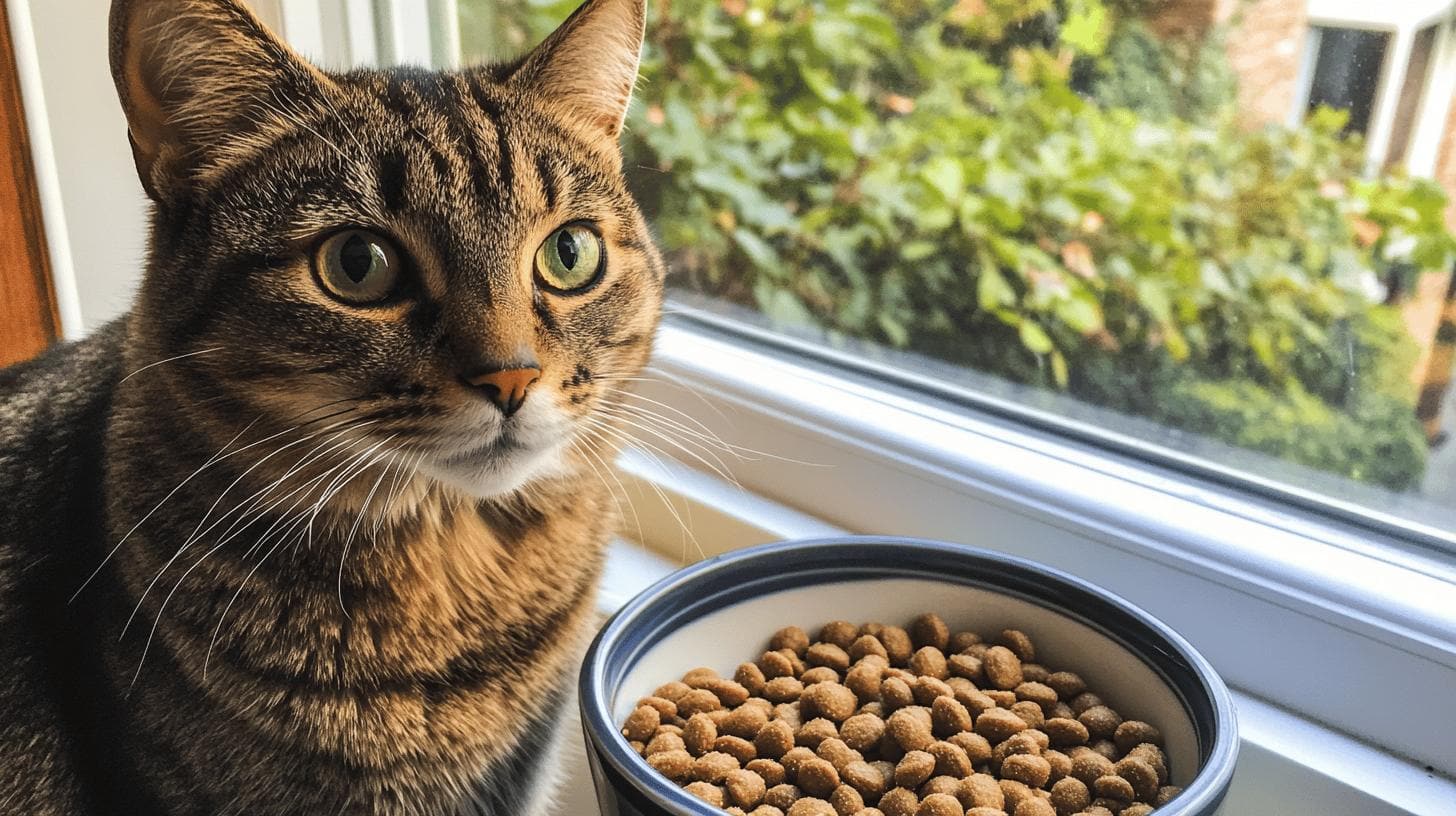
Adult cats are better off with a diet that matches their life stage. Kitten food is high in proteins and fats, perfect for growing kittens but not ideal for adults. This nutrient overload can lead to obesity, causing health problems like arthritis. Such conditions impact their mobility and overall quality of life. It's key to ensure adult cats have a diet suited to their specific age to avoid these issues.
High caloric content in kitten food also poses a risk. Adult cats need fewer calories to maintain their weight. Consuming kitten food can lead to excessive calorie intake, resulting in weight gain. Obesity from this can increase the risk of diabetes, heart disease, and liver problems. Keeping an eye on their diet and providing food tailored to their energy needs can help prevent these health concerns.