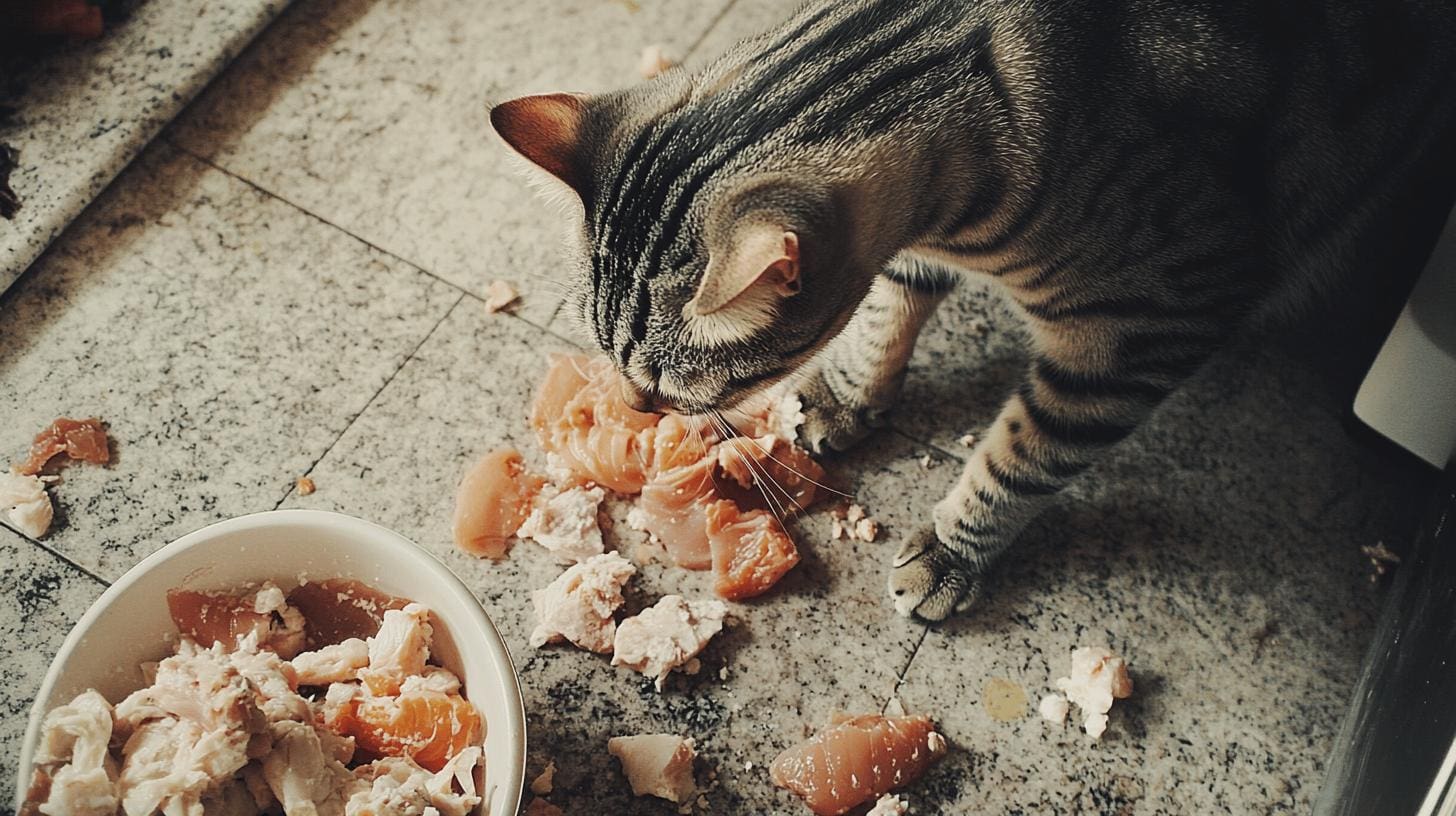
Can your cat safely enjoy luncheon meat, or could it be a recipe for disaster? We all want to spoil our feline friends, but it's crucial to think about what goes into their bellies. Luncheon meat, a favorite sandwich staple for humans, is full of sodium and preservatives that might not sit well with your cat's delicate system. Before you offer a bite, let's dig into whether this meaty delight is a fabulous treat or a potential health risk for our whiskered companions.
Can Cats Eat Luncheon Meat?
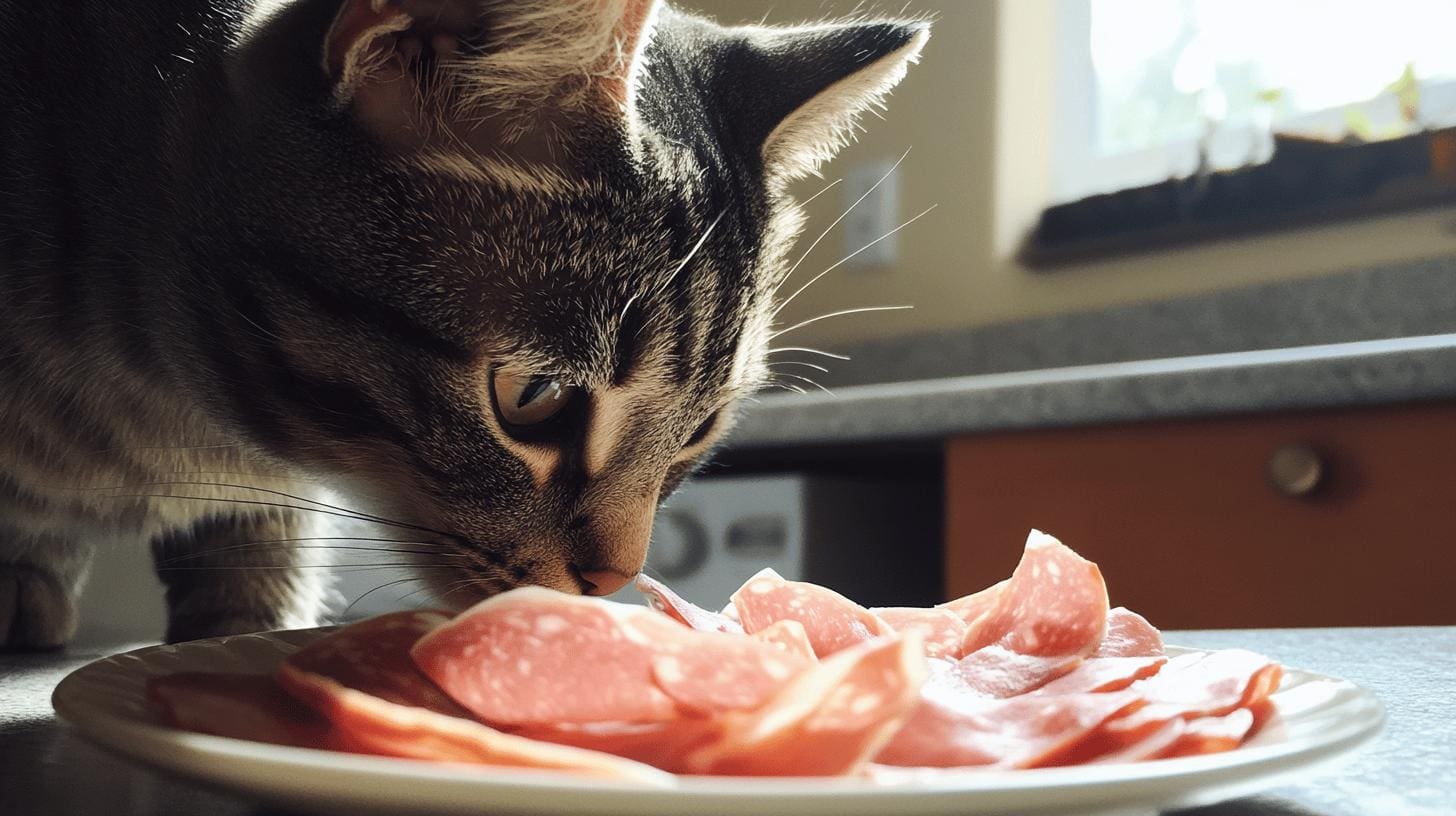
Luncheon meat, often referred to as processed meat, is a staple in many human diets. It's typically made from a mix of finely ground or minced meats such as pork and beef, combined with fillers, seasonings, and preservatives. This meat is then canned or packaged for easy consumption. While it may be a convenient snack for people, it poses a different story for our feline friends.
Cats are obligate carnivores, meaning their diet should be rich in high-quality animal proteins and low in carbohydrates and additives. Luncheon meat, however, is laden with sodium and preservatives, which are unsuitable for cats. The high sodium content in food like luncheon meat can lead to serious health issues for cats, including salt poisoning, hypertension, and kidney problems. Additionally, preservatives and fillers can upset a cat's digestive system, potentially leading to longer-term health complications.
In short, while luncheon meat might be a tasty treat for humans, it's not a suitable option for cats. Offering your cat this type of processed food could compromise their health, so it's best to stick to foods specifically designed to meet their dietary needs.
Risks of Feeding Luncheon Meat to Cats
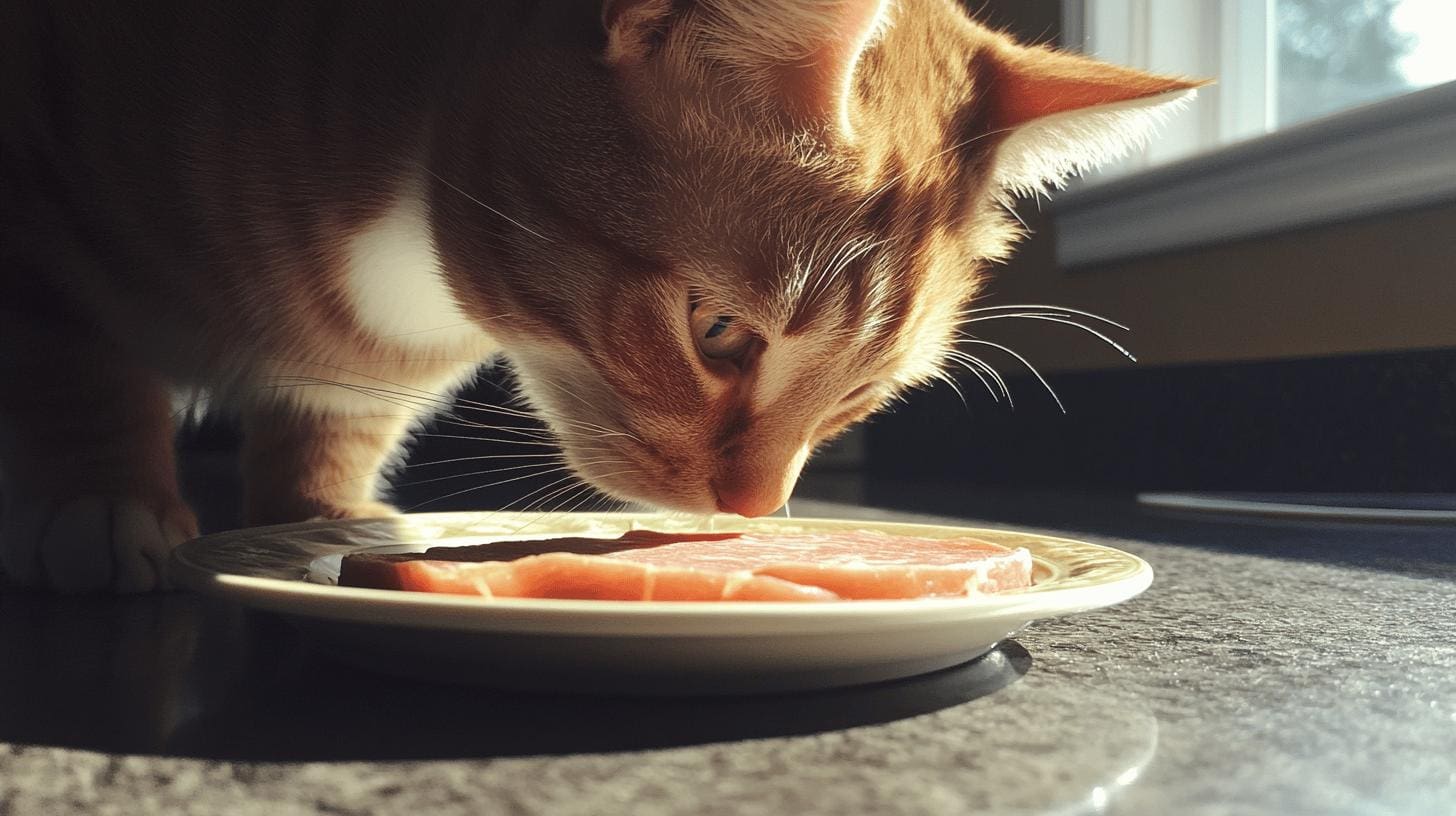
Luncheon meats, although convenient, contain ingredients unsuitable for cats. High levels of sodium, nitrites, and preservatives are commonly found in these meats and can harm cats' health. Cats require natural proteins, and their digestive systems struggle with processed meat additives.
Potential health risks of feeding cats luncheon meat include:
-
Salt Poisoning: High sodium levels can cause salt poisoning, leading to vomiting, diarrhea, and seizures.
-
Obesity: Fats and fillers increase the risk of obesity, diabetes, and joint issues.
-
Pancreatitis: High-fat content can inflame the pancreas, causing painful, chronic conditions.
-
Kidney Issues: Excess sodium strains the kidneys, possibly causing chronic kidney disease.
-
Digestive Upset: Preservatives and artificial ingredients can upset the stomach, causing digestive issues.
Preservatives in luncheon meats are not suitable for cats and can lead to health problems over time. While safe for humans in moderation, these additives can disrupt cats' bodily functions. Avoiding processed foods helps protect cats from health issues, promoting a healthier life.
Safe Alternatives to Luncheon Meat for Cats
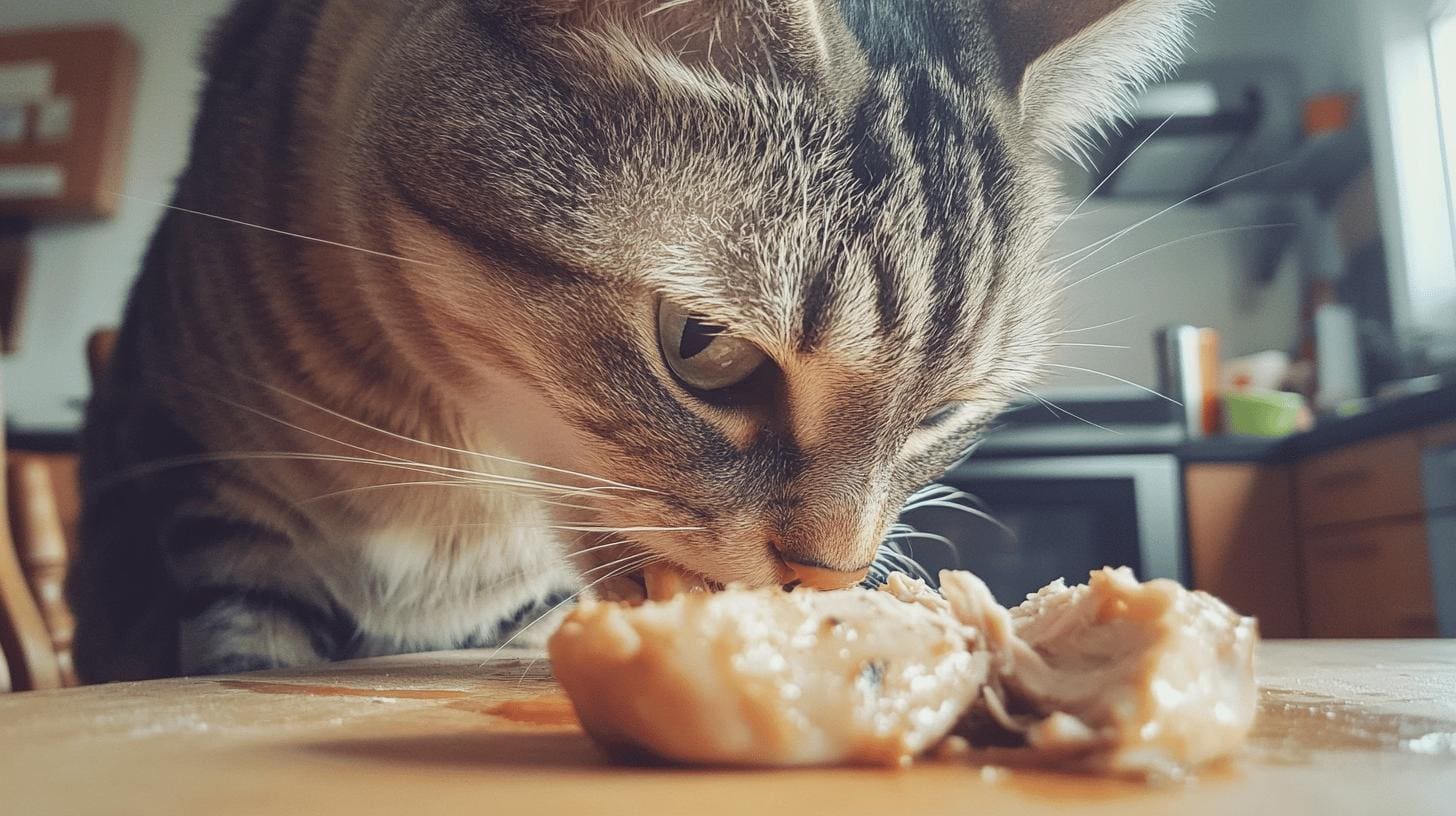
Cats deserve treats that are both delicious and safe. While luncheon meat isn't suitable for our feline companions, there are plenty of nutritious alternatives. Providing safe snacks can enhance your cat’s diet without compromising their health. Look for options that are high in protein and free from harmful additives.
Here are some healthy alternatives to luncheon meat for cats:
-
Cooked Chicken: A lean and protein-rich choice, cooked chicken can be a great treat. Ensure it's plain, without seasonings or sauces.
-
Cooked Turkey: Another lean meat option, turkey provides essential nutrients and is often well-received by cats.
-
Specialized Cat Treats: These are formulated with feline dietary needs in mind, offering proteins and flavors that cats love.
-
Cooked Fish: Salmon or tuna, when cooked properly, can be an occasional treat. It's best to keep portions small due to high fat content.
-
Freeze-Dried Meat Treats: These treats are minimally processed, preserving the natural flavors and nutrients of the meat.
Homemade meals focusing on natural ingredients can also be a fantastic way to treat your cat. Preparing meals at home allows you to control the quality and composition of the ingredients, ensuring that your cat receives only the best. By choosing wholesome, natural foods, you can support your cat's health and well-being, providing them with the nutrients they need to thrive.