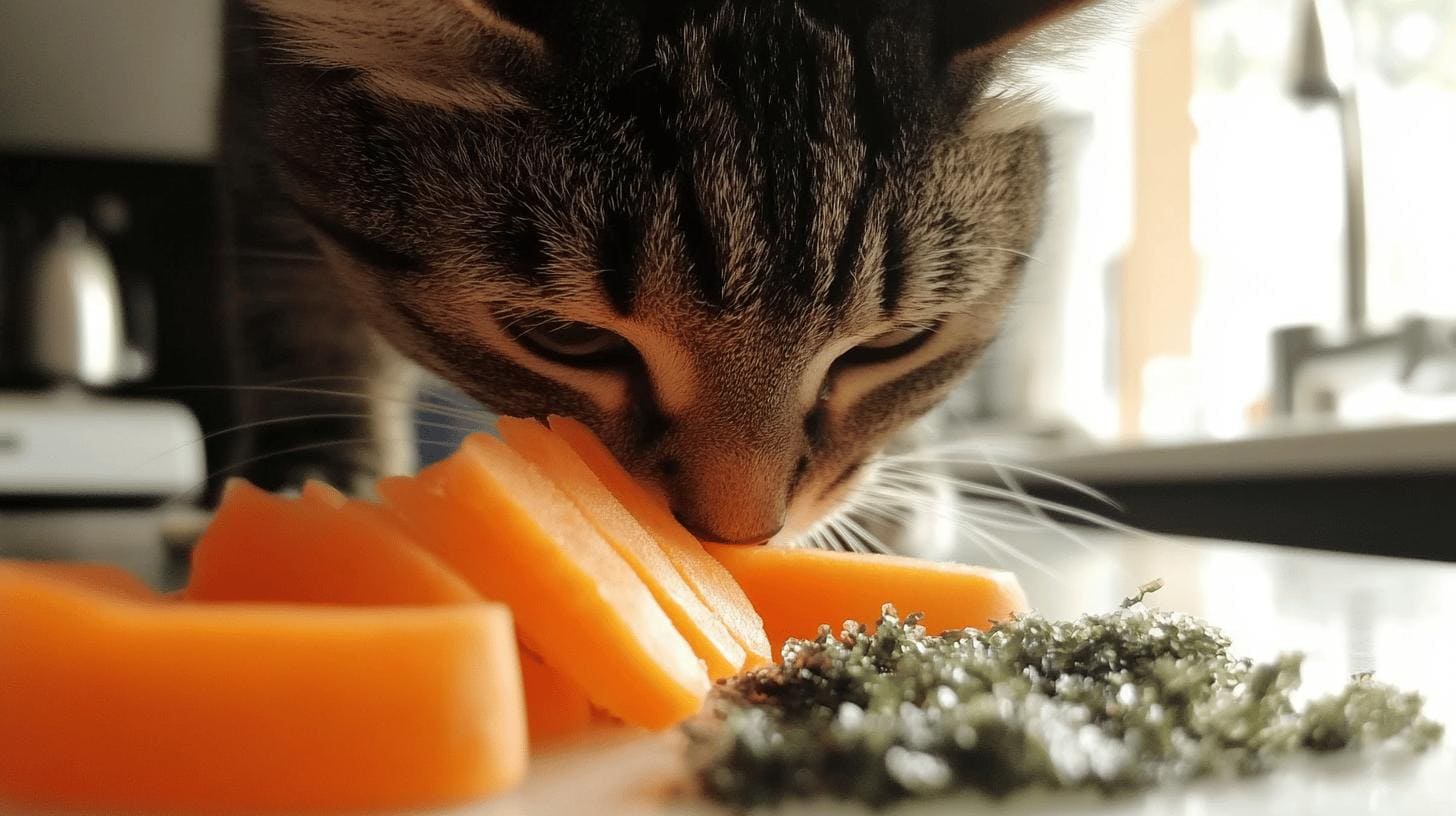
Can cats munch on nori without worry? This frequently asked question may surprise you because, yes, cats can enjoy nori, a popular type of seaweed, when served in moderation. Nori is generally safe and even offers some health perks for your feline friend.
Rich in essential nutrients like vitamins and minerals, it can support your cat's skin health, coat sheen, and overall vitality. But before you start adding nori to your cat's meals, it's crucial to understand its nutritional value and potential risks. Let's dive into the balance of safety and benefits.
Can Cats Safely Eat Nori?
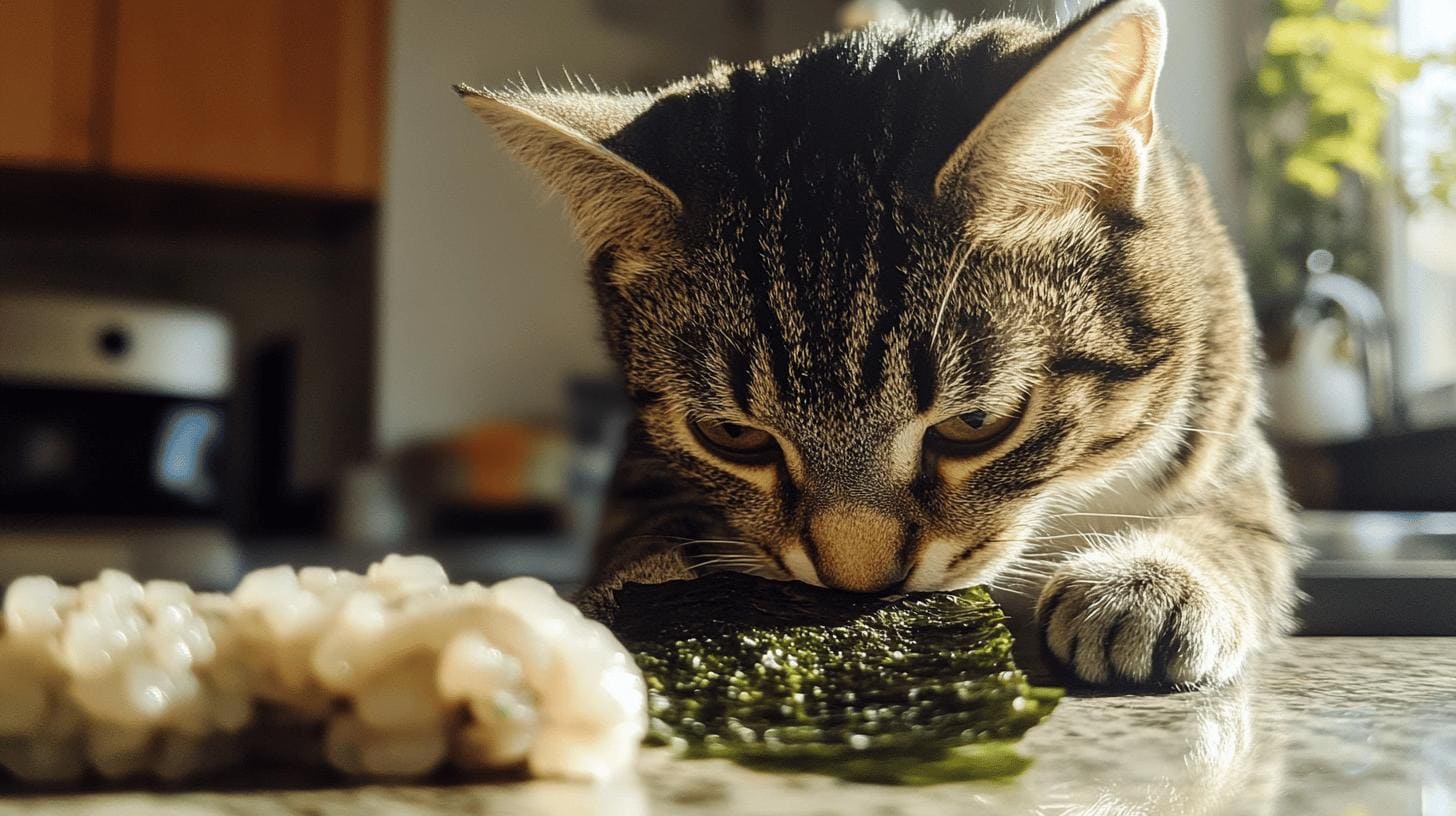
Cats can eat nori in small amounts, as it is not toxic to them. Nori, a type of seaweed, is generally safe for pets when consumed in moderation. While it can be a healthy addition to a cat's diet, it's important to remember that nori should not replace their primary nutritional needs.
Nori offers several nutritional benefits for cats. It contains essential nutrients like vitamins A, B, C, and E, which are vital for maintaining a cat's overall health. These vitamins contribute to healthy skin, a shiny coat, and a robust immune system.
Nori is also rich in minerals such as iodine and taurine. Taurine is crucial for a cat's health, supporting muscle function and heart health. Iodine, on the other hand, is essential for proper thyroid function, though it must be consumed in moderation to avoid potential health issues.
- Taurine: Supports muscle function and heart health in cats.
- Iodine: Essential for thyroid function but should be consumed in moderation.
- Iron: Important for oxygen transport in the blood.
- Calcium: Aids in bone health and development.
- Vitamins A, B, C, E: Contribute to skin health, immune function, and overall vitality.
While nori is beneficial, moderation is key. The high iodine content can support thyroid function, but too much may lead to hyperthyroidism. Therefore, it's important to keep an eye on how much nori your cat consumes.
Small, occasional servings are recommended, ensuring that your feline friend enjoys the benefits without the risks. Always consider consulting a veterinarian before making significant changes to your cat's diet to ensure their health and well-being.
Risks of Feeding Nori to Cats
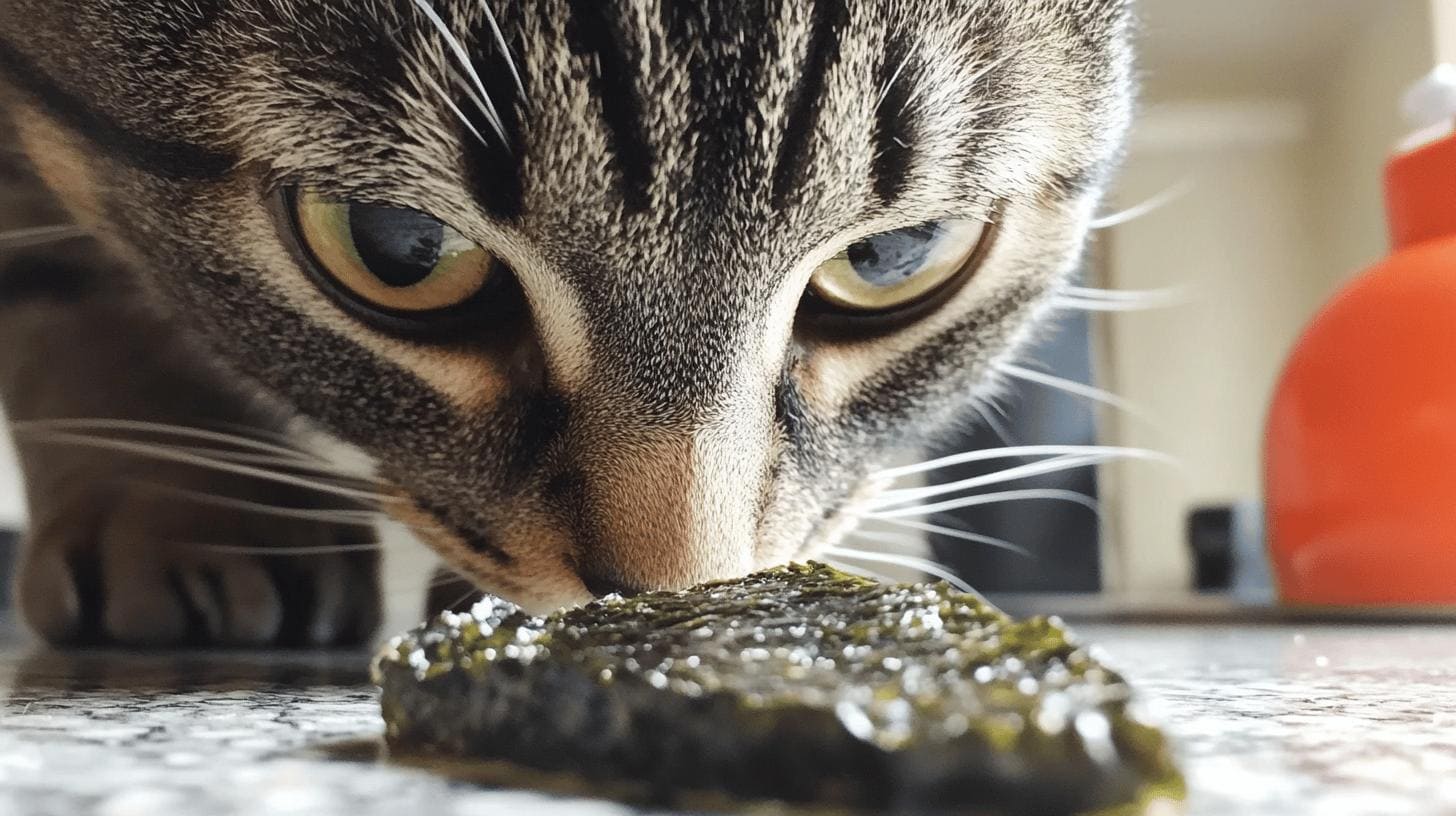
Nori, while nutritious, carries some risks for our feline friends, mainly due to its sodium content. Seaweed like nori can be high in sodium, which poses a risk if consumed in large amounts. Excessive sodium intake can lead to dehydration and potentially salt poisoning in cats.
These conditions are serious and can affect your cat's overall health, making moderation important when adding nori to their diet.
| Risk | Description |
|---|---|
| Dehydration | High sodium levels can cause a loss of fluids, leading to dehydration. |
| Salt Poisoning | Excessive sodium can result in salt poisoning, a dangerous condition for cats. |
| Allergies | Some cats may develop allergies to seaweed, resulting in digestive or skin issues. |
When feeding nori to cats, it's crucial to ensure that it is plain and unseasoned. Many nori snacks for humans are flavored with salt, garlic, or onion, which are harmful to cats. Garlic and onion, in particular, are toxic to cats and can cause severe health problems. Always choose plain nori to avoid these harmful ingredients and keep your cat safe.
Moderation is key when introducing nori into your cat's diet. Start with small amounts and gradually monitor your cat for any adverse reactions, such as changes in behavior or digestive upset. By keeping a close eye on your cat's response, you can enjoy the benefits of nori without compromising their health.
How to Incorporate Nori into a Cat's Diet
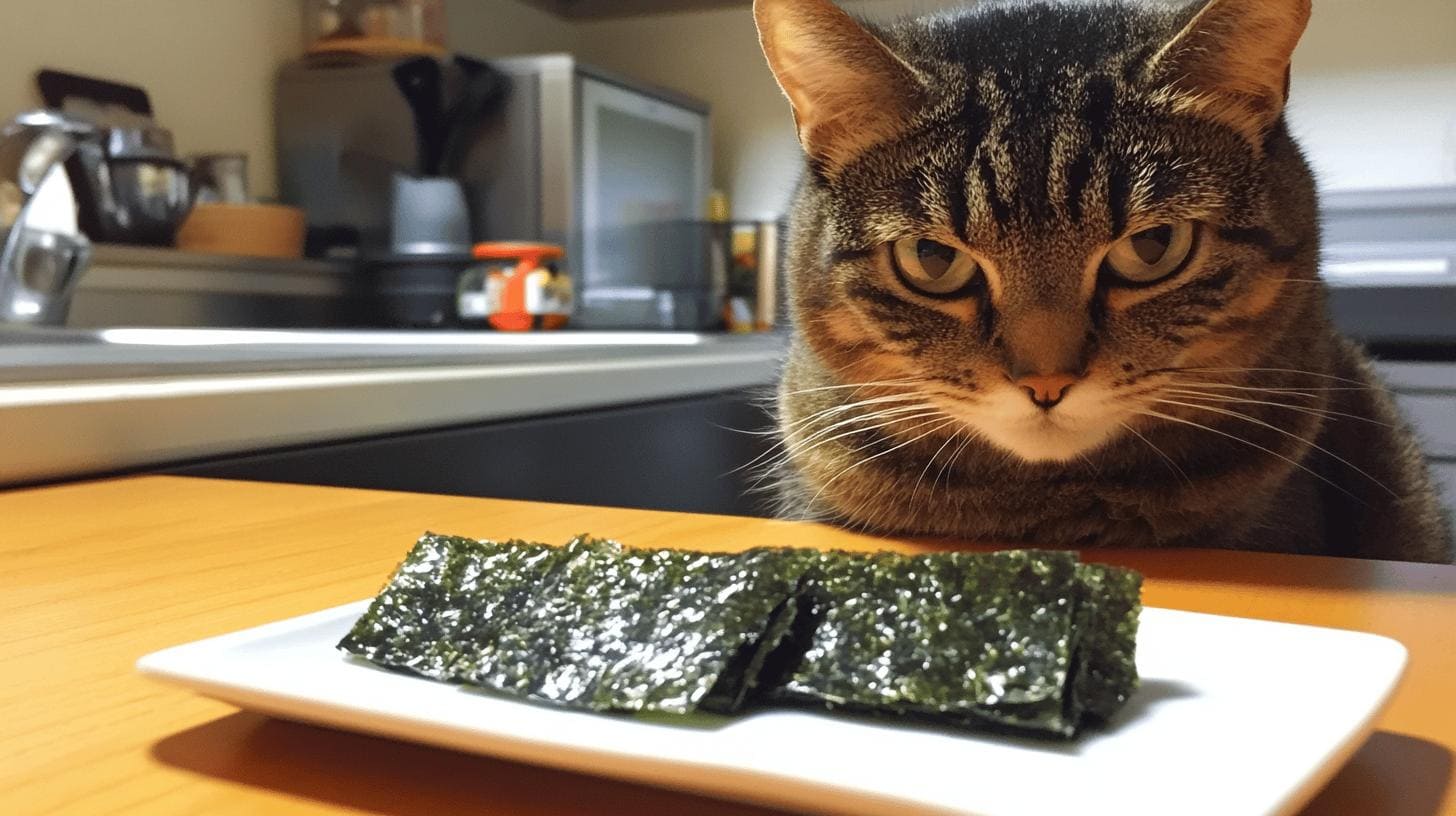
When introducing nori into your cat's diet, serving size and frequency are key. A small piece of nori is generally sufficient as a treat, ensuring your cat receives the nutritional benefits without overconsuming. Remember, nori should not be a staple in their diet but an occasional addition.
To prepare nori for your cat safely, follow these simple steps:
- Portion Control: Break the nori into small, manageable pieces.
- Mix with Regular Food: Combine the nori pieces with your cat's usual food to make it more appealing.
- Unseasoned Only: Ensure the nori is plain and free from harmful seasonings like salt or garlic.
- Observe Eating Habits: Watch how your cat reacts to nori mixed with their food, adjusting portions as needed.
Vet Recommendations
Veterinarians suggest introducing nori slowly into your cat's diet. This gradual approach helps you monitor for any adverse reactions such as digestive upset or allergies. Begin with a tiny piece and observe your cat's behavior. If there's no negative reaction, nori can continue to be an occasional treat. Keep an eye out for any signs of discomfort or changes in your cat's eating habits.
Using nori as an occasional treat can provide variety and additional nutrients to your cat's diet. While nori offers nutritional benefits, it should not replace their regular meals. By treating it as a special snack, you ensure your cat enjoys the benefits of nori without compromising their overall dietary needs.