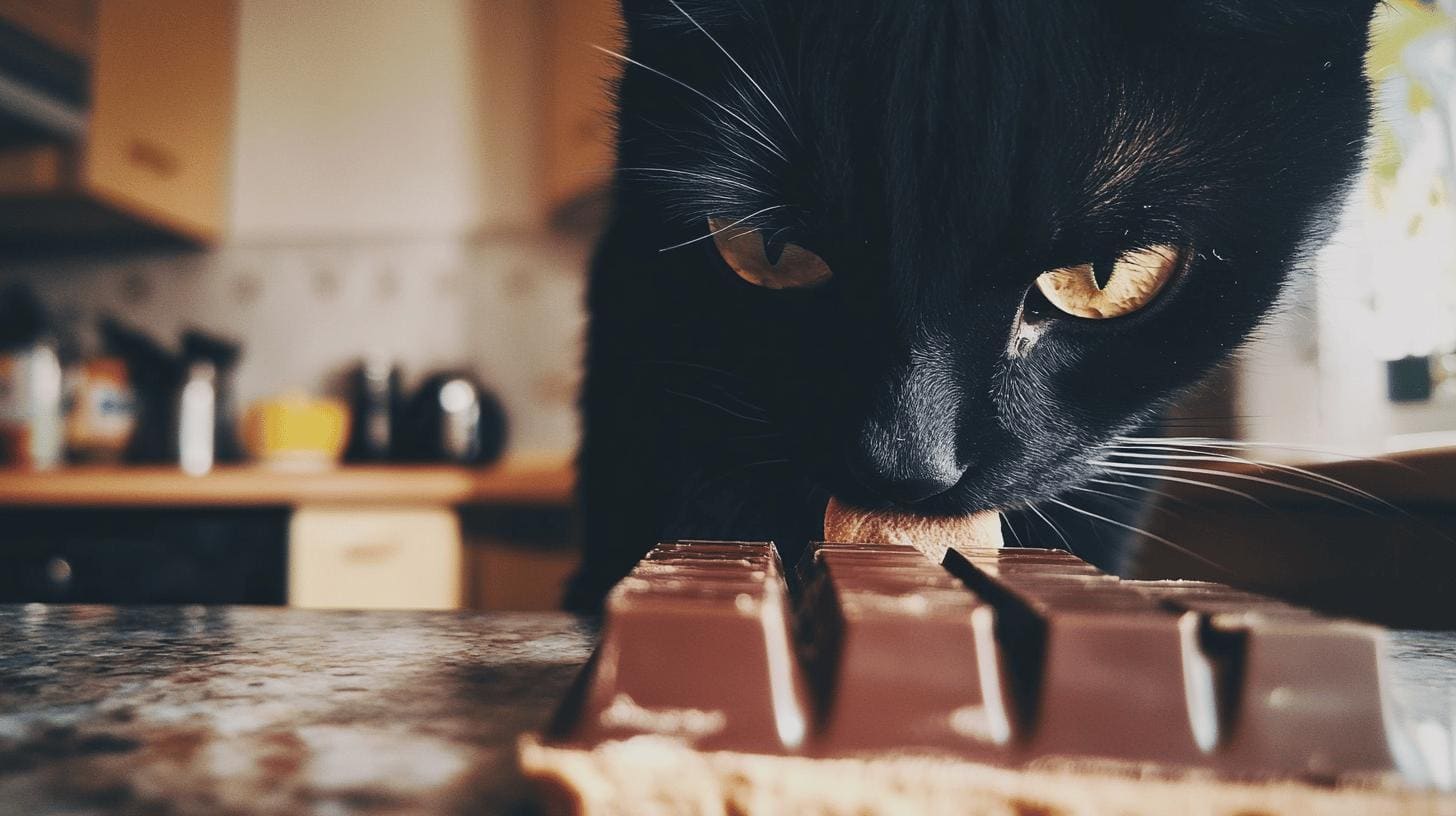
Is your cat eyeing that scrumptious jar of Nutella, and you're wondering if they can have a taste? Spoiler alert: it's not a good idea. Nutella is packed with harmful ingredients that can seriously affect your cat's health.
In this post, I'll break down why Nutella is a no-go for your feline friend and suggest some safe and tasty alternatives. Understanding what treats are safe can make all the difference in your cat's well-being. Let's explore how to keep your furry friend satisfied without compromising their health.
Can Cats Eat Nutella? Understanding the Risks
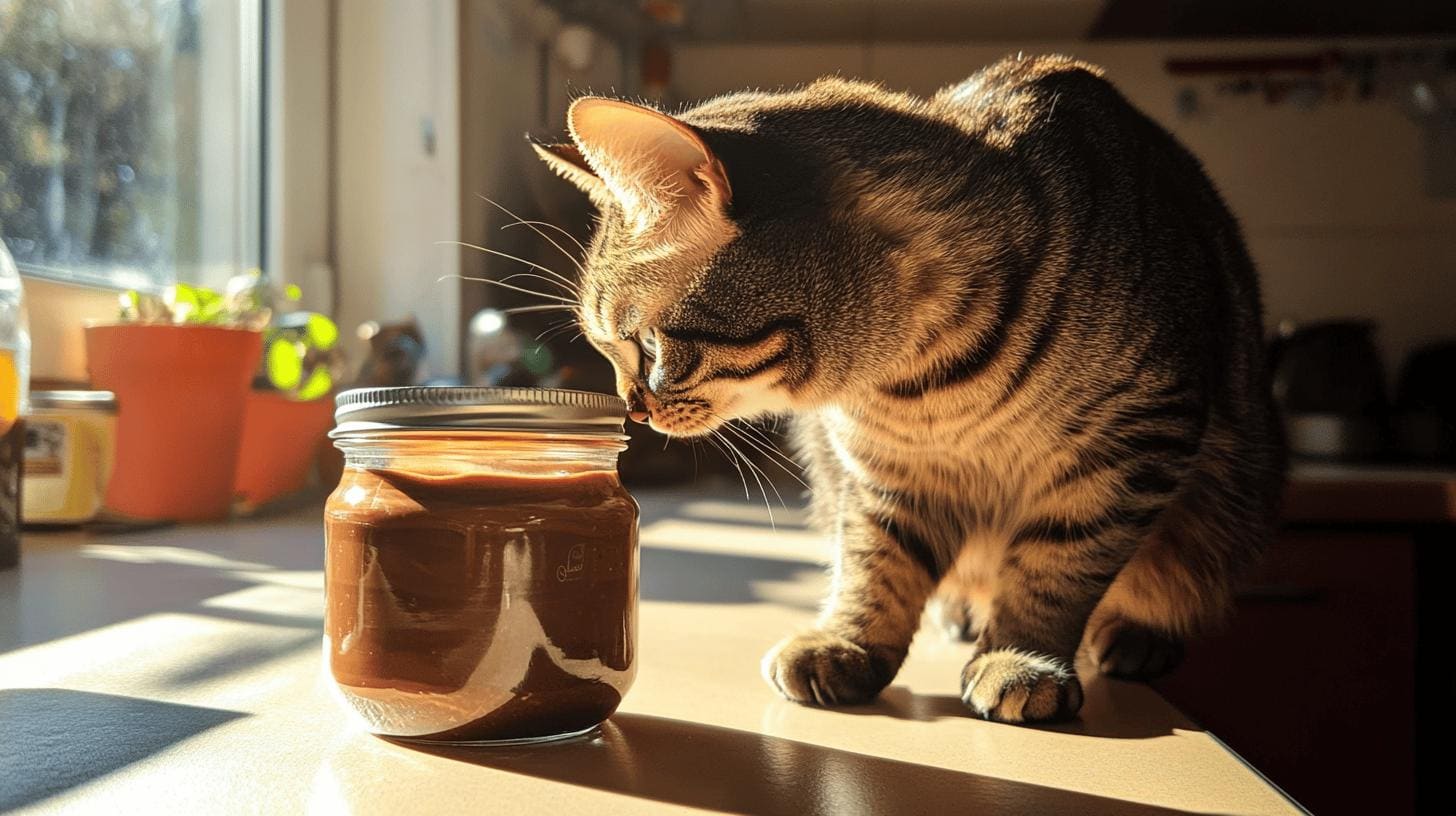
Nutella is a delicious treat for many humans, but it poses a significant risk to our feline friends. The main culprit in Nutella is cocoa, which contains theobromine and caffeine. These substances are toxic to cats. Unlike humans, cats cannot efficiently metabolize theobromine and caffeine.
This can lead to toxic buildup, resulting in serious health issues. Even a small amount can cause symptoms like vomiting, diarrhea, and an increased heart rate. If a cat consumes Nutella, it's crucial to seek veterinary care immediately to prevent severe complications.
Beyond the danger posed by cocoa, Nutella contains sugar and hazelnuts, which are also problematic for cats. Cats are obligate carnivores, meaning their bodies are not designed to process sugar effectively. Consuming sugar can lead to obesity and diabetes in cats, conditions that can severely impact their quality of life.
Hazelnuts, while not toxic, are high in fat and can cause digestive upset. This can manifest as stomach issues or even pancreatitis if consumed in large amounts. Therefore, it's best to keep Nutella far away from curious paws to ensure your cat's health and safety.
If you suspect your cat has ingested Nutella, watch for these symptoms:
- Vomiting
- Diarrhea
- Increased heart rate
- Seizures
- Lethargy
Recognizing these signs early can make a significant difference in the outcome. Always err on the side of caution and consult a veterinarian if you believe your cat has been exposed to toxic foods.
Safe Treat Alternatives for Cats
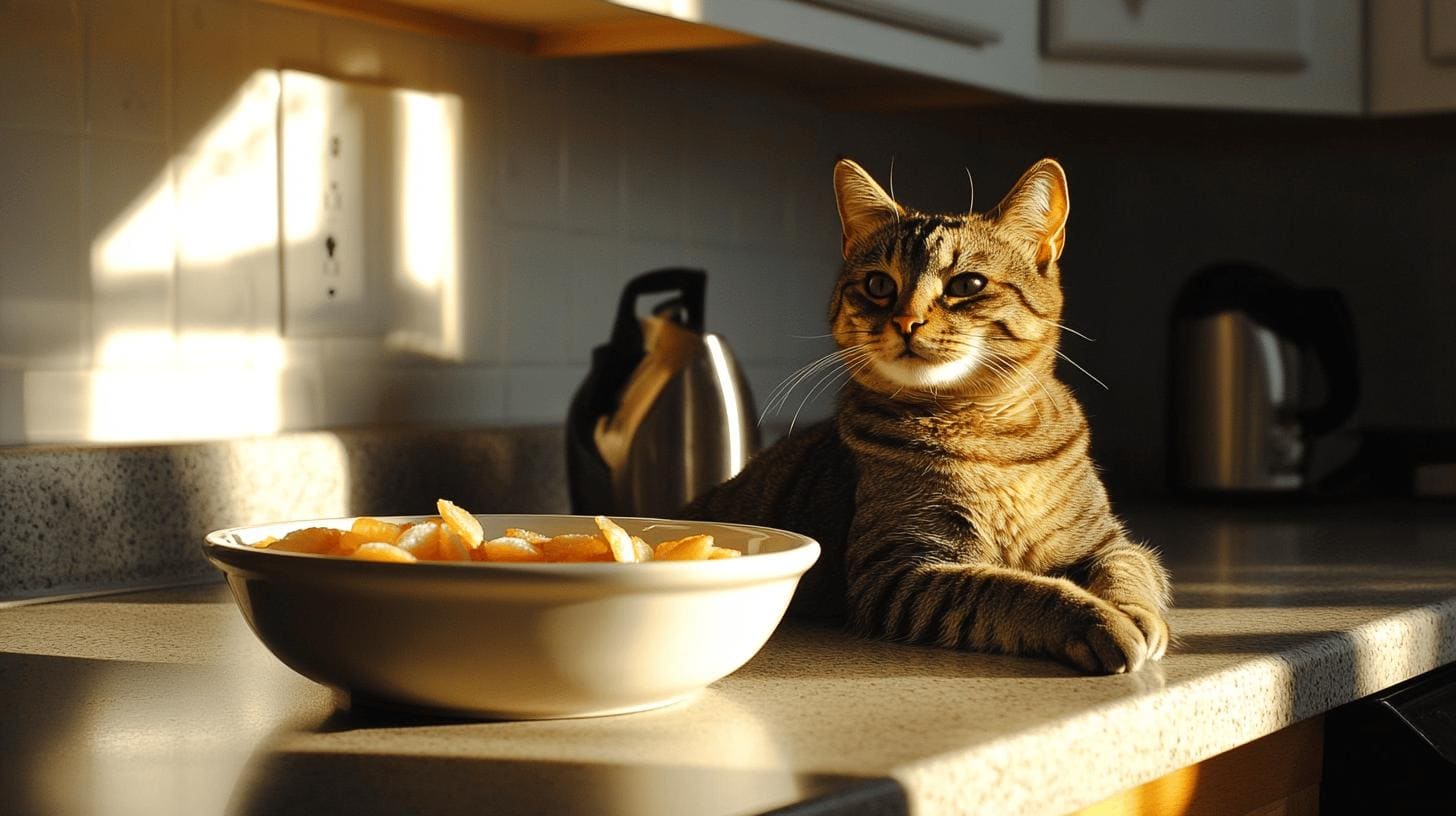
Choosing the right treats for your cat is crucial for their health and happiness. While it might be tempting to share your sweet treats like Nutella, it's essential to remember that cats have different dietary needs. Unlike humans, cats are obligate carnivores, meaning their diet should primarily consist of meat.
They can't taste sweet flavors, so they don't miss out on sugary treats. Instead, focus on providing nutritious options that cater to their natural dietary requirements. This not only keeps them healthy but also satisfied with their snacks.
Commercial cat treats are a convenient and safe option. These treats are specifically designed with feline nutrition in mind, offering a balanced mix of flavors that cats adore. Many brands offer treats made from high-quality ingredients, ensuring your cat gets the protein and nutrients they need.
When selecting commercial treats, look for those that list meat as the primary ingredient, avoiding anything with excessive fillers or artificial additives. This ensures your cat is not only enjoying their treat but also benefiting from it nutritionally.
Here are some recommended treats for your feline friend:
- Chicken
- Fish
- Commercial cat treats
- Catnip
- Seafood snacks
- Homemade meat-based treats
These options are not only safe but also align with a cat's natural diet. Chicken and fish provide lean protein, while catnip can offer a fun and engaging experience. Seafood snacks cater to their taste for fish, and homemade treats allow you to control ingredients, ensuring they are healthy. By selecting these alternatives, you provide your cat with satisfying treats that support their well-being.
Veterinary Advice on Chocolate Ingestion
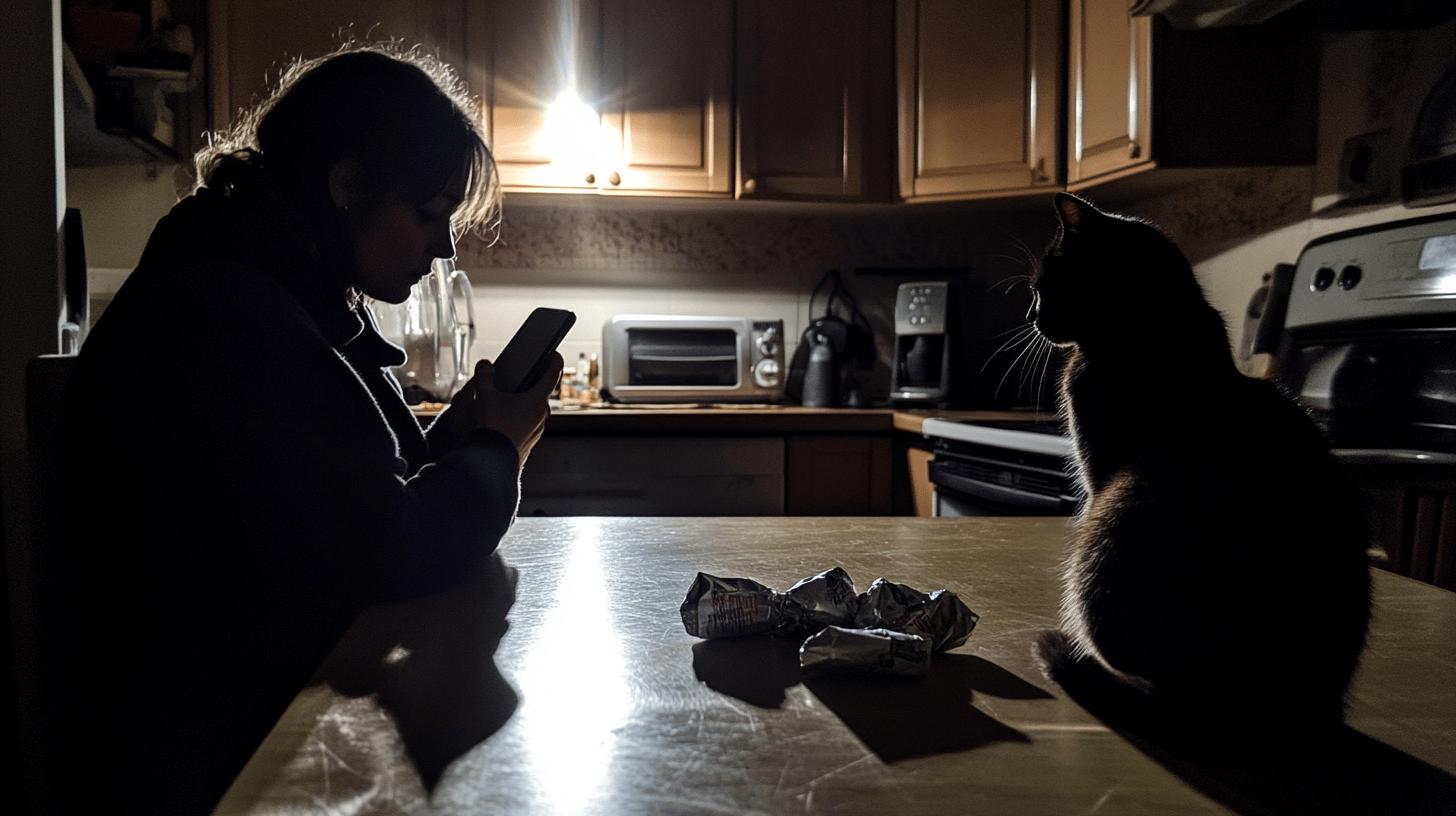
If your cat has ingested chocolate or Nutella, act swiftly. Symptoms of chocolate poisoning can appear within 6 to 12 hours. Monitor for signs like vomiting, diarrhea, increased heart rate, and seizures. Immediate veterinary contact is essential, as any delay can worsen the health issues.
Veterinary intervention might include inducing vomiting or using activated charcoal to limit toxin absorption. Additional treatments such as intravenous fluids or medications could be necessary, depending on the severity. Adhering closely to veterinary advice ensures the best health outcome for your cat.
- Contact a veterinarian immediately
- Monitor for symptoms like vomiting and seizures
- Avoid inducing vomiting without professional advice
- Follow vet's instructions for treatment