Ever wondered if your fluffy feline can munch on oats? Oatmeal seems harmless enough, but as cat lovers, we need to dive deeper. Knowing what’s safe for our cats is crucial, especially when considering their unique dietary needs.
Cats are true carnivores, thriving on diets rich in proteins and fats, not carbs like oats. In this post, I'll break down the pros and cons of oats for cats, so you can make informed choices. Let’s uncover how to balance occasional treats with your cat’s essential nutrition.
Can Cats Safely Consume Oats?
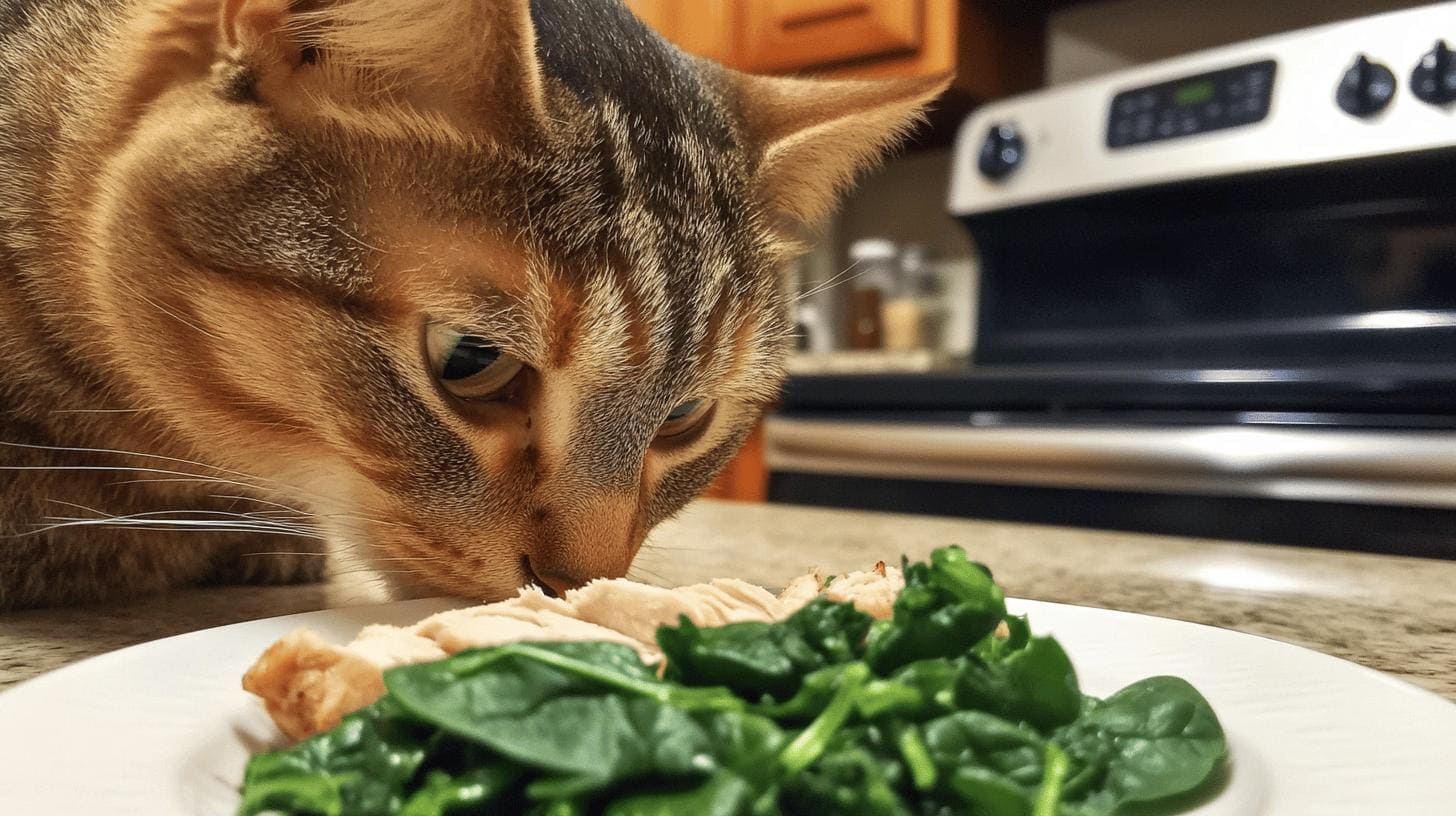
Cats, as obligate carnivores, have dietary needs focused on high protein and fat intake, with minimal carbohydrates. Their bodies are designed to thrive on meat-based nutrition, which provides the essential amino acids and nutrients they require.
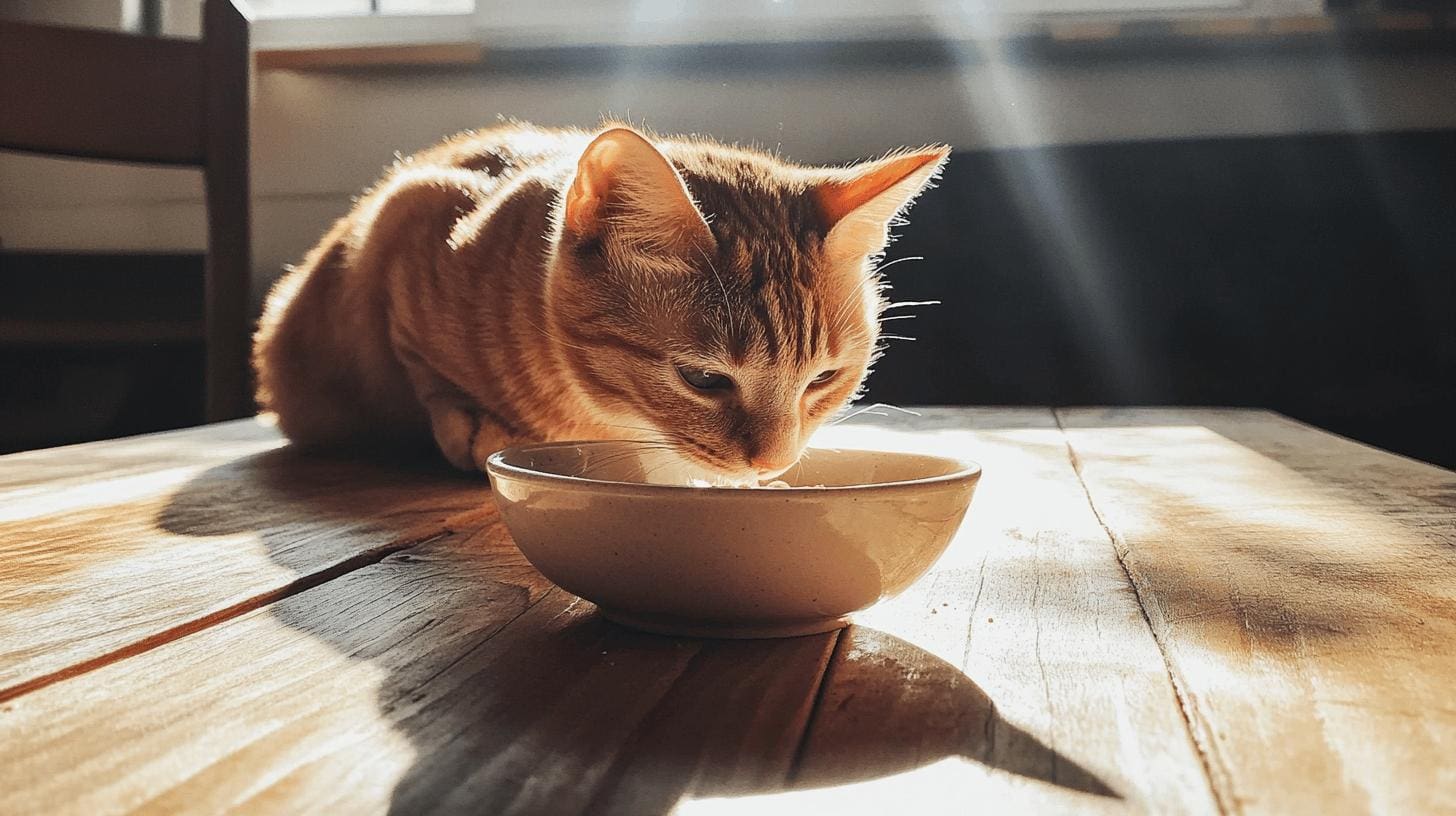
Oatmeal, while not toxic to cats, doesn't align well with these nutritional needs. It's primarily a carbohydrate source, offering little in the way of the proteins and fats cats need for optimal health. Therefore, while it is technically safe to offer oatmeal to your feline friend, it should be given only occasionally and not as a dietary staple.
When considering oatmeal for cats, it's important to keep it plain and free from any additives. Cooking oats in water rather than milk is crucial, as many cats are lactose intolerant, and milk can upset their digestive systems.
Avoid adding any sweeteners, spices, or toppings like raisins, which are toxic to cats. While oatmeal won’t harm cats in small amounts, it doesn't provide significant nutritional benefits, making its role in a cat's diet quite limited. Oatmeal might be suitable as an occasional treat if your cat enjoys it, but there are more nutritious options available that align better with their carnivorous requirements.
Potential risks of feeding oats to cats include:
- Digestive discomfort
- Vomiting
- Diarrhea
- Lack of essential nutrients
- Risk of imbalanced diet
Ensuring that cats receive a diet rich in animal proteins and fats will better support their health and well-being.
Nutritional Considerations of Oats for Cats
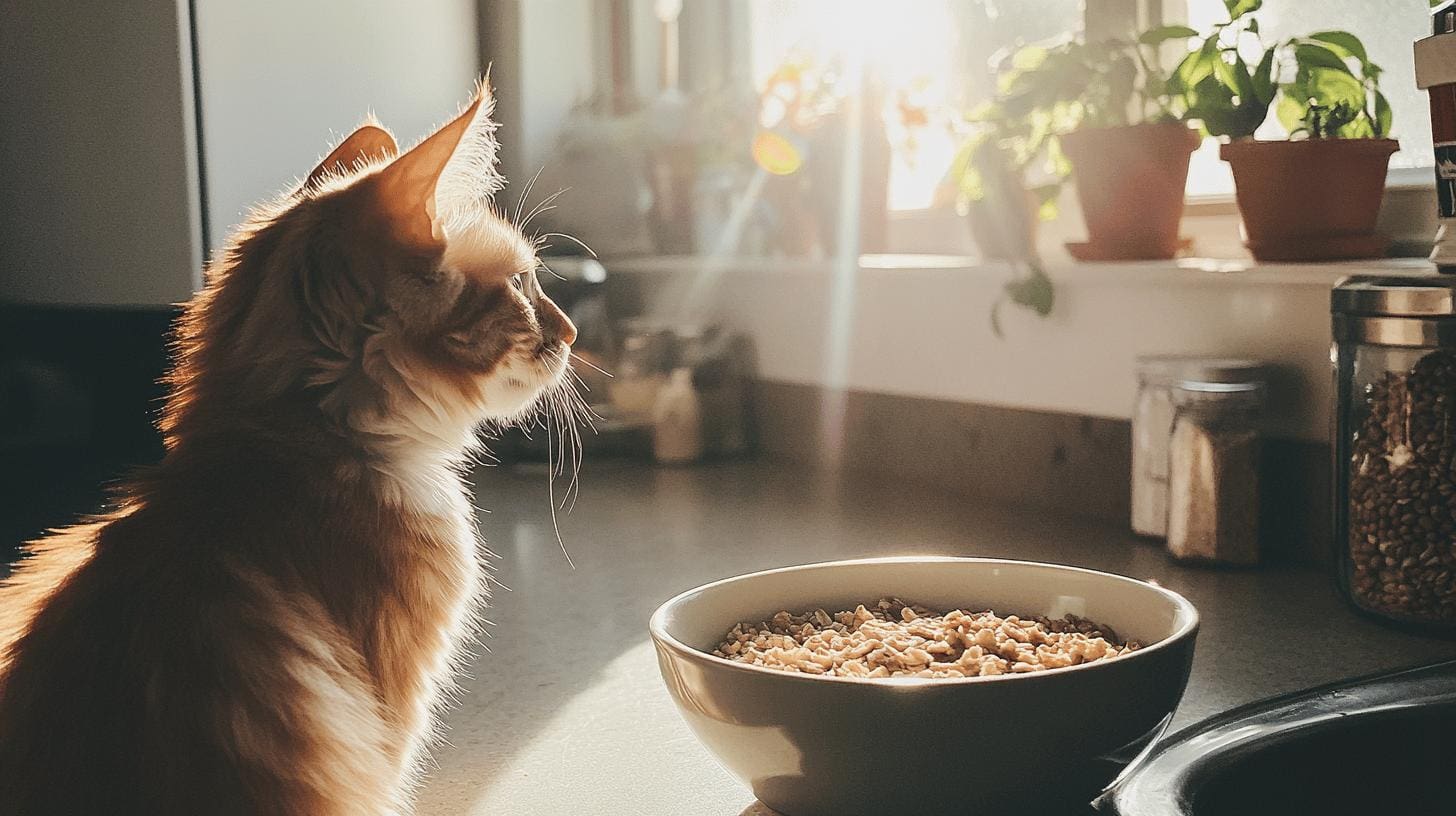
Oatmeal offers some nutritional benefits for cats, including antioxidants, linoleic acid, and amino acids. These nutrients can support a cat's skin, coat, and digestion. Although beneficial, these nutrients alone don't meet a cat's comprehensive dietary requirements.
Cats, being obligate carnivores, need diets high in protein and fat. Their systems are optimized for energy from animal proteins and fats. While oats contain some protein and fatty acids, they lack the necessary quantities cats need for optimal health.
Carbohydrates have a minimal role in a cat's diet. Cats don't biologically require them and aren't efficient at processing them. Given the high carbohydrate content in oats, they aren't ideally suited to cat nutrition.
| Nutritional Element | Oats | Typical Cat Diet |
|---|---|---|
| Proteins | Moderate | High |
| Fats | Low | High |
| Carbohydrates | High | Low |
| Essential Nutrients | Limited | Comprehensive |
How to Prepare Oats for Cats
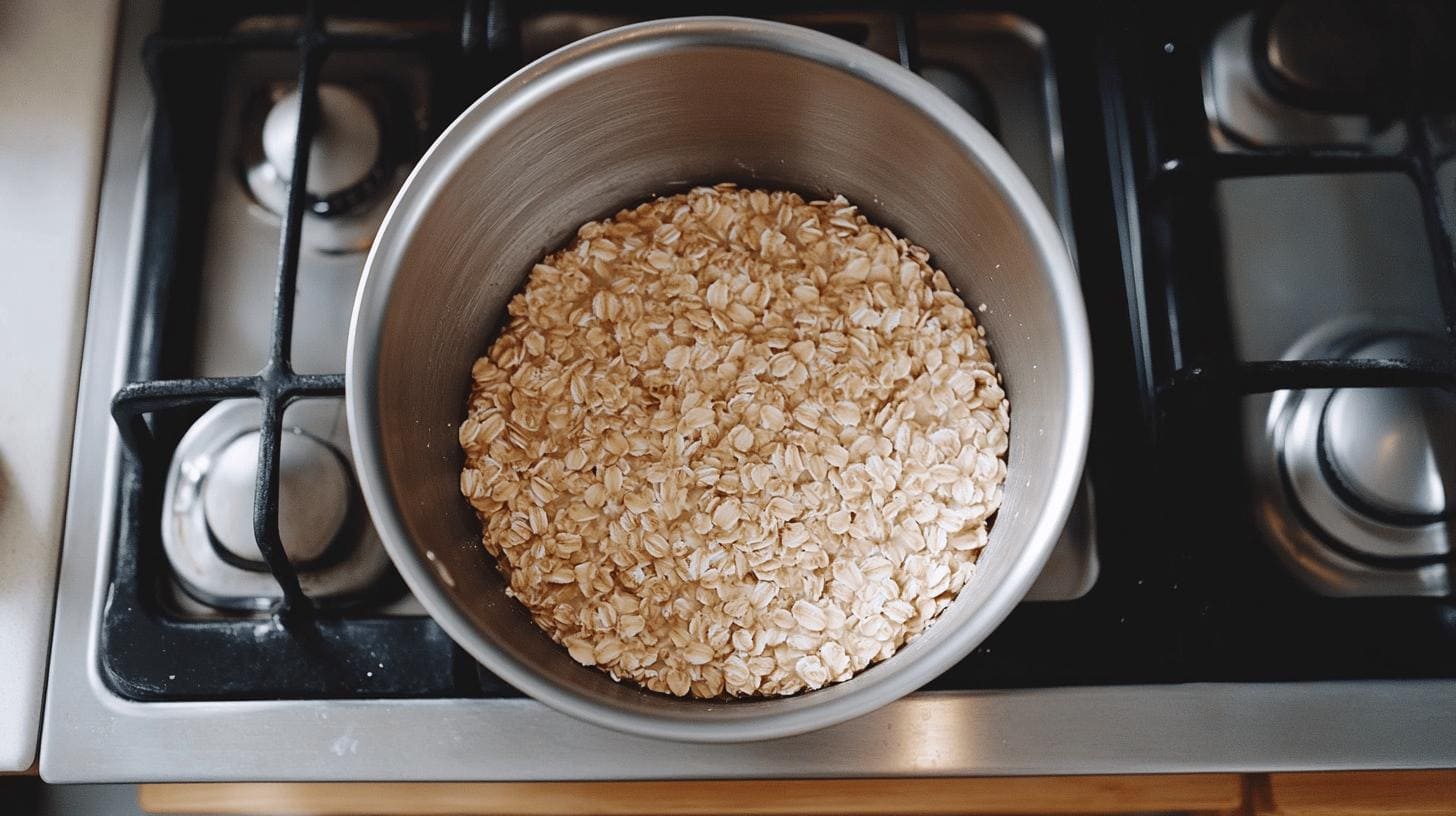
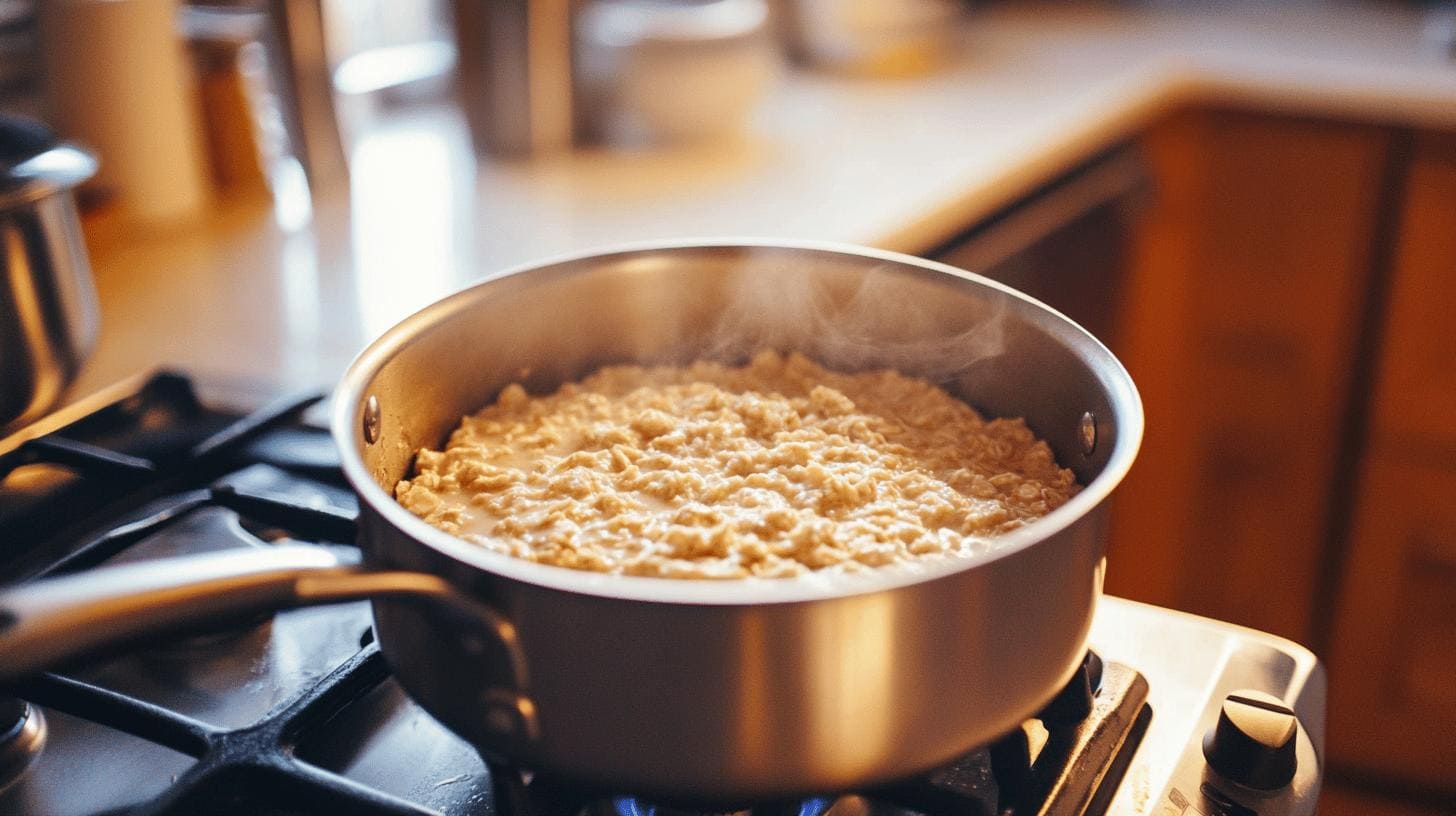
When preparing oats for cats, it’s essential to cook them in water instead of milk. Many cats are lactose intolerant, and milk can lead to digestive issues. Water-cooked oats are safer and allow you to keep the preparation plain, avoiding unnecessary additives that could harm your cat. This simplicity is crucial because any added spices, sweeteners, or toppings like honey or sugar can upset your cat's stomach or even be toxic.
Enhancing the oats' taste by mixing them with a small amount of wet cat food can make them more appealing to your feline friend. Cats are generally more attracted to meaty and savory flavors, so incorporating wet food can help balance the oats' texture and taste, making it a treat your cat might actually enjoy.
Here’s how you can safely prepare oats for your cat:
- Measure a small portion of oats.
- Cook oats in water until soft.
- Cool oats to room temperature.
- Mix with a small amount of wet cat food.
- Serve in moderation.
- Store leftovers in a fridge for up to 2 days.
By following these steps, you can offer oats as an occasional treat without compromising your cat's health.