Is your cat curious about everything you eat, even your oranges? Cats and oranges might not seem like a dangerous match, but surprises lurk beneath the peel. While not outright toxic, even a tiny taste could spell trouble for your feline friend.
Imagine turning a sweet, juicy fruit into an orange explosion of tummy troubles! While tempting to share, let's navigate through why it's a no-go zone for your cat. We'll delve into understanding the safety and health implications, so you can keep your kitty safe and healthy.
Can Cats Eat Oranges: Safety and Health Risks
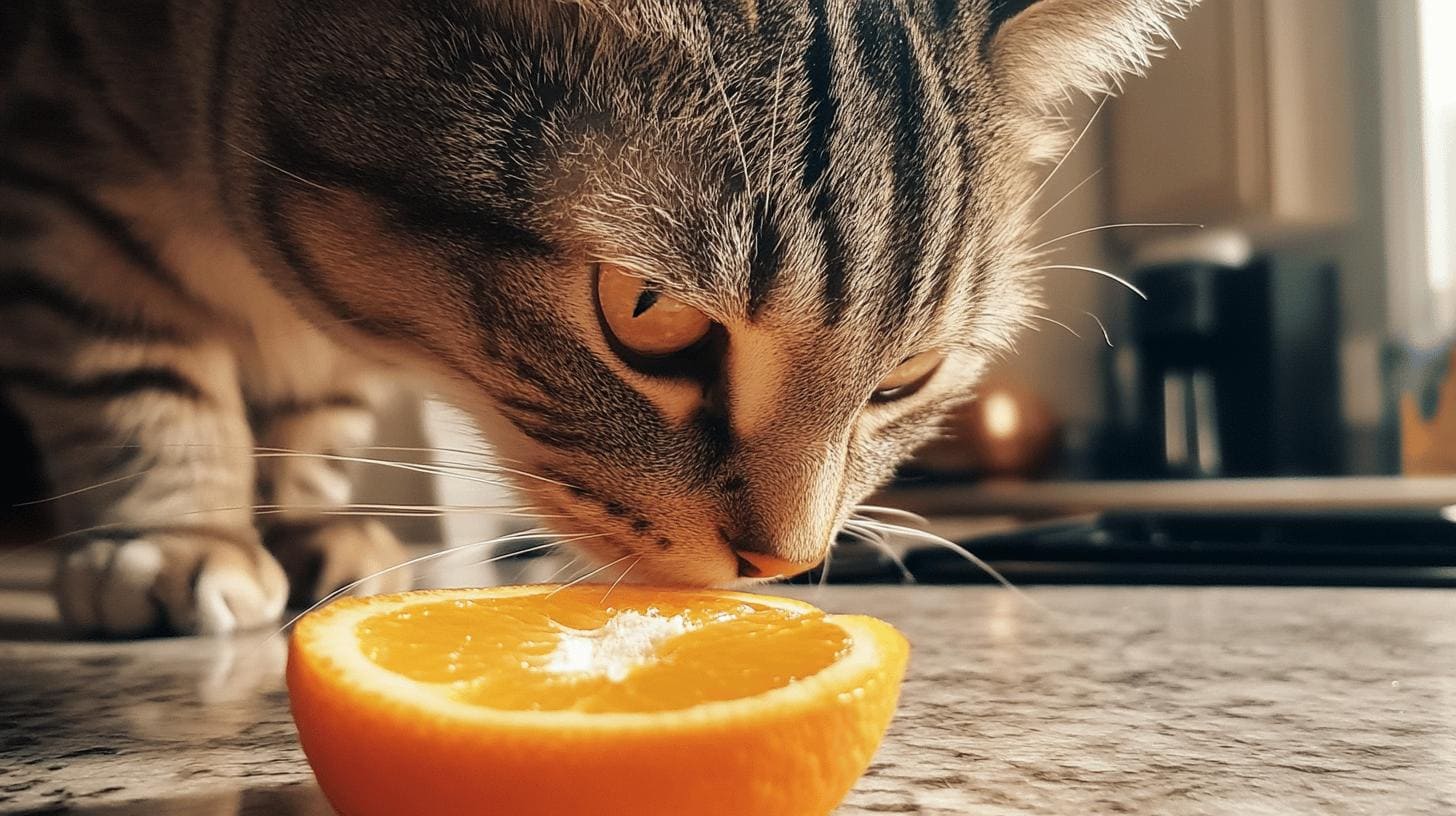
Cats and oranges aren't the best mix. While oranges aren't toxic to cats, they're not recommended as a treat. The reason? Potential digestive issues. Even a small bite can lead to vomiting, diarrhea, weakness, and lethargy. When it comes to citrus ingestion in cats, it’s better to err on the side of caution and keep these fruits out of reach.
Cats don't gain any nutritional benefits from eating oranges. As obligate carnivores, their diet should be rich in animal protein and low in carbohydrates. Oranges, like other citrus fruits, offer little nutritional value for cats. They can't digest fruits well, and the lack of essential nutrients makes it unnecessary to include them in their diet.
Experts advise against feeding cats oranges. They highlight that the oils found in citrus peels can be harmful. The overwhelming smell alone is a deterrent for most cats, which is a natural protective measure. If a cat does happen to nibble on an orange, it's important to monitor them for any signs of distress and consult a vet if any symptoms appear.
Understanding the Effects of Citrus on Cats
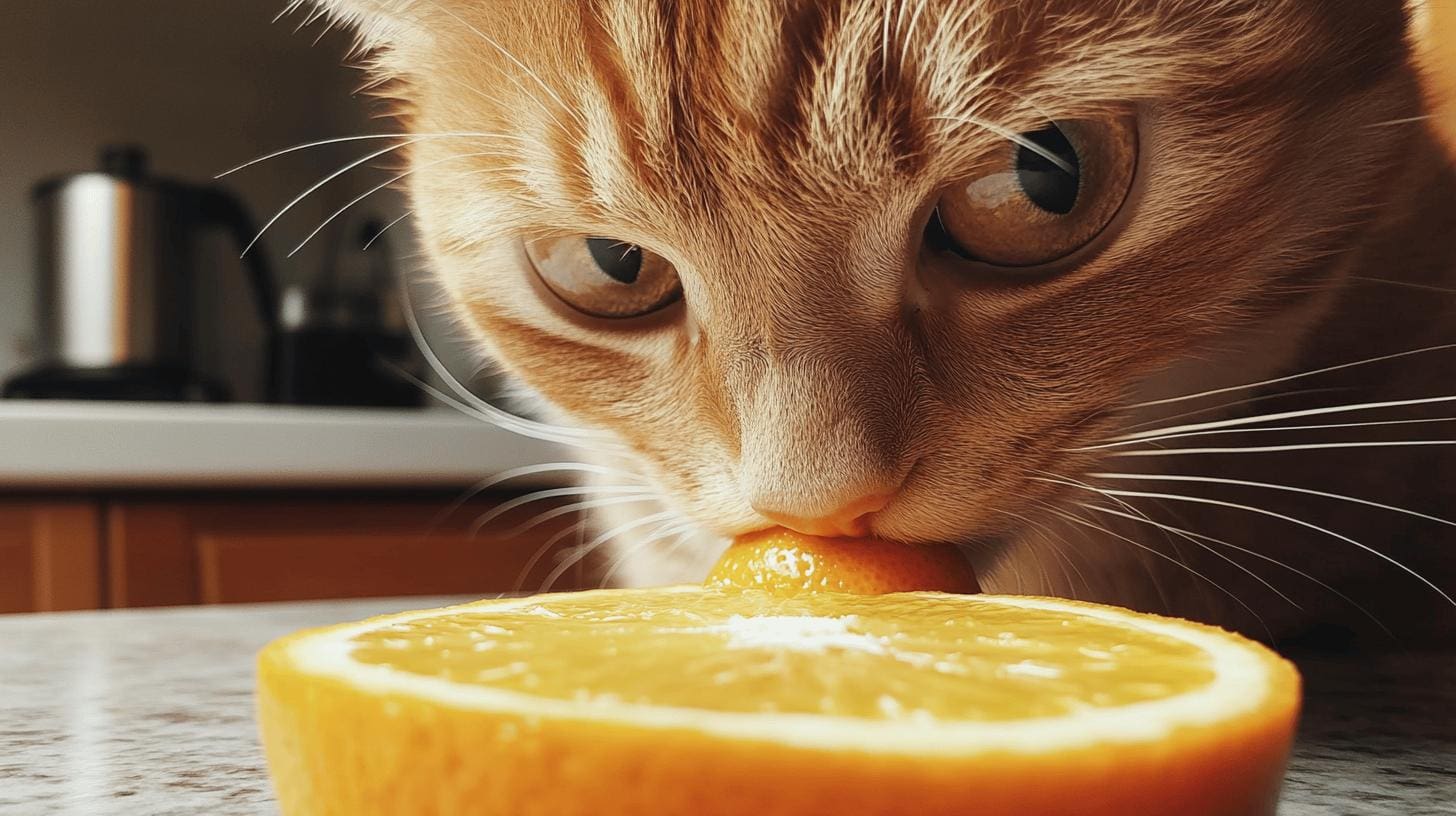
Cats have a remarkable sense of smell, about 14 times more sensitive than ours. This sensitivity makes the aroma of citrus fruits like oranges, mandarins, and tangerines overwhelming for them. Their natural aversion serves as a protective instinct, as the citrus oils can irritate a cat's nose.
Ingesting citrus can cause health issues in cats. Oranges and their derivatives, such as orange juice, are unsafe for them. Consumption can lead to digestive problems, including symptoms like vomiting and diarrhea, especially if larger amounts are eaten. Citrus oils can worsen these symptoms and cause discomfort.
Though rare, some cats might develop allergies to citrus, leading to skin irritation or more severe reactions upon contact or ingestion. The strong citrus smell acts as a behavioral defense and health safeguard. Keep citrus products away from cats. If any allergic reactions, like excessive scratching or redness, occur, consult a vet to ensure their well-being.
What to Do if Your Cat Ingests an Orange
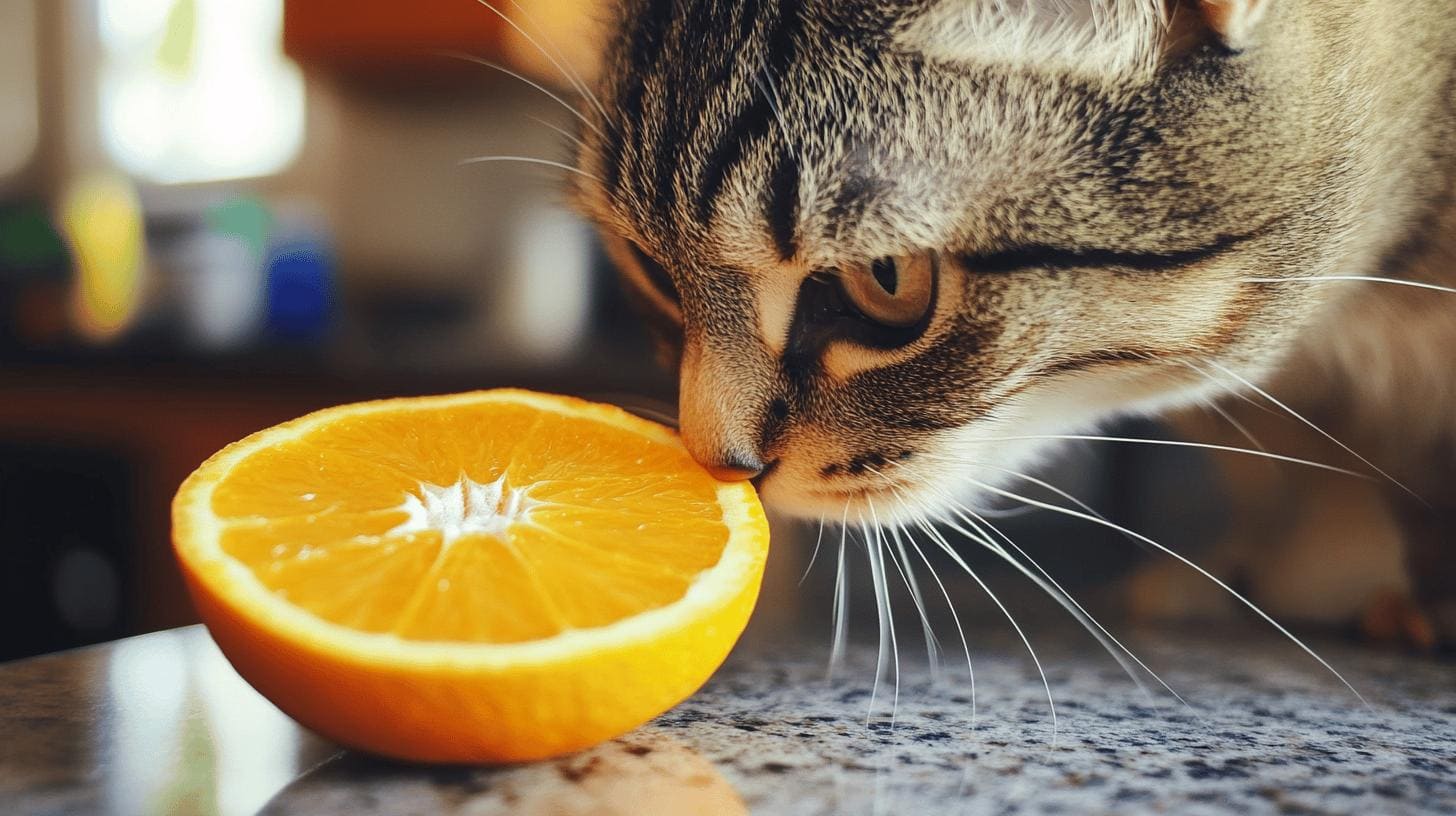
If your cat has licked or eaten an orange, it's crucial to be aware of the signs of citrus poisoning. Symptoms can range from mild to severe and may include drooling, vomiting, diarrhea, or skin irritation. Observing your cat closely for these symptoms is important, as early detection can make the treatment process smoother and more effective.
Here are immediate steps to take if your cat ingests citrus:
- Remove any remaining citrus from your cat’s reach to prevent further ingestion.
- Observe your cat for any immediate signs of distress or discomfort.
- Gently clean your cat’s mouth with a damp cloth to remove any citrus residue.
- Monitor your cat’s behavior and symptoms, noting any changes in appetite or energy level.
- Contact your veterinarian to discuss symptoms and next steps for care.
Citrus poisoning in cats is rarely fatal and can often be treated successfully. Treatment might involve bathing your cat to remove any lingering citrus oils from their fur. If skin irritation occurs, applying topical corticosteroids can help alleviate discomfort. If symptoms persist or worsen, seeking veterinary care is essential to ensure your cat's safety and well-being.