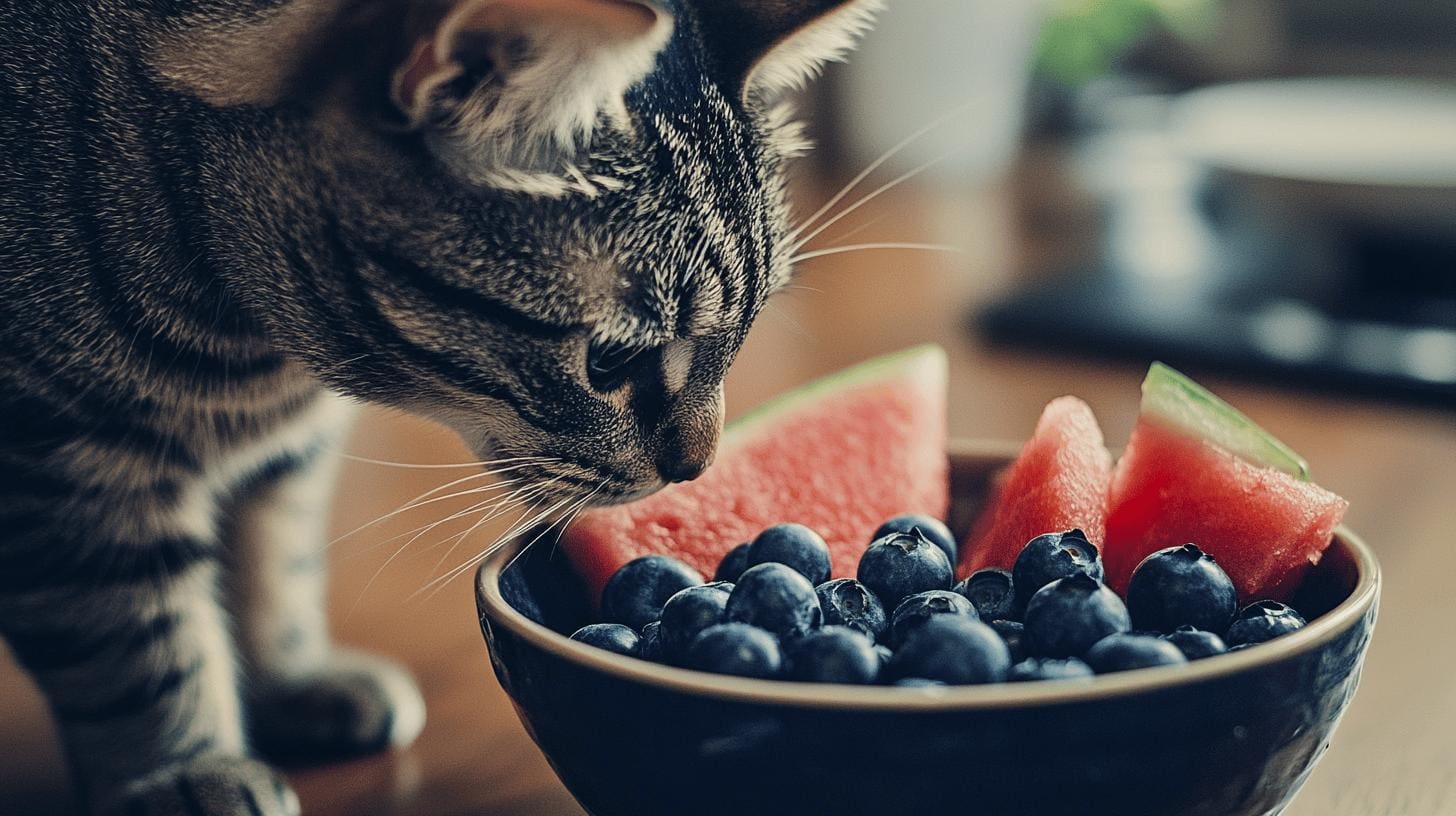
Can cats really enjoy an apple as a snack, or is it a risky treat? You might picture them eyeing an apple slice with curiosity, but are they getting something nutritious, or is it a potential hazard? The short answer is that cats can eat apples, but there's a catch.
Knowing how to prepare apples can make them a safe and healthy option. Let's explore how a simple apple can offer benefits and the steps to ensure your feline friend stays safe and happy.
Are Apples Safe and Beneficial for Cats?
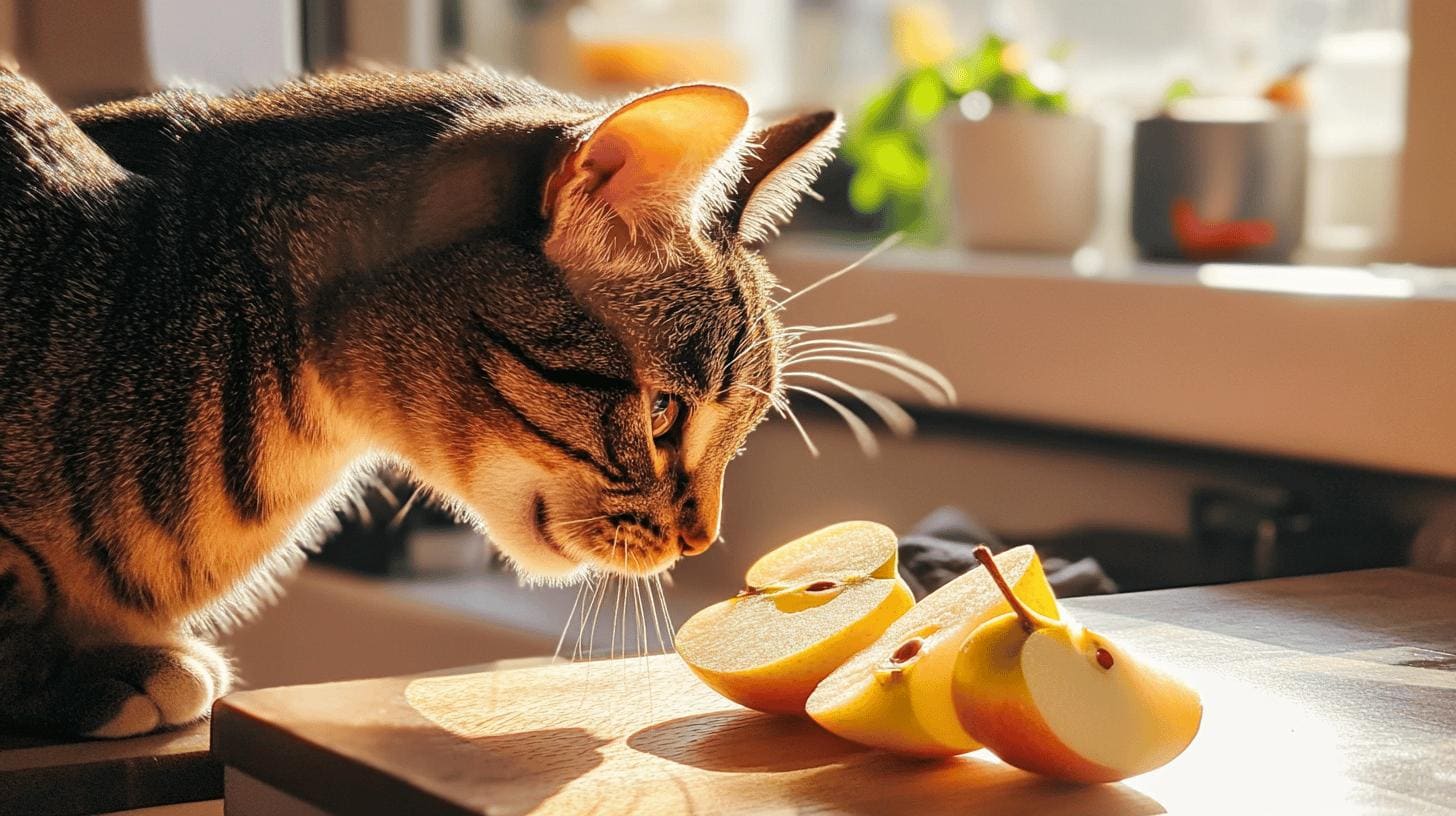
Cats can eat apples, but it's essential to prepare them correctly to ensure safety. The seeds and core of apples contain cyanide, which is toxic to cats. Before offering apples to your feline friend, always remove these parts.
The flesh of the apple itself is non-toxic and can be safe for cats to consume in moderation. By taking these precautions, you help prevent any potential health risks that might come from improper preparation.
Apples offer some nutritional benefits that could be advantageous for cats in small quantities. They contain dietary fiber and vitamin C, which contribute to a cat's overall health. Fiber can aid in digestion, while vitamin C is an antioxidant that helps support immune function.
However, these benefits are only significant when apples are given sparingly and should never be considered a replacement for the essential nutrients cats derive from their meat-based diet.
Despite their benefits, overconsumption of apples can pose health risks. Cats are obligate carnivores, and their digestive systems are not designed to handle large amounts of fruit. Eating too many apples can lead to digestive issues, such as diarrhea or vomiting.
In the long term, excessive consumption may contribute to obesity and diabetes due to the natural sugars found in apples. It's crucial to monitor the amount of apple your cat consumes to avoid these potential problems.
When serving apples to cats, follow safe serving guidelines. Cut the apple into small, manageable pieces to prevent choking. Removing the skin may also be a good idea to make digestion easier. Serve apples in moderation, ensuring that they are only a minor part of your cat's diet. These steps will help make apple consumption a safe experience for your cat.
Ultimately, apples should be an occasional treat in your cat's diet. While they can offer some nutritional perks, their role should remain minimal. A cat's primary diet should focus on high-quality meat-based foods that provide the necessary proteins and nutrients they need. By treating apples as a rare snack, you can give your cat a taste of variety without compromising their dietary needs.
- Remove seeds and core
- Cut into small, manageable pieces
- Serve without skin
- Offer as an occasional treat
Alternatives to Apples: Other Cat-Friendly Fruits
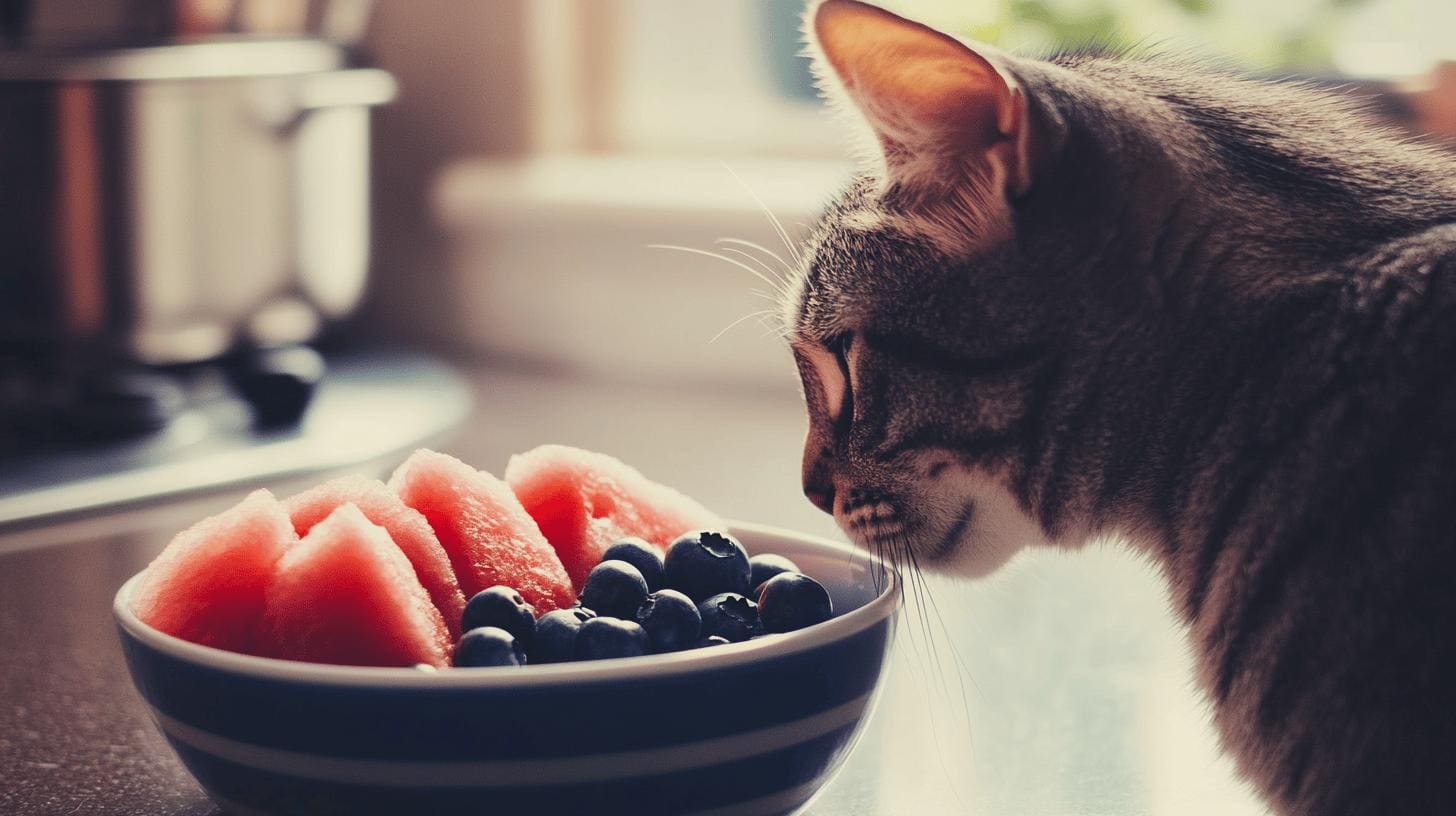
Cats can enjoy a variety of fruits as occasional treats. Safe options include blueberries, which are rich in antioxidants, and seedless watermelon, offering hydration on hot days. Peeled cucumbers are another good choice, providing a crisp texture that some cats enjoy. These fruits, while not necessary for a cat's diet, can add some flavor and variety without posing significant risks.
Moderation is key when feeding fruits to cats. While these treats can be a fun addition, they should not replace a cat's regular carnivorous diet. Cats rely on meat for essential nutrients, and too many fruits can lead to digestive issues or unnecessary weight gain. Always introduce new fruits slowly and in small amounts to monitor your cat's reaction.
Certain fruits should be avoided altogether. Lemons and other citrus fruits can cause metabolic problems in cats, and grapes or raisins are toxic and should never be offered. Always research or consult a vet before introducing new foods to your feline friend.
| Fruit | Safe for Cats? |
|---|---|
| Blueberries | Yes |
| Watermelon (seedless) | Yes |
| Peeled Cucumbers | Yes |
| Lemons | No |
| Grapes | No |