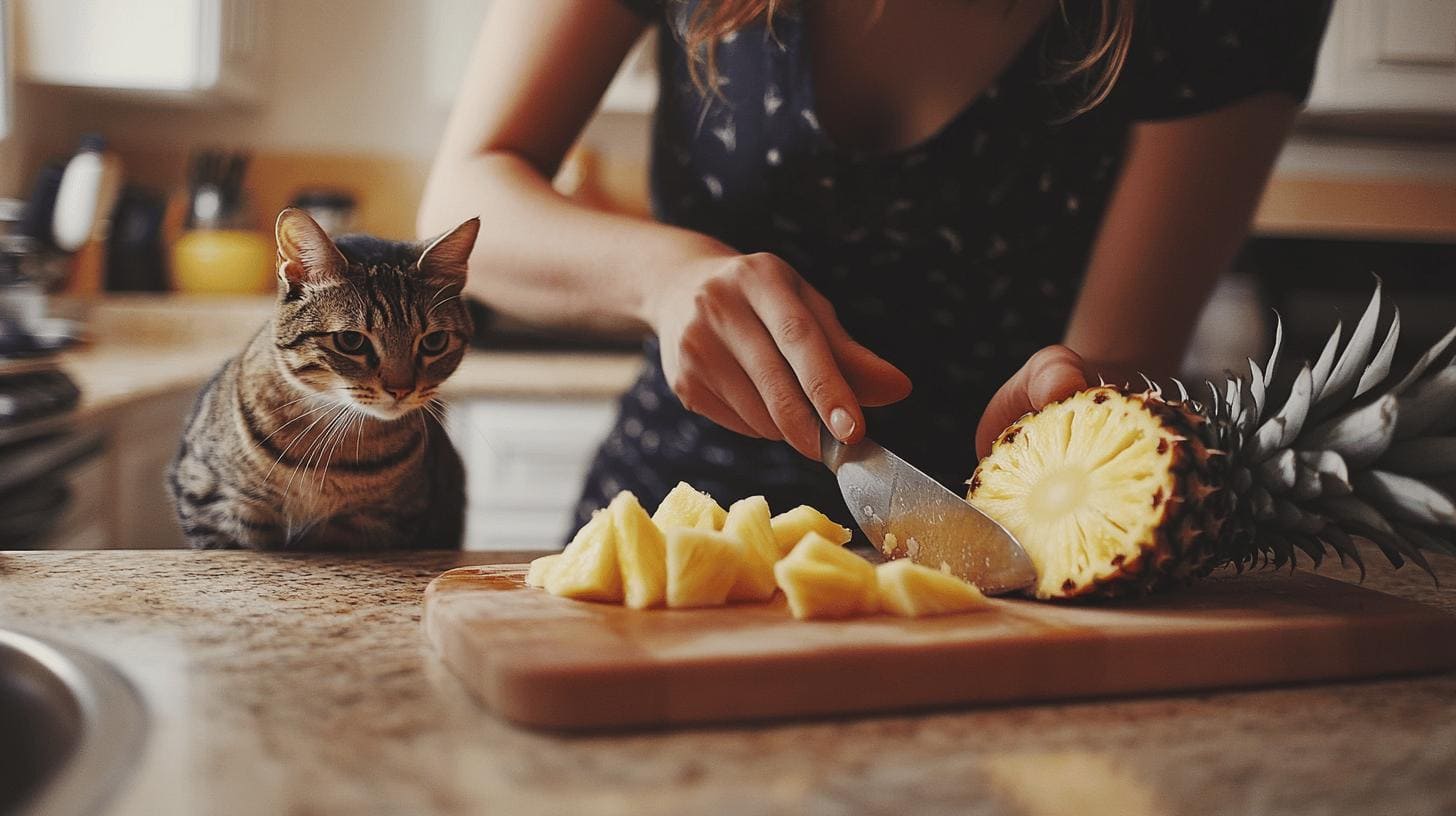
Can a slice of pineapple be a juicy treat for your cat, or is it a recipe for trouble? Pineapple isn't toxic to cats, which makes it safe as an occasional snack. But moderation is the key.
Cats are obligate carnivores. Their diet should focus on meat. Introducing pineapple carefully ensures a tasty change without causing digestive problems.
While it won't provide much in the way of nutrition, a small piece now and then won't hurt. Let's explore how you can satisfy your cat's curiosity safely with this tropical fruit.
Can Cats Safely Eat Pineapple?
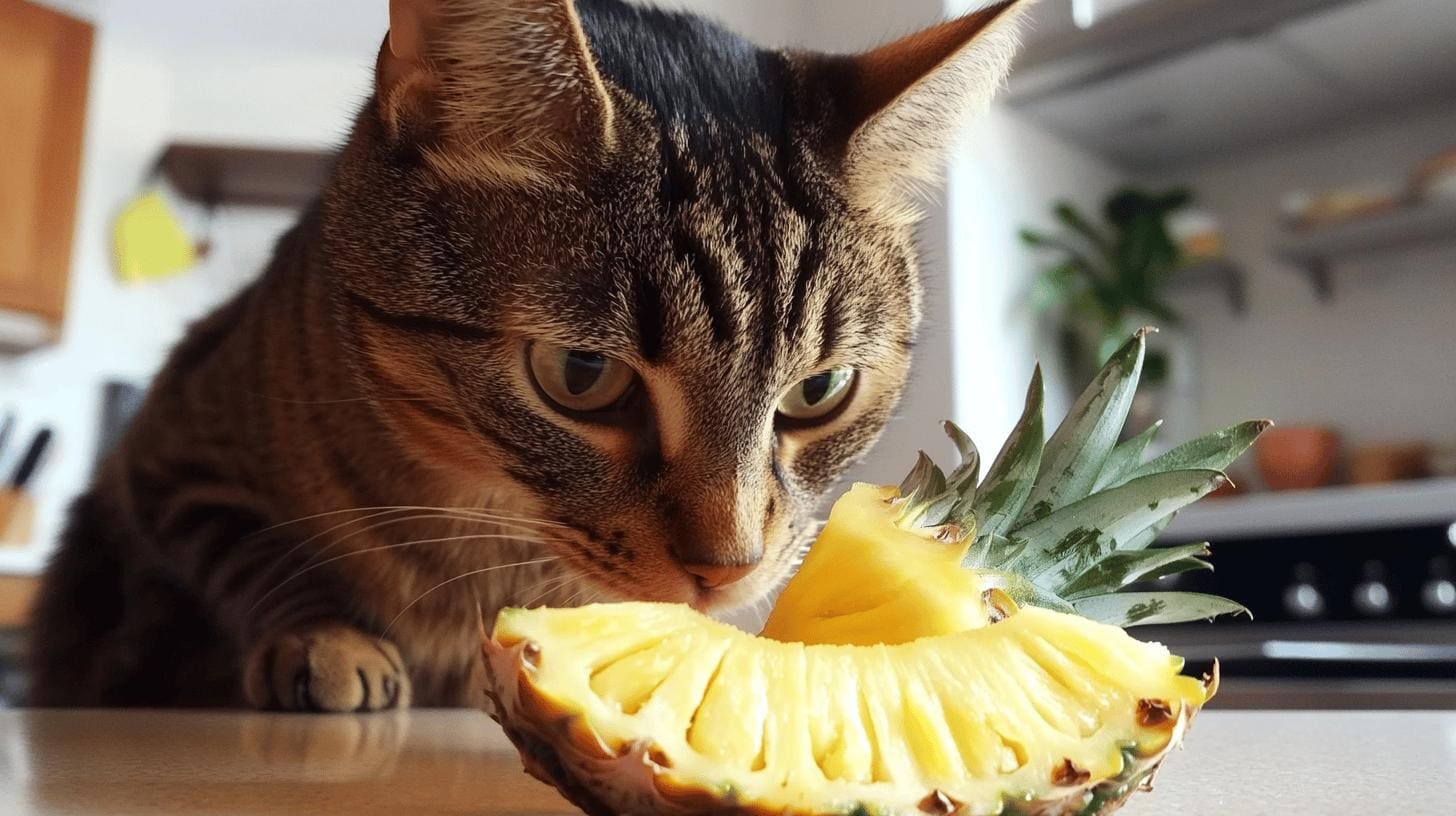
Cats can eat pineapple safely, but it should only be given in small amounts. Pineapple is not toxic to cats, making it a safe choice as an occasional treat. The key is moderation.
Since cats are obligate carnivores, their primary diet should consist of meat, and fruits like pineapple should never replace their regular meals. Offering pineapple sparingly ensures that your cat enjoys a novel taste without facing any digestive issues.
While pineapple is safe for cats, it doesn't offer significant health benefits to them. Unlike humans, cats do not require the vitamins and minerals found in fruits to stay healthy.
Their bodies are designed to extract nutrients primarily from meat. So, while the occasional pineapple piece is unlikely to harm your cat, it won't contribute much to their overall nutrition either.
-
May cause vomiting if overfed
-
Can lead to diarrhea in large quantities
-
High sugar content might contribute to weight gain
Taking these points into account, it's clear that while cats can enjoy pineapple on rare occasions, it's best to keep it minimal to prevent any potential health issues.
Nutritional Aspects of Pineapple for Cats
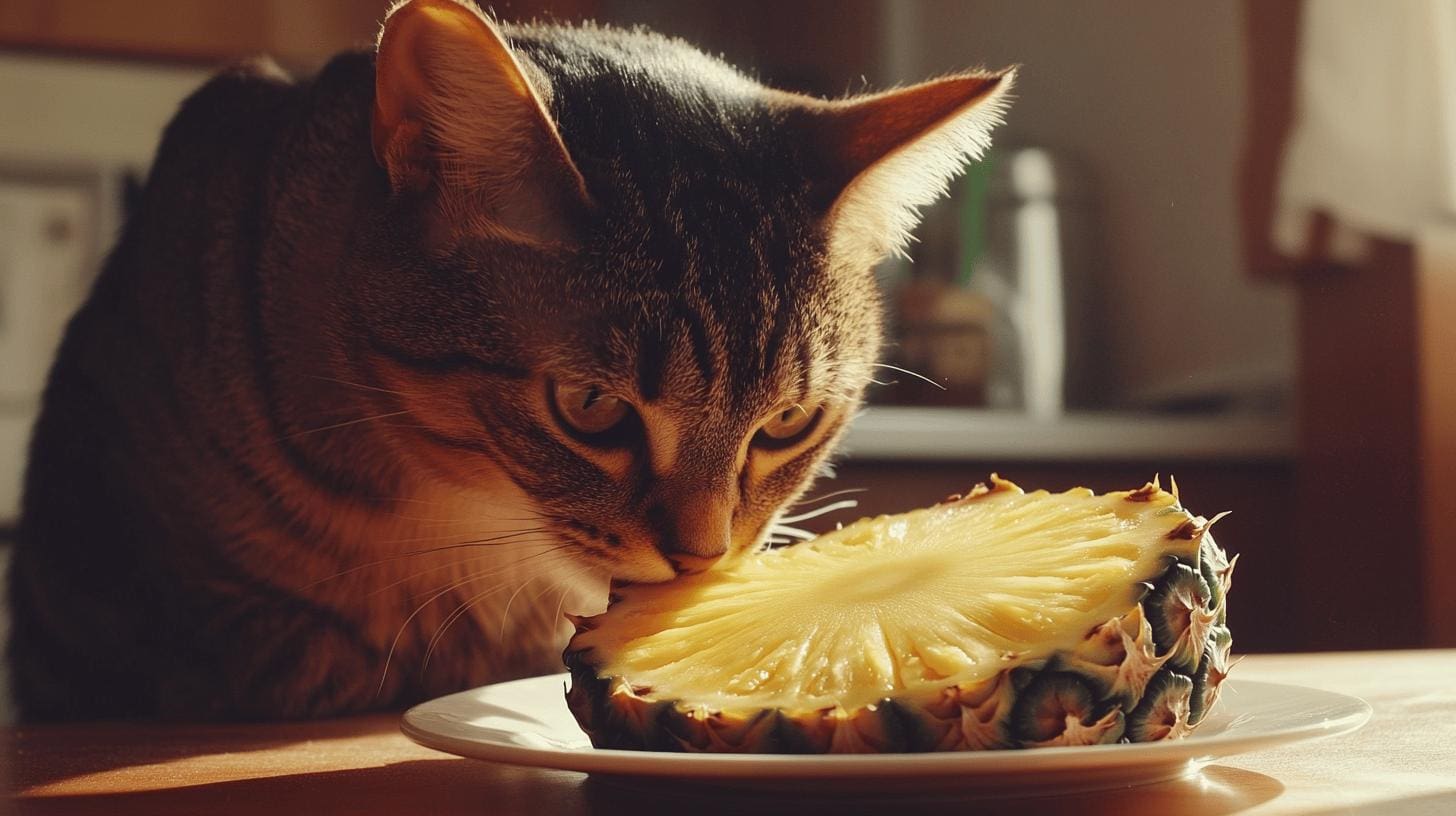
Pineapples are rich in vitamins C, A, folate, and B6, as well as minerals like manganese and potassium. These nutrients support various health benefits in humans, such as immune function and digestion.
For cats, these nutrients are not essential. Their bodies naturally produce vitamin C, and they do not require the vitamins and minerals found in pineapples. Cats meet their nutritional needs through protein and animal fats.
Pineapples provide minimal fiber benefits for cats, which might aid digestion slightly. However, their digestive systems aren't designed for high fiber intake. A small amount of pineapple is harmless, but it doesn't compare to a diet tailored for feline nutrition.
Risks of Feeding Pineapple to Cats
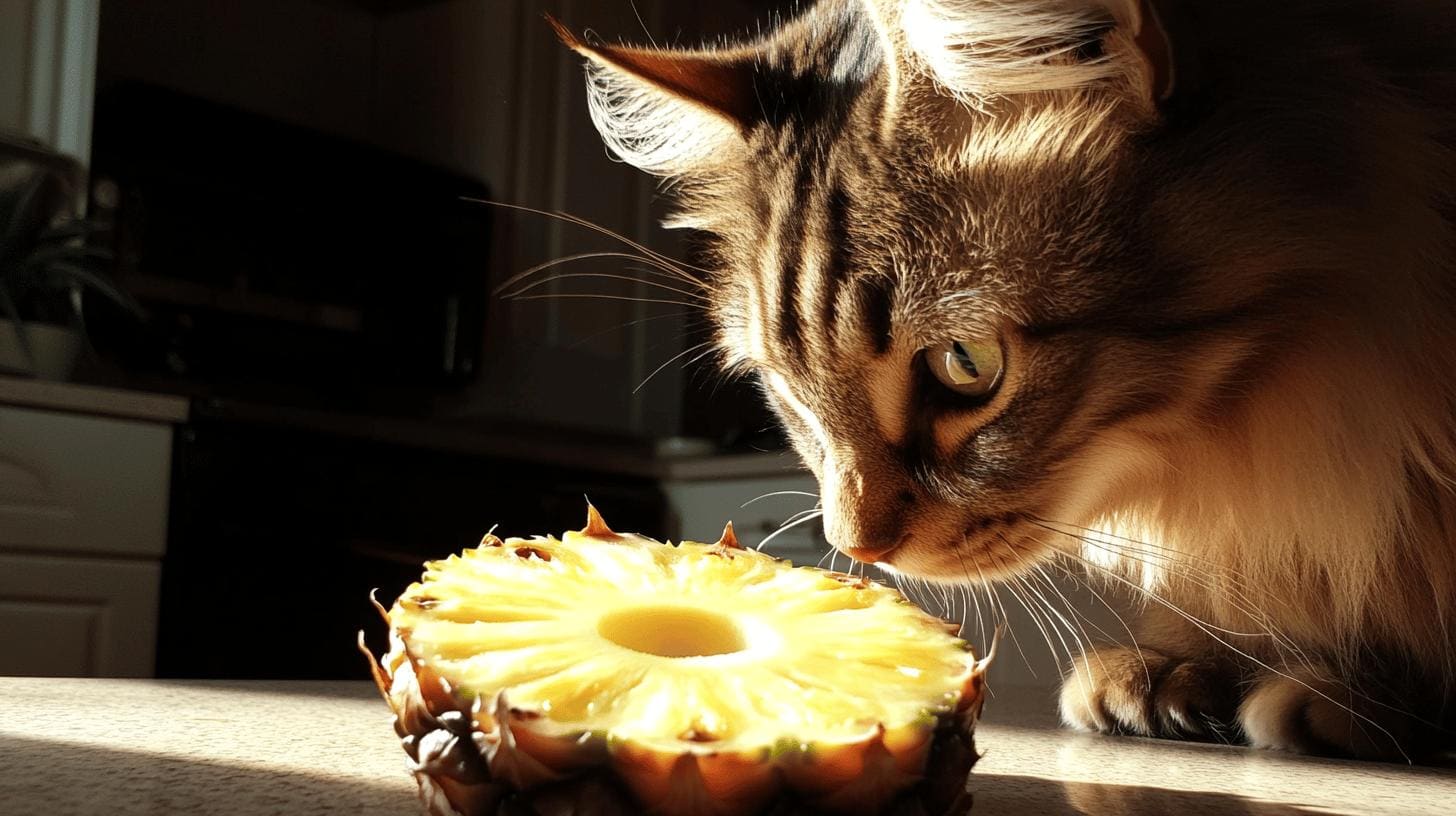
Cats can't taste sweetness, so their interest in pineapple might be due to its texture or moisture. Pineapple is not toxic to cats, but it doesn't fit their meat-based nutritional profile.
-
Indigestion: Cats lack the necessary enzymes to digest fruits properly, leading to potential stomach upset.
-
Obesity: High sugar levels can contribute to weight gain, posing health risks.
-
Diabetes: Consuming too much sugar can increase the risk of diabetes, a serious health condition.
- Vomiting and diarrhea: Overconsumption can lead to these digestive issues, causing discomfort.
The risks of feeding pineapple to cats often outweigh any minimal benefits. While a small piece might not cause immediate harm, frequent feeding can lead to long-term health issues.
Cats thrive on diets designed for their carnivorous needs, and introducing fruits like pineapple can disturb their nutritional balance. Prioritizing a diet that meets their physiological requirements is best for maintaining their health and well-being.