
Ever wondered if your cat could learn to use a cat door without a fuss? Introducing a cat door to your pet’s routine might seem tricky, but it can be a breeze with the right steps.
Imagine the freedom it gives both you and your cat—no more constant door patrol! In this guide, I’ll share simple steps to train your cat to use a cat door easily. With patience and a little know-how, your feline friend will soon be a pro at coming and going.
Step-by-Step Guide to Train a Cat to Use a Cat Door
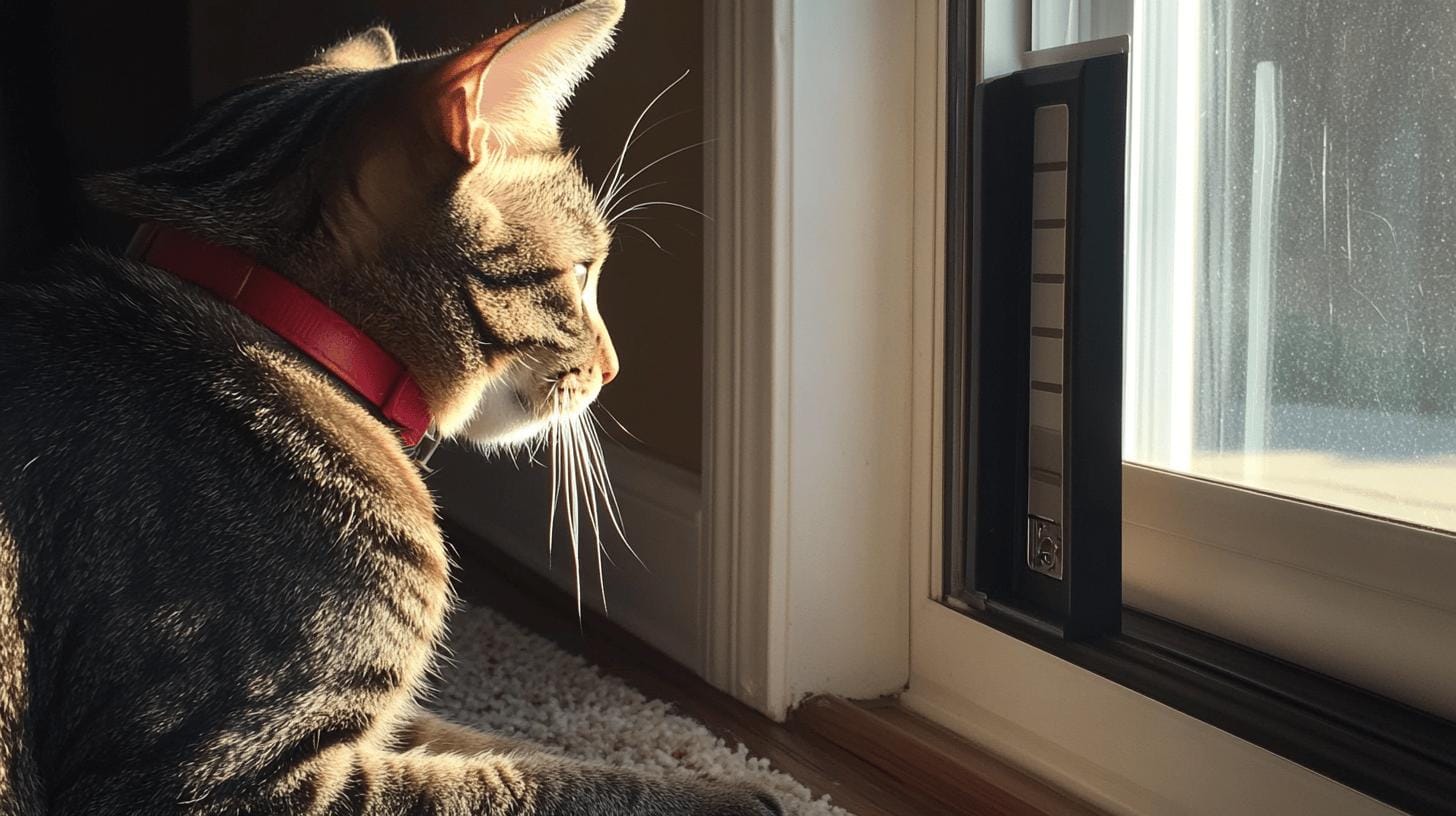
Training a cat to use a cat door can be a rewarding process, both for you and your feline friend. It involves patience, understanding, and a structured approach to help your cat feel comfortable with this new addition to their environment.
By following a step-by-step guide, you can make the transition smooth and less stressful for your cat. The key is to introduce the cat to the door gradually, ensuring they have time to adjust to each stage of the process.
- Introduce the cat to the door. Start by placing the door in the room where your cat spends most of their time. Allow them to sniff and explore it without pressure.
- Familiarize the cat with the flap. Gently hold the flap open and encourage your cat to walk through. You can use a toy or a treat to entice them to pass from one side to the other.
- Gradually increase training difficulty. Once the cat is comfortable going through the open flap, start letting it down slowly, so they learn to push it themselves.
- Maintain regular, short training sessions. Keep each session under 5 minutes to prevent your cat from becoming overwhelmed or frustrated.
- Troubleshoot during each step. If your cat seems fearful or reluctant, return to the previous step and try again later.
Troubleshooting is essential when training your cat to use a cat door. If your cat appears scared of the flap, try leaving it open until they feel more secure passing through. For cats that hesitate, giving them more time to explore the door at their own pace can help.
Never force your cat through the door, as this can lead to fear and reluctance to use it in the future. Instead, observe your cat’s reactions and adjust your approach as needed.
Patience and consistency are vital throughout the training process. Each cat is unique, and while some may take to the door quickly, others might require more time and encouragement.
Sticking to regular training sessions and maintaining a calm and supportive environment will help your cat gain confidence in using their new door. By focusing on gradual progress and celebrating small victories, you’ll make the training experience enjoyable and successful for both you and your cat.
Using Positive Reinforcement and Motivation
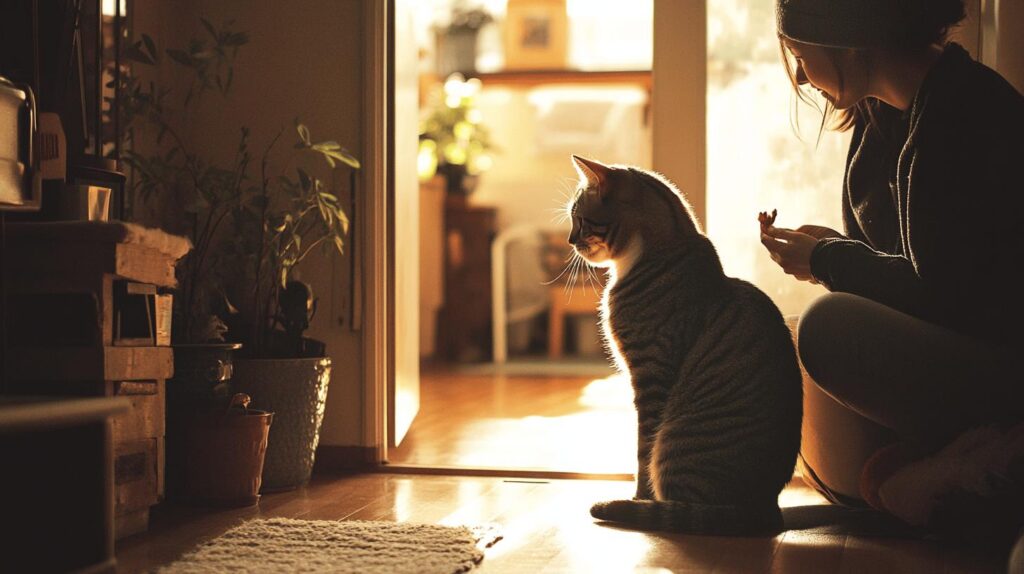
Positive reinforcement is a powerful tool in training your cat to use a cat door. Cats respond well to rewards, and using positive reinforcement creates a pleasant association with the door. When a cat receives a treat or praise for attempting to use the door, they are more likely to repeat the behavior.
This method builds trust and confidence, making the training process enjoyable for both you and your cat. It’s essential to focus on rewarding desirable actions rather than punishing unwanted behaviors, as this fosters a more cooperative and stress-free learning environment.
- Using treats.
- Offering praise.
- Incorporating toys.
- Engaging in play sessions.
- Providing a reward system.
Motivation should be tailored to fit each cat’s unique preferences to maximize training success. Some cats may be treat-driven, while others might respond better to playtime or affection. Observing what your cat enjoys most will help you customize your approach, ensuring they remain engaged and motivated throughout the training process.
By understanding your cat’s individual needs and preferences, you can create a more effective and rewarding training experience.
Introducing Cat Doors to Different Cat Personalities
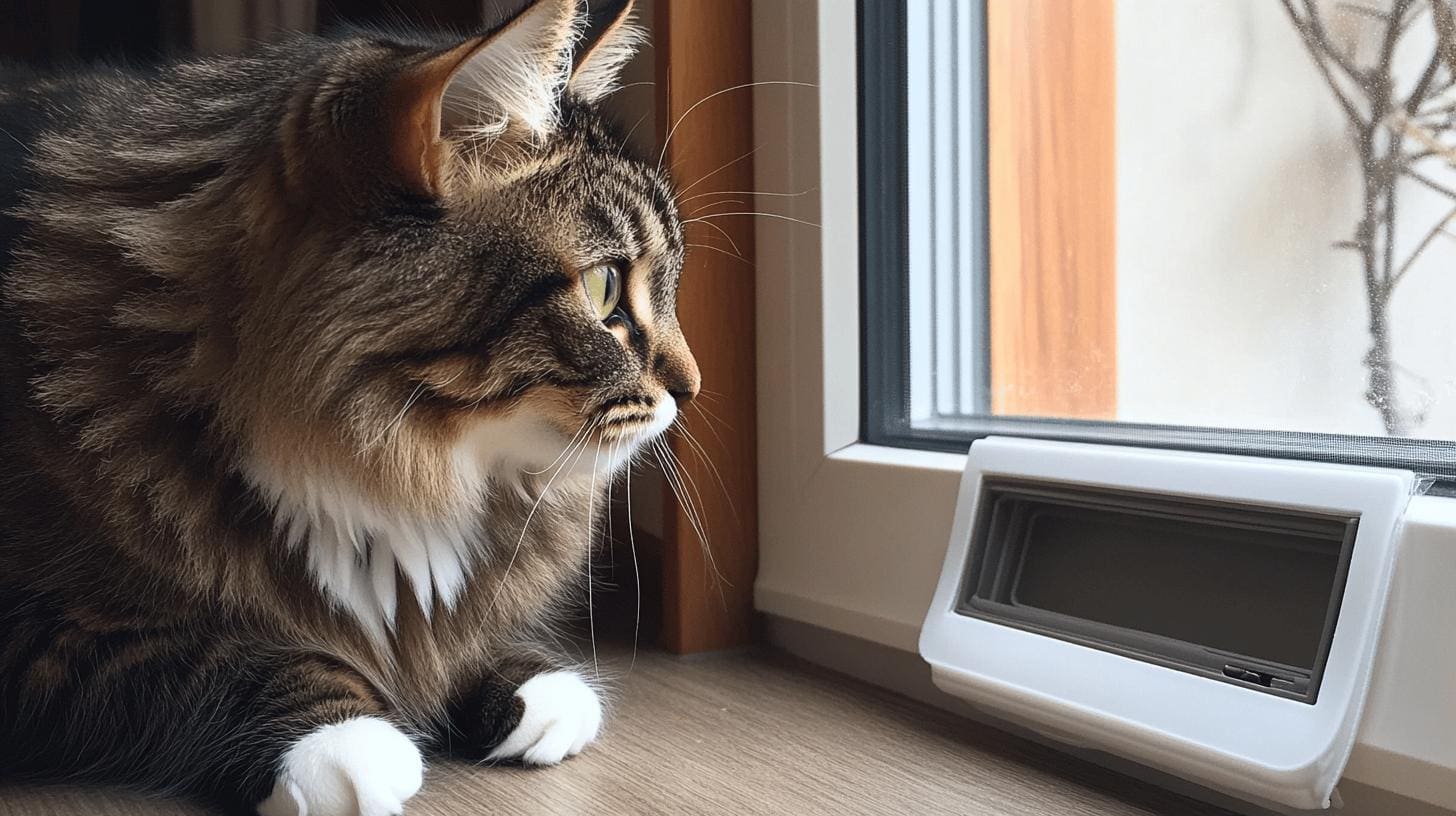
Understanding feline behavior is key to successfully training your cat to use a cat door. Each cat has a unique personality, which affects how they respond to new experiences. Some cats are naturally curious and adventurous, while others may be more cautious or shy.
Recognizing your cat’s personality traits can guide you in tailoring the training process, ensuring that they feel comfortable and secure as they learn to use the cat door.
Shy and older cats often require more time and patience when it comes to training. For shy cats, creating a calm and quiet environment is crucial. Allow them to approach the door at their own pace without pressure.
For older cats, who might be set in their ways or have physical limitations, gradual introduction and positive reinforcement are important. Use gentle encouragement and make training sessions short to prevent fatigue or frustration. Remember, the goal is to build confidence and trust.
A personalized training approach can make all the difference. Observing your cat’s reactions and adjusting your strategy can help overcome reluctance. For instance, if your cat is food motivated, using treats can be an effective incentive.
If they prefer play, use a favorite toy to coax them through the door. By catering to your cat’s individual needs, you can create a more enjoyable and successful training experience.
| Cat Personality | Recommended Approach |
|---|---|
| Shy | Create a calm environment, give space |
| Older | Introduce gradually, use gentle encouragement |
| Curious | Use toys or games to stimulate interest |
